
Delaware Has A Tiny State Park That Makes A Quiet Morning Feel Like The Whole Point Of The Day
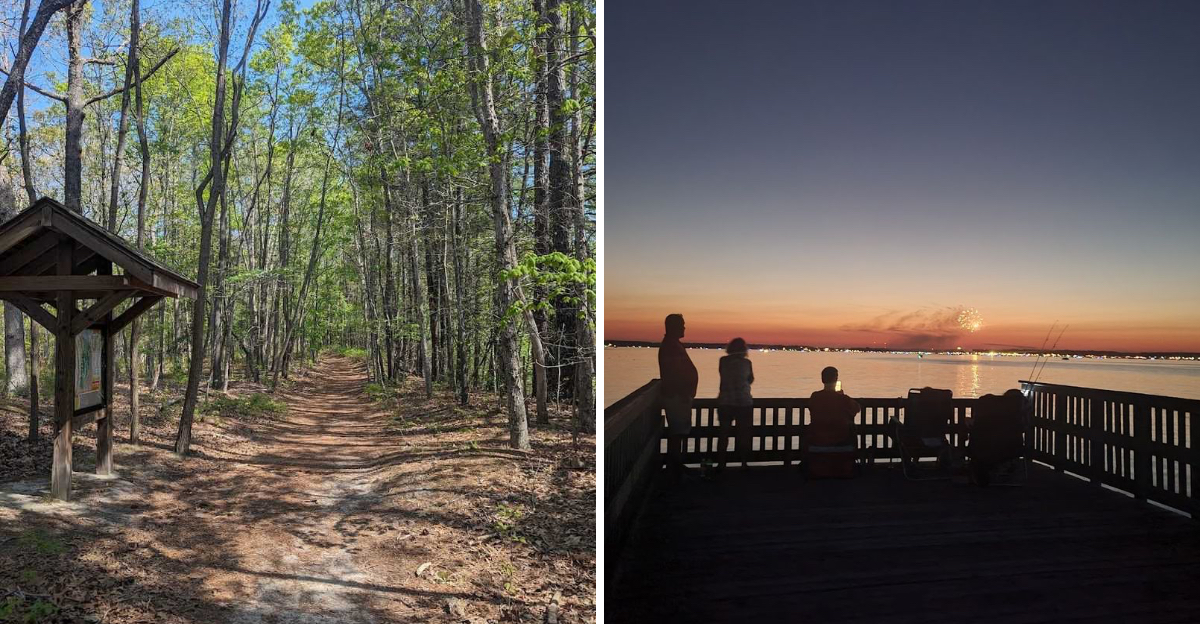
A patch of marsh, pine, and bay light somehow packs more surprise per step than parks twice its size. Fog rolls low across the water at sunrise, and herons stand frozen along the shoreline like they’re guarding a secret.
Crabs wait beneath a pier built just for chasing them, while kayaks slip out before anyone else stirs. Trails wander through forest, meadow, and marsh without repeating a view.
Birds dive overhead, deer drift through open fields at dusk, and the quiet feels earned, not empty. Delaware keeps this kind of layered beauty in places most road trips skip entirely.
Curiosity matters more than a checklist here. The real reward builds slowly, through light, stillness, and tiny moments stacking into something bigger.
Delaware rewards anyone who slows down enough to notice.
The Park That Punches Way Above Its Size
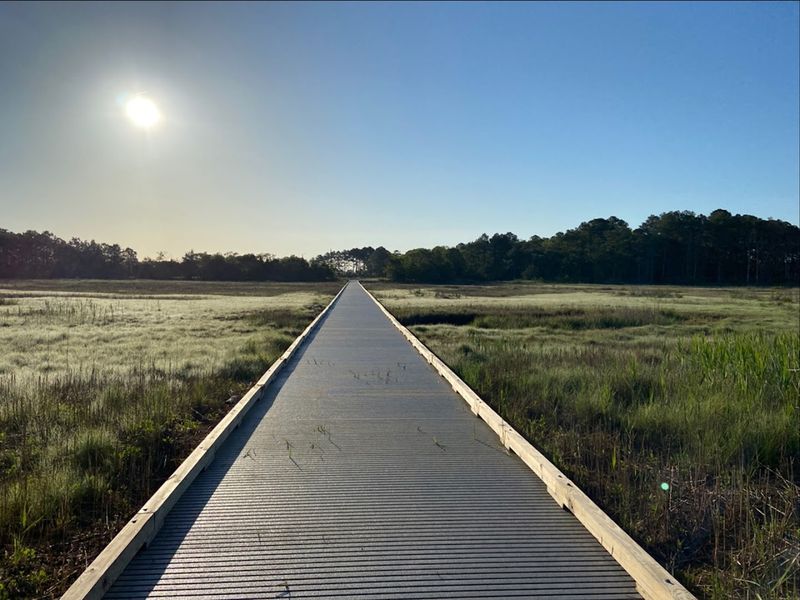
Two hundred acres sounds modest on paper. At Holts Landing State Park, those acres somehow contain an entire world.
Bay shore beaches, hardwood forests, salt marshes, freshwater ponds, and intertidal zones all share the same compact footprint. For a park often called Delaware’s smallest state park, the variety here is genuinely surprising.
Each habitat feels distinct, and moving between them takes only a short walk.
The park sits at 27046 Holts Landing Rd, Dagsboro, DE 19939, right on the southern edge of Indian River Bay. Delaware has a habit of hiding its best outdoor spaces in plain sight, and this is a prime example.
Visitors who expect a simple patch of grass with a picnic table leave with wide eyes. The landscape shifts constantly.
One moment you are under a pine canopy. The next, an open bay view stretches wide in front of you.
Small parks can carry big surprises, and this one delivers every single time.
A History Rooted In The Land Itself
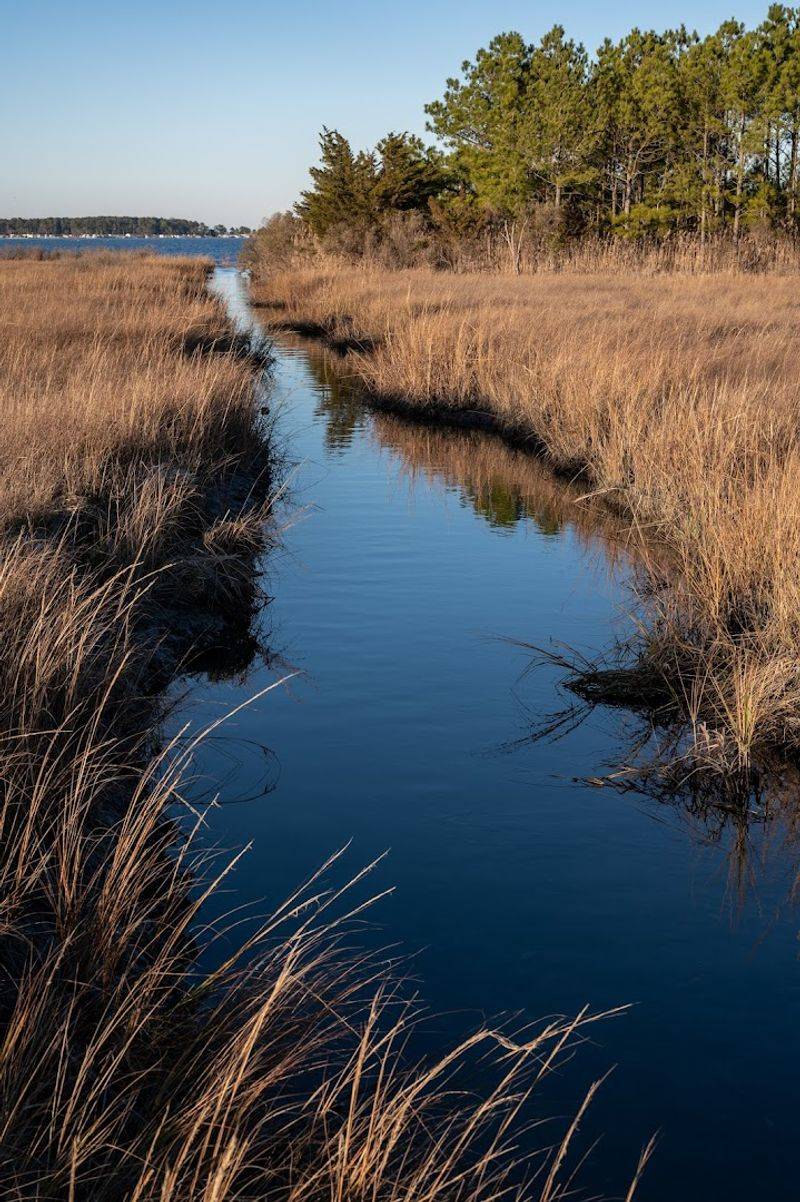
Long before it had a name on a map, this land was already well-known. Native American communities used the area for hunting and harvesting seafood from the shallow inland bays for centuries.
Later, the Holt family farmed the property for generations. Their connection to the land ran deep, and when they sold it to the state of Delaware in 1957, the transition felt less like a sale and more like a passing of stewardship.
The park officially became Holts Landing State Park in 1965.
That layered history gives the place a quiet weight. Standing near the water, it is easy to imagine how many different people have watched the same bay, fished the same shallows, and felt the same pull toward stillness that visitors feel today.
The name itself is a small tribute. It keeps the Holt family present in every conversation about the park, long after the farm fields have grown back into forest and meadow.
Morning Light On The Bay Is Something Else
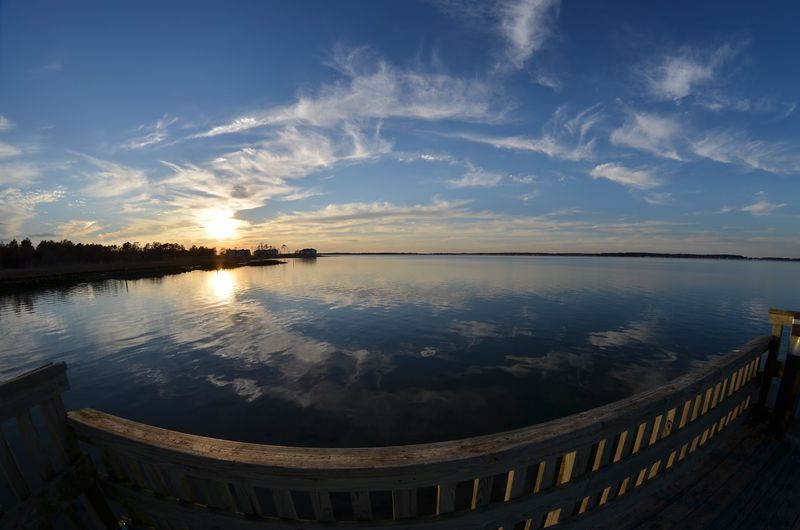
Sunrises at this park are no small thing. The bay catches the early light in a way that turns ordinary mornings into something worth waking up early for.
Indian River Bay sits calm most mornings, especially before the wind picks up. The water reflects the sky in broad, rippling panels of orange and pink.
Herons stand motionless at the water’s edge, unbothered by the changing colors above them. The whole scene feels curated, but it is entirely natural.
Regulars who visit before the rest of the world is awake know this secret well. The park draws people who take their quiet seriously, and the bay rewards them generously.
Delaware has no shortage of coastal scenery, but few spots offer this combination of accessibility and atmosphere. The parking area sits close to the water, so the walk from car to shoreline is short.
That means more time standing still, watching the light move, and less time wishing you had arrived sooner.
Trails That Actually Go Somewhere Worth Going
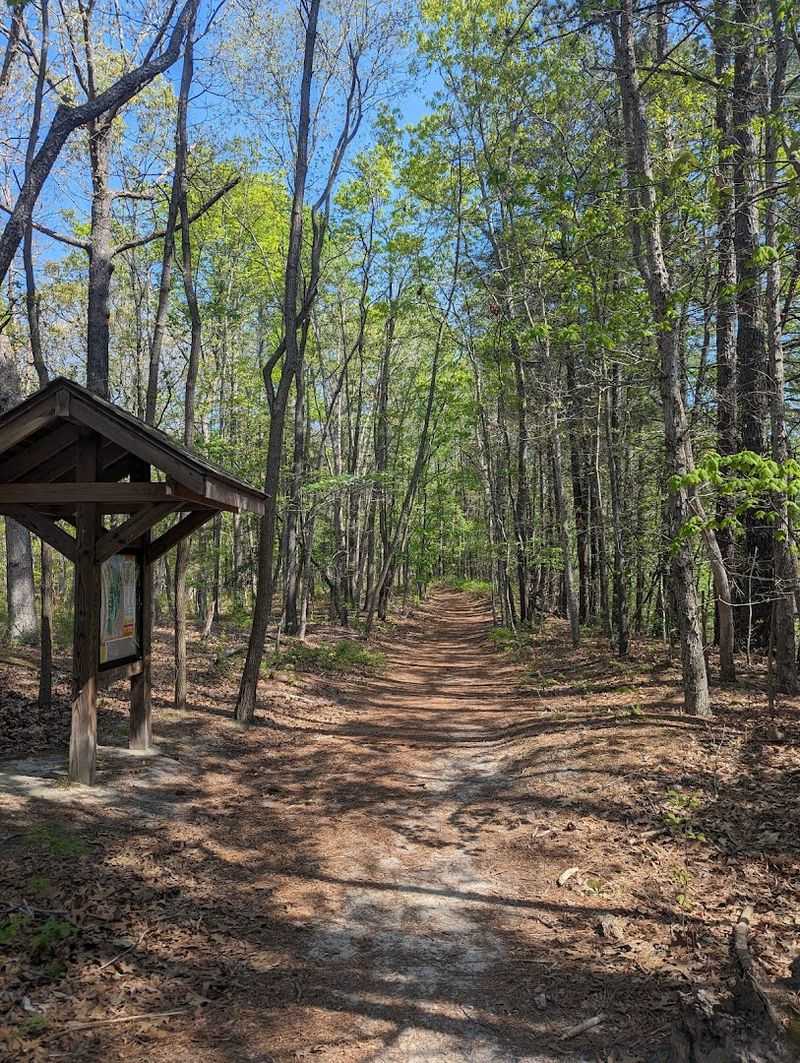
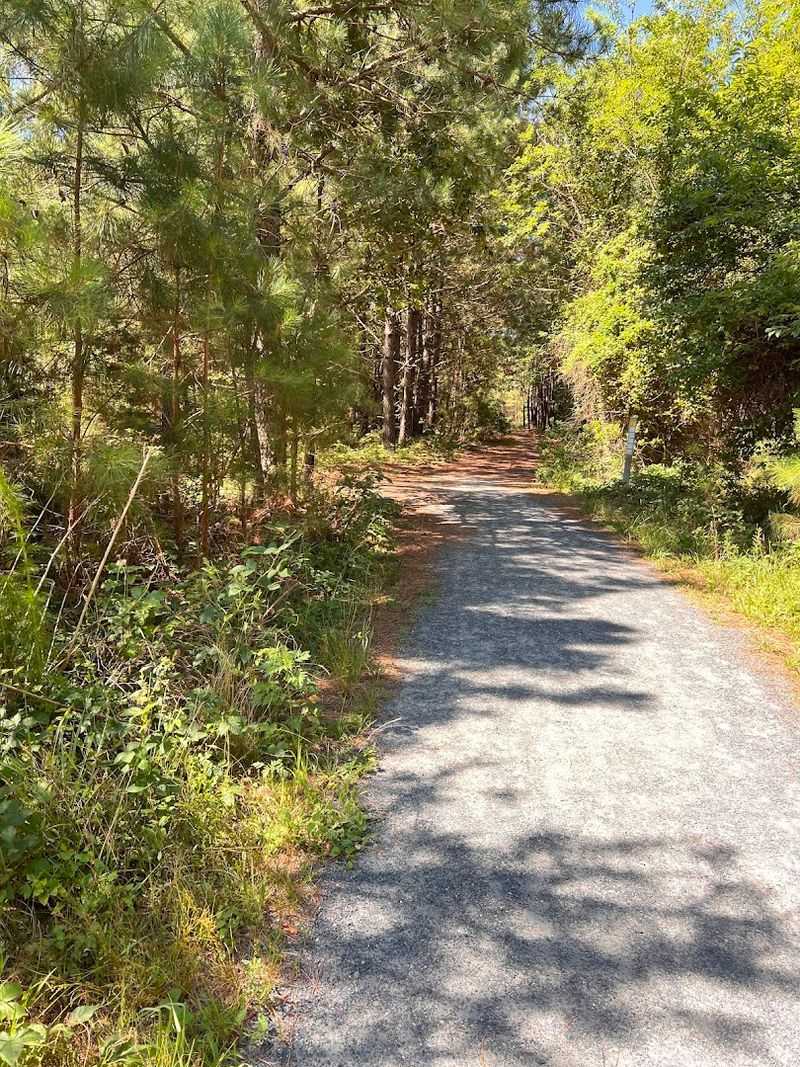
Two main trails give visitors different ways to experience the park. Both are worth the time, and neither asks too much of your legs.
The Seahawk Trail is the more popular of the two. It runs roughly 1.3 to 1.7 miles in a loop and qualifies as ADA-accessible, making it welcoming for strollers, wheelchairs, and anyone who prefers a more stable surface.
The path winds through salt marsh, maritime forest, and freshwater ecosystems. Benches appear at regular intervals, placed at spots where the view earns a pause.
The Seahorse Trail offers a longer loop through the park’s western forest, winding past several hidden ponds and the campsite area. That variety keeps the walk interesting from start to finish.
One practical note worth sharing: bug spray matters in warmer months, especially on the wooded sections in the late afternoon. The pier stays breezy enough to avoid most insects, but the forest trails tell a different story entirely.
The Crabbing Pier That Makes Kids Absolutely Lose It
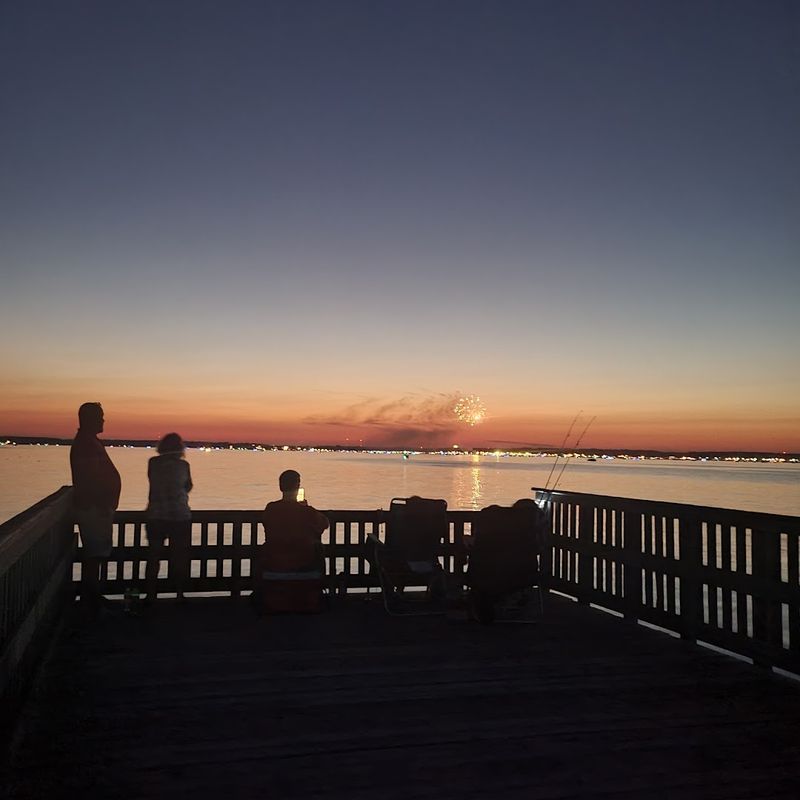
Delaware’s state park system has exactly one purpose-built crabbing pier. It lives here, at Holts Landing, and it earns every bit of its reputation.
Blue crabs are the main attraction. Families line up along the railing with string lines and bait, and the bay delivers.
Horseshoe crabs make appearances too, which tends to spark loud and enthusiastic reactions from younger visitors. Clamming is also possible in the shallows, though success varies with tides and seasons.
A fishing license is required for recreational clamming, crabbing, and fishing, so it is worth sorting that out before arriving. The pier itself stays breezy and comfortable even on warm days, which makes longer sessions much more enjoyable.
The proximity to the parking area is a genuine advantage for families with young kids. Gear does not have to travel far, and tired little ones do not have to walk back through the woods.
It is a small logistical win that makes the whole outing smoother and more relaxed than most waterfront spots in Delaware.
Paddling Out Onto Indian River Bay
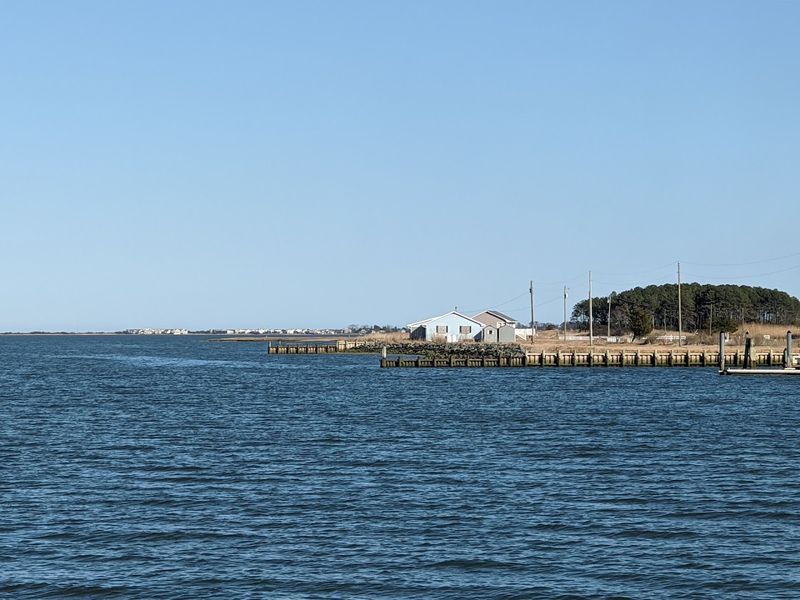
The boat ramp here operates around the clock and serves as one of the only public access points to Indian River Bay in the area. That access alone draws a steady crowd of paddlers and boaters throughout the warmer months.
Kayaks, canoes, and stand-up paddleboards all launch easily from the ramp. Larger boats up to around 25 feet can use the facility as well.
Wind-surfing is popular when conditions cooperate, and the open bay gives plenty of room to move.
Paddling out in the early morning offers a completely different perspective on the park. The marsh edges look different from the water.
Herons and egrets that blend into the shoreline from land become much more visible from a low kayak seat. The bay opens up gradually, and the sense of quiet expands with it.
Two launch slips are available, and they can get busy on weekends. Arriving earlier in the day tends to make the whole process easier and more relaxed, with more water and fewer boats to share it with.
Wildlife That Shows Up Without An Invitation
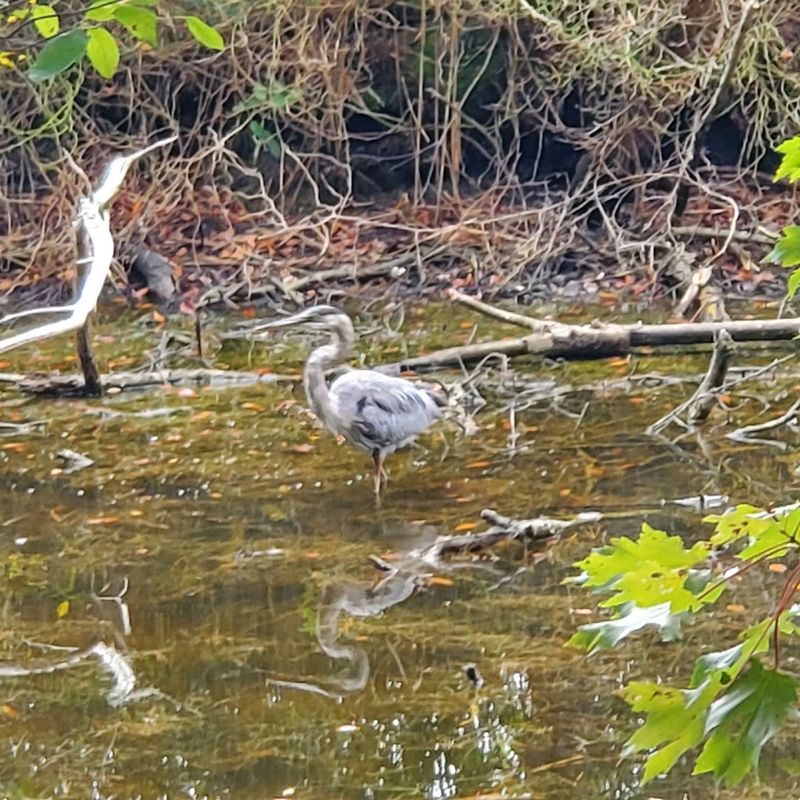
Hawks circle overhead without warning. Osprey drop toward the water at speed, then pull up at the last second with something silver in their talons.
This park delivers wildlife moments that feel unscripted because they are.
Birdwatchers find plenty to work with here. Herons, egrets, ibises, and various songbirds move through the marshes and forest edges throughout the year.
The park sits along a productive stretch of the Delaware coast, and migratory birds use it as a reliable stop during seasonal movements.
On the ground, white-tailed deer appear in the meadows, especially in the early morning and late afternoon. Raccoons, foxes, muskrats, and opossums round out the cast of regular visitors.
Most are unbothered by quiet walkers who move slowly and stay on the trail.
Fog adds another layer to the experience. On misty mornings, the marsh takes on a soft, muted quality that makes even familiar species look unusual.
Regulars report that foggy visits can produce some of the most memorable wildlife sightings the park has to offer.
Picnics, Pavilions, And A Playground That Earns Its Shade
Not every park visit has to involve a trail or a fishing rod. Sometimes the goal is a slow afternoon with food, a fire, and somewhere comfortable to sit.
This park covers that too.
Picnic tables and charcoal grills are spread throughout the park, giving families plenty of options for outdoor meals. A rentable pavilion with a fire pit handles larger group gatherings well.
Horseshoe pits add a competitive edge for anyone who takes lawn games seriously.
The playground stands out for one specific reason: shade. Finding a shaded playground in coastal Delaware is harder than it sounds.
The one here sits under a generous tree canopy, which makes it usable on hot summer days when most playgrounds become too hot to enjoy.
Primitive campsites are available for groups, adding an overnight dimension to the park experience. The Grove area within the park also hosts summer concerts and outdoor events, which gives the park a livelier side that balances well with its reputation for quiet and calm.
Practical Things Worth Knowing Before You Go
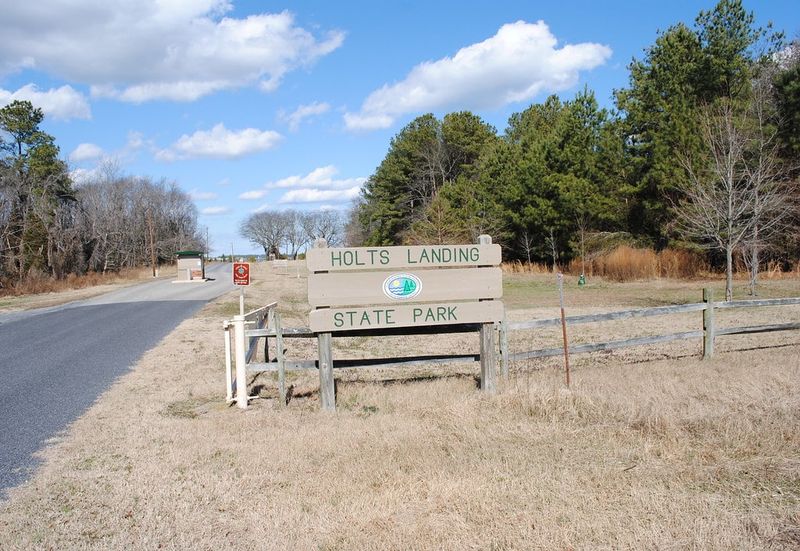
A few details make the difference between a smooth visit and a frustrating one. Knowing them ahead of time keeps the focus on the park itself rather than logistics.
Entrance fees apply daily from March 1 through November 30, with annual permits available for visitors who come back often. Annual permits are available for frequent visitors and tend to pay off quickly.
The pay station at the parking lot accepts credit cards, which is helpful when cash runs short.
Pets are welcome in designated areas but must stay on a leash at all times. The park follows a carry-in, carry-out policy, so packing a bag for trash is a simple but important step before leaving home.
The park is open daily from 8 AM to sunset. Arriving early is almost always the right call.
Morning hours bring the best light, the calmest water, and the fewest other visitors. Delaware rewards the early risers, and this park does so more quietly and completely than most.