
The Underrated Massachusetts Zoo That Deserves Way More Attention
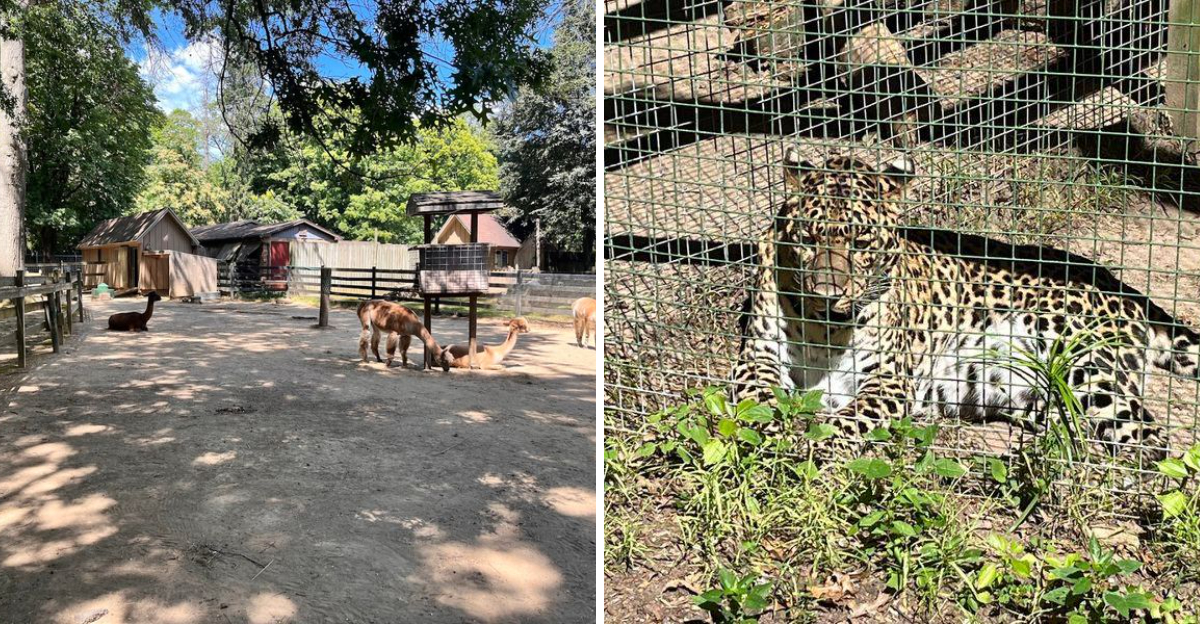
Everyone talks about the big name zoos, but Massachusetts has a quieter one that deserves way more love. Walk through the gates and you’ll find animals that were rescued, not just collected.
Camels stroll past, peacocks roam wherever they please, and the cockroaches in the education center will absolutely make you jump.
The grounds feel calm and easy to wander, perfect for families who don’t want to spend an entire day on their feet.
Kids stay interested without getting worn out, and that alone says something. Staff members clearly love their jobs, sharing facts about the animals like proud parents showing off their kids’ achievements.
Is it flashy? Not really. Does it need to be? Not at all.
This place wins people over with heart instead of size, and once you visit, you’ll wonder why it took you so long to show up.
Massachusetts keeps surprising people with spots like this, and this zoo earns its place on that list.
A Zoo With More Than 125 Years Of History Behind It
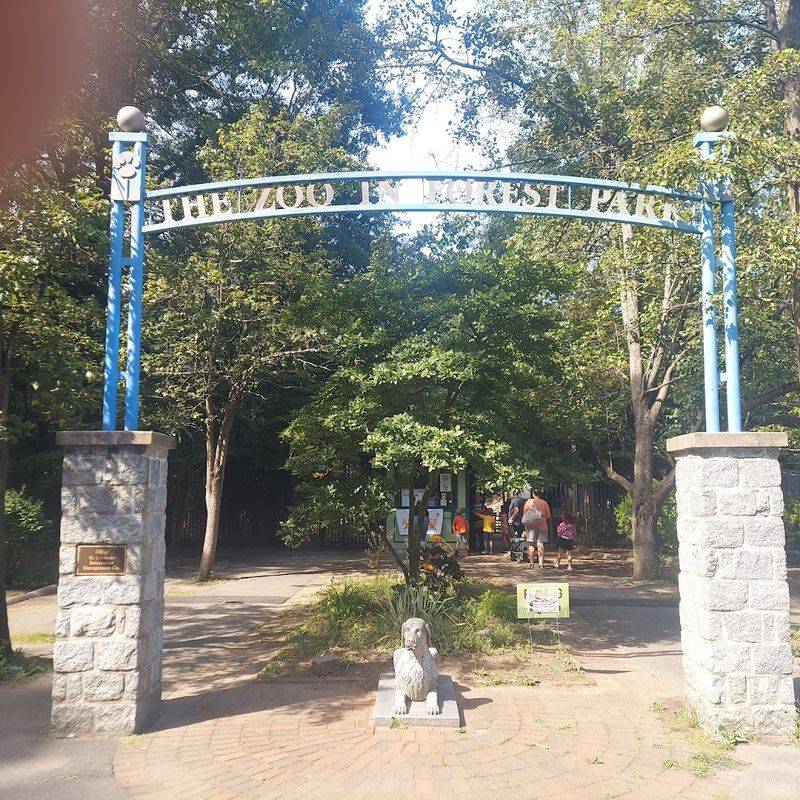
Some institutions earn their reputation over decades, and this zoo has had well over a century to build its character.
It first opened its gates in 1894, making it one of the oldest continuously operating zoos in New England.
That is not a small achievement for a non-profit organization operating on four acres within Springfield, Massachusetts.
What makes its history especially compelling is the connection to Theodor Robert Geisel, father of the legendary Dr. Seuss.
He curated the zoo for 30 years, and his observations there are widely credited as inspiration for the 1950 classic “If I Ran the Zoo.”
That single literary thread connects this modest Springfield attraction to one of the most beloved children’s books ever written.
The zoo celebrated its 125th anniversary in 2019, a milestone that drew attention to just how enduring its community role has been. It continues to serve families, school groups, and curious adults who appreciate institutions with genuine roots.
History here is not decorative. It is structural, woven into every exhibit and every animal story on display.
The Dr. Seuss Connection That Most Visitors Never Expect
Few zoos in America can claim a direct line to one of the world’s most beloved authors, but this one can.
Theodor Robert Geisel, whose son became the iconic Dr. Seuss, spent 30 years curating the Zoo in Forest Park.
His son grew up visiting, observing, and absorbing the personalities of the animals here in Springfield, Massachusetts.
That creative immersion produced “If I Ran the Zoo,” published in 1950, a book that has shaped how generations of children imagine wild animals and fantastical creatures.
The zoo’s real animals, from Arctic foxes to ring-tailed lemurs, carry an echo of that imaginative legacy. You almost expect to spot something improbable behind the next enclosure.
For families who arrive already knowing this story, the experience takes on a richer dimension.
For those who discover it mid-visit, it becomes a genuine surprise that deepens everything they have already seen.
The staff are happy to share this history, and the zoo’s signage acknowledges it with appropriate pride. It is not a gimmick.
It is a documented, meaningful chapter in American literary and natural history that gives this small zoo an outsized cultural footprint.
Over 200 Animals Living On Just Four Remarkable Acres
Four acres sounds modest until you realize how much life is packed into that space. The Zoo in Forest Park and Education Center houses over 200 to 225 animals across a thoughtfully arranged footprint inside the vast 735-acre Forest Park.
The density of species relative to the physical size is genuinely impressive.
Residents include African bullfrogs, American alligators, Arctic foxes, bobcats, dromedary camels, fennec foxes, ring-tailed lemurs, servals, and timber wolves.
That list spans continents and climates, from desert-adapted fennec foxes to cold-weather wolves, all coexisting within a few minutes’ walking distance of each other.
Free-roaming peafowl add an unscripted element to the visit. They wander across paths, perch on rooftops, and announce themselves loudly before you ever spot them.
Baba, an elderly black-handed spider monkey, has long been a favorite resident, and Poncho, a blue-and-yellow macaw with his own email address and television appearances, adds a layer of personality that larger zoos rarely manage.
The compactness of the layout actually works in the zoo’s favor. Nothing feels distant or exhausting, and even young children move through the entire route without complaint.
Why Every Animal Here Has A Story Worth Knowing
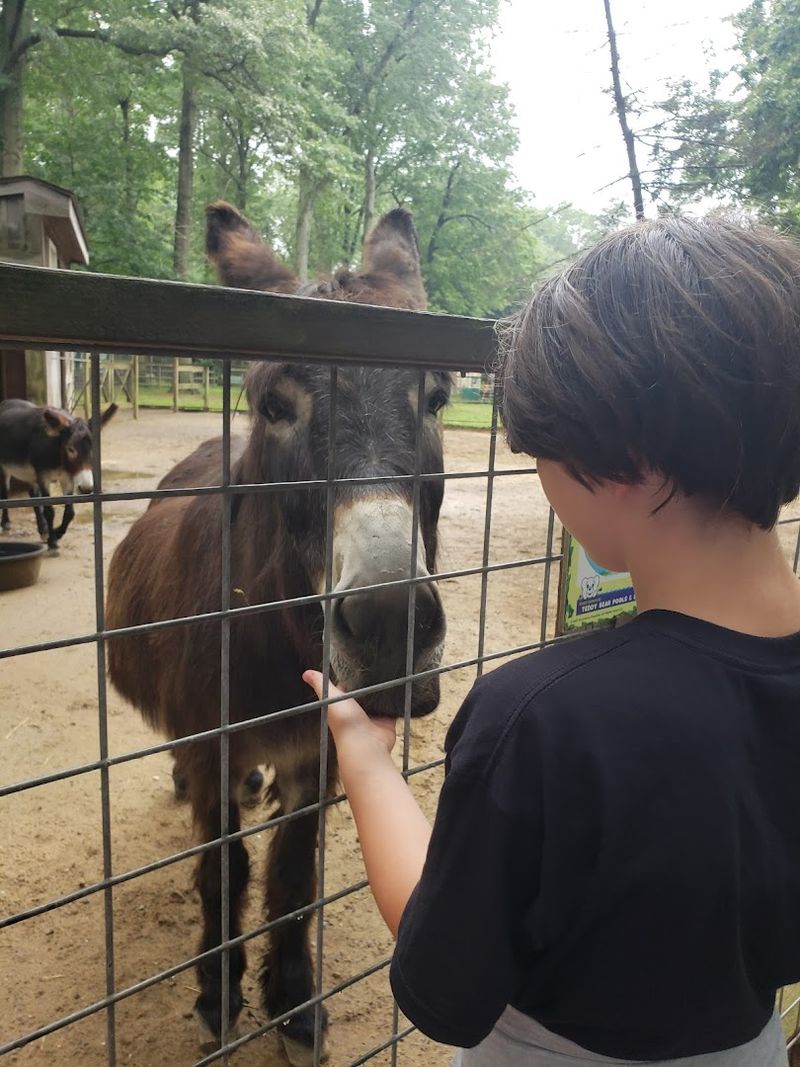
One of the most distinctive qualities of this zoo is how deliberately it tells individual animal stories.
Signage throughout the grounds explains not just species facts but the personal histories of specific residents.
You learn why a particular fox has three legs, how a certain bird ended up surrendered by a private owner, or what injury prevented an animal from surviving in the wild.
The zoo’s core mission centers on providing permanent homes for animals that cannot be released. These are creatures affected by injury, illness, permanent disability, or human imprinting.
Rather than framing this as a limitation, the zoo presents it as a form of purposeful stewardship that connects visitors to real conservation challenges.
That approach changes how you look at each enclosure. Instead of simply observing an animal, you are reading a biography.
Visitors consistently note that this storytelling method keeps them engaged far longer than they expected. It also builds genuine empathy, particularly among younger visitors who might otherwise move quickly from one animal to the next.
The zoo at 293 Sumner Ave, Springfield, MA 01108 understands that emotional connection is the foundation of lasting conservation awareness, and it builds that connection one story at a time.
Feeding Animals By Hand Is Absolutely Part Of The Experience
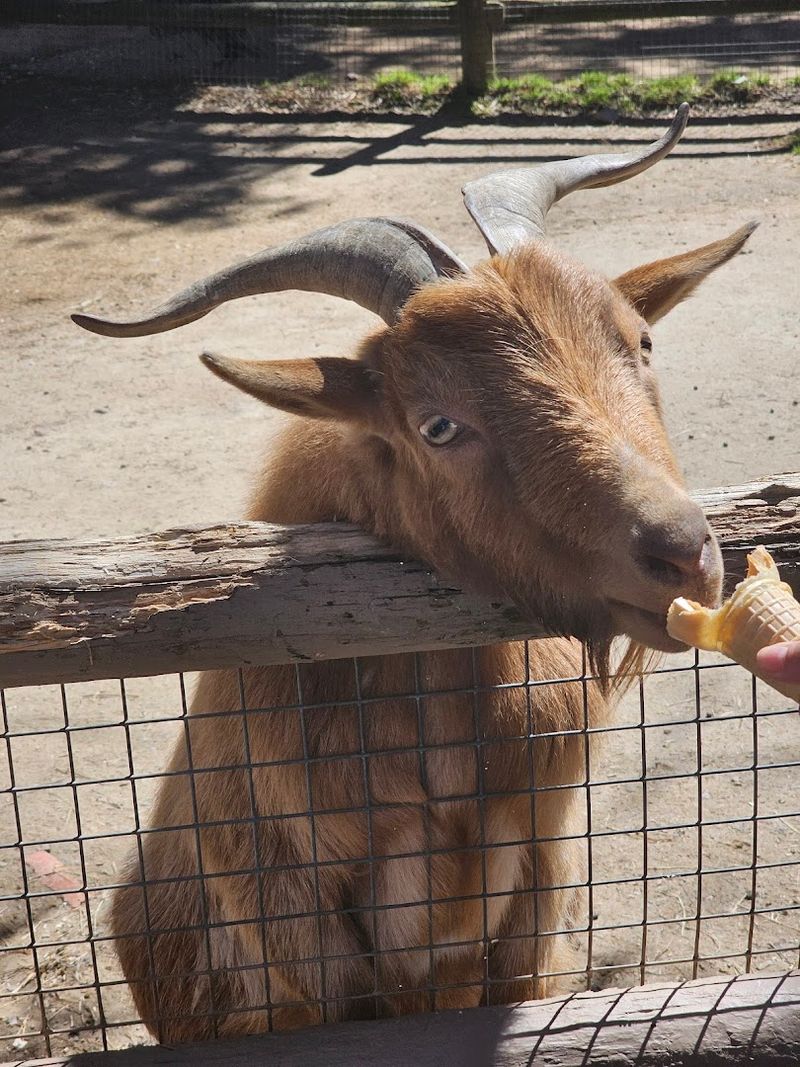
There is something immediately satisfying about feeding an animal from your own hand.
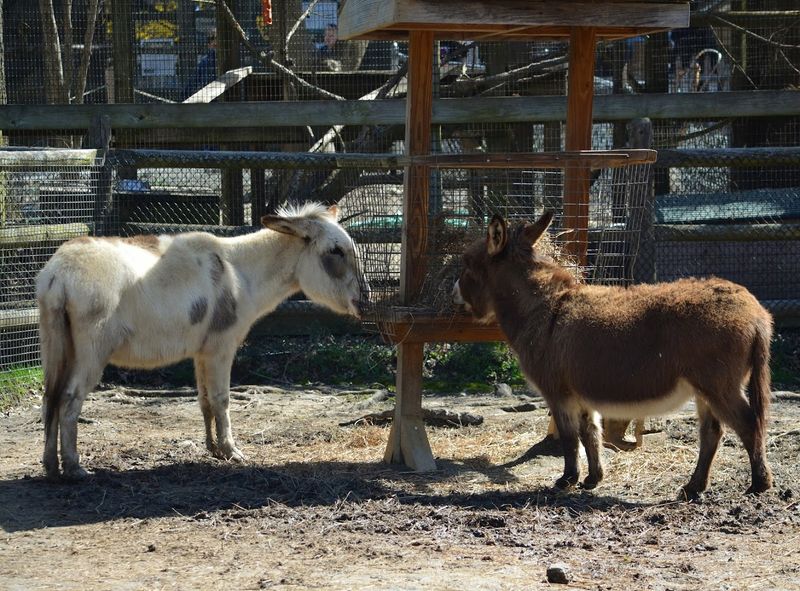
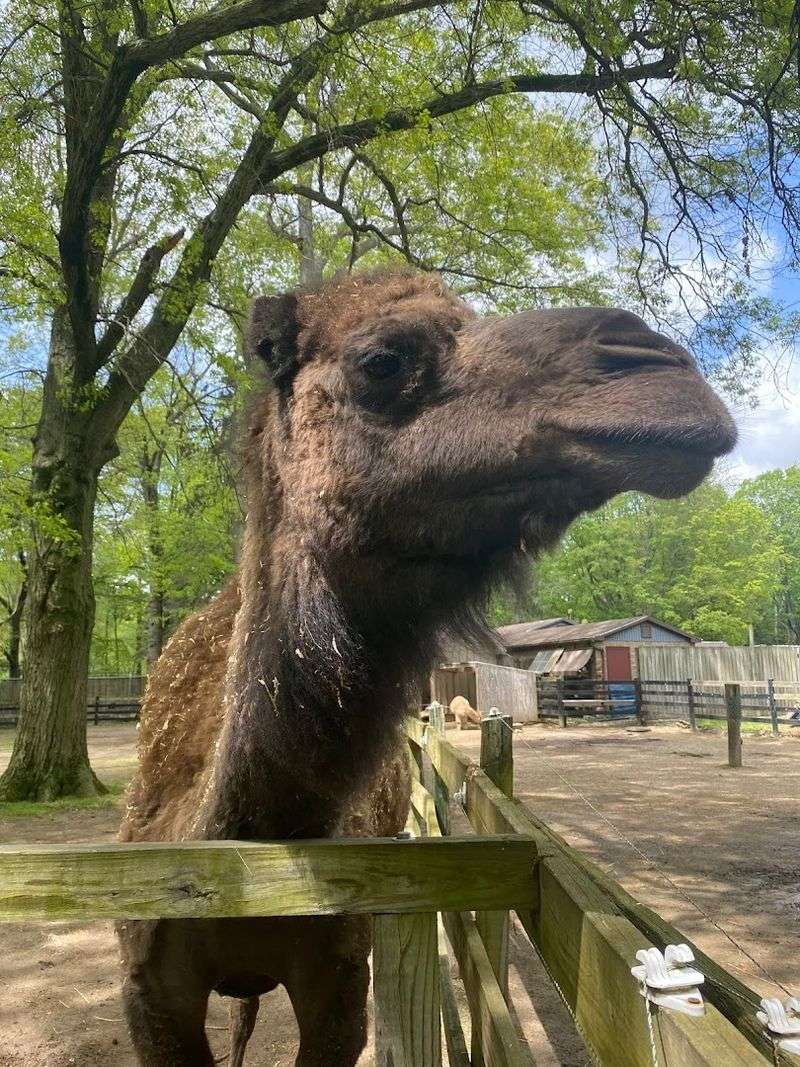
At the Zoo in Forest Park, visitors can purchase grain cones near the entrance and use them to feed hoofstock including goats, sheep, alpacas, and the zoo’s dromedary camel.
The interaction is simple, tactile, and memorable in a way that passive observation rarely is.
Max, the dromedary camel, has become something of a local celebrity. He accepts grain offerings with a calm, unhurried manner that tends to delight children and disarm skeptical adults in equal measure.
The barn area with farm animals adds another layer of approachability for younger visitors who may feel uncertain around more exotic species.
These feeding moments create a kind of informal education that no exhibit panel can fully replicate.
When a child feels the rough texture of a camel’s lips or hears the eager sounds of a goat moving toward the fence, the experience becomes personal. It shifts the zoo from a place you look at to a place you participate in.
That shift is small in logistics but significant in the impression it leaves on first-time and returning visitors alike.
Educational Programs That Go Well Beyond A Standard School Trip
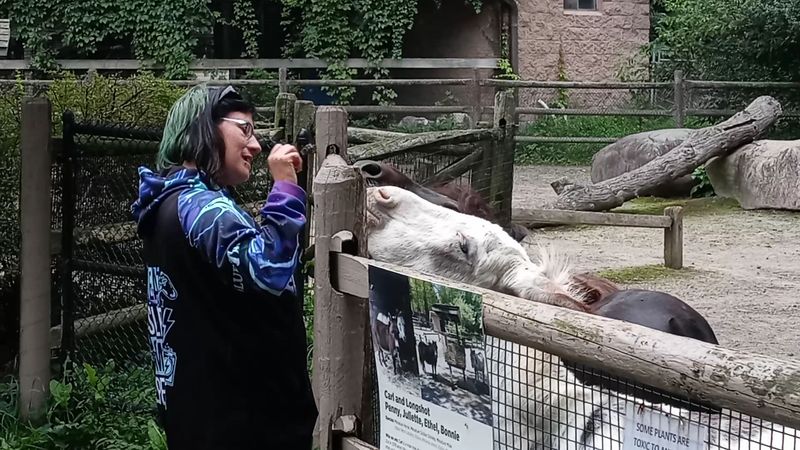
The educational programming at this zoo operates with a seriousness of purpose that exceeds what most small institutions attempt.
The Zoo in Forest Park and Education Center offers a structured lineup that includes Zoo on the Go, Close Encounter Guided Tours, Discovery Programs, Zoo Camp during winter and summer school vacations, Kids Go Wild, and Wildlife on Wheels.
Each program is designed to meet different age groups and learning contexts.
Zoo Camp in particular draws families back year after year. It gives children extended access to animals and educators in a setting that feels both structured and genuinely fun.
Wildlife on Wheels brings the zoo’s educational content directly to schools and community centers, expanding its reach well beyond the physical gates on Sumner Avenue.
The Adopt an Animal program allows individuals, families, or community groups to support the cost of food and care for a specific resident. This creates a sense of ongoing investment in the zoo’s work that a single admission ticket cannot provide.
Staff members observed during educational sessions are consistently described as passionate, patient, and deeply knowledgeable.
The quality of interaction between educators and visitors at this zoo reflects an institution that takes its teaching mission as seriously as its conservation commitments.
Forest Park Itself Makes The Surrounding Visit Worthwhile
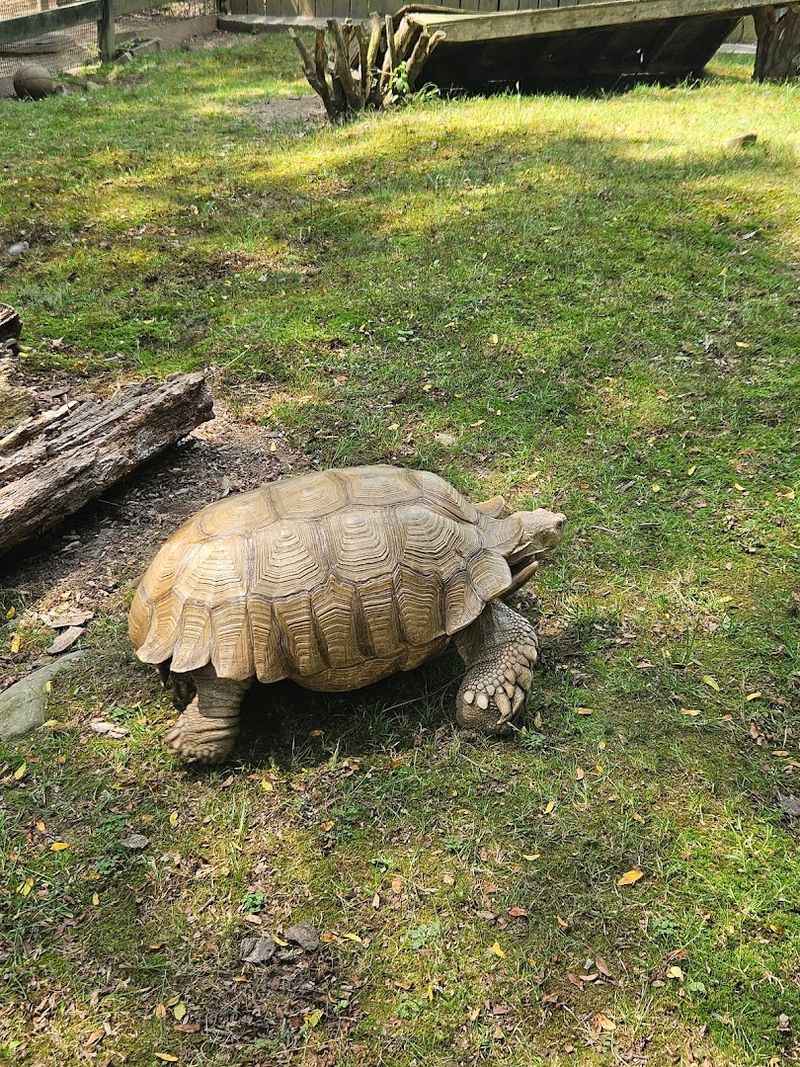
The zoo does not exist in isolation. It sits within Forest Park, a 735-acre urban woodland that offers trails, open meadows, a pond, and ample picnic space.
The park’s scale provides a natural buffer that makes the entire visit feel unhurried and genuinely restorative, particularly for families who want more than a single afternoon attraction.
Visitors are welcome to bring packed lunches and eat at picnic tables located just outside the zoo’s exit, inside the park grounds.
Outside food is not permitted within the zoo itself, but the proximity of shaded outdoor seating means no one has to choose between convenience and comfort.
After a walk through the zoo, settling into the park for lunch extends the outing naturally.
Parking is managed separately by the City of Springfield and is a cash-only fee at the park entrance.
For those navigating by GPS, using the F-Lot as a destination landmark tends to produce the most reliable route to the zoo.
The park entrance from Main Greeting Road followed by North Greeting Road is the path most experienced visitors recommend.
The combination of zoo and park creates a full-day itinerary that costs far less than comparable urban attractions in the region.
What Visiting Hours And Admission Actually Look Like In Practice
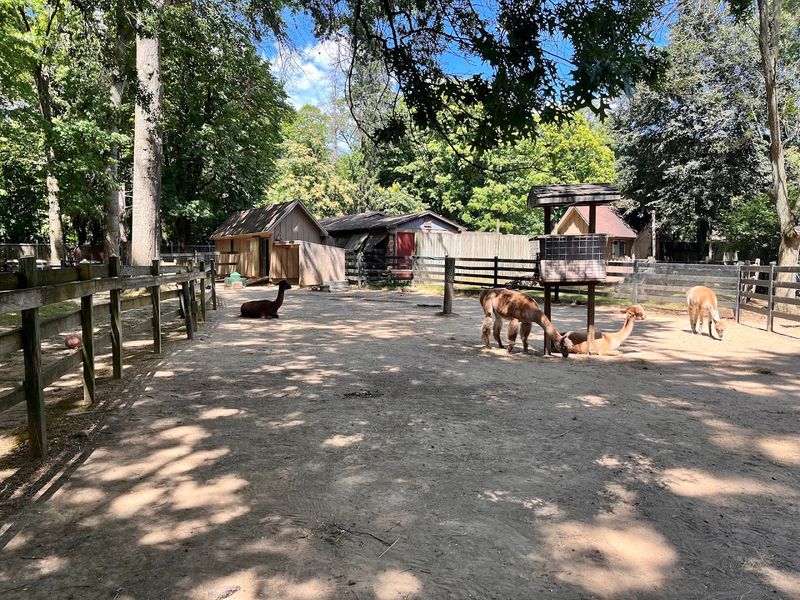
Planning a visit here is straightforward, which is itself a welcome quality in an age of complicated ticketing systems. The zoo is open daily from 10:00 AM to 4:00 PM, weather permitting, seven days a week.
That consistent schedule makes it easy to slot into a weekend trip or a midweek outing without much advance coordination.
Tickets are available at the gate, and visitors consistently note that lines move quickly even on busier days.
The zoo’s compact layout means that a thorough visit typically takes between one and two hours.
One practical note worth keeping in mind: parking is a separate cash-only fee managed by the City of Springfield, not the zoo itself.
Checking your local library for discount admission passes is a tip that circulates among Springfield-area families, and it is worth pursuing before arrival.
The phone number for the zoo is +1 413-733-2251, and the website at forestparkzoo.org carries updated information on special events, closures, and programming schedules.
For a non-profit operating on a modest footprint, the visitor experience here is organized with admirable clarity.
The Conservation Mission That Quietly Powers Everything Here
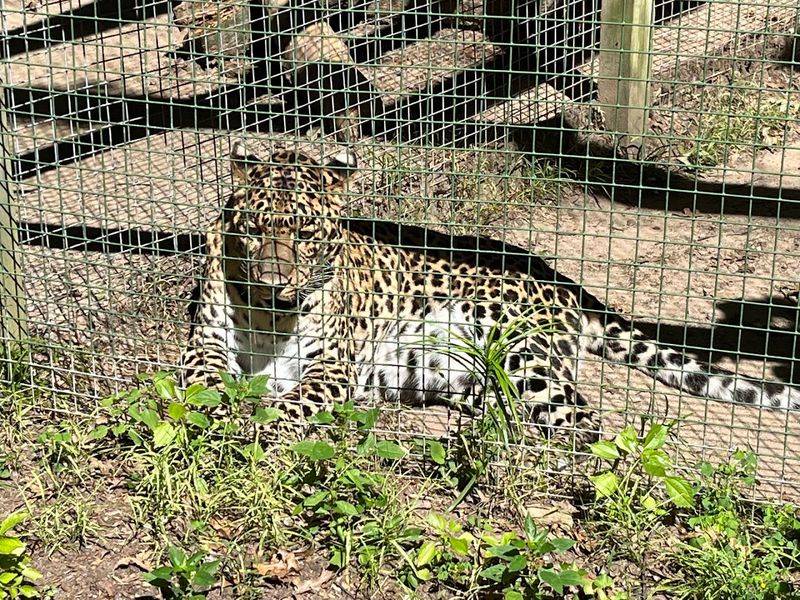
Behind every animal encounter and every educational program at this zoo is a conservation mission that shapes all operational decisions.
The Zoo in Forest Park and Education Center functions as a non-profit organization whose primary purpose is to promote public awareness and appreciation for animals and the natural environment.
That mission is not a tagline. It is the reason the zoo exists in its current form.
A significant portion of the animals in residence are non-releasable, meaning they cannot safely return to the wild.
Their situations vary: some arrived with permanent physical injuries and others with illnesses that required long-term management.
There are also animals that were so thoroughly imprinted by human contact during their early lives that survival in the wild became impossible. The zoo provides them with permanent, attentive care.
This focus on rehabilitation and education creates a visitor experience that carries moral weight without becoming heavy-handed.
Families leave with a clearer understanding of how human activity intersects with wildlife welfare, and that understanding tends to linger.
The zoo’s staff approach their work with visible dedication, and the enrichment programs designed for resident animals reflect a genuine commitment to quality of life beyond basic care.
For a zoo of its size, the ethical seriousness here is both rare and worth acknowledging directly.