
This Alabama Road Trip Winds Past Spanish Moss, A Historic Fort, And Gulf Coast Views
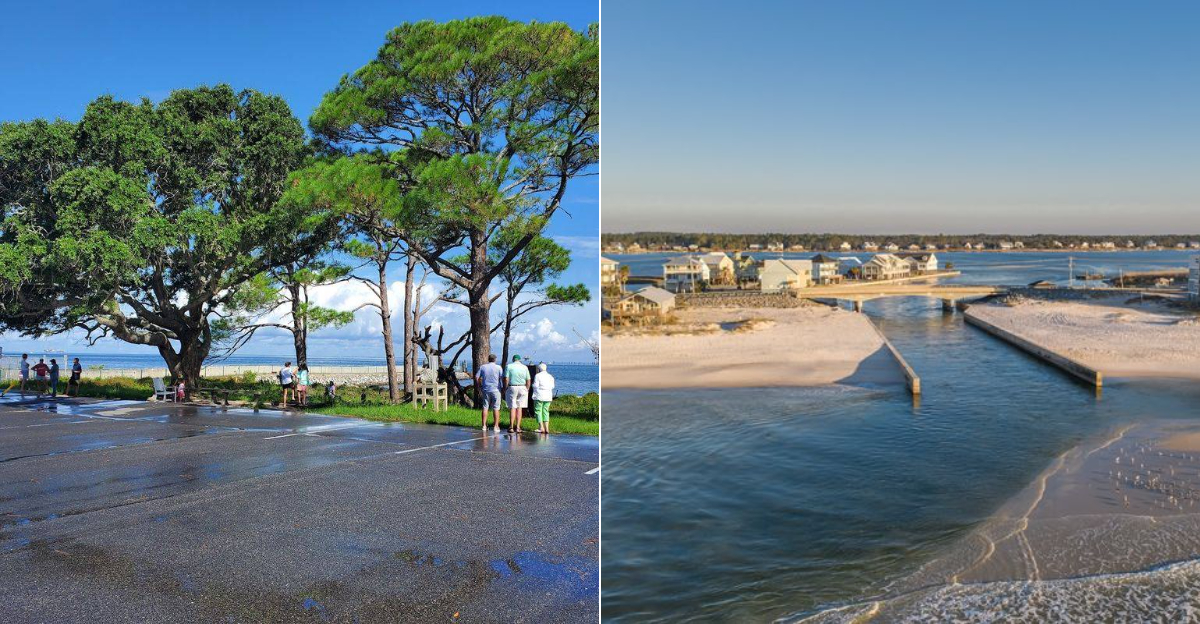
Some coastal roads make you choose between the beach and the bay. In Alabama, this one lets you enjoy both, weaving past white sand, quiet marshes, towering oaks, and one of the Gulf Coast’s most peaceful stretches.
Every mile seems to reveal something different. Who could resist spotting dolphins, wandering empty beaches, exploring a centuries-old fort, and driving beneath canopies of Spanish moss all in one afternoon?
This is not the kind of route to rush from end to end. Stop often, stretch your legs, and let the scenery change with every turn of the road.
Bring binoculars, plenty of water, and an unhurried schedule. Alabama turns this coastal drive into a relaxing escape where history, wildlife, and Gulf views come together beautifully.
The Drive Along AL-180
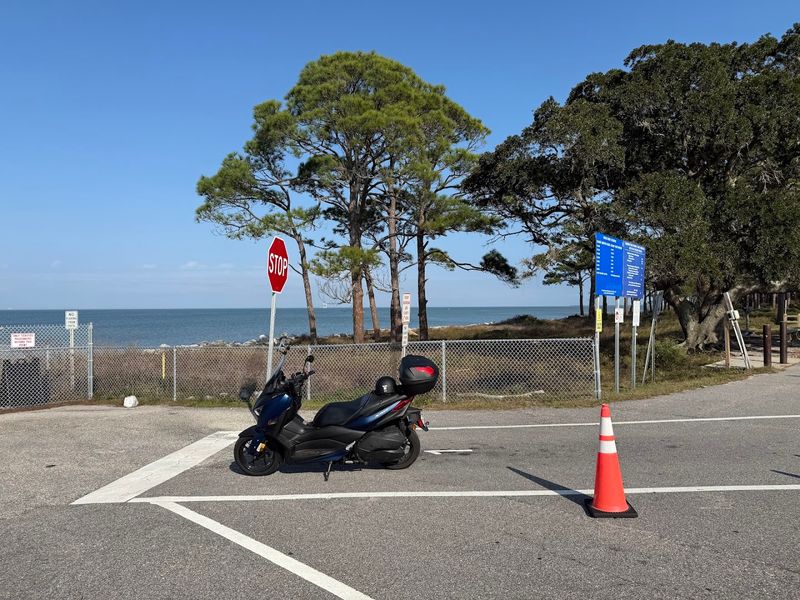
Few roads in Alabama reward drivers the way Fort Morgan Road does. Alabama Highway 180 stretches about 22 miles west from Gulf Shores to the tip of Mobile Point, and every mile brings something new to look at.
On one side, the Gulf of Mexico spreads out in shades of turquoise and green. On the other, Mobile Bay glimmers in the distance.
The peninsula narrows as you drive west, and suddenly the water feels like it is on both sides at once.
Pull over whenever the view calls to you. There are spots along the way where you can park, step out, and just breathe it all in.
The road passes through Bon Secour National Wildlife Refuge, a nearly 7,000-acre stretch of coastal land with dunes, wetlands, and trails. Birdwatchers will want to slow down here.
Over 400 species of birds use this corridor during migration season.
Spanish moss hangs from old live oaks in quiet, dreamy clusters. The landscape shifts between open beach and shaded canopy, keeping the scenery fresh the whole way.
Is there a better road trip in Alabama? Probably not.
This drive is the kind that makes you want to turn around and do it all over again just to catch what you missed the first time.
Ft. Morgan Fishing Beach
Not every great beach has a sign pointing to it. Ft.
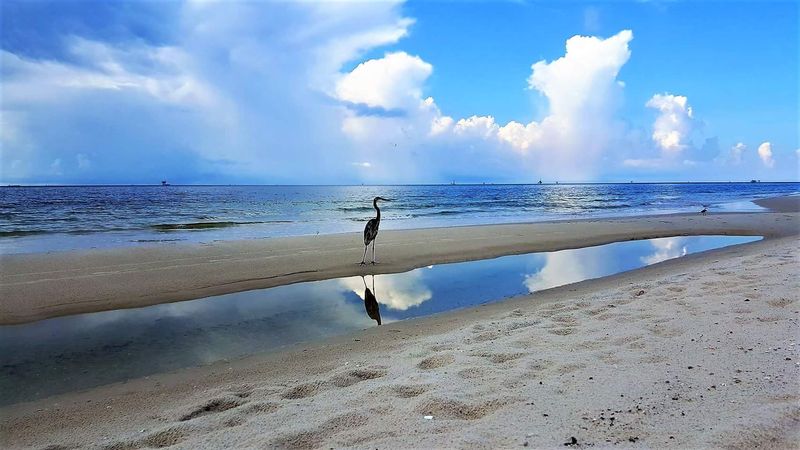
Morgan Fishing Beach sits at the end of an unnamed road near Gulf Shores, AL 36542, and that rough, washed-out road is exactly why it stays so beautifully quiet.
Parking is limited, so arriving early is a smart move. The walk from the parking area to the beach is flat and paved, though it does take a few minutes.
Bring a beach cart if you are hauling gear, and pack everything you need since there are no restrooms on site.
Once you hit the sand, the reward is immediate. Soft white sand, clean water, and almost no crowd.
Can you even remember the last time you had a beach mostly to yourself?
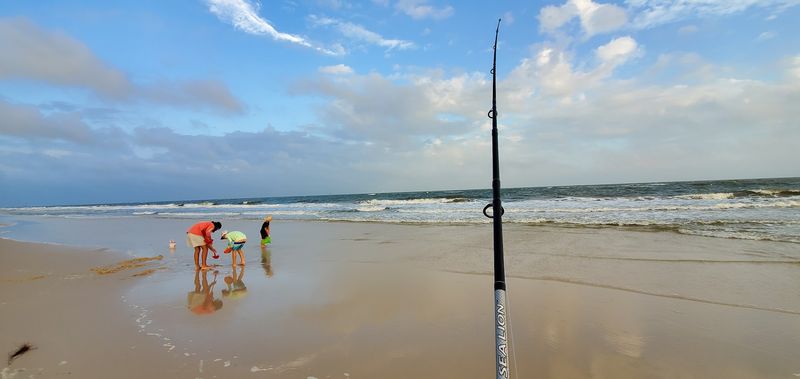
Fishing is the main event here. Anglers cast lines and pull up a surprising variety of species.
Crabs scuttle along the shoreline, and dolphins have been spotted swimming just offshore. Pelicans and herons cruise overhead like they own the place.
Shells litter the sand in generous numbers, making this a great spot for collectors. Sunsets here are the kind that make your phone camera feel completely inadequate.
The beach is best suited for able-bodied visitors given the walk involved, and dogs are not permitted on the beach. Come ready to create your own fun, and this place will absolutely deliver.
Spanish Moss And Live Oaks
Spanish moss does not grow on just any tree. It chooses live oaks, wrapping around their wide branches in long, silvery curtains that sway in the Gulf breeze.
Along the Fort Morgan Peninsula, these trees line sections of the road like natural artwork.
The moss is not a parasite, despite what many people assume. It absorbs moisture and nutrients directly from the air, thriving in the warm, humid climate of coastal Alabama.
It just happens to look wildly dramatic while doing it.
Gulf State Park, located between Gulf Shores and Orange Beach, is one of the best spots to see this iconic combination of moss and oak. The park covers thousands of acres with freshwater lakes, white sand beaches, and over 28 miles of paved trails.
Walking under a canopy of moss-covered oaks feels genuinely cinematic. The light filters through in golden streaks, and the whole scene has a timeless quality that no filter can replicate.
Have you ever stood under a tree that made you stop mid-sentence just to stare?
These trees have been growing here for generations. They have weathered storms, humidity, and decades of salty Gulf air.
Stopping to look up at them for a moment is one of those small travel experiences that somehow stays with you long after the trip is over.
Bon Secour Wildlife Refuge
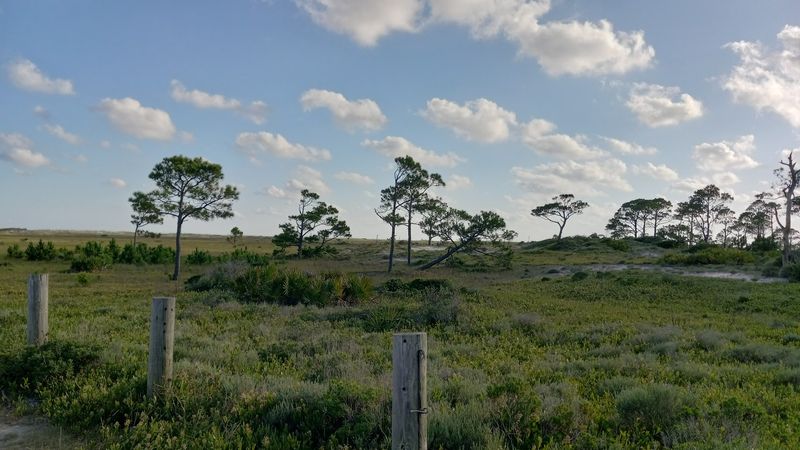
Right along Fort Morgan Road sits one of Alabama’s most important natural areas. Bon Secour National Wildlife Refuge covers nearly 7,000 acres of coastal habitat, including dunes, wetlands, pine forests, and pristine shoreline that has never been developed.
The refuge is a critical stop for migratory birds traveling along the Gulf Coast. Over 400 species have been recorded here, making it a genuine destination for birdwatchers.
Bring binoculars and patience, and the payoff is remarkable.
Hiking trails wind through the refuge and offer views of natural shorelines and quiet lagoons. Boat launches are available for canoes and kayaks, giving paddlers a chance to explore the waterways up close.
Is there a better way to see a wildlife refuge than from the water?
The refuge also plays a role in protecting endangered sea turtle nesting sites. During nesting season, marked areas help visitors understand where to tread carefully and why it matters.
No crowds, no noise, no distractions. Just open sky, rustling grasses, and the occasional splash of a fish breaking the surface.
This is the kind of place that resets something in your brain that you did not even know was wound too tight. Check the refuge website before visiting to confirm open days and any seasonal trail closures, as hours can vary throughout the year.
Little Lagoon Views
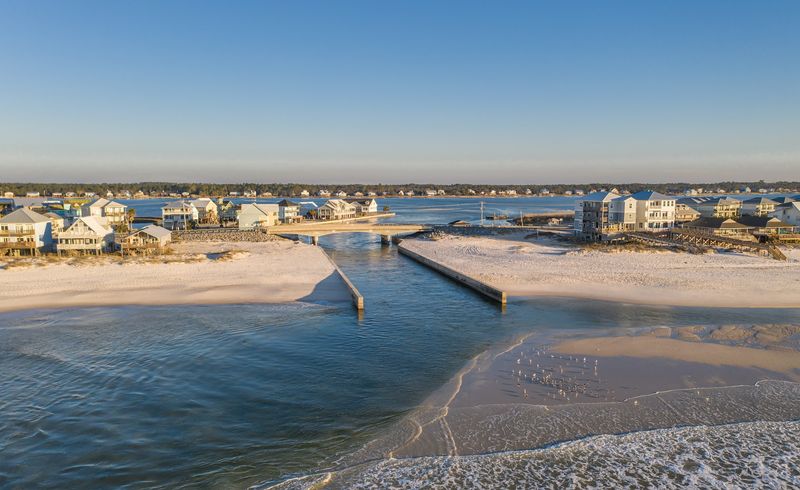
Tucked just off Fort Morgan Road, Little Lagoon stretches for about 10 miles and reaches nearly half a mile wide in places. It is calm, clear, and surprisingly versatile for a body of water that most visitors overlook entirely.
Swimming, kayaking, and fishing all work well here. The water stays sheltered from the open Gulf, which makes it a gentler option for families or anyone who prefers calmer conditions.
Kayakers especially love the quiet pace of paddling along its banks.
The lagoon sits parallel to the Gulf, separated by a narrow strip of land that gives the whole area a unique geography. Standing near the water, you can sometimes hear the Gulf surf on the other side while the lagoon stays perfectly still in front of you.
Fishing from the banks is a popular pastime here. The lagoon supports a healthy mix of species, and the relaxed setting makes even a slow fishing day feel worthwhile.
Do you really need to catch anything to call it a good day by the water?
Sunrise over Little Lagoon is something special. The colors reflect off the calm surface in ways that feel almost too pretty to be real.
This is a spot worth adding to any itinerary along the Fort Morgan route, especially if the main beach is feeling a little too busy for your mood that day.
Historic Fort Morgan
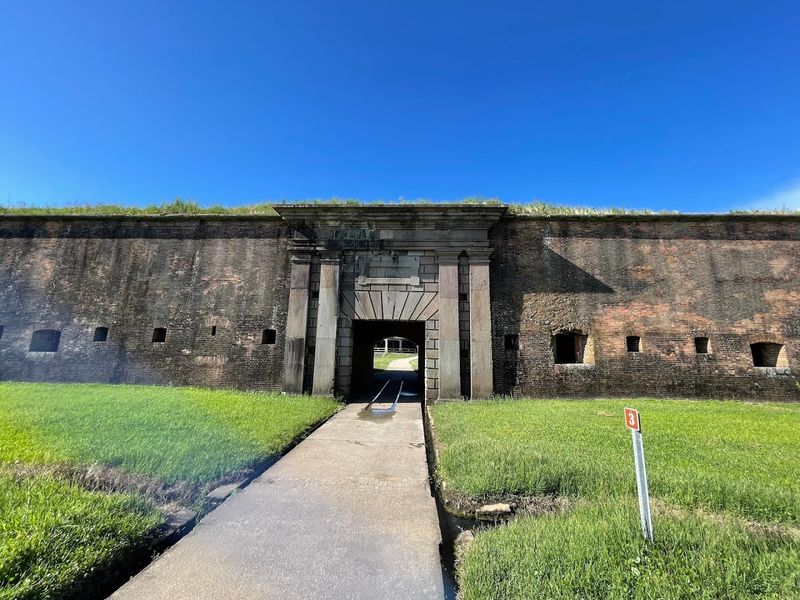
At the very tip of the Fort Morgan Peninsula stands one of the most historically significant military sites in the American South. Historic Fort Morgan was built between 1819 and 1833, making it a Third System masonry fort with walls thick enough to absorb serious punishment.
The fort played a central role in the 1864 Battle of Mobile Bay during the Civil War. It also saw active use during the Spanish-American War, World War I, and World War II.
Four wars, one fort, and centuries of stories embedded in every brick.
Visitors can walk through the fort’s massive archways, explore its interior chambers, and stand on the outer walls where the Gulf of Mexico and Mobile Bay both come into view at the same time. That view alone is worth the drive.
The on-site museum displays weapons, uniforms, letters, and photographs from soldiers who served here across different eras. History feels very close in a place like this.
Have you ever touched a wall and tried to imagine everyone who stood in that same spot before you?
The fort is open most days of the week, though checking the schedule before visiting is always a good idea. Admission is affordable, and the experience is genuinely absorbing for visitors of all ages.
Plan to spend at least a couple of hours exploring, because there is more to see than most people expect.
Mobile Bay Ferry Crossing
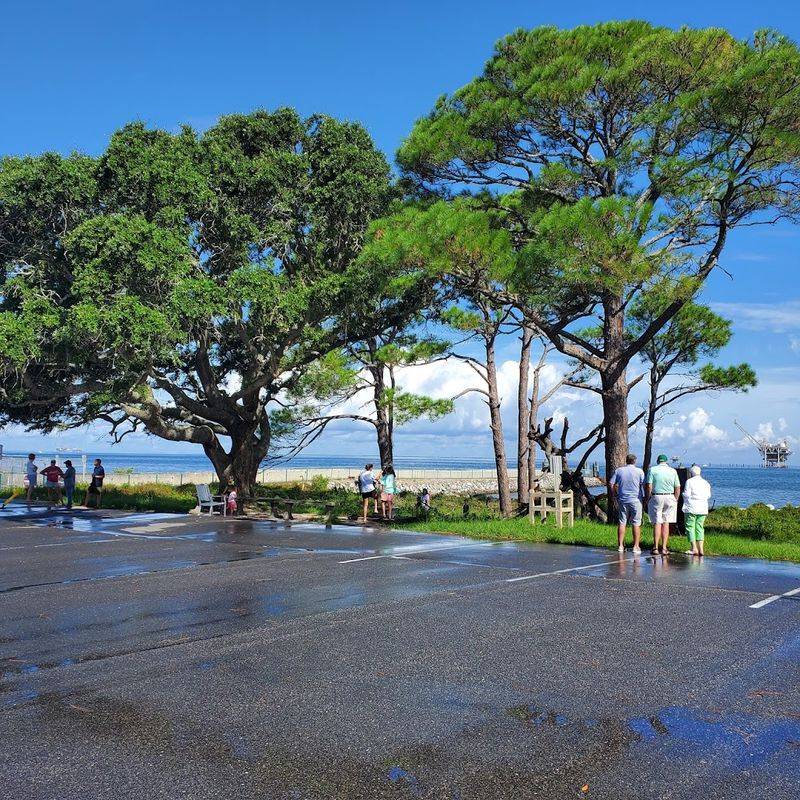
The road does not have to end at Fort Morgan. A ferry departs from the fort’s landing and carries vehicles and passengers across Mobile Bay to Dauphin Island, turning the drive into something even more memorable.
The crossing takes about 35 minutes and covers roughly five miles of open water. Standing on the deck while Mobile Bay spreads out in every direction is a genuinely freeing feeling.
The water changes color as you move deeper into the bay, shifting from shallow green to deep blue.
From the ferry, both Fort Morgan and Fort Gaines on Dauphin Island are visible at different points during the crossing. These two forts once guarded the entrance to Mobile Bay together, and seeing them from the water gives a real sense of the geography that shaped so much history.
Dolphins have been spotted following the ferry on calm days. Wildlife sightings like that turn a simple boat ride into something people talk about for years.
What could be better than an unexpected dolphin sighting in the middle of Mobile Bay?
The ferry operates on a seasonal schedule, so confirming departure times before the trip is essential. It runs most days during peak season, with reduced service at other times of year.
Bringing a vehicle across is an option, making it easy to continue exploring Dauphin Island once you arrive on the other side.
Dolphin And Wildlife Spotting
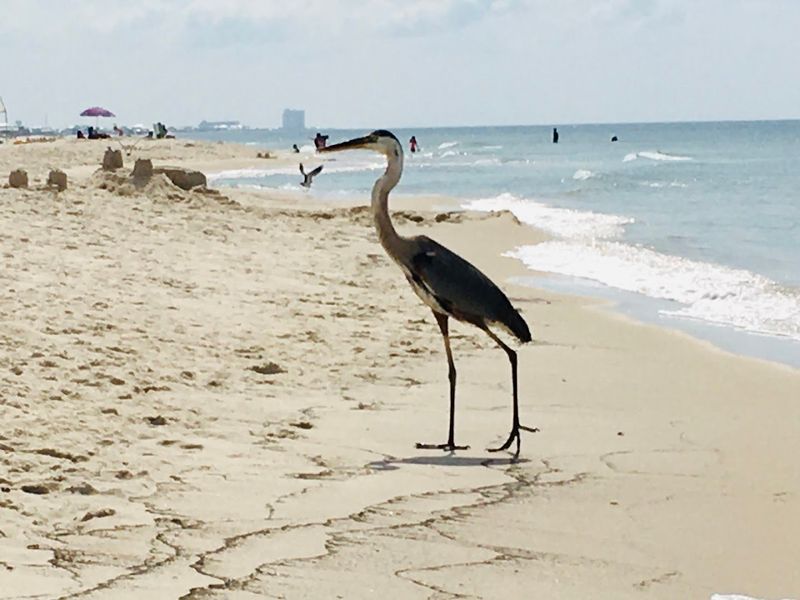
Wildlife spotting along the Fort Morgan Peninsula is not a matter of luck. It is practically a guarantee if you know where to look and when to slow down.
Dolphins are the headline act, and they show up regularly near the shore and around the ferry landing.
Pelicans are everywhere along this stretch of coast. They glide low over the water with an almost lazy confidence, then drop into sudden, spectacular dives.
Watching them fish is genuinely entertaining, and it never gets old no matter how many times you see it.
Herons stalk the shallows with total focus, moving in slow motion through the water. Blue herons in particular are easy to spot along the lagoon edges and near the refuge wetlands.
They are patient hunters, and watching one strike is a highlight of any coastal walk.
Sea turtles nest along the beaches here during warmer months. Marked nesting sites are visible along certain sections of beach, and seeing those small markers is a reminder that this coastline is home to creatures that have been visiting these shores far longer than any tourist.
Migratory birds arrive in massive numbers during spring and fall. The Fort Morgan Peninsula sits directly on a major flyway, and birdwatchers travel from across the country to catch the migration in action.
Is there a more exciting reason to set an early alarm? Bring binoculars and prepare to be impressed.