
8 Historic Churches In Louisiana That Showcase Deep Cultural And Spiritual Heritage
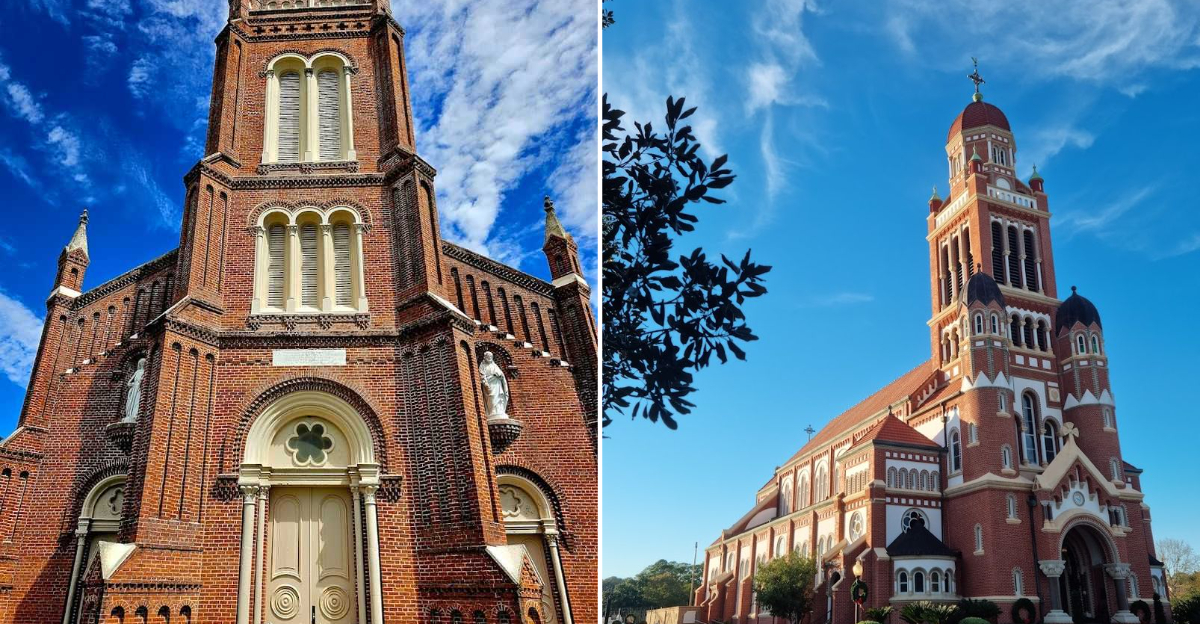
Stone and timber arranged generations ago still carry weight that modern construction rarely manages to replicate. These churches hold history in their walls the way few buildings anywhere else in the country can claim.
Each structure reflects the specific community that built it, shaped by tradition, faith, and the particular cultural blend that makes this region unlike anywhere else. That distinctiveness shows in details easy to miss and impossible to forget once noticed.
Visitors who step inside often go quiet without intending to. The combination of architecture, history, and continued use as active places of worship produces an atmosphere that a museum could never fully replicate.
Louisiana’s spiritual heritage runs as deep as its culinary or musical reputation, yet receives considerably less attention. These churches make the strongest possible case for reconsidering that oversight, one carefully preserved sanctuary at a time.
1. St. Louis Cathedral
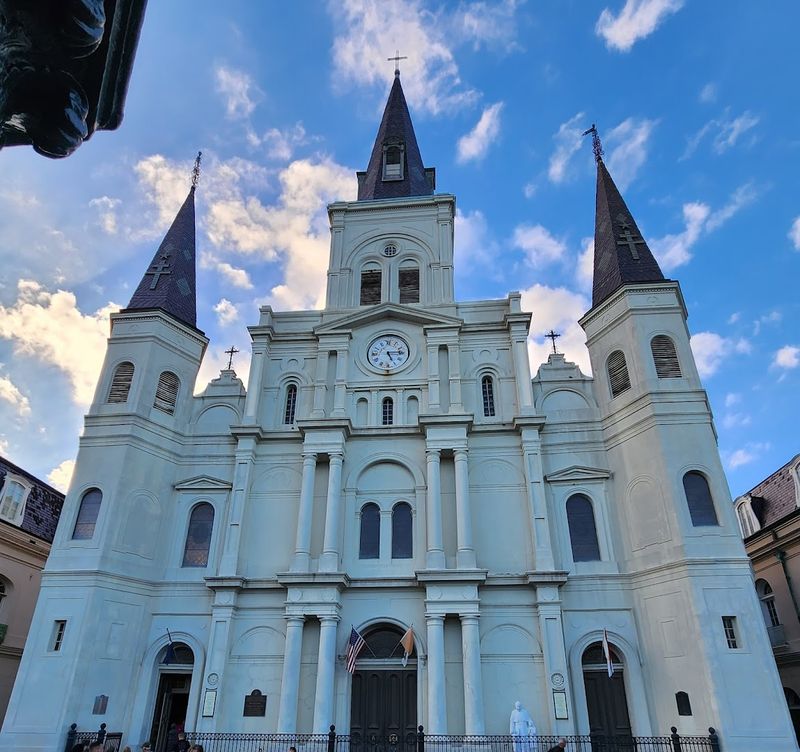
Nobody visits New Orleans without eventually ending up in front of this iconic beauty. St. Louis Cathedral sits at the heart of Jackson Square, staring down at the Mississippi River like it owns the place.
And honestly? It kind of does. This is the oldest continuously operating cathedral in the entire United States. The first church here was built back in 1718, which means it was standing before the country even existed.
That fact alone deserves a moment of silence.
The current structure was mostly rebuilt in the 1850s. It blends Spanish Colonial, Greek Revival, Gothic, and Renaissance styles into one jaw-dropping package.
Architects today would be jealous. In 1964, Pope Paul VI elevated it to the rank of Minor Basilica. Then in 1987, Pope John Paul II paid a visit.
The plaza out front was renamed in his honor, and the whole city basically held its breath.
Walking inside feels like entering a different world entirely. The ceilings soar above you, painted with vivid murals that tell stories of St. Louis himself.
Light pours through tall windows and lands on you like a warm hand on the shoulder.
Mass is still celebrated here regularly, making it a living, working church, not just a museum piece. Locals and tourists worship side by side, which is very New Orleans of them.
Street performers entertain crowds right outside on the square. Fortune tellers set up nearby.
It is the most theatrical backdrop for a cathedral you will ever encounter. Somehow it all works perfectly together.
Visit at dusk when the cathedral is lit up against the darkening sky. That view will live in your memory for years.
Find it at 615 Pere Antoine Alley, New Orleans, LA 70116.
2. Our Lady Of Guadalupe Church And International Shrine Of St. Jude
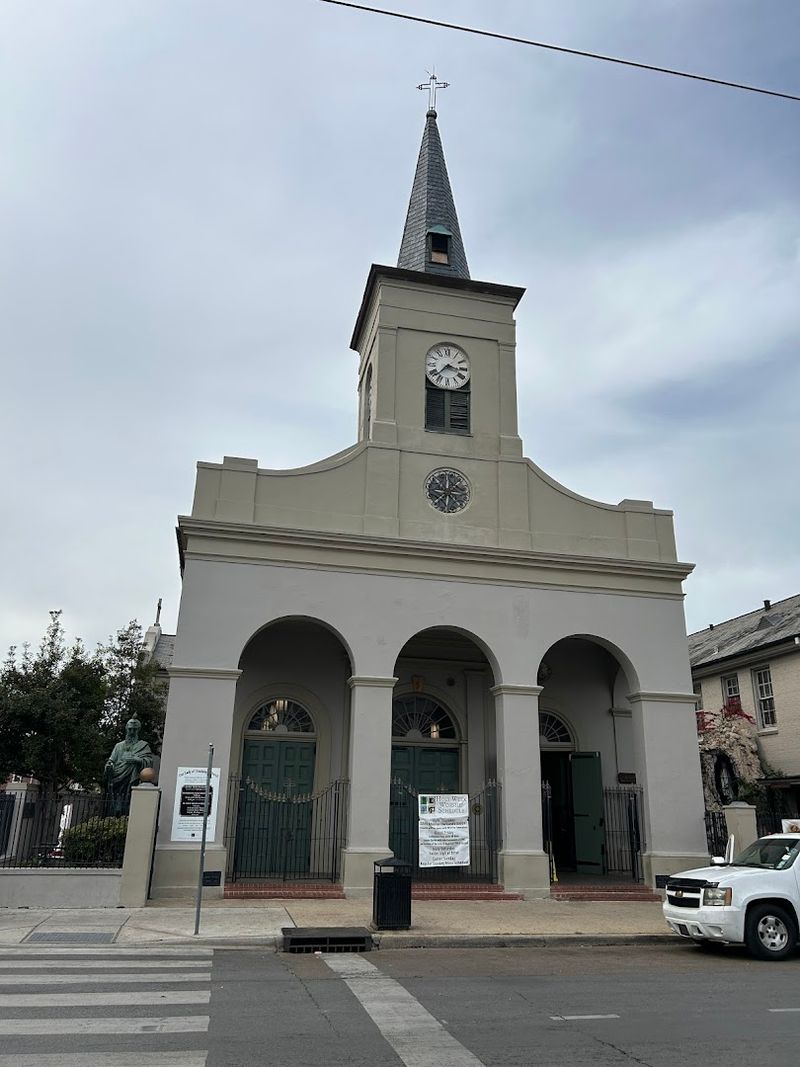
If you need a miracle, people around New Orleans will tell you to head straight here. Our Lady of Guadalupe Church is the oldest surviving church building in the entire city.
It has been standing since 1826, which is honestly remarkable given how many hurricanes have tried to argue otherwise.
The church was originally built as a mortuary chapel. Yellow fever epidemics were devastating New Orleans in the 1800s, and bodies could not be carried through the city streets for fear of spreading disease.
So this chapel was constructed just outside the old city limits to handle funeral services. History here is not for the faint of heart.
Over time, the chapel evolved into a full parish and became home to the International Shrine of St. Jude, the patron saint of hopeless causes. Thousands of devotees visit each year.
The walls are lined with plaques left by grateful visitors who believe their prayers were answered right here in this room.
There is also a statue of St. Expedite inside, a saint whose origins are delightfully mysterious and debated by historians. New Orleans has a way of collecting fascinating religious lore like that.
The atmosphere inside is quiet, reverent, and deeply moving. Candles flicker in every corner.
The scent of incense lingers in the air. You do not have to be religious to feel the weight of all that accumulated hope and gratitude.
Outside, the neighborhood has changed dramatically over the centuries. But this little church holds its ground with quiet dignity and an open-door policy that makes everyone feel welcome without question.
It is a place that carries both grief and hope in equal measure. You can find it at 411 N Rampart St, New Orleans, LA 70112.
3. Immaculate Conception Church
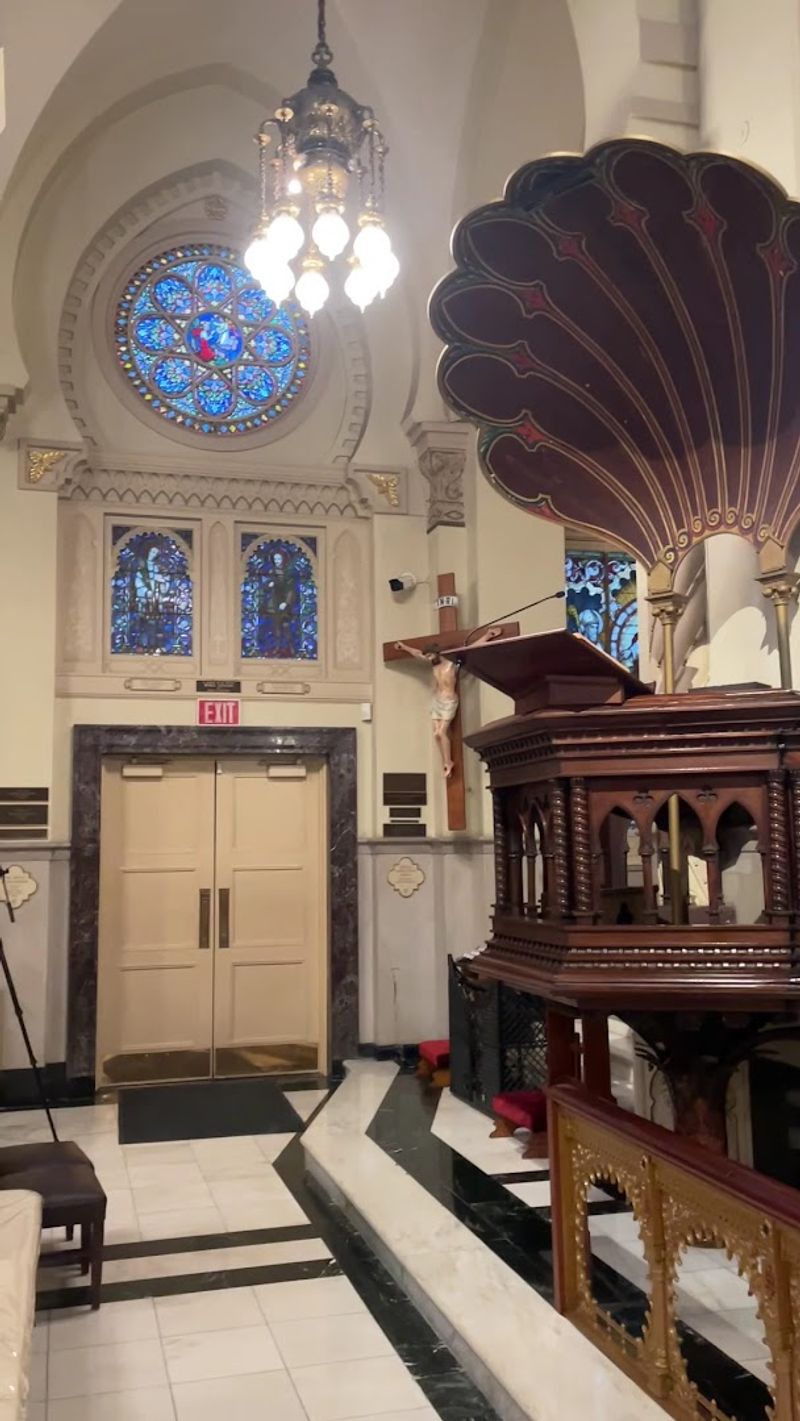
Locals call this one the Jesuit Church, and once you see it, you will understand why it has earned such a devoted nickname. Immaculate Conception Church sits in the Central Business District and looks like nothing else in New Orleans.
Or really anywhere in America.
The architect, Father John Cambiaso, had spent considerable time in Spain and North Africa before designing this church in the 1850s. He brought that influence with him in a big way.
The result is a stunning blend of Moorish and Islamic architectural details, complete with horseshoe arches and intricate geometric patterns. In the middle of Louisiana.
Absolutely wild.
Construction began in 1851, and the church was dedicated in 1857. Then came an unexpected plot twist.
The original structure had to be completely disassembled in 1928 because nearby skyscraper construction was damaging its foundation. Builders carefully rebuilt it by 1930, preserving as much of the original design and fixtures as possible.
The bronze altar inside is the real showstopper. Designer James Freret had it constructed in Lyons, France, and it won first prize at the Paris Exposition of 1867.
That is a world-class piece of art sitting right here in downtown New Orleans.
The interior glows with warm light and rich color. Gilded details catch your eye everywhere you look.
It feels simultaneously grand and intimate, which is a very difficult balance to achieve in a large church.
Weekday Masses draw a steady crowd of downtown workers and nearby residents. Something is grounding about watching busy city people pause their day to sit in this extraordinary space.
The contrast between the bustling street outside and the calm inside is striking. Visit at 130 Baronne St, New Orleans, LA 70112.
4. St. Patrick’s Church
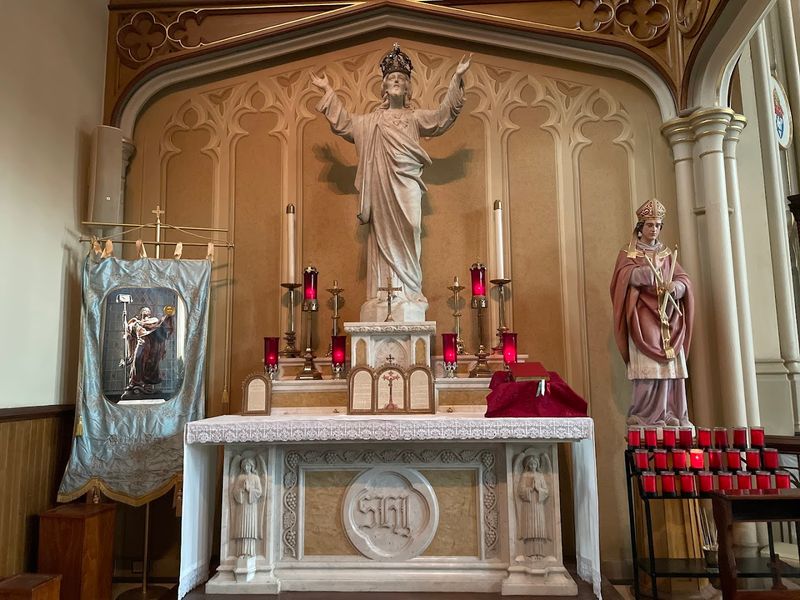
When Irish immigrants started flooding into New Orleans in the early 1800s, they needed a church of their own. St. Patrick’s Church was their answer, and it became one of the most beloved landmarks in the city.
The Irish community here built something they could be genuinely proud of.
The current building dates to the 1830s and 1840s, making it one of the oldest churches in New Orleans. The Gothic Revival architecture was designed to remind Irish worshippers of the grand cathedrals back home in Europe.
Tall pointed arches reach skyward, and the steeple towers over Camp Street like a beacon.
Inside, the church is breathtaking. Three large murals painted by artist Leon Pomarede dominate the sanctuary walls and ceiling.
They depict scenes from the Bible, rendered in rich, dramatic color that almost seems to move when light shifts through the windows. Artists from that era really committed to the drama.
St. Patrick’s has always been a working-class parish at heart. While the fancy uptown churches catered to the city’s elite, this one served dockworkers, laborers, and immigrant families who were building New Orleans brick by brick.
That history of everyday people is woven into every corner of the space.
The church survived yellow fever epidemics, Civil War tensions, and countless storms. Each time, the congregation pulled together and kept the doors open.
That kind of resilience is genuinely inspiring to witness.
Today, the church still holds regular services and welcomes visitors warmly. The surrounding neighborhood has changed enormously, but St. Patrick’s has kept its character and mission remarkably intact.
Pop in during a quiet afternoon for the full effect of that soaring interior. It is located at 724 Camp St, New Orleans, LA 70130.
5. St. Mary’s Assumption Church
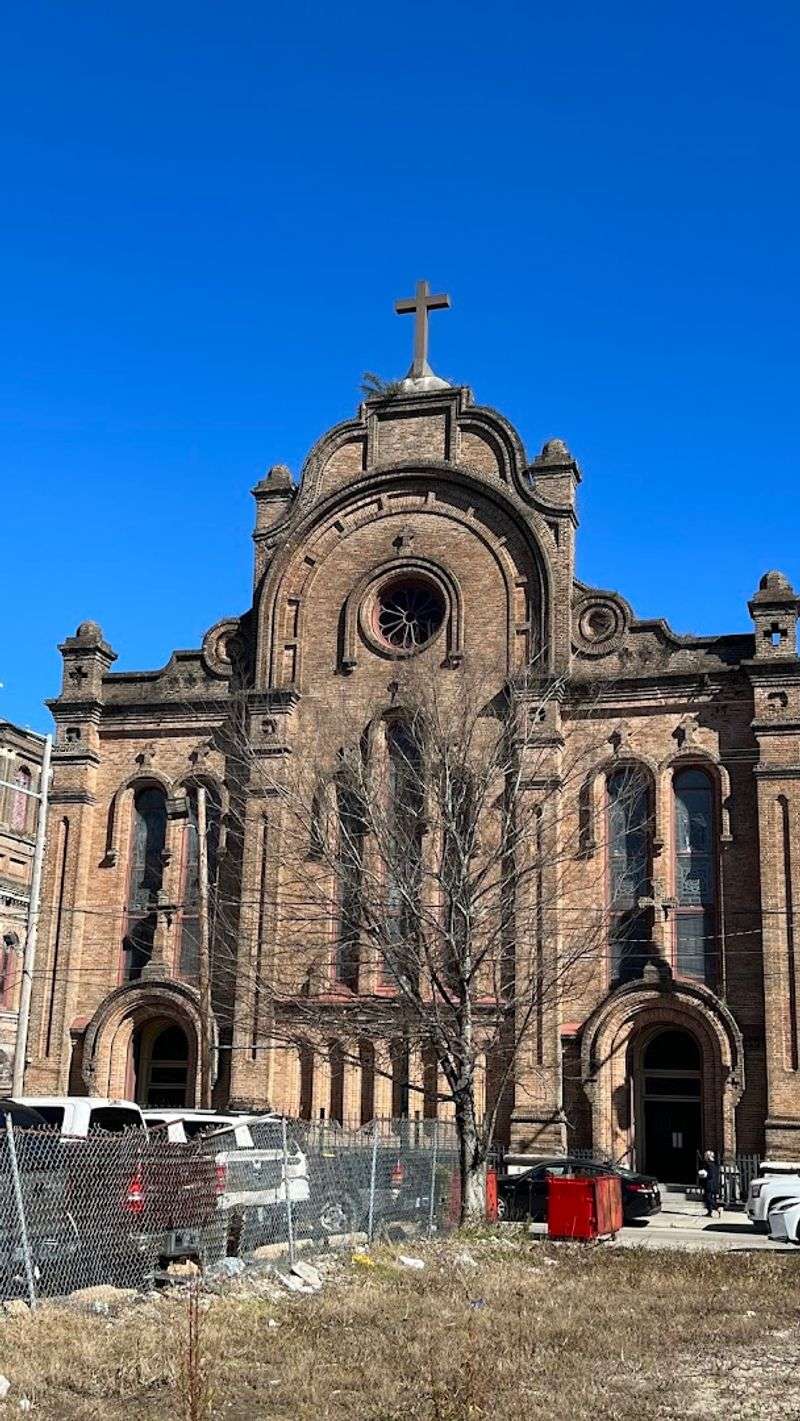
Not every historic New Orleans church was built for French Creoles or Irish immigrants.
St. Mary’s Assumption Church was built by and for the city’s German Catholic community, and it tells a completely different chapter of Louisiana’s immigrant story.
Built in 1858, this church in the Irish Channel neighborhood is a genuine architectural spot that most tourists completely miss.
The German Baroque style sets it apart immediately from everything else around it. The facade is ornate and theatrical, with layered details that reward a long, slow look.
Inside, the ceilings are painted in warm, rich tones, and decorative elements fill nearly every surface. German craftsmen clearly brought their best work to this project.
The church was designed by architect Father Theodore Girardey, a Redemptorist priest who also happened to be a skilled designer.
The Redemptorist order ran this parish, and they were deeply committed to serving immigrant communities who felt lost and far from home. That pastoral mission still shapes the character of the place today.
St. Mary’s is linked to Father Francis Xavier Seelos, a Redemptorist priest who served there and passed away in 1867 from yellow fever while caring for the sick. He was beatified by Pope John Paul II in 2000, and his remains are enshrined right inside the church.
That is not something you encounter every day.
The neighborhood around the church has a rough-and-tumble working-class history that contrasts beautifully with the grandeur inside. It is a reminder that magnificent sacred spaces were not only built for the wealthy.
The combination of history, architecture, and genuine spiritual energy here is hard to match anywhere in the city. Find it at 923 Josephine St, New Orleans, LA 70130.
6. Saint Augustine Catholic Church
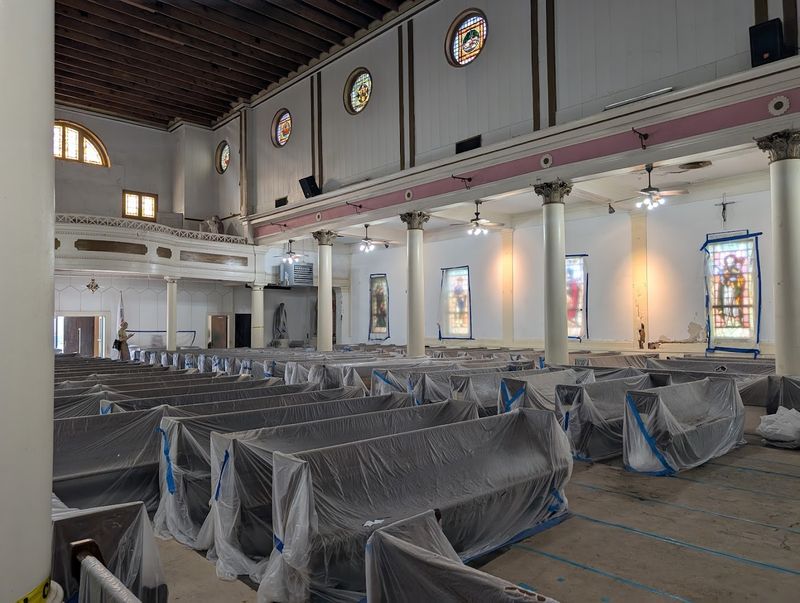
There is no other church in America quite like Saint Augustine Catholic Church. Founded in 1841 in the historic Faubourg Treme neighborhood, it holds the powerful distinction of being the oldest Black Catholic parish in the United States.
That title carries enormous historical weight.
Free people of color were the driving force behind building this church. They raised funds, organized the community, and fought for their rightful place inside it.
In 1842, a remarkable event called the War of the Pews took place. Free people of color successfully claimed half the pews in the center of the sanctuary and all the side aisle seats, which they reserved specifically for enslaved people.
That act of radical inclusion in 1842 is astonishing.
The congregation was intentionally diverse from the very beginning, welcoming Creoles of color, enslaved people, and white worshippers under one roof.
At a time when American society was brutally segregated, Saint Augustine was practicing something genuinely revolutionary.
In 1842, the Congregation of the Sisters of the Holy Family was founded right here at Saint Augustine. It became the second-oldest African American congregation of women in the country.
The church has been a launchpad for Black Catholic leadership for nearly two centuries.
On the church grounds, a garden contains the Tomb of the Unknown Slave. It is a deeply moving memorial to the countless enslaved people whose names were never recorded and whose lives were never fully honored.
Visiting it is a quiet, powerful experience.
Saint Augustine is also one of the first 26 sites designated on Louisiana’s African American Heritage Trail. That recognition is long overdue and thoroughly deserved.
Services here are vibrant, musical, and deeply communal. Visit at 1210 Governor Nicholls St, New Orleans, LA 70116.
7. St. Michael The Archangel Catholic Church
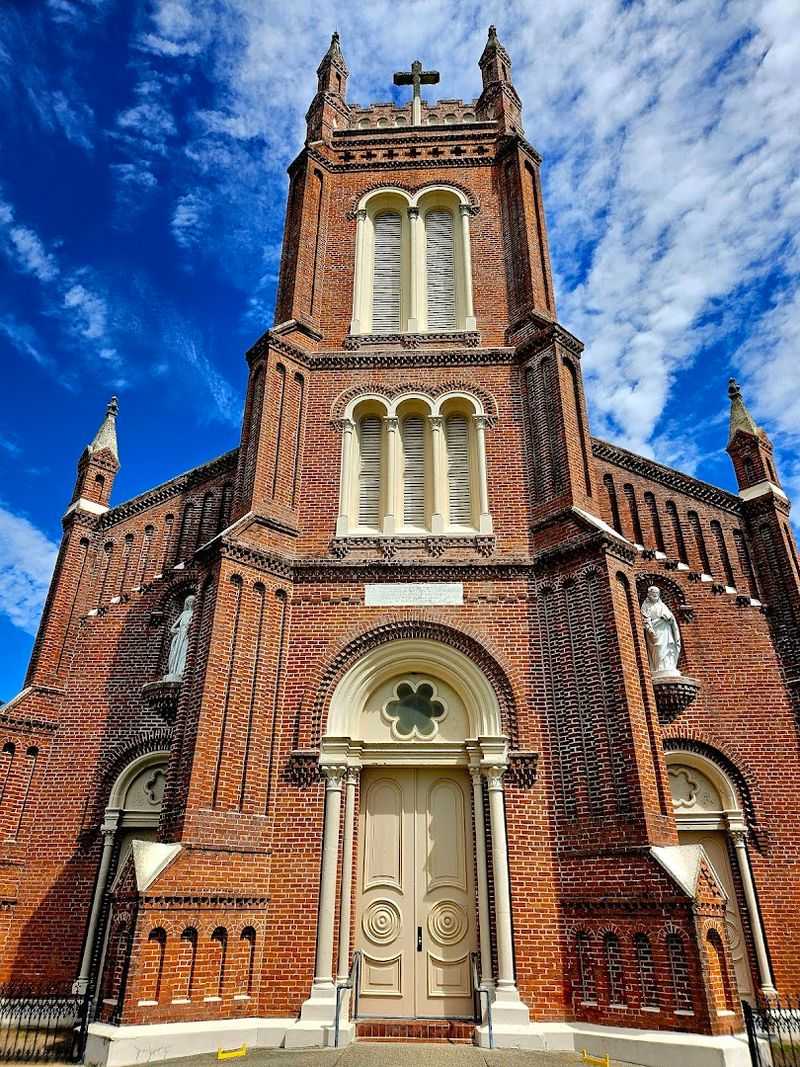
Most people driving along River Road between New Orleans and Baton Rouge are focused on the old plantation homes.
But if you slow down near the small community of Convent, you will find St. Michael the Archangel Catholic Church waiting patiently for your attention. This place is a hidden treasure hiding in plain sight.
The church dates back to the early 1800s, rooted in the deeply Catholic German Coast communities that settled along the Mississippi River.
Sugar cane plantations once dominated this area, and the church served both free settlers and, at times, enslaved people who worked on nearby estates. That layered history makes this place far more complex than it first appears.
The architecture reflects the antebellum South with a simplicity and elegance that feels timeless. White walls, tall windows, and a modest steeple rise above the surrounding oak trees.
On a quiet weekday morning, the whole scene looks like a painting someone was too proud to finish.
Inside, the church retains historic details that connect visitors directly to its 19th-century congregation. The old cemetery on the grounds is equally compelling.
Rows of above-ground tombs and family plots tell the stories of generations who built their lives in this river community. Cemetery tourism is a very Louisiana thing, and this one earns it.
The surrounding River Road corridor is one of the most historically rich stretches of land in the entire South. Visiting St. Michael adds spiritual and cultural depth to any road trip through the area.
Locals here are proud of their parish and happy to share its stories with curious visitors. The church community remains active and welcoming to this day.
Make time for this one on your Louisiana road trip. It sits at 6484 LA-44, Convent, LA 70723.
8. Cathedral Of St. John The Evangelist
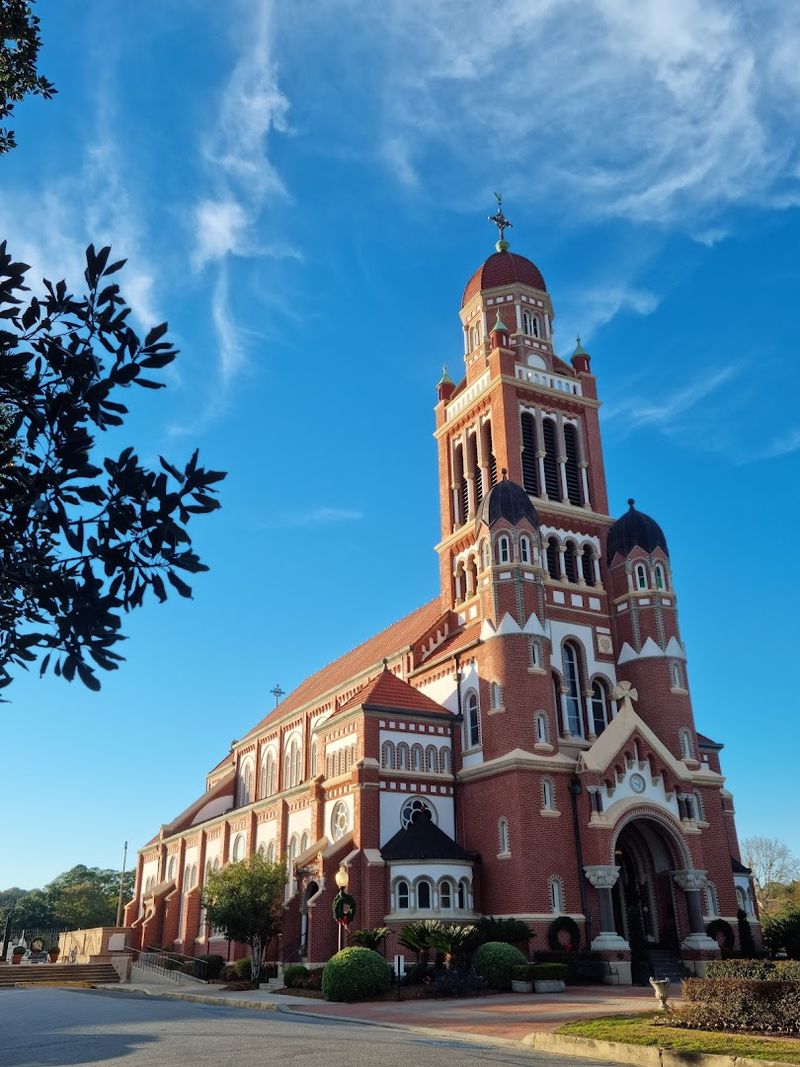
Lafayette is the beating heart of Cajun Country, and the Cathedral of St. John the Evangelist is its spiritual anchor. If you want to understand what makes this part of Louisiana tick, start right here on Cathedral Street in the middle of downtown.
This church is not just old. It is foundational to the entire cultural identity of the region.
The parish traces its roots back to 1821, making it one of the oldest Catholic communities in the Acadiana region.
The Acadian exiles who were forced out of Canada by the British in the 1750s eventually built their new lives across southern Louisiana.
Their Catholic faith was one of the few things they managed to hold onto through that brutal displacement, and churches like this one became the centers of their rebuilt world.
The current cathedral building is a beautiful example of Gothic Revival architecture. The soaring steeple is visible from a good distance and serves as a genuine landmark in the Lafayette skyline.
Inside, stained glass windows cast colored light across polished wooden pews in that specific way that makes you want to sit quietly and think about your life choices.
An ancient live oak tree stands on the cathedral grounds and is itself a minor celebrity. The St. John Oak is believed to be over 400 years old, which means it was alive before the first French settlers arrived in Louisiana.
Standing next to it puts history into a whole new perspective.
The cathedral hosts a full schedule of Masses, events, and community programs. It is an active, vibrant parish, not a relic.
Downtown Lafayette buzzes with life around it. The cathedral grounds are open to visitors throughout the day.
Find this remarkable place at 515 Cathedral St, Lafayette, LA 70501.