
This Arizona Lake Town Is Struggling With The Impact Of Rapid Tourism Growth
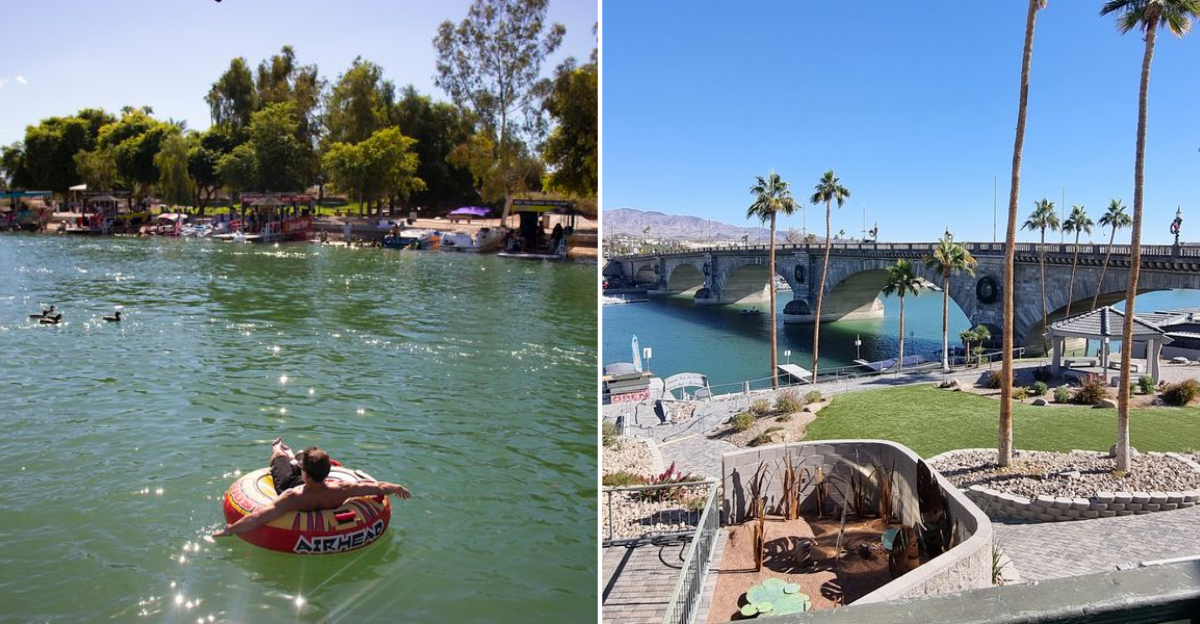
A lake town discovering its own popularity often arrives at consequences nobody anticipated. This community is living through exactly that shift, watching tourism reshape something that used to define daily rhythm.
Traffic that once existed only on holiday weekends now shows up regularly. Local businesses caught between rising demand and rising costs are navigating a balance that gets harder every season.
Longtime residents describe the change as gradual until suddenly it was not. One summer marked an obvious before and after, even if nobody could point to the exact moment.
Tourism brings revenue and exposure but rarely arrives without tradeoffs attached. Arizona’s lake towns are negotiating those tradeoffs in real time, with no clear consensus yet on what balance actually looks like.
Environmental Concerns Around Rapid Tourism
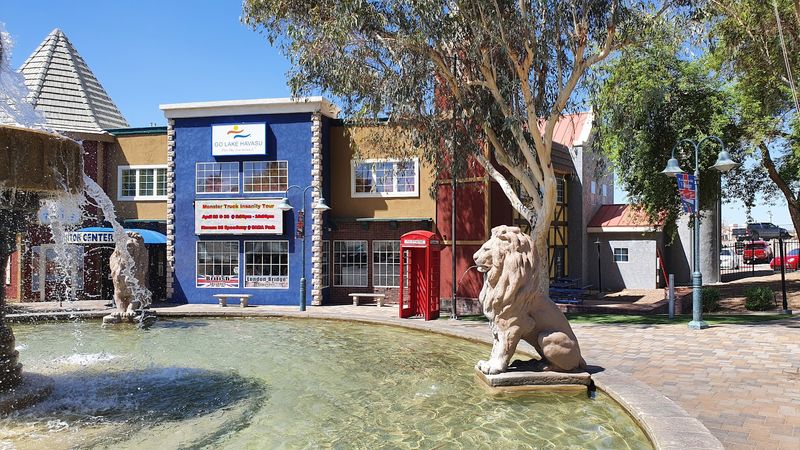
The desert around Lake Havasu City is stunning, but it is also surprisingly fragile. Off-road vehicles tear through sandy washes and hillsides every weekend.
That kind of traffic rips up native plants and causes serious erosion in sensitive areas.
Bighorn sheep roam the rocky ridges nearby. Constant noise from ATVs and motorboats disrupts their natural patterns.
Wildlife experts say the pressure is growing year by year.
Lake Havasu itself faces water level fluctuations during dry seasons. Climate change is making those dry spells longer and more unpredictable.
Marina operators deal with higher costs when water levels drop unexpectedly.
Strict environmental regulations exist for new developments in the area. But enforcement is tough when visitor numbers keep climbing.
The desert ecosystem simply was not built for millions of tourists annually.
Air quality also takes a hit during peak seasons. Boat exhaust and vehicle emissions add up fast when crowds arrive.
Residents notice the difference, especially near the waterfront areas.
Local conservation groups are pushing for better visitor education. Simple things like staying on marked trails can make a huge difference.
The natural beauty that draws people here depends on everyone doing their part to protect it.
Economic Benefits And Strains Of Visitor Growth
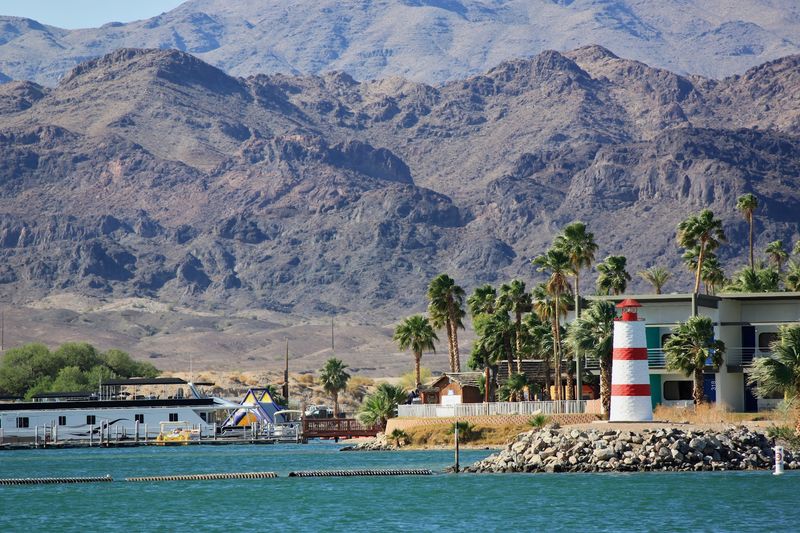
Tourism is basically the engine that runs Lake Havasu City. Visitors pump serious money into local hotels, restaurants, and shops every single season.
The city estimates that millions of tourists pass through annually, and those dollars matter.
Real estate values have climbed sharply thanks to tourism demand. New developments keep popping up to serve the growing crowd.
That growth creates jobs and expands the local tax base considerably.
But the economy has a vulnerability problem. When triple-digit heat hits in summer, visitors stay home.
Monsoon season can also scare people off, leaving businesses scrambling to cover costs during slow stretches.
The city has struggled to diversify beyond tourism, healthcare, and retail. That narrow economic base creates risk.
One bad season can send ripples through the entire local economy pretty quickly.
Small business owners feel the feast-or-famine cycle every year. Summer weekends are chaotic and profitable.
Then the off-season arrives and things quiet down dramatically, making financial planning genuinely difficult.
Gas stations run out of fuel during major holiday weekends. Hotels fill up weeks in advance for spring break.
The demand spikes are great for revenue but brutal on operations and staffing. Finding the right balance between welcoming visitors and protecting long-term economic stability is the challenge Lake Havasu City faces right now.
Infrastructure Development Challenges Faced
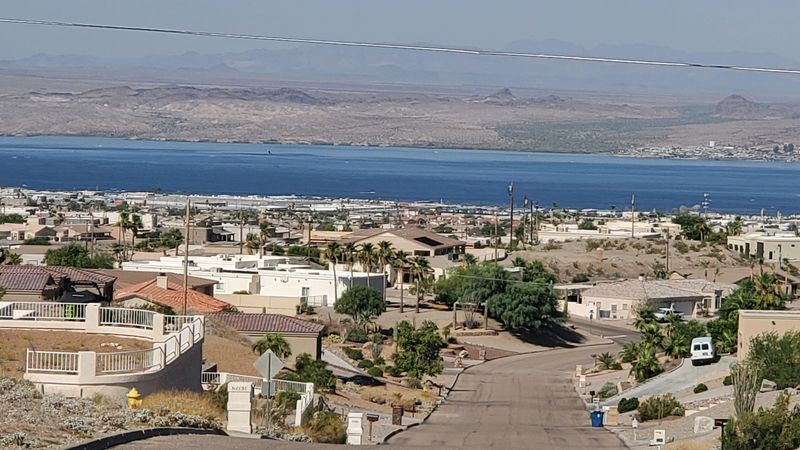
Roads in Lake Havasu City were not designed for the traffic volumes arriving today. Weekend backups near boat ramps can stretch for miles.
Locals trying to run simple errands get stuck in lines meant for vacation crowds.
Boat ramps are a particular flashpoint. Peak holiday weekends turn launch areas into chaotic, slow-moving scenes.
The number of watercraft trying to get on the lake simply overwhelms available facilities.
Parking shortages frustrate both visitors and residents alike. Popular spots near the London Bridge and the Island fill up before noon on busy days.
City planners are scrambling to find workable solutions.
Transportation planners are currently evaluating rural road capacity for recreational vehicles. Many of those roads were built for light local traffic, not convoys of massive RVs.
Upgrades cost money, and funding always lags behind need.
The local hospital operates with a limited number of ICU beds. Seasonal population swings put real pressure on healthcare capacity.
City officials have openly acknowledged that public services strain under peak-season crowds.
Utility systems face similar pressure during high-demand periods. Water and power infrastructure must handle far more load than was originally anticipated.
Building new capacity takes years and significant investment, while visitor numbers keep growing right now. The infrastructure gap is widening faster than the city can close it through planning alone.
Community Perspectives On Increased Tourism
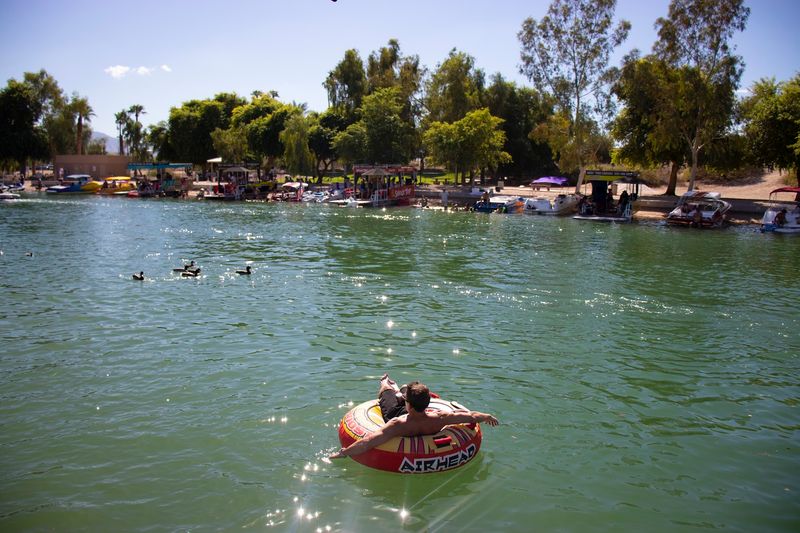
Not everyone in Lake Havasu City is cheering for more tourists. Long-time residents remember quieter days when the lake felt like their own backyard.
Now those same spots are packed with strangers every weekend from spring through fall.
Some locals appreciate the economic energy that visitors bring. More restaurants, more shops, and more events make the city livelier.
Business owners especially tend to welcome the crowds with open arms.
Others feel pushed out of their own community. Noise levels rise sharply during holiday weekends.
Crowding at popular spots makes residents avoid places they once loved to visit regularly.
Healthcare concerns come up often in community conversations. The local hospital serves a permanent population, but seasonal surges stretch its resources thin.
Residents worry about getting timely care when emergency rooms are overwhelmed by visitors.
The cost of goods and services creeps up during peak periods. Grocery store shelves run thin.
Even local services like auto repair or plumbing can be harder to book when demand spikes city-wide.
Community meetings about tourism management have become more common in recent years. Residents want a seat at the table when decisions about growth are made.
The conversation is no longer just about attracting visitors but about protecting the quality of life for people who actually live here year-round. That tension is real and growing louder every season.
Preserving Natural Resources Amid Expansion
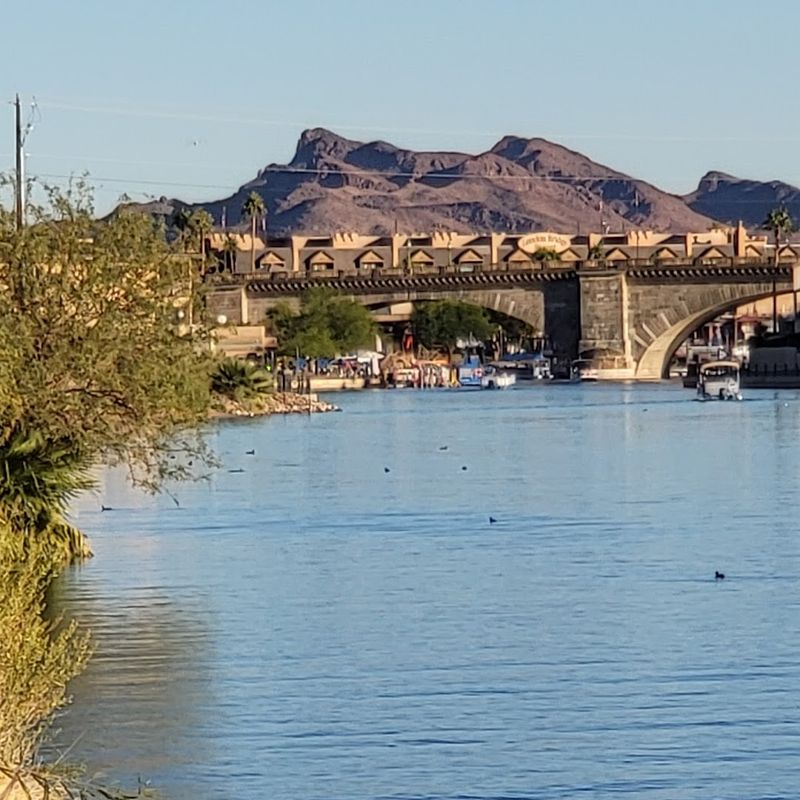
Lake Havasu State Park is one of the crown jewels of this region. Its beaches, mountain backdrops, and rich birdlife draw nature lovers from across the Southwest.
Protecting that resource while welcoming more visitors is a genuine balancing act.
Water scarcity is the most pressing concern facing the area. The Colorado River system, which feeds Lake Havasu, is already under enormous regional pressure.
More visitors mean more water usage, and the math gets uncomfortable quickly.
Native plants along the shoreline and desert trails take a beating every season. Foot traffic off designated paths compacts soil and kills vegetation.
Once those plants are gone, erosion follows, and recovery takes decades.
Wildlife corridors near the lake need protection from development pressure. Bighorn sheep, migratory birds, and other species depend on undisturbed habitat to survive.
Expanding tourism infrastructure must account for those biological realities.
Environmental regulations for new developments are strict on paper. But monitoring compliance across a rapidly growing city is resource-intensive.
Conservation advocates say enforcement needs to keep pace with construction activity.
Visitor education programs have started making an appearance at park entry points. Rangers share simple guidelines about protecting the landscape.
Small behavioral changes across millions of visitors can add up to a measurable positive impact on the natural systems that make Lake Havasu City worth visiting in the first place.
Local Business Adaptations To Higher Demand
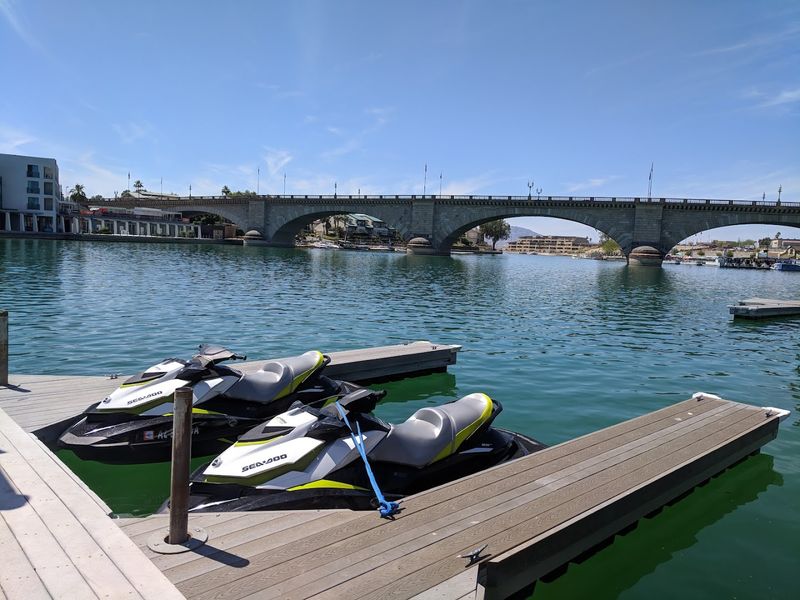
Local businesses in Lake Havasu City have had to get creative fast. Demand spikes are intense, and falling behind on preparation can mean lost revenue during the most critical weeks of the year. Smart operators plan months.
Marina businesses face unique pressures from fluctuating lake water levels. When water drops during dry seasons, operational costs climb, and some services become unavailable.
Adapting dock configurations and service offerings has become a regular exercise.
Restaurants near the waterfront have expanded outdoor seating to handle larger crowds. Longer operating hours during peak seasons have become standard practice.
Staffing those extra hours is a constant challenge in a competitive labor market.
Rental businesses for boats, kayaks, and watercraft have boomed dramatically. Demand often outpaces available inventory on busy weekends.
Some operators have invested heavily in fleet expansion to capture the growing market.
Retail shops near the London Bridge area have shifted their product mix toward tourist-friendly merchandise. Souvenirs, sunscreen, and outdoor gear now dominate shelf space that once held everyday goods.
It is a practical response to who is actually walking through the door.
Customer service expectations have risen alongside visitor numbers. Tourists arrive with high expectations and share experiences widely online.
Businesses that adapt quickly and maintain quality tend to thrive, while those that cannot keep up with demand find themselves struggling to stay relevant in a rapidly changing market.
Impact On Housing And Cost Of Living
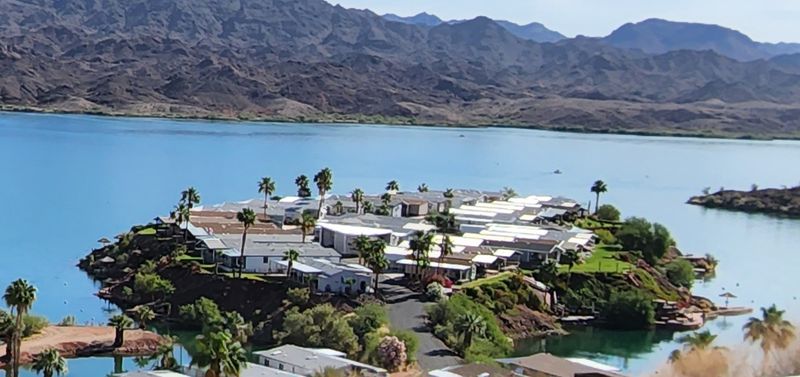
Housing affordability in Lake Havasu City has become a genuine concern for permanent residents. Home prices have climbed steadily as tourism drives real estate demand upward.
What was once a reasonably affordable desert community is shifting into a pricier market.
Short-term rentals have played a significant role in this shift. Platforms offering vacation rentals have made it profitable for property owners to rent to tourists rather than long-term residents.
That reduces the available housing supply for people who actually live and work here.
Rental rates for long-term leases have risen alongside the vacation rental market. Workers in hospitality, retail, and service industries feel the squeeze most directly.
Their wages have not always kept pace with the rising cost of renting a home.
New housing developments are being built, but many target higher-income buyers and short-term rental investors. Workforce housing that serves teachers, healthcare workers, and service employees remains in short supply.
That gap creates real hardship for essential community members.
Seasonal population swings complicate the housing picture further. Some properties sit empty during slow months while being rented at premium rates during peak season.
That inconsistency makes long-term housing planning difficult for both residents and city planners.
Local officials have begun discussing policy options to address housing affordability. Zoning changes and short-term rental regulations are being explored.
Finding the right approach without discouraging investment is a delicate political challenge that requires thoughtful, community-driven solutions.
Strategies For Sustainable Visitor Management
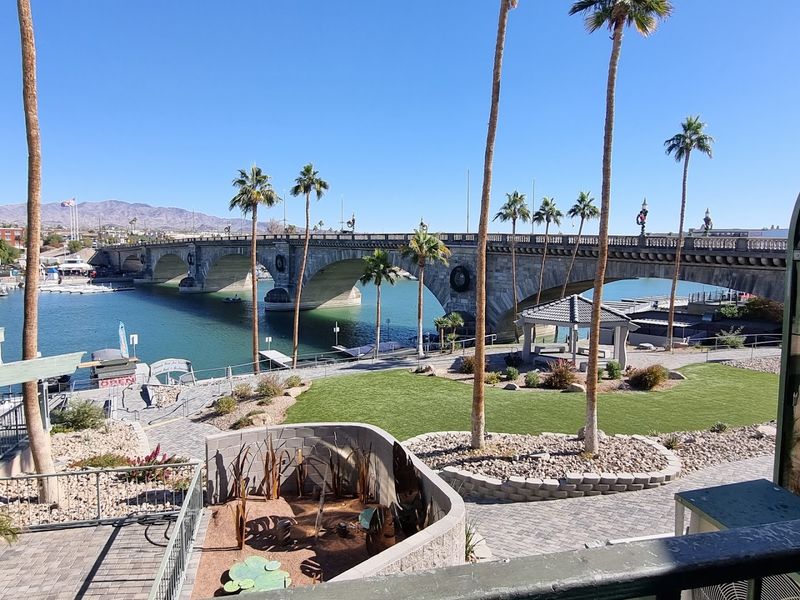
Managing millions of visitors without destroying what makes a place special is not easy. Lake Havasu City is actively working on strategies to spread visitor impact more evenly across the calendar year.
Off-peak promotions are one tool being explored.
Designated recreation zones help direct activity away from the most sensitive environmental areas. Marked trails, designated off-road vehicle corridors, and protected shoreline sections all serve this purpose.
Clear boundaries help both visitors and enforcement agencies do their jobs.
Transportation improvements are part of the sustainability conversation. Better parking facilities and improved road capacity near popular attractions can reduce congestion significantly.
Some cities have experimented with shuttle systems to move crowds without adding more cars.
Visitor education remains one of the most cost-effective strategies available. Simple messages about protecting the lake, staying on trails, and respecting wildlife go a long way.
Signage, ranger programs, and digital outreach all contribute to a more informed visitor base.
Collaboration between city government, businesses, and conservation groups is essential. No single entity can manage tourism growth alone.
Shared data, coordinated planning, and open communication between stakeholders produce better outcomes for everyone involved.
Zoning regulations for new developments are being reviewed with sustainability in mind. Environmental impact assessments are part of the approval process.
Lake Havasu City has a real opportunity to set a thoughtful example for other fast-growing tourist destinations across the American Southwest if the right decisions get made now.