
Finding This Tennessee Gorge Waterfall Takes Effort And That Is Exactly How Locals Prefer It
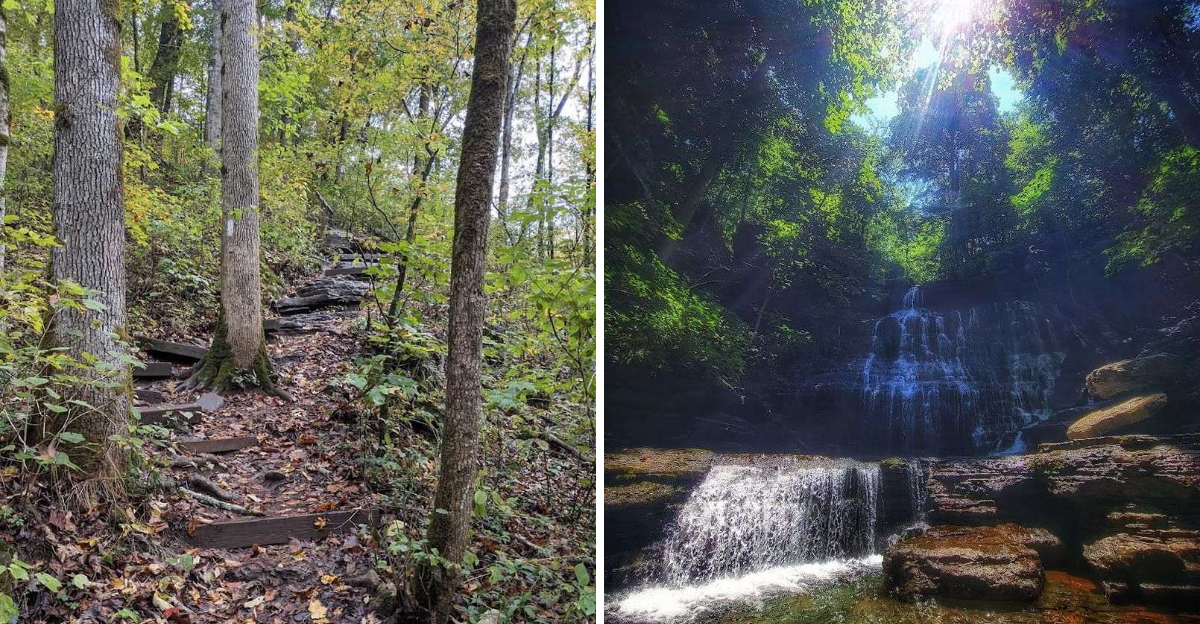
What kind of waterfall actually punishes you for wanting to see it? Somewhere in Tennessee, one gorge makes visitors earn every single step, and locals would not have it any other way.
Steep drops, slick rocks, and a creek crossing stand between the parking lot and a 60-foot cascade tumbling over layered stone. Wet feet come standard here, no shortcuts allowed.
Tennessee hides its wildest secrets behind effort, not convenience, and this gorge proves the theory better than most. Mosses cling to every surface while ferns crowd the trail edges, turning a simple hike into something closer to an adventure.
Curious what waits at the bottom of all that struggle? The payoff might just change how you look at hiking forever.
What Makes Machine Falls So Special
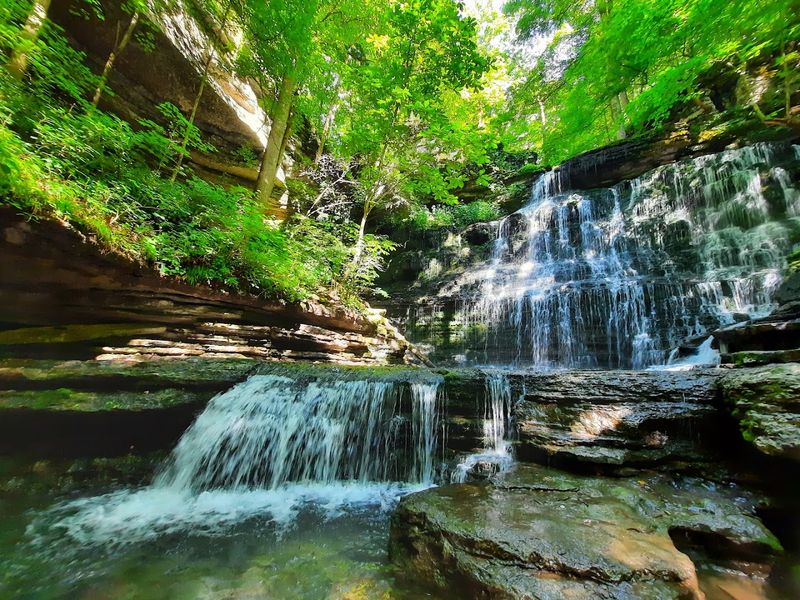
Few waterfalls in the entire state earn the kind of loyalty that Machine Falls inspires. Standing at roughly 60 feet tall, this multi-tiered cascade pours over layered sandstone and shale formations in a way that feels almost theatrical.
The gorge surrounding the falls is draped in mosses, ferns, and seasonal wildflowers that shift with every month. Spring brings vivid color.
Winter strips the canopy and reveals the raw power of the water.
The name itself carries history. It is believed to reference old sawmill paths that once operated through this area, giving the falls a quiet industrial past beneath all that natural beauty.
Machine Falls sits within the Short Springs Natural Area, located near Tullahoma, Tennessee, and has been designated as a protected natural space since 1994. The site is cooperatively managed by the Tennessee Department of Environment and Conservation, the City of Tullahoma, and the Tennessee Valley Authority.
That partnership keeps the area maintained without stripping away its wild character.
The Trail That Keeps The Crowds Honest
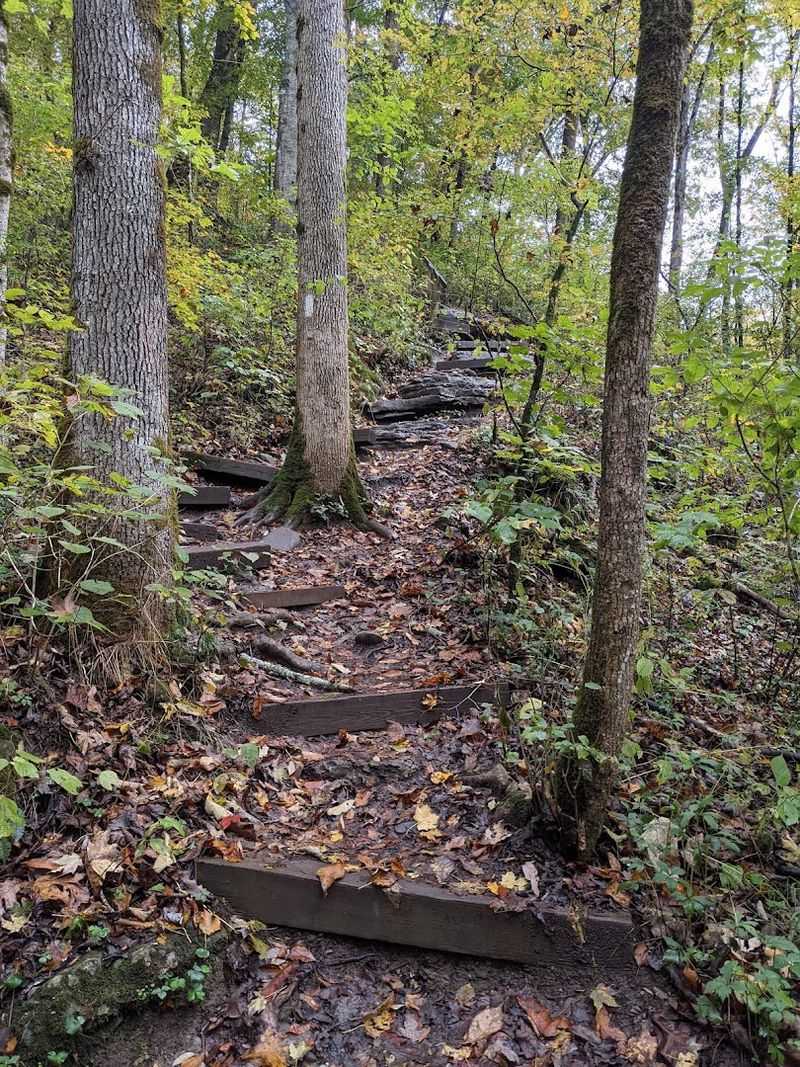
Effort is the real ticket price at Machine Falls. The main loop trail runs approximately 1.5 to 2 miles round trip, which sounds manageable until the terrain reminds hikers who is in charge.
The most talked-about section is a steep descent featuring a mix of rocks, roots, and wooden steps. Going down tests balance.
Coming back up tests lungs. Both directions deserve respect.
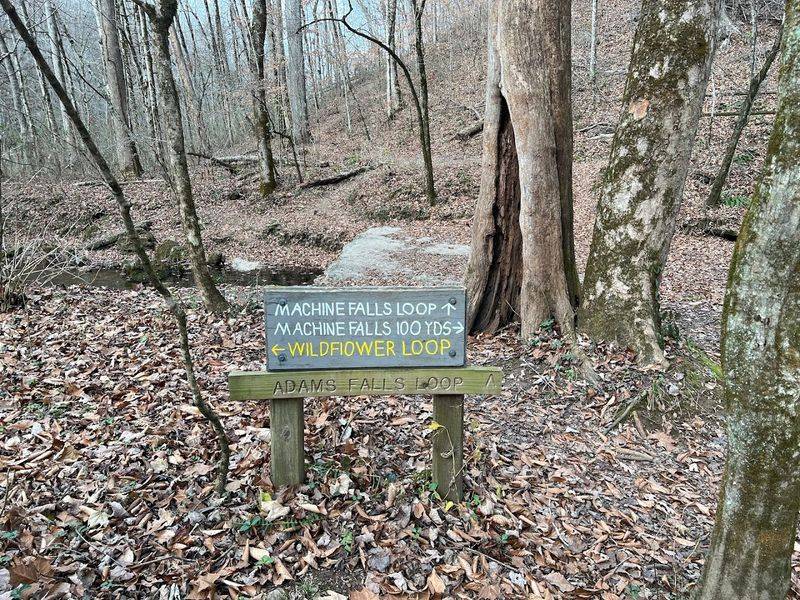
Longer route options extend the experience to 3.2 to 6 miles and include neighboring waterfalls like Busby Falls and Adams Falls. Those additions are best reserved for hikers who are already comfortable on uneven, sometimes slippery ground.
Trekking poles and sturdy footwear make a measurable difference on this trail. The wooden steps are well-constructed, but wet conditions can make any surface unpredictable.
Visiting on a weekday reduces foot traffic and gives the trail a calmer, more personal feel. The overall difficulty is rated moderate, but the steep sections earn every bit of that rating.
Creek Wading And Wet Feet Are Part Of The Deal
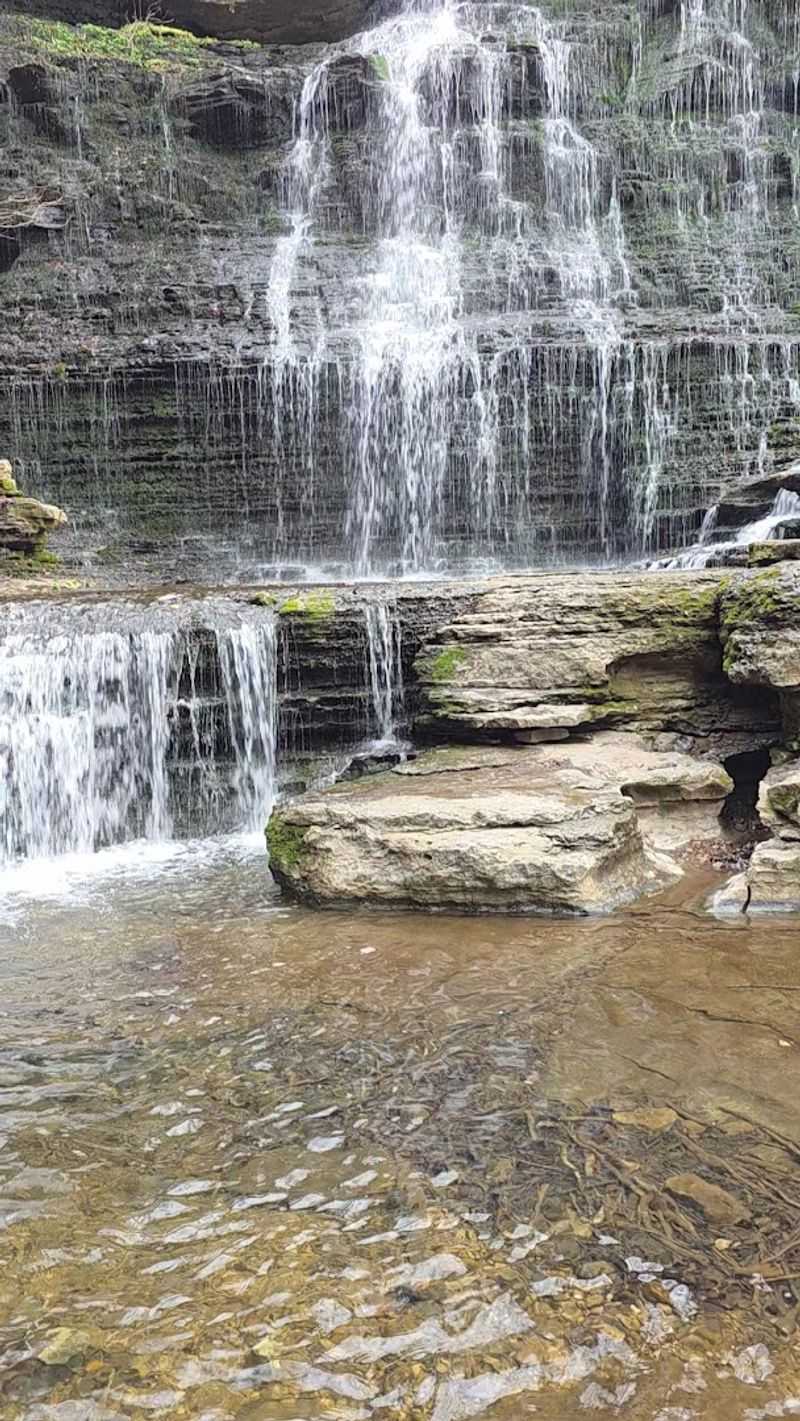
Dry shoes are a short-lived dream near Machine Falls. Reaching the base of the waterfall typically requires wading through the creek bed, where water can reach ankle depth depending on recent rainfall.
Water shoes or waterproof hiking boots are the smart choice here. Regular sneakers work in dry conditions, but one misplaced step on a mossy rock changes the situation quickly.
The creek crossing is not dangerous, but it is real.
Rock hopping is an option during lower water periods. Some visitors navigate their way across without getting fully wet, but that outcome is never guaranteed.
The creek itself is part of the experience, not just an obstacle.
The water at the base of the falls is famously cold, hovering around 55 degrees Fahrenheit. Signs posted at the site indicate that swimming is not permitted, so the creek crossing remains a practical necessity rather than a recreational one.
Prepare accordingly and the wet feet will feel completely worth it.
Parking Realities Every Visitor Should Know
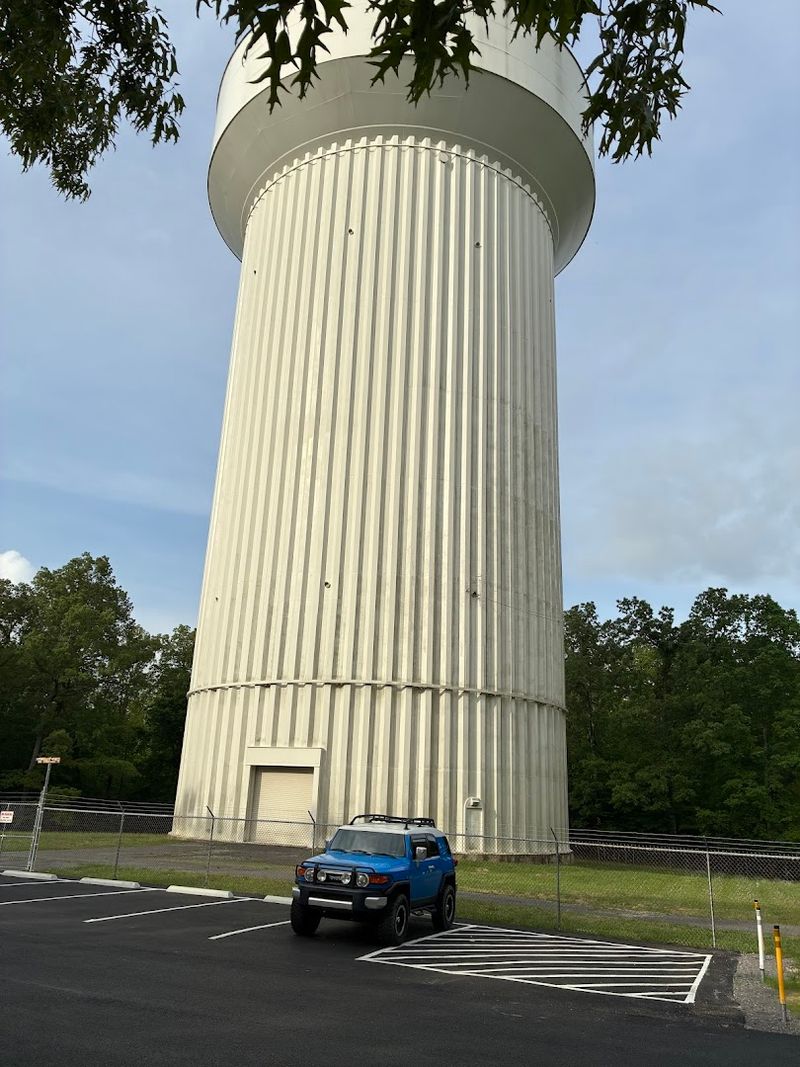
The trailhead for Machine Falls sits on Powell Road near a prominent water tower in Tullahoma, Tennessee. The parking area is small, and that is not an accident of design.
Limited spaces fill up fast, especially on weekends and during peak seasons.
Tullahoma’s local police take parking violations seriously at this location. Vehicles parked illegally along the road risk being ticketed, so arriving early is more than just good advice.
It is a practical necessity on busy days.
Weekday visits, particularly on weekday mornings, offer the best chance of securing a spot without stress. Late arrivals on sunny weekends may find themselves circling or parking farther away than expected.
There are no facilities at the trailhead. No restrooms, no water stations, and no supply stops are available anywhere near the entrance.
Visitors should plan accordingly and bring everything needed before leaving the car. That level of self-sufficiency is part of what keeps the experience feeling raw, rewarding, and refreshingly free of tourist infrastructure.
The Gorge Setting That Rewards Every Step
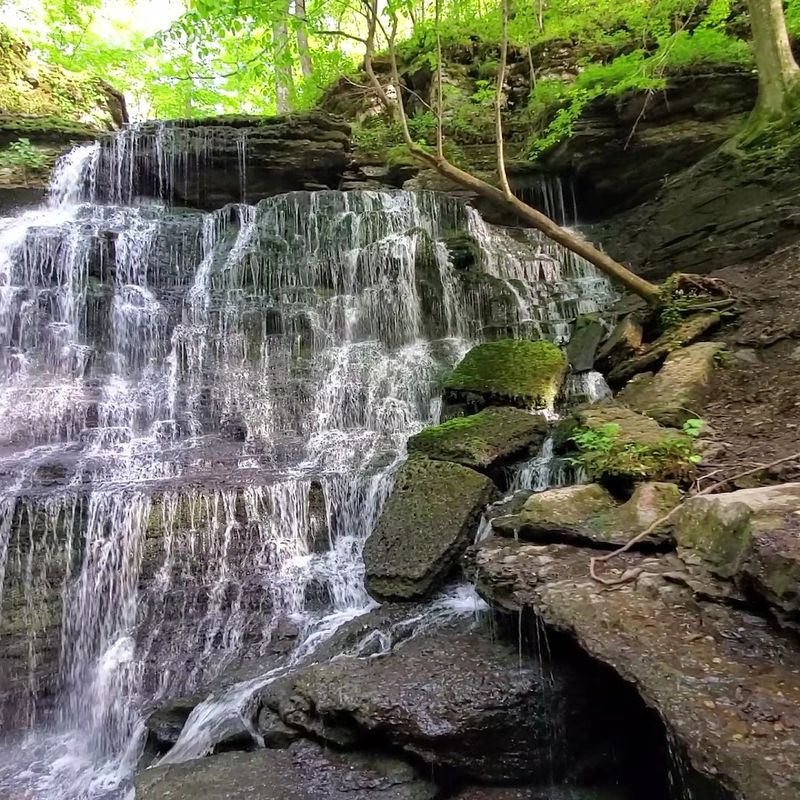
The gorge that frames Machine Falls does not reveal itself gradually. One moment the trail is winding through a calm forest canopy, and then the land drops away and the full scale of the setting becomes clear.
Mosses cling to every available surface. Ferns push out from cracks in the sandstone walls.
The air near the base of the falls carries a cool, damp quality that feels entirely different from the warmer forest above.
The rock formations themselves are worth studying up close. Layered sandstone and shale tell a slow geological story that stretches back far beyond any sawmill or hiking trail.
Water has been carving this gorge for a very long time.
Light filters differently depending on the season and time of day. Morning visits in spring offer some of the most vivid color combinations, when wildflowers are at their peak and the falls run strong from recent rains.
The gorge rewards patience and rewards those willing to slow down and actually look around.
Wildflowers, Ferns, And The Living Forest
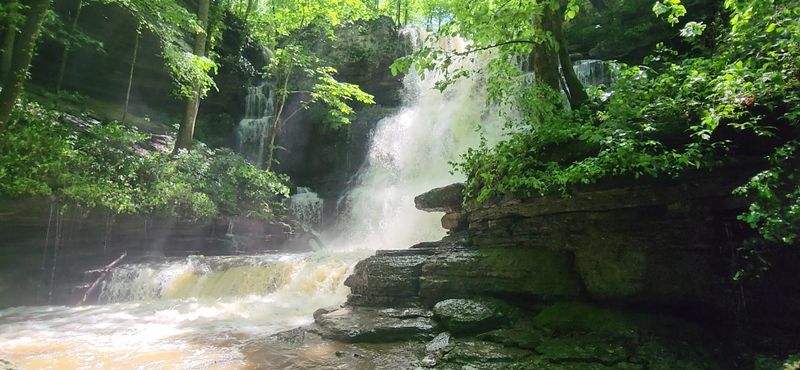
Spring at Short Springs Natural Area is a full sensory experience. Wildflowers push through the leaf litter along the trail, and the variety is striking for a relatively short hike.
Visitors who pay attention will find new species around nearly every bend.
Ferns are a constant presence throughout the gorge. They fill the understory with layered shades of green that shift from bright to deep depending on how much light reaches the forest floor.
Near the falls, the moisture keeps everything lush even in drier months.
The surrounding forest also supports a healthy mix of shade trees that create a natural canopy over much of the trail. That coverage makes summer hiking more bearable and gives autumn visits a colorful overhead display.
Wildlife moves through the area regularly. Birds are especially active during warmer months, and the creek supports its own small ecosystem.
The natural area as a whole feels alive in a way that goes well beyond the waterfall itself. The biodiversity here is one of its quieter selling points.
Best Times To Visit For The Full Experience
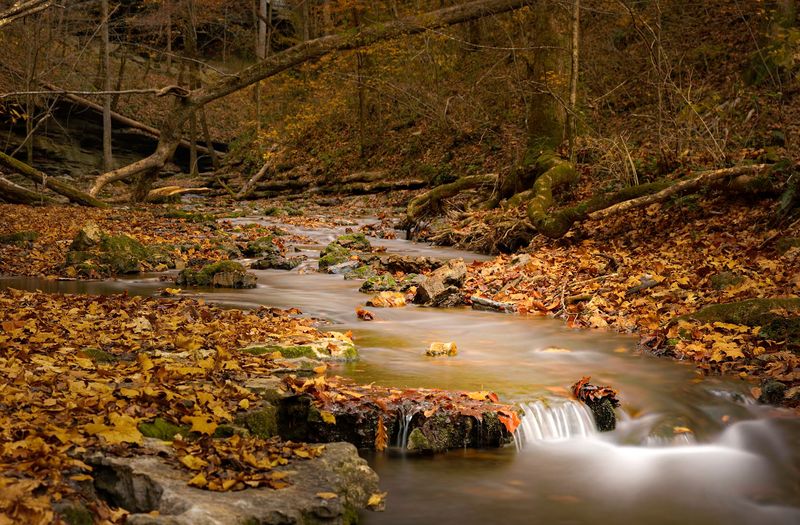
Timing a visit to Machine Falls makes a real difference in what gets experienced. Spring is widely regarded as the peak season, when snowmelt and rain push the falls to their most powerful and wildflowers cover the trail in bloom.
Fall offers a different kind of reward. The canopy turns and the gorge fills with warm amber and red tones that make the hike feel like a completely different place.
Water flow may be lower, but the visual payoff is strong.
Winter and early spring are the recommended windows for avoiding crowds. Fewer visitors brave the cold and the trail feels genuinely quiet.
The falls often run powerfully after winter precipitation, making the effort feel especially worthwhile.
Summer brings heat, humidity, and more foot traffic. The shaded trail and cool air near the falls offer some relief, but parking becomes more competitive and the experience feels less solitary.
Choosing a weekday in any season dramatically improves the odds of having the gorge feel like a personal discovery rather than a shared one.
A Place With A Past Worth Knowing
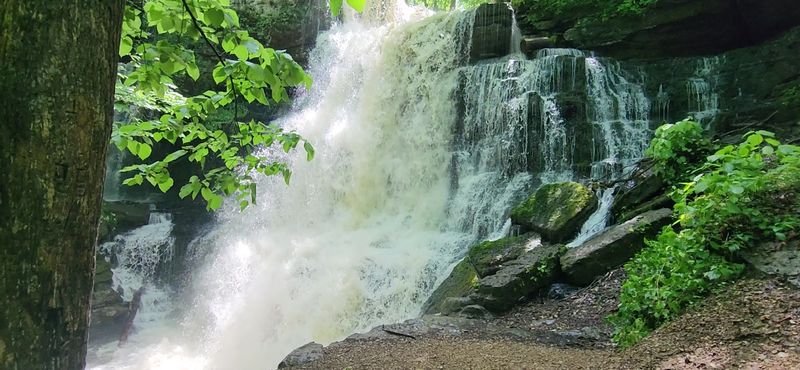
The name Machine Falls is not decorative. It is believed to trace back to old sawmill operations that once ran through this part of Tennessee, using paths that now form the basis of modern hiking routes.
That industrial history adds a layer of texture to what might otherwise feel like a purely natural setting. The gorge was not always a protected natural area.
It was worked land, shaped by human activity long before conservation became part of the conversation.
The Short Springs Natural Area was officially designated in 1994, marking a shift in how this stretch of Tennessee landscape would be managed going forward. The cooperative arrangement between state, city, and federal entities reflects the kind of long-term thinking that keeps places like this accessible without being overrun.
Knowing that history changes the walk a little. The wooden steps feel less arbitrary.
The trail alignment makes more sense. And the waterfall itself carries a weight that goes beyond scenery, connecting the present to a time when this gorge hummed with a very different kind of energy.
Why Locals Want To Keep This One Quiet
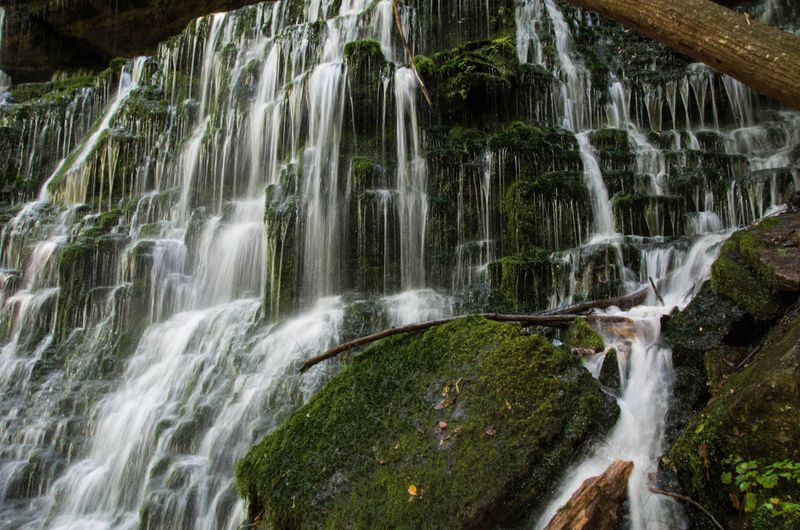
Popularity is a complicated gift for a place like Machine Falls. Those who discovered it years ago as a quiet retreat have watched online attention grow and parking lots fill a little faster each season.
The trail’s demanding sections have acted as a natural filter. Visitors who are not prepared for steep descents or wet creek crossings tend to turn back before reaching the falls.
That self-selection has kept the experience from becoming a casual stroll destination.
Long-time visitors have a particular affection for the waterfall that goes beyond simple appreciation. They remember it before the trail markers were polished and before review platforms made it searchable.
That history creates a protective instinct that is easy to understand.
The recommendation from those regulars is consistent: visit in winter or early spring, arrive on a weekday, and move through the space with care. Leave nothing behind.
Stay on the trail. Treat the place as if it belongs to someone who loves it deeply, because it does, and they are watching.
Gear Up Right Before Hitting The Trail
Preparation is not optional at Machine Falls. The trail punishes the underprepared quickly and rewards those who show up ready to handle variable conditions.
Footwear is the most critical decision. Water shoes or waterproof hiking boots handle the creek crossing and slippery rocks far better than standard sneakers.
The difference between a confident hike and a frustrating one often comes down to what is on the feet.
Trekking poles are not required but earn their weight on the steep descent and climb back out. They provide stability on root-covered and rock-strewn sections that can catch hikers off guard, especially on the return trip when legs are already tired.
Water and snacks should come from the car, since there are no supply stops near the trailhead. Sun protection matters on open sections of trail, and layers help manage the temperature shift between the warm forest and the cool air near the falls.
A small dry bag keeps phones and valuables safe during the creek crossing. Preparation turns a challenging hike into a genuinely enjoyable one.
Kid And Pet Friendly With A Few Conditions
Machine Falls is not off-limits to families or four-legged companions, but it comes with honest conditions attached. The trail has been completed by children as young as five with adult assistance on the steeper sections.
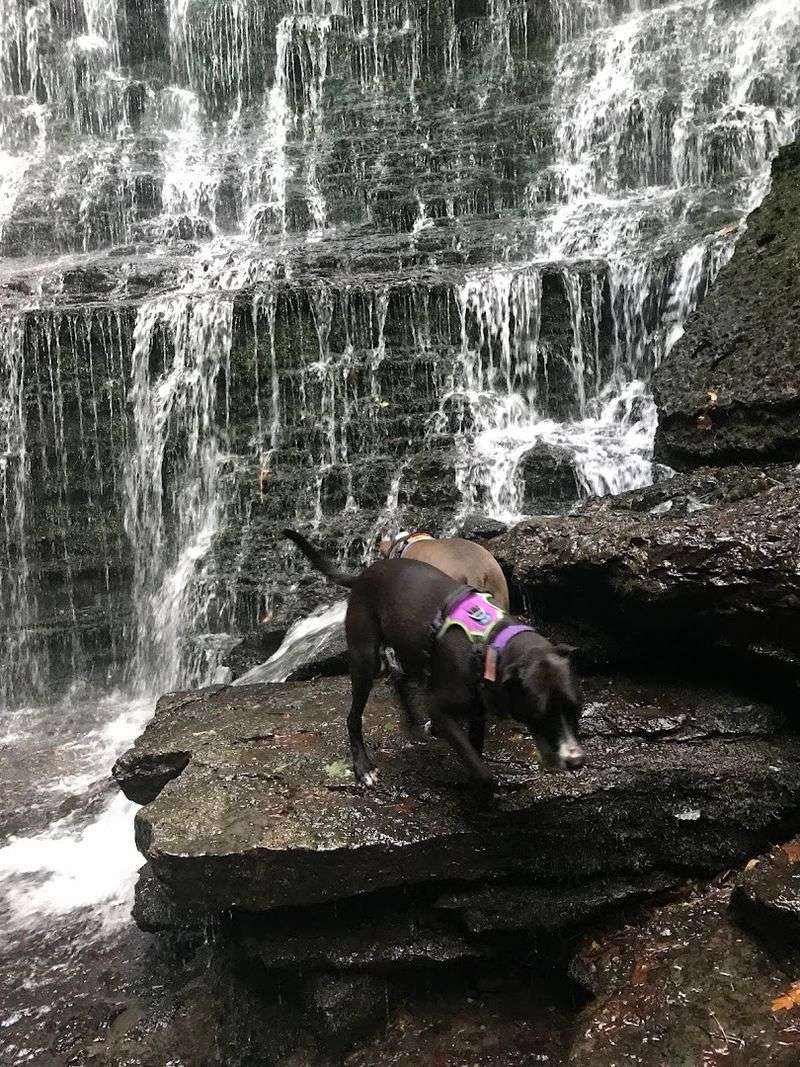
Dogs are welcome and the trail sees regular canine visitors. The creek crossing and cool air near the falls tend to be popular with pets on warmer days.
Keeping animals leashed and under control on the steep sections is a practical safety measure, not just a rule.
The benches placed along the trail offer useful rest stops for younger hikers or anyone who needs a breather between the parking area and the falls. The well-maintained wooden steps make the descent more manageable than pure rocky scrambling would be.
Parents should assess the steep section honestly before committing. A child who handles moderate trail conditions confidently will likely manage fine.
One who struggles on uneven ground may find the descent frustrating. The falls are worth the effort, but the trail back up is the real test for small legs and tired knees alike.
Making The Most Of The Short Springs Loop
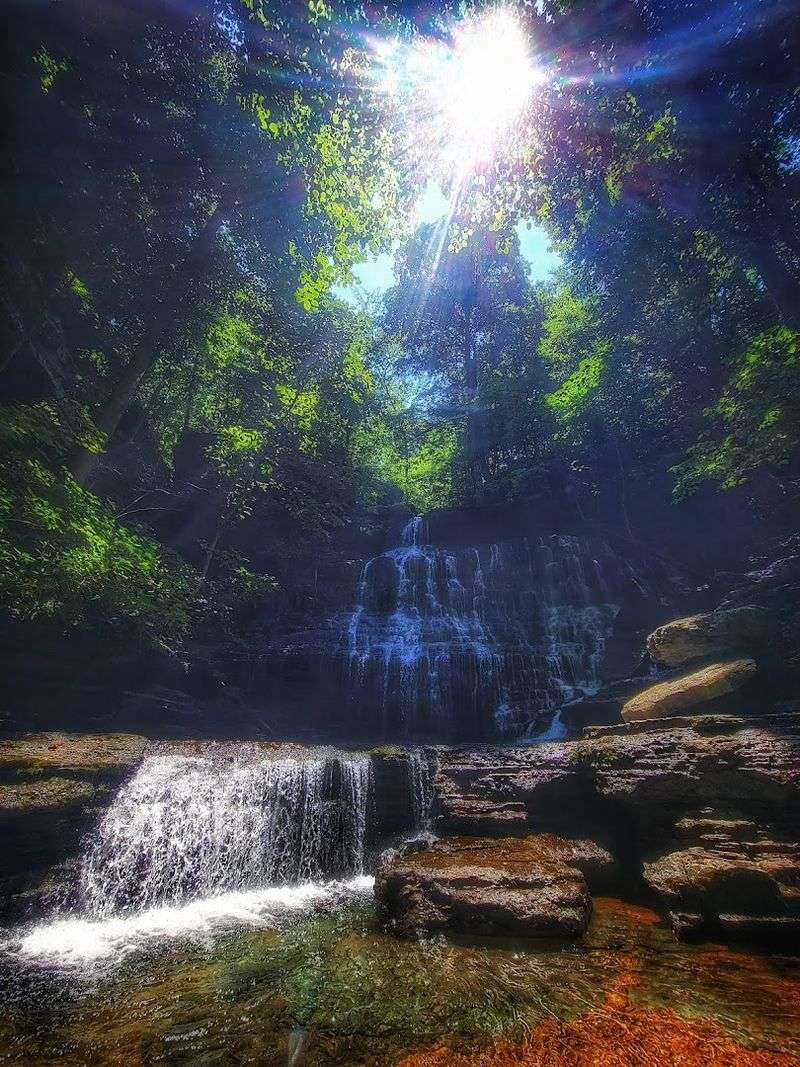
Machine Falls does not have to be the only stop on the trail. The Short Springs Natural Area offers a network of paths that connect multiple waterfall destinations within a single outing.
Busby Falls and Adams Falls are the main additions available to hikers who want to extend the experience. The longer loop options push the total distance to somewhere between 3.2 and 6 miles, depending on which routes get combined.
Adams Falls carries a reputation for more advanced terrain. Reviews from visitors who have attempted that section note genuinely challenging conditions that go beyond what the Machine Falls loop requires.
Experienced hikers will find it rewarding. Beginners should research it carefully before committing.
The trail system is well-marked throughout, which makes navigation straightforward even for first-time visitors. Starting early allows enough time to explore more than one waterfall without feeling rushed.
The Short Springs Natural Area near Tullahoma, Tennessee, rewards hikers who treat it as a full morning or afternoon destination rather than a quick out-and-back. The falls plural are worth the extra miles.