
The Most Remote Lake In Tennessee Is Also The Most Peaceful
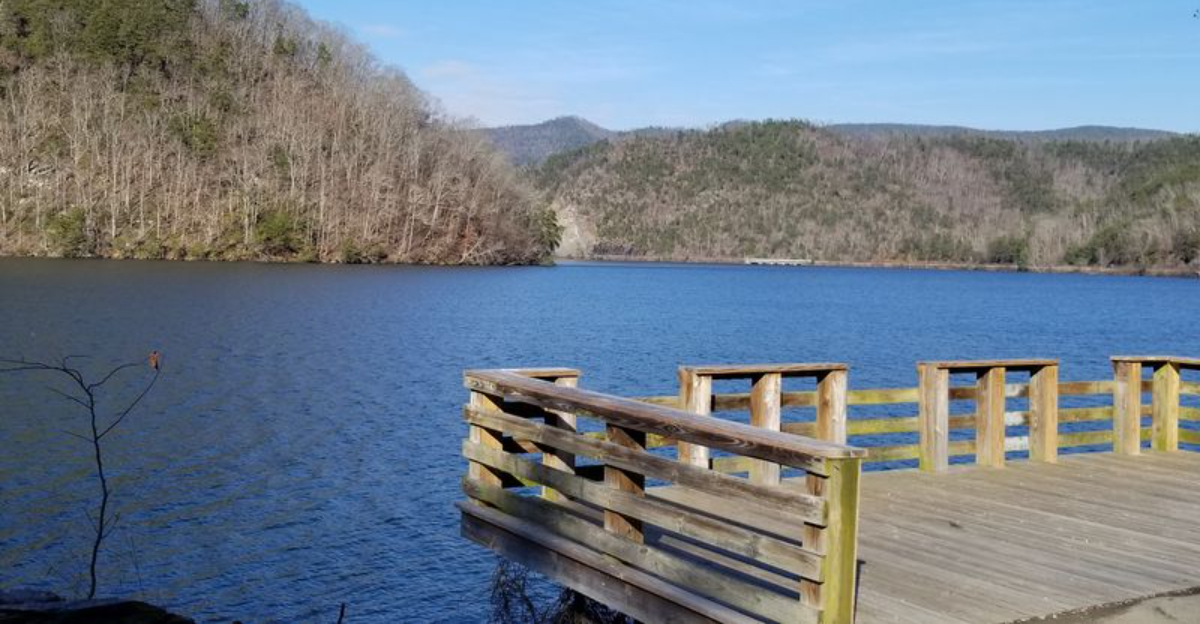
Ever wonder what silence actually sounds like? Not the kind you get at home with the TV off, but real, deep quiet broken only by water lapping against rock.
Tennessee holds a spot like that, and almost nobody talks about it.
No jet skis roaring past. No crowded docks packed with coolers and speakers. Just still water surrounded by mountains so steep they block out cell signal completely.
Getting there takes effort. You won’t stumble onto this place by accident, and that’s exactly the point.
Every mile feels like leaving the noise of regular life further behind. Locals who know about it tend to keep quiet, treating it like a secret worth protecting. Once you arrive, you’ll understand why.
The air feels different. Time slows down. If peace is what you’re chasing, this remote corner of the state might be the closest thing to finding it.
The Road That Keeps Most People Away

Before you ever see the water, the road tests your patience and your nerve. US Highway 129, better known as the Tail of the Dragon, is one of the most talked-about stretches of pavement in America.
It runs through the mountains of East Tennessee and crosses into North Carolina, delivering 318 curves across just eleven miles.
Motorcyclists and sports car enthusiasts travel from across the country just to drive it. For everyone else, it is simply the only practical way to reach this lake.
The road climbs and drops with little warning, flanked on both sides by dense forest that blocks any long view of what lies ahead. There are no gas stations along the route, no fast food stops, and no real shoulder to pull onto if you need a break.
That combination of difficulty and isolation is exactly what keeps the lake so uncrowded.
What the road takes from you in comfort, it returns in atmosphere. By the time you reach the lake overlook on Highway 129, the elevation drop and the sudden appearance of still blue water below create a genuinely dramatic moment.
The drive alone is worth planning around.
A Reservoir With A Surprisingly Long History
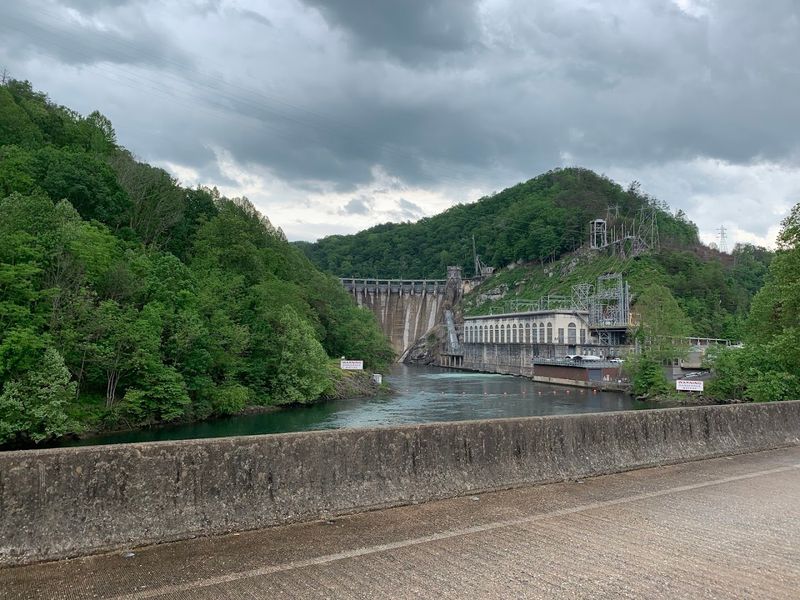
Calderwood Lake did not form naturally. It was created when the Calderwood Dam was completed in 1930, blocking the flow of the Little Tennessee River and filling the surrounding valley with cold mountain water.
The project was built to generate hydroelectric power, and it still serves that function today. What makes the history particularly interesting is how the construction crew actually reached the site before any road existed in the area.
The only way in was by rail. Workers and materials arrived by train through a tunnel carved into the mountain, a tunnel that still exists and can be paddled through by kayakers when water levels cooperate.
That detail alone gives the lake a character that most reservoirs simply do not have. There is something quietly remarkable about floating through a passage that once carried an entire construction operation.
The dam itself sits at the border of Tennessee and North Carolina, and the lake stretches roughly eight miles upstream from that point.
Covering between 514 and 570 acres depending on water levels, Calderwood Lake in Tennessee remains one of the least developed reservoirs in the entire southeastern United States, preserving much of the atmosphere that surrounded it a century ago.
Cold Water, Clear Depths, And Serious Trout
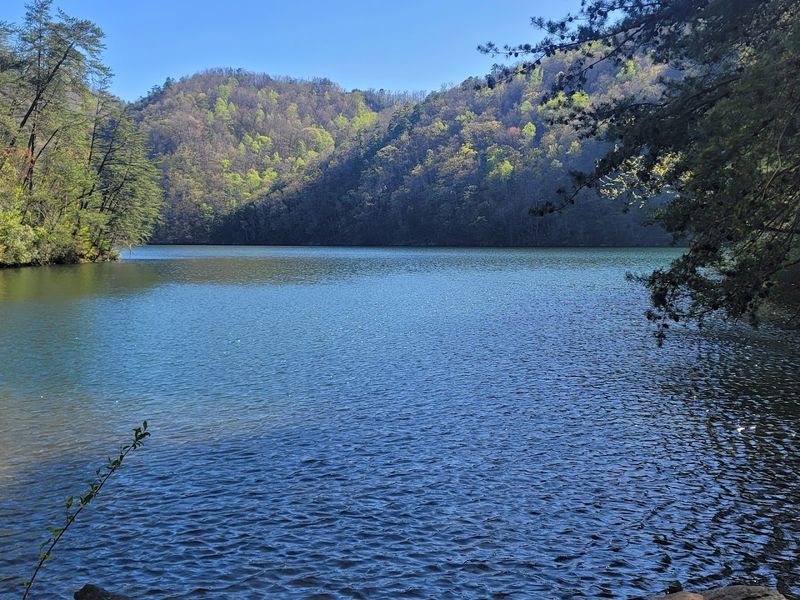
The water temperature at Calderwood Lake stays remarkably low throughout the year, often hovering in the low forties even during the peak of summer.
That cold comes from the depth of the reservoir and the mountain streams feeding into it from the surrounding highlands.
For most swimmers, it is a brief and bracing experience. For trout, it is ideal habitat.
The lake supports four distinct species: brook trout, brown trout, rainbow trout, and lake trout.
Both North Carolina and Tennessee wildlife agencies stock the lake regularly, making it one of the more productive trout fisheries in the region.
Anglers who make the effort to reach the water are rarely disappointed, though the remote location means you need to come fully prepared. There are no bait shops nearby and no ranger stations within easy reach.
The clarity of the water adds another dimension to the experience. On calm mornings, you can see surprisingly deep into the lake, watching light filter down through cold, still water.
Combine that visibility with the eerie fog that forms when warm air meets the cold surface, and the lake takes on a mood that is equal parts beautiful and slightly otherworldly. Fishing here feels less like a hobby and more like a ritual.
No Motors Allowed, And That Changes Everything
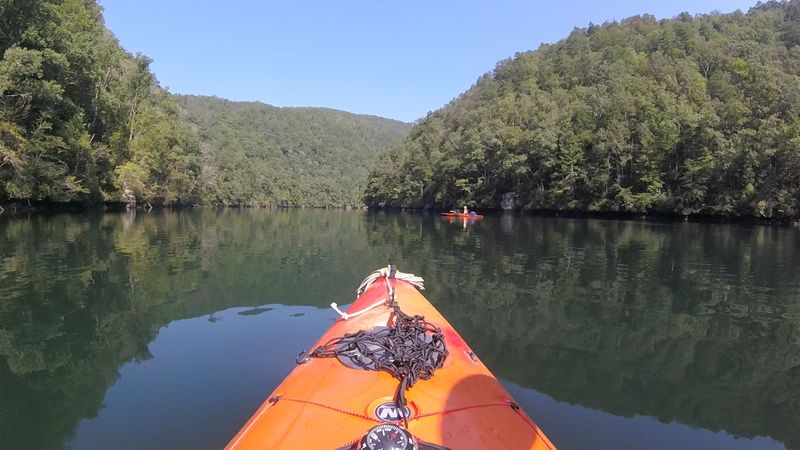
Gasoline motors are prohibited on Calderwood Lake. That single rule transforms the entire experience in ways that are hard to fully appreciate until you are actually on the water.
There is no engine noise. No wake from passing speedboats. No smell of exhaust drifting across the surface.
Just the sound of a paddle entering water, the occasional bird call, and whatever the wind decides to do with the trees along the shore.
Canoes and kayaks are the vessels of choice here, and the calm, cold water suits both perfectly. The lake runs about eight miles in length, giving paddlers enough distance to feel genuinely exploratory without being overwhelming.
Beginners can stay close to the access point while more experienced paddlers push deeper into the reservoir toward the more isolated upper sections.
The only boat access, it is worth noting, is located on the North Carolina side of the lake due to the terrain and federal land constraints on the Tennessee side. Planning ahead is essential.
Primitive campsites exist along the shoreline, accessible only by water, which means an overnight paddling trip is entirely possible for those who want to stay longer than a single afternoon. The lake rewards preparation generously.
Wildlife That Appears When You Stop Making Noise
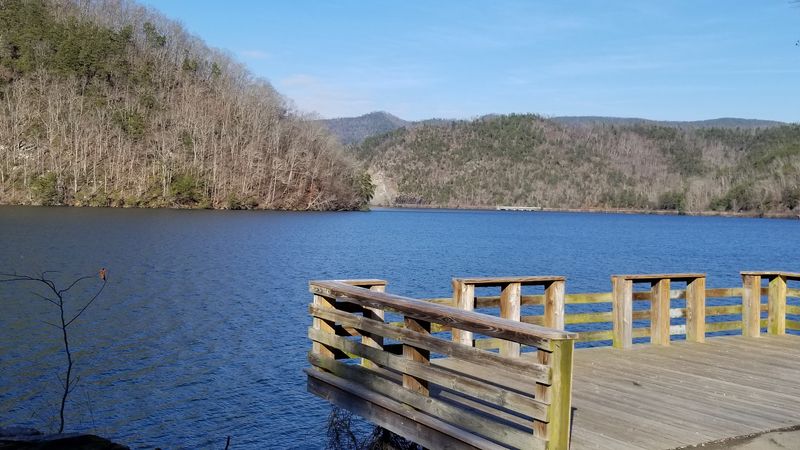
Bald eagles are not rare at Calderwood Lake. They appear with enough regularity that a patient visitor sitting quietly on the water or along the shoreline can reasonably expect to see one.
The combination of cold, fish-rich water and undisturbed forest creates exactly the kind of environment that eagles seek out.
Spotting one overhead, wings spread wide against a mountain backdrop, is the kind of moment that makes the difficult drive feel entirely worthwhile.
Deer move through the tree line in the early morning and late afternoon, and river otters have been observed in and around the water. The undeveloped shoreline means there are no buildings, docks, or manicured lawns to interrupt the habitat.
Animals here behave as they would in genuinely wild spaces, which makes observation feel authentic rather than staged.
The key to seeing wildlife at Calderwood Lake is the same as at any remote location: arrive early, move slowly, and stay quiet longer than feels necessary.
The lake sits between Great Smoky Mountains National Park to the north and Cherokee National Forest to the south, placing it within one of the most biologically rich corridors in the eastern United States.
The wildlife density in this area is not accidental.
The Half-Submerged Train Tunnel You Can Paddle Through
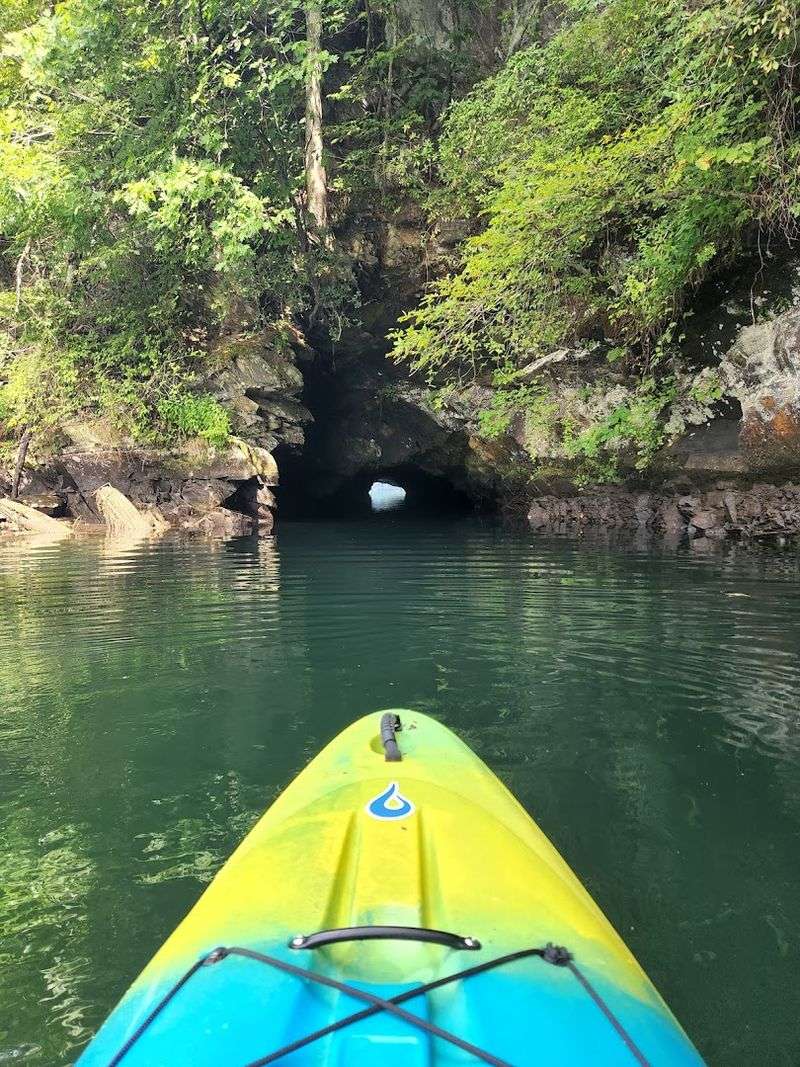
Few lakes anywhere in the country can claim a feature quite like this one. When water levels drop low enough, a partially submerged railroad tunnel becomes accessible to kayakers and canoeists willing to paddle into the dark.
The tunnel dates back to the construction era of the Calderwood Dam, when rail was the only means of delivering workers and equipment to this remote stretch of the Little Tennessee River valley.
Paddling into the tunnel is a strange and memorable experience. The light from outside fades quickly, the air turns noticeably cooler, and the sound of your paddle echoes off the stone walls in a way that feels more like a cave than a man-made passage.
It is not a long tunnel, but the atmosphere inside is unlike anything most paddlers encounter on a typical outing.
Water levels determine accessibility, so checking conditions before making the trip is important. The tunnel is not always reachable, and even when it is, the approach requires careful navigation.
That unpredictability is part of what makes the experience feel earned rather than touristy.
Calderwood Lake has a way of offering its best features only to those who show up informed, prepared, and genuinely curious about what lies just around the next bend.
No Cell Service, And Why That Actually Helps
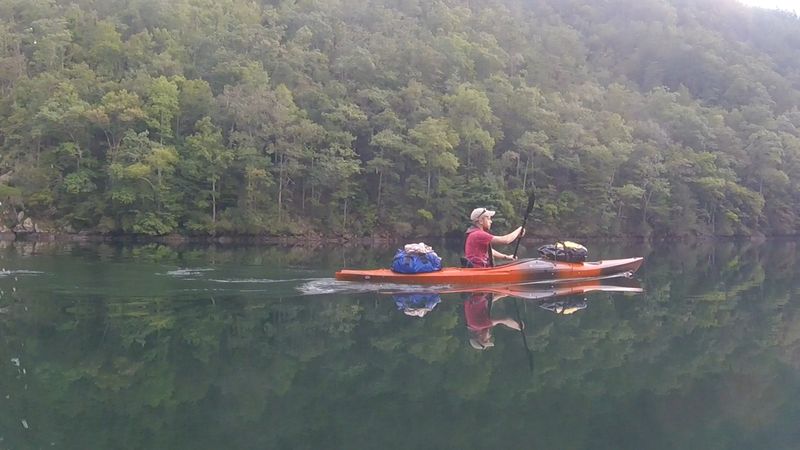
There is no cell phone coverage at Calderwood Lake. That fact appears in safety warnings about the area, and it is worth taking seriously from a preparedness standpoint.
Bring a paper map, tell someone where you are going, and carry more water and food than you think you will need. The nearest help is not close, and the terrain between the lake and any town is not forgiving.
Once you accept those conditions and plan accordingly, the absence of a signal becomes one of the lake’s most appealing qualities. The reflex to check a phone disappears within an hour.
Conversations become more deliberate. The sounds around you become more noticeable. Time moves differently when nothing is competing for your attention every few minutes.
Many visitors who return to Calderwood Lake year after year describe the disconnection as the main draw, not just a side effect of the location. One regular described it simply as a great place to get lost for a few days, and that framing captures something real.
The lake sits at Tennessee 37885, far enough from everything familiar that the usual mental noise settles on its own.
You do not have to try to relax here. The place handles that for you.
Morning Fog And The Atmosphere It Creates
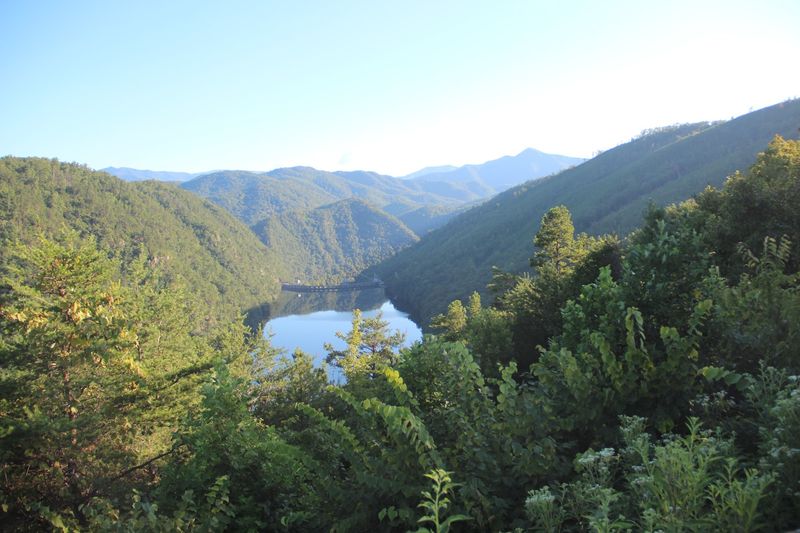
On cool mornings, fog forms across the surface of Calderwood Lake in a way that feels almost theatrical.
The water temperature stays so low year-round that when warmer air settles in overnight, the contact between the two creates a thick, low-lying mist that drifts slowly across the reservoir at first light.
Photographers who make the effort to be on the water at dawn come away with images that look heavily edited but are not.
The fog tends to lift gradually as the morning progresses, revealing the mountain walls that rise steeply on both sides of the lake.
The transition from obscured to clear happens slowly enough that you can watch the landscape reveal itself in stages, which adds a quiet drama to even a simple morning paddle.
The atmosphere during those early hours is difficult to replicate anywhere else in Tennessee.
The combination of cold air, still water, rising mist, and complete silence produces a mood that most people associate with remote wilderness far north of here.
The fact that this experience is available within a half-day drive from several major Tennessee cities makes it all the more striking.
Arriving at the lake the evening before and camping overnight is the most reliable way to be on the water when the fog is at its most impressive.
What To Expect If You Plan An Overnight Trip
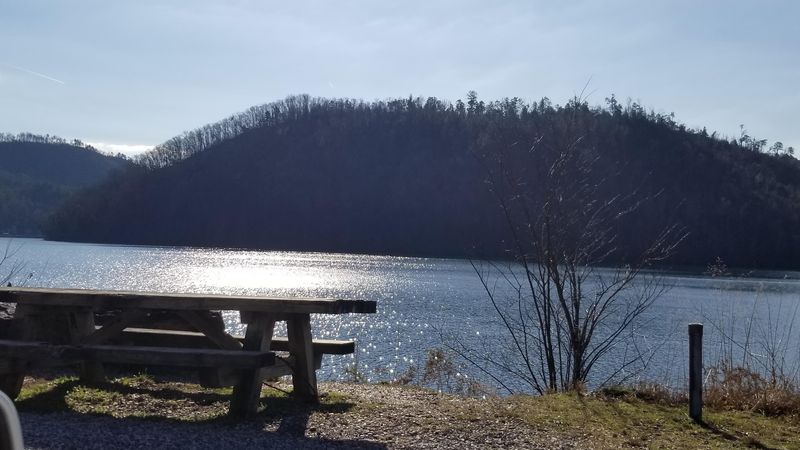
Spending a single afternoon at Calderwood Lake gives you a good impression of the place. Spending the night gives you an entirely different understanding of it.
Primitive campsites exist along the shoreline, but they are accessible only by water, which means your campsite effectively requires a paddle to reach. That built-in barrier keeps the overnight population extremely small and the sites themselves in good condition.
There are no facilities at these sites. No fire rings provided, no picnic tables, no trash service.
Everything you carry in, you carry out. That expectation is standard for this kind of backcountry experience, and it keeps the shoreline looking the way it does.
Campers who respect those conditions are rewarded with a level of solitude that is increasingly hard to find in the eastern United States.
Nights at the lake are genuinely dark.
Light pollution does not reach this far into the mountains, and the sky above Calderwood Lake on a clear evening is layered with stars in a way that can feel disorienting if you are not accustomed to true darkness.
The cold air, the sound of water moving gently nearby, and the absence of any artificial light or sound combine to produce the kind of sleep that most people spend a lot of money trying to achieve at home.
Plan carefully, pack well, and stay at least one night.