
This South Carolina Beach Offers Bright Coastal Beauty By Day And A Mystical Atmosphere At Night
Coastal beauty that shifts completely after dark is rarer than most beach destinations would ever admit. This South Carolina shoreline delivers two entirely different experiences without moving an inch between them.
Daylight here belongs to the usual pleasures, warm sand, clear water, and the kind of light that makes everything look slightly better than it actually is. After sunset, that same stretch becomes something harder to categorize.
Visitors who stay past the usual departure time describe the atmosphere in terms that do not quite match the beach they arrived at hours earlier. The mystical quality here is not manufactured or performed for effect.
A beach this atmospherically complete earns its reputation through both halves of the day equally. The ones who only experience one side of it leave without knowing what the other half was quietly offering all along.
Sunrise And Sunset Views Over Coastal Waters
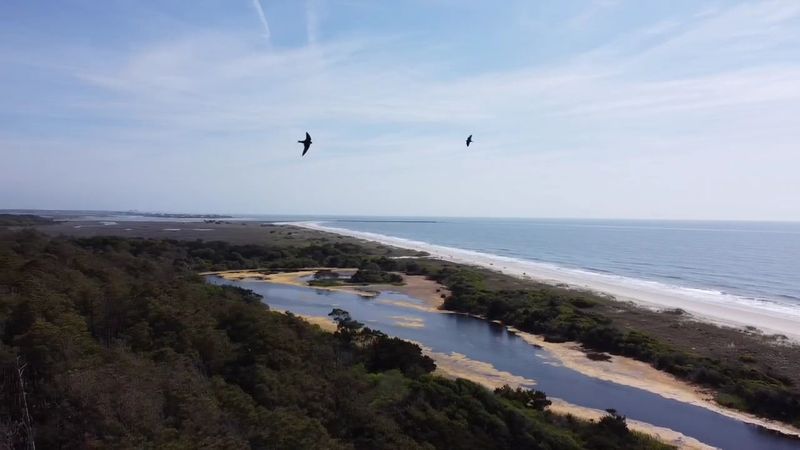
The sky at Huntington Beach does not ease into color. It erupts.
The horizon goes from deep navy to blazing orange faster than you expect. You will want your camera ready before you even get to the sand.
Morning light hits the Atlantic in a way that makes the water look almost metallic. Pelicans glide low over the surface.
The beach is quiet, wide, and mostly empty at that hour.
Sunset is equally dramatic from the western side of the park near the salt marsh. The causeway becomes a front-row seat to the whole show.
Colors bounce off both the ocean and the marsh water at the same time.
No high-rises block the view here. That is a rare thing along the South Carolina coast.
The open horizon makes every sunrise feel bigger, and every sunset feel longer than it actually is.
Plan to arrive at least 20 minutes before peak color. Light changes fast.
You do not want to be still parking when the sky is doing its best work. The park opens at 6 AM daily, which lines up perfectly with early morning light.
Find this coastal spot at Murrells Inlet, SC 29576.
Unique Flora And Fauna In Coastal Environments
Huntington Beach State Park covers 2,500 acres of protected coastal habitat. That number sounds big on paper.
In person, walking through it, you realize just how wild and layered this place really is.
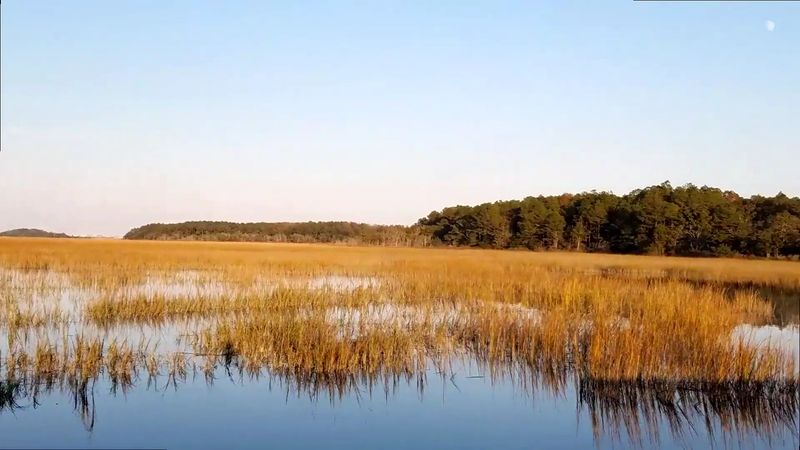
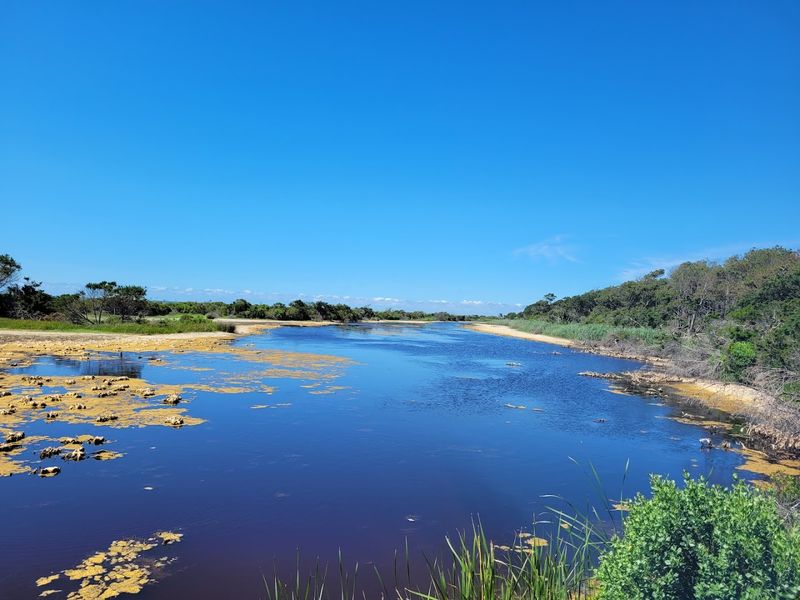
Salt marshes line one side of the park road. A freshwater pond sits on the other side.
That contrast pulls in an almost unbelievable variety of wildlife to one compact area.
Over 300 bird species have been recorded here. Roseate spoonbills, great blue herons, egrets, ospreys, and ibises all show up regularly.
Birders from across the East Coast make the trip specifically for this park.
Alligators are a real presence here too. They hang out near the causeway bridge and along the pond edges.
Seeing one on your first visit is practically a guarantee, not a lucky bonus.
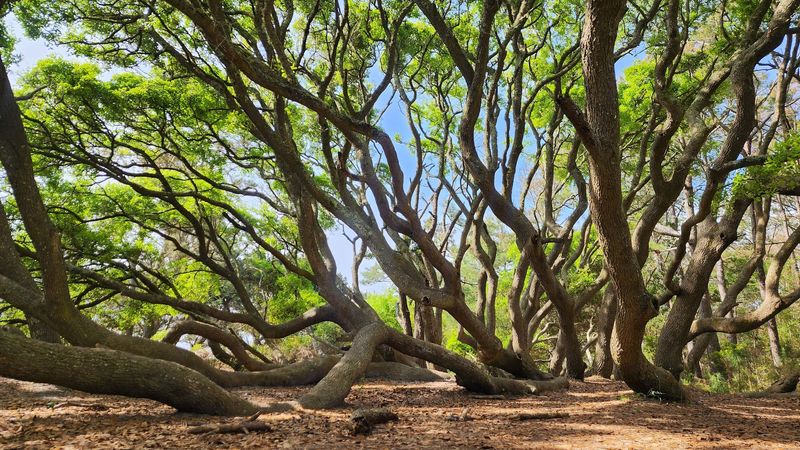
The maritime forest trails wind through dense vegetation. Loggerhead sea turtles nest on the beach during summer months.
The park actively monitors and protects those nests. Minks, deer, and river otters also live within the park boundaries.
The biodiversity packed into this one coastal stretch is genuinely hard to match anywhere else along the South Carolina shoreline.
Daytime Activities For Families And Outdoor Enthusiasts
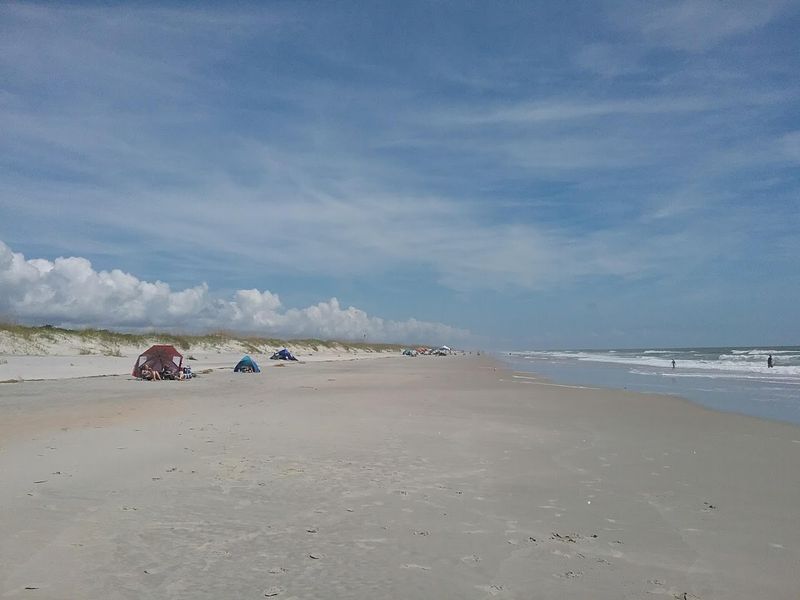
A full day here never runs out of things to do. The beach alone keeps most visitors busy for hours.
Three miles of uncrowded sand stretch out without a single hotel blocking the view.
The nature center inside the park has live animal exhibits. Kids get hands-on with coastal species in a way that actually sticks with them.
It is educational without feeling like a field trip assignment.
Boardwalks and walking trails loop through the salt marsh and maritime forest. Birdwatching along the causeway is popular with all ages.
The jetty at the south end of the beach is worth the walk for the views alone.
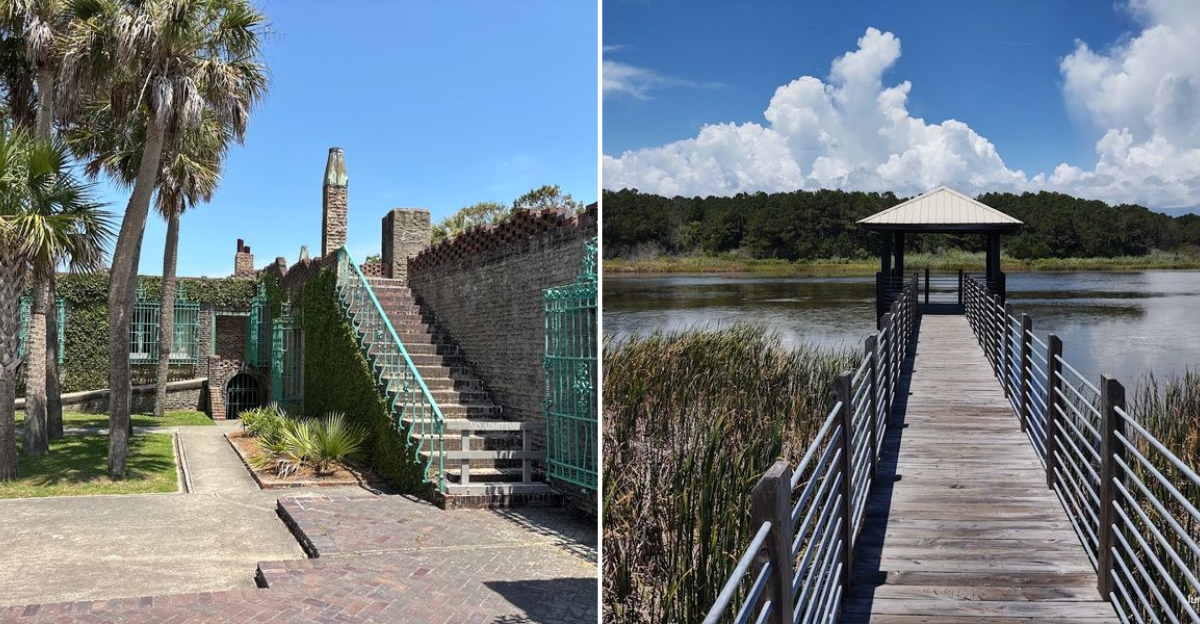
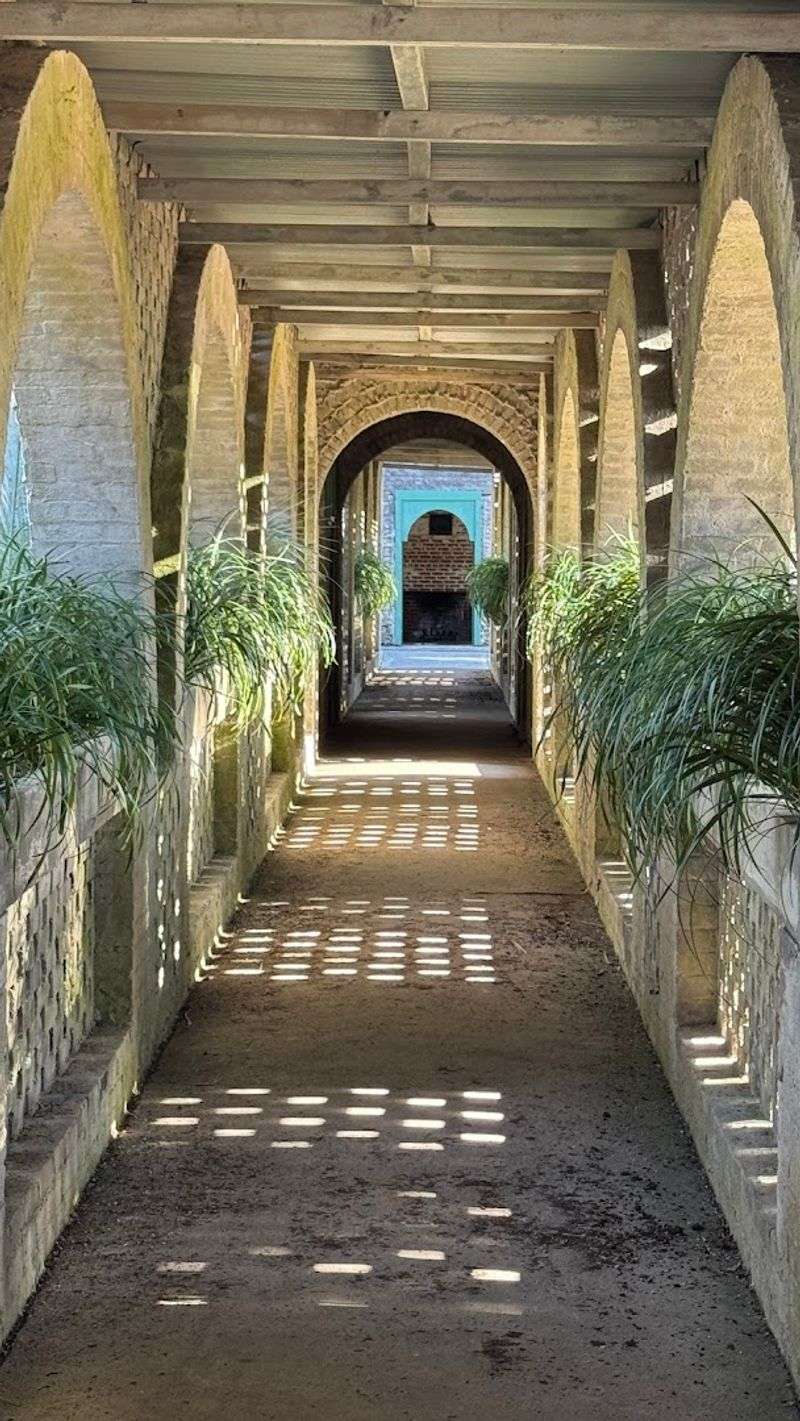
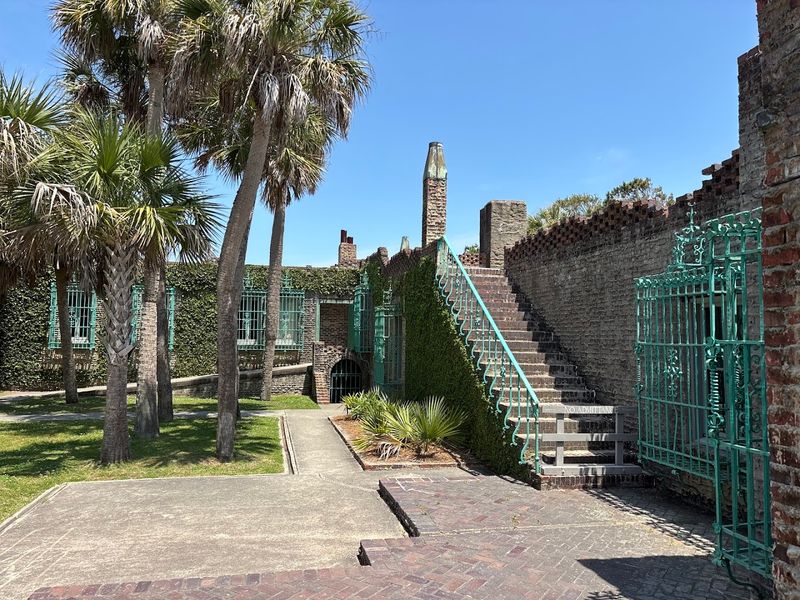
Atalaya Castle sits right inside the park boundaries. This Moorish-style mansion was the winter home of philanthropist Archer Huntington and acclaimed sculptor Anna Hyatt Huntington.
Self-guided tours are available for a small additional fee and are open during daytime hours. The castle is a National Historic Landmark and one of the most fascinating structures on the South Carolina coast.
Biking on the park roads is allowed and feels safe. There are playgrounds for younger kids near the campground area.
Pack a lunch because food options inside are limited. Families consistently find that one visit is never quite enough to cover everything this park has waiting for them.
Nighttime Sky Watching And Star Gazing Opportunities
Huntington Beach State Park holds the title of the top stargazing spot in all of South Carolina. It also ranks 54th best nationally.
That is not a casual claim for a beach park sitting near a major tourist corridor.
The Grand Strand is known for its bright lights and busy strips. Huntington Beach exists in a protective bubble away from most of that light pollution.
The skies here get genuinely dark after sunset.
Standing on the beach or the causeway at night and looking up is a different experience entirely. Constellations are sharp.
Planets are visible to the naked eye. The Milky Way appears on clear nights without any equipment needed.
The park stays open until 9 PM during standard hours and later during Daylight Saving Time. That window gives stargazers a solid stretch of dark-sky viewing time.
Bring a blanket and lay flat on the sand for the full effect.
Atalaya Castle looms in the darkness nearby, adding a genuinely eerie backdrop to the whole scene. The historic structure at night looks completely different from its daytime self.
Combine the castle silhouette with a sky full of stars and you have an atmosphere that feels pulled from a different century entirely. It is memorable in the best possible way.
Beach Conservation Efforts And Environmental Importance
Conservation is not just a sign posted at the entrance here. It is actively happening all around you during your visit.
The park functions as a working conservation zone for multiple threatened species.
Loggerhead sea turtles nest along the beach every summer. Park staff and volunteers monitor every nest carefully.
Protective stakes and tape mark active nests so visitors know exactly where not to walk.
The salt marsh ecosystem on the western side of the park serves as a nursery for juvenile fish and crustaceans. Protecting that habitat keeps the entire coastal food web functioning.
Disrupting it would send ripple effects through the local marine environment.
Huntington Beach was established specifically to preserve this stretch of coastline from development. No high-rises were ever built here.
That decision decades ago is the reason the park looks the way it does today.
Bird populations that rely on undisturbed coastal habitat benefit directly from the park’s protected status. Over 300 species depend on this area during migration and nesting seasons.
Visitors who understand that context tend to treat the park with noticeably more care. Staying on designated trails, keeping dogs leashed, and respecting posted signs are small actions that add up to a big difference for a place this ecologically important.
Photography Tips For Capturing Coastal Beauty
Huntington Beach is a photographer’s playground with an almost embarrassing variety. You have the ocean, the marsh, the forest, the castle, and the wildlife all within walking distance of each other.
Picking a single subject is honestly the hardest part.
Golden hour here is exceptional. Arrive 30 minutes before sunrise or plan to stay through sunset.
The light that is low on the horizon wraps around the marsh grasses and turns everything warm and dramatic.
Wildlife shots require patience and a zoom lens. Stay still near the causeway, and the birds will come to you.
Rushing toward them guarantees nothing but a blurry photo of something flying away fast.
Atalaya Castle makes for compelling architecture shots in both daylight and low-light conditions. The textured stone walls and Moorish archways photograph beautifully in overcast light.
The harsh midday sun creates too much contrast on the rough stone surfaces.
For tide pool and shoreline macro shots, low tide is your window. Water recedes and reveals small shells, sea life, and interesting textures not visible otherwise.
A polarizing filter helps cut glare off wet sand and shallow water. Shoot from a low angle whenever possible.
Getting down to ground level changes the entire perspective and makes coastal scenes feel more immersive and dramatic in the final image.
Local Marine Life And Tide Pool Exploration
The shoreline at Huntington Beach gives up its secrets at low tide. Small pools form along the wet sand and near the jetty rocks.
Each one holds a little world worth stopping to look at closely.
Fiddler crabs are everywhere near the marsh edges. Ghost crabs sprint across the upper beach after dark.
Hermit crabs shuffle through the shallower tide pools in a way that is genuinely entertaining to watch for any age group.
Dolphins are spotted regularly just offshore. They tend to cruise parallel to the beach in small groups.
Morning is the best time to catch them close to the shoreline before boat traffic picks up.
The jetty at the southern end of the beach is the best spot for observing marine life up close. Barnacles, mussels, and small fish cluster around the rocks.
Bring water shoes because the jetty surface is uneven and slippery in spots.
Loggerhead sea turtles pass through the nearshore waters during warmer months. Spotting one from the beach is rare but not unheard of.
The park’s nature center provides context for understanding what you are seeing in the water and on the shore. Rangers can point you toward the best low-tide windows for exploration.
Timing your visit around tidal charts makes a real difference in what you find.
Relaxation Spots And Picnic Areas Along The Shore
Not every visit to a state park needs to be packed with activity. Sometimes the best thing you can do is find a good spot and just sit in it for a while.
Huntington Beach is built for exactly that kind of visit, too.
Picnic tables are scattered near the beach access areas. Shade from nearby trees keeps things comfortable even on warmer days.
Bringing your own food is genuinely the smart move here since food options inside the park are limited.
The campground area offers fire pits and picnic tables at individual sites. Even day visitors can find quiet corners near the south campground to spread out.
The sound of the ocean carries through the whole area regardless of where you settle.
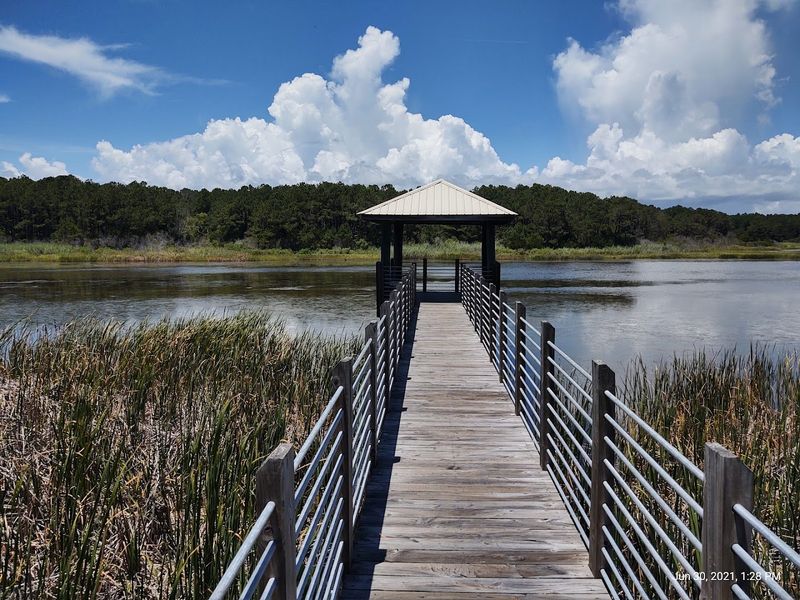
The boardwalk over the salt marsh is a calm place to sit and watch birds move through the grass. There is a meditative quality to that view that is hard to explain and easy to appreciate. It slows you down in a good way.
Hammock-friendly trees exist near the wooded campground sections. Campers who string one up between visits to the beach report it being one of their favorite parts of the stay.
The park is clean, well-maintained, and quiet enough that relaxation comes naturally without needing to work for it. Bring sunscreen, pack a cooler, and plan to stay longer than you originally intended.