
10 Rhode Island Towns Struggling With Outmigration Due To Soaring Property Taxes
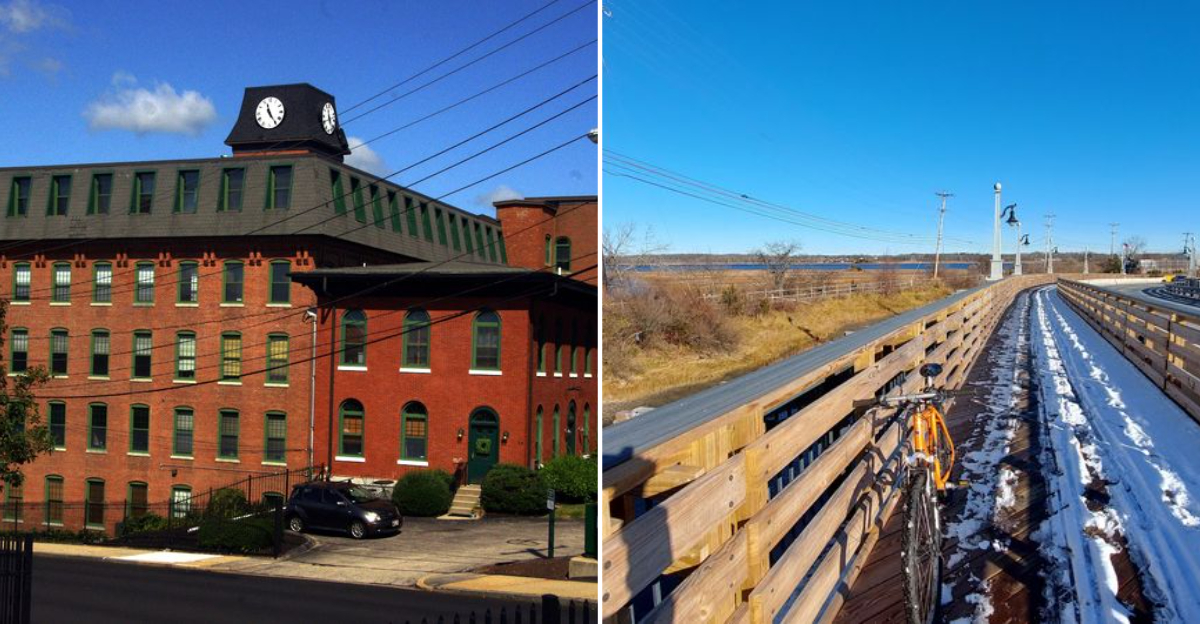
Soaring property taxes have a way of turning a beloved hometown into an unaffordable one. Families who planned to stay are leaving instead, and Rhode Island is watching that happen across communities that never saw it coming.
The departures accumulate quietly at first. A neighbor here, a longtime family there, until the pattern becomes impossible to ignore.
Residents who remain describe a community slowly hollowing out around them. The character that made these towns worth living in starts losing the people responsible for maintaining it.
Property tax burdens rarely arrive with a visible solution attached. These towns are living that reality directly, watching outmigration answer a financial question that local government has yet to resolve.
1. Providence
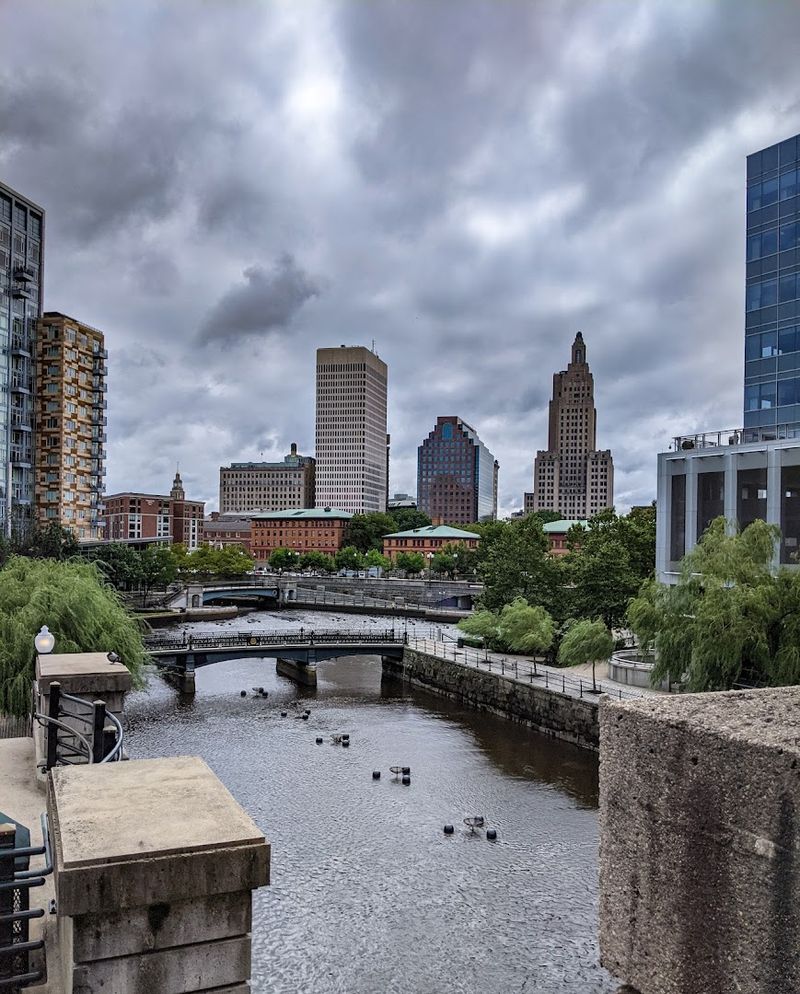
Providence is the heart of Rhode Island, and right now, that heart has a serious tax problem. The effective property tax rate here hovers around 1.7%, which sounds modest until you see your actual bill.
Commercial properties get hit even harder, taxed at roughly 3.5 times the residential rate.
Businesses are quietly closing or relocating. Landlords pass costs onto renters, and renters eventually leave.
The cycle is exhausting for everyone stuck in the middle.
Long-time residents talk about watching their neighborhoods change. Not because of development or excitement, but because familiar faces keep disappearing.
People move to Massachusetts or Connecticut where the numbers make more sense.
Providence has a lot going for it. Incredible food scene, College Hill architecture, the WaterFire events.
But charm does not pay a tax bill. Young families especially are calculating the cost of staying versus leaving, and leaving is winning more often lately.
The city has been designated a distressed community by state analysts, which is a polite way of saying the tax burden relative to resident wealth is unsustainable. Fixing that will require serious political will, not just talking points.
2. Woonsocket
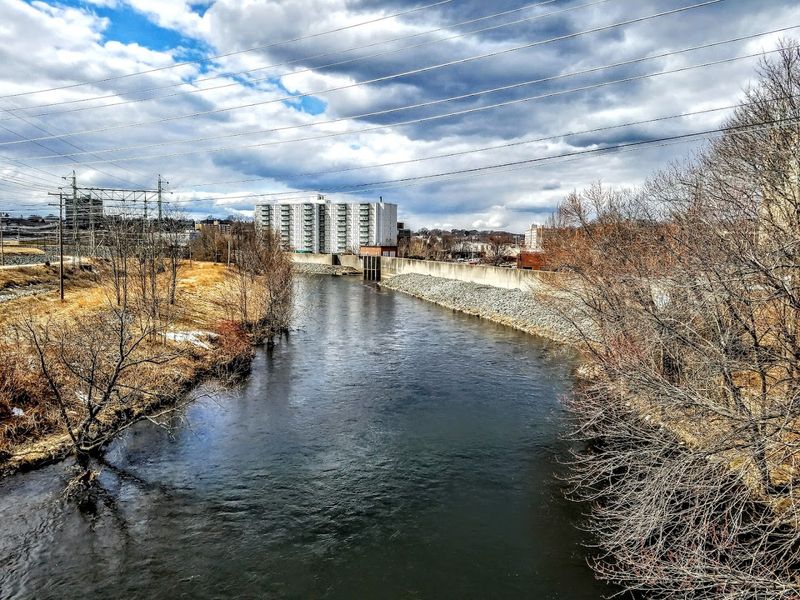
This place does not get enough credit for its scrappy, mill-town character. It has real history, genuine community pride, and some seriously underrated spots along the Blackstone River.
But the property tax situation here is genuinely rough, with an effective rate around 2.0%.
That 2.0% might not sound alarming at first. Stack it against median home values and median household incomes in Woonsocket, though, and the burden becomes very real very fast.
Residents are spending a disproportionate chunk of their income just to stay in their homes.
State analysts have officially designated Woonsocket a distressed community. That label carries weight.
It means the relationship between what people earn and what they owe in property taxes is out of balance in a serious way.
Younger residents who grew up here often want to stay. The community connections, the French-Canadian heritage, the sense of place — those things matter.
But financial pressure does not care about sentiment. When rent rises because landlords are absorbing tax hikes, people start looking elsewhere.
The outmigration trend is not dramatic in a single year, but it compounds. Each family that leaves takes spending power, community investment, and school enrollment with them.
3. Central Falls
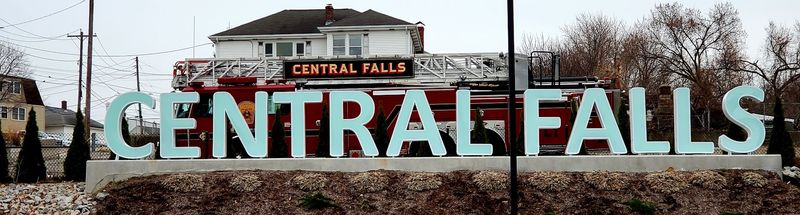
Central Falls is the smallest city in the smallest state, and it carries one of the heaviest tax burdens in Rhode Island. The state officially classifies it as a distressed community.
That classification is not a technicality it reflects real financial pain for residents.
The city famously declared bankruptcy back in 2011. It recovered, but the scars of that period shaped local policy in complicated ways.
Tax rates remained high as the city worked to stabilize its finances. Residents absorbed that cost quietly for years.
Many households here are working-class, with incomes that do not flex easily when bills go up. When property taxes climb, something else has to give.
Sometimes it is savings. Sometimes it is the decision to stay at all.
The density of Central Falls means neighbors know each other well. Block by block, people notice when a family moves out, and a unit sits empty.
It shifts the social fabric in ways that statistics alone cannot fully capture.
Landlords in triple-decker homes, which are everywhere here, often rent to multiple families. When tax increases hit those landlords, rents follow.
Tenants on tight budgets feel it immediately. The ripple effect moves fast in a city this compact.
4. Pawtucket
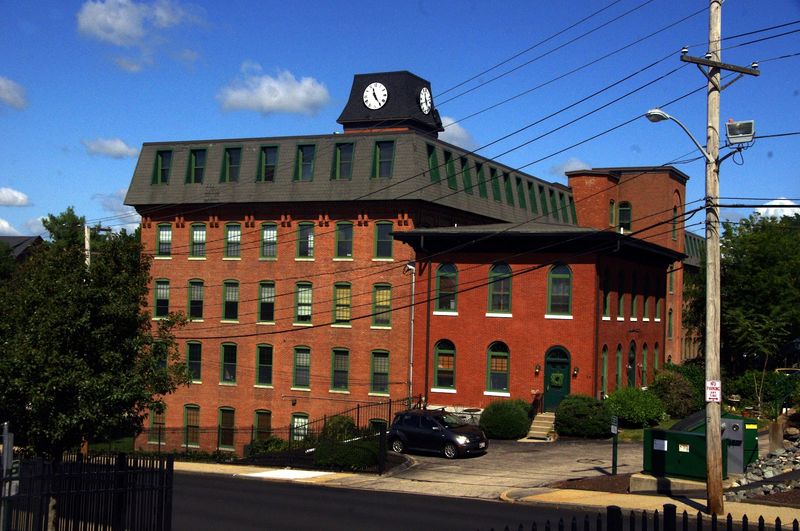
Pawtucket has a fascinating identity. It is the birthplace of the American Industrial Revolution, home to Slater Mill, and a city with genuine cultural energy.
It also carries a property tax burden that is pushing residents toward the exits. State designations confirm it as a distressed community.
The city sits right on the Massachusetts border. That proximity is both a convenience and a temptation.
Residents compare notes with neighbors just across the state line and sometimes decide the grass really is greener or at least cheaper.
Arts communities have tried to anchor Pawtucket’s revival. Creative types moved in, renovated old mill spaces, and built something real.
But artists are rarely wealthy, and rising property taxes hit creative renters and small studio owners hard. The bohemian energy starts to migrate too.
Families with school-age children run the numbers carefully. Property taxes fund local schools, so there is a complicated tension.
Higher taxes theoretically support better schools, but if families leave because of those taxes, enrollment drops and the whole equation breaks down.
Pawtucket has real bones. The architecture, the river, the history it deserves better than a slow drain of residents.
City leaders know it. The challenge is translating awareness into structural tax reform that actually sticks.
5. West Warwick
This spot sits in the middle of the state, geographically and economically. It is not as well-known as Newport or as historically prominent as Providence.
But it has neighborhoods full of hardworking families who have called it home for generations. And those families are increasingly frustrated by rising property tax bills.
The state has designated West Warwick a distressed community, recognizing the mismatch between resident wealth and the tax burden placed on them. That mismatch is not abstract.
It shows up in real budget decisions at kitchen tables across town.
West Warwick once had a strong manufacturing base. Like many Rhode Island towns, it watched those jobs leave over decades.
The tax base contracted, but municipal costs did not shrink at the same rate. Property owners ended up covering the gap.
There is a quiet resilience here that deserves acknowledgment. People are not giving up easily.
Community events still draw crowds. Local organizations still do meaningful work.
But resilience has limits when financial pressure is relentless.
The FY 2026 statewide tax levy increase of 3.7%, the largest in a decade, hits towns like West Warwick especially hard. Residents on fixed incomes or modest wages cannot simply absorb a percentage increase and move on.
6. Cranston
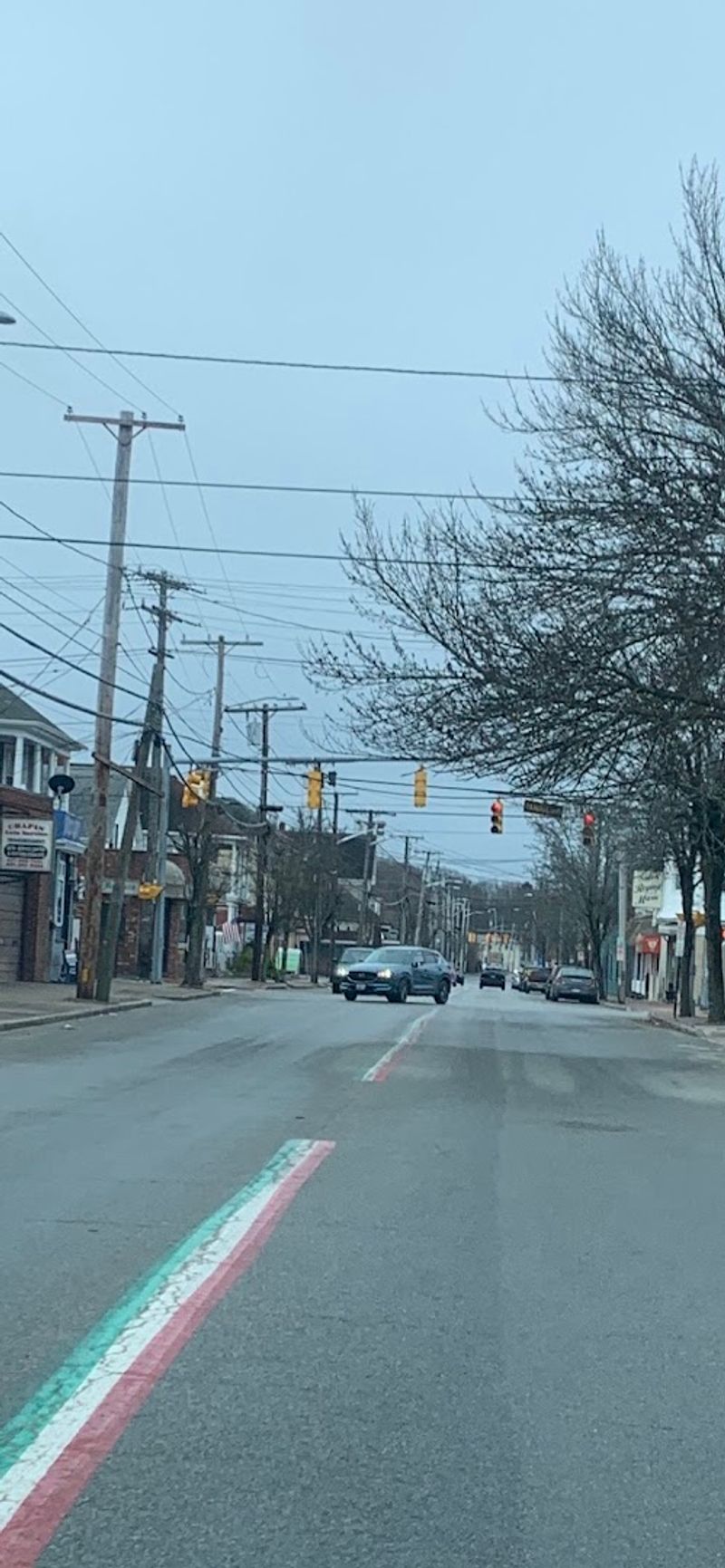
Cranston is the kind of place people move to when they want something a little more suburban than Providence but still close to the city.
It has good parks, decent schools, and a strong Italian-American community influence that shows up in the food and the festivals. It also has a property tax rate sitting around 1.5%, which is officially labeled distressed by state analysts.
For a city with Cranston’s profile, that designation surprises some people. It feels more stable than its neighbors in some ways.
But effective tax rates relative to income paint a fuller picture, and that picture is concerning.
Cranston has been growing in population compared to some struggling Rhode Island cities. But growth does not automatically mean tax relief.
More residents means more demand for services, and services cost money. The levy keeps climbing.
Homeowners who bought years ago are now watching their assessed values rise along with their bills. Seniors on fixed incomes feel the squeeze most acutely.
Some are selling homes they have lived in for decades, not because they want to but because they have to.
The political conversation in Cranston around taxes is lively. Residents show up to town meetings and make noise.
Whether that energy translates into structural reform remains the real question for the years ahead.
7. Newport
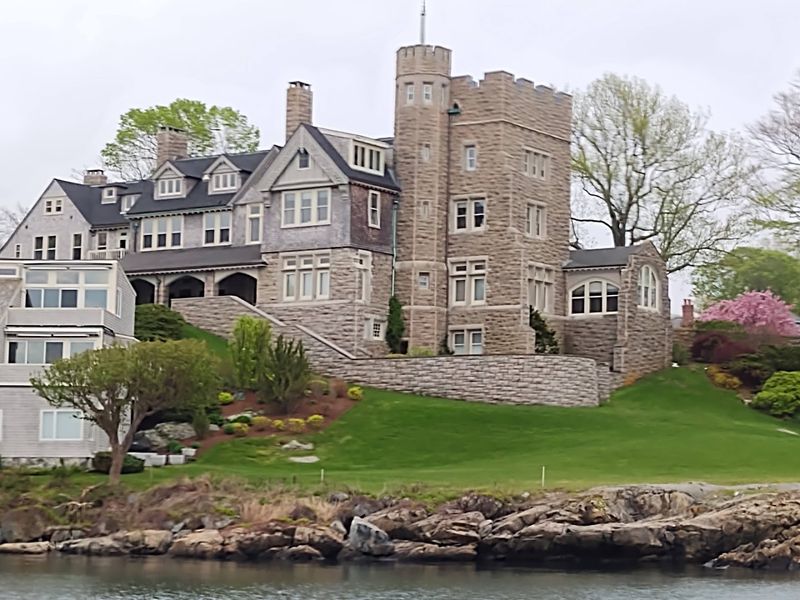
Newport is the one on this list that surprises people the most. Gilded Age mansions, sailing culture, the famous Cliff Walk it looks like a place where money flows freely.
But beneath the tourist surface, Newport has a significant population of year-round residents who are not Vanderbilt descendants. And they are getting taxed hard.
The property values in Newport are high, which means even moderate tax rates produce enormous bills. A modest home in Newport can carry a tax burden that rivals far larger properties in other states.
Long-time residents who inherited homes or bought decades ago are especially vulnerable.
Tourism brings revenue, but it also drives up property values and costs. Local workers, teachers, and service employees cannot always afford to live in the city where they work.
That is not a new problem, but rising property taxes are accelerating it.
Newport’s outmigration story is less about poverty and more about affordability displacement. People are not leaving because the city is struggling; they are leaving.
After all, success has priced them out. That is a different kind of painful.
The historic character of Newport is part of its appeal and its challenge. Maintaining old buildings is expensive, and preservation requirements can limit what owners do to reduce costs.
The beauty of the place has a real financial price tag.
8. North Providence
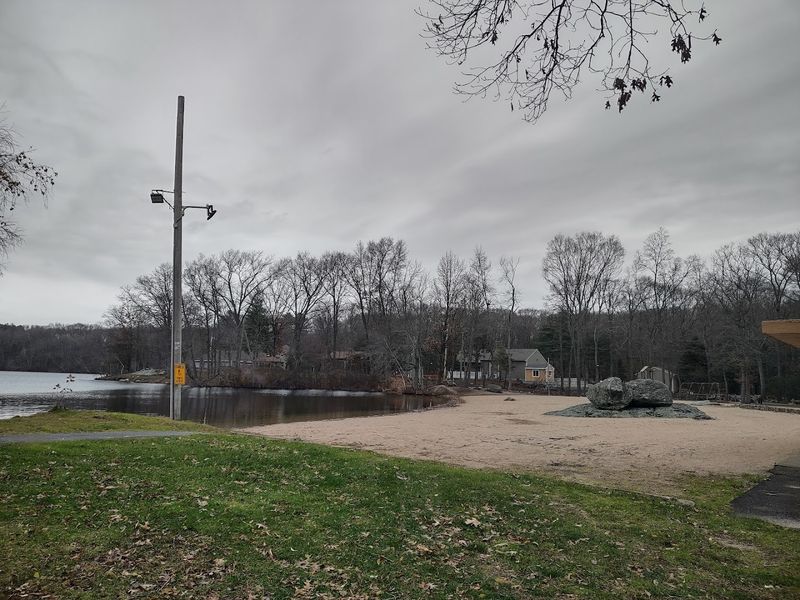
A place like this is the kind of town that flies under the radar. It borders Providence to the north, has a dense suburban feel, and has long been a landing spot for families moving out of the capital city.
But the state has flagged it as a distressed community, and the tax burden is real.
The irony is thick. People moved to North Providence partly to escape Providence’s high tax rates.
Now they are sitting in a town with its own affordability problem. The geographic escape hatch just moved the pressure, not removed it.
North Providence has a lot of older housing stock. Maintenance costs on aging homes are already high.
Add in property tax increases and homeowners are managing a double financial squeeze with no obvious relief valve.
The community has strong neighborhood identity. People know their block, they know their neighbors, and there is genuine attachment to the town.
That social fabric makes outmigration harder emotionally, even when the financial case for leaving is clear.
Small businesses along Mineral Spring Avenue and other commercial corridors are also feeling the pressure. Commercial tax rates add stress to already thin margins.
When shops close, the town loses both economic activity and community anchors. It becomes easier to leave when the local landscape starts looking emptier.
9. Johnston

Johnston does not make many headlines, which is honestly part of its appeal. It is quiet, hilly, and has a strong working-class identity rooted in its history as a farming and manufacturing community.
But quiet towns are not immune to tax pressure, and Johnston residents are starting to feel it.
The town sits just west of Providence and has absorbed some of its suburban overflow for decades. Families who wanted space without a long commute landed here.
That demand kept property values steady, and steady values mean steady or climbing tax bills.
Johnston is not officially designated a distressed community the way some neighbors are. But the statewide 3.7% levy increase in FY 2026 affects every municipality.
Johnston homeowners are not getting a pass just because the town has a more stable profile.
The local culture here is tight-knit in a way that makes outmigration feel like a betrayal, at least emotionally. People feel loyalty to the town.
But loyalty does not cover a mortgage when the property tax bill arrives and the budget does not stretch that far.
Conversations at local diners and community events increasingly circle back to the same theme. The cost of staying in Rhode Island is climbing, and Johnston is not insulated from that reality no matter how pleasant the surroundings feel.
10. East Providence
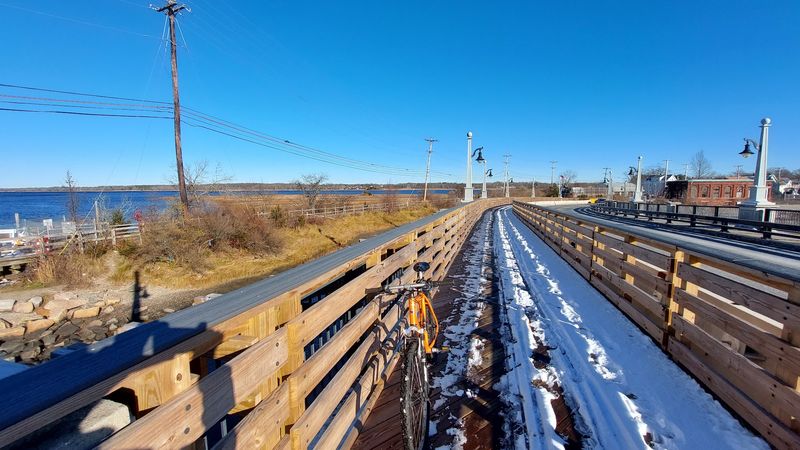
East Providence sits right on the border with Massachusetts, literally separated from Seekonk by a river. That geography makes it uniquely vulnerable to outmigration.
When residents can see a neighboring state from their backyard and that state offers lower property taxes, the calculation becomes very straightforward.
The city has waterfront access along the Seekonk River and Narragansett Bay, which drives up property values in desirable areas.
Higher values plus Rhode Island’s elevated tax rates equal bills that catch people off guard, especially first-time homeowners.
East Providence has a strong Portuguese-American community and deep neighborhood roots. Cultural ties keep people connected longer than pure financial logic might suggest.
But even strong community bonds have a breaking point when the finances stop working.
The commercial strip along Taunton Avenue has seen turnover in recent years. Some of that is retail trends, but some of it is tax-related business decisions.
When a business owner can operate cheaper just across the state line, the math does not favor loyalty to a zip code.
East Providence has genuine assets: waterfront views, good access to both Providence and Boston, and solid neighborhood character.
The challenge is making those assets work for current residents rather than pricing them out in favor of wealthier transplants who can absorb the tax burden more easily.