
This Tennessee Natural Area Has A 110 Foot Waterfall Without The Tourist Chaos
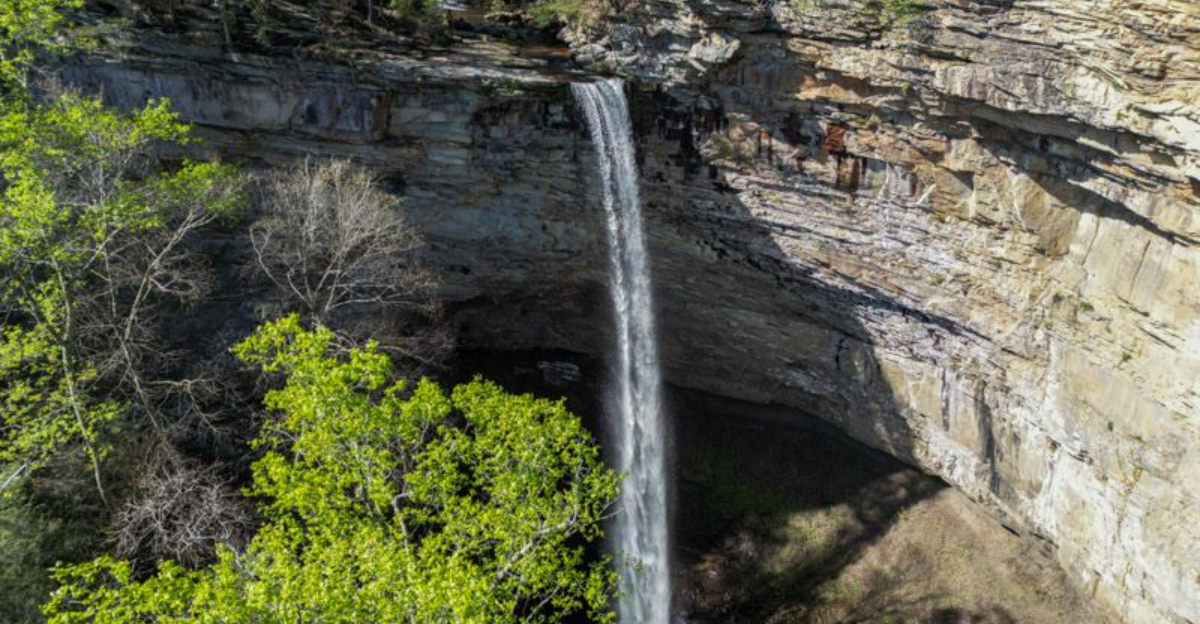
Most waterfalls over 100 feet come with a parking lot problem. You circle for a spot, wait in line for photos, then fight a crowd just to get a clear view.
This one skips all of that. The 110 foot drop delivers serious height without the swarms of people you’d expect at a landmark this size.
Tennessee has no lack of impressive waterfalls, but plenty of them get overrun once word spreads. Here, you can actually hear the water crash instead of straining to listen over chatter and camera shutters.
The trail leading in stays quiet most days, giving you room to actually look around instead of dodging elbows. Wildlife tends to stick around when fewer people show up, so keep your eyes open along the way.
Reaching the base takes a bit of walking, but nothing extreme. What you get in return is a genuinely peaceful moment next to a waterfall that would draw massive lines almost anywhere else.
The 110-Foot Waterfall That Earns Every Bit Of Its Reputation
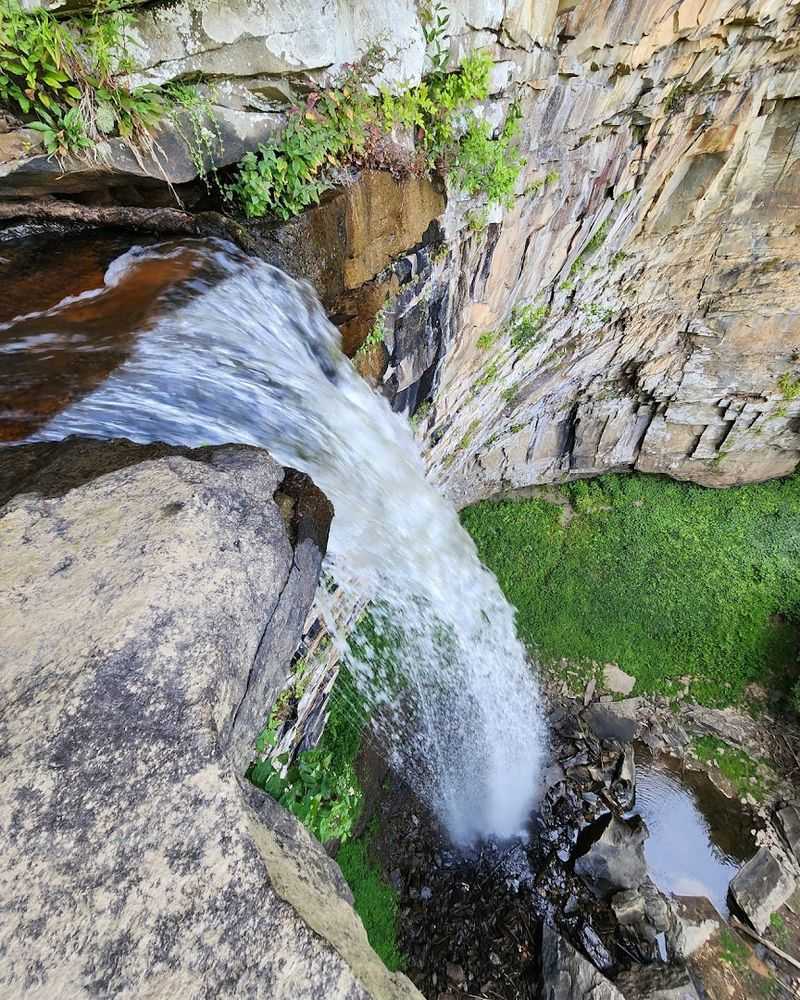
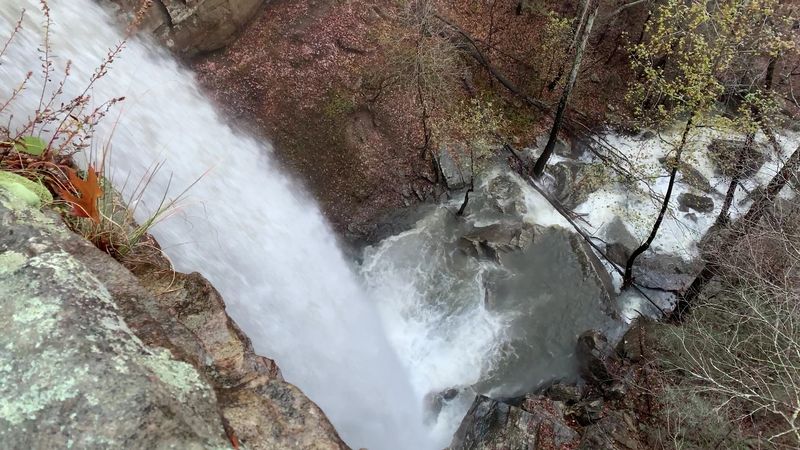
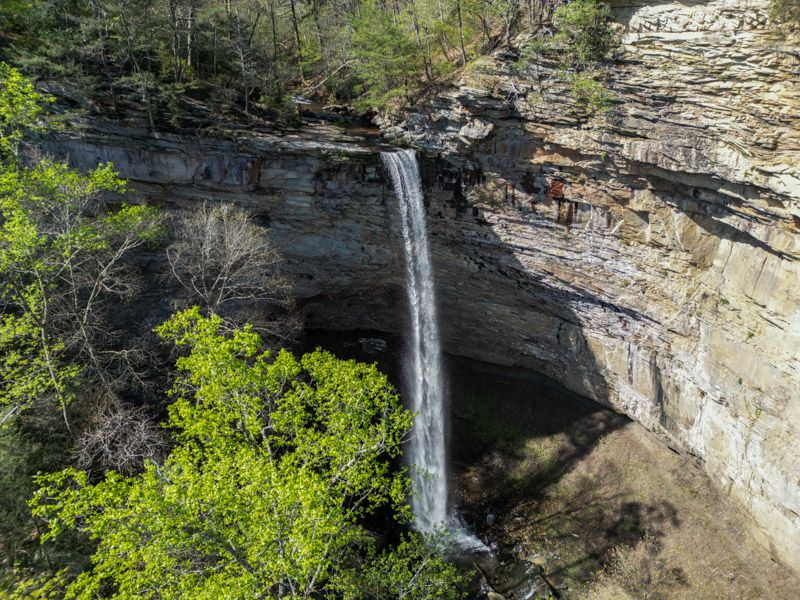
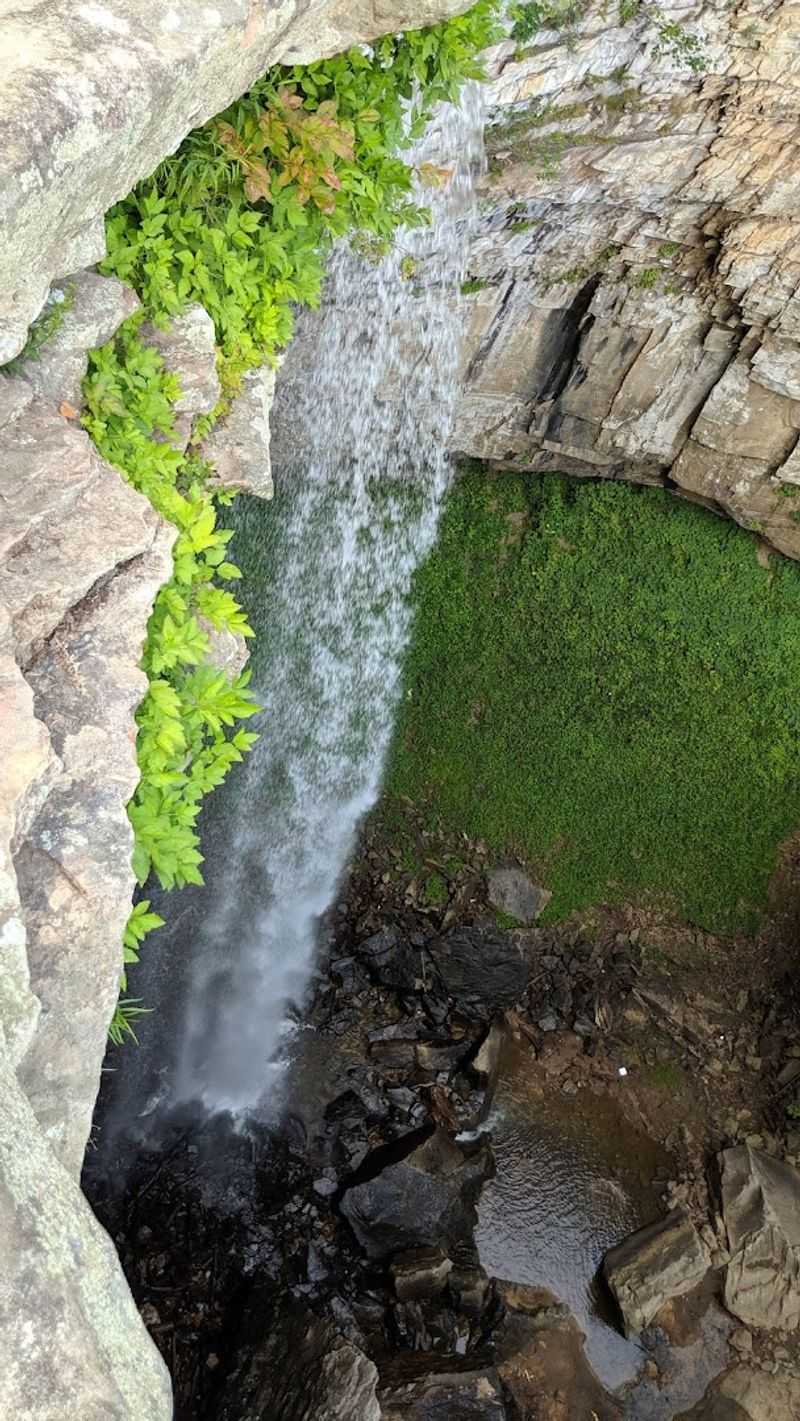
This waterfall does not ease into its drop. It goes over the edge of a resistant sandstone cap and falls 110 feet into Falling Water Gorge, producing a roar that blankets the surrounding forest in sound.
The scale of it catches most visitors off guard, especially given how short and unremarkable the walk in feels.
The water lands among large moss-covered boulders and continues downstream over cascades, keeping the gorge cool and moist through most of the year.
After a heavy rain, the volume increases considerably and the mist thickens into something you can feel on your face from the overlook.
The primary viewing point sits at the top of the cliff rather than the base, which changes the experience entirely. You are looking out across the gorge and down the Tennessee River Valley rather than up at a curtain of falling water.
It is a different kind of impressive, more panoramic than theatrical, and it tends to stay with you longer than a standard waterfall view would.
Why Only Four Parking Spots Is Actually A Feature
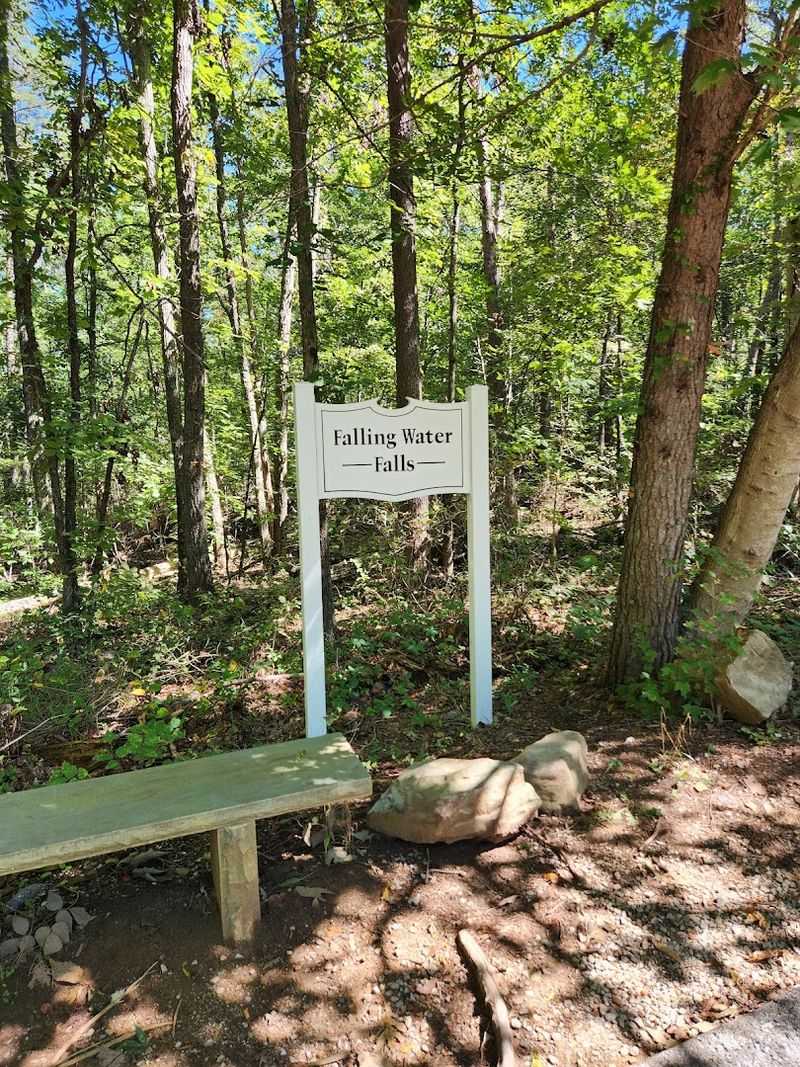
Four parking spots sounds like a flaw until you realize what those four spots accomplish. The moment you pull in and see that the lot is full, you know exactly how many people are currently on the trail.
It is the most honest crowd forecast you will ever get at a natural area.
Falling Water Falls State Natural Area sits at 995 Falling Water Trail in Walden, Tennessee, tucked into the Forest Park neighborhood on Signal Mountain.
The surrounding streets are residential, and the Tennessee State Parks system is clear that cars parked along the road risk being towed.
This is not bureaucratic fussiness. It is a boundary that keeps the area from being overwhelmed.
The result is a place that genuinely stays calm. On weekdays especially, visitors report having the overlook entirely to themselves.
The limited access is not a compromise. It is the reason the area still feels like a natural space rather than a managed attraction.
Plenty of Tennessee waterfalls have paved lots, souvenir stands, and shuttle buses. This one has four gravel spots and a short path into the trees, and that contrast is exactly what makes it worth seeking out.
A Trail Short Enough For Anyone, Rewarding Enough For Everyone
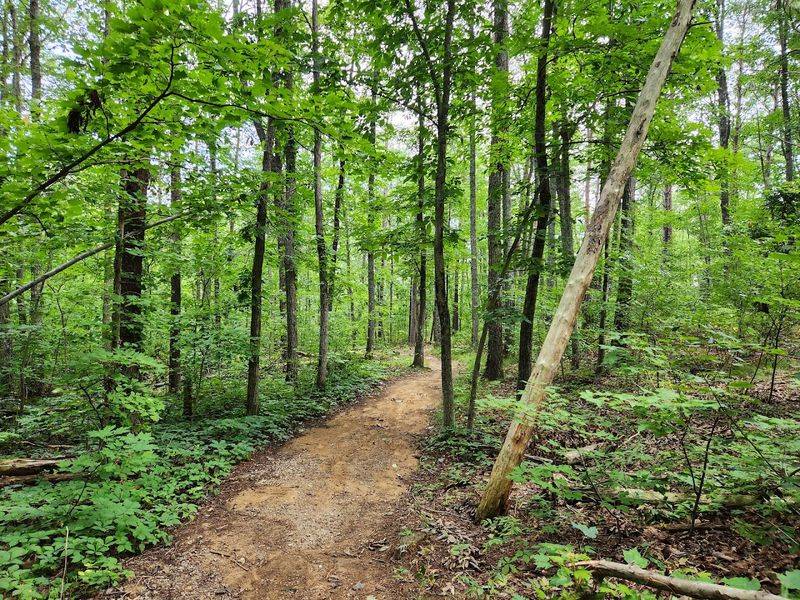
The walk from the parking area to the clifftop overlook covers less than half a mile and takes most people between five and ten minutes at a comfortable pace. That brevity is not a disappointment.
It means that families with young children, older visitors, and people who simply do not want a strenuous outing can reach one of the more striking viewpoints in the Chattanooga region without any particular effort.
The trail itself has character. Tree roots cross the path in several places, and after rain the leaf litter can make footing unpredictable, so trail shoes are a reasonable choice over sandals.
The surrounding brush is dense with mountain laurel and rosebay rhododendron, and in certain stretches the canopy closes overhead in a way that feels genuinely immersive.
The trail forms a loop near the falls, so you can approach from either direction when the path splits. Both routes converge at the same overlook.
Some visitors extend their time by following the creek upstream a short distance, where the water runs clear and cool over flat rocks.
Children especially tend to linger here, which is entirely understandable given how inviting the stream looks on a warm afternoon.
The Clifftop View And The Safety Reality You Need To Know
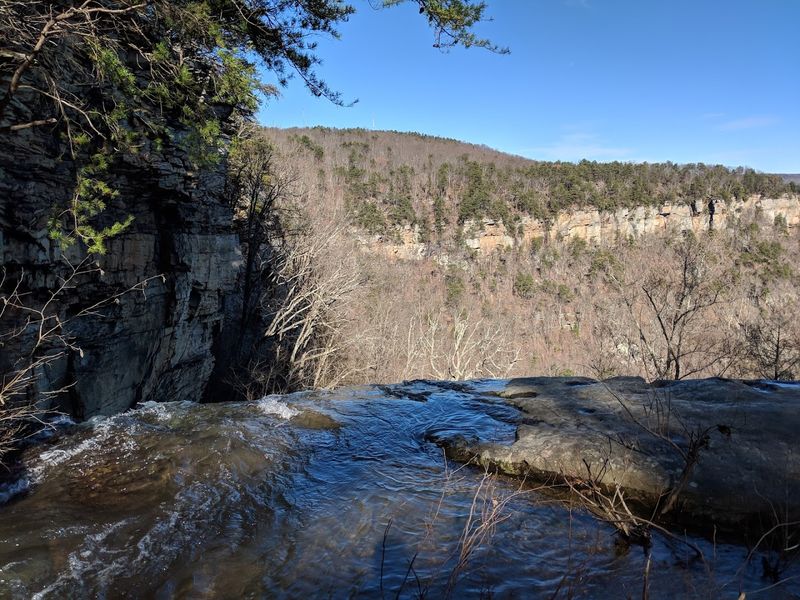
Standing at the top of a 110-foot cliff with no guardrail between you and the edge is a clarifying experience. Falling Water Falls State Natural Area does not soften this reality with fencing or warning barriers.
The overlook is open, the rock can be wet and slick, and the consequences of a misstep are not theoretical. Fatalities have occurred here, and that fact deserves to be stated plainly.
This does not mean the place should be avoided. It means it should be approached with the same attentiveness you would bring to any exposed natural feature.
Keep children close and supervised at all times. Avoid the edge when the rock surface is wet.
Give yourself and others a generous margin from the drop, especially when the mist from the falls is active.
With that awareness in place, the overlook delivers something genuinely memorable. The Tennessee River Valley spreads out below, and on a clear day the views extend toward Pickett Gulf and Buzzard Point.
The sound of the falls rises from the gorge with a steady, low presence that absorbs ambient noise from the surrounding neighborhood. For a few minutes, the urban proximity disappears entirely and the landscape feels vast and unhurried.
Rare Plants And Ecological Significance Beyond The Falls
Most people visit Falling Water Falls for the waterfall. The ecology of the surrounding 136 acres, however, gives the area a significance that extends well beyond scenery.
The natural area supports a small population of the large-flowered skullcap, known scientifically as Scutellaria montana, a federally endangered plant species with a distribution limited to a narrow corridor of the southern Appalachians.
The forest itself represents two distinct community types. Oak-hickory woodland covers the drier slopes, while mixed mesophytic forest occupies the more sheltered and moisture-rich areas near the gorge.
Eastern hemlock trees appear along the creek corridor, and the combination of plant communities creates habitat diversity that supports a range of wildlife species not typically found in more disturbed landscapes.
The State of Tennessee designated the area as a natural area in 1973, specifically to protect these ecological values. That designation limits the activities permitted on site.
Camping, fishing, and hunting are all prohibited, and the area operates on a sunrise-to-sunset schedule. These restrictions are not inconveniences.
They reflect a deliberate management philosophy that prioritizes long-term ecological health over short-term visitor accommodation, which is part of why the place still feels as intact as it does.
Signal Mountain And The Scenic Drive That Precedes The Experience
Getting to Falling Water Falls is part of the experience, and visitors approaching from Chattanooga should expect that.
The road up Signal Mountain involves steep grades and tight switchbacks that require a slower pace, typically between ten and twenty miles per hour on certain stretches.
The drive takes roughly twenty minutes from downtown Chattanooga, covering approximately ten to twelve miles.
Signal Mountain rises as part of the Cumberland Plateau, and the road up its flank passes through forest that changes character with the elevation.
By the time you reach the Forest Park neighborhood where the trailhead is located, the urban feel of the valley has been replaced by something considerably quieter.
Residential streets line the approach, and the transition from city to forest happens gradually but unmistakably.
First-time visitors occasionally find the road intimidating, particularly those unaccustomed to mountain driving. The reward, however, is proportional to the effort.
Arriving at a natural area that requires a degree of commitment to reach tends to filter out casual or indifferent visitors, and that self-selection contributes directly to the calm atmosphere that defines the place.
The drive itself, with its forest views and deliberate pace, serves as a kind of decompression before the main event.
What To Expect From The Creek And The Gorge Up Close
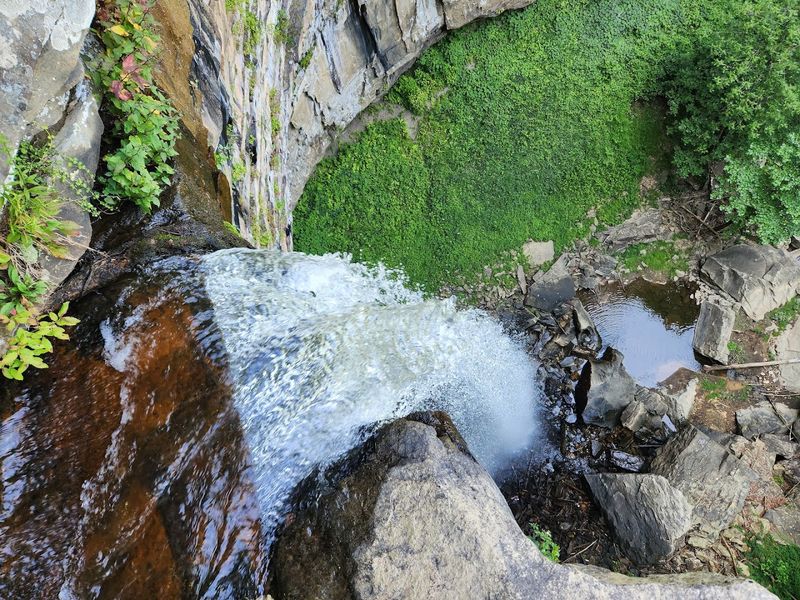
Little Falling Water Creek arrives at the trailhead area as a clear, shallow stream running over flat rocks before it reaches the precipice.
On low-flow days, the creek is calm enough for children to wade in safely, and the water stays cool even in summer due to the canopy cover and the elevation.
Some visitors spend more time at the creek than at the overlook itself.
The gorge below the falls is a different environment entirely. The mist generated by the 110-foot drop keeps the rock surfaces and vegetation perpetually damp, producing a microclimate that favors moss, fern, and shade-tolerant plants.
Large boulders scattered across the gorge floor are covered in thick green growth, and the visual contrast between the pale sandstone cliff face and the dark, moisture-loving vegetation below is striking from the overlook.
Reaching the base of the falls involves an unofficial and unmaintained descent that crosses the creek above the drop and involves loose, slippery terrain.
The state does not recommend this route, and the description of it as sketchy in various visitor accounts is accurate rather than dramatic.
The top-down perspective from the official overlook provides a complete and satisfying view without requiring anyone to take on unnecessary risk.
Planning Your Visit For The Best Possible Experience
Falling Water Falls State Natural Area operates daily from 8 AM to 5 PM. Arriving early on a weekday gives you the highest probability of having the parking area and trail to yourself.
Weekend mornings can see more activity, though the limited parking naturally caps how busy the site can become at any given moment.
The falls run year-round but are most impressive in the days following significant rainfall. Dry spells, which are not uncommon in the Chattanooga area during summer and early fall, can reduce the flow substantially.
Checking recent weather before visiting is a practical step that improves the odds of seeing the falls at their most active.
Winter visits, particularly after cold snaps, can produce ice formations along the cliff face that add a different visual dimension entirely.
There are no restroom facilities on site, and cell service can be inconsistent on the mountain. Wear appropriate footwear with grip, carry water, and plan for the trail to be slippery if rain has fallen within the past day or two.
Camping is not permitted, and the area closes at sunset without exception. A short visit handled with a little preparation tends to leave people wanting to come back.