
This Tiny Tennessee Border Town Allows You To Stand In Two States At Once
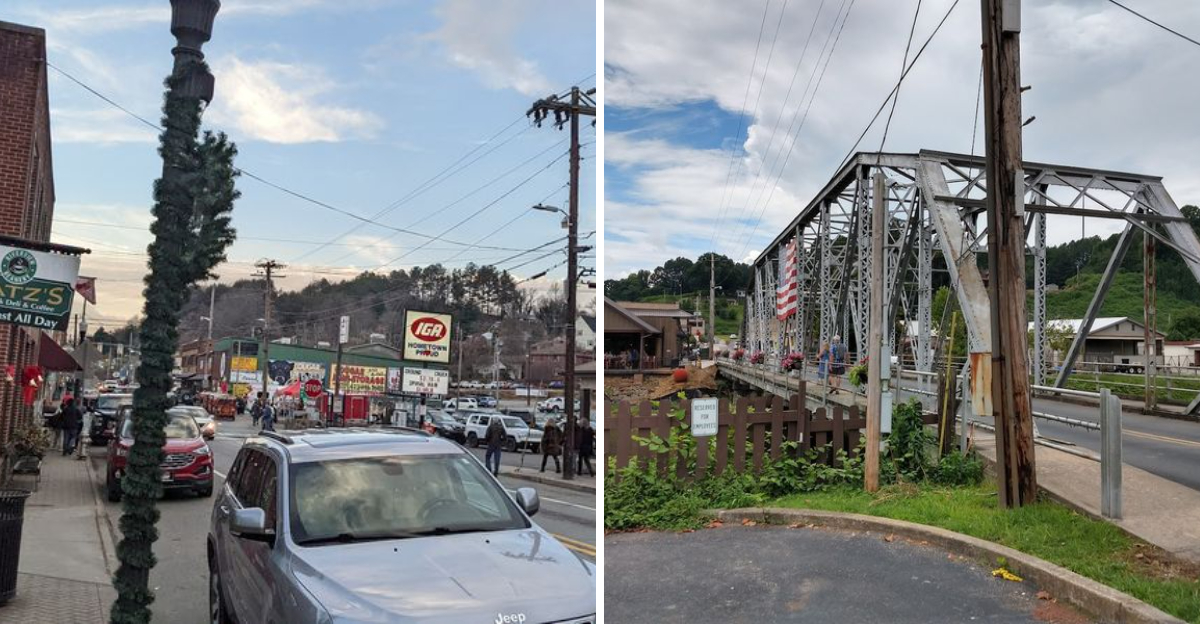
How often can one sidewalk make you feel like you pulled off a tiny travel trick?
Tennessee has a border town where a simple stroll can put you in two states at once, and that little detail gives the whole place instant personality.
It is small, easygoing, and more memorable than many bigger stops with louder attractions. You can cross a line without even changing your pace, then pause and realize your feet are sharing two different maps.
That is the kind of quirky travel moment people love to talk about later. The town has a calm mountain feel, a bit of old railroad character, and enough charm to make the stop feel worth more than a quick photo.
Tennessee road trips are better with places like this.
The Blue Line That Divides Two States Right Through Town
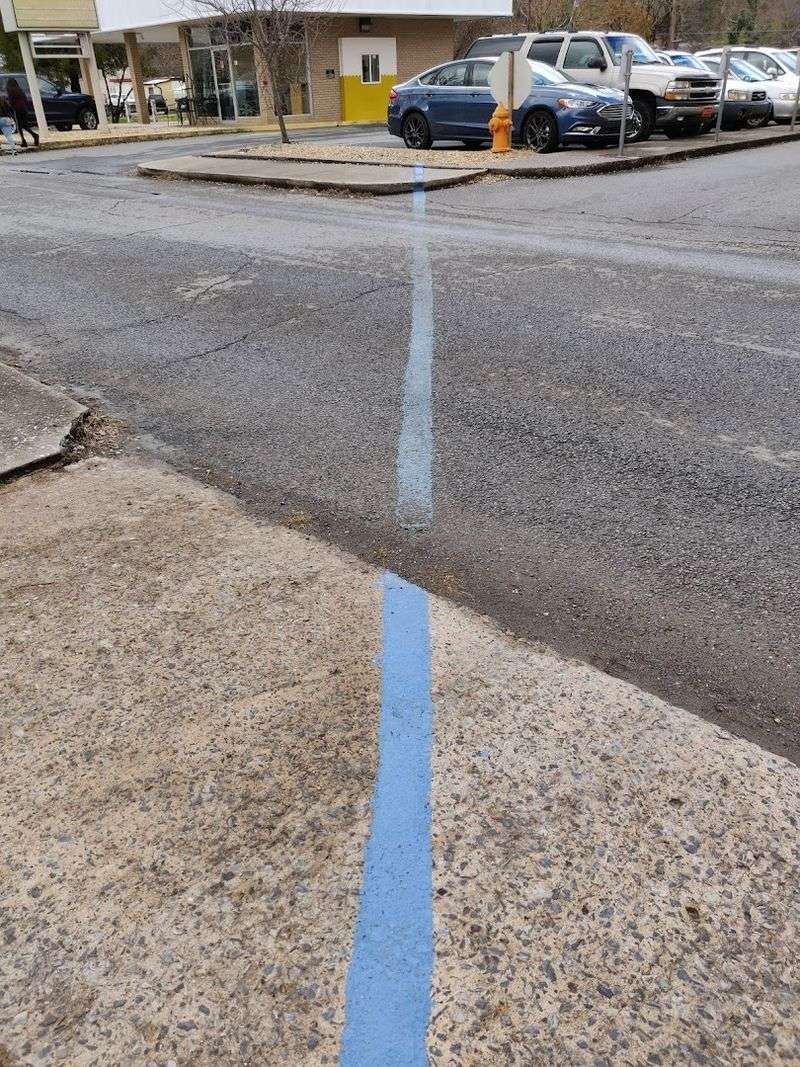
A painted blue line runs straight through the heart this town, and it is one of the most literal state borders you will ever stand on.
The line crosses streets, sidewalks, and even climbs up the sides of buildings, making the boundary between Tennessee and Georgia impossible to miss.
Most state lines are invisible things you cross without noticing. Here, the border is practically a landmark.
Visitors walk up to it, photograph it, and deliberately place one foot on each side just to say they stood in two states at once.
The line passes through some of the town’s most visited spots, including the Yellowbird Coffee Shop on Grand Street and the parking lot of the Hometown Foods IGA.
Each location gives you a slightly different vantage point of the same fascinating geographic fact.
The town’s population is just over 400 people, which makes the whole experience feel refreshingly unhurried and personal compared to more commercialized border attractions elsewhere in the country.
Copperhill And McCaysville, The Twin Towns That Share One Identity
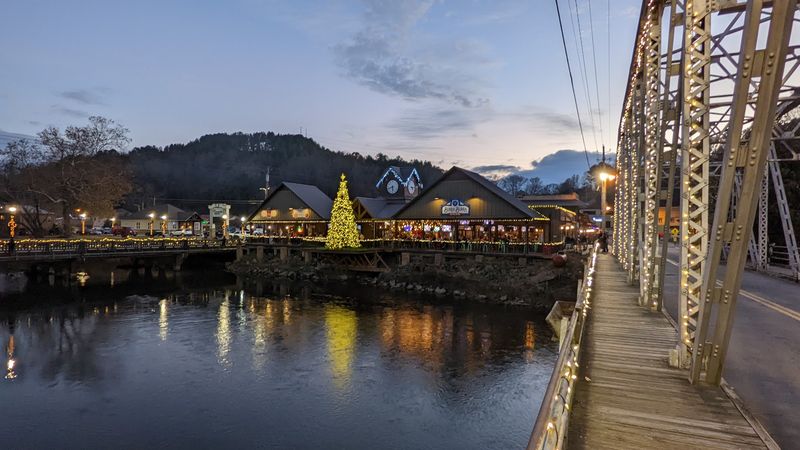
Few places in America blur the line between two states quite like Copperhill, Tennessee, and McCaysville, Georgia. These two towns are often called twin cities, and for good reason.
Their downtowns flow into each other so naturally that first-time visitors rarely notice where one ends and the other begins.
Locals on both sides of the line share the same community events, the same river, and many of the same shops. The relationship between the two towns feels more like a long-running friendship than a political boundary.
People cross the state line here the way most people cross a street.
What makes this pairing especially interesting is that each town operates under different state laws, different tax rates, and different regulations, yet they function as one community in daily life.
The shared geography creates a kind of informal unity that formal borders rarely produce.
For visitors, the experience of walking between two states in a matter of seconds adds a playful novelty to what is already a genuinely charming small-town destination in the Appalachian Mountains of southeastern Tennessee.
Whitewater Rafting On The Ocoee, An Adventure Right Outside Town
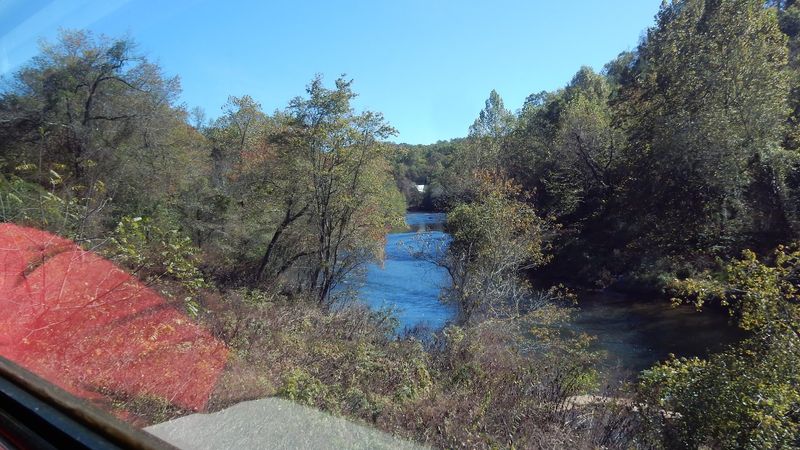
The Ocoee River has a reputation that stretches well beyond the small towns on its banks.
Its Class III and Class IV rapids draw experienced paddlers and curious beginners from across the southeastern United States every year.
The river’s energy is immediate and real the moment you step into a raft.
Several outfitters operate near Copperhill and along the Ocoee corridor, offering guided trips for groups of all experience levels. The guides are typically local, knowledgeable, and genuinely enthusiastic about the river they work on every season.
A half-day trip on the Ocoee gives you a solid introduction to whitewater paddling without requiring any prior experience.
The 1996 Summer Olympics put the Ocoee on the global map when its upper section hosted the whitewater slalom competition. The legacy of that event still lingers in the area, and some outfitters reference the Olympic course during their guided tours.
Beyond the adrenaline, the scenery along the river is striking.
The gorge walls rise steeply on both sides, the water runs clear over rounded boulders, and the surrounding Cherokee National Forest provides a dense, green canopy that makes every trip feel like a proper wilderness adventure, even close to town.
The Ocoee River And Its Remarkable Name Change At The Border
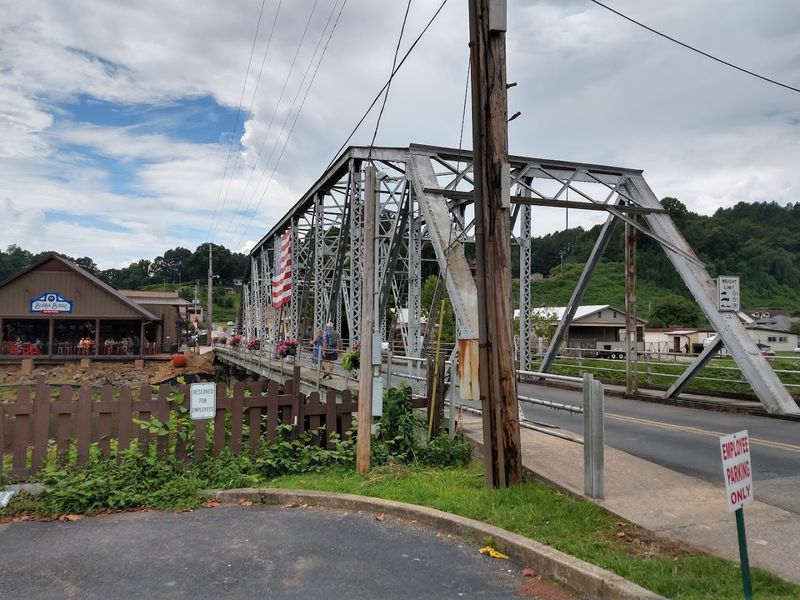
Rivers do not usually change their names, but the river flowing through this corner of Tennessee and Georgia does exactly that. In McCaysville, Georgia, it is called the Toccoa River.
The moment it crosses into Tennessee, it officially becomes the Ocoee River. Same water, same current, two entirely different names.
The old steel bridge in the center of town sits right at the point where this name change occurs, making it one of the more quietly remarkable spots in the region.
Standing on that bridge, you are essentially watching one river become another, which sounds impossible until you see it for yourself.
The Ocoee River is famous among outdoor enthusiasts for its whitewater rapids. It hosted the whitewater slalom events during the 1996 Atlanta Olympics, giving this otherwise small stretch of Appalachian river a moment of genuine international recognition.
For visitors who enjoy paddling, kayaking, or simply watching skilled rafters navigate fast water, the Ocoee provides a thrilling backdrop to an already distinctive destination.
The river adds both natural beauty and athletic energy to the Copperhill experience in a way that few small towns can match.
The Copper Basin, A Mining History Carved Into The Landscape
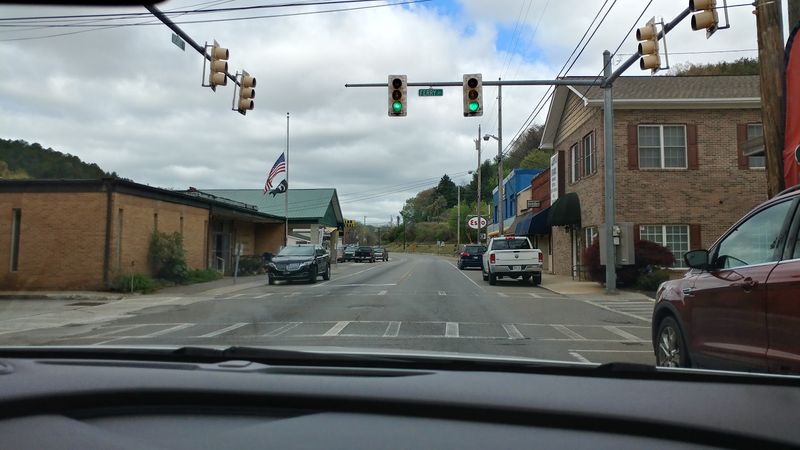
Copperhill did not get its name by accident. The town grew out of a copper mining boom that began in the late 1800s, and the region surrounding it became known as the Copper Basin.
At its peak, the mining industry here was one of the most productive in the southeastern United States.
The environmental cost of that productivity was severe. Decades of open-roasting copper ore released sulfur dioxide into the air, stripping the surrounding hills of nearly all vegetation.
Photographs from the early 20th century show a landscape that looks more like a lunar surface than an Appalachian valley. The bare red clay hills became one of the most visually striking examples of industrial environmental damage in American history.
Restoration efforts began in earnest during the mid-20th century and have continued steadily since. Today, much of the vegetation has returned, though the land still carries visible marks of its industrial past.
For visitors with an interest in environmental history or industrial heritage, the Copper Basin offers a compelling narrative about extraction, consequence, and recovery.
The story of this landscape is honest and complicated, and understanding it adds real depth to any visit to Copperhill.
Yellowbird Coffee Shop, Where You Can Sip Coffee In Two States
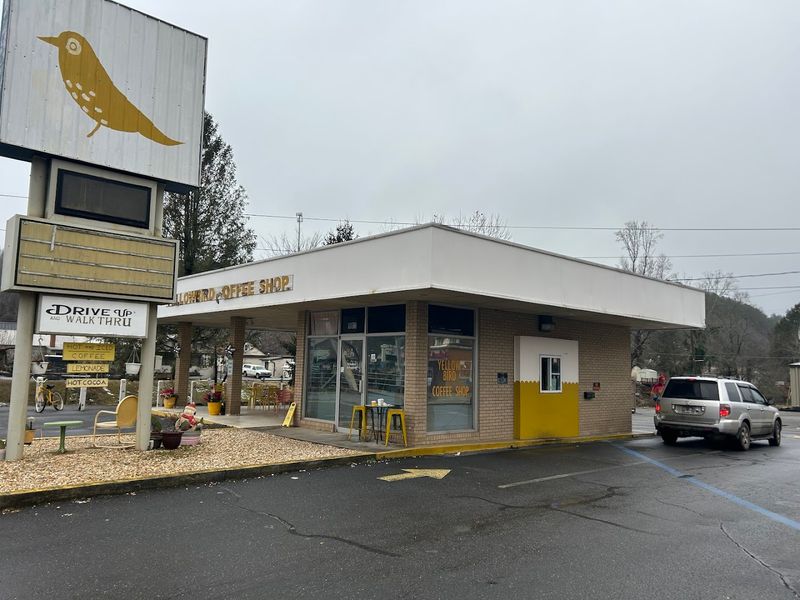
Ordering a cup of coffee while standing in two states simultaneously is not something most people expect from their morning routine. At the Yellowbird Coffee Shop on Grand Street in Copperhill, that is a perfectly ordinary Tuesday.
The blue state line passes right outside the shop, and visitors frequently stop mid-sip to check which state their feet are in.
The coffee shop has become one of the more photographed spots along the border, not because of any elaborate setup but simply because the painted line is so clearly visible and so close to the entrance.
It is the kind of detail that makes a small town feel genuinely special rather than manufactured for tourism.
Beyond the novelty of its location, Yellowbird functions as a proper neighborhood gathering spot. The atmosphere is relaxed, the staff is friendly, and the coffee is solid.
Locals and visitors share the same space without any of the awkwardness that sometimes comes with tourist-heavy destinations. For anyone passing through Copperhill, stopping here is a natural first move.
It gives you a sense of the town’s pace and personality before you venture further into the streets and across the state line on foot.
The Blue Ridge Scenic Railway And Its Stop In The Twin Towns
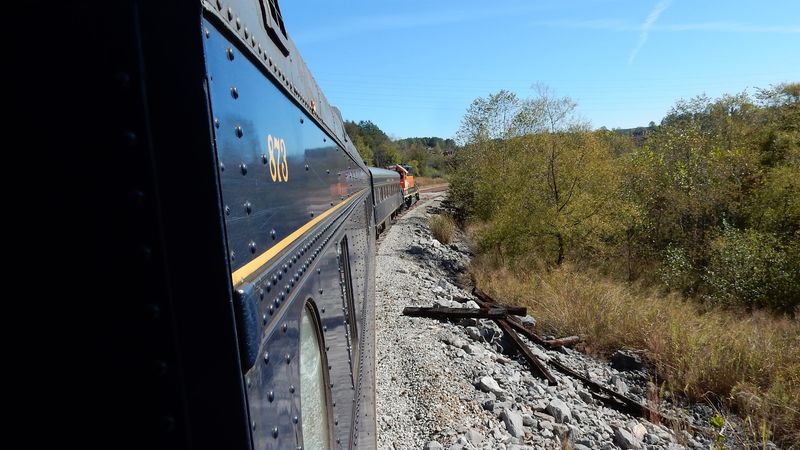
Arriving by train to a small Appalachian border town is the kind of travel experience that feels genuinely old-fashioned in the best possible way.
The Blue Ridge Scenic Railway runs between Blue Ridge, Georgia, and McCaysville, making a stop right in the heart of the twin towns.
The journey itself is as much a part of the experience as the destination.
The railway follows the Toccoa River for much of its route, offering passengers uninterrupted views of forested ridges and river bends that are simply not visible from a car window.
The trip takes roughly an hour and a half in each direction, giving riders plenty of time to settle into the rhythm of the landscape.
For families, the train adds a layer of novelty that makes the whole trip feel like an event rather than just a drive. For solo travelers or couples, it offers a slower, more contemplative way to arrive.
The station stop in McCaysville puts passengers within easy walking distance of the state line, the downtown shops, and the Ocoee River bridge.
Combining a scenic railway ride with a visit to Copperhill creates a full day of distinctly regional experiences that are hard to replicate anywhere else in Tennessee.
Downtown Copperhill, Small Streets With Genuine Character
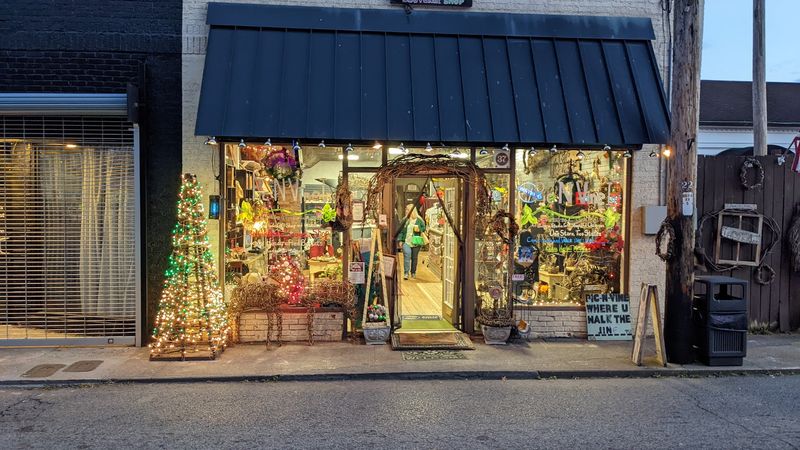
Downtown Copperhill moves at a pace that most American towns abandoned decades ago. The streets are narrow, the storefronts are small, and the whole area is compact enough to walk in an afternoon without rushing.
That unhurried quality is not a lack of ambition. It is simply what a town of 400 people looks like when it is comfortable with itself.
The Copper Grill is one of the local dining spots that sees both residents and visitors on any given afternoon. It sits near the state line, giving diners the peculiar pleasure of eating a meal that technically spans two states.
The food is straightforward, the portions are honest, and the atmosphere is the kind that makes you want to stay longer than you planned.
Shops in the downtown area reflect the region’s character, with local crafts, outdoor gear, and small galleries mixed among the practical businesses that any functioning small town requires.
The overall impression is of a place that has found a sustainable identity without over-commercializing its quirks.
Copperhill is genuinely itself, and that is rarer and more valuable than most travelers realize until they have spent a few hours walking its streets.
Planning Your Visit To Copperhill, What To Know Before You Go
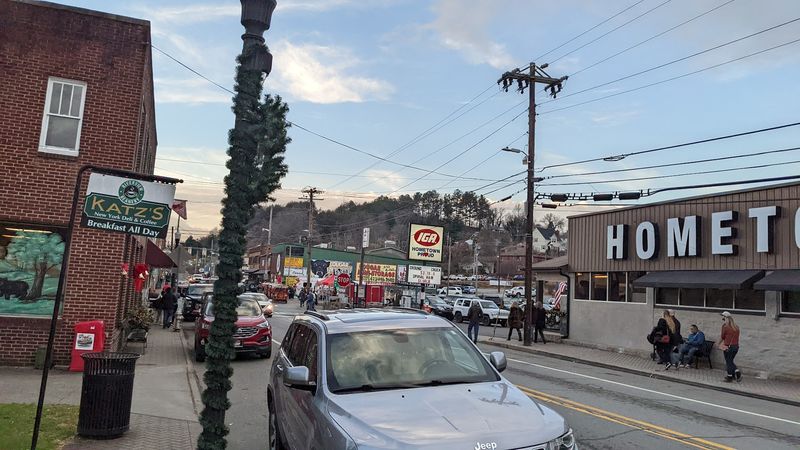
Copperhill, Tennessee, sits in the far southeastern corner of the state in Polk County, roughly an hour and a half northeast of Chattanooga.
The drive in follows state roads through forested mountain terrain, and the scenery along the way sets the tone for what you will find when you arrive.
The town’s address is simply Copperhill, Tennessee 37317.
The best time to visit depends on what you want to do. Spring and fall offer mild temperatures and vivid natural color, making them ideal for walking the downtown streets and exploring the border area on foot.
Summer brings higher visitor numbers, particularly from rafting groups drawn to the Ocoee. Winter is quiet, cold, and unhurried, which suits travelers who prefer a destination without crowds.
Accommodation options in Copperhill itself are limited, so most visitors stay in nearby Blue Ridge, Georgia, or Chattanooga and make a day trip.
The Blue Ridge Scenic Railway connects Blue Ridge to the twin towns, which is a practical and enjoyable way to arrive without driving.
Bring comfortable walking shoes, a camera with sufficient storage, and a genuine willingness to slow down. Copperhill rewards patience and curiosity more than it rewards any kind of rush.