
6 New York Lakes That Are So Impossibly Deep That Even The Most Experienced Divers Have Never Touched The Bottom
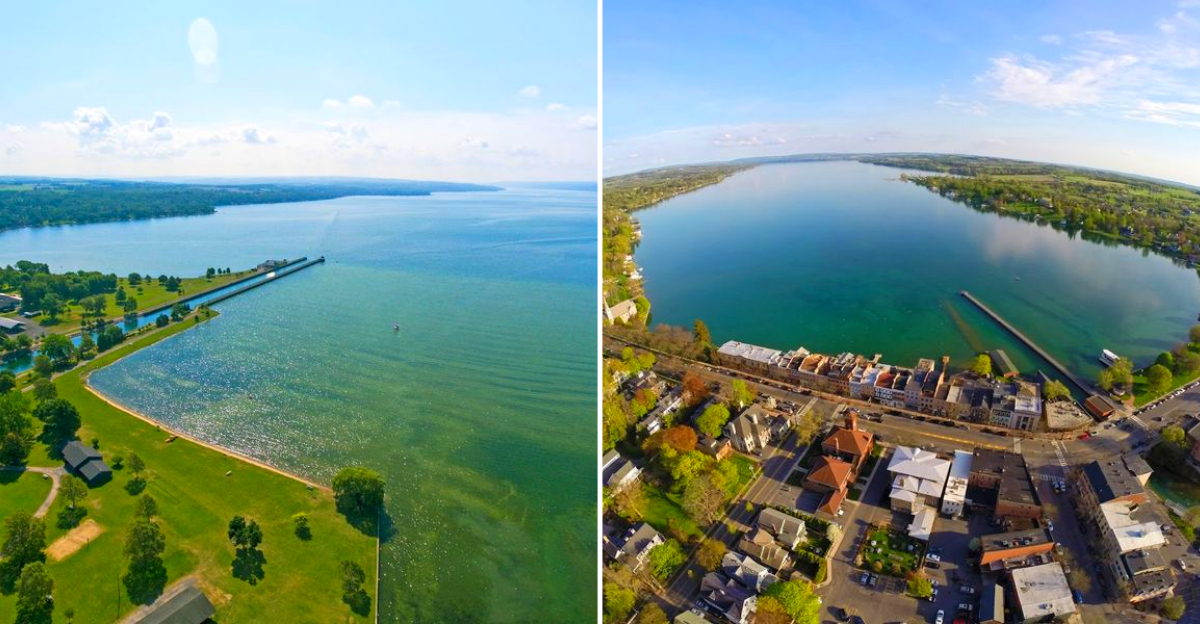
New York’s most dramatic views are not always above the waterline. Far beyond the skyline, the state holds lakes with depths that feel almost unreal, especially when you realize how much world sits below the surface.
The Finger Lakes are the clear showstoppers, carved deep by glaciers and stretching down so far that even tall buildings would disappear into some of them. These are not gentle ponds with easy bottoms and predictable shorelines.
They are cold, dark, ancient basins where divers, boaters, scientists, and curious travelers all come away with the same reaction: this place is deeper than it looks.
Some lakes hold shipwreck stories, strange temperature layers, and underwater landscapes few people will ever see. These six New York lakes prove the state has mysteries far below its prettiest reflections.
1. Seneca Lake
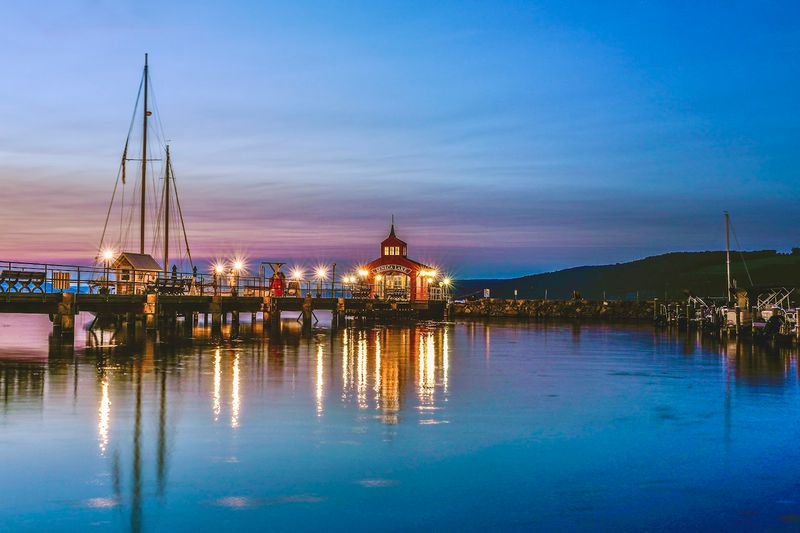
At 618 feet deep, Seneca Lake is the heavyweight champion of New York lakes, and it does not play around. The lake floor actually sits more than 60 meters below sea level, which means you could stack a 60-story building in there and still not see the top from the surface.
That is not a typo.
The U.S. Navy uses Seneca Lake to test sonar equipment and evaluate underwater gear, which tells you everything you need to know about how serious this lake is.
If the Navy is out here running operations, recreational divers are simply not the target audience. The lake sits in the heart of the Finger Lakes region, with the town of Watkins Glen, NY 14891 sitting right at its southern tip.
Scuba divers do visit Seneca Lake, but not to touch the bottom. They come for the shipwrecks.
The Onondaga, a massive steamboat, rests roughly 400 feet below the surface and is considered one of the most thrilling underwater discoveries in the state. Even reaching that wreck requires serious technical diving skills and specialized equipment.
The deep cold water keeps temperatures near the bottom hovering just above freezing year-round. That cold layer is so stable that it barely changes between seasons, making the lake feel almost alive in its stillness.
Locals call it eerie, and honestly, they are not wrong. Seneca Lake has a reputation for being one of the most mysterious bodies of water in all of New York, and with a depth like that, the mystery makes complete sense.
Watkins Glen State Park sits at the southern tip of Seneca Lake and adds one of the most dramatic gorge systems in the eastern United States to an already extraordinary destination.
The combination of a 618-foot-deep lake and 19 waterfalls within walking distance makes the southern Seneca Lake area genuinely difficult to match anywhere in New York.
2. Cayuga Lake
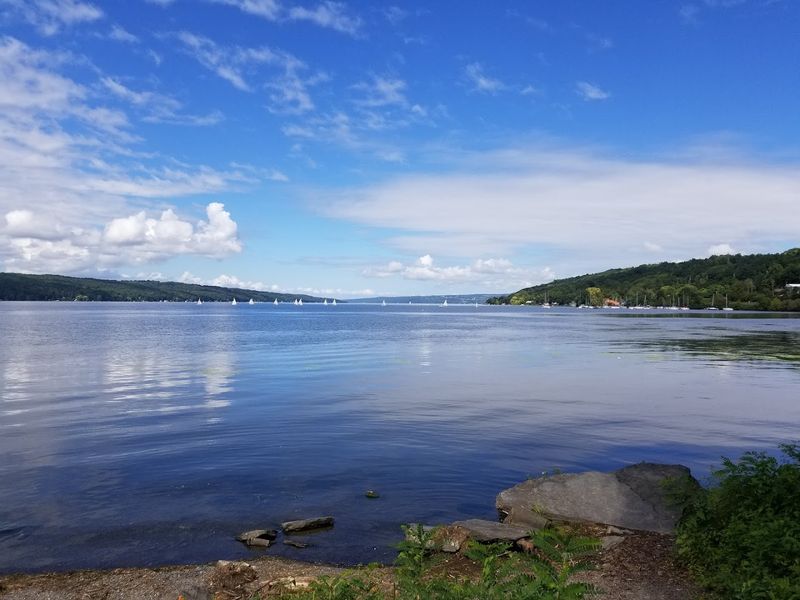
Cayuga Lake stretches 61 miles from end to end, making it the longest of all the Finger Lakes, and it backs that length up with a maximum depth of 435 feet. That is deep enough to make even the most confident diver pause and reconsider their life choices.
The lake also extends below sea level at its deepest point, which is a geological flex that very few lakes can claim.
Cayuga ranks among the 40 deepest lakes in the entire United States, which is a wild fact to carry around on a Tuesday. Most people know it for the college town of Ithaca sitting at its southern end, but the lake itself deserves its own spotlight.
The address for a popular access point is Stewart Park, 1 James L. Gibbs Dr, Ithaca, NY 14850, where you can stand at the edge and stare out at water that goes down farther than you can truly comprehend.
The lake supports a surprisingly rich ecosystem, with cold deep-water fish species thriving in the lower zones where sunlight never reaches. Trout fishermen love Cayuga for exactly that reason.
The cold, dark lower layers create perfect conditions for species that need that kind of environment to survive.
Water temperatures at the surface can feel pleasant in summer, but drop dramatically as you go deeper. A diver heading down even 100 feet will notice a sharp temperature change that feels like stepping into a walk-in freezer.
The full 435-foot depth is simply not accessible without technical equipment that goes well beyond what most divers own or are trained to use. Cayuga Lake keeps its deepest secrets locked tight.
The trail running along both shores of Cayuga Lake has developed into one of the most celebrated in the entire northeastern United States, with dozens of vineyards taking advantage of the lake’s moderating effect on the local microclimate.
Visiting the lake for its depth and staying for the surrounding vineyard scenery is a completely natural and deeply satisfying combination.
3. Lake Champlain
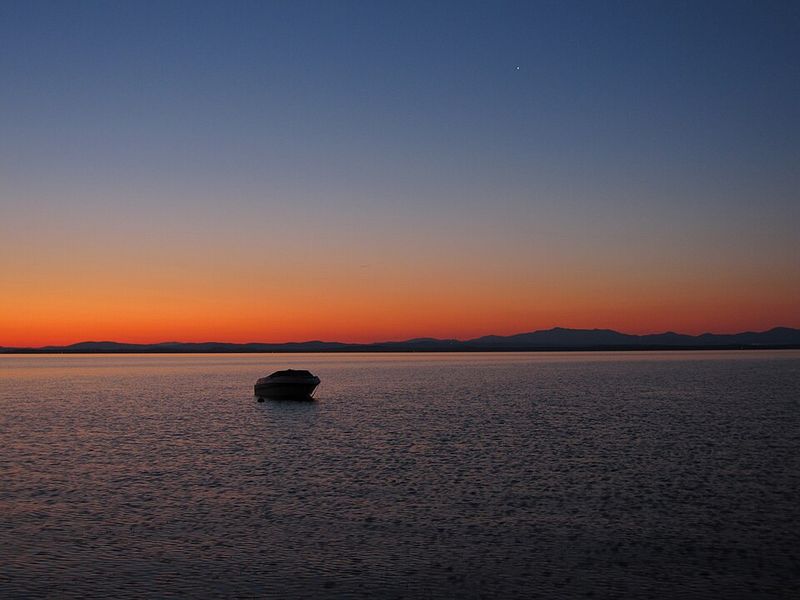
Lake Champlain sits right on the border between New York and Vermont, and it reaches a maximum depth of 400 feet in its deepest basin. That puts it firmly in the category of lakes where recreational diving hits a hard ceiling long before you get anywhere close to the bottom.
The lake spans about 120 miles in length, giving it plenty of room to hide its deepest secrets far from shore.
One of the most fascinating things about Lake Champlain is its history. The lake served as a major military route during the American Revolution and the War of 1812, and the bottom holds the remains of several historic vessels.
Point au Roche State Park, located at 19 Camp Red Cloud Rd, Plattsburgh, NY 12901, offers one of the most scenic access points along the New York side of the lake.
The lake is also famously associated with Champ, the legendary lake creature that locals have reported seeing for centuries.
Whether Champ is real or not, the idea of something lurking in 400 feet of cold dark water is not exactly a comforting thought for anyone strapping on a tank and flippers.
The legend adds a layer of character that most lakes simply do not have.
Cold water and low visibility in the deeper zones make technical diving here a serious undertaking. The upper layers are popular with recreational divers exploring shipwrecks in the 60 to 100-foot range, but the true bottom of the deepest basin remains untouched by most.
Lake Champlain rewards those who respect its scale and approach it with the right gear and proper training for cold-water conditions.
The Lake Champlain Maritime Museum on the Vermont side documents the extraordinary collection of historic vessels resting on the lake floor, giving landlocked history enthusiasts a way to engage with the underwater archaeology without ever getting wet.
The New York shoreline offers some of the most scenic Adirondack backdrop views in the region, making the drive along the western edge genuinely rewarding.
4. Skaneateles Lake
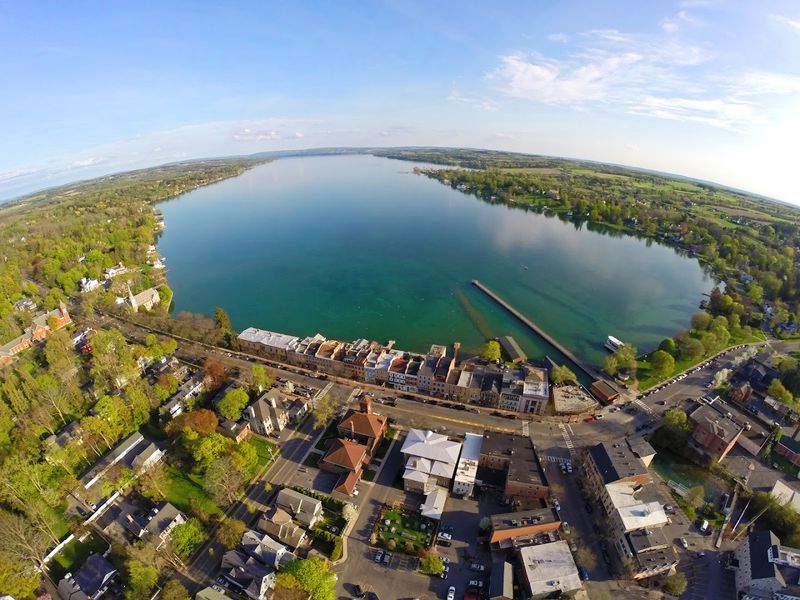
Skaneateles Lake might be the most underrated body of water in all of New York, and that is saying something in a state full of incredible lakes.
With a maximum depth of 315 feet and water so clear you can see straight down to remarkable depths, it has a kind of quiet confidence that other lakes simply do not carry.
The clarity is not a marketing claim either. It is genuinely one of the purest lakes in the entire country.
Over 220,000 people drink water sourced directly from Skaneateles Lake without any filtration system required. The village of Skaneateles, NY 13152 sits right at the northern end of the lake, and the community takes its water quality with extreme seriousness.
Strict regulations on development and land use around the watershed have kept the lake in remarkable condition for generations.
The lake sits 863 feet above sea level, making it one of the highest of the Finger Lakes. That elevation combined with its depth creates a unique thermal environment where the deeper layers stay consistently cold throughout the year.
Anglers prize the lake for its lake trout population, which thrives in those frigid lower zones that no recreational diver is reaching anytime soon.
The combination of depth and crystal-clear water actually makes Skaneateles feel almost surreal to swim in near shore. You can see the bottom clearly in the shallows, but watch as the blue fades into a deep, almost impossible darkness as the lake floor drops away.
That visual drop-off is a reminder that 315 feet is not a number to take casually, no matter how inviting the surface looks on a warm July afternoon.
The village of Skaneateles itself is one of the most consistently charming small towns in the entire Finger Lakes region, with a walkable main street, strong independent dining options, and a waterfront park that gives visitors direct lake access without any complicated logistics.
The combination of exceptional water clarity and a genuinely lovely downtown makes this an easy full-day destination.
5. Canandaigua Lake
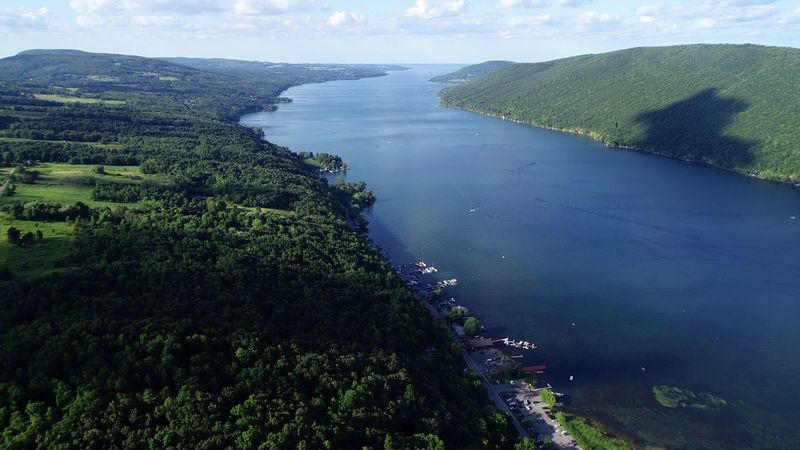
Canandaigua Lake has a name that is genuinely fun to say out loud, and the lake itself is just as memorable as its pronunciation. Reaching a maximum depth of 276 feet, it is the westernmost of the major Finger Lakes and one of the most visited for summer getaways.
The depth does not get as much attention as the scenery, but it absolutely deserves a moment in the spotlight.
The city of Canandaigua, NY 14424 anchors the northern end of the lake and serves as the main hub for visitors. Lakeshore Drive runs along the waterfront and gives you a front-row seat to just how wide and impressive this lake truly is.
The southern end of the lake reaches into quieter, more forested territory where the depth increases and the crowds thin out considerably.
Recreational divers do explore parts of Canandaigua Lake, but they stick to the shallower northern zones where visibility and depth are manageable. The deeper southern basin is a different story entirely.
Water temperatures below 100 feet drop sharply, and the pressure at 276 feet is well beyond what standard recreational scuba equipment is rated to handle safely.
The lake also holds cultural significance for the Seneca Nation, the westernmost nation of the Haudenosaunee Confederacy, who have deep historical ties to the region. The name Canandaigua itself comes from a Seneca word meaning chosen spot, which feels entirely appropriate for a lake this striking.
Between the history, the depth, and the scenery, Canandaigua Lake offers far more than a pretty backdrop for a summer afternoon boat ride. It is a place worth knowing properly.
The Finger Lakes Music Festival and several other annual events use the Canandaigua lakefront as their natural backdrop, drawing visitors who arrive for the programming and leave having fallen for the lake itself.
Ontario County’s agricultural surroundings produce excellent farm stands and cideries within short driving distance, making the broader Canandaigua area one of the more complete regional day-trip destinations in western New York.
6. Owasco Lake
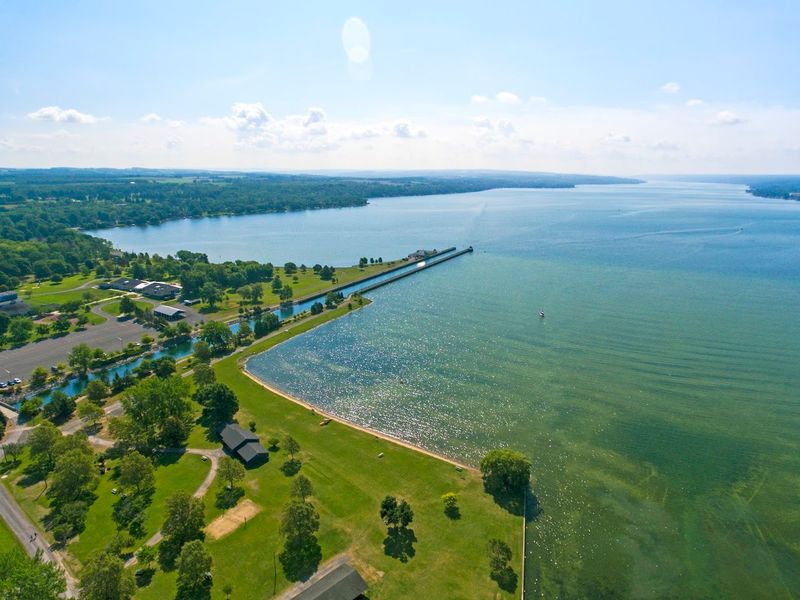
Owasco Lake is the least talked-about of the major Finger Lakes, and that low profile is honestly a little unfair. With a maximum depth of 177 feet, it is not the deepest lake on this list, but 177 feet is still far beyond what most recreational divers will ever explore safely.
The lake sits in Cayuga County and stretches about 11 miles from north to south, compact but genuinely impressive in its own right.
The city of Auburn, NY 13021 anchors the northern end of the lake and serves as the primary gateway for visitors. Emerson Park, right at the lake’s northern tip, is a popular launch point for kayakers, boaters, and anyone who wants to appreciate how clear and calm Owasco can get on a good morning.
The lake also serves as a drinking water source for Auburn residents, so water quality is closely monitored and well-maintained.
Cold deep water in Owasco supports healthy populations of lake trout and landlocked Atlantic salmon, two species that require very specific conditions to survive.
Anglers know Owasco well for exactly that reason, even if the general public tends to overlook it in favor of its flashier Finger Lakes neighbors.
The fishing here is genuinely excellent.
What makes Owasco particularly interesting from a depth standpoint is how quickly the lake floor drops off from the shoreline. You can be standing in knee-deep water near the southern end and be just a short swim away from zones that plunge well past safe recreational diving limits.
That rapid depth transition is a reminder that Owasco Lake carries a quiet intensity beneath its calm, unassuming surface. Do not sleep on this one.
Auburn’s broader historic significance adds real cultural depth to any Owasco Lake visit. Harriet Tubman lived her later years in Auburn, and the Harriet Tubman National Historical Park preserving her home is open to visitors year-round.
Combining a morning at Emerson Park on the lake with an afternoon at the Tubman site turns a pleasant lake day into something considerably more meaningful and memorable.