
Locals In This Maryland Town Say It Doesn’t Feel Like Home Anymore
Two centuries ago, this town outsmarted an entire navy without firing a shot. Maryland still tells that story with pride, but a newer struggle has crept in since.
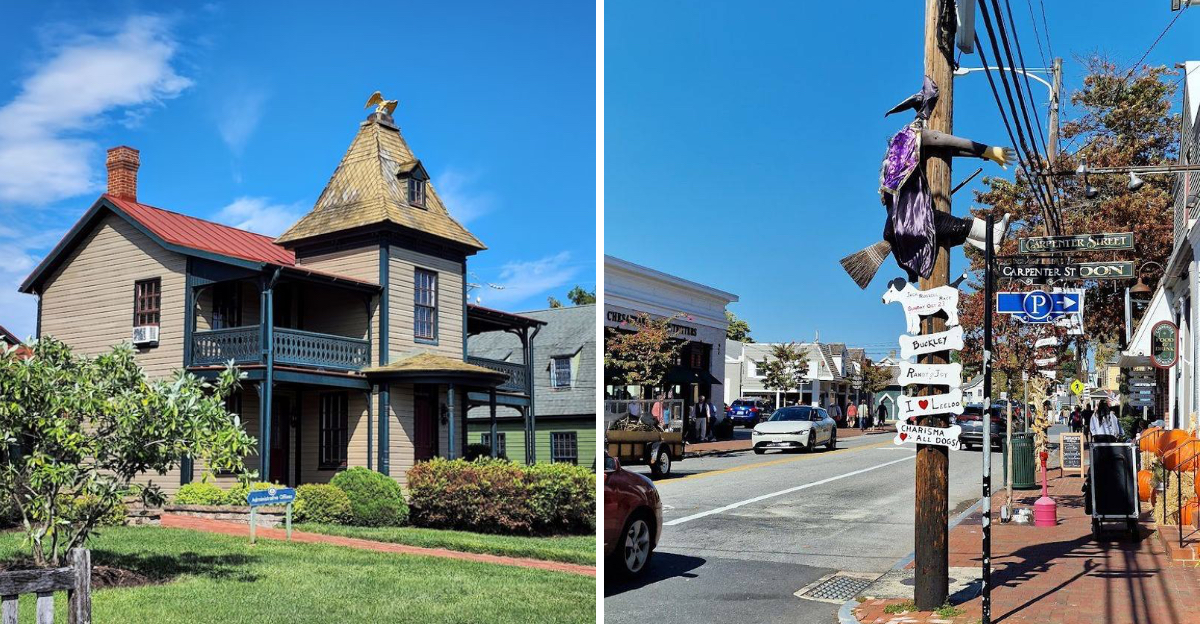
Weekend crowds now fill streets built for a few hundred neighbors, not thousands of visitors. Shops that once sold hardware and groceries now sell candles and nautical decor instead.
Longtime families watch rental signs replace familiar porches one by one. A quiet Saturday morning, once easy to find, now takes real effort to catch.
Maryland’s small towns rarely change this fast, and locals feel every bit of it. The history here still runs deep, even as the town wrestles with what popularity actually costs.
Consider learning the fuller story soon, because the town behind the postcard is more complicated than it looks.
The Town That Fooled The British And Now Faces A Different Battle
Back in 1813, St. Michaels pulled off one of the most audacious tricks in American military history. Residents hung lanterns in treetops to fool British warships into overshooting the town.
The ruse worked, and the nickname “The Town That Fooled The British” stuck forever.
Today, Maryland’s clever little harbor town faces a very different kind of challenge. Instead of enemy warships, it contends with an overwhelming wave of weekend visitors pouring in from Washington D.C. and Baltimore.
The town’s narrow streets, designed for a population of roughly a thousand, were never built for this volume of foot traffic.
Historic St. Mary’s Square, laid out in 1778, still anchors the community’s identity. But the pressure of popularity is real.
Locals feel the squeeze between preserving what makes the town special and accommodating the crowds who come to experience it. That tension defines St. Michaels right now.
A Waterfront That Stole Hearts And Then Got Crowded
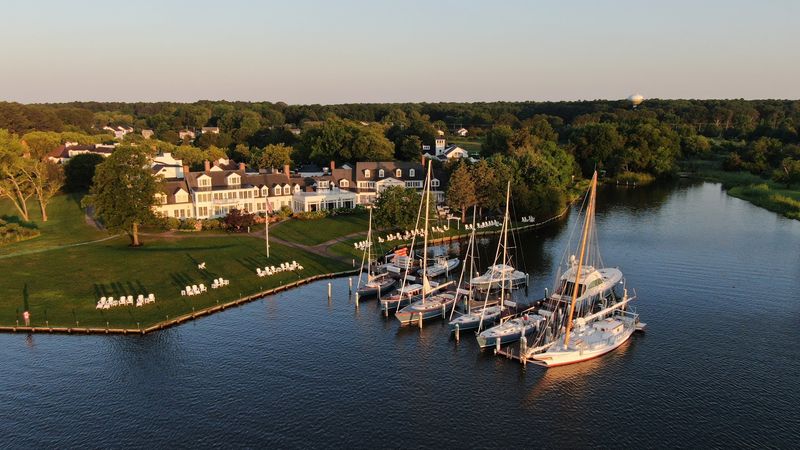
The Miles River waterfront is the soul of St. Michaels, and nobody disputes that. Sailboats drift past Victorian mansions.
Kayakers glide along San Domingo Creek. Scenic cruises offer narrated views of the Chesapeake Bay’s extraordinary wildlife and landscape.
For decades, this waterfront was a quiet pleasure. Locals could walk to the harbor on a Saturday morning and actually find a peaceful bench.
That simplicity is mostly gone now. Peak season brings a near-constant stream of visitors, and the dock buzzes from early morning until well after sunset.
The water itself remains beautiful, and that is not in question. Fishing charters still head out at dawn.
Paddleboarders still find their rhythm on calm mornings. But the experience of the waterfront has fundamentally changed for those who live here year-round.
What was once a neighborhood gathering spot now feels more like a managed tourist attraction, and that shift stings more than locals expected it would.
The Chesapeake Bay Maritime Museum And Its Double-Edged Legacy
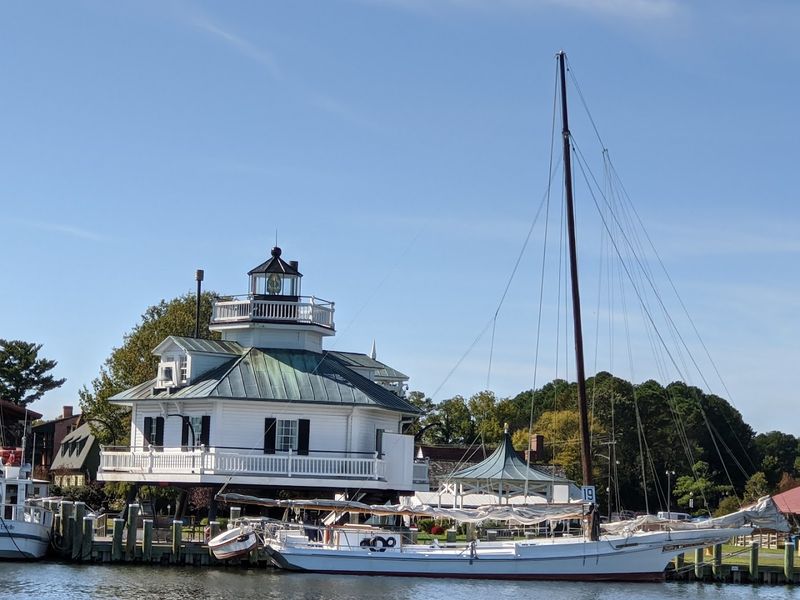
The Chesapeake Bay Maritime Museum is undeniably one of Maryland’s finest cultural institutions. Spread across an 18-acre waterfront campus, it houses one of the most comprehensive collections of Chesapeake Bay artifacts and traditional watercraft in the country.
The 1879 Hooper Strait Lighthouse alone is worth the trip.
Skilled craftsmen in the working boatyard restore traditional vessels by hand. Interactive exhibits bring the Bay’s ecological and cultural history to life.
The museum generates significant economic activity for Talbot County and supports numerous local jobs, making it a genuine community asset.
But the museum’s success has also accelerated St. Michaels’ transformation into a must-visit destination. More visitors come specifically because of it, and those visitors bring foot traffic that ripples through every corner of town.
Locals celebrate the museum’s mission while quietly acknowledging that its popularity helped open the floodgates. It is a complicated pride, equal parts gratitude and unease, that many residents carry without saying it out loud too often.
Talbot Street Then Versus Talbot Street Now
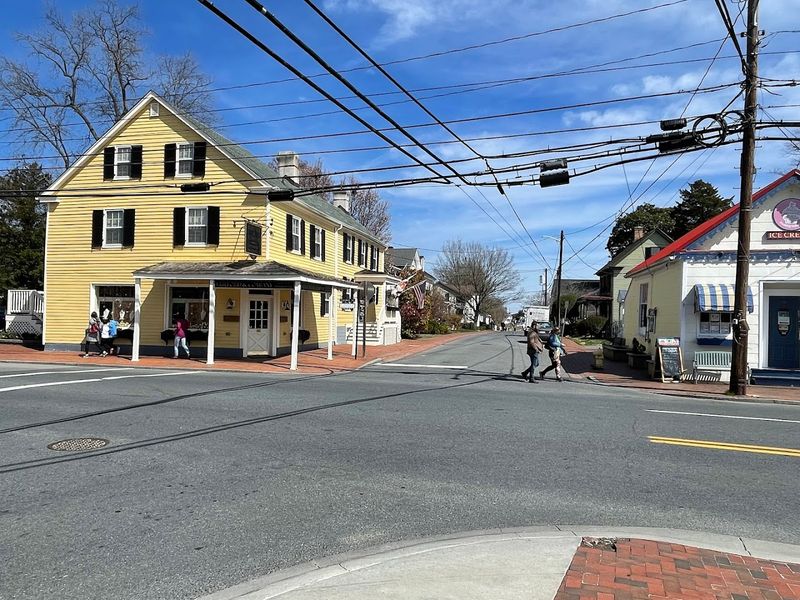
Talbot Street used to be a simple main street where neighbors ran errands and stopped to chat. Hardware store visits, quick grocery runs, and easy parking were part of the weekly routine.
That version of Talbot Street is largely a memory now.
Today, the street is a polished commercial corridor lined with upscale boutiques, art galleries, nautical home decor shops, and waterfront restaurants. It is genuinely appealing, and visitors love every inch of it.
But the businesses that served everyday local needs have mostly been replaced by shops catering to weekend tourists with disposable income.
A quick errand that once took ten minutes can now stretch into a half-hour ordeal on a busy Saturday. Parking is a competitive sport.
The atmosphere is lively but impersonal, full of strangers rather than neighbors. Long-time residents describe walking down Talbot Street now as feeling like a visitor in their own town, a strange and quietly painful experience that has become increasingly common in St. Michaels, Maryland.
Blue Crabs, Oysters, And A Food Scene That Priced Itself Up
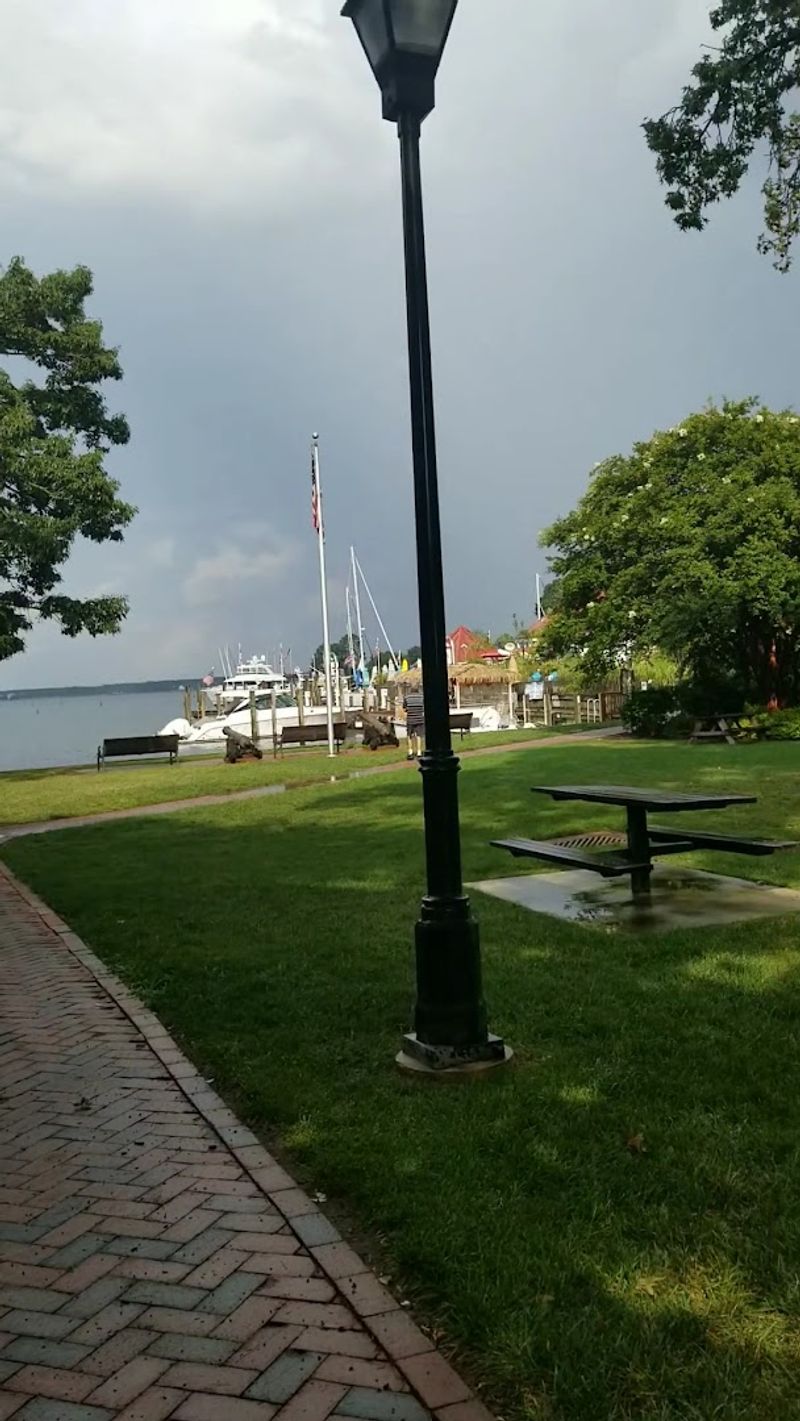
Maryland’s blue crab is practically a religion on the Eastern Shore, and St. Michaels has always been a worthy place of worship. Steamed crabs, rich crab bisques, and perfectly crafted crab cakes have defined the local table for generations.
Oyster bars add another layer of briny, regional flavor that visitors travel hours to experience.
The culinary scene has grown impressively diverse over time. Italian, Southern-inspired, and modern American menus now sit alongside traditional seafood spots.
Fresh, locally sourced ingredients remain a point of pride, and the waterfront dining views are genuinely hard to beat anywhere on the Bay.
But the restaurant landscape has tilted noticeably toward the upscale end. Prices have climbed steadily as the tourist demographic has shifted toward an affluent weekend crowd.
Casual, affordable spots where locals once gathered for a simple meal have grown rarer. The food is excellent, but the dining culture now serves a visiting audience more than a residential one, and that quiet shift has not gone unnoticed by those who live here.
Housing Costs Rose And Longtime Families Left
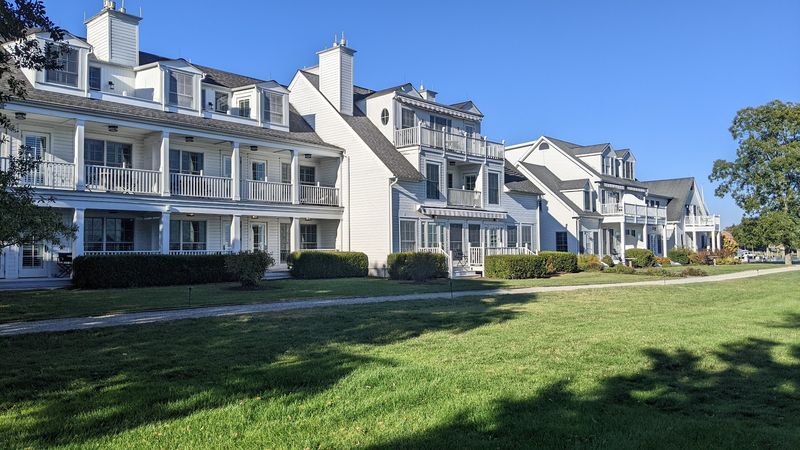
Tourism growth rarely arrives alone. It brings rising property values, increased demand for short-term rentals, and a housing market that starts serving investors rather than residents.
St. Michaels has experienced all of this in a compressed timeframe, and the effects on the local community have been significant.
Families who lived in St. Michaels for generations have found it increasingly difficult to stay. Property prices climbed as outside buyers purchased homes for vacation rentals or weekend retreats.
The rental market tightened. Affordable options for year-round residents shrank.
The population of St. Michaels sits at just over a thousand people, a small community where even modest demographic shifts carry enormous weight.
When a neighbor sells and a vacation rental moves in next door, the social fabric frays in ways that are hard to quantify but easy to feel. Block parties happen less.
Familiar faces disappear. The sense of being part of a real community, rather than a backdrop for someone else’s getaway, erodes slowly but steadily.
Maryland’s smallest towns feel these losses most acutely.
The Quiet Saturday Morning That No Longer Exists
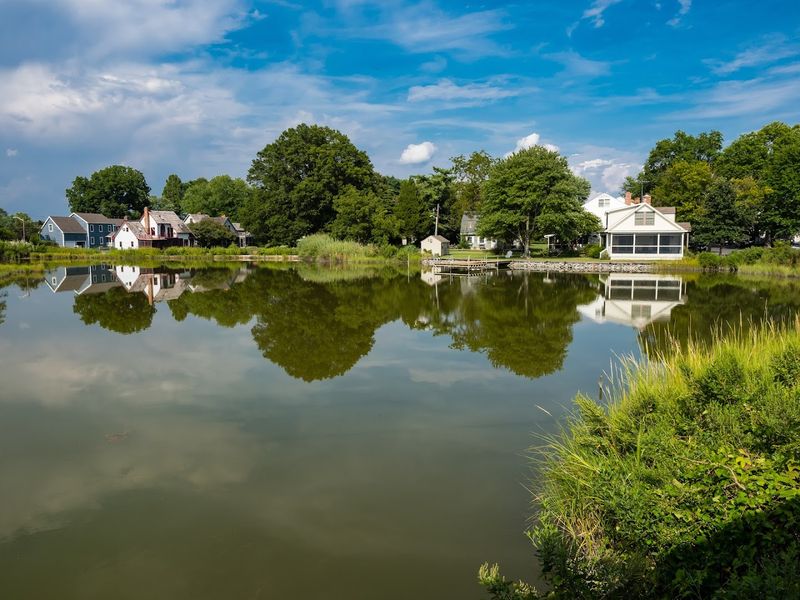
Ask any longtime resident what they miss most, and many will describe the same thing. Saturday mornings used to be slow and easy.
The harbor was calm. The coffee shop had open seats.
Neighbors caught up without rushing anywhere. That rhythm was the heartbeat of the town.
Now, the crowds arrive early. By mid-morning on a summer weekend, parking lots fill up and Talbot Street hums with activity.
The tranquility that made St. Michaels worth living in has compressed into a narrow window before the visitors show up. Locals who want peace now set their alarms earlier than they ever expected to.
This loss is not dramatic or loud. Nobody is chased out of town.
But the quiet erosion of ordinary moments, the casual Saturday stroll, the unhurried cup of coffee, the easy sense of belonging, adds up over time. Residents of St. Michaels, Maryland, describe it as a kind of low-grade grief.
The town is still beautiful. It just does not feel like theirs in the same way anymore.
Festivals That Bring Joy And Overwhelm In Equal Measure
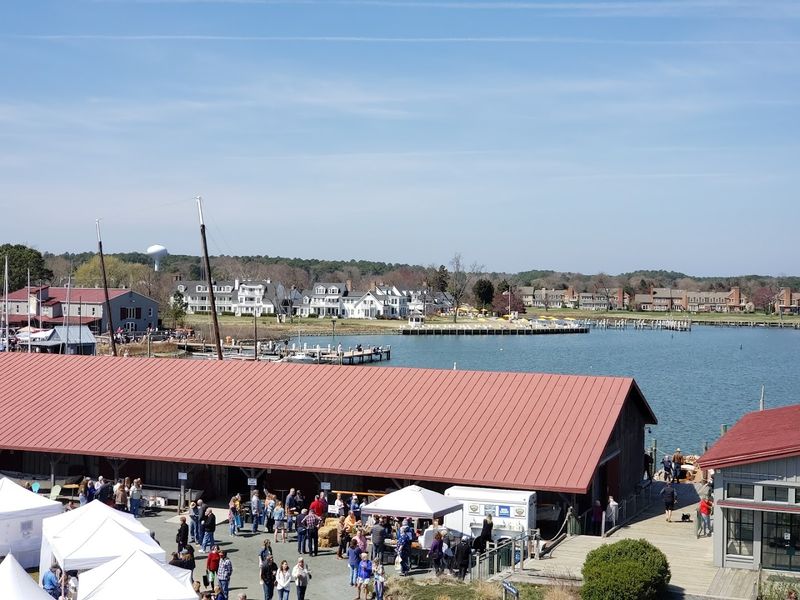
St. Michaels knows how to throw a party. OysterFest draws seafood lovers from across the region every autumn.
Christmas in St. Michaels transforms the town with festive parades, candlelit house tours, and community gatherings that feel genuinely warm. Farmers markets and Thursday evening concerts at Muskrat Park keep the calendar lively throughout the warmer months.
These events celebrate local heritage and bring real economic energy to the community. For visitors, they represent the best of small-town Maryland charm.
For locals, the experience is more layered. Every major festival brings a surge of visitors that strains parking, local services, and the general peace of daily life.
The events themselves are not the problem. The problem is that St. Michaels now operates at festival-level intensity on almost every weekend, without the recovery time that used to follow.
What was once a special occasion now blurs into a permanent state of managed busyness. Residents who love the town’s culture find themselves dreading the very celebrations they once looked forward to most.
The Cannonball House And The Weight Of Preservation
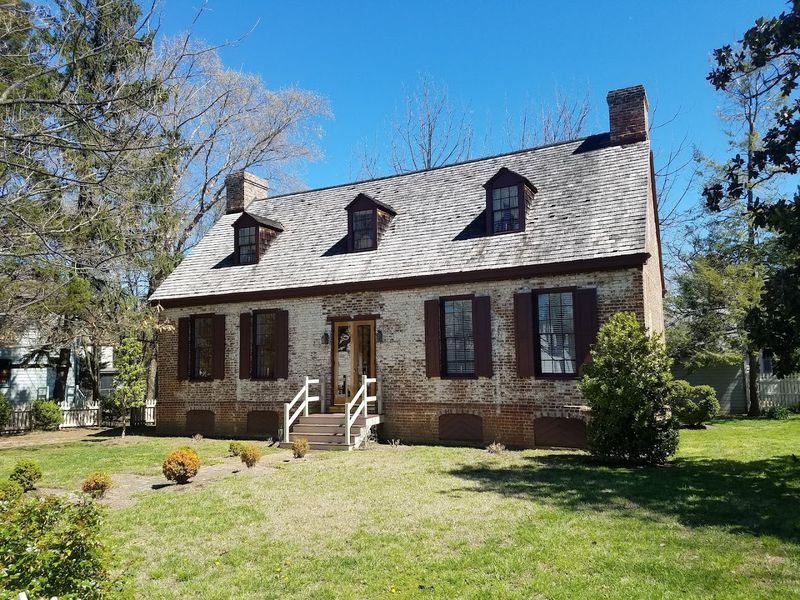
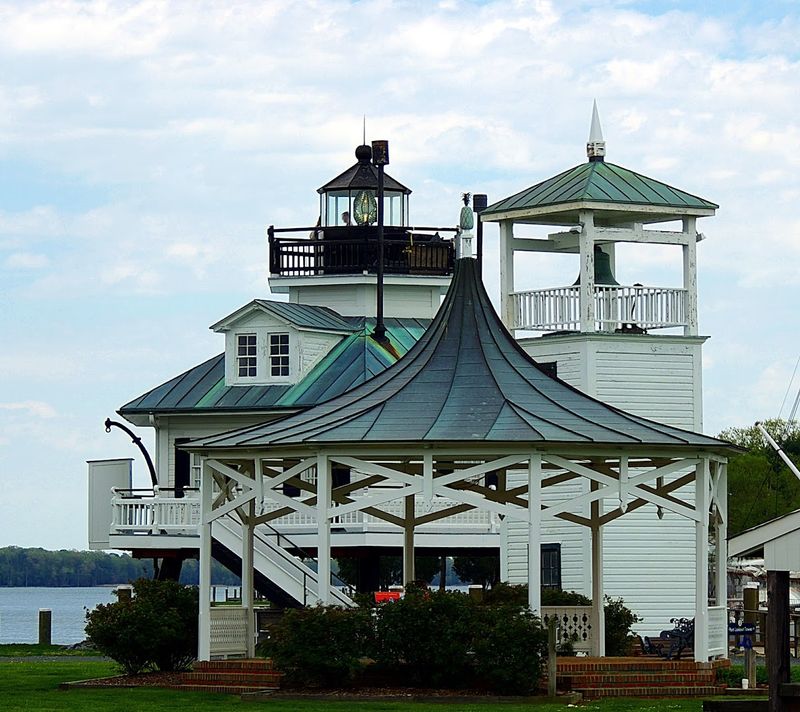
The Cannonball House is one of St. Michaels’ most recognizable landmarks. Struck during the British attack of 1813, it survived with a cannonball lodged in its structure and became a symbol of the town’s resilience.
The St. Michaels Museum at St. Mary’s Square adds further depth to this historical record, offering a detailed look at early townspeople and the community’s evolution.
Preservation efforts in St. Michaels have been genuinely impressive. Historic homes dating to the 18th and 19th centuries line the streets, many carefully maintained.
Self-guided walking tours let visitors appreciate the architectural legacy at their own pace. The commitment to protecting these structures reflects real community pride.
But preservation is expensive, and the pressure of heavy tourist traffic takes a toll on historic infrastructure. Brick sidewalks wear faster.
Landmark buildings require constant upkeep. Funding preservation while managing visitor volume is an ongoing balancing act.
St. Michaels, Maryland, wants to share its history with the world while making sure that history survives the sharing. That is harder than it sounds.
Nature Trails And Shorelines That Still Offer Escape
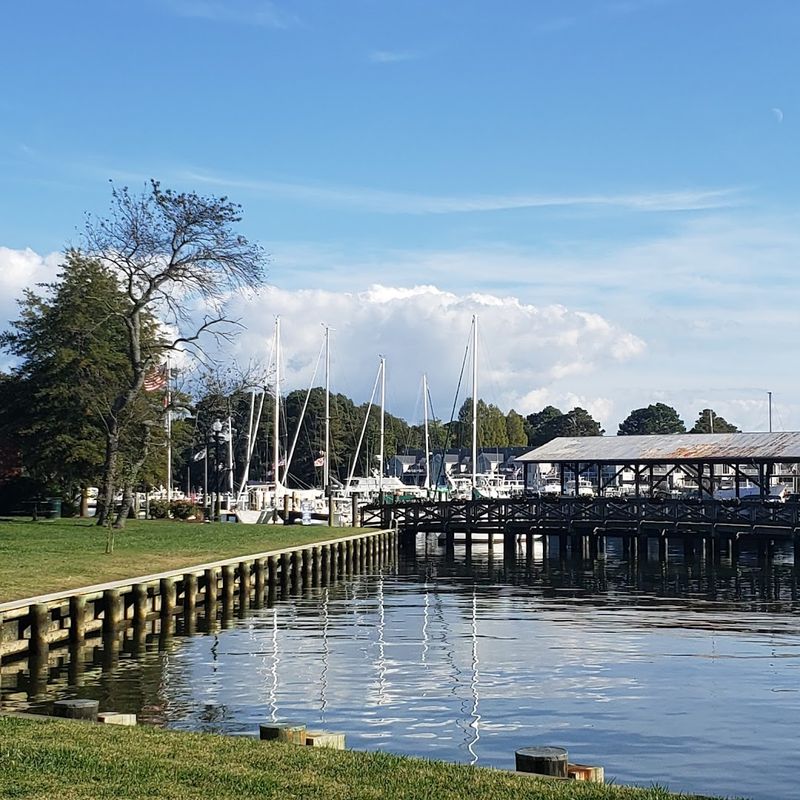
When the crowds on Talbot Street become too much, the landscape around St. Michaels offers a genuine alternative. The St. Michaels Nature Trail provides a paved 1.3-mile path ideal for walking or cycling.
The surrounding Talbot County region boasts over 600 miles of shoreline, much of it accessible for quiet exploration.
Bicycle rentals make it easy to pedal along scenic routes past farms, creeks, and Chesapeake Bay vistas. The nearby Wye Island River Sanctuary offers hiking trails within a protected wildlife area where bald eagles are known to nest.
These natural spaces provide breathing room that the town center increasingly cannot offer.
For locals, these outdoor areas have become more important than ever. They represent what St. Michaels was always about at its core: a place deeply connected to the natural world of the Chesapeake Bay.
Visitors who venture beyond the main drag and into these quieter corners tend to leave with a more authentic impression of Maryland’s Eastern Shore, and a deeper respect for what is still worth protecting.
The Affluent Weekend Crowd And What It Changed
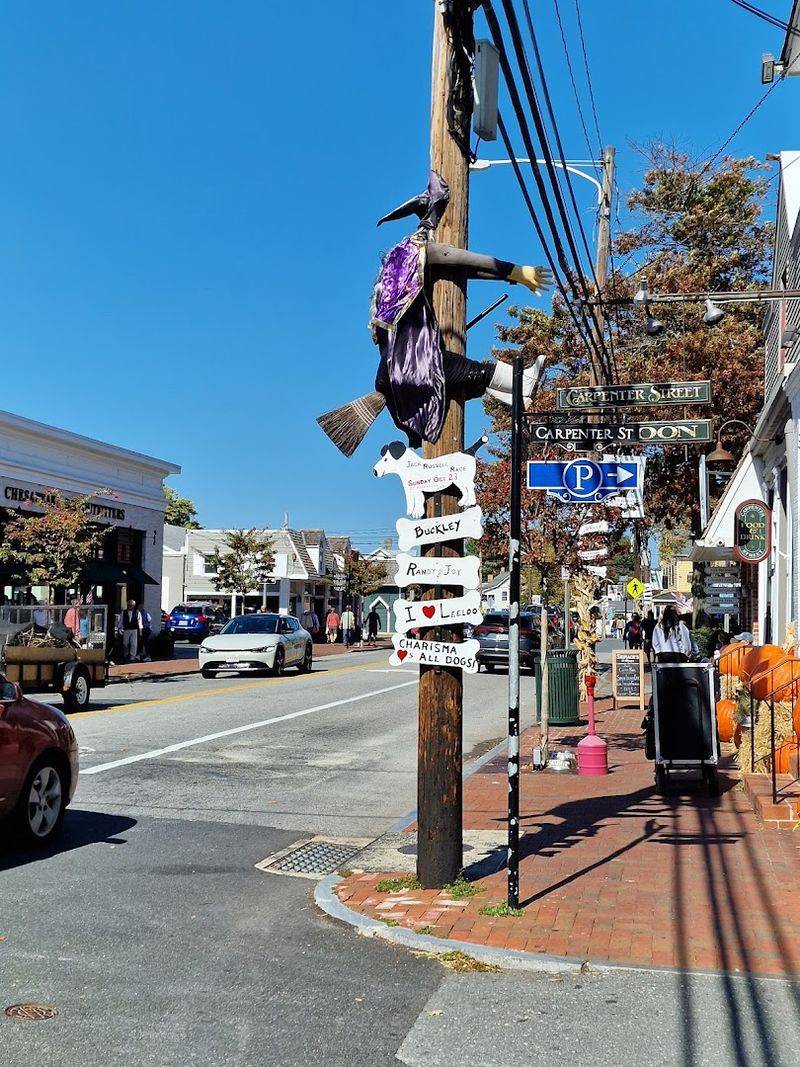
St. Michaels draws a specific kind of visitor. The typical weekend guest arrives from within roughly 150 miles, often from Washington D.C. or Baltimore, tends to be middle-aged, and travels with significant spending power.
This demographic has shaped the town’s commercial identity in very deliberate ways.
Upscale lodging, refined dining, and boutique retail have expanded to meet that demand. The economic benefits are real and measurable.
Tax revenues support local services. Businesses thrive during peak season.
On paper, the numbers look encouraging for a town of just over a thousand permanent residents.
But a community built around serving a wealthy weekend crowd gradually stops serving the people who actually live there. Grocery options shrink.
Practical services relocate. The character of the town shifts from functional neighborhood to curated experience.
Long-term residents of St. Michaels, Maryland, describe watching this transformation with a mixture of pragmatic acceptance and genuine sadness. The town is prosperous and popular.
It is also, in some quiet but important ways, no longer entirely their own.
What Comes Next For St. Michaels
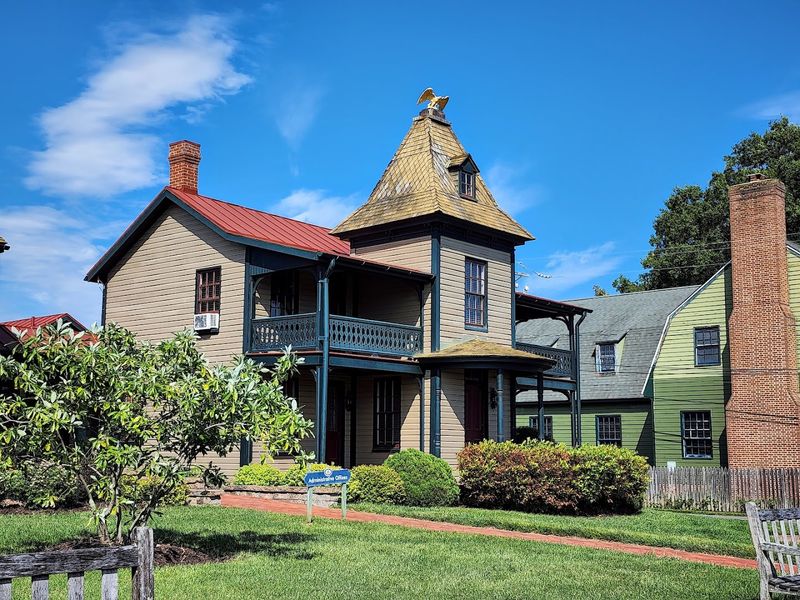
St. Michaels, Maryland, is not a town in crisis. Its history is intact, its waterfront is stunning, and its community still carries genuine warmth beneath the tourist bustle.
The Chesapeake Bay Maritime Museum continues to do important work. The natural landscape remains extraordinary.
The food is worth the trip.
But the conversation about what comes next is real and necessary. Managing visitor volume, protecting affordable housing, and preserving the social fabric of a small community are challenges that require deliberate choices.
Other popular small towns across the country have faced similar crossroads, and the outcomes vary widely depending on how seriously local voices are heard.
The residents of St. Michaels are not asking visitors to stay away. Most genuinely appreciate the interest in their corner of Maryland’s Eastern Shore.
What they are asking for is balance, a version of growth that leaves room for the town to remain a place where people actually live, not just a destination that people pass through on their way to the next perfect photo. That hope is still very much alive.