
Explore This Delaware Shopping Village Known For Amish Goods Local Produce And Unique Antiques
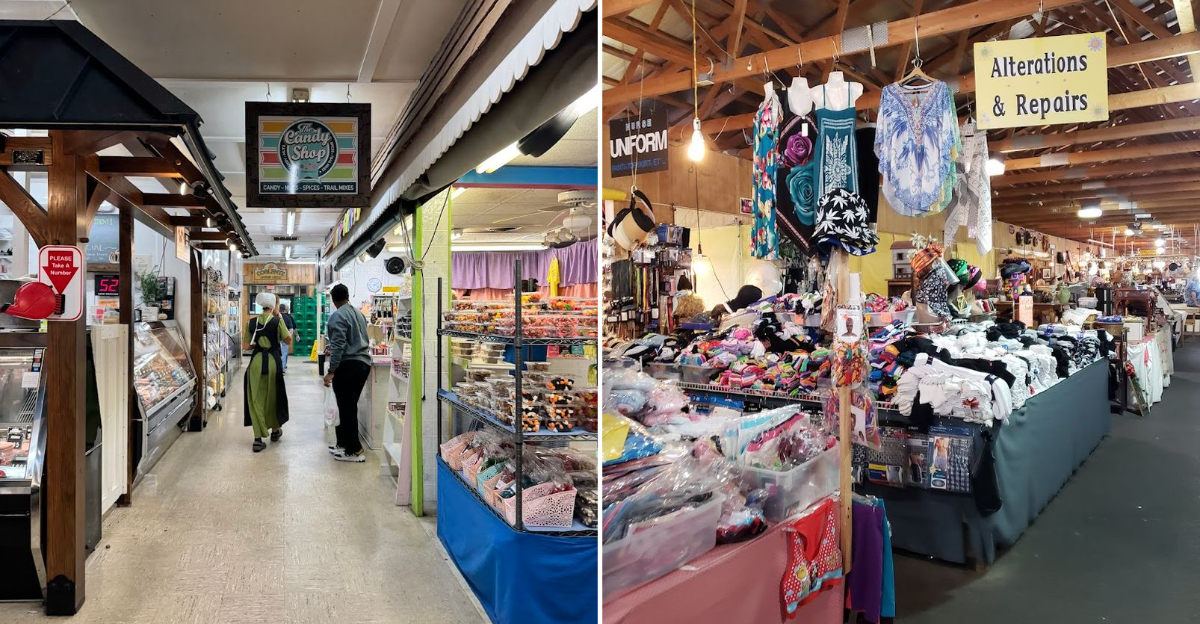
Handmade goods arranged by people who never confused speed with quality have a way of stopping a casual browser mid-stride. This shopping village operates on that principle across every stall and every storefront.
Amish craftsmanship sits alongside local produce and antiques that resist easy categorization. The variety here is genuine rather than curated for effect.
Regulars arrive with a list and leave having abandoned it somewhere between the first vendor and the third unexpected find. That outcome repeats itself reliably enough to explain the loyalty this village has built without any formal promotion.
Delaware offers a shopping destination where you’ll find unique treasures you won’t discover anywhere else. The village rewards every visit with something the previous one never quite predicted.
History Of Amish Craftsmanship
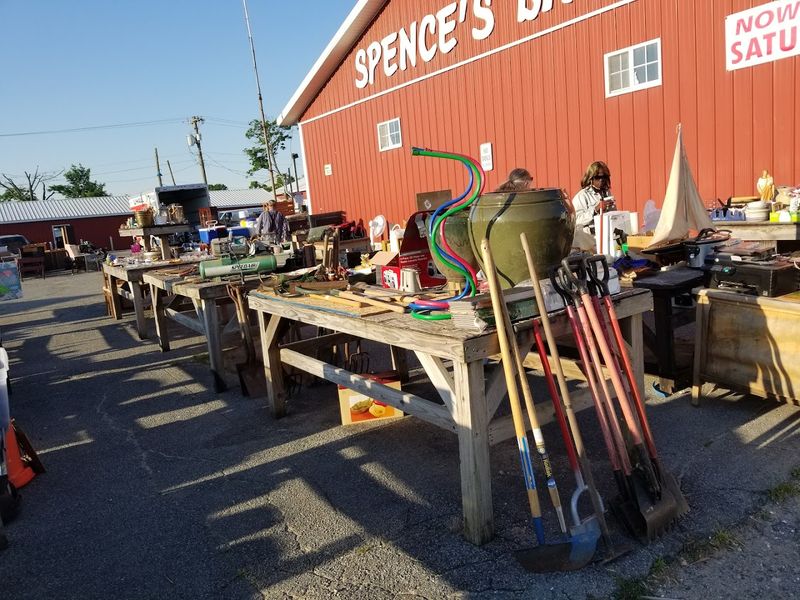
This place has been a cornerstone of Dover since 1933. That is nearly a century of craftsmanship, community, and culture packed into one market.
The Amish vendors here carry on traditions that stretch back generations.
Amish craftsmanship is rooted in simplicity and precision. Every item made by hand reflects a deep respect for quality over speed.
You will not find shortcuts in their work, and that shows.
The Amish families at Spence’s are not just selling products. They are sharing a way of life that most people rarely get to witness up close.
Watching them prepare food or display their goods is genuinely fascinating.
This market became a gathering point for the Dover community long before modern shopping malls existed. Locals have been coming here for decades, and many grew up visiting with their parents.
That kind of loyalty says everything.
You can find Spence’s Bazaar at 550 S New St, Dover, DE 19904. It operates on Tuesdays, Fridays, and Saturdays starting at 7:30 AM.
Come early and come hungry.
Varieties Of Fresh Local Produce
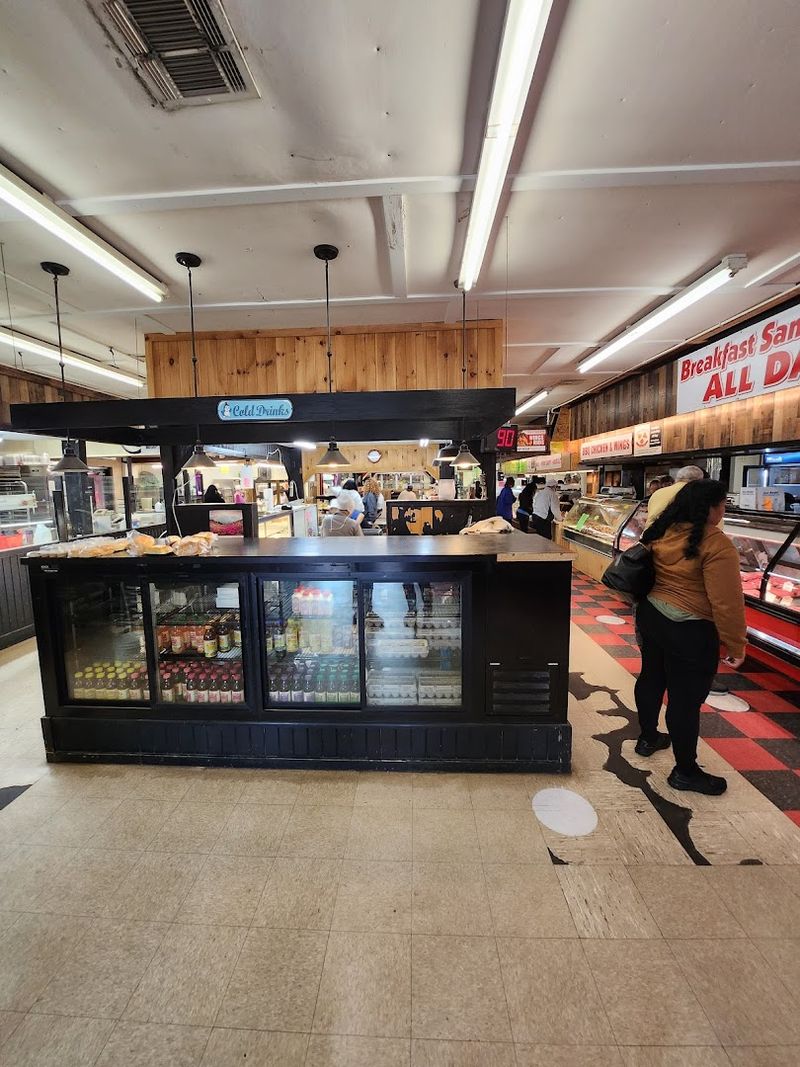
Fresh produce at Spence’s Bazaar comes straight from local Delaware farmers. You are not getting anything that sat in a warehouse for a week.
These are real fruits and vegetables picked close to market day.
The variety changes with the seasons, which keeps every visit feeling a little different. Summer brings bright tomatoes, sweet corn, and leafy greens.
Fall rolls in with squash, apples, and root vegetables that smell like the earth itself.
Local farmers set up both indoor and outdoor stalls depending on the weather and season. The outdoor section has a lively, open-air energy that makes browsing feel like an event.
You might end up buying more than you planned.
Prices here are honest and fair. You are paying for freshness and locality, not fancy packaging or brand names.
Most vendors are happy to chat about where their food comes from.
Plants are also available at the market, which is a nice bonus for home gardeners. Picking up seedlings or potted herbs alongside your groceries feels natural here.
It is the kind of one-stop shopping that actually makes sense.
Antique Selection And Preservation
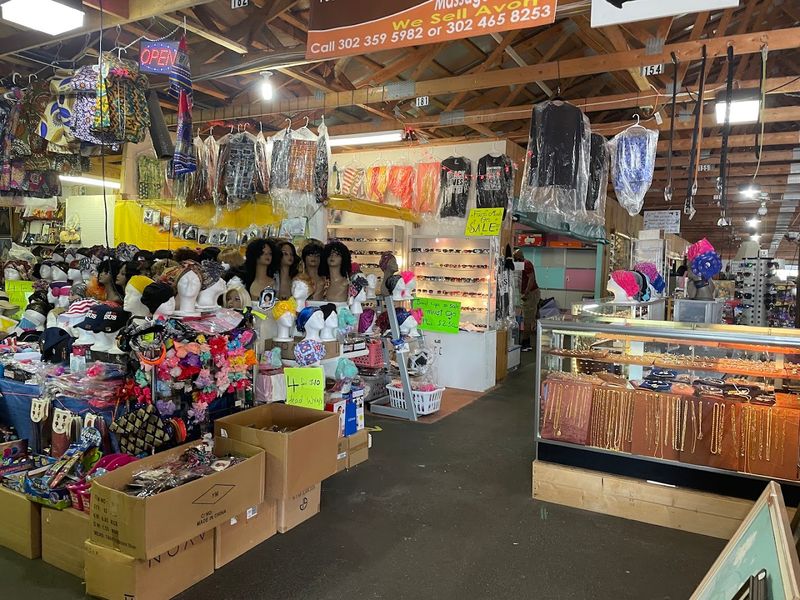
Antique hunters have a serious soft spot for Spence’s Bazaar, and for good reason. The flea market section is loaded with old furniture, vintage records, jewelry, books, and collectibles.
Every table tells a different story. Preservation is a big deal here. Many vendors take pride in maintaining the condition of their items.
You will find pieces that have been carefully stored and honestly priced.
The range of antiques is surprisingly wide. One table might have old magazines from the 1960s.
The next could have watches, coins, or ceramic figurines from decades past.
Part of the fun is not knowing what you will find. The inventory rotates regularly because vendors change and new sellers show up each week.
That unpredictability is exactly what keeps collectors coming back.
Home decor shoppers also find real value here. Vintage frames, lamps, and decorative pieces show up regularly.
These are items with actual history, not reproductions made to look old.
Outdoor auctions run on Tuesdays and Fridays at 12:30 PM, and that is where some of the most interesting antique finds surface. Bidding on a buffet server for a few dollars is apparently a real thing that happens here.
Traditional Handmade Furniture Styles
Amish furniture carries a reputation for lasting a lifetime, and that reputation is well earned. The pieces you find at Spence’s Bazaar are built using traditional joinery methods.
No shortcuts, no particle board, no pretending.
Solid hardwoods like oak, cherry, and maple are common materials in Amish woodworking. The grain of the wood is left visible and celebrated rather than hidden under thick paint.
That natural look ages beautifully over time.
Styles tend toward the clean and functional. Amish design does not chase trends or add unnecessary decoration.
A chair is built to sit in comfortably for decades, not just to look good in a catalog photo.
Buying handmade furniture from an Amish vendor at Spence’s means you are supporting a family directly. There is no middleman, no markup for branding, and no corporate warehouse involved.
What you pay goes straight to the maker.
Pieces available can range from small items like shelving or stools to larger furniture like dining sets or storage chests. Availability changes based on what vendors bring each week.
Showing up consistently increases your chances of finding exactly what you want.
Seasonal Market Events And Highlights
Spence’s Bazaar does not stay the same all year, and that is part of its appeal. The market shifts with the seasons, bringing different vendors, produce, and energy throughout the calendar.
Returning visitors always find something new.
The outdoor auction events on Tuesdays and Fridays are a highlight for regulars. Auctioneers call out bids on everything from furniture to household goods.
It is chaotic, fast-paced, and genuinely entertaining to watch even if you are not buying.
Saturdays tend to draw bigger crowds and wrap up earlier at 3:00 PM. Getting there by 7:30 AM on a Saturday means you beat the rush and get first pick of everything.
Sleep in and you might miss the best items.
Holiday seasons bring extra energy to the market. Vendors stock up on seasonal foods, decor, and gifts that fit the time of year.
The Amish baked goods section gets especially busy around major holidays.
Spring is a great time to visit for plants and fresh produce. Summer brings the widest variety of fruits and vegetables.
Each season at Spence’s has its own rhythm, and learning that rhythm makes every visit more rewarding.
Sourcing And Supporting Local Artisans
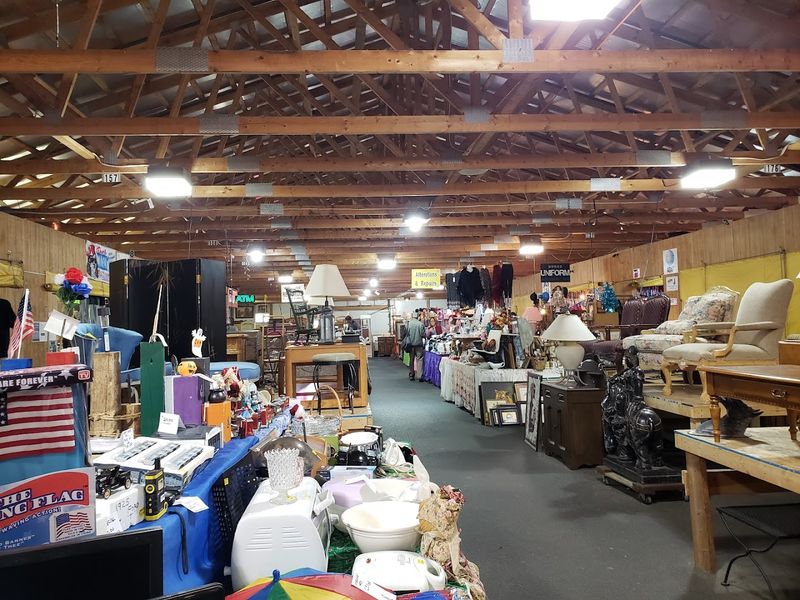
Spence’s Bazaar is built on the backs of local vendors, farmers, and artisans. Without them, it would just be a building on South New Street.
Their presence is what makes this place worth visiting over and over again.
Many of the Amish vendors are family operations. Parents, siblings, and sometimes grandparents work together to prepare and sell food or goods.
That family energy is visible, and it adds warmth to every transaction.
Buying directly from artisans means your money stays in the local economy. It does not funnel into a corporate chain or disappear into a distribution network.
You are directly funding someone’s livelihood and craft.
The market also allows regular people to rent tables and sell their own goods. That open-door policy keeps the vendor pool fresh and diverse.
You never know who might show up with something interesting to sell.
Cash is strongly preferred by most vendors, especially those in the Amish market section. Bring enough bills in small denominations to ensure smooth transactions.
There may not always be change available for large bills at every stall.
Supporting local artisans here is not just a feel-good idea. It is a practical way to get higher-quality goods at fair prices.
The relationship between buyer and maker is direct, honest, and refreshing.
Techniques Behind Amish Quilting
Amish quilting is one of the most recognized folk art traditions in America. The patterns are bold, geometric, and made entirely by hand without the use of electricity-powered machines.
Every stitch is intentional. Traditional Amish quilt patterns include the Log Cabin, the Nine Patch, and the Diamond in the Square. These designs use strong contrasting colors that create a visual energy unique to Amish textile work. The effect is striking even from across a room.
Quilting in Amish communities is also a social activity. Groups of women gather to work on large quilts together, sharing conversation and skill across generations.
The finished product carries the effort of multiple hands.
The fabrics used are typically solid colors rather than prints. Amish quilters believe that plain fabric better showcases the pattern and stitching.
That restraint actually makes the finished quilt more visually powerful, not less.
Finding an Amish quilt at Spence’s Bazaar is a real find. These are not mass-produced items shipped from overseas.
Each one represents hours of careful work and a tradition that goes back well over a century.
Caring for a handmade quilt properly means washing it gently and storing it away from direct sunlight. Treat it right and it will last for generations.
That kind of longevity is rare in modern goods.
Tips For Finding Rare Collectibles
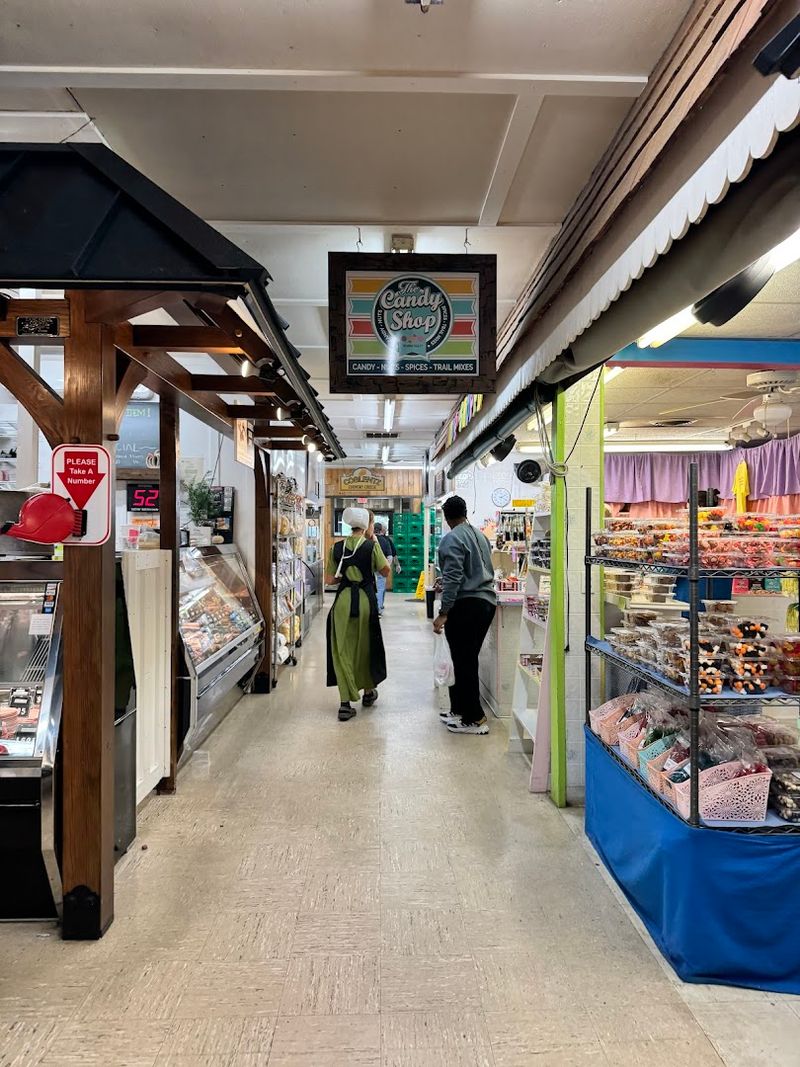
Finding rare collectibles at Spence’s Bazaar takes a little strategy and a lot of patience. The market is large, busy, and full of variety.
Walking in without a plan means you might miss the good stuff buried under everything else.
Arrive early. That advice applies to almost every flea market, and Spence’s is no exception.
Serious collectors and dealers show up right at 7:30 AM to get first access to new inventory. Waiting until noon means picking through what everyone else left behind.
Know what you are looking for before you arrive. Having a focus, whether it is vintage records, old coins, sports memorabilia, or mid-century decor, helps you move efficiently through the stalls.
Wandering works too, but targeted browsing gets results faster.
Talk to vendors. Most of them are happy to share what they know about their items.
A vendor who specializes in a certain era or category can point you toward pieces that match your interests. Building relationships with regulars pays off over multiple visits.
Check the outdoor auction section on Tuesdays and Fridays. Unexpected and undervalued items show up there regularly.
Staying alert and bidding confidently can land you something remarkable at a very low price.
Bring cash in small bills and a bag for your finds. Phones with reference apps help you check values on the spot.
Being prepared turns a casual browse into a productive collecting trip every single time.