
9 Charming Connecticut Towns Where Time Feels Gently Preserved And Beautifully Still
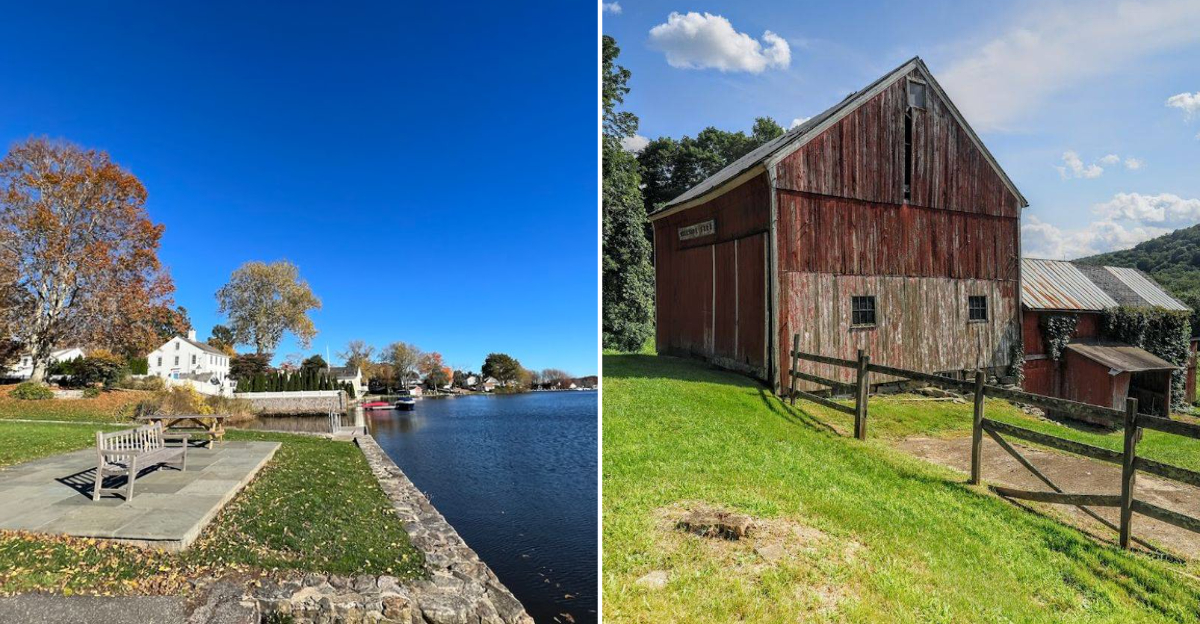
Certain towns resist the pressure to update themselves, and Connecticut has quietly assembled more of them than most states ever managed to protect. These communities exist at a pace that the surrounding world forgot was still available.
Stone walls, village greens, and architecture that settled into its surroundings across centuries rather than a single construction season connect these towns more reliably than any highway. The stillness here is structural rather than performed.
Visitors who arrive in a hurry tend to leave having forgotten what the hurry was originally about. That effect happens consistently and without any particular effort from the towns responsible for producing it.
Beautiful and preserved are words that get borrowed too freely, but these communities earn both without argument. Connecticut kept something intact here that most of the country spent the last century accidentally dismantling.
1. Litchfield
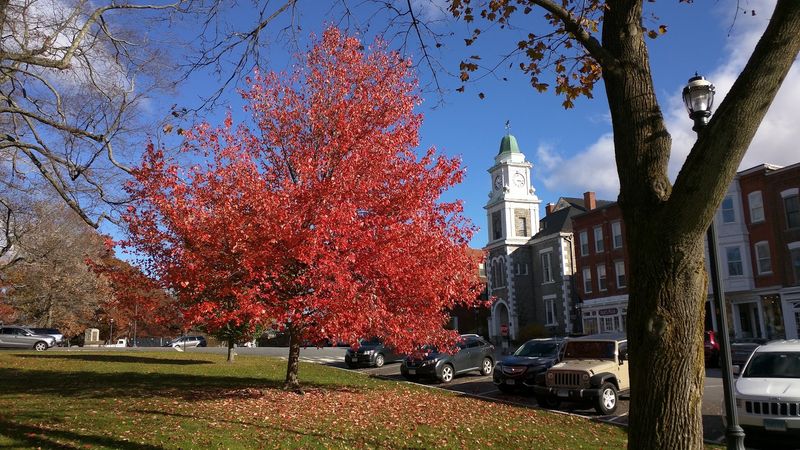
Entering Litchfield feels like someone hit pause on the entire century. The town green is wide, grassy, and surrounded by homes that have been standing since the 1700s.
Cobblestone sidewalks line the streets, and every building seems to have a story worth hearing.
History fans will love knowing this was once the county seat of Litchfield County. It also holds the distinction of hosting the first law school in the United States, the Litchfield Law School, founded back in 1784.
That is not a small detail.
The downtown area is completely walkable. Antique shops sit beside fine dining spots, and the whole place has this quiet elegance that never feels stuffy.
You can do a self-guided historic home walking tour without needing a guide or a map app.
Fall is especially gorgeous here. The hills surrounding the town turn every shade of orange and red imaginable.
The Litchfield Hills region stretches beyond town, offering pastoral views that belong on a calendar.
You will not find chain restaurants dominating every corner. Local spots fill the gaps, and the food reflects genuine care.
The pace is slow enough that you actually taste your meal instead of rushing through it.
Litchfield does not shout for attention. It simply exists beautifully, waiting for people curious enough to notice.
Once you visit, it becomes one of those places you keep recommending to everyone you know.
2. Guilford
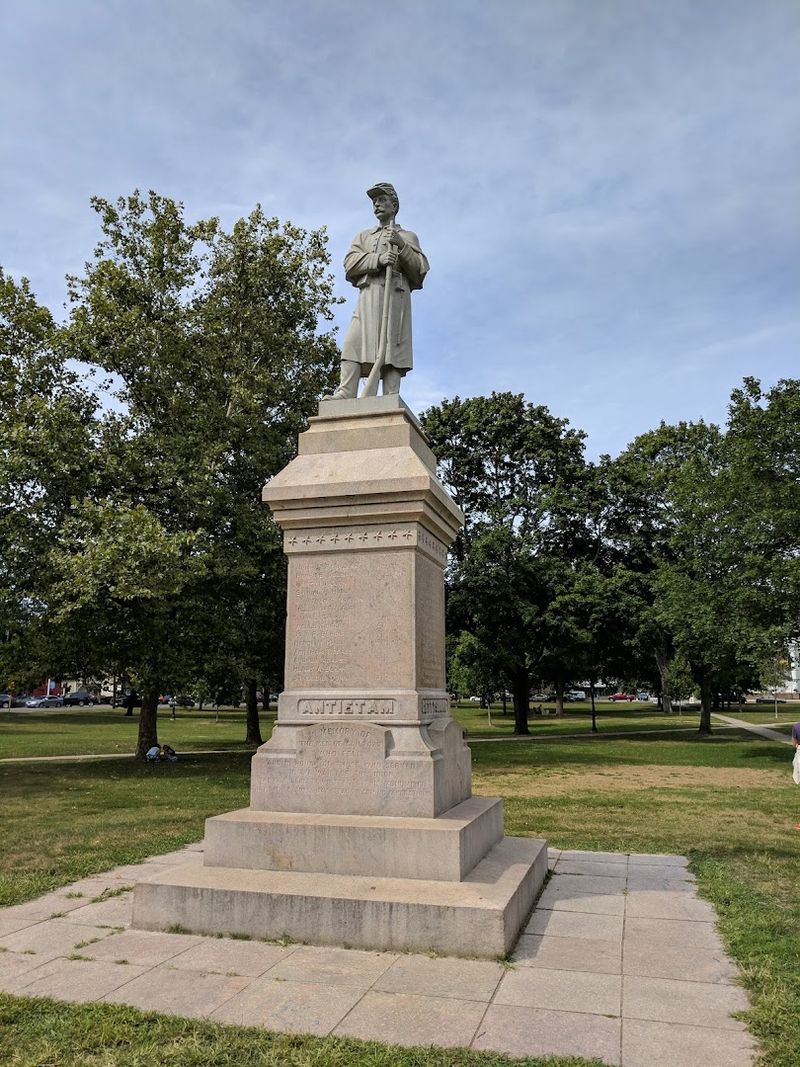
Guilford has one of the largest town greens in all of New England. That alone is worth the drive.
The green is framed by colonial architecture that has barely changed in centuries, giving the whole area an almost theatrical beauty.
The Henry Whitfield House, built in 1639, is the oldest stone house in New England. It is a National Historic Landmark, and standing next to it feels genuinely surreal.
You half expect someone in colonial clothing to walk out the front door.
Beyond the Whitfield House, Guilford holds an extraordinary collection of 17th- and 18th-century homes. The Hyland House from 1713 and the Thomas Griswold House from around 1774 are both open to visitors.
Each one offers a window into daily life from a completely different era.
Four historic districts here are listed on the National Register of Historic Places. That is not an accident.
This community has worked hard to protect what it has, and it shows in every preserved facade and original detail.
The town green is not just a museum piece, either. Local shops and cafes ring the perimeter, making it a genuinely lively place to spend an afternoon.
You can grab coffee and then walk to a 400-year-old house. That combination is hard to beat.
Guilford is a coastal treasure with serious historical credentials and a relaxed, welcoming energy. It earns every compliment it receives.
3. Stonington
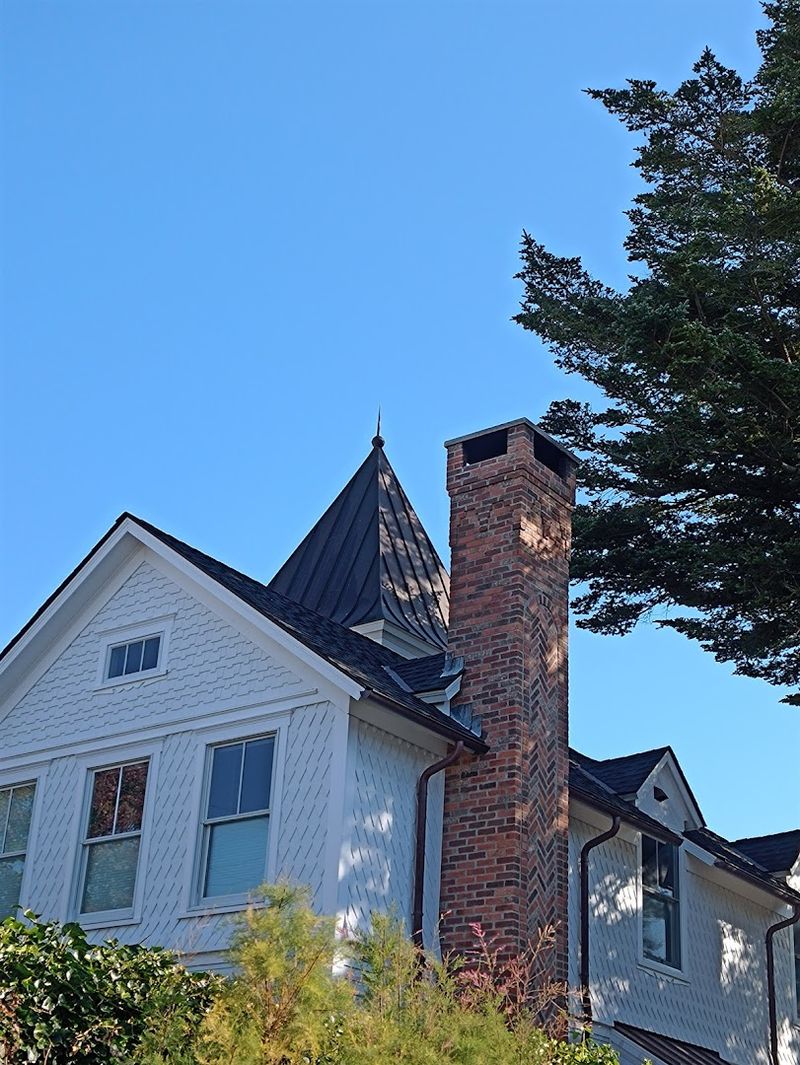
This spot is the kind of place that makes you want to cancel your return trip. Narrow lanes wind toward a working harbor lined with colonial homes that look centuries old because many of them are.
The whole peninsula feels like it belongs to a quieter world.
Compared to neighboring Mystic, Stonington is calmer and far less commercialized. That is actually its superpower.
You can walk Water Street and admire beautifully preserved 18th- and 19th-century homes without dodging tour groups every few steps.
The Stonington Lighthouse Museum is a must-visit. It sits right at the tip of the borough and offers panoramic harbor views that are genuinely breathtaking.
The exhibits inside share the area’s rich seafaring past in a way that feels personal, not textbook-dry.
Salt air follows you everywhere here. Fishing boats still work the harbor, which means this is not a staged version of a seaside town.
It is the real thing, still functioning exactly as it was meant to.
The streets are quiet enough that you can hear seagulls clearly. Locals walk their dogs along the water without much fanfare.
There is a sense of community here that tourists can feel but never quite fully enter, and that is part of the charm.
Stonington Borough keeps its identity fiercely and gracefully. Visiting feels like a privilege, not a transaction.
4. Woodbury
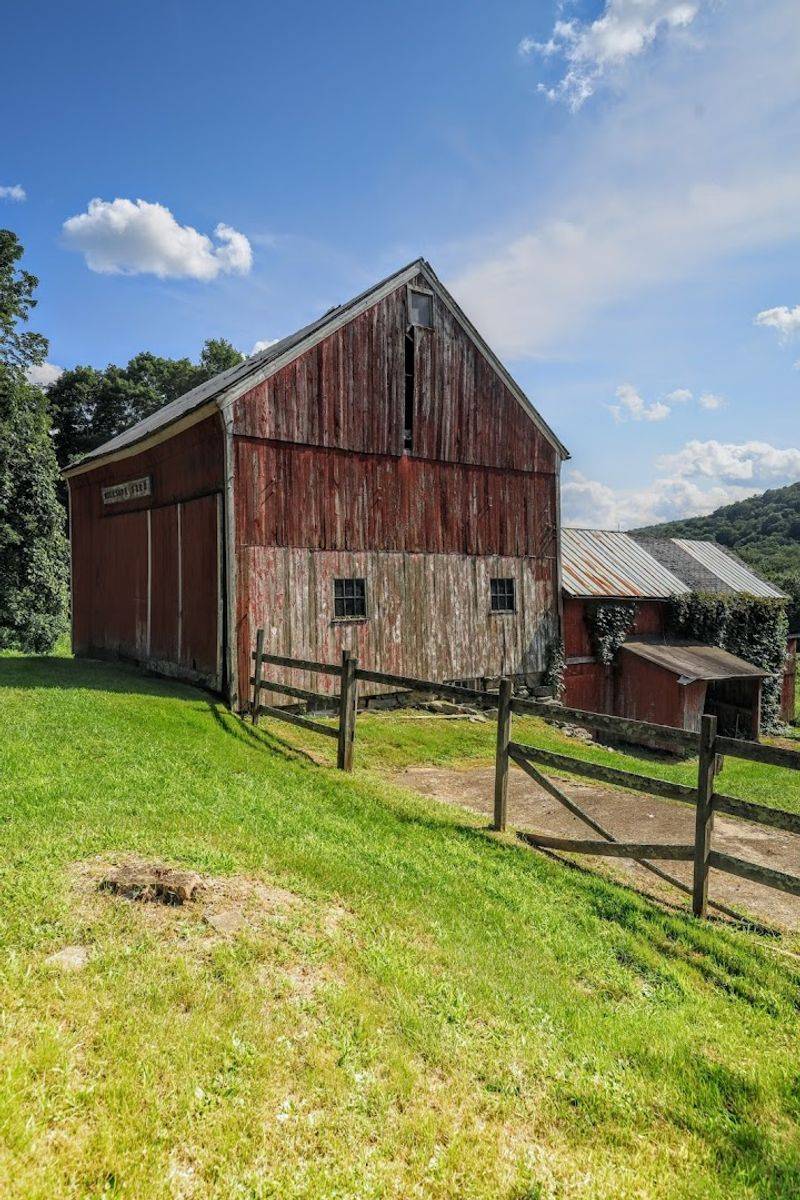
Woodbury is quietly famous among antique lovers across the Northeast. Main Street is lined with dealers selling everything from Federal-period furniture to vintage maps.
Serious collectors make pilgrimages here, but curious browsers have just as much fun wandering the shops.
The historic architecture along the main drag is worth appreciating even if shopping is not your thing. Many of the buildings date back to the 18th century, and the streetscape has a cohesion that feels rare and intentional.
Nothing looks out of place here.
Glebe House Museum is one of Woodbury’s hidden highlights. It is a 1740 farmhouse that also happens to contain the only garden in America designed by legendary landscape architect Gertrude Jekyll.
That combination of history and horticulture is unexpected and wonderful.
The surrounding countryside is rolling farmland and forest. Driving into Woodbury from any direction feels like entering a landscape painting.
Seasons announce themselves loudly here, especially autumn when the hills go full spectacular mode.
Local restaurants serve hearty New England comfort food. The pace inside matches the pace outside, meaning slow and deliberate.
Nobody is rushing you out the door or refilling your water glass every thirty seconds.
Woodbury rewards the kind of traveler who enjoys lingering. It is not trying to be a weekend destination packed with Instagram moments.
It is simply a well-preserved, genuinely interesting Connecticut town doing exactly what it has always done.
5. Essex
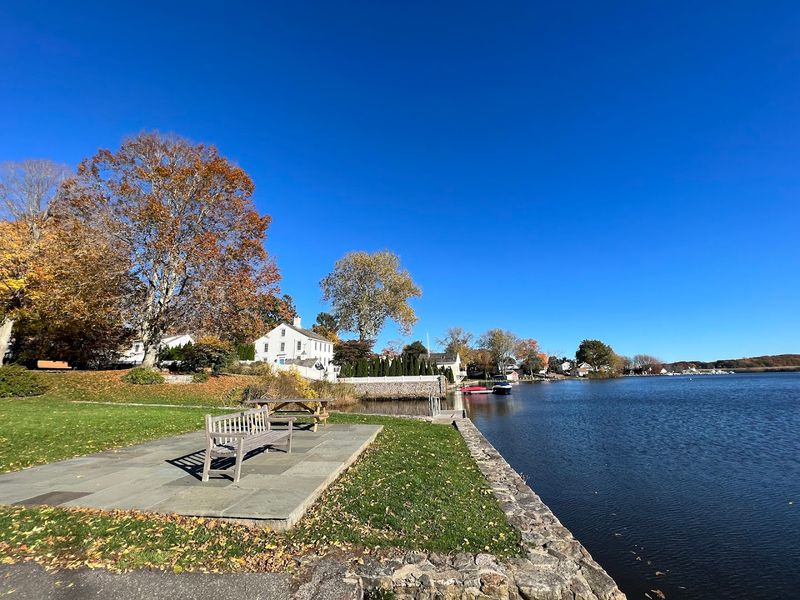
A place like this regularly shows up on lists of America’s most beautiful small towns, and one visit explains exactly why.
White picket fences, gas-lit street lamps, and flag-draped porches line the streets in a way that feels genuinely historic rather than staged for tourists.
Founded in 1741, this was once a thriving port town. Many buildings here are over 200 years old.
The Griswold Inn, one of the most beloved historic inns in New England, has been welcoming guests since 1776. That kind of longevity is extraordinary.
Sitting right on the Connecticut River, Essex offers some stunning water views. The Essex Steam Train ride paired with a river cruise is one of the most memorable experiences in the state.
At sunset, the whole river turns gold, and everything feels cinematic.
The downtown area is small but genuinely satisfying. Local boutiques, marina views, and historic buildings fill every block.
You could spend an entire afternoon just walking slowly and reading the historical markers on each building.
Seasonal events bring the community together in ways that feel organic. Essex is not performing New England charm for visitors.
It simply lives it, year after year, generation after generation. That authenticity is hard to manufacture and impossible to fake.
If you only visit one Connecticut River town, make it Essex. Bring comfortable shoes and absolutely no agenda.
The town works best when you let it set the pace.
6. Kent
Kent somehow manages to be both deeply historic and genuinely cool at the same time. The downtown has independent bookstores, art galleries, and cozy cafes that attract artists and writers who clearly know a good thing when they find it.
The energy is creative without being self-conscious.
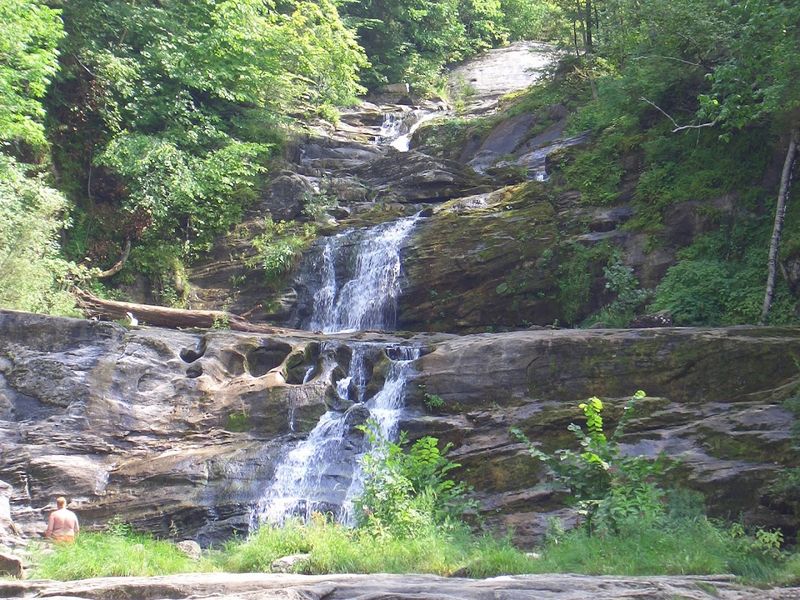
Kent Falls State Park is the big outdoor draw, and it absolutely delivers. The waterfall cascades down a series of natural stone steps, and the surrounding trails wind through forests that are spectacular in any season.
Fall foliage here is legendary among leaf peepers statewide.
The covered bridges in and around Kent are iconic. They are not just pretty photo opportunities, although they certainly are that.
They represent a style of construction that has largely disappeared from American landscapes, making each one feel like a genuine artifact.
The Kent Barns complex houses galleries and restaurants inside beautifully restored historic barns. The Kent Art Association has been running for over a century, which tells you everything about this community’s commitment to creativity and craft.
Art is not an afterthought here.
Northwest Connecticut has a rugged, unhurried quality that Kent embodies perfectly. The hills are serious hills.
The rivers are real rivers. Nature does not take a back seat to anything, and the town seems perfectly comfortable with that arrangement.
Kent is the kind of small town that makes you reconsider your priorities in the best possible way.
7. Old Lyme

Old Lyme has a legitimate claim to being the birthplace of American Impressionism. The Florence Griswold Museum tells the story of how Miss Florence opened her home to artists in the early 1900s.
Painters came from across the country and left behind works that now hang in major museums worldwide.
That artistic legacy soaks into everything here. The town feels curated in the way that only genuinely creative communities manage.
Historic homes line the main roads beneath enormous elm trees, and the whole place has a graceful, unhurried quality that encourages slow walking.
The Lieutenant River runs quietly through town, and the surrounding marshlands attract serious birdwatchers. Great blue herons are a common sight.
The natural landscape here is subtle but deeply beautiful once your eyes adjust to its quieter rhythms.
Old Lyme sits where the Connecticut River meets Long Island Sound. That geography shaped everything about the town’s history, from its early maritime economy to its later appeal for landscape painters seeking dramatic coastal light.
The light really is exceptional, especially in late afternoon.
Local galleries carry on the artistic tradition with rotating shows and community events. The town does not rest on its impressive history.
It keeps building on it, which is a rarer quality than it sounds.
Old Lyme is proof that small towns can have enormous cultural footprints. It is worth every mile of the drive to get there.
8. Norfolk
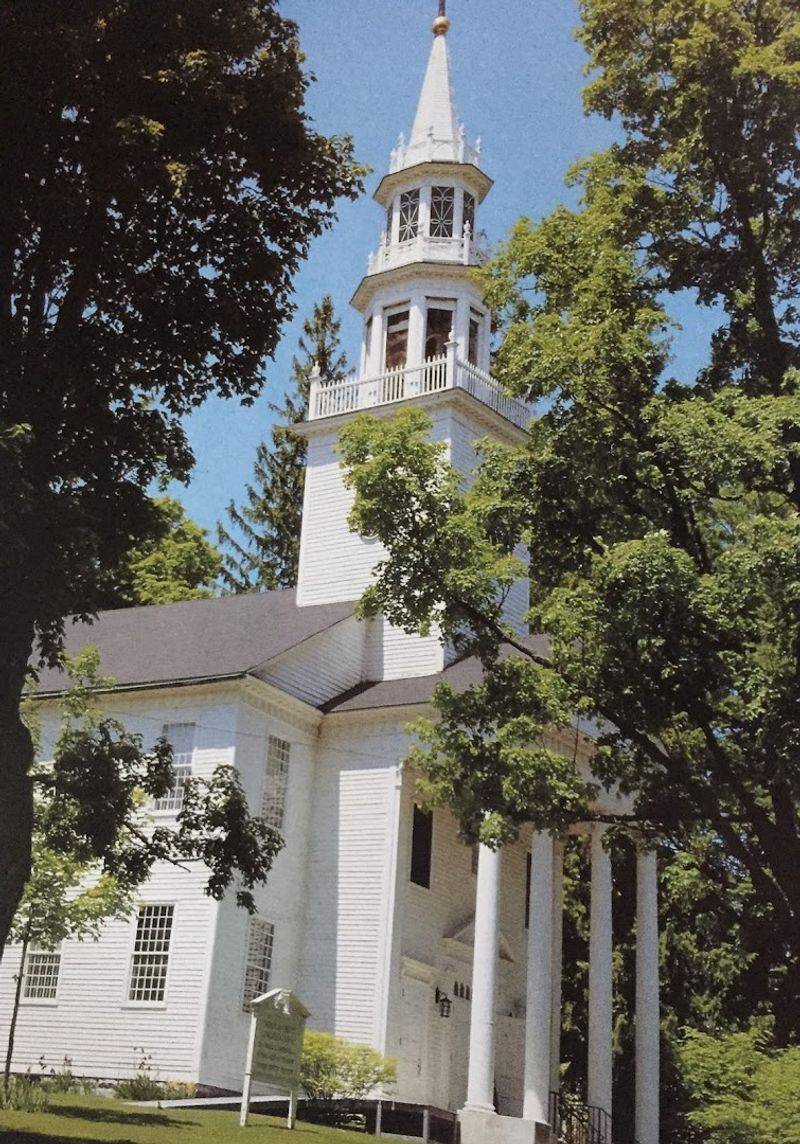
The village green is anchored by a white church steeple that appears in roughly half of all Connecticut postcards ever printed. It earns that honor every single time.
The Norfolk Chamber Music Festival has been drawing world-class performers to this small village since 1941. Concerts take place in a gorgeous Music Shed on the Yale Summer School of Music campus.
Hearing chamber music outdoors surrounded by forest is an experience that stays with you.
Victorian-era homes line the streets with a grandeur that reflects Norfolk’s history as a wealthy summer retreat. Gilded Age families built elaborate estates here to escape city heat.
Many of those estates still stand, some now converted into inns that welcome guests year-round.
The Dennis Hill State Park and Haystack Mountain State Park are both nearby. Both offer hiking trails that reward you with panoramic views of the Berkshire foothills.
On clear days, the views stretch across three states, which never gets old no matter how many times you see it.
Norfolk has a population of just a few thousand people. That intimacy means the community knows itself well.
Events feel personal rather than programmed, and local pride runs genuinely deep without tipping into self-importance.
For anyone who thinks Connecticut is just suburbs and shoreline, Norfolk is a very pleasant correction.
9. Washington

Washington, Connecticut, is widely credited as the real-life inspiration for Stars Hollow from Gilmore Girls. Whether or not you are a fan of the show, that connection tells you something important.
This town looks exactly like the idealized version of a New England village that television writers dream about.
The village green is pristine. A white Congregational church anchors one end, and historic homes surround the rest.
Everything is maintained with obvious care, and the overall effect is quietly jaw-dropping. Photographs do not fully capture the scale of its loveliness.
Washington sits in Litchfield County, which means the landscape around it is extraordinary. Rolling hills, river valleys, and high flatlands create a geography that changes dramatically with every season.
Winter here is spare and beautiful. Spring is almost aggressively green.
The Housatonic River runs nearby, offering fishing and quiet riverside walks. Views of the river from the surrounding hills are the kind that make people stop their cars mid-drive.
Scenic overlooks exist here that most visitors never find because the town does not advertise them loudly.
The Mayflower Inn and Spa draws visitors from across the country. Beyond the inn, the town supports a genuine civic life with local organizations, cultural events, and a community that actually knows its neighbors.
That social fabric is increasingly rare anywhere.
Washington is not pretending to be something it is not. It has always been exactly this beautiful.