
Discover The Oklahoma Grocery Store Where Cutting Costs On Food Is The Main Attraction
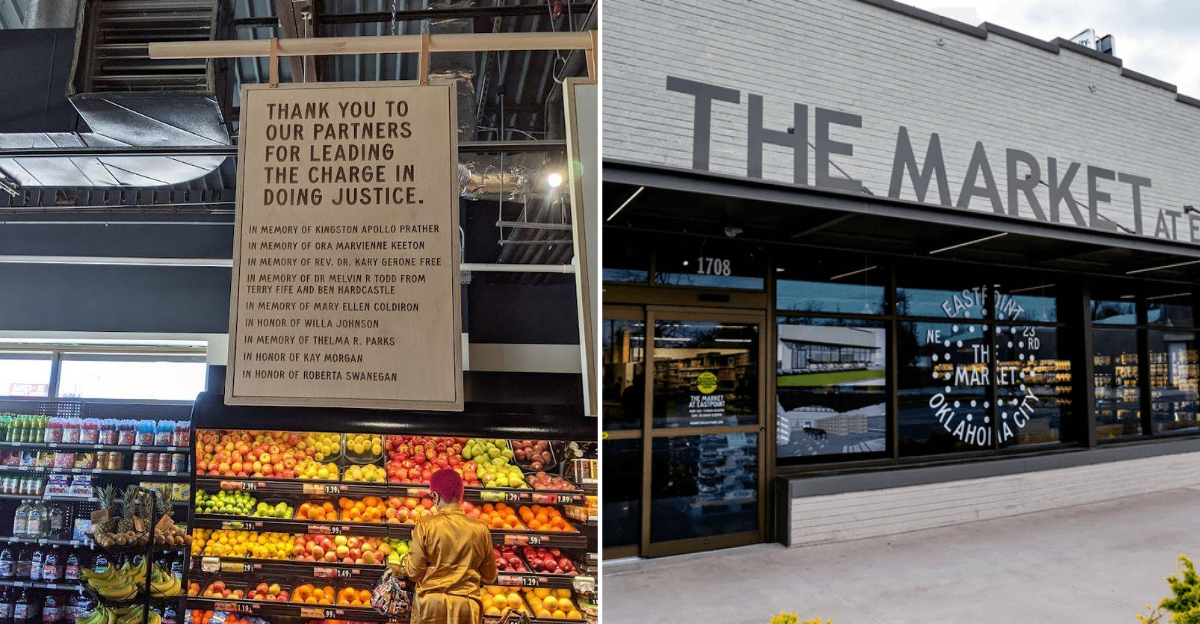
Grocery bills that shrink without the quality shrinking alongside them represent a problem most shoppers assume has no real solution. This Oklahoma store built its entire reputation on proving that assumption wrong.
Regulars arrive with a list and leave having spent considerably less than the same cart would cost anywhere else in the area. That gap between expectation and receipt is what converted casual shoppers into loyal ones.
The inventory here does not sacrifice variety for the sake of low prices. The selection holds up, the produce arrives fresh, and the savings show up consistently enough to stop feeling like a lucky visit and start feeling like a reliable arrangement.
A grocery store earning a reputation beyond its immediate neighborhood did so because the savings travel faster than any advertisement ever could.
Oklahoma shoppers who made the discovery often share it with genuine enthusiasm because it meaningfully improves their weekly routine.
Understanding Price Trends In Local Markets
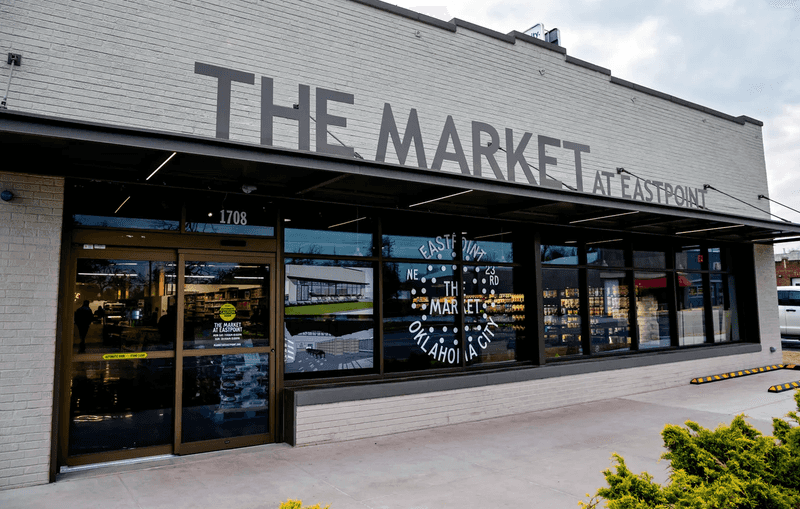
Grocery prices across the country keep climbing, and Oklahoma City is no exception. The Market at EastPoint was built specifically to fight that trend.
It operates as a non-profit, which changes everything about how prices are set.
Most grocery stores mark up prices to generate profit margins. The Market skips that part.
Because profit is not the goal, the prices on healthy and staple goods can stay lower than what you find at big chain stores nearby.
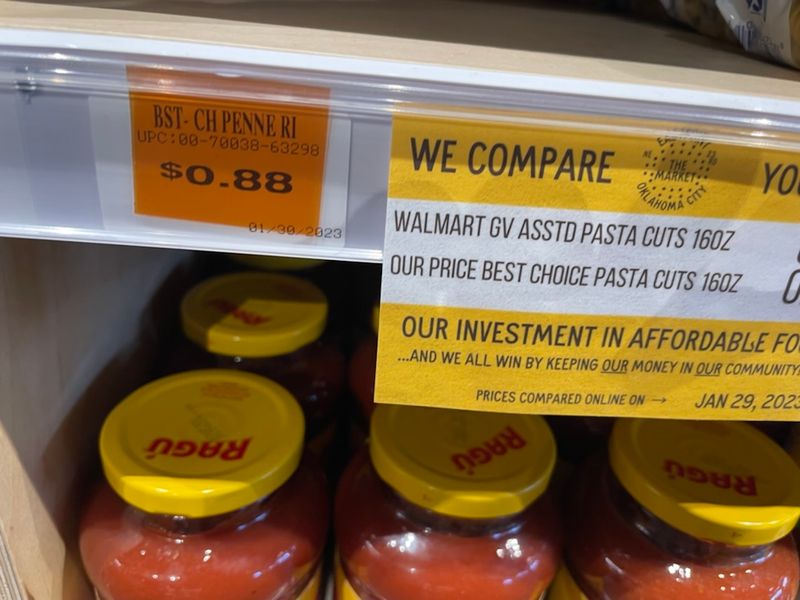
Products sourced through Homeland Stores are offered using the Cash Saver model. That means customers get access to the lowest cost option available on those items.
It is a straightforward approach that keeps prices honest.
The market also benefits from deep discounts through corporate suppliers who participate in food desert assistance programs. Northeast Oklahoma City was officially designated a food desert before this store opened.
That designation unlocked support that directly lowers what shoppers pay.
Community partners and donations add another layer of price relief. Life Church and United Healthcare both partner with the market to match or beat prices on popular food items.
The plan is to expand that price-matching program from 25 items to 100 items based on what customers actually buy most. You can find The Market at EastPoint at 1708 NE 23rd St, Oklahoma City, OK 73111.
Maximizing Savings With Seasonal Produce
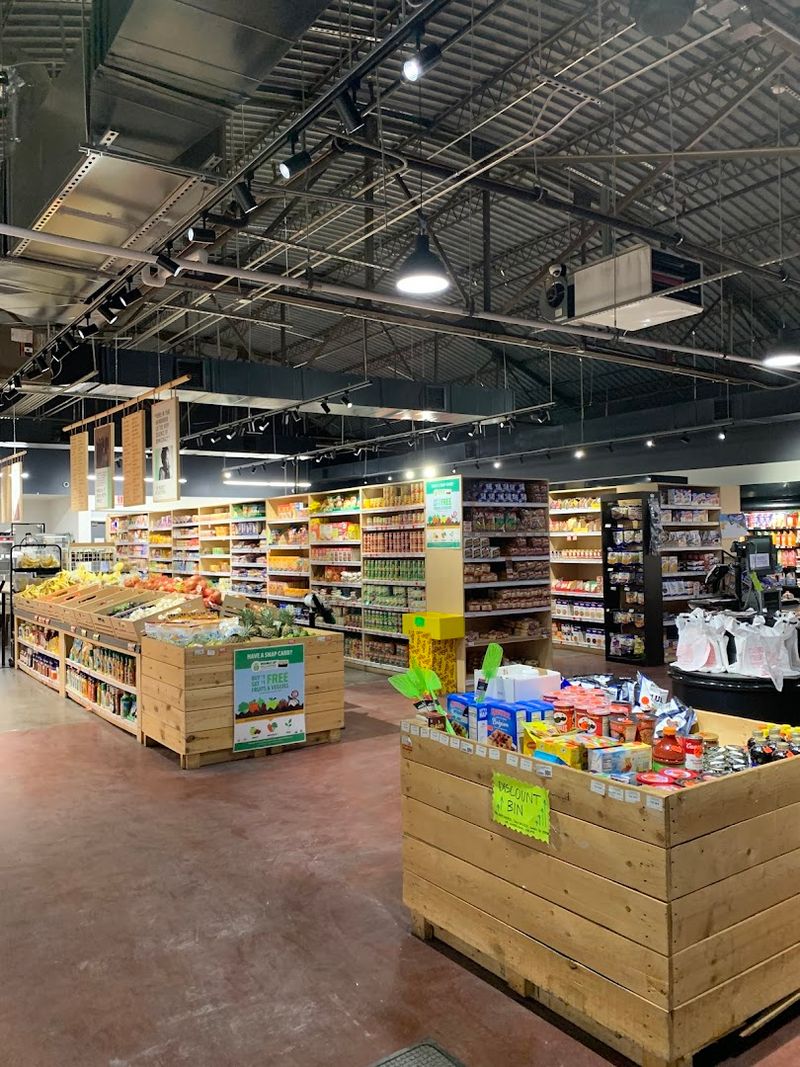
Seasonal produce is one of the smartest ways to cut your grocery bill. When fruits and vegetables are in season, they cost less and taste better.
The Market at EastPoint takes that idea seriously.
The store sells locally grown produce from Restore Farms. That is an urban farming project connected directly to the market.
The farm is less than a mile away on NE 27th, and it includes a greenhouse, chickens, and aquaponics.
Greens, salad mixes, and fresh herbs are among the items regularly available from the farm. Because the supply chain is so short, the produce arrives fresh.
You are not paying for cross-country shipping or extended storage time.
Here is the part that gets really interesting for SNAP users. The SNAP Double Up Oklahoma program, also called DUO, matches every SNAP dollar spent on fruits and vegetables.
Shoppers can earn up to twenty dollars in matching DUO dollars per day.
That means if you spend twenty dollars in SNAP benefits on produce, you effectively get forty dollars worth of fruits and vegetables. That is not a small deal.
That doubles your purchasing power on the healthiest items in the store. Seasonal shopping at a place like this turns a tight budget into a genuinely solid haul of fresh food every single week.
Comparing Store Brand Versus Name Brand Products
Name-brand loyalty is expensive. Most shoppers know this but still reach for the familiar label out of habit.
At The Market at EastPoint, the store brand conversation gets a useful twist.
Products sourced from Homeland Stores come through the Cash Saver pricing model. That model is designed to offer the lowest-cost option on the shelf.
So the comparison is already tilted toward savings before you even start reading labels.
Store brand items typically cost anywhere from twenty to forty percent less than name brand equivalents. The ingredients are often nearly identical.
The difference is mostly in the packaging and the marketing budget behind the name.
At a non-profit market, there is no incentive to push you toward the pricier option. The staff is not on commission.
The store does not benefit from upselling you on a premium label. That makes the shopping environment genuinely different from a typical supermarket.
Partnerships with Life Church and United Healthcare also allow the market to price-match or beat competitor prices on popular items. That program currently covers around twenty-five items with plans to grow to one hundred.
So even if a name-brand item is something you really want, there is a good chance the market has found a way to make it more affordable. Choosing wisely between brands here can add up to real savings over time.
Strategies For Planning Budget Friendly Meals

Meal planning sounds like a lot of work until you realize it is actually just thinking ahead for thirty minutes once a week. The payoff is huge.
You waste less, spend less, and eat better.
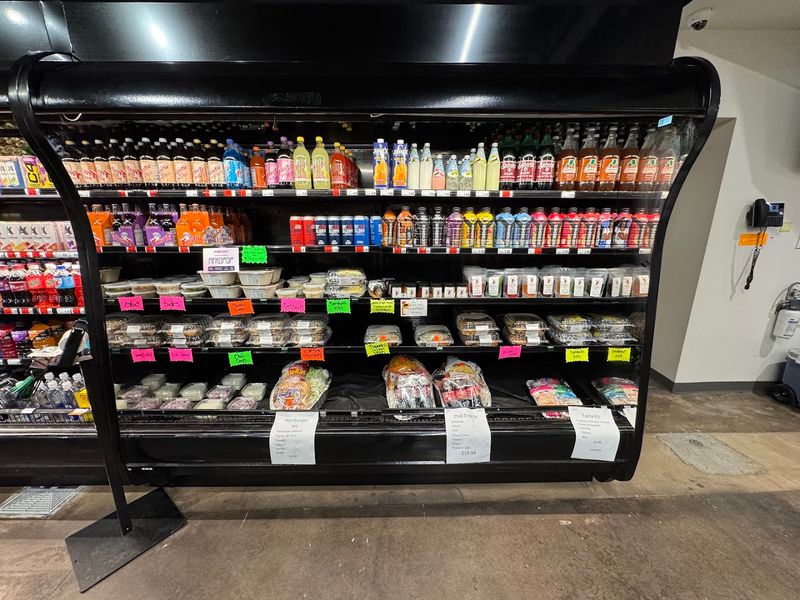
The Market at EastPoint makes this easier by offering EBT-eligible grab-and-go meals from the in-store Eastside Eatery. The kitchen team prepares fresh meals daily.
That means even on a packed schedule, a hot and affordable meal is available.
The hot bar at Eastside Eatery runs Monday through Friday. A youth culinary team prepares the food fresh in-house.
The menu leans toward soulful, home-cooked recipes that feel satisfying without wrecking your wallet.
For home cooks, the market also carries prepackaged fresh meal kits. These kits let you pick up everything you need for a meal in one stop.
No hunting through three different stores for ingredients.
Building a weekly meal plan around seasonal produce from Restore Farms is another solid move. When you know what is in stock and what is affordable that week, planning becomes simpler.
Start with produce, build your meals around it, and fill in pantry staples from the Cash Saver section. That sequence alone can reduce your grocery bill noticeably.
Budget-friendly meals are not about eating less. They are about shopping smarter, and this market is set up to help you do exactly that.
Benefits Of Bulk Buying Fresh Ingredients
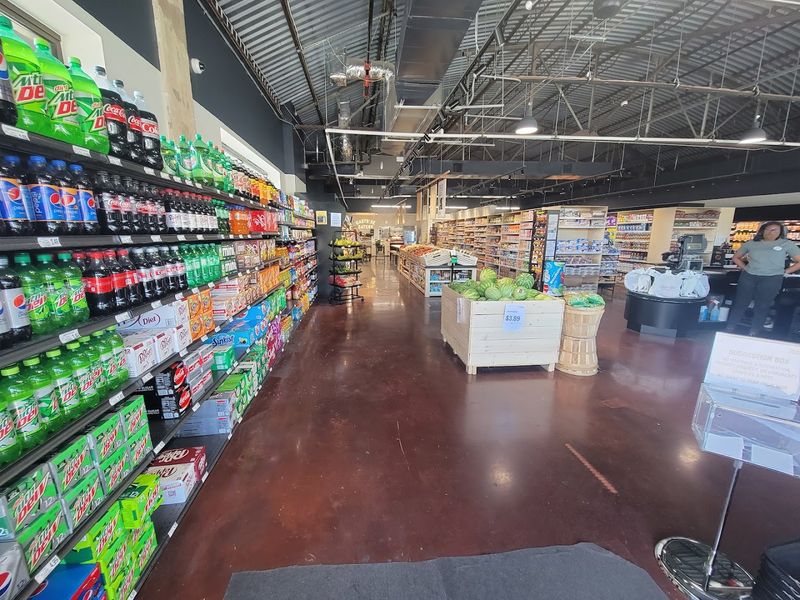
Buying in bulk gets a bad reputation because people picture giant warehouse stores and membership fees. But bulk buying principles apply at any scale, and The Market at EastPoint gives shoppers a real opportunity to use them.
Locally grown produce from Restore Farms comes in at prices comparable to conventional large-scale produce. Since the farm operates organically and sells at the same price point, buying more of what is in season makes financial sense.
You get better quality for the same cost.
The SNAP DUO program amplifies bulk buying even further. If you are using SNAP benefits and you stock up on fruits and vegetables, the matching dollars kick in up to twenty dollars per day.
Buying a larger quantity of produce in one visit maximizes that daily matching benefit.
Grab-and-go meals from Eastside Eatery can also serve as a form of bulk preparation. Picking up several meals at once saves time and keeps food costs predictable throughout the week.
EBT eligibility for those meals makes them accessible regardless of budget level.
Deep discounts from corporate suppliers who participate in food desert assistance programs also mean that certain staple items are available at substantially reduced prices. When those deals appear, buying a few extra units is a smart call.
Bulk buying does not require a warehouse membership. It just requires knowing when prices are right and having the budget flexibility to act on it.
How Loyalty Programs Increase Grocery Value
Loyalty programs are one of those grocery store features that shoppers often ignore until they realize how much value they have been leaving on the table. The Market at EastPoint has a points-based system that rewards regular shoppers.
Customers earn points on store purchases that can be applied toward future purchases. It is a straightforward setup.
The more you shop, the more points accumulate, and those points translate directly into savings on your next visit.
The SNAP DUO program functions similarly to a loyalty incentive, even though it is technically a matching benefit. Every dollar of SNAP spent on produce earns a matching dollar, up to twenty per day.
For regular shoppers, this becomes a consistent and reliable source of added grocery value.
Price-matching partnerships with Life Church and United Healthcare add another dimension.
When the market commits to matching or beating competitor prices on popular items, that is essentially a built-in savings guarantee on the things you buy most often. No coupon clipping required.
The Too Good To Go program also rewards shoppers who pay attention. Surprise Bags of prepared food are offered at a steep discount to reduce waste.
Shoppers who grab these bags get real food value for a fraction of the usual cost.
Stacking these programs, points, DUO matching, price guarantees, and surprise bags creates a layered savings approach that delivers significant value over time.
Tips For Avoiding Food Waste At Home
Food waste is basically throwing money in the trash. The average American household wastes nearly a third of the food it buys.
That is a significant chunk of the grocery budget gone for nothing.
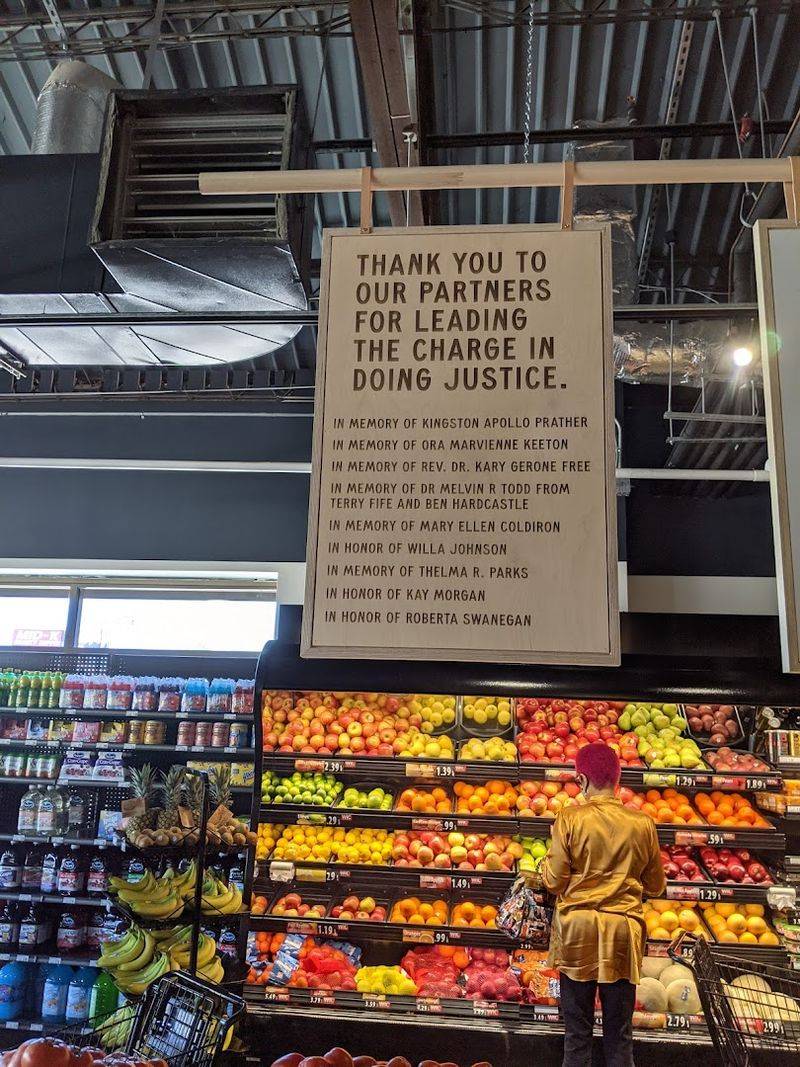
The Market at EastPoint actively addresses food waste through the Too Good To Go app partnership. The program offers Surprise Bags filled with prepared food that would otherwise go unsold.
These bags are available at a very low price and give shoppers access to real food at a deep discount.
At home, the fix starts with buying only what you will actually use that week. Meal planning around seasonal produce helps because you are working with what is freshest and most plentiful.
Fresher food lasts longer, which means less spoilage in your fridge.
Proper storage makes a big difference too. Leafy greens from Restore Farms stay crisp longer when stored with a paper towel in a sealed container.
Herbs last much longer in a glass of water in the fridge. Small habits like these stretch your fresh produce further.
The grab-and-go meals from Eastside Eatery are another practical tool. When you know a busy day is coming, picking up a ready meal means you are not scrambling and ordering expensive takeout.
Reducing waste is not just good for your budget. It is a habit that makes every grocery trip feel more intentional and worthwhile.
Exploring Affordable Snack And Beverage Options
Snacks and drinks are where grocery budgets quietly leak out. You grab a few things here and there, and suddenly you have spent thirty dollars on items that were never part of the plan.
The Market at EastPoint keeps this category interesting without the budget bleed.
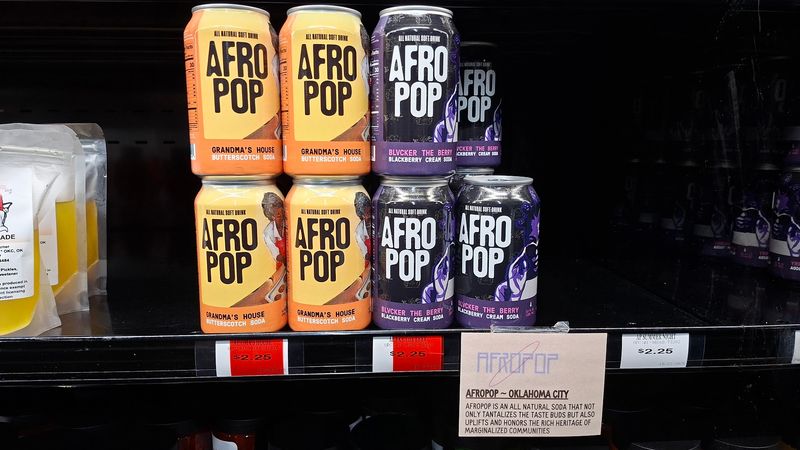
The store carries locally made products from small businesses and entrepreneurs in the Oklahoma City area. AfroPop soda is one example.
It is a locally produced drink that you are not going to find at a standard chain supermarket. Finding something new and local at a fair price genuinely changes the snack aisle experience.
Kool-Aid pickles and locally blended spice mixes are also part of what makes the market distinct. These are not generic impulse buys.
They are products tied to real people and real recipes from the community. That context makes them worth trying.
The Cash Saver pricing model through Homeland applies to packaged snack and beverage items as well. That keeps the everyday staples affordable.
And the price-matching program means popular items stay competitive with what you would pay elsewhere.
For shoppers using SNAP or EBT, the grab-and-go meals from Eastside Eatery cover the snack and light meal category efficiently. A ready-made, EBT-eligible meal beats a bag of chips for nutrition and value.
Exploring this section of the market is genuinely fun, and it rarely ends with regret at checkout.