
The South Dakota Restaurant That Serves Bison Pheasant And Walleye From Nearby Farms And Waters
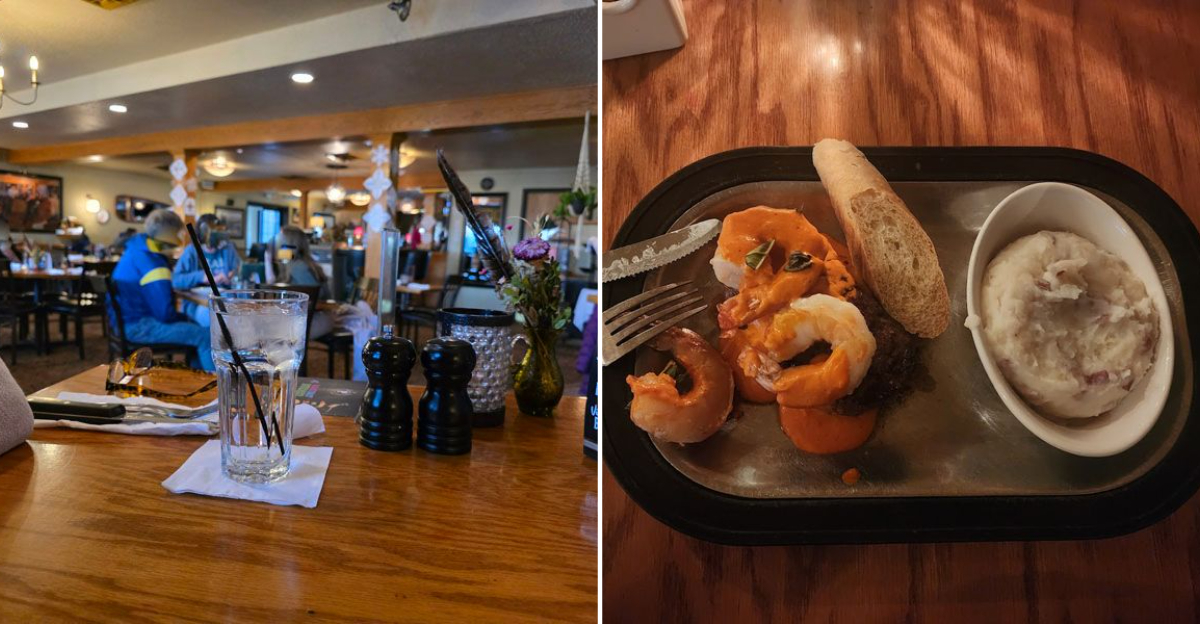
A menu built entirely around what lives and grows within driving distance makes an argument that most restaurants talk about and very few deliver. This South Dakota restaurant delivers it without the conversation.
Bison, pheasant, and walleye arrive at the table carrying a provenance that shows up in the flavor before anyone explains the sourcing. The difference lands immediately.
Diners who understand what local actually means recognize it here without assistance. The gap between genuine farm to table and the version used as a marketing phrase is not subtle once this plate arrives.
A restaurant this committed to its immediate geography produces something that travel cannot replicate. The kitchen figured that out early and has been cooking accordingly ever since.
Farm Sourced Bison Meat And Its Culinary Uses
Bison has been part of the South Dakota landscape for centuries, and at Pheasant Restaurant and Lounge, it shows up on the plate with real intention.
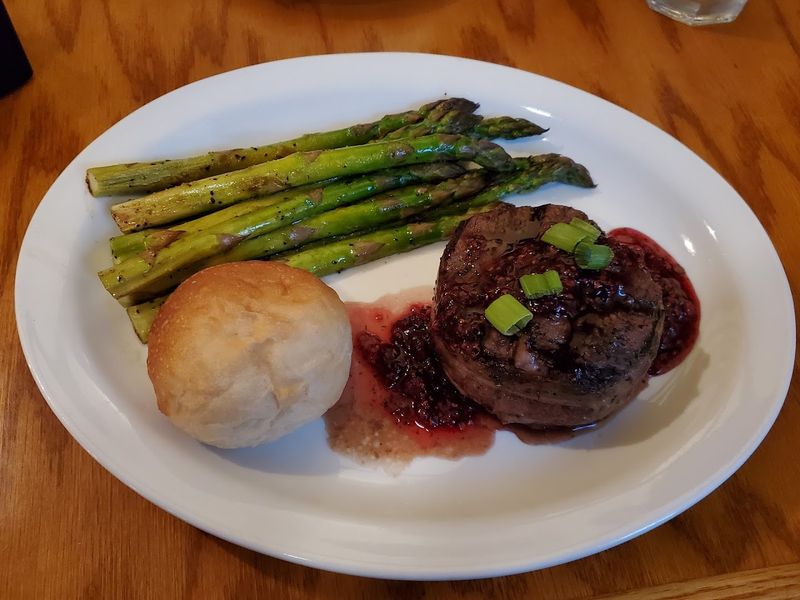
The kitchen works with grass-fed South Dakota bison tenderloin, and that makes a big difference in flavor. You can taste the difference between bison raised on open pasture and anything else.
The bison filet here comes with a wojapi sauce made from local honey, raspberries, and sun-dried herbs. Wojapi is a traditional Native American berry sauce, and pairing it with bison is a nod to the food cultures that shaped this region.
It is not a gimmick. It actually works.
Bison is leaner than beef, which means it cooks faster and dries out if you rush it. The kitchen at Pheasant knows how to handle it.
They also serve bison burgers for a more casual take on the same quality meat.
Whether you order the filet or the burger, you are getting South Dakota on a plate. The restaurant is located at 726 Main Ave S, Brookings, SD 57006.
Every bite connects you to the land just outside town.
Unique Recipes From South Dakota Kitchens
Pheasant Restaurant and Lounge has been running since 1949, starting as a small gas station cafe. That history shows up in the recipes.
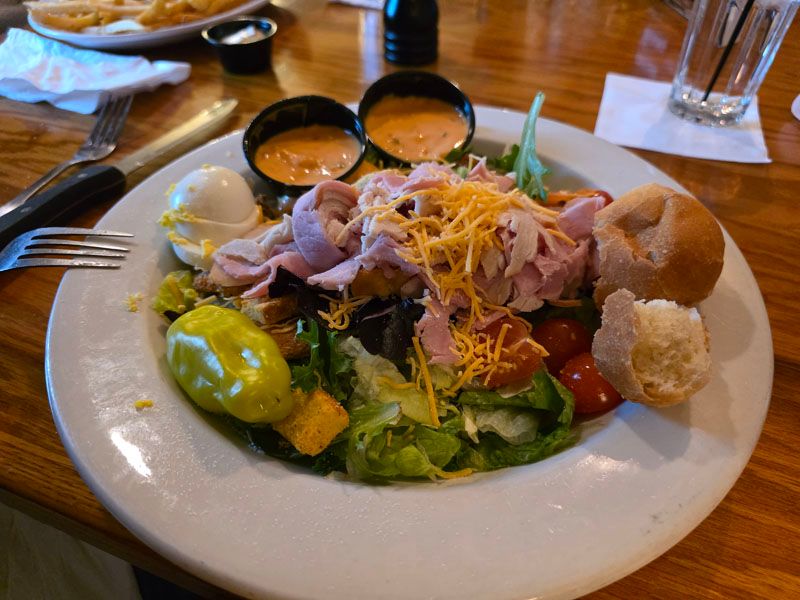
The pheasant salad lettuce wrap is one of the most talked-about items on the menu, and it has a real backstory.
The pheasant salad was created for a culinary competition. It is an elevated version of a sandwich that was served during World War II.
That kind of history in a recipe gives it weight, and you feel it when you eat it.
The menu also pulls from the cultural mix of Brookings itself. Scandinavian, German, and Native American food traditions all show up in different dishes.
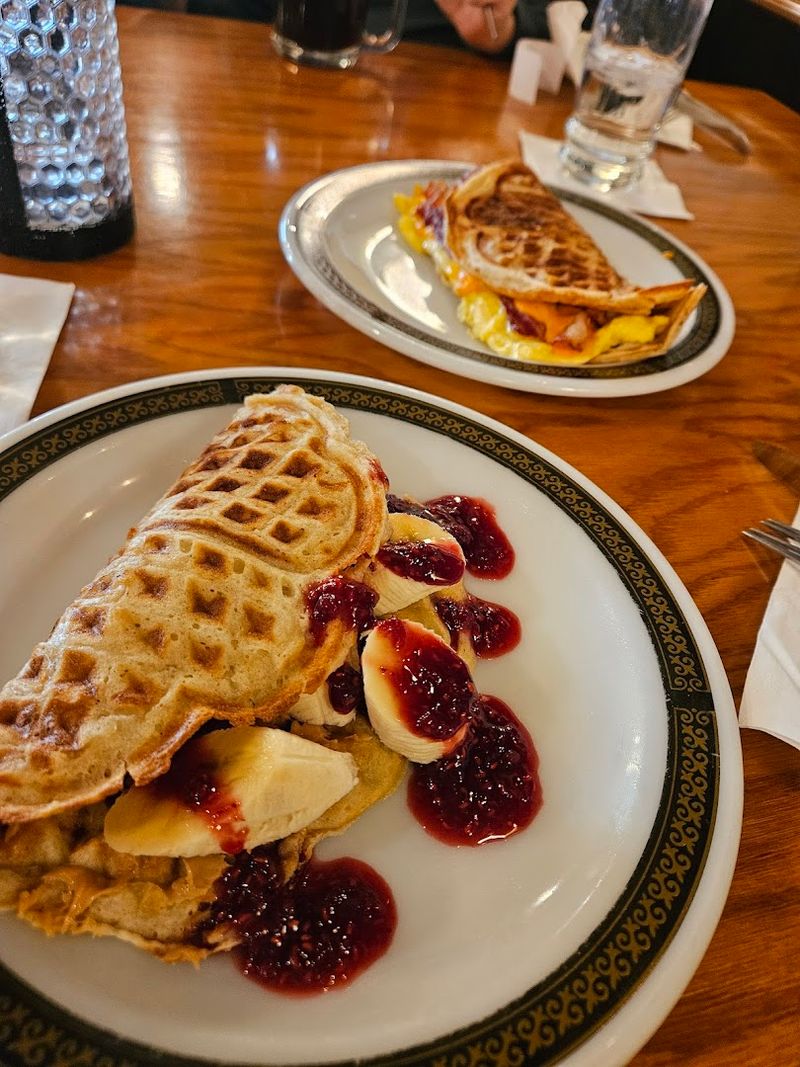
The Nordic Waffle Brunch on weekends is one clear example of that Scandinavian influence coming through in a fun, approachable way.
Local bread from Cottleston Bakery and cheese from Farm Life Creamery in Ethan, SD appear throughout the menu. Coffee comes from Cherrybean Coffee Co., roasted locally.
These are not random additions. They are choices that reflect a kitchen that actually cares about where things come from and what story the food tells.
Fishing Practices That Bring Fresh Walleye To Table
Walleye is the official state fish of South Dakota, so it belongs on any menu that takes local food seriously. Pheasant Restaurant and Lounge serves Wild Canadian Walleye, caught in cold northern waters where the fish stay firm and flavorful.
Cold water walleye has a clean, mild taste that holds up well to simple preparation.
The kitchen keeps it straightforward. The fish is lightly breaded and pan-seared with fresh lemon.
That approach respects the natural flavor instead of covering it up. You get the fish, not a heavy coating.
Wild-caught walleye from cold Canadian waters is not the same as farmed fish. The texture is firmer, and the flavor is more distinct.
Walleye has been a staple of Midwest and Great Plains cooking for a long time, and it fits naturally on a menu built around regional identity.
Pan-searing is a technique that creates a crispy outside while keeping the inside moist. It is a method that works well with lean fish like walleye.
At Pheasant, the result is a dish that feels both familiar and carefully made. It is the kind of plate that reminds you why fresh, wild-caught fish is worth seeking out.
Benefits Of Utilizing Local Farms For Ingredients
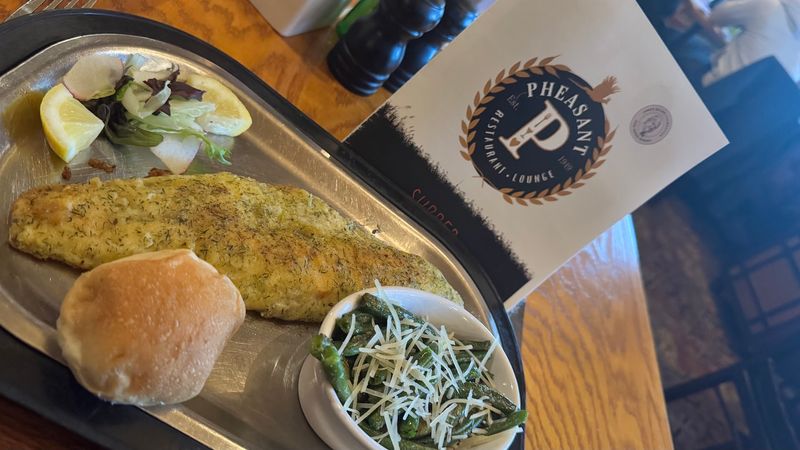
Pheasant Restaurant and Lounge takes local sourcing seriously, and it goes beyond just buying nearby. Farmers and bakers come directly into the kitchen and hand over their goods in person.
That kind of relationship between a restaurant and its suppliers is rare and worth noticing.
Local honey, fresh raspberries, and sun-dried herbs from nearby sources go into the wojapi sauce. Bread comes from Cottleston Bakery.
Cheese arrives from Farm Life Creamery in Ethan, SD. These are real places with real people behind them, not distant distributors.
Using local ingredients means the food is fresher. Shorter travel time from farm to kitchen keeps produce and dairy at peak quality.
It also means the restaurant is supporting the local economy in Brookings and the surrounding South Dakota communities.
There is also something to be said for knowing where your food comes from. When a restaurant can name the farm, the baker, and the rancher, that transparency builds real trust with the people eating there.
Pheasant has built a menu around what South Dakota actually produces, and that approach has kept it running strong for over seven decades. Local sourcing is not a trend here.
It is simply how they have always operated.
Preparing Game Meat For A Memorable Dining Experience
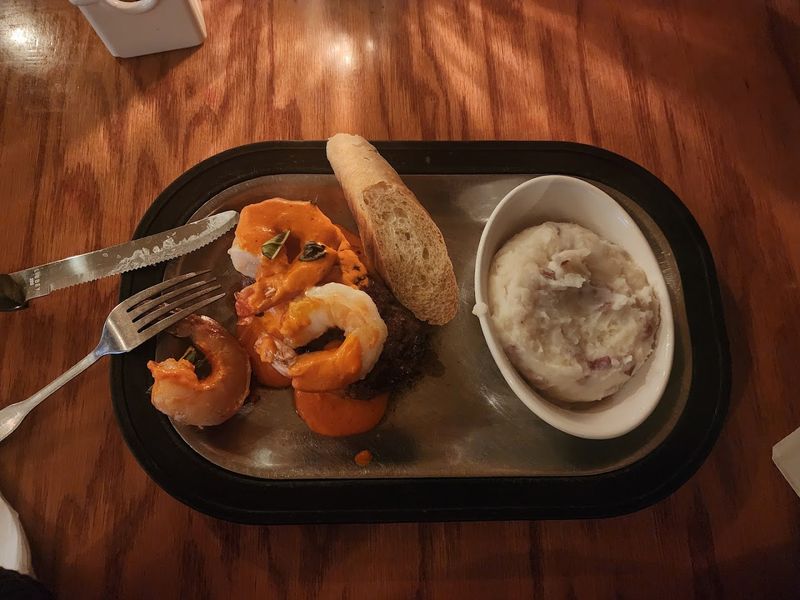
Game meat like pheasant and bison behaves differently in the kitchen than standard beef or chicken. Pheasant is lean, which means it can dry out fast if handled carelessly.
Bison is similar. Both require attention to temperature and timing to get right.
At Pheasant Restaurant and Lounge, the kitchen treats these proteins with real care. The pheasant salad preparation involves breaking down the bird and building a dish that balances texture and flavor.
It is not just about cooking the meat. It is about making it enjoyable for everyone at the table.
Game meat also carries a stronger, more distinct flavor than most people are used to. That flavor is actually a feature, not a problem.
The key is pairing it with ingredients that complement rather than compete. Local herbs, berries, and sauces do exactly that here.
The bison filet with goat cheese compound butter is a good example of this balance in action. The richness of the butter softens the lean, bold flavor of the bison.
Getting game meat right takes practice and knowledge. The Pheasant kitchen has had since 1949 to figure it out, and the results show clearly on the plate every single night they are open.
Sustainable Practices In South Dakota Food Industry
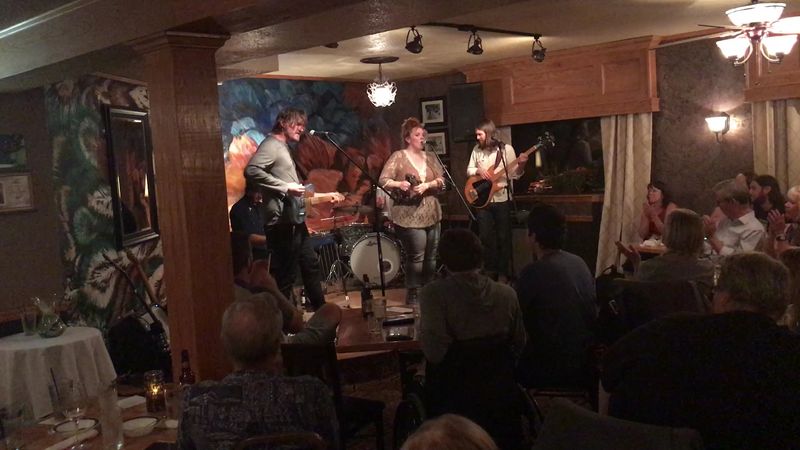
Sustainability in food is not just about recycling or reducing waste. It is about building systems where local farms stay in business and communities keep their food identity.
Pheasant Restaurant and Lounge is a real example of what that looks like in practice.
The restaurant has maintained direct relationships with local producers for decades. When farmers bring their goods directly to the kitchen, that cuts out the long supply chains that drive up costs and reduce freshness.
It also means the restaurant knows exactly what is in the food and where it came from.
South Dakota has a strong agricultural base. Bison ranching, small-scale farming, and artisan food producers all operate in and around Brookings.
A restaurant that actively supports these producers helps keep that ecosystem alive. The Pheasant has been doing this since before sustainability became a marketing buzzword.
The James Beard Foundation recognized Pheasant Restaurant and Lounge as an America’s Classic in 2024. That recognition is partly about the food, but it is also about what the restaurant represents.
A place that has operated for over 75 years, stayed locally owned, and kept its roots in regional ingredients is a model worth paying attention to. South Dakota food culture is alive here, and it is worth supporting.
Pairing Techniques For Game And Freshwater Fish
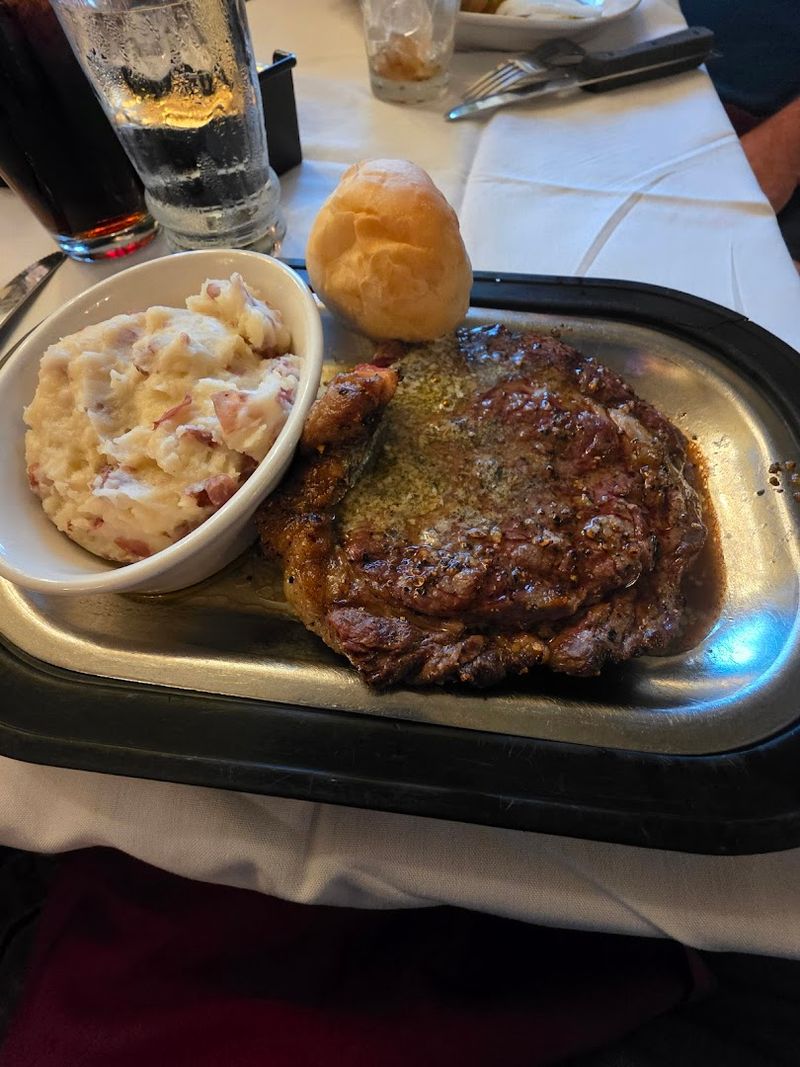
Pairing food is about balance. Game meats like bison and pheasant have bold, earthy flavors.
Freshwater fish like walleye are mild and delicate. Getting them to work together on a menu, or even on the same table, takes some thought about what complements what.
At Pheasant Restaurant and Lounge, the wojapi berry sauce on the bison filet is a pairing choice that works on multiple levels. The tartness of the raspberries cuts through the richness of the meat.
The honey adds a natural sweetness that rounds everything out without being heavy.
For the walleye, the lemon and light breading approach is intentional. Walleye does not need much help.
A squeeze of citrus brightens the natural flavor without overwhelming it. That restraint is actually a skill in the kitchen.
The olive oil and balsamic tasting bar at the back of the restaurant adds another layer to the pairing experience. With over 40 varieties available, guests can explore how different oils and vinegars interact with different foods.
It is an unusual feature for a restaurant in a small South Dakota city, and it shows how seriously the Pheasant team thinks about flavor. Pairing is not just for fancy occasions.
It is how good food gets even better.
Seasonal Availability Of Ingredients In South Dakota
South Dakota has four very distinct seasons, and that affects what is available at any given time of year. Pheasant Restaurant and Lounge builds its menu around what the region actually produces, which means the menu shifts with the seasons.
That is a feature, not a limitation.
Pheasant hunting season in South Dakota runs in the fall, making that the prime time for fresh, locally sourced birds on the menu. Walleye is available year-round, but cold-water seasons tend to produce the firmest, best-tasting fish.
Bison, raised on South Dakota ranches, is available consistently throughout the year.
Local raspberries and honey, which appear in the wojapi sauce, follow a summer and early fall harvest cycle. Sun-dried herbs extend the shelf life of summer flavors into colder months.
These small adjustments keep the menu grounded in what is actually growing and available nearby.
Eating seasonally also means the food tastes better. Ingredients at peak freshness always outperform produce that has been stored or shipped long distances.
The Pheasant has been leaning into South Dakota’s seasonal rhythms for over 75 years. The Nordic Waffle Brunch on Saturdays and Sundays is one example of how they build experiences around what each season and week can offer.
Seasonal cooking is honest cooking, and this place does it well.