
A Nevada Town Known As The Best Place To Stargaze Built An Entire Park For Looking Up
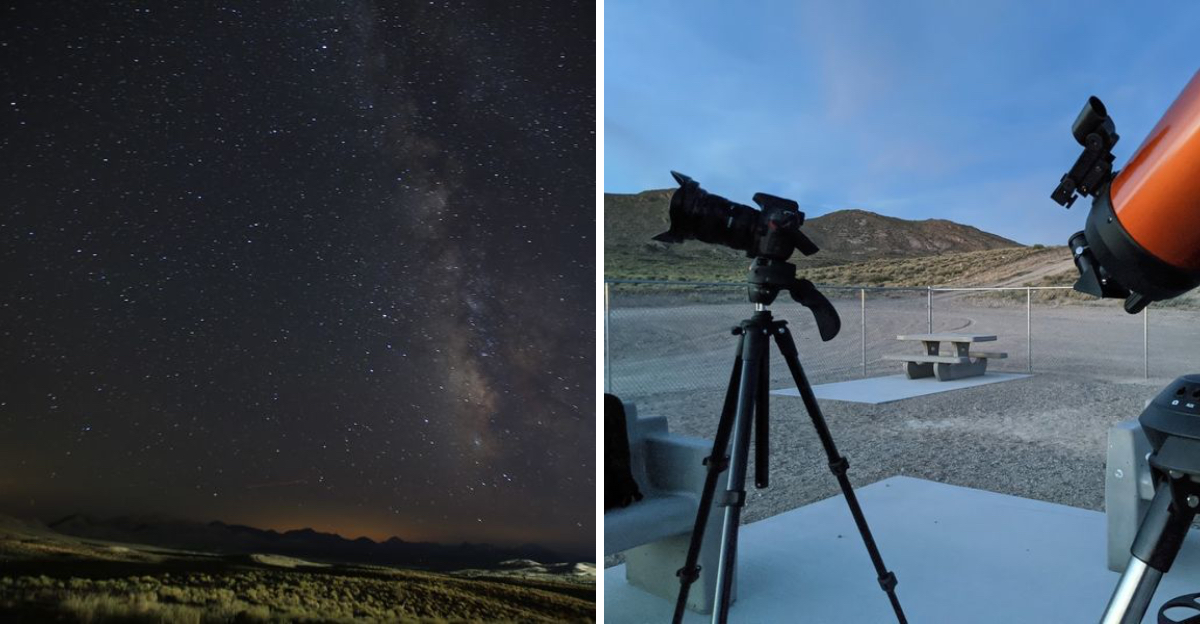
A sky this dark makes the whole desert feel like it’s holding its breath. Out here, the stars don’t just twinkle, they pile up until you lose count.
Nevada built an entire park just for looking up, and that alone tells you something. Locals take their night sky seriously.
Wonder what thousands of visible stars actually looks like? Most people never get the chance to find out.
Concrete pads wait for telescopes, benches wait for visitors, and the horizon stretches wide open in every direction. Old mining tales and desert legends linger just beneath the surface here too.
Pack a warm jacket, because Nevada nights turn cold fast once the sun drops. Plan your trip around a moonless night, and the sky will do something you won’t forget.
The user prompt is empty, so I cannot provide a summary
Why Tonopah Sits At The Center Of Dark Sky Fame
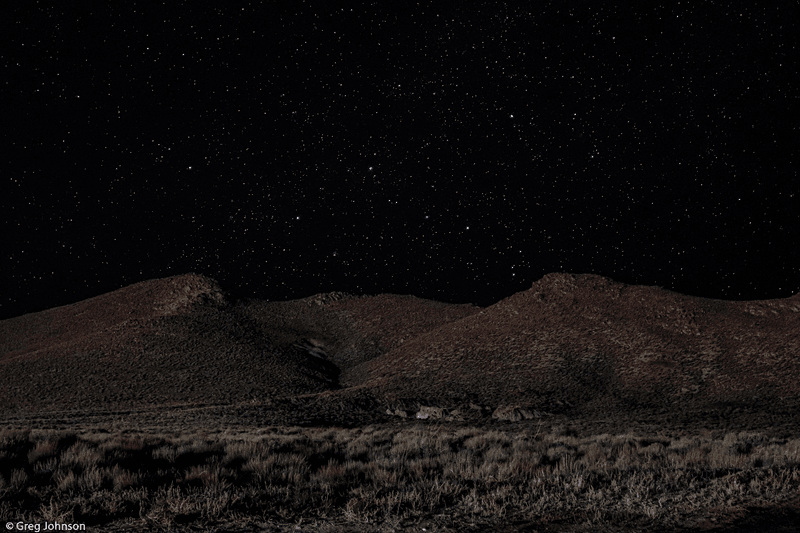
Tonopah does not accidentally end up on best-stargazing lists. This remote Nevada town earns its spot through pure geography and fortunate isolation.
Sitting at roughly 6,000 feet above sea level, the town rises above much of the atmospheric haze that blurs stars for observers at lower elevations. The high desert air stays dry most of the year.
Dry air means fewer water molecules scattering light, which translates directly into sharper, more defined stars.
Distance from major cities matters enormously for dark sky quality. Tonopah sits far from Las Vegas, Reno, and any other urban glow that typically washes out the night.
That separation keeps the horizon clean and dark on all sides.
USA Today once recognized Tonopah as the top stargazing destination in America. That kind of recognition does not come from marketing alone.
It comes from a sky that reliably delivers on its promise, night after night, in one of the most spectacularly empty corners of the American West.
The Story Behind The Park’s Name
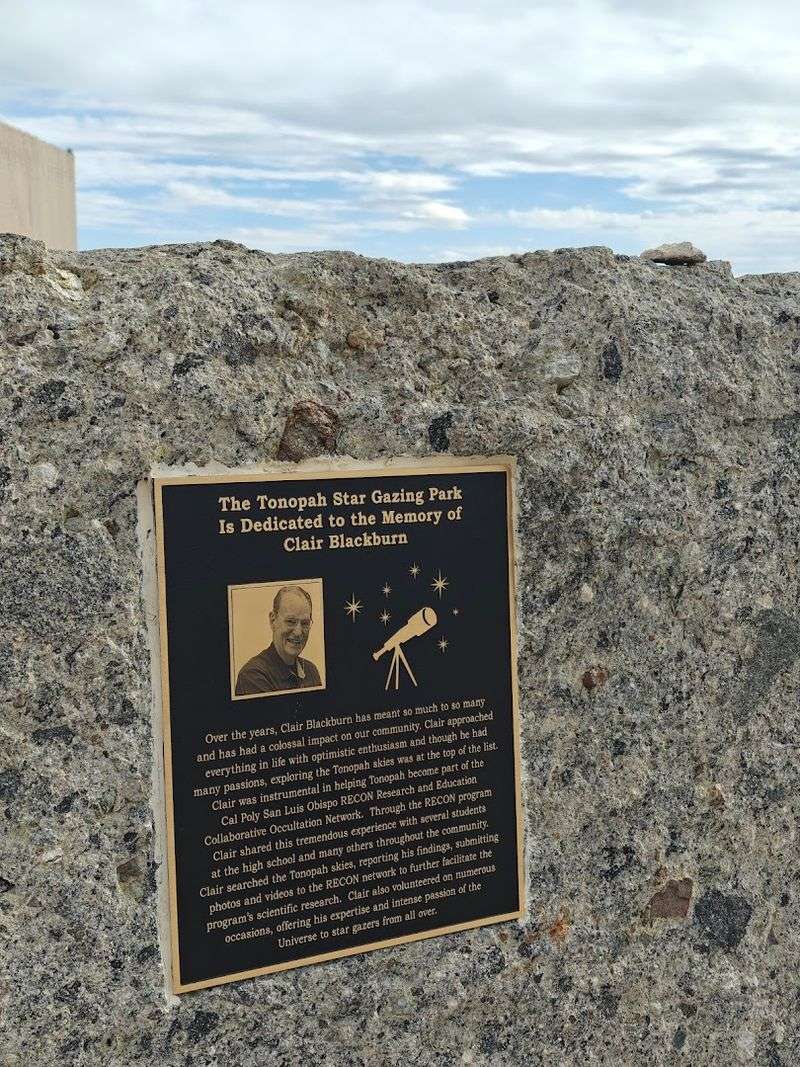
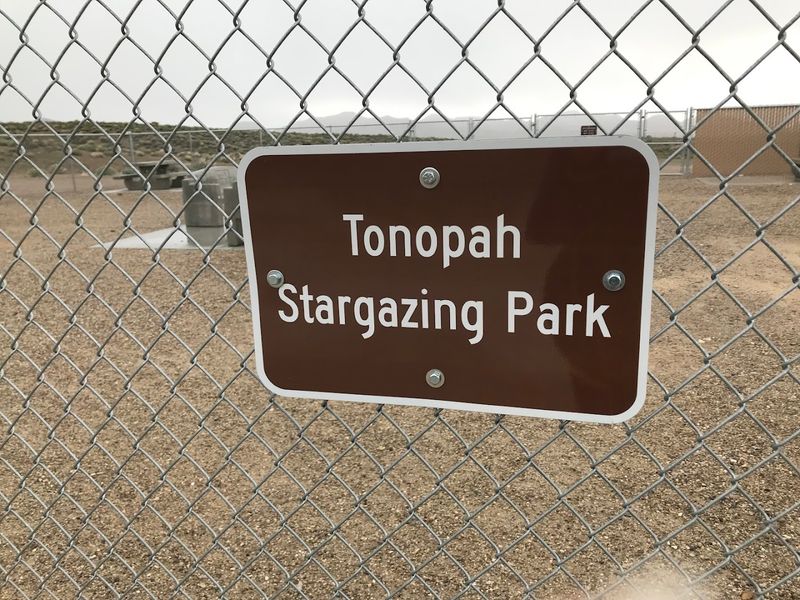
Not every public park carries the weight of personal memory. The full name, Clair Blackburn Memorial Stargazing Park, signals that this place means something beyond astronomy to the local community.
The memorial designation adds a layer of quiet significance to every visit. Families can gather here under a vast, open sky and feel both the wonder of the universe and a sense of connection to something closer to home.
That combination of cosmic scale and personal remembrance gives the park an emotional texture most stargazing spots simply do not have.
The town of Tonopah, Nevada chose to honor that memory in a place defined by openness, silence, and natural beauty. It is a thoughtful choice.
Few settings offer the kind of perspective that a truly dark sky provides.
Standing inside the fenced viewing area at night, with stars filling the sky from horizon to horizon, the park feels less like a municipal facility and more like a carefully kept tribute to something worth preserving.
What The Park Actually Looks Like On The Ground
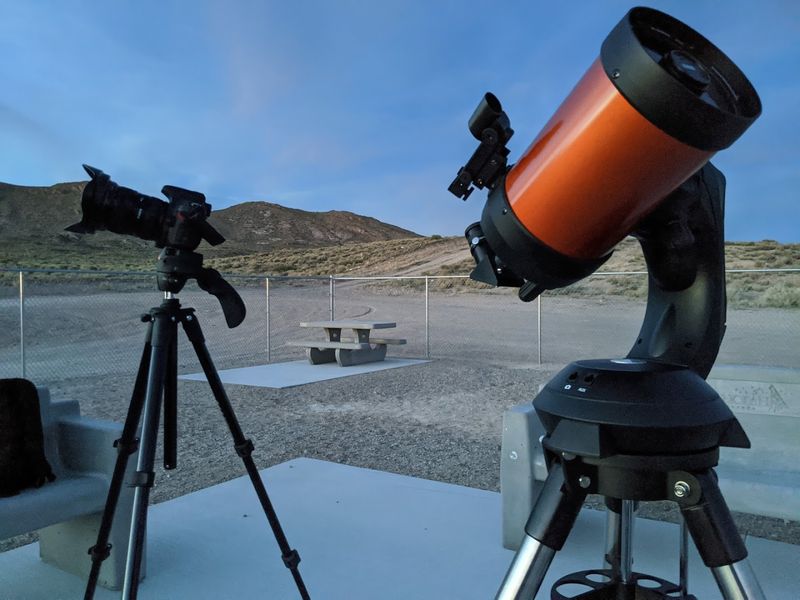
Forget manicured lawns and elaborate fountains. The Clair Blackburn Memorial Stargazing Park is built for function, and it wears that practicality proudly.
The fenced enclosure keeps the space defined and organized. Inside, visitors find level concrete pads sized for telescope setups.
Those pads matter more than they might seem. Uneven ground and shifting equipment can ruin a long-exposure photograph or throw off a telescope alignment in seconds.
Stable, flat surfaces are a genuine luxury in the desert.
Concrete benches and picnic tables give casual visitors a place to sit and look up without needing any equipment at all. The fence itself includes privacy slats on the side facing town, an attempt to block some of the light spill from the commercial strip below.
It helps, though determined light sources still make their presence known.
The park sits on Ray Tennant Way, Tonopah, NV 89049, reachable by following the road past Tonopah High School rather than relying on standard navigation apps, which have historically sent drivers down rough, unpaved shortcuts.
Getting There Without Scraping Your Car
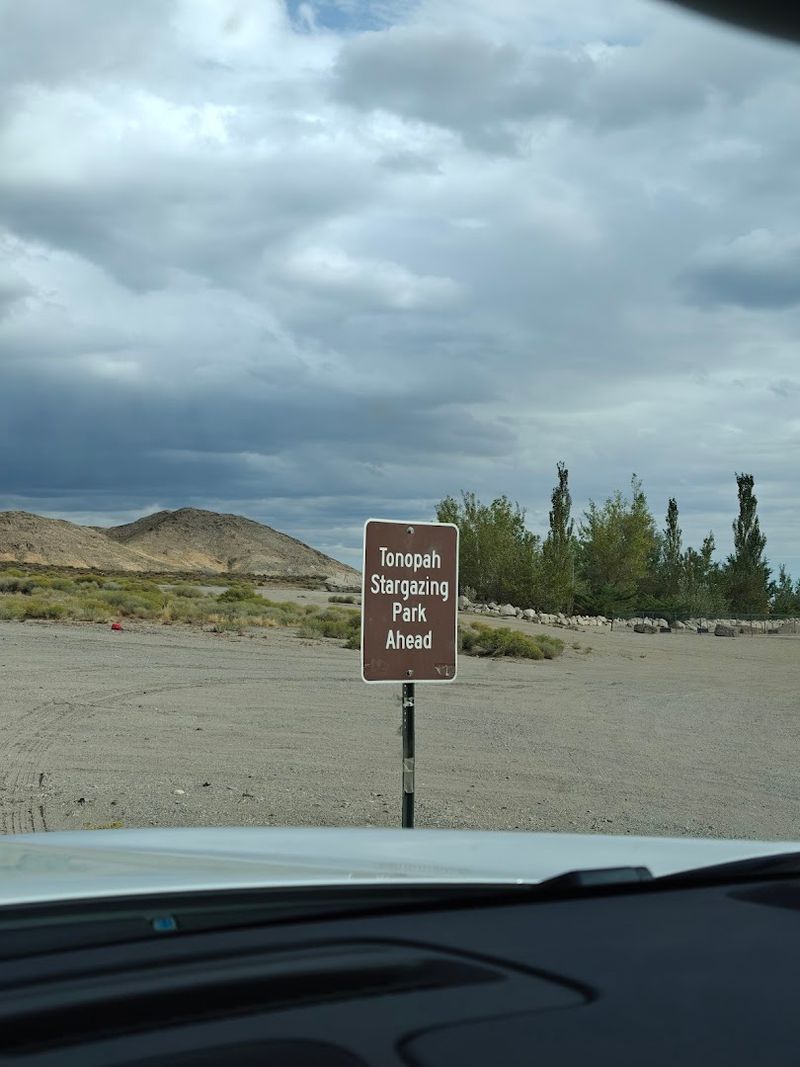
Navigation to this park has a small but important reputation problem. Multiple visitors have discovered the hard way that popular map apps route drivers down a rough, unimproved dirt road behind the nearby truck stop.
That route has left more than a few cars with scraped undersides and frustrated passengers.
The correct approach is straightforward once you know it. Turn onto Ray Tennant Way, which sits near the coffee shop and Tonopah High School along Highway 95.
Follow the paved road uphill. When the pavement ends, continue straight on the dirt path.
The fenced park appears on the right side.
Signage along Highway 95 also points toward the park, and locals consistently recommend following those physical signs over digital directions. The road is manageable for most standard vehicles, though a vehicle with slightly higher clearance handles the unpaved section more comfortably.
Arriving in daylight for a first visit is a smart move. The park looks very different in darkness, and unfamiliar terrain at night adds unnecessary stress to what should be a relaxed evening under the stars.
The Light Pollution Reality Check
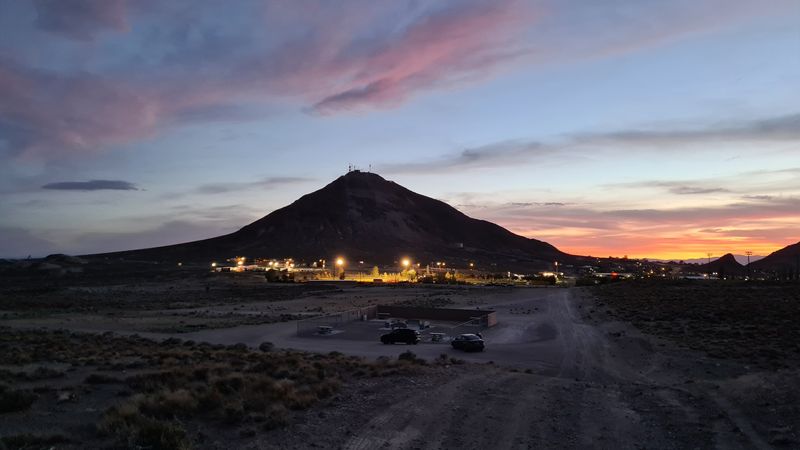
Honesty matters when recommending a stargazing destination. The Clair Blackburn Memorial Stargazing Park has a well-documented challenge that visitors should understand before making a long drive.
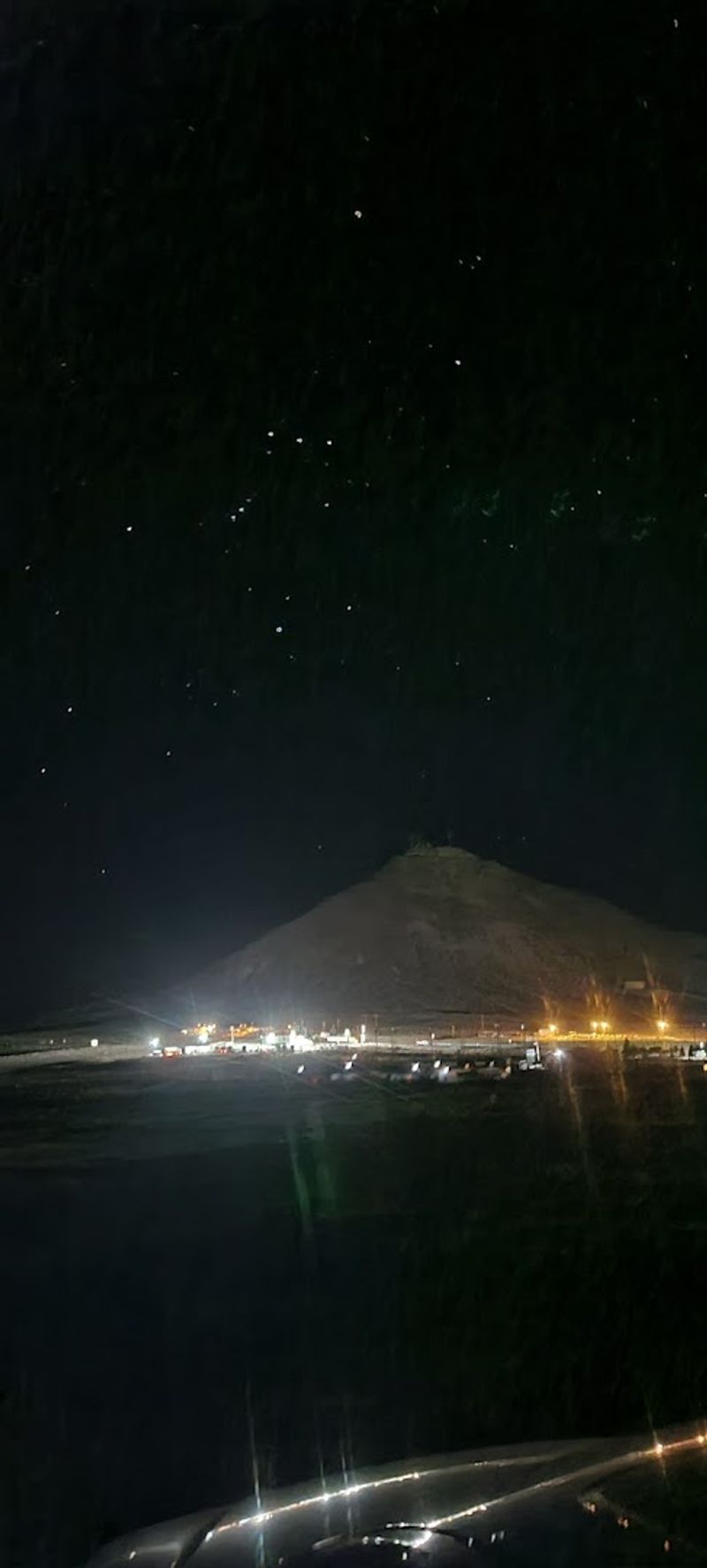
A large truck stop sits downhill from the park, and its floodlights point directly toward the viewing area. That light source creates a noticeable glow that reduces the sky’s darkness on the horizon closest to town.
The privacy fence along the park boundary helps block some of that spill, but it does not eliminate it entirely.
Visitors arriving during a busy night at the truck stop will notice the interference. Astrophotographers attempting long-exposure images of the full horizon may find the results inconsistent.
Casual stargazers and telescope users focused on overhead sky sections tend to fare much better.
Several reviewers have noted that driving a few miles out of Tonopah on Highway 95 in either direction can provide darker conditions with no infrastructure at all. The park remains a convenient and well-equipped starting point, but it is not the absolute darkest spot the region offers.
Star Parties And Community Nights Under The Sky
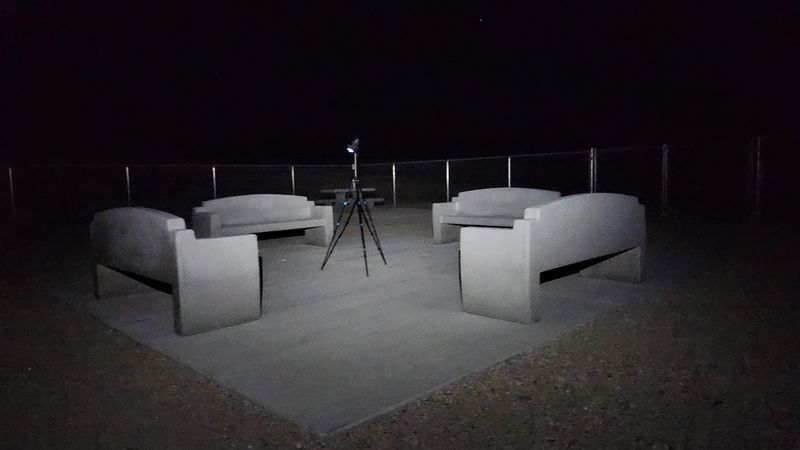
Astronomy gets better with company. The park regularly hosts informal star parties that draw enthusiasts, beginners, and curious travelers together under the same patch of sky.
These gatherings typically run from late spring through early fall, roughly June to October, when weather conditions favor clear nights. Knowledgeable volunteers often show up with personal telescopes and a genuine eagerness to share what they know.
Visitors have reported meeting geology scientists, astronomy hobbyists, and longtime Nevada residents who treat these nights as a community ritual rather than a formal event.
The telescopes available during these parties open up views that the naked eye simply cannot reach. Saturn’s rings, Jupiter’s moons, and the cratered surface of our own moon all become accessible without any personal equipment.
First-time stargazers frequently describe these moments as unexpectedly moving.
Annual nighttime photography workshops also occasionally take place at the park. These sessions attract photographers looking to practice techniques specific to low-light and long-exposure shooting.
The combination of community knowledge and a genuinely dark sky makes these events worth planning a trip around.
What To Pack For A Desert Night Out
The high desert is generous with its skies and ruthless with its temperatures. Anyone planning an evening at the park should prepare for both realities equally.
After sunset, temperatures in this part of Nevada drop sharply regardless of the season. Summer nights that feel warm at dusk can turn genuinely cold by midnight.
Layered clothing is not optional. A warm jacket, hat, and gloves extend a comfortable viewing session by hours.
Water and snacks matter too. The park provides no food, no water, and no electricity.
Restroom facilities are not available on site, so planning accordingly before arrival saves significant frustration later in the evening.
A red-light flashlight is a worthwhile addition to any stargazing kit. Red light preserves night vision while white light destroys it within seconds.
Binoculars offer an easy upgrade over naked-eye viewing without the complexity of a telescope. Checking a reliable sky forecast specific to Tonopah before heading out helps confirm that cloud cover will not cancel the show before it even starts.
Moonless Nights And The Milky Way Effect
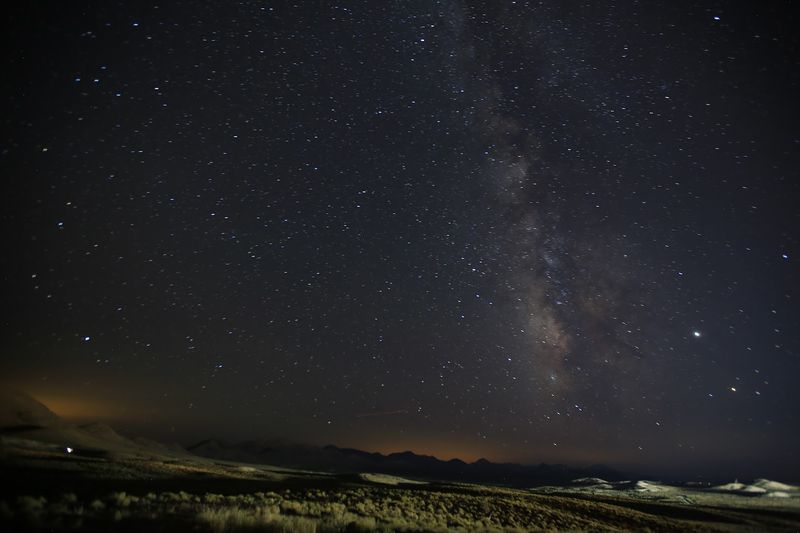
Timing a visit to the park correctly can mean the difference between a good night and an unforgettable one. The single most important variable is the moon.
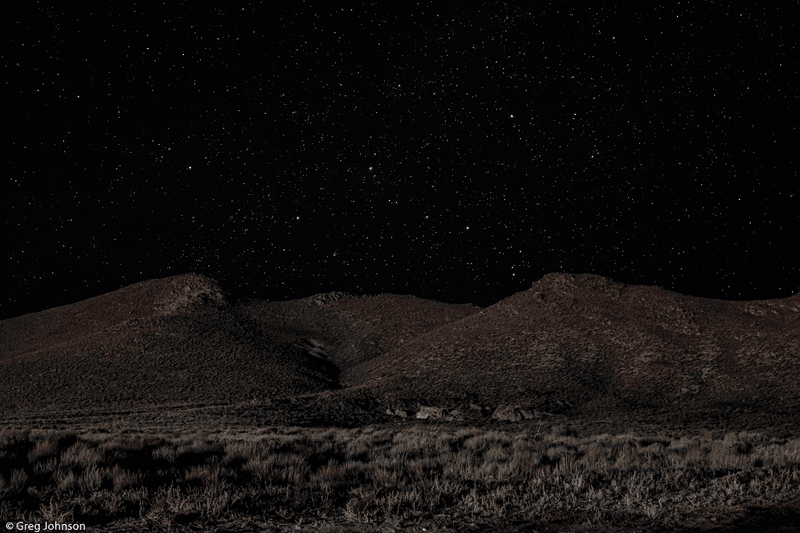
During a new moon phase, the sky loses its brightest natural competitor. Without moonlight washing out the fainter stars, the number of visible objects multiplies dramatically.
The galactic core of the Milky Way stretches across the sky in a way that photographs rarely capture accurately. Some observers report seeing their own shadows cast by starlight alone on the clearest nights.
Under optimal conditions, thousands of stars become visible to the unaided eye. The Andromeda Galaxy, sitting millions of light-years away, can sometimes be spotted as a faint smudge near the constellation Perseus.
That kind of naked-eye deep sky viewing is rare from most locations on Earth.
Meteor showers add another dimension to peak visits. The Perseids in August and the Leonids in November both produce reliable displays.
Arriving with a reclining chair and pointing it straight up remains one of the most effective stargazing strategies available.
Astrophotography At The Park
Photographers travel serious distances for the kind of sky Tonopah offers. The park provides a structured environment for setting up camera gear, though it comes with trade-offs worth knowing in advance.
The concrete pads give tripods a stable, level base. That stability matters for long-exposure shots where even the slightest vibration blurs star trails.
The fenced boundary also keeps passing vehicles from driving directly through a shot, which happens frequently at open desert pullouts.
The truck stop lights remain the primary obstacle for wide-angle compositions that include the southern horizon. Photographers who orient their shots toward the north, east, or overhead tend to produce cleaner results.
Adjusting composition to exclude the light-polluted horizon often yields strong images of the galactic core and star trails.
Visitors who have experimented with both the park and more remote spots along Highway 95 generally report that locations a few miles outside of Tonopah offer darker horizons on all sides. For photographers prioritizing absolute darkness over convenience, those roadside pullouts may deliver better technical results, though they lack any infrastructure.
Wildlife And Desert Hazards After Dark
The Nevada desert does not shut down after sunset. It actually wakes up.
Visitors walking from parked cars to the fenced viewing area should keep that in mind.
Rattlesnakes are active at night, particularly during warmer months when daytime temperatures drive them to hunt after dark. At least one visitor has reported a close encounter while walking up the road to the park without a light.
That experience ended with a sprint back to the car. It also ended without harm, but the lesson is clear.
Scorpions are another desert resident worth respecting. They are small, easy to miss, and capable of delivering a painful sting.
Shaking out shoes and avoiding sitting directly on rocks or sandy ground reduces the risk considerably.
Staying on the established path and using a flashlight while walking to and from the park is straightforward common sense. The fenced viewing area itself provides a defined, cleared space.
The hazards are real but manageable with basic awareness and a light source that does not need to be white to keep the night vision intact.
Tonopah’s Mining Past Adds Depth To Any Visit
The stars are the headline act, but Tonopah has been putting on shows since long before anyone built a park for looking up. This town once roared with silver mining activity in the early 1900s and earned the nickname Queen of the Silver Camps.
The Tonopah Historic Mining Park preserves that era in an accessible and genuinely interesting format. Visitors can walk through actual mine workings, see original equipment, and get a sense of the dangerous, lucrative world that built this part of Nevada from the ground up.
The Central Nevada Museum downtown covers the region’s broader story, from prehistoric times through the mining boom and beyond. Historic murals on building walls add color to a short walk through the compact downtown area.
Spending a full day in Tonopah before the evening stargazing session turns a single-purpose trip into a well-rounded experience. The town rewards curiosity.
Its history is rough, specific, and told without excessive polish, which makes it feel more authentic than most small-town heritage attractions in the American West.
Planning The Full Tonopah Stargazing Trip
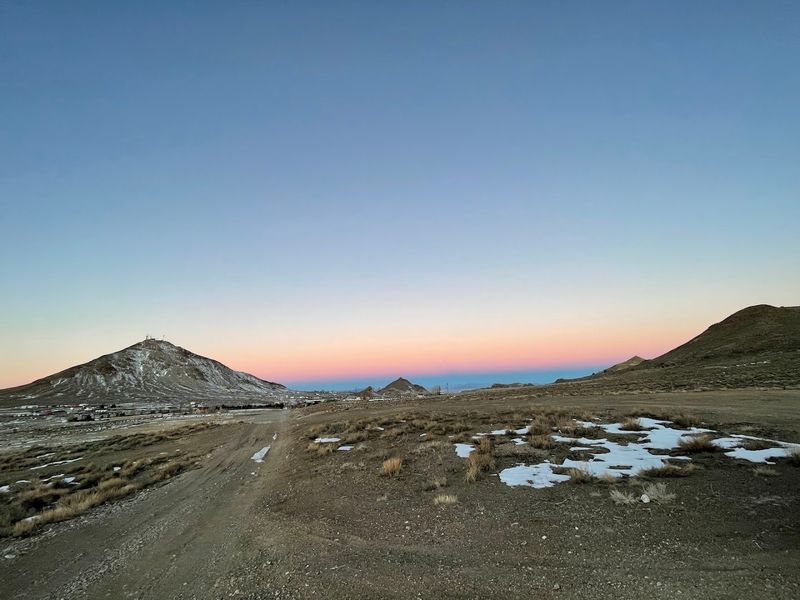
Tonopah rewards visitors who plan ahead rather than show up and hope for the best. A few deliberate choices can turn a decent night into a remarkable one.
Checking a Tonopah-specific clear sky chart before departure is the single most useful preparation step. These forecasts show cloud cover, atmospheric transparency, and seeing conditions broken into hourly windows.
Arriving on a night with poor transparency wastes the drive regardless of how dark the sky might be.
Booking accommodation in advance is wise, especially during meteor shower peaks and summer weekends. The town has limited lodging options.
The historic Mizpah Hotel offers a distinctive stay with its own local legends, while more standard motel options suit travelers focused purely on convenience.
Building in a second night provides insurance against cloudy conditions on the first. Nevada weather can be unpredictable, and a backup night dramatically improves the odds of catching a truly clear sky.
The drive to Tonopah along Highway 95 through central Nevada is itself a worthwhile experience, with expansive desert views that set the mood well before the stars come out.