
This Massachusetts Chocolate Factory Tour Is Worth Taking For A Surprisingly Cool Day Trip
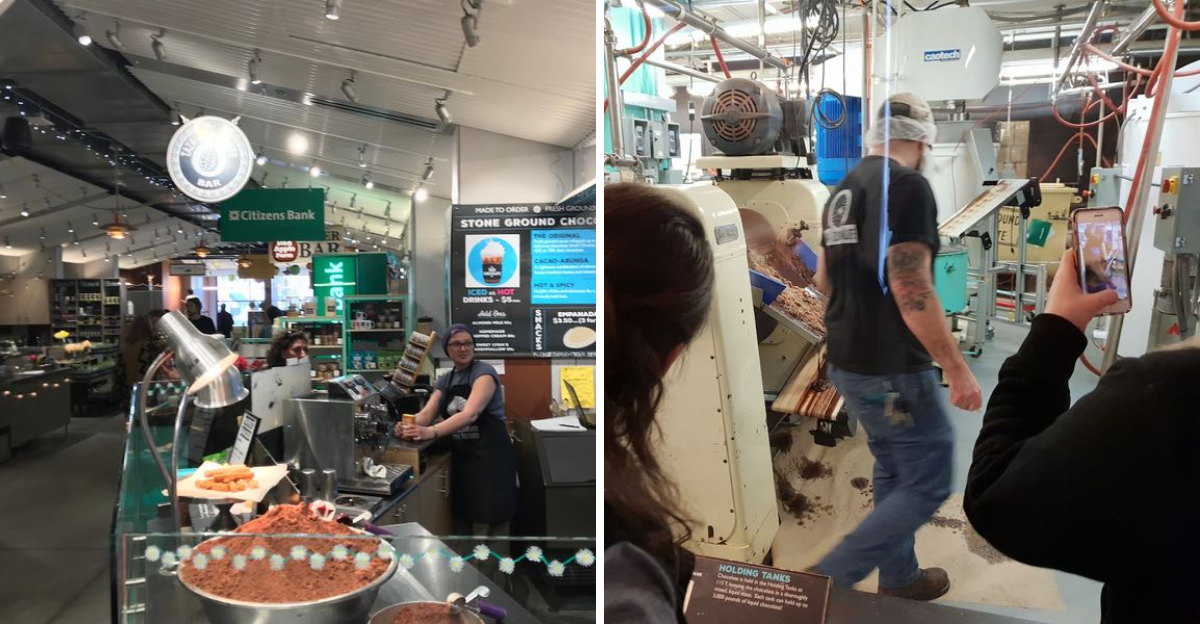
Chocolate usually does not need much help getting attention, but this Massachusetts tour adds a little adventure to the craving. The whole process starts to feel way more interesting than grabbing a bar at the store.
Roasted cacao, stone-ground tradition, rich aromas, and a peek behind the scenes turn a simple sweet stop into something you can actually talk about later.
It is part factory visit, part foodie field trip, and part excuse to treat yourself before lunch. Kids can get curious. Adults can get nerdy about flavor.
Everyone gets to leave happier than they arrived. Easy, tasty, and just unusual enough to feel special, this chocolate stop absolutely earns a spot on your Massachusetts list.
A Taste Of Mexican Tradition Finds A Home In Massachusetts
Sometimes the most consequential journeys are the ones you almost do not take.
When Alex Whitmore traveled to Oaxaca, Mexico, he encountered something that permanently altered his professional path.
He tasted stone-ground chocolate made using traditional molinos, hand-carved granite millstones, and recognized immediately that what he was experiencing had no real equivalent back home.
That single encounter became the founding impulse behind this place, established in 2005 in Somerville, Massachusetts. Whitmore returned from Mexico with more than just a memory.
He brought back a method, a philosophy, and a commitment to producing chocolate the way it had been made for centuries before industrial processing changed everything.
Co-founder Kathleen Fulton joined the effort from the beginning, contributing not only business acumen but also her design sensibility, eventually becoming Taza’s Chief Design Officer and shaping the brand’s distinctive visual identity.
Together, they built something genuinely unusual in the American chocolate landscape.
The Oaxacan influence is not decorative or superficial at Taza. It is structural, embedded in every step of the production process and visible throughout the factory.
How Stone Grinding Turns Cacao Into Something Special
Before Taza Chocolate existed, the American market had largely forgotten what stone-ground chocolate actually meant. European conching methods had become the default, producing the smooth, glossy bars that fill most candy aisles.
Taza made a deliberate choice to go in the opposite direction, and that choice starts with the millstones.
The granite millstones used at the Somerville factory are modeled directly on traditional Mexican molinos. These are not decorative pieces or marketing props.
They are functional tools that grind roasted cacao nibs into chocolate liquor with a roughness that no steel roller can replicate. The stone preserves the natural oils and compounds within the cacao in a way that modern machinery does not.
Visitors on the guided tour can observe this process firsthand, watching the millstones turn and understanding why the resulting chocolate has such a different character from anything found in a supermarket.
Chocolate Guides explain each phase with patience and clarity, connecting the ancient technique to the finished product waiting in the factory store.
Seeing the machinery in motion makes the concept of truly minimally processed chocolate far more concrete and far more impressive than any description on a wrapper could convey.
A Bold Flavor, A Gritty Texture
Taza chocolate does not taste like other chocolate. That statement is not a warning, it is a point of pride.
The stone-grinding process leaves the cacao in a state that most modern producers would consider unfinished, but Taza considers perfectly complete.
The texture is noticeably gritty, the flavor is assertively bold, and the experience of eating it requires a moment of adjustment for anyone raised on smooth commercial bars.
That adjustment is exactly the point. Once the palate settles into it, the complexity becomes apparent.
Flavors that would otherwise be refined away by extended conching remain intact.
There is an earthiness, a slight bitterness, and a depth that speaks directly to the quality and origin of the cacao rather than to the skill of the processing team in masking imperfections.
The factory tour includes multiple tastings throughout, giving visitors the opportunity to work through several flavors before committing to a purchase in the store.
Options range from straightforward dark chocolate to more adventurous combinations involving guajillo chili, lemon, and other ingredients that pair surprisingly well with the rustic base.
The gritty texture, once understood, becomes one of the most compelling arguments for buying another bar on the way out.
Why Better Chocolate Starts With Better Cacao
Taza Chocolate holds a distinction that very few American chocolate companies can claim. It established the first third-party certified Direct Trade Cacao Certification program in the United States.
This is not a marketing phrase applied loosely to a conventional supply chain.
It represents a structured commitment to knowing exactly where the cacao comes from and ensuring the farmers who grow it are treated with genuine fairness.
The program involves maintaining direct relationships with cacao-growing cooperatives, paying premiums that exceed Fair Trade prices, and holding those relationships to standards around labor practices and environmental responsibility.
All of Taza’s cacao is certified organic and non-GMO.
These are not afterthoughts appended to an existing business model. They were built into the company’s structure from the beginning.
For visitors on the factory tour, this dimension of the Taza story carries real weight.
Understanding that the chocolate you are tasting connects directly to a farmer who was fairly compensated adds a layer of meaning that changes how the product feels in your hand.
The company treats chocolate as a food with an origin story, not simply a commodity to be processed and sold. That perspective shapes everything from the millstones to the packaging.
A Closer Look At How Chocolate Is Really Made
The factory tour at Taza runs approximately one hour and covers far more ground than most food facility tours manage in twice the time.
It begins with the history of the company and the philosophy behind stone-ground chocolate, then moves through each stage of the bean-to-bar process in a way that feels logical and genuinely informative rather than scripted.
Chocolate Guides lead each session with evident knowledge and enthusiasm, explaining roasting, winnowing, grinding, tempering, and packaging while connecting each step to the larger story of what makes Taza distinct.
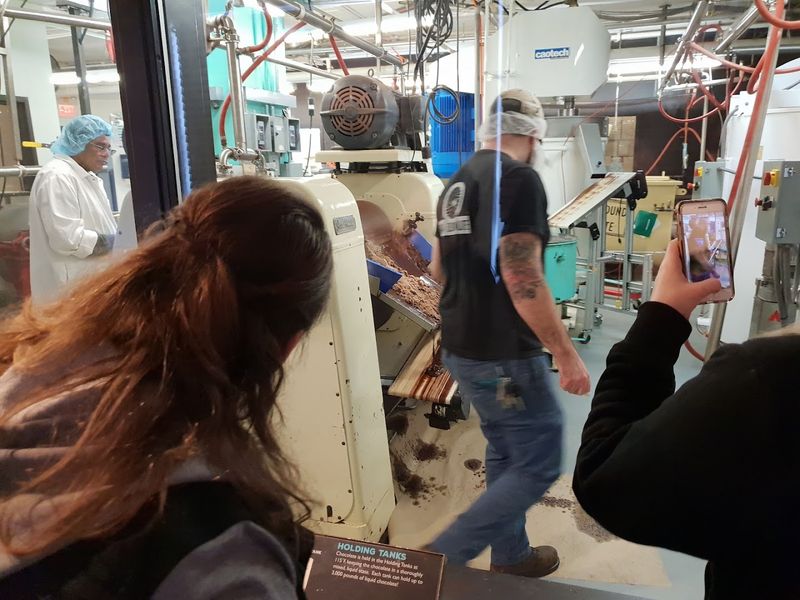
Viewing windows into the grinding and depositing rooms allow visitors to watch production when the factory is running, which is most likely on weekdays.
Samples are offered throughout, not just at the end.
A few practical notes are worth keeping in mind before booking. Online reservations are required, and tours run Wednesday through Sunday.
Hairnets are provided and must be worn during the factory portion. Closed-toe shoes are strongly recommended, and visitors are asked to skip perfume or cologne so the natural aromas of the chocolate remain undisturbed.
Families with children under ten can also book a separate Cacao Scouts Scavenger Hunt on Saturdays and Sundays, making the experience accessible to a wide range of ages.
Somerville’s Industrial Landscape, A Sweet Surprise
The neighborhood surrounding 561 Windsor Street does not immediately suggest that one of the most interesting food destinations in Massachusetts is nearby.
Somerville’s industrial corridors have been changing steadily over the years, with old manufacturing spaces giving way to creative businesses and small-batch producers.
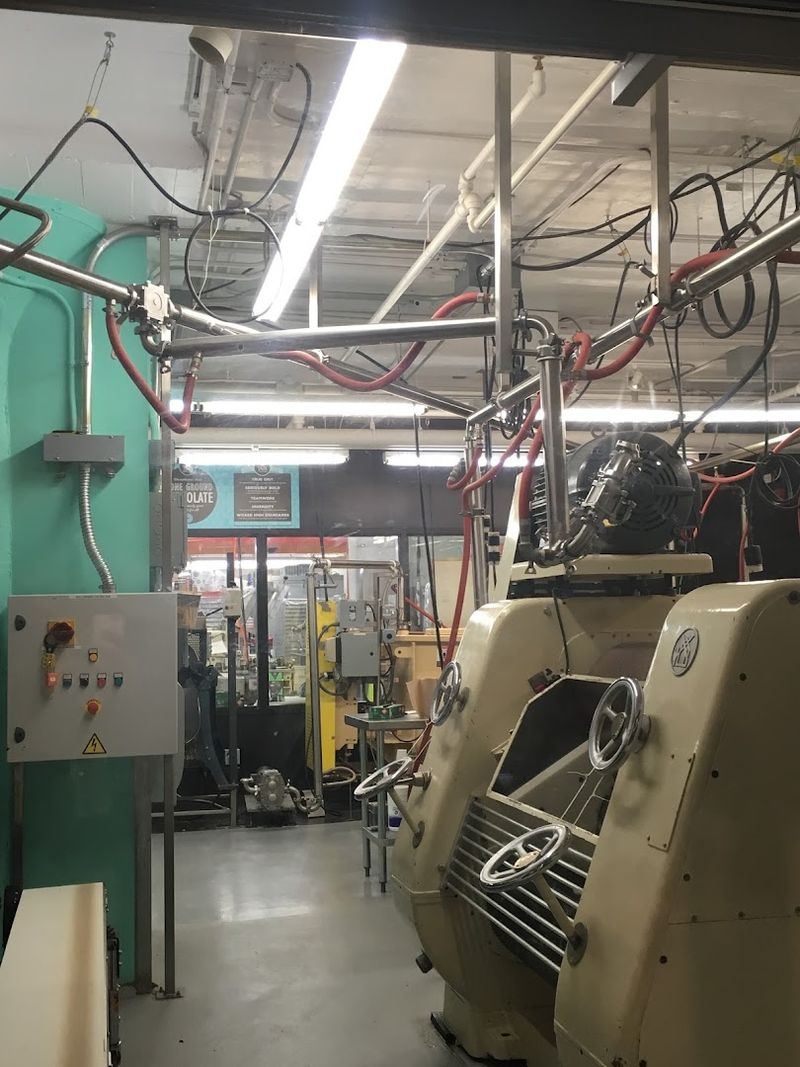
Taza fits this transformation naturally, occupying a working factory space that still feels like a factory rather than a themed attraction.
Getting there requires a bit of planning. Parking around the Windsor Street location can be limited, particularly during periods of active construction in the surrounding area.
Public transportation is a practical alternative, and the factory is reachable from central Boston without difficulty. Ride-sharing services are another sensible option for those arriving from farther afield.
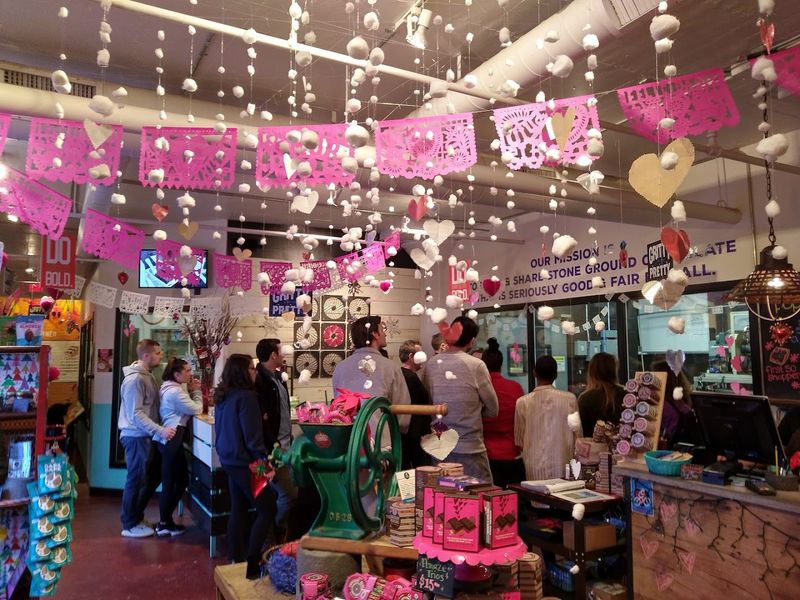
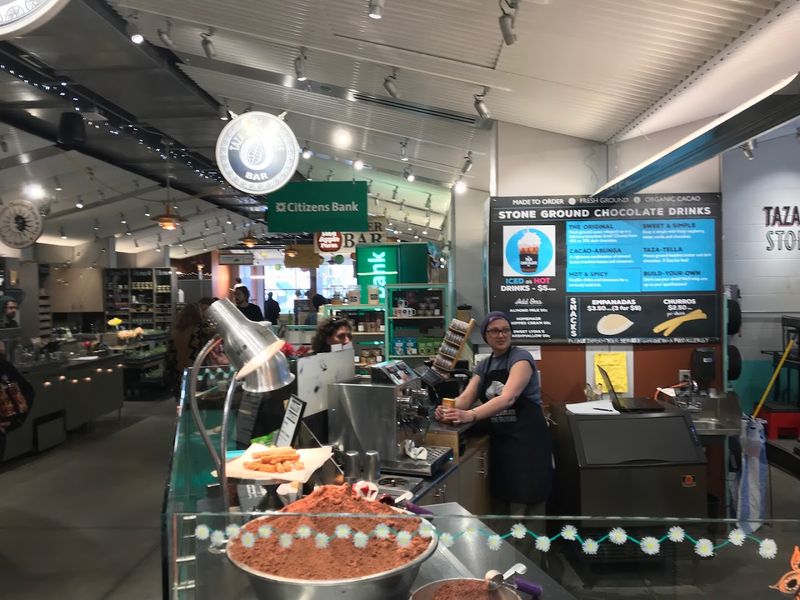
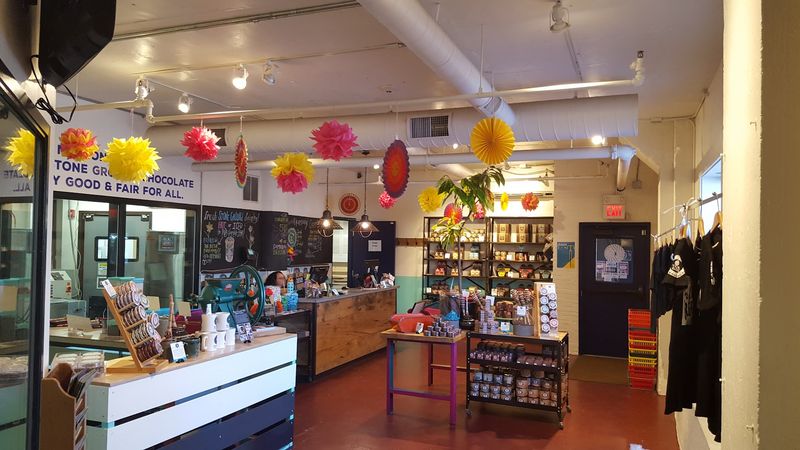
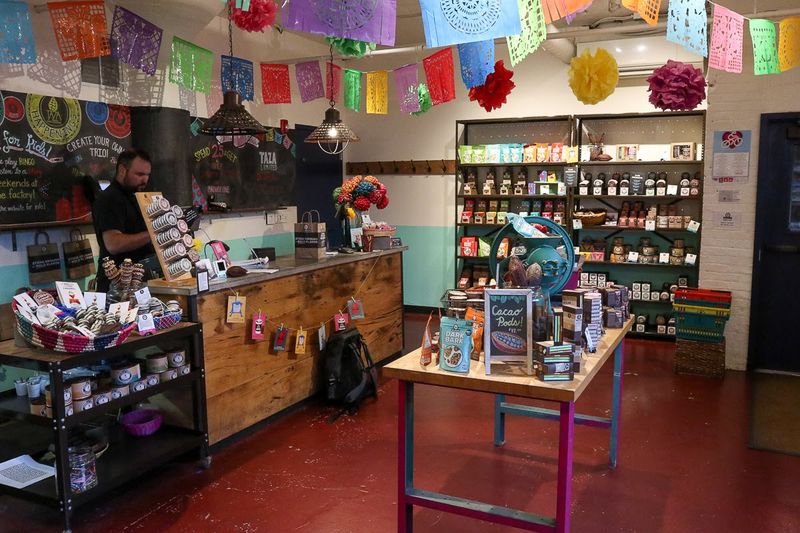
Once you arrive, the shift from the industrial streetscape to the warm interior of the factory store is immediate and pleasant. The store itself carries the full range of Taza products, and visitors are welcome to sample before purchasing.
The factory store operates Tuesday through Sunday, opening at 11 AM on weekdays and 10 AM on weekends, with the last tours available on days when the factory is running.
The contrast between the unassuming exterior and what happens inside makes the whole experience feel like a genuine discovery.
The Hardworking Machinery Behind Every Chocolate Bar
Understanding the bean-to-bar process at Taza means following cacao from its raw form all the way through to a finished, wrapped product without a single step leaving the Somerville building.
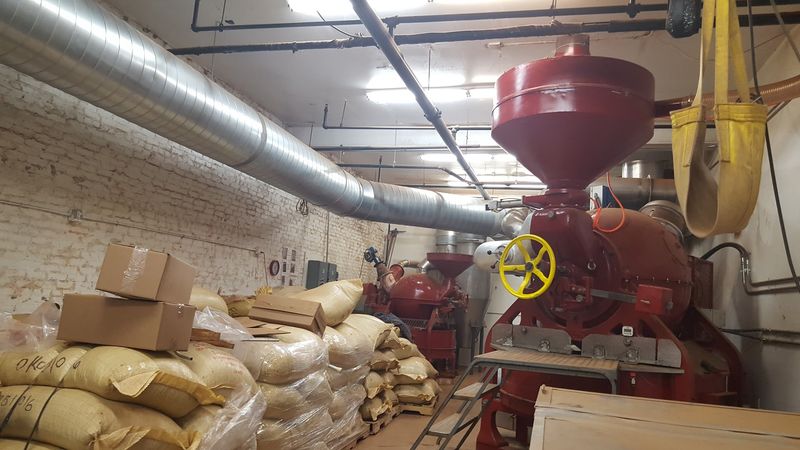
The sequence begins with roasting the cacao beans, which develops the flavor compounds that define the final chocolate.
After roasting, the shells are removed through winnowing, leaving behind the cacao nibs that go forward into grinding.
Those nibs meet the granite millstones next, and this is where the Taza character truly forms. The stone mills grind the nibs into chocolate liquor, a smooth but intensely flavored mass that carries all the fat and solids of the cacao bean.
Organic cane sugar is added at this stage, and a second grinding refines the mixture further before tempering begins.
Tempering is the process that gives finished chocolate its snap and sheen, and at Taza it leads directly into the depositing room, where the tempered chocolate is poured into molds.
After chilling, the bars and discs are de-molded and moved to packaging, where the design work of co-founder Kathleen Fulton becomes visible.
The entire sequence, visible in part through factory viewing windows during the tour, demonstrates just how much intention goes into every bar that leaves this building.
Why This Factory Does Chocolate Differently
European chocolate traditions, particularly those developed in Switzerland and Belgium over the past two centuries, have shaped what most of the world expects chocolate to be.
Smooth, creamy, and meticulously refined, these styles rely on extended conching, a process that can last for hours or even days, to produce a texture that virtually dissolves on contact with the tongue.
Taza does none of that.
The deliberate absence of conching is not an oversight or a cost-cutting measure. It is the core of what Taza believes chocolate should be.
By skipping the extended refining step, the company preserves flavors and compounds that conching would otherwise diminish or eliminate entirely. The result tastes more directly of cacao and less of a manufacturing process.
This distinction matters most to people who approach food with curiosity rather than habit.
Visitors who arrive at the Somerville factory expecting something familiar often leave with a genuinely revised opinion of what chocolate can be.
The comparison is not a competition between two traditions so much as a reminder that there are multiple valid ways to interpret the same raw ingredient.
Taza’s interpretation happens to be older, bolder, and considerably less interested in meeting conventional expectations than in honoring the cacao itself.
The Imperfect Texture That Makes This Chocolate Stand Out
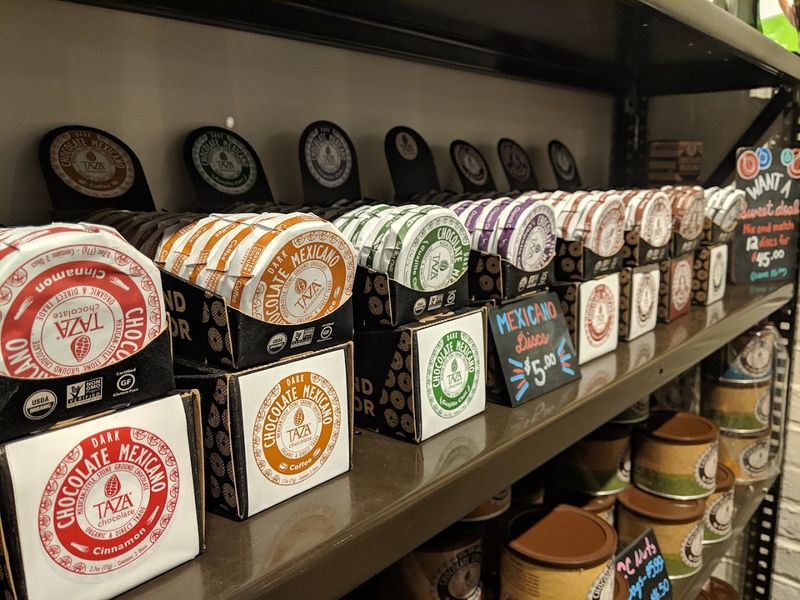
There is a particular kind of loyalty that forms around products made with genuine conviction. Taza Chocolate has built exactly that kind of following over nearly two decades of operation in Somerville.
People who discover the stone-ground discs and bars often describe the experience in terms that suggest mild disbelief, as though they cannot quite account for why something so different from what they expected has become a staple in their kitchen.
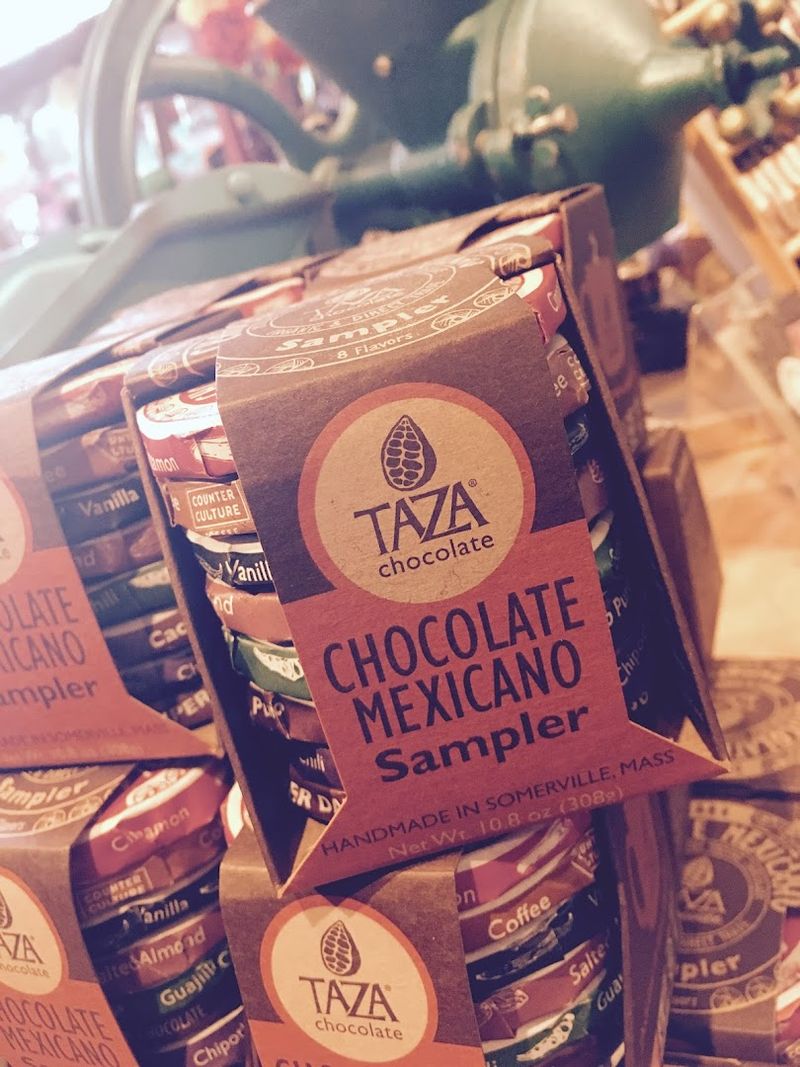
The product range extends well beyond the signature chocolate discs. Chocolate-covered nuts, drinking chocolate, and a rotating selection of flavored bars give the factory store a depth that rewards repeat visits.
Everything is vegan and gluten-free, which broadens the audience considerably without compromising the core character of the chocolate.
What makes Taza genuinely durable as a destination and as a brand is the consistency between its stated values and its actual product.
The ethical sourcing, the traditional technique, the minimal processing, and the bold flavor all tell the same story.
Visiting the factory at 561 Windsor Street in Somerville confirms that story in person, turning an abstract brand narrative into something you can taste, observe, and carry home in a paper bag.
That combination is what makes the trip worth taking more than once.