
9 Massachusetts Lake Beaches You Might Not Know About But Locals Adore
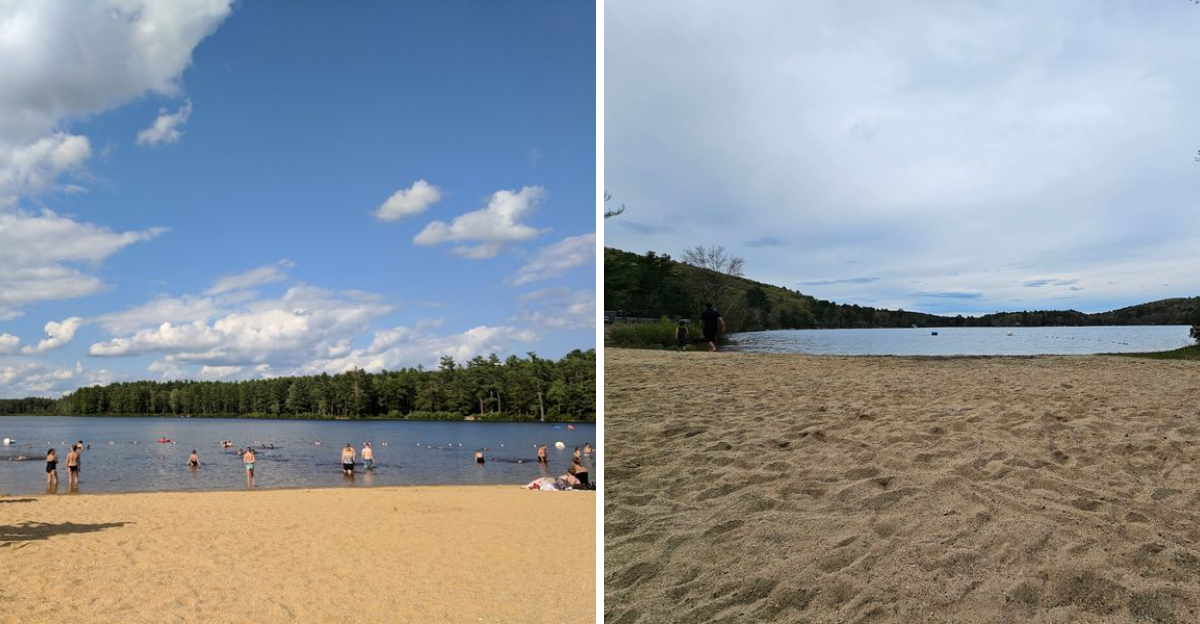
Ever feel like every summer photo shows the same crowded beach? Massachusetts hides other options, and most never make it onto a typical travel list.
Lakes here range from quiet reservoirs surrounded by pine trees to old mill ponds with sandy little coves. Locals know exactly where to go when the ocean beaches fill up fast.
Some spots offer floating docks perfect for jumping in. Others have shallow water ideal for younger kids splashing around all afternoon.
A few sit inside state parks with hiking trails nearby, so a swim can turn into a full day outdoors. Water clarity varies, but many of these lakes stay surprisingly clean and cool even during peak summer heat.
Parking is usually easier too, without the long lines and steep fees that beach towns often bring. Want a swim without the crowds?
These nine lake beaches prove Massachusetts offers more than its coastline, and locals have kept these favorites close for years.
1. Lake Wyola State Park, Shutesbury
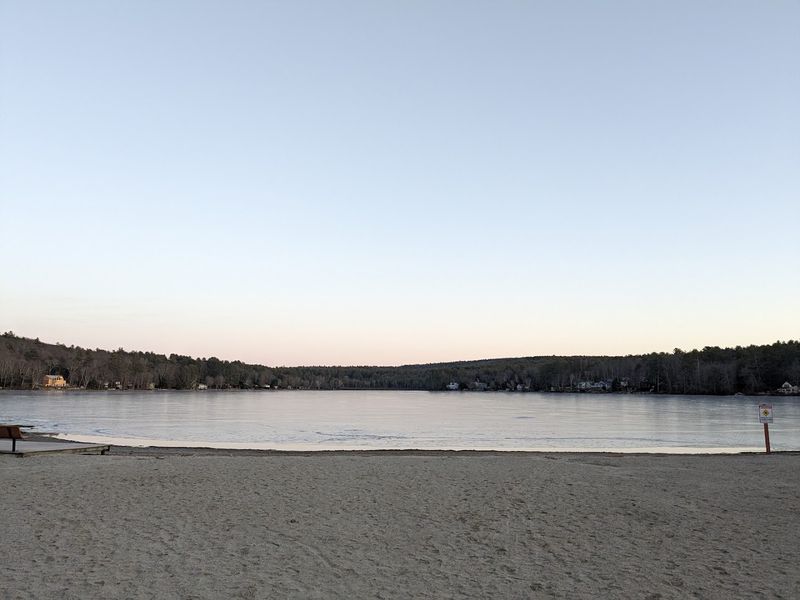
The name says it all, really. Lake Wyola translates to “quiet waters” in the language of the region’s original inhabitants, and the lake in Shutesbury lives up to that name completely.
Managed as part of the Carroll A. Holmes Recreation Area, this 140-acre lake sits in a hill town just north of Amherst, offering a refreshingly calm alternative to busier destinations.
The water is clear and inviting, perfect for a long, lazy swim on a hot afternoon.
Lifeguards are on duty during the warmer months, so families with young swimmers can relax a little more. Beyond the beach, you can fire up the picnic grills, launch a non-motorized boat, or follow hiking trails that connect to a section of the New England Trail.
History fans will appreciate the old mill ruins near the Wyola Dam, a quiet reminder of the area’s industrial past from the early 1900s.
When winter arrives, the park even draws cross-country skiers and snowmobilers, making it a year-round destination that locals genuinely treasure rather than just a warm-weather afterthought.
2. Wallum Lake At Douglas State Forest, Douglas
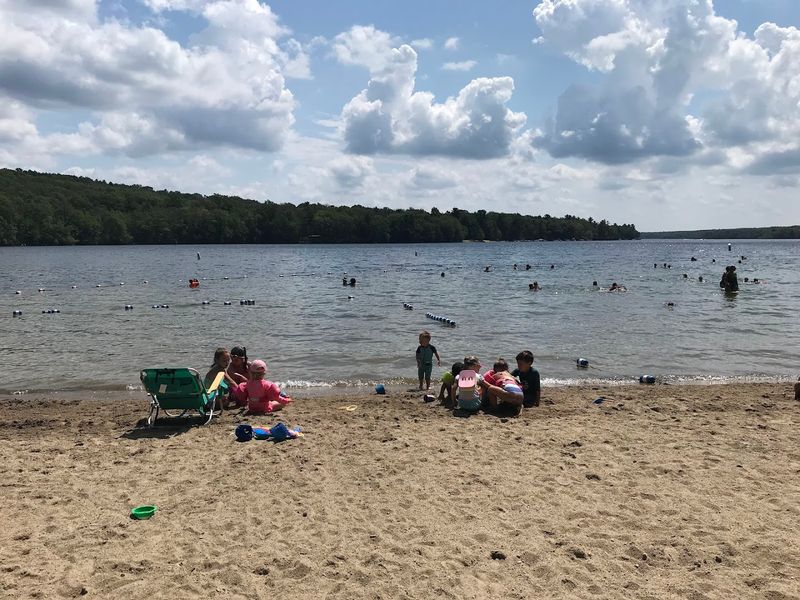
Sitting right at the edge of three states, Wallum Lake in Douglas has a geography that makes it genuinely unique.
The northern half of this 322-acre lake belongs to Massachusetts, while the southern half crosses into Rhode Island, making every swim feel just a little adventurous.
The surrounding Douglas State Forest stretches across 5,525 acres, keeping the western shoreline beautifully undeveloped and wild. That untouched feel is a big part of why locals keep coming back year after year.
A swimming beach and boat ramp make it easy to spend a full day on the water, while hikers and horseback riders can explore miles of woodland trails. A 7.8-mile stretch of the Midstate Trail runs right through the forest, giving trail enthusiasts plenty to work with.
One of the most fascinating features is a rare Atlantic White Cedar swampland, a five-acre area designated as a Massachusetts Wildland and accessible via a boardwalk trail.
Anglers will also be happy to know the lake is regularly stocked with rainbow and brown trout, so there is always a reason to bring a fishing rod along for the adventure.
3. Houghton’s Pond Recreation Area, Milton
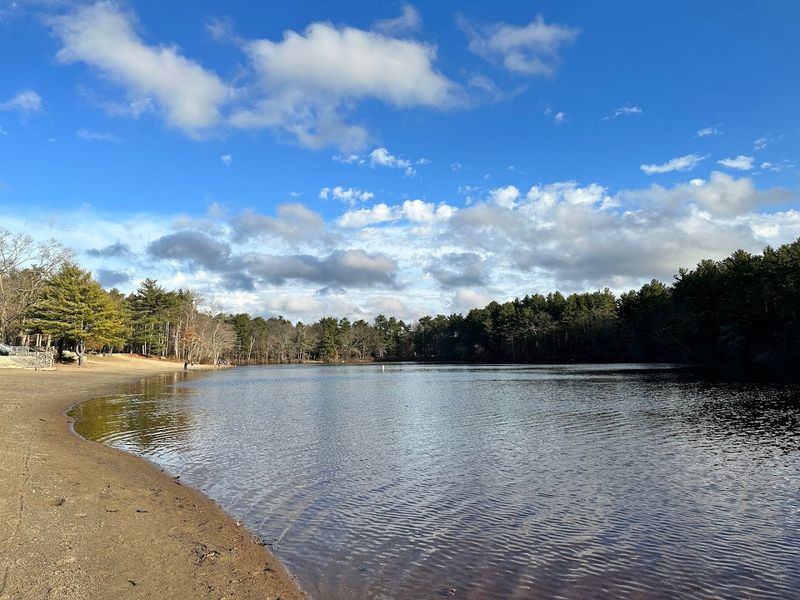
About ten miles south of downtown Boston, inside the massive Blue Hills Reservation in Milton, there is a spring-fed kettle pond that has been drawing swimmers for generations.
Houghton’s Pond is 24 acres of glacier-carved perfection, shaped roughly 10,000 years ago when the last ice age retreated and left behind a bowl of cool, clear water.
Long before the park benches and picnic tables arrived, the Massachusett tribe knew this spot as Hoosic-Whisick, fishing its waters and moving through the surrounding forest.
That long history adds a quiet depth to what might otherwise seem like just a convenient suburban swim spot.
Lifeguards are on duty throughout the summer season, and the beach is designed with accessibility in mind, making it welcoming for visitors of all abilities.
The pond is regularly stocked with fish, so anglers have a legitimate reason to stake out a shady corner of the shoreline.
Hikers and cyclists will find plenty of trails weaving through the Blue Hills, and a historic refreshment stand listed on the National Register of Historic Places adds a charming retro touch.
For Boston-area residents craving a nature fix without a long drive, this pond genuinely delivers the goods.
4. Lake Dennison Recreation Area, Winchendon
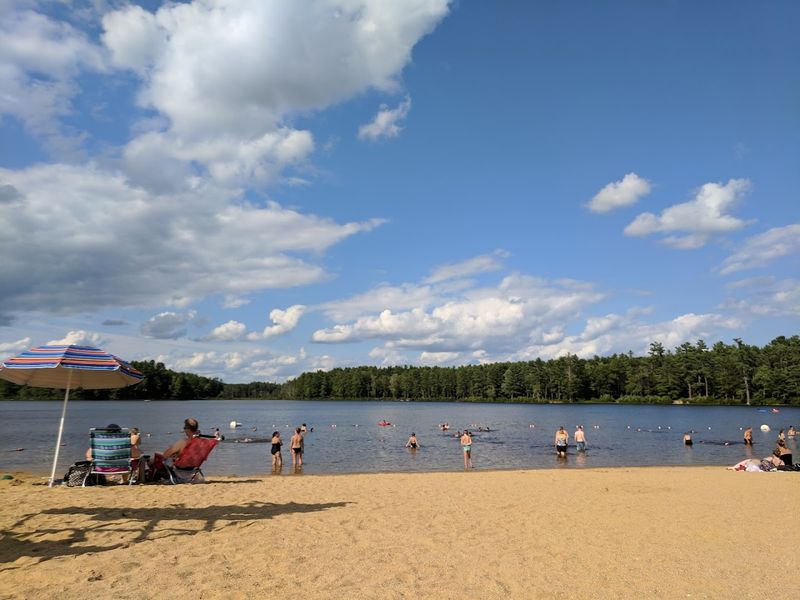
Central Massachusetts does not always get the credit it deserves as a destination, but Lake Dennison in Winchendon is a strong argument for paying more attention to this part of the state.
The 85-acre lake is managed by the Department of Conservation and Recreation, and it delivers a genuinely relaxed experience without the chaos of more well-known parks.
Families love it here because the pace is easy and the options are plentiful. The swimming beach offers a cool, clean place to splash around, and the lake is open for fishing and non-motorized boating, with a ramp ready for canoes and kayaks.
With 150 campsites spread throughout the area, some practically touching the water’s edge, this is a natural choice for anyone who wants to turn a lake day into a full weekend.
The adjacent Birch Hill Wildlife Management Area adds over 50 miles of mountain biking trails to the mix.
Here is a fun piece of local history: back in the 1930s, this shoreline was a buzzing summer scene complete with cottages and a dance pavilion, right where the East Camping Area now sits.
That energy may have quieted down, but the appeal of spending a long afternoon by the water here has absolutely not.
5. Upper Highland Lake At D.A.R. State Forest, Goshen
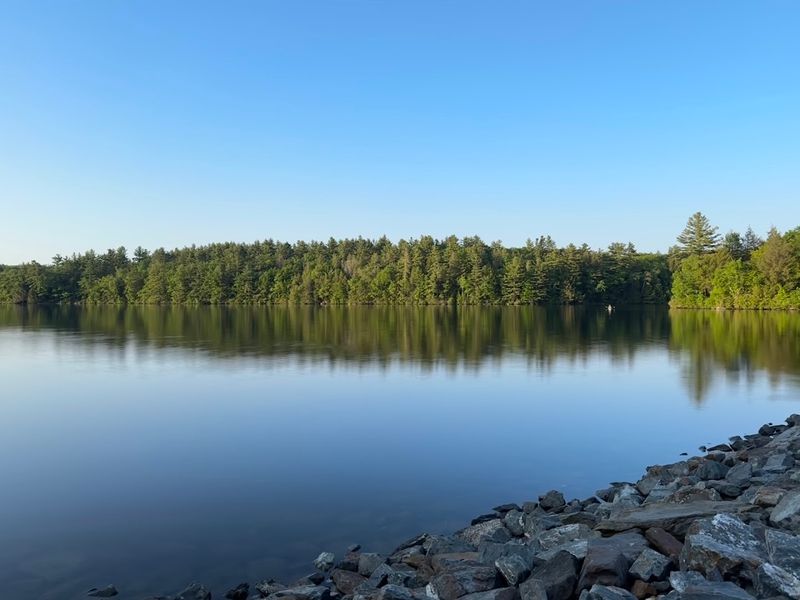
Western Massachusetts has a way of making people slow down, and Upper Highland Lake at D.A.R. State Forest in Goshen captures that spirit beautifully.
The forest itself covers over 1,700 acres of northern hardwood and conifer woodland, creating a dramatic green backdrop that frames the lake on every side.
Swimmers have a proper beach to enjoy during the summer, complete with lifeguards on duty during peak season.
Paddlers can launch non-motorized boats directly onto the lake, and the calm water makes for a thoroughly satisfying afternoon of exploration at whatever pace suits you.
Trout are stocked in the lake every spring, and the water also supports healthy populations of yellow perch, panfish, and bass, so anglers have plenty of options depending on the season.
Hikers can choose from over 15 miles of trails that wind through the forest, with routes suitable for everyone from casual walkers to mountain bikers.
The real showstopper, though, is the Goshen fire tower.
Climbing to the top rewards visitors with panoramic views stretching across the Connecticut River Valley and into five neighboring states, a perspective that puts the whole beautiful region into stunning context.
Wheelchair-accessible trails along the forested shoreline ensure that the scenery is available to everyone who makes the trip.
6. Lake Mattawa, Orange
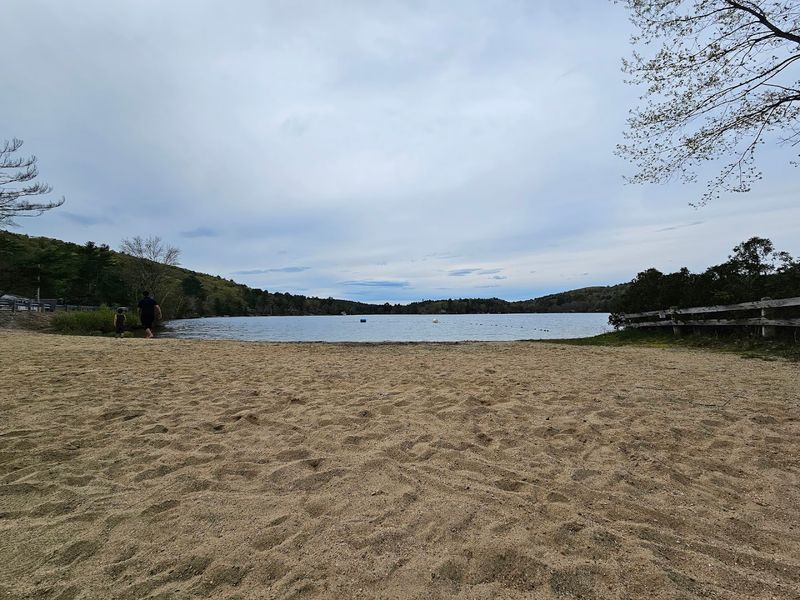
Clear water is something people talk about at Lake Mattawa in Orange, Massachusetts, and for good reason.
Fed by numerous underground springs, this 112 to 118-acre lake in Franklin County offers visibility of up to 15 feet or more, making it feel less like a typical lake and more like a natural aquarium you can actually swim in.
The sandy, gravel-dominant bottom keeps aquatic vegetation to a minimum, which only adds to that sparkling, pristine quality that makes first-time visitors do a double-take.
The public swimming beach here is a genuine local favorite during the warmer months, drawing families and solo swimmers who appreciate a quieter, more personal atmosphere.
Fishing is a serious draw as well. The lake is regularly stocked with trout and salmon, and it also supports smallmouth bass, yellow perch, and other species that keep anglers busy across multiple seasons.
About 75 percent of the shoreline is developed with a mix of year-round homes and summer cottages, giving the lake a friendly neighborhood character rather than a remote wilderness feel.
Boating is welcome, though motors larger than 10 horsepower are restricted, which helps preserve that peaceful, unhurried atmosphere.
When winter settles in, ice fishing enthusiasts claim their spots on the frozen surface, proving that Lake Mattawa holds appeal well beyond the summer calendar.
7. Windsor Lake, North Adams
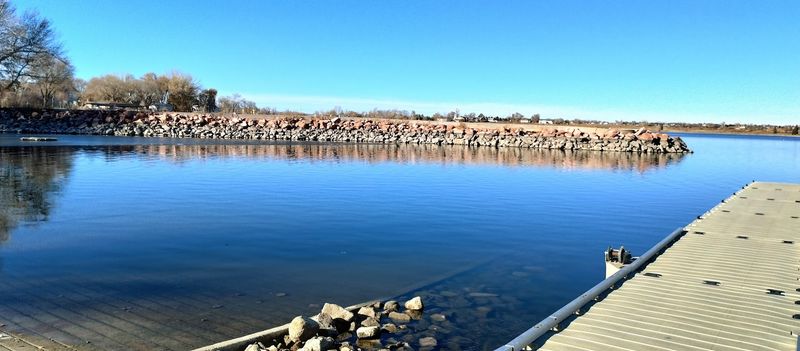
Most people who grew up in North Adams, Massachusetts, know Windsor Lake by its affectionate nickname: Fish Pond.
That casual, familiar name says a lot about the relationship this community has with this 24-acre Berkshires lake, which has served the city in one form or another since the nineteenth century.
Originally built to supply the city with water during a period of rapid industrial growth, the lake has since been reimagined as a lively city park, and the transformation suits it well.
Lifeguards supervise the swimming area through the summer, giving parents peace of mind while kids make the most of the cool water.
Kayakers and canoeists can use the boat launch, and anglers targeting largemouth bass, chain pickerel, and other species will find the fishing reliably satisfying.
The surrounding Windsor Lake Park offers generous picnic spaces and hosts summer concerts that create a festive, community-minded atmosphere against a genuinely beautiful backdrop.
Fall is arguably the most spectacular time to visit, when the surrounding Berkshire mountains shift into deep reds, oranges, and golds that reflect off the water in a way that feels almost theatrical.
Winter brings cross-country skiers and snowshoers to the surrounding terrain, rounding out a destination that earns its local adoration through every single season of the year.
8. Pearce Lake At Breakheart Reservation, Saugus
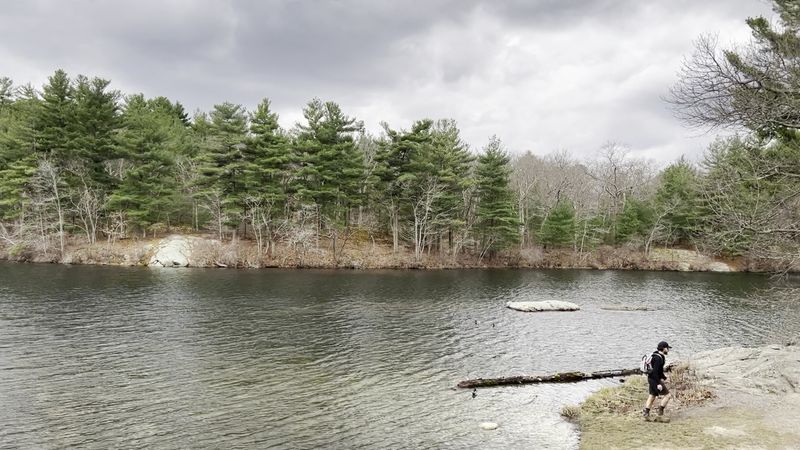
Just north of Boston, the 640-acre Breakheart Reservation in Saugus holds a freshwater surprise that many people living nearby have never discovered.
Pearce Lake sits at the heart of this wooded reservation, offering a supervised swimming beach that feels worlds away from the surrounding suburban landscape.
The lake was originally part of a private hunting retreat created in the late 19th century, which gives it a certain old-world character that newer parks simply cannot replicate.
Today, the cool, clear water draws summer swimmers looking for a quick nature fix without a long drive from the city.
Beyond the beach, Breakheart Reservation is loaded with trails for hiking, mountain biking, and cross-country skiing when the temperature drops.
The terrain here is genuinely rugged, with jagged rocky outcroppings and a winding stretch of the Saugus River providing dramatic scenery at every turn.
From the hilltop viewpoints, on a clear day you can catch glimpses of the Boston skyline and the wider New England landscape spreading out in every direction, a reminder that you are still very much connected to the world even while surrounded by trees.
The Christopher P. Dunne Visitor Center rounds out the experience with exhibits, restrooms, and helpful staff who can point you toward the best trails for your visit.
9. Crow Hill Pond At Leominster State Forest, Leominster
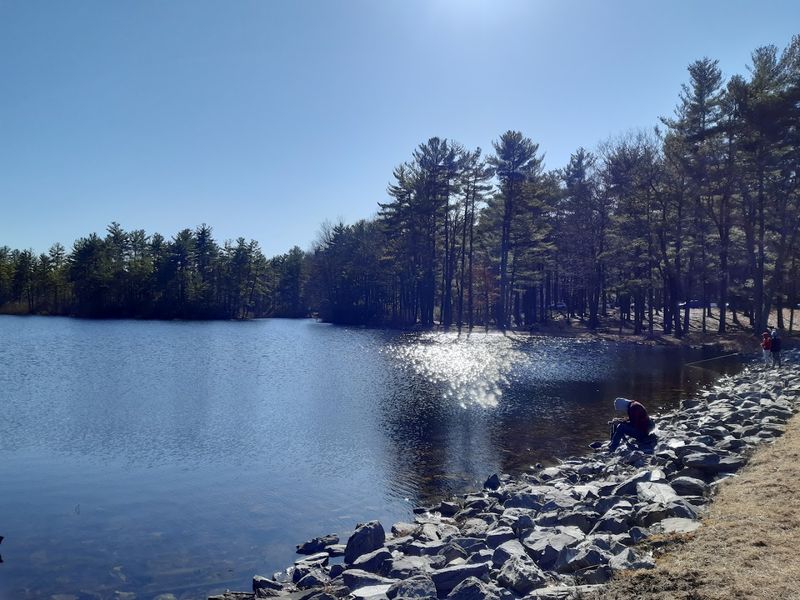
Sometimes the best lake beach is the one that does not try too hard.
Crow Hill Pond inside the 4,246-acre Leominster State Forest in Leominster is exactly that kind of place, a low-key, genuinely pleasant spot that rewards visitors who show up without expecting a resort experience.
The pond sits beneath the dramatic rocky ledges of Crow Hill, and that imposing natural backdrop gives the swimming area a scenic quality that punches well above its modest size.
A clean bathhouse makes the practical side of a beach day easy, and the calm water is perfect for a relaxed afternoon swim.
Anglers have good reason to prioritize this spot, as Mass Fisheries and Wildlife stocks the pond with trout multiple times throughout the year, making it consistently productive for anyone willing to cast a line.
The surrounding forest trails are popular with hikers, mountain bikers, and rock climbers who tackle the famous Crow Hill Ledges.
Winter transforms the whole area into a quiet wonderland suited for snowshoeing, cross-country skiing, and snowmobiling.
History runs deep here too: the ledges once sheltered Native Americans, and traces of an 18th-century settlement called Notown still exist within the forest, adding an unexpected layer of intrigue to what is already a thoroughly satisfying day trip destination.