
This Ancient Nevada Saline Lake Is Disappearing And Scientists Fear It Is Gone For Good
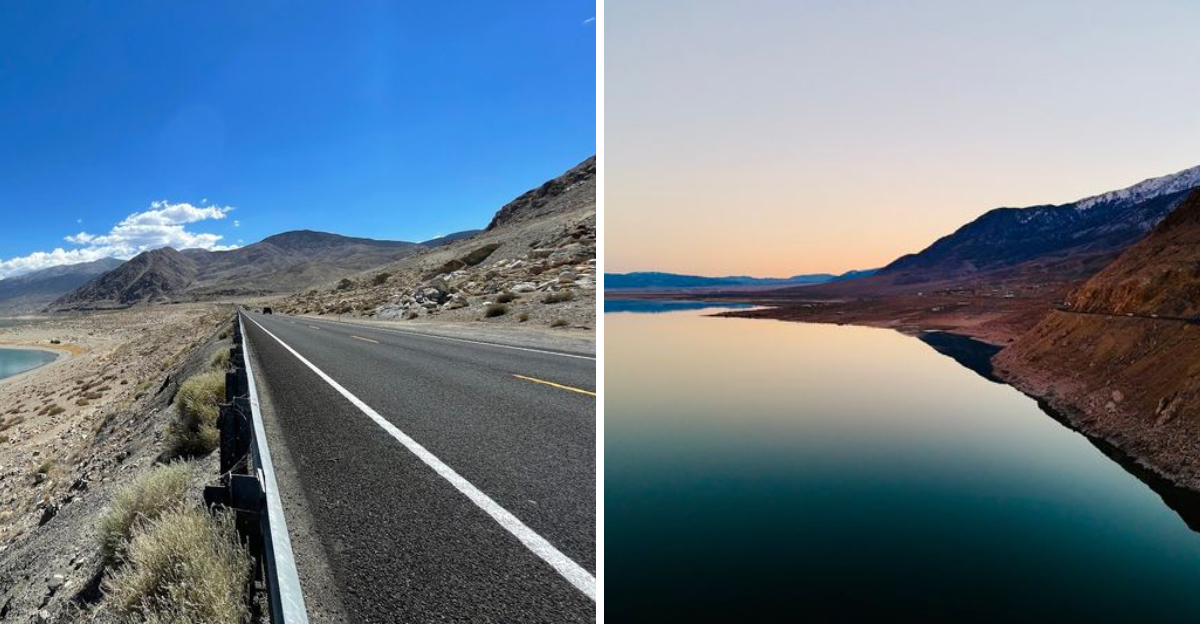
An ancient sea is vanishing in the heart of Nevada, and almost nobody notices until they see it. Rings of dried salt mark years of retreat like scars on the land.
Green water glows against jagged peaks, strange and beautiful against pale desert sand. Wild horses graze nearby while bighorn sheep climb down to drink.
Birds that once filled the sky by the thousands rarely show up now. Scientists are racing to bring them back.
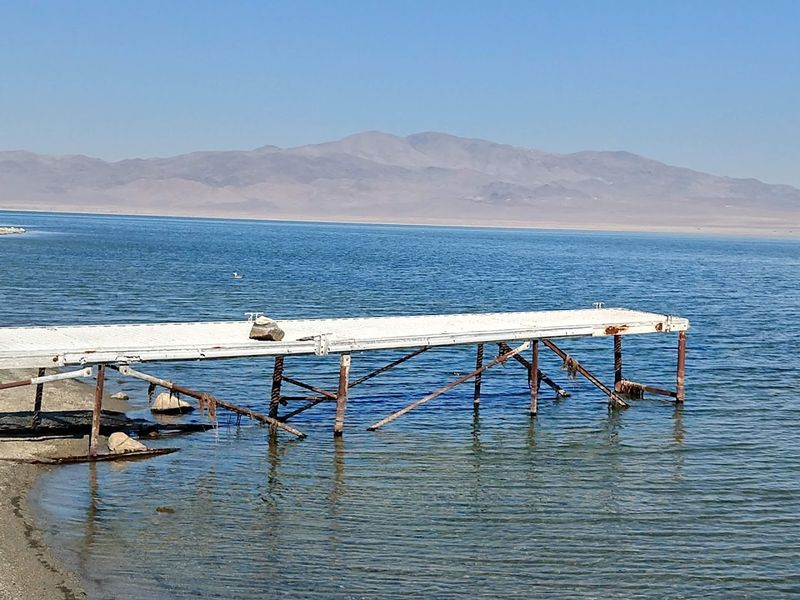
Old fishing boats once lined these waters, but salt won that fight long ago. Even so, kayaks glide across the surface and tents dot quiet beaches at night.
Nevada hides secrets like this across its wild, empty backcountry. Something about this shrinking shoreline pulls you toward one more look before it vanishes for good.
A Prehistoric Giant Reduced To A Shadow
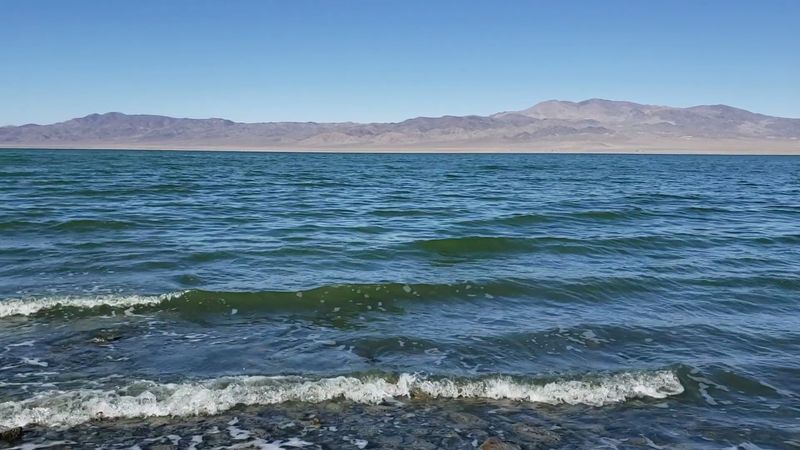
Long before Nevada was Nevada, a massive inland sea covered much of its northwestern landscape. That sea was Lake Lahontan, a vast glacial body of water that dominated the region during the last ice age.
Walker Lake is one of its last surviving remnants. It sits in Mineral County, roughly 12 miles north of Hawthorne, along the eastern base of the Wassuk Range.
What remains today is a fraction of its former self. Since the 1850s, the lake has lost over 50% of its surface area and a staggering 90% of its total volume.
The water level dropped approximately 181 feet between 1882 and 2016. That kind of decline is not a blip.
It is a slow-motion crisis playing out across generations.
Standing at the shoreline now, the exposed lakebed tells the story better than any graph could. Rings of dried sediment mark where the water once reached, like lines on a measuring stick recording years of loss.
The Salt Problem Scientists Cannot Ignore
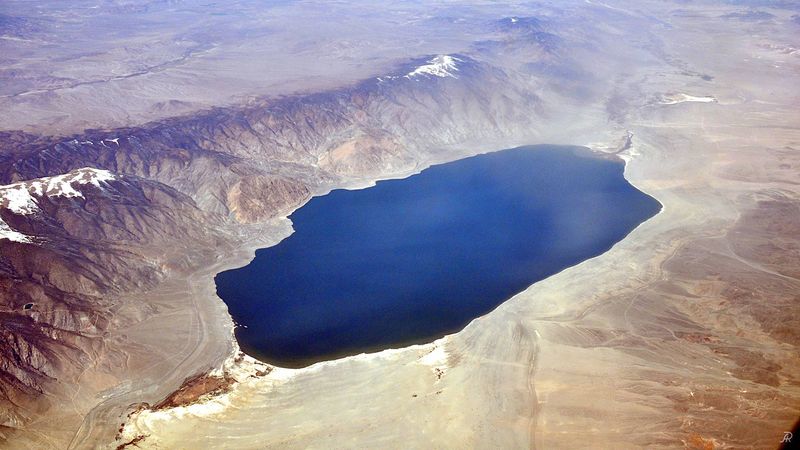
Walker Lake has no outlet. Water flows in from the Walker River, but nothing flows out except evaporation.
That makes it a terminal lake, and terminal lakes have a chemistry problem.
As water evaporates, the dissolved salts and minerals it carried stay behind. Over time, the concentration builds.
At Walker Lake, total dissolved solids reached 26 grams per liter by spring 2016.
That number matters enormously. Most native fish species cannot survive above certain salinity thresholds, and 26 g/L is well past the danger zone.
The lake essentially became too salty to support the fish populations that once thrived there. Scientists documented altered microbial structures, rising water temperatures, and dropping dissolved oxygen levels alongside the salinity spike.
Climate change adds pressure too. Warmer temperatures accelerate evaporation, which speeds up the concentration of salts.
However, researchers consistently point to upstream agricultural water diversions as the larger and more immediate driver of the lake’s decline.
When The Trout Vanished From Trout Lake
The Northern Paiute people called this place “Agai Pahnunadu,” which translates roughly to Trout Lake. That name was not poetic license.
It was a factual description of a lake teeming with Lahontan cutthroat trout.
For generations, the lake supported a robust fishery. Anglers traveled to the area specifically for the cutthroat trout, some weighing over two pounds.
Fishing derbies were a staple of local culture.
Then the salinity climbed past what the fish could endure. Lahontan cutthroat trout no longer occur in the lake today.
Native tui chub, another species once common here, also disappeared.
The silence left behind is striking. A lake once famous enough to carry “trout” in its indigenous name now cannot support the very fish that defined it.
Restoring those fish populations is one of the primary goals of ongoing conservation efforts. Getting the salinity back down to a survivable range is the essential first step toward that goal.
The Birds That Stopped Coming
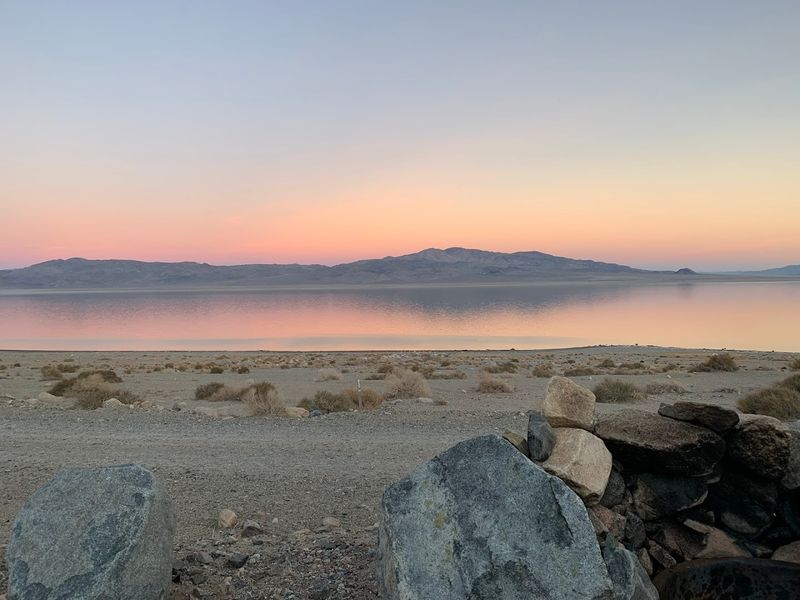
Migratory birds are reliable indicators of ecosystem health. When the fish disappeared from Walker Lake, the birds that depended on those fish followed them out the door.
The common loon was once a celebrated visitor to the lake. Hawthorne, Nevada, the nearest town, even hosted an annual Loon Festival to celebrate the seasonal arrivals.
It was a beloved community event.
By 2009, the festival was canceled. The loons had stopped showing up in meaningful numbers.
Without fish to eat, the lake simply could not support them as a stopover point during migration.
Other bird species still use the area, and wildlife watchers can spot various species around the lake and surrounding high desert terrain. But the loon’s absence is a visible marker of how deeply the ecosystem has been disrupted.
Conservation groups now track bird populations as one measure of the lake’s recovery progress. More freshwater inflow means lower salinity, which means more fish, which means the birds may one day return.
Agriculture, Water Rights, And A Century Of Diversion
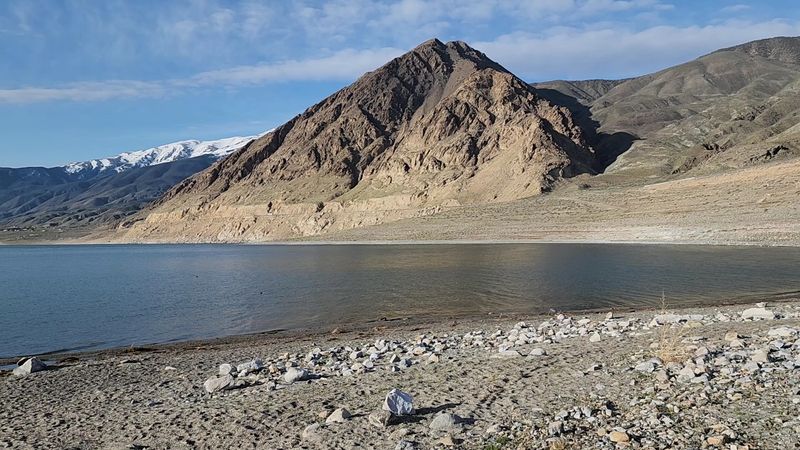
Follow the Walker River upstream from the lake and the story of the water becomes clear fast. Farmers in valleys like Antelope, Bridgeport, Smith, and Mason have diverted river water for agricultural use for well over a century.
Crops like alfalfa and pasture grass demand significant irrigation. Dams were built, canals were dug, and groundwater was pumped.
All of that drew water away from what would have eventually reached the lake.
Legal battles over water rights in the Walker Basin stretch back to the early 1900s. The conflict between agricultural users upstream and the ecological needs of the lake downstream is one of the longest-running water disputes in the American West.
These are not simple villains-and-heroes situations. Farming communities built their livelihoods around that water.
The legal and human complexity of water rights in Nevada makes solutions genuinely difficult to negotiate.
Still, researchers are clear that agricultural diversion is the primary driver of the lake’s decline, outweighing even the effects of climate change in terms of immediate impact.
The Paiute Connection To These Waters
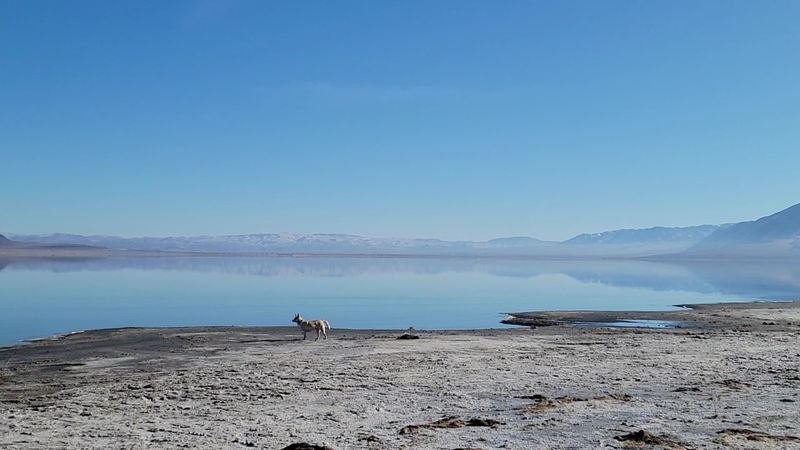
Long before roads cut through the Nevada desert, the Walker River Paiute people lived alongside this lake. Their culture, diet, and identity were woven into its waters and the fish it held.
The lake was not just a resource. It was central to their way of life.
The Lahontan cutthroat trout provided food, and the surrounding landscape shaped their seasonal movements and traditions.
Today, the Walker River Paiute Tribe remains deeply involved in the lake’s future. The tribe is actively working on water resources management and riparian improvement projects as part of broader restoration efforts.
Their involvement is not symbolic. It represents a continuation of stewardship that predates the water diversions, the dams, and the agricultural development that transformed the basin over the last century and a half.
Recognizing the tribe’s historical relationship with the lake adds important depth to the conservation conversation. Restoring Walker Lake is not only an ecological goal.
For the Paiute people, it is also a matter of cultural restoration.
What The Landscape Looks Like Now
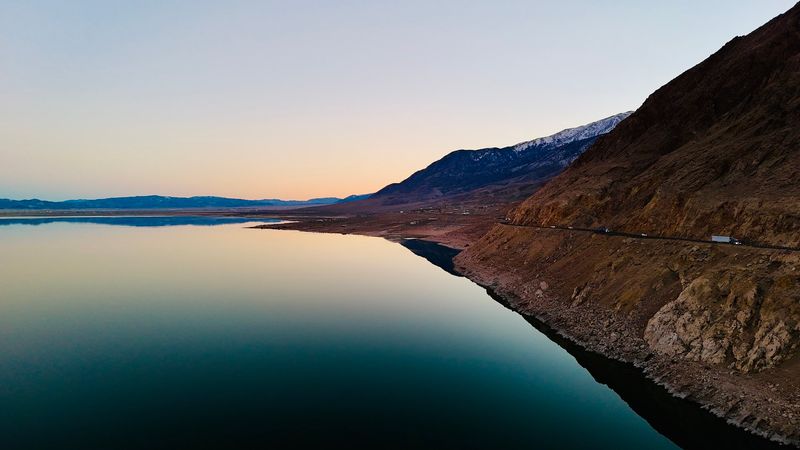
Despite the ecological crisis unfolding beneath its surface, Walker Lake still delivers a landscape that genuinely stops traffic on US Highway 95. The green-tinted water mirrors the Wassuk Range with an almost surreal clarity.
The western shoreline is steep and rocky, pressed up against the mountain range. The eastern side opens up into sandy beaches that feel surprisingly inviting for a desert lake.
The water’s color comes from its unique mineral chemistry. Visitors often describe it as glowing, especially in the late afternoon when the desert light hits it at a low angle.
Wild horses have been spotted grazing in meadows near the lake. Desert bighorn sheep occasionally come down from the mountains to drink.
The surrounding high desert supports mountain lions and bobcats as well.
The view from the highway alone makes a stop worthwhile. Many travelers passing between Las Vegas and Reno pull over just to take it in, surprised that such a dramatic landscape exists this far off the tourist radar.
Camping Where The Desert Meets The Water
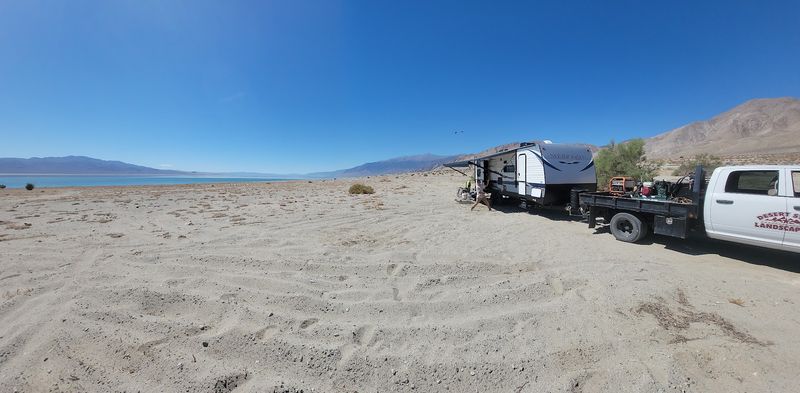
Camping at Walker Lake feels like being let in on a secret. The Bureau of Land Management manages several sites along the shoreline, and the prices range from free dispersed camping to modest fees at developed spots.
Sportsman’s Beach is the most developed option, offering vault toilets, shaded awnings, fire pits, and picnic tables. Tamarack Beach and Twenty Mile Beach provide more primitive setups for those who want fewer neighbors and more sky.
The night sky here is exceptional. Far from city light pollution, the stars over the Nevada desert put on a show that rivals any planetarium.
Campers consistently mention the sky as one of the highlights.
Wind is a real factor. Afternoons can get gusty, and some nights the gusts roll in hard off the mountains.
Mornings tend to be calmer, making early hours the best time to be on the water.
One practical note worth heeding: areas near the waterline can have very soft sand. Vehicles without four-wheel drive have gotten stuck, so approach the shoreline carefully.
Activities That Still Make The Trip Worth It
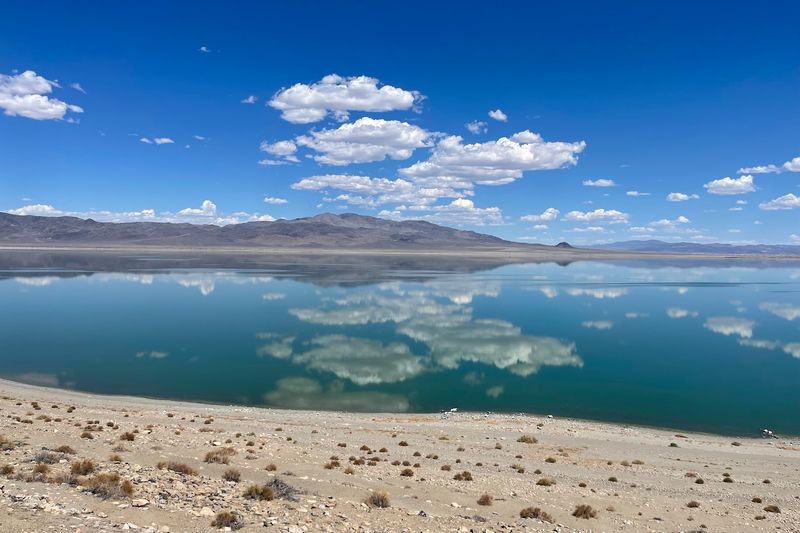
Fishing is largely off the table now due to the high salinity. But Walker Lake still has plenty to offer visitors who show up ready to engage with the landscape on its own terms.
Swimming is popular during warmer months. The high mineral content of the water makes it slightly more buoyant than a typical freshwater lake, which some swimmers find oddly enjoyable.
Boating, kayaking, canoeing, and windsurfing all work well here when conditions cooperate. The open water and mountain backdrop make for a dramatic setting for any paddle or sail.
Hiking in the surrounding terrain offers views down onto the lake from above. Mount Grant looms over the area at significant elevation, and the perspective from higher ground puts the lake’s scale into context.
Bird watching remains a rewarding activity despite the decline in migratory species. Various birds still use the area, and the surrounding desert supports wildlife that patient observers can spot with some luck and quiet movement.
The Conservation Fight To Save The Lake
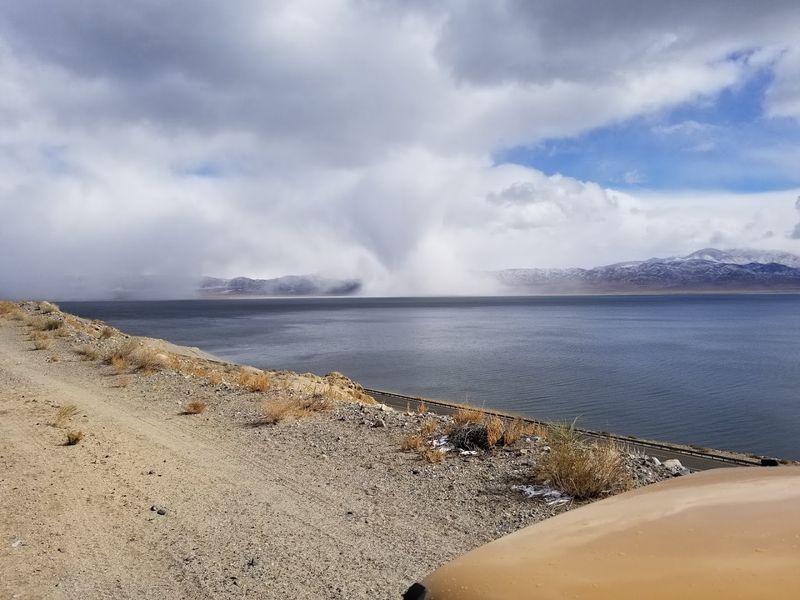
The Walker Basin Conservancy is leading one of the most ambitious water restoration efforts in the American West. Its strategy centers on acquiring water rights from willing agricultural sellers upstream and redirecting that water back toward the lake.
The goal is to reduce total dissolved solids from their current dangerous levels down to a range of 10 to 12 g/L. That range would allow native fish to survive and invertebrate populations to recover.
Congress created a federal program in 2002 that allocated over $200 million to help restore at-risk desert terminal lakes across Nevada, including funding directed toward Walker Lake and the broader Walker River Basin. Federal and state agencies are working alongside the conservancy on multiple fronts.
The approach is voluntary. No one is forcing farmers to sell water rights.
Progress depends on willing participation and sustained funding over a long timeline.
It is a slow process, but the framework is real and the commitment is serious. Scientists and conservationists are cautiously optimistic that the lake can be pulled back from the edge if the effort holds.
A Record Snowpack And A Reason For Hope
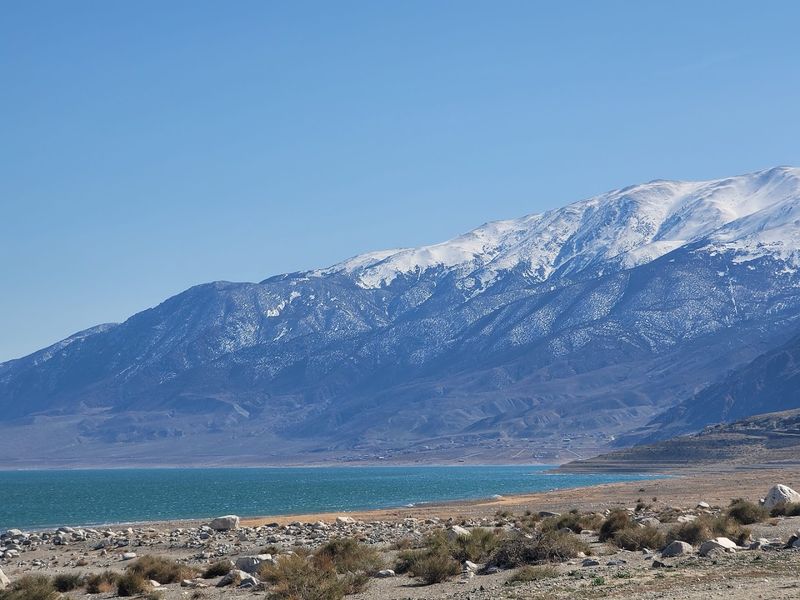
In 2023, the Sierra Nevada delivered a record-breaking snowpack. The runoff that followed sent more water down the Walker River than the basin had seen in years.
Combined with reduced upstream diversions, the effect on Walker Lake was measurable and meaningful. The lake’s level rose by nearly 13 feet in a relatively short period.
That rise does not erase a century of decline. The lake still has a long way to go before salinity drops to survivable levels for native fish.
But the event proved that the lake can respond when it receives more water.
Visitors who had watched the shoreline retreat for years described the change as striking. Beaches that had been dry for seasons were back under water.
The lake looked more like its old self.
Scientists were careful not to oversell the moment. One good snow year does not constitute recovery.
But it demonstrated that the system is still responsive, and that is exactly the kind of signal conservation efforts needed to keep moving forward.
Practical Tips For Visiting Walker Lake Today
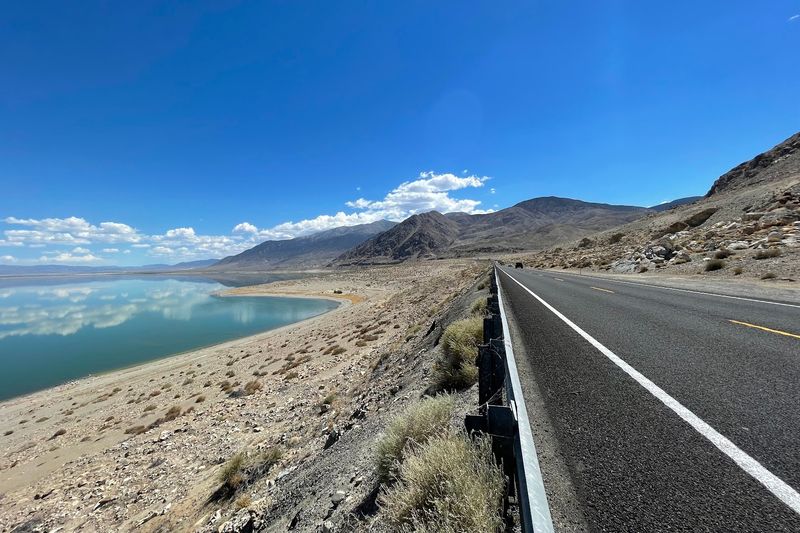
Walker Lake sits along US Highway 95, making it one of the more accessible remote destinations in Nevada. Travelers heading between Las Vegas and Reno pass it directly, and a stop requires almost no detour.
Cell service is unreliable in the area. Downloading maps offline before leaving a town with connectivity is a smart move.
Hawthorne, about 12 miles south, is the closest service hub for fuel and supplies.
Water is essential in the high desert. Bringing more than you think you need is always the right call.
Temperatures can swing significantly between day and night, so layers are practical regardless of the season.
Spring and early summer tend to offer the most comfortable visiting conditions. Late summer can bring intense heat, and afternoon winds pick up regularly.
Morning hours are generally calmer and more pleasant for outdoor activity.
The lake sits at roughly 4,000 feet above sea level. That elevation means sun exposure is stronger than it feels, and sunscreen is not optional.
The landscape rewards those who come prepared.