
Controversy Has Suddenly Taken Over This Once Quiet Montana Lake
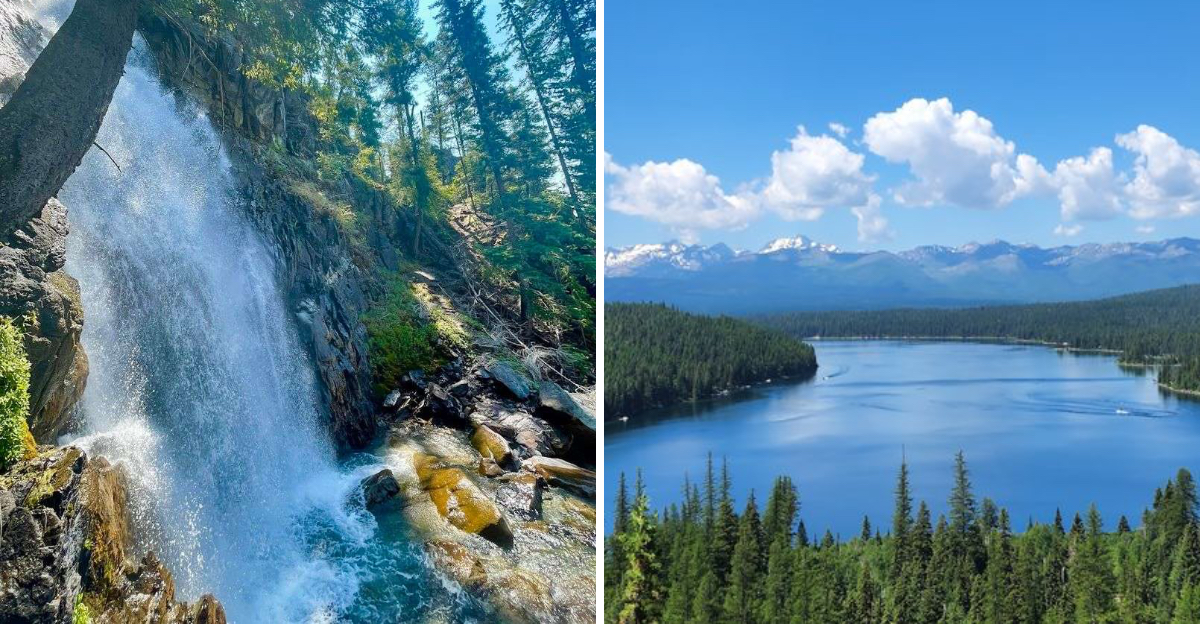
Controversy just exploded around one of the quietest, most beloved lakes in the country. Crystal water sits between two mountain ranges, calm and postcard-perfect.
Families have camped, paddled, and fished here for generations without any drama. Then a massive resort expansion plan appeared, and quiet turned into chaos.
Federal officials, conservation groups, and hundreds of residents clashed over what came next. Montana has seen plenty of land battles, but this fight became something bigger.
The backlash grew so loud that officials were forced to hit pause. New owners have since stepped in with a completely different vision.
Montana might finally get its calm back, and the next chapter is unfolding. Curious how this saga actually plays out?
This lake’s story is worth following before you plan your own visit.
A Mountain Lake That Earned Its Reputation
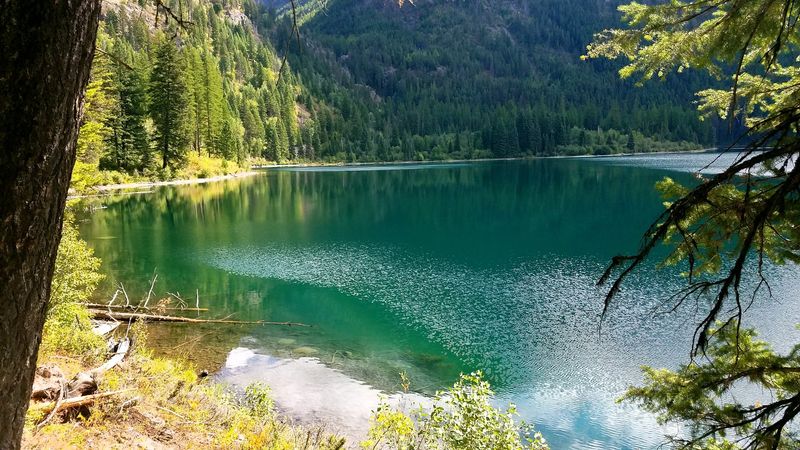
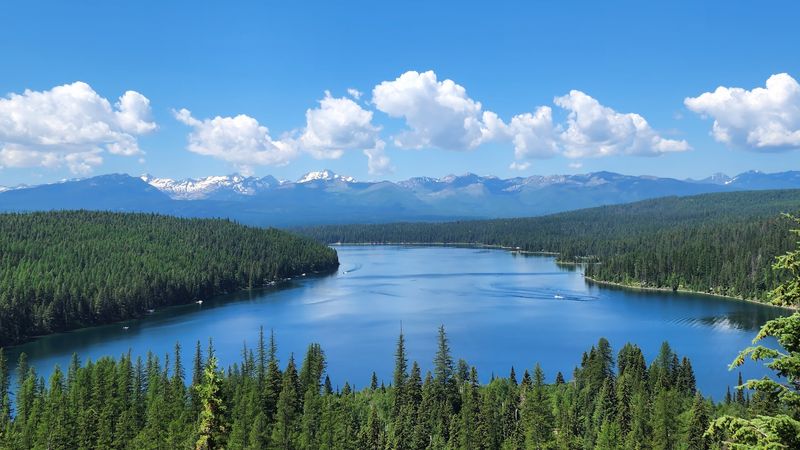
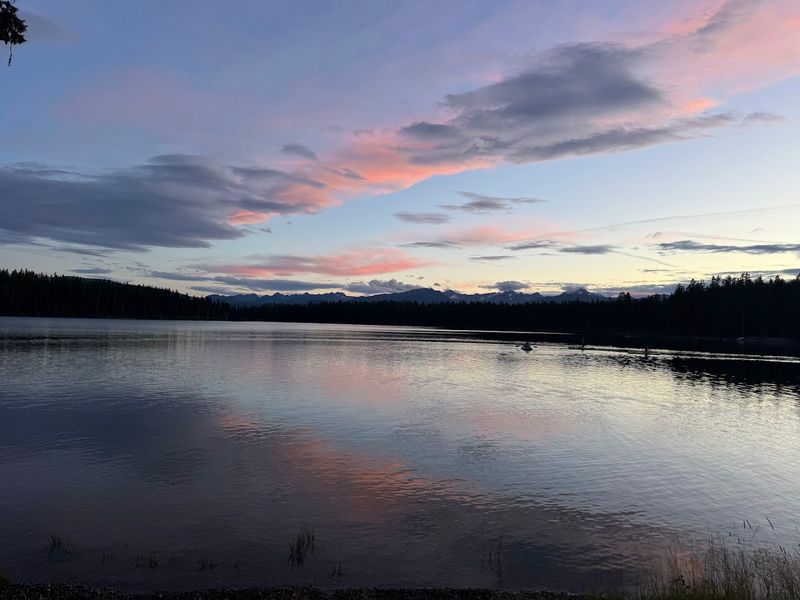
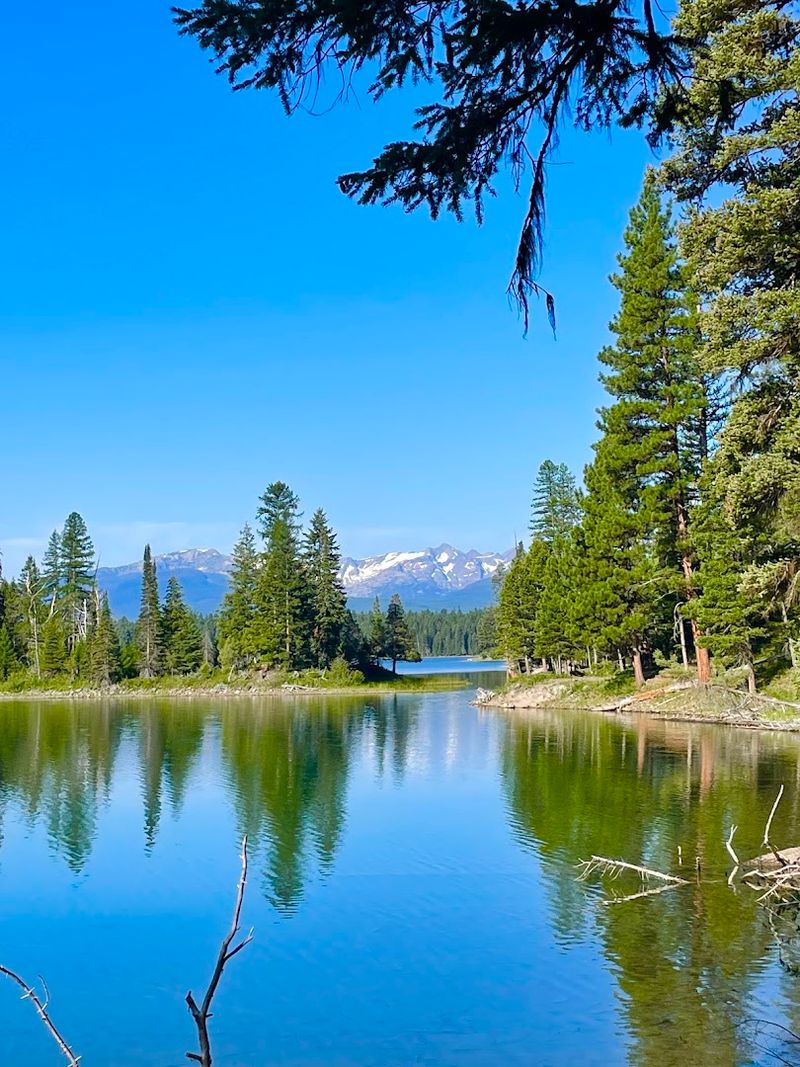
Not every lake earns a high-star rating from nearly everyone who visits, but Holland Lake pulls it off with ease. Sitting at an elevation of roughly 4,050 feet in the Swan Valley of Montana, this 400-acre lake delivers scenery that feels almost theatrical.
The Swan Range frames one side. The Mission Mountains anchor the other.
The water sits clear enough to make you question whether it’s real.
Holland Lake falls within the Flathead National Forest, making it public land accessible to anyone willing to make the drive to Montana 59826. That accessibility is part of what makes it so deeply loved.
Boaters, paddleboarders, swimmers, hikers, and campers all converge here across the warmer months. The lake draws a wide crowd without ever feeling like it belongs to just one type of visitor.
Its reputation was built quietly, over decades, one family trip and one stunned first-timer at a time. That quiet reputation is exactly what made the controversy hit so hard.
The Lodge That Started It All
Few buildings carry history as comfortably as Holland Lake Lodge. The original structure rose in 1925, operating under a special use authorization from the U.S.
Forest Service on public land. That arrangement set the tone for everything that followed.
Fire consumed the lodge in 1946. It was rebuilt almost immediately, and the reconstructed version retained its rustic, mid-century character.
That character became a selling point all on its own.
For decades, the lodge served as a rare opportunity to experience Montana’s wilderness with a roof overhead. It offered guided trips, cozy accommodations, and a sense of stepping back in time without sacrificing comfort.
The lodge’s address, Holland Lake Lodge, Holland Lake, MT 59826, became synonymous with a certain kind of Montana escape. Unhurried, unpretentious, and surrounded by forest on all sides.
What made the lodge special was precisely its smallness. It fit into the landscape rather than dominating it.
That delicate fit would soon become the center of a very loud argument.
When A Development Plan Changed Everything
Early 2022 brought a proposal that stunned the Swan Valley. The lodge’s owner had partnered with POWDR, a Utah-based resort development company, and their vision was anything but modest.
The Master Development Plan called for demolishing nine existing buildings. In their place, 32 new structures would rise across the property.
Overnight guest capacity would jump from 50 to 156 people.
The total footprint expansion represented a staggering 466% increase in size. New additions included a 13,000-square-foot lodge building, ten lakeshore cabins, sixteen smaller cabins, an expanded restaurant, and a welcome center.
RV sites were also planned.
For a place that had always felt intimate and land-conscious, the scale of the proposal was jarring. Critics were not just concerned about aesthetics.
They worried about what that level of development would do to the surrounding ecosystem and to public access.
Montana has no shortage of development debates, but this one felt different. It touched something personal for people who had grown up visiting Holland Lake and could not imagine it transformed into a resort complex.
The Public Pushback Was Immediate And Fierce
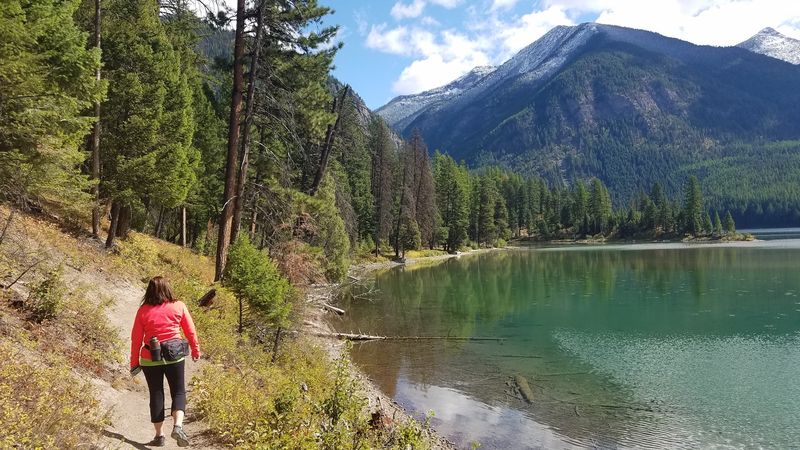
Word spread fast. Local residents, conservation advocates, and outdoor enthusiasts flooded the conversation with opposition.
The response was not polite concern. It was organized resistance.
Groups including the Center for Biological Diversity, the Alliance for the Wild Rockies, the Sierra Club, Wild Montana, and the Swan Valley Coalition all raised formal objections. Each brought a different angle to the argument.
A grassroots campaign called “Save Holland Lake” emerged and gathered momentum quickly. Members attended public meetings, filed comments, and kept the pressure visible.
Thousands of formal public comments poured into the U.S. Forest Service, and the overwhelming majority opposed the expansion.
What made the pushback so powerful was its breadth. This was not a fringe reaction.
Families, scientists, longtime visitors, and policy experts all found common ground in wanting the lake protected.
Montana has a long tradition of fierce loyalty to its wild places. Holland Lake became a rallying point for that loyalty, a test case for how much say the public actually has when private interests seek to reshape shared land.
Transparency Questions That Fueled The Fire
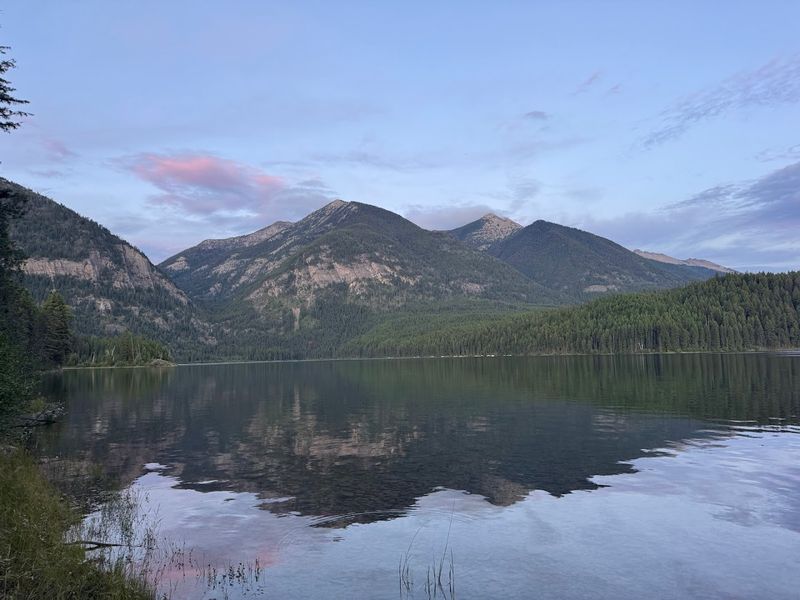
Beyond the scale of the proposal, many people were troubled by how the process unfolded. The Master Development Plan was submitted in April 2022, but it was initially withheld from public view.
That secrecy did not sit well.
When the U.S. Forest Service formally announced the project in September 2022, it suggested the proposal might qualify as a “Categorical Exclusion.” That designation would have allowed the project to bypass a full environmental assessment entirely.
Skipping that review would also mean skipping the environmental impact statement process. For a project of this scale, many found that approach deeply troubling.
It would severely limit public input at a critical stage.
The involvement of POWDR, a major ski resort developer, was not prominently disclosed by the Forest Service in early communications. That omission added another layer of frustration for those following the issue closely.
Even elected officials weighed in. A U.S. senator publicly criticized the use of a categorical exclusion, arguing that corporations should not profit from public land without thorough oversight and genuine community involvement.
The criticism landed hard.
Wildlife At The Heart Of The Debate
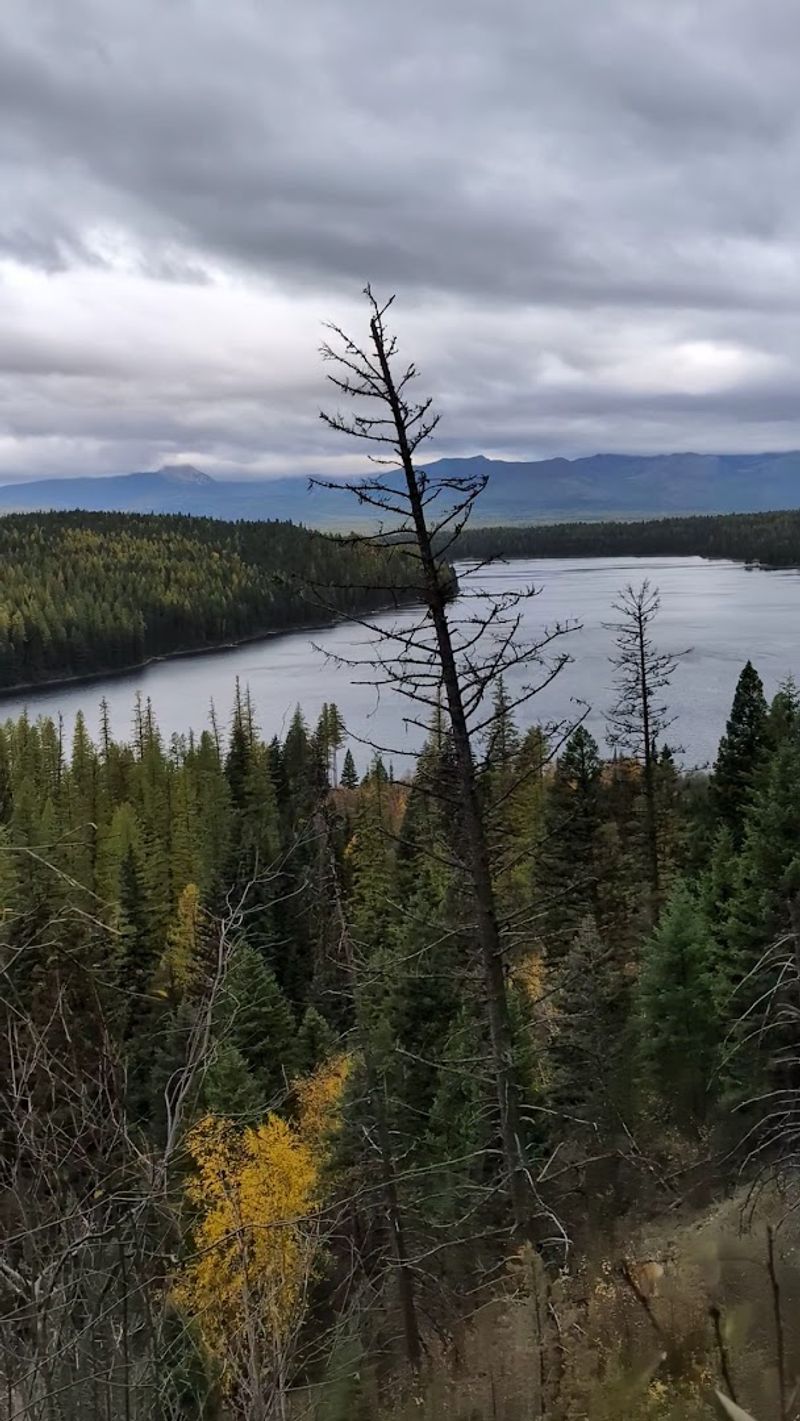
Holland Lake is not just a pretty place to kayak. The surrounding ecosystem supports wildlife that demands serious consideration whenever development enters the picture.
Grizzly bears roam the forests around the lake. Bull trout, a threatened species, thrive in the cold, clear water.
Canada lynx inhabit the broader wilderness area. These are not background details.
They are legal and ecological obligations.
Conservation groups argued that tripling visitor capacity would dramatically increase human-wildlife conflict in an already sensitive corridor. More guests mean more noise, more food smells, more foot traffic in areas where wild animals need space.
Missoula County commissioners formally requested a full environmental review from the Forest Service. They emphasized the need to assess cumulative impacts, not just the lodge footprint itself.
Montana’s wildlife heritage is part of what draws people to places like Holland Lake in the first place. The argument was straightforward: you cannot protect the experience of wild Montana while simultaneously building a resort-scale operation in the middle of critical habitat.
Something has to give.
The Forest Service Said No
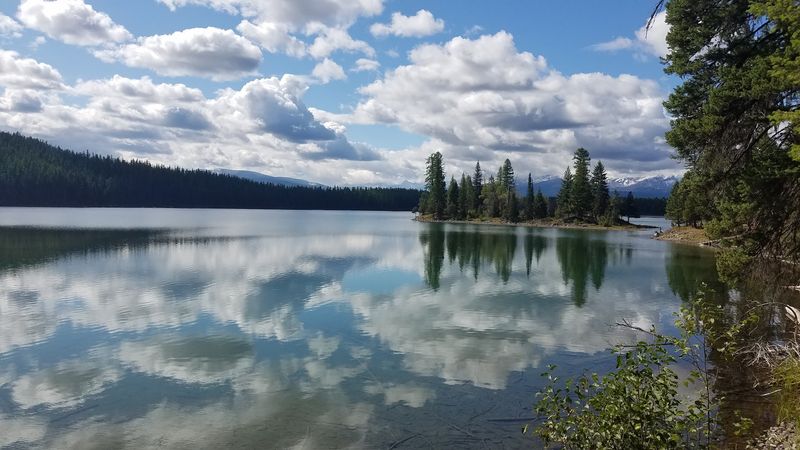
November 2022 brought a turning point. The Flathead National Forest rejected the initial expansion plan for Holland Lake Lodge.
The decision cited “inaccuracies and inconsistencies” within the submitted Master Development Plan.
That rejection sent the project back to the beginning. For everyone who had spent months filing comments, attending meetings, and sharing the story across social media, the decision felt like a genuine win.
POWDR initially indicated it might resubmit a revised version of the plan. But the momentum had clearly shifted.
Public opposition had been heard, documented, and acted upon by the agency responsible for managing the land.
The outcome demonstrated something important: the public comment process, often dismissed as performative, had real teeth in this case. Thousands of voices had shaped a federal land management decision in Montana.
It was not a permanent resolution. The lodge still operated under its existing permit, and the future remained uncertain.
But the rejection established a clear precedent. Scale matters, and community opposition to overdevelopment on public land carries genuine weight when it is well-organized and well-documented.
An Owner Steps Away And A Sale Begins
October 2023 brought another dramatic development. The lodge’s long-time owner announced he was dissolving his partnership with POWDR and withdrawing all pending applications to the U.S.
Forest Service.
With that announcement, Holland Lake Lodge was officially put up for sale. The owner cited a deliberate campaign of misinformation and disturbing threats as contributing factors to his decision.
It was a messy, painful end to a chapter that had started with ambitious plans.
The U.S. Forest Service confirmed the withdrawal and stated it would work with Holland Lake Lodge Inc. on next steps.
Any future buyer would need to apply for a brand-new special use permit, starting the regulatory process fresh.
For many in the Swan Valley, the sale news arrived with cautious relief. The controversial expansion was off the table.
But uncertainty replaced it. Who would buy the lodge, and what would they want to do with it?
Montana’s public land debates rarely end cleanly. This one was no exception.
The story of Holland Lake was entering a new chapter, and nobody knew quite how it would read.
New Owners And A More Measured Vision
July 2025 delivered welcome news for Holland Lake. The Flathead National Forest granted a new special use permit to Eric Jacobsen and Thomas Knowles, operating under the name Holland Peak, LLC.
A fresh start had officially arrived.
Crucially, the new permit authorizes operation within the existing footprint and facilities. No dramatic expansion.
No tripling of capacity. The emphasis is on working with what is already there.
The permit runs for 20 years, providing long-term stability. The Forest Service requires a new master development plan within five years, and any proposed changes beyond the current permit will require further analysis and public involvement.
The new owners tentatively aim for a 2026 reopening, with early priorities focused on a full property assessment and addressing deferred maintenance. They have publicly pledged community collaboration, acknowledging the weight of operating on public land in Montana.
For a lake that spent years at the center of a heated argument, the arrival of stewards committed to a measured approach feels like a meaningful shift. Cautious optimism, as they say, is still optimism.
Hiking To Holland Falls Is Worth Every Step
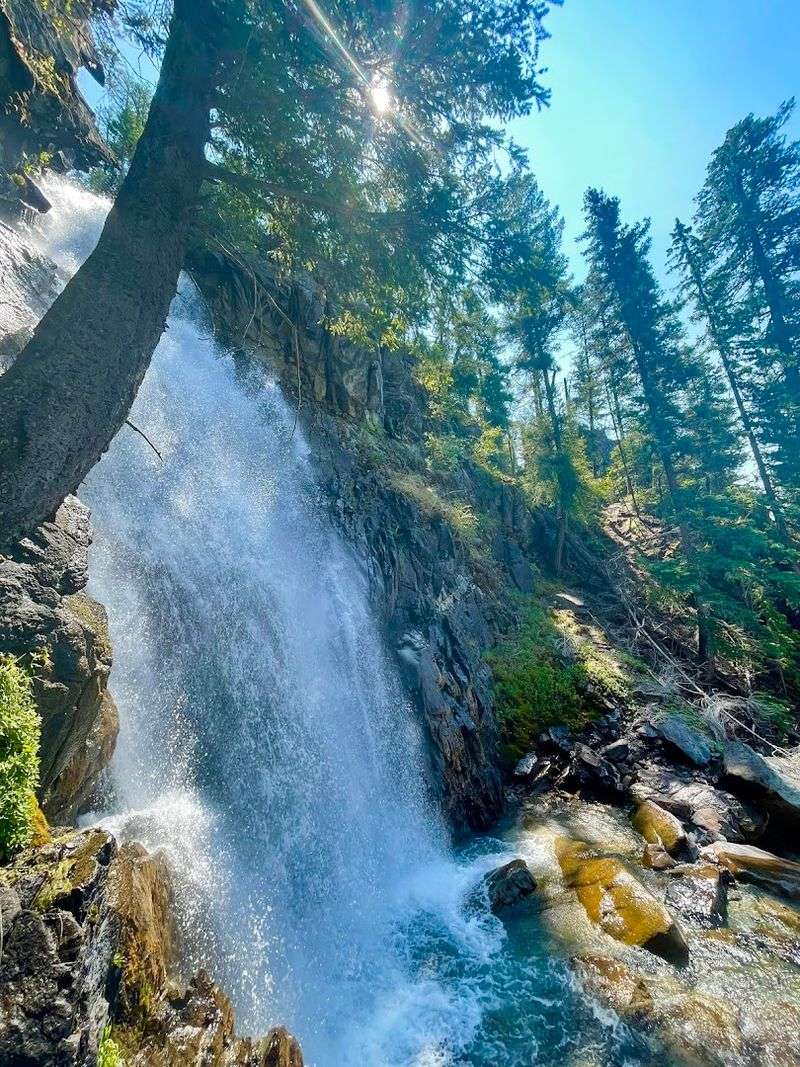
Pull on your boots and point yourself toward the trailhead. The Holland Falls National Recreation Trail is one of those hikes that rewards you constantly, not just at the finish line.
The route covers 1.6 miles one way, making for a 3.3-mile round trip. It climbs roughly 750 feet in elevation.
That is enough to feel like an accomplishment without requiring mountaineering experience.
The trail traces Holland Lake’s shoreline for much of its length, offering water views that keep the scenery fresh throughout the walk. Then it turns uphill and delivers you to Holland Falls, a cascading waterfall that earns every bit of its reputation.
Visitors consistently describe the payoff as more than worth the effort. The falls are dramatic, photogenic, and surrounded by the kind of forest that makes Montana feel like a different planet from everyday life.
For those wanting more challenge, trails from the area also access the Bob Marshall Wilderness, one of the largest protected wilderness areas in the continental United States. Holland Lake serves as a legitimate gateway into serious backcountry.
On The Water, The Fun Never Runs Dry
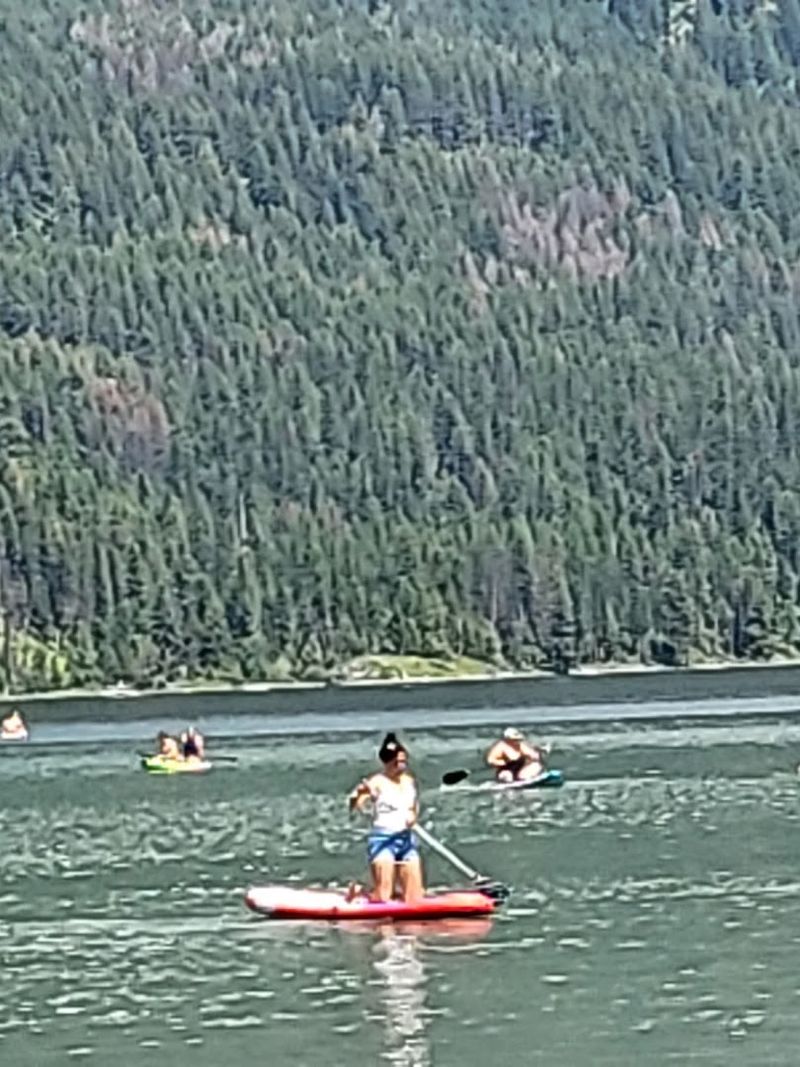
The lake surface at Holland Lake is basically an open invitation. Water activities dominate the warmer months, and the variety keeps things interesting for groups with different energy levels.
Boating is popular, with motorized vessels cutting across the open water. Water skiing enthusiasts have plenty of room to carve wide arcs.
Swimmers find the water surprisingly warm for a mountain lake, a detail that catches many first-timers off guard.
Kayaking and canoeing suit those who prefer a quieter rhythm. Paddleboards are also available for rent, offering a different vantage point on the surrounding peaks.
The Holland Lake Campground includes a boat ramp and trailer parking, making lake access straightforward.
Fishing adds another layer to the water experience. Kokanee salmon, rainbow trout, westslope cutthroat trout, and bull trout all inhabit the lake.
Montana Fish, Wildlife and Parks regularly stocks the water, and early spring and late fall tend to be prime angling windows. Always verify current regulations before casting.
Camping Here Means Waking Up To All Of This
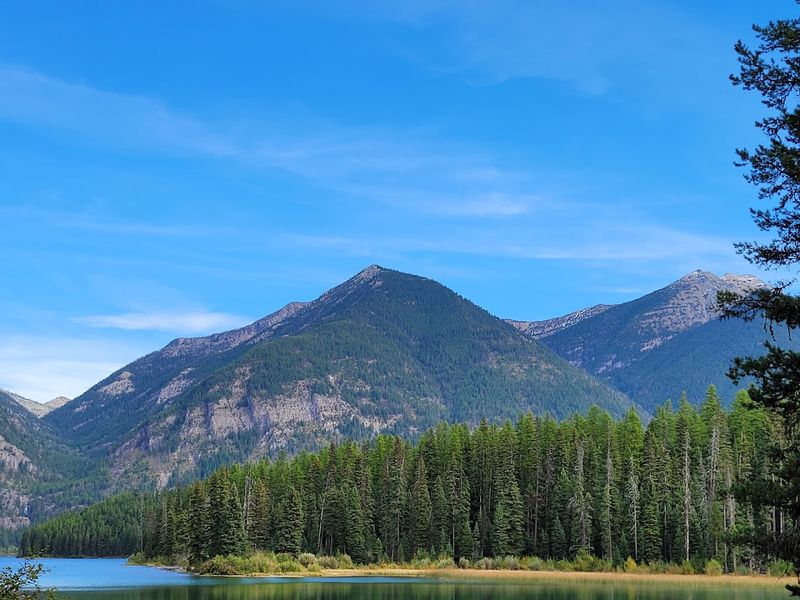
Spending the night at Holland Lake means waking up to something most people only see in photographs. The Holland Lake Campground offers between 38 and 40 individual sites spread among tamarack, ponderosa pine, and Douglas fir trees.
A day-use area provides options for those not staying overnight. A group site accommodates larger gatherings.
Both tent and RV campers are welcome, though hookups for electricity and sewer are not available, so come prepared for a more rustic setup.
Some sites operate on a first-come, first-served basis, while others can be reserved in advance. Each site includes a table and a campfire ring with a grill.
Vault toilets and drinking water are on-site. The basics are covered without overcomplicating things.
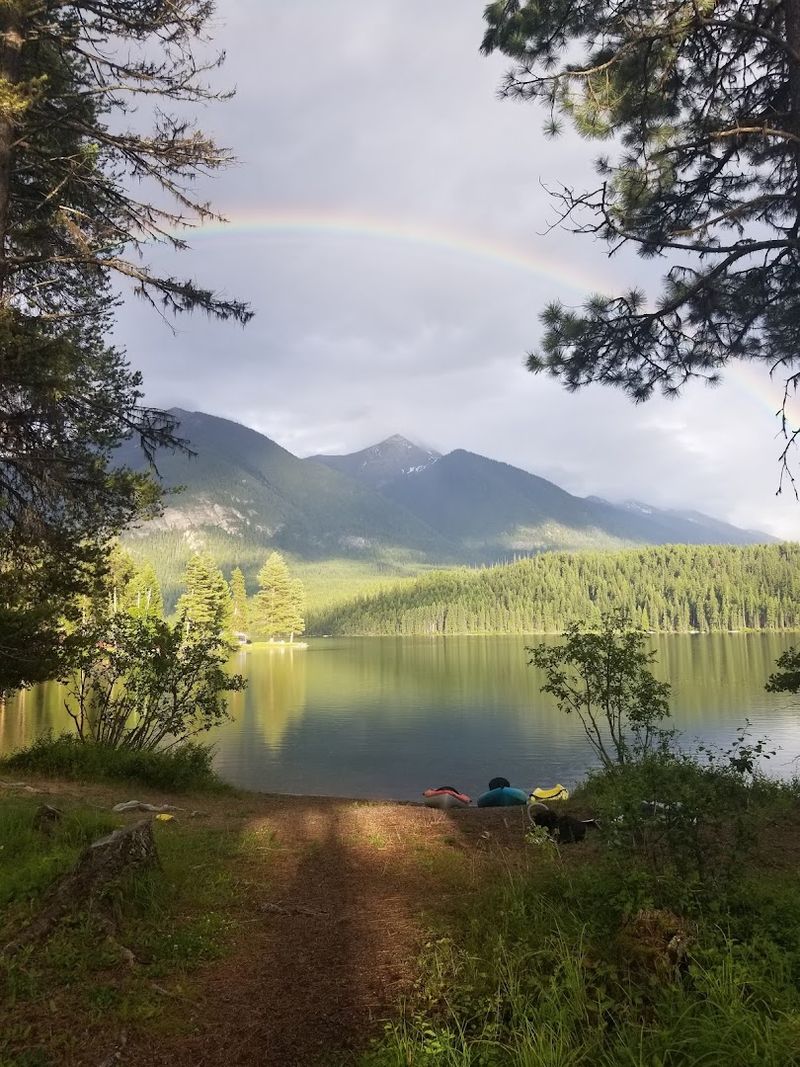
Site placement varies, with some closer to the lake and others set back for more privacy. Either way, the forest surrounds everything, and the sounds at night lean toward wind in the pines and water lapping the shore.
Campgrounds here fill up quickly during peak season. Arriving early or booking ahead makes a real difference between landing a spot and driving home disappointed.