
10 Quiet Nevada Getaways That Beat The Usual Tourist Towns This Summer
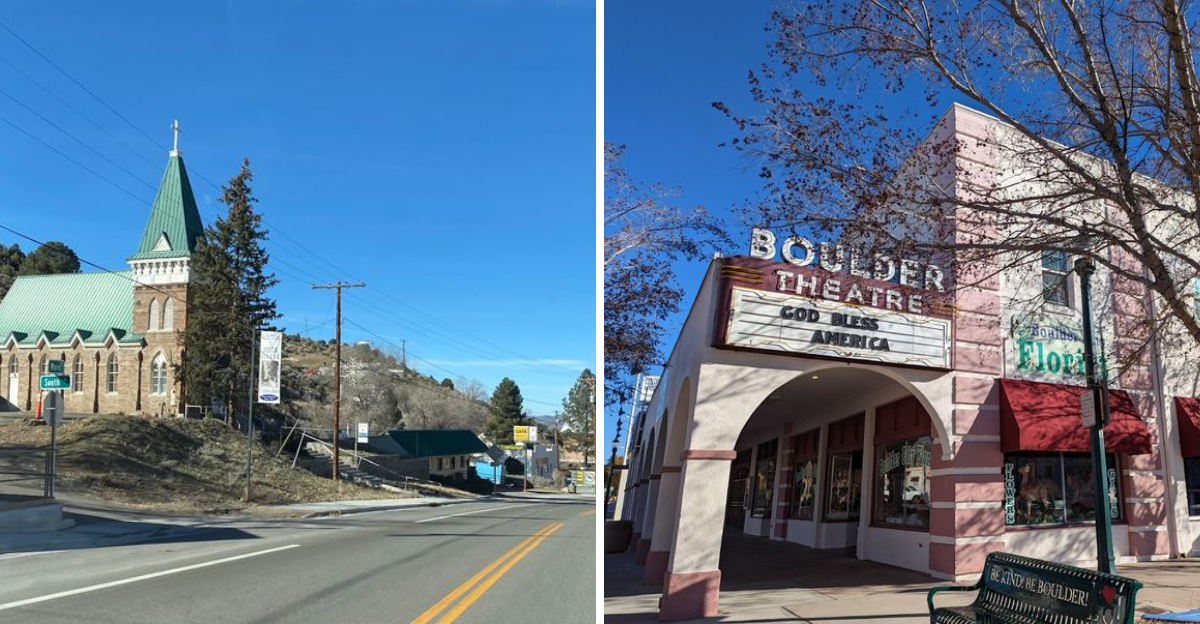
Neon has its moments, but silence can feel like the real luxury on a Nevada summer trip. Trade packed sidewalks and casino noise for places where the loudest thing might be wind moving through cottonwoods or boots crunching over a dusty main street.
Small towns here know how to slow the day down without making it boring. You might find old brick storefronts, mountain views, quirky local cafés, mining-era stories, or a trailhead close enough to reach before lunch. Nothing feels staged for a crowd. That is the charm.
These quiet escapes give travelers room to breathe, wander, and remember that Nevada’s best summer memories do not always come with flashing lights.
1. Genoa
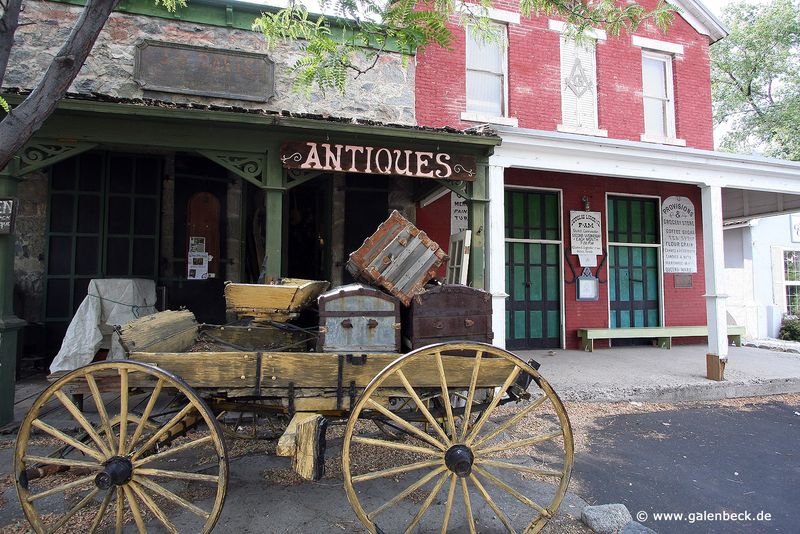
Nevada’s oldest settlement sits at the base of the Sierra Nevada, and you can feel history in every brick. Founded in 1851, Genoa looks like a movie set but it’s the real deal.
The town square features the oldest bar in the state, and trust me, the wooden floors creak with stories.
Mormon Station State Historic Park anchors the center of town, offering a glimpse into pioneer life. You can walk the entire main street in fifteen minutes, but you’ll want to linger.
The Genoa Bar serves cold drinks in a building that’s seen everything from gold rush miners to modern-day road trippers.
Summer brings perfect weather for exploring nearby hiking trails or simply sitting under massive cottonwood trees. The town hosts a candy dance festival in September, but summer keeps things wonderfully quiet.
Local shops sell handmade crafts, and the surrounding valley offers horseback riding and fly fishing.
Stay at the Genoa House Inn for Victorian charm or camp in the nearby Carson Valley. Either way, you’re escaping into a Nevada that most tourists never discover.
2. Austin
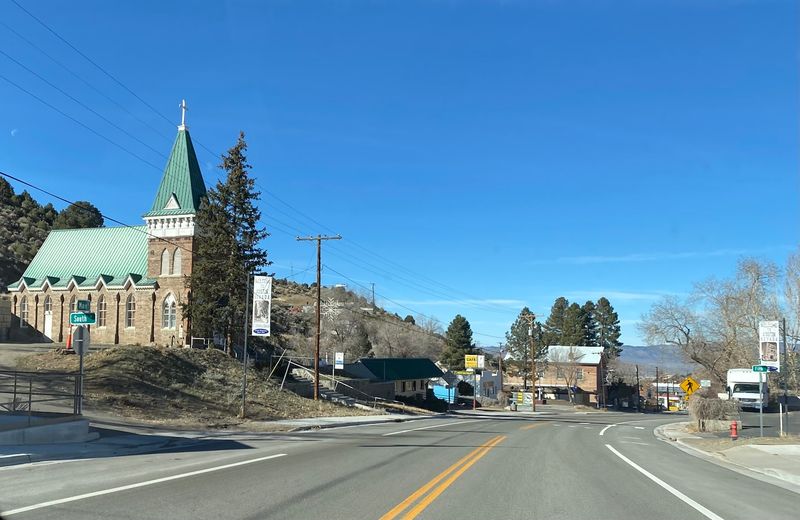
Perched on the side of a mountain along the Loneliest Road in America, Austin feels like time forgot to move forward. This former silver mining boomtown peaked in the 1860s with over 10,000 residents.
Today, fewer than 200 people call it home, but the Victorian buildings still stand proud against the desert sky.
The three-story Stokes Castle rises from the hillside like a medieval tower dropped into the Nevada wilderness. Built in 1897, it’s one of the strangest sights you’ll encounter.
Downtown features shops tucked into stone buildings that miners built by hand, and the International Cafe serves breakfast that’ll fuel your entire day.
Highway 50 runs straight through town, but don’t let that fool you into thinking it’s busy. You might see a dozen cars all morning.
The surrounding Toiyabe Range offers hiking, rockhounding, and views that stretch for miles across basin and range country.
Summer nights cool down fast at this elevation, making it perfect for stargazing. Bring layers, cash for the few businesses that remain, and a sense of adventure for exploring ghost towns nearby.
3. Ely
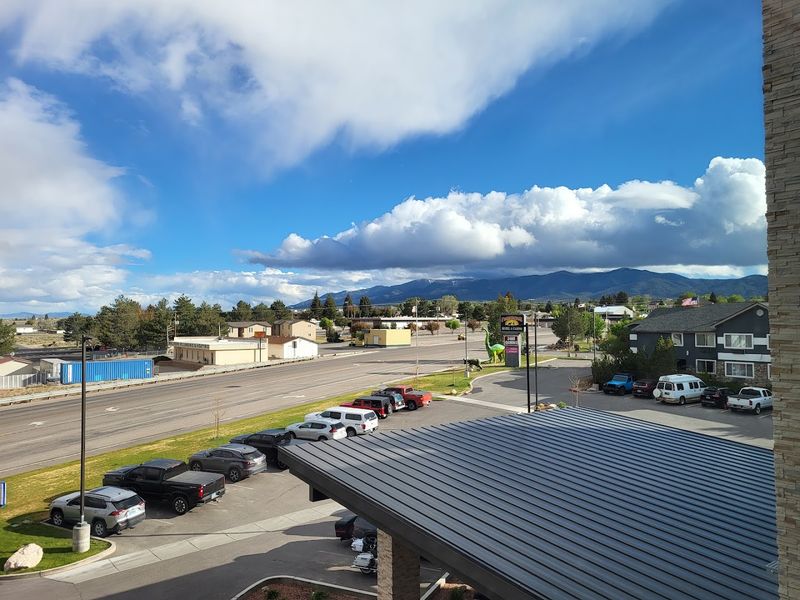
Copper built this town, and the mining legacy still rumbles through every street. Ely sits in eastern Nevada’s high desert, surrounded by some of the state’s most dramatic mountain ranges.
The Nevada Northern Railway Museum isn’t just a museum, it’s a working railroad where you can ride behind a steam locomotive that’s been chugging since 1909.
Downtown feels authentically western without trying too hard. The Hotel Nevada opened in 1929 as the tallest building in Nevada, and you can still book a room there today.
Main Street features murals depicting mining history, antique shops, and diners serving massive portions at prices that seem stuck in another decade.
Great Basin National Park lies just an hour away, offering ancient bristlecone pines and Lehman Caves. But Ely itself deserves your time.
The surrounding mountains hide old mining camps, and Cave Lake State Park provides excellent fishing and camping just minutes from town.
Summer temperatures stay comfortable at 6,400 feet elevation. The annual Renaissance Faire happens in June, but most summer days remain blissfully uncrowded.
Pack hiking boots and prepare to explore a Nevada that still feels wild and real.
4. Gardnerville
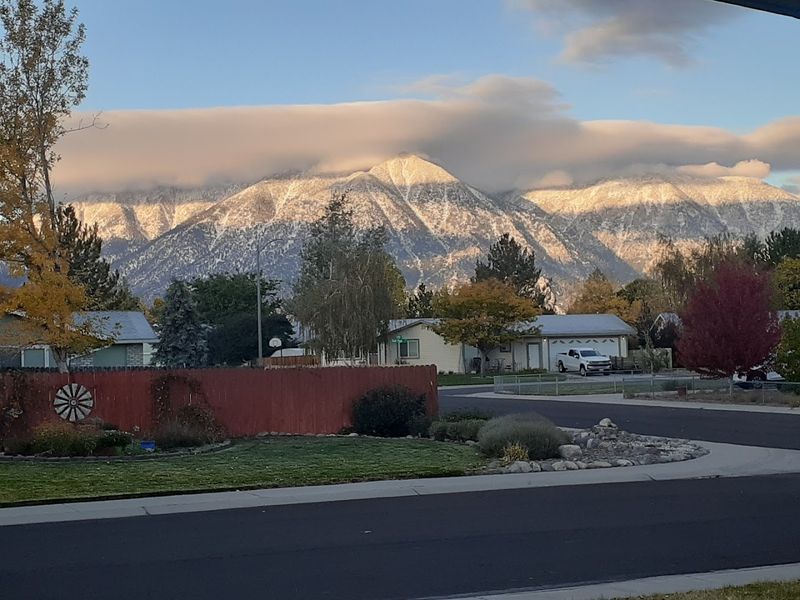
Ranching culture runs deep in this Carson Valley town where the Sierra Nevada creates a stunning western wall. Gardnerville maintains its agricultural roots while offering enough amenities to keep you comfortable.
The Basque community here runs strong, and you’ll find authentic Basque restaurants serving family-style meals that could feed an army.
Main Street keeps things simple with local businesses, a historic courthouse, and shops that cater to residents rather than tourists. The Carson Valley Museum and Cultural Center tells stories of Washoe people, pioneers, and ranchers who shaped this valley.
Summer farmer’s markets showcase local produce, and you can buy beef directly from valley ranches.
The valley floor sits at about 4,700 feet, giving you mountain views in every direction. Hiking trails into the Pine Nut Mountains start right from town, and the Carson River offers fishing and floating.
Hot air balloons drift over the valley on calm mornings, creating scenes straight from a postcard.
Minden sits right next door, practically connected, doubling your dining and lodging options. Together, these towns give you a base for exploring Lake Tahoe, Virginia City, and Genoa, all within thirty minutes.
Summer nights stay cool, perfect for sleeping with windows open.
5. Boulder City
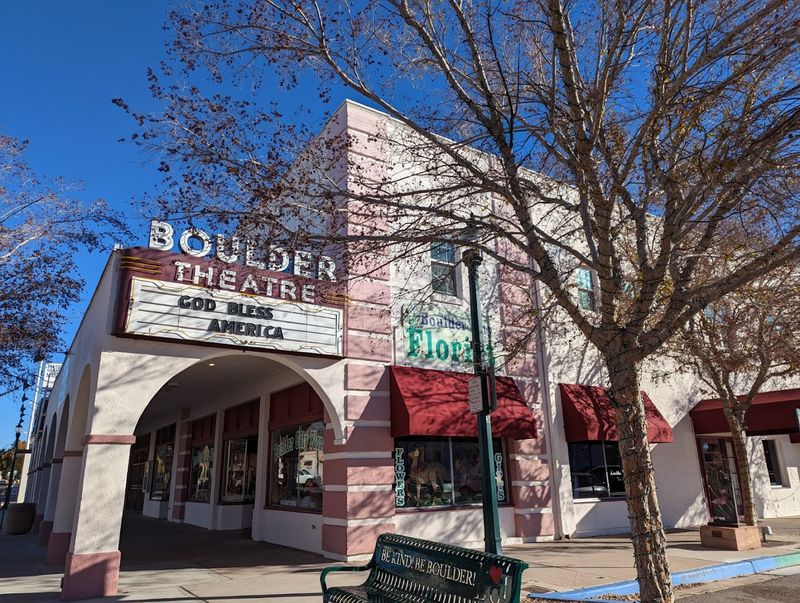
Built to house workers constructing Hoover Dam, Boulder City remains the only town in Nevada where gambling is illegal. That single fact sets the tone for everything else.
You won’t find slot machines in gas stations or casinos on every corner. Instead, you’ll discover a planned community with tree-lined streets and parks that actually get used.
The historic downtown district features buildings from the 1930s, antique shops, and the Boulder Dam Hotel, which still welcomes guests today. The Nevada State Railroad Museum operates vintage trains on weekends, and kids absolutely love it.
Lake Mead sits just minutes away, offering endless water recreation from kayaking to fishing.
Summer gets hot here in the Mojave Desert, but the town’s elevation and lake breezes help. Morning hikes in the surrounding desert reveal petroglyphs and wildlife, while afternoons belong to the water.
The Railroad Pass separates Boulder City from Las Vegas, creating a genuine buffer from the Strip’s chaos.
Local coffee shops and breakfast spots serve the community first, tourists second. You’ll notice the difference immediately.
Rent a kayak, explore Hoover Dam, then return to a quiet evening where stars actually shine overhead.
6. Fallon
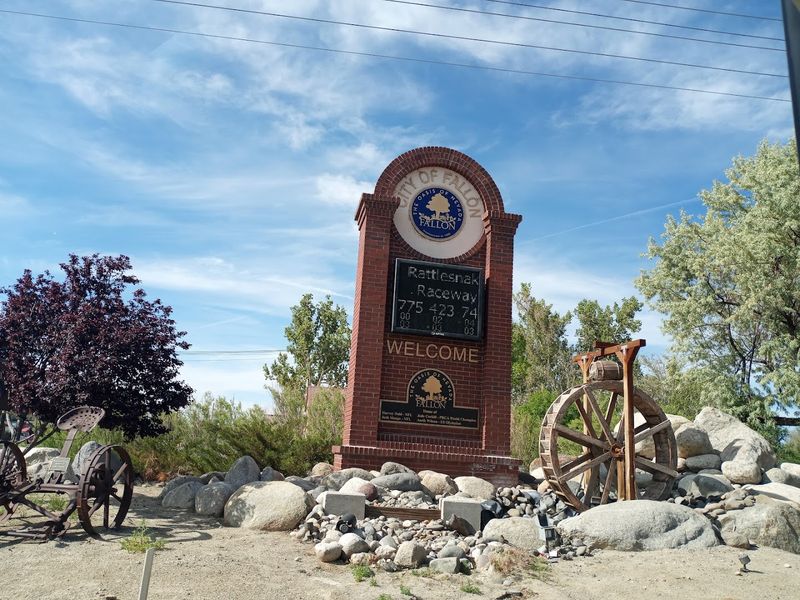
Known as the Oasis of Nevada, Fallon grows crops in the middle of the desert thanks to irrigation from the Lahontan Reservoir. This agricultural heartland produces cantaloupes, alfalfa, and hearts of gold that ship nationwide.
The town celebrates its farming heritage with the annual Cantaloupe Festival, but summer days stay peaceful and productive.
Naval Air Station Fallon brings Top Gun pilots to the area, but you’d barely know it in town. Downtown features vintage neon signs, local diners, and shops serving ranchers and farmers.
The Churchill County Museum houses an impressive collection of Native American artifacts and pioneer exhibits that actually teach you something.
Sand Mountain Recreation Area lies thirty minutes east, where massive sand dunes rise from the desert floor. You can rent ATVs or simply watch others tackle the steep faces.
Grimes Point Archaeological Area showcases ancient petroglyphs etched into basalt boulders, connecting you to people who lived here thousands of years ago.
Summer heat hits hard, but that’s when locals head to Lahontan State Recreation Area for water skiing and fishing. The reservoir stays surprisingly uncrowded compared to lakes near major cities.
Bring sunscreen, plenty of water, and an appetite for genuine small-town Nevada living.
7. Yerington
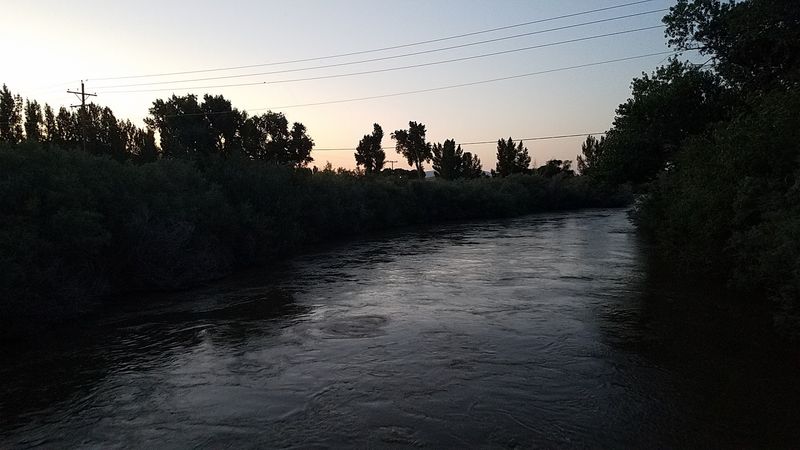
Copper mining put Yerington on the map, but agriculture keeps it alive today. The Walker River flows through town, creating a green ribbon through otherwise arid country.
This Mason Valley community moves at a pace that lets you actually relax instead of rushing from one attraction to another.
The Lyon County Museum occupies an old church building and packs in more history than you’d expect. Artifacts from the Paiute people, mining equipment, and pioneer belongings fill the space.
Downtown Yerington won’t win beauty contests, but it’s honest and functional, with local restaurants serving home-cooked meals.
Walker River State Recreation Area offers fishing, camping, and hiking just minutes from town. The Singatse Range rises to the east, providing hiking opportunities and rockhounding spots where you can search for minerals.
Summer temperatures climb, but the river keeps things manageable.
The annual Night in the Country music festival brings crowds in July, but most summer days remain quiet. Locals gather at city parks for softball games and picnics, and you’re welcome to join.
Stay at one of the small motels, eat at family-owned restaurants, and explore a Nevada that tourists overlook completely.
8. Panaca
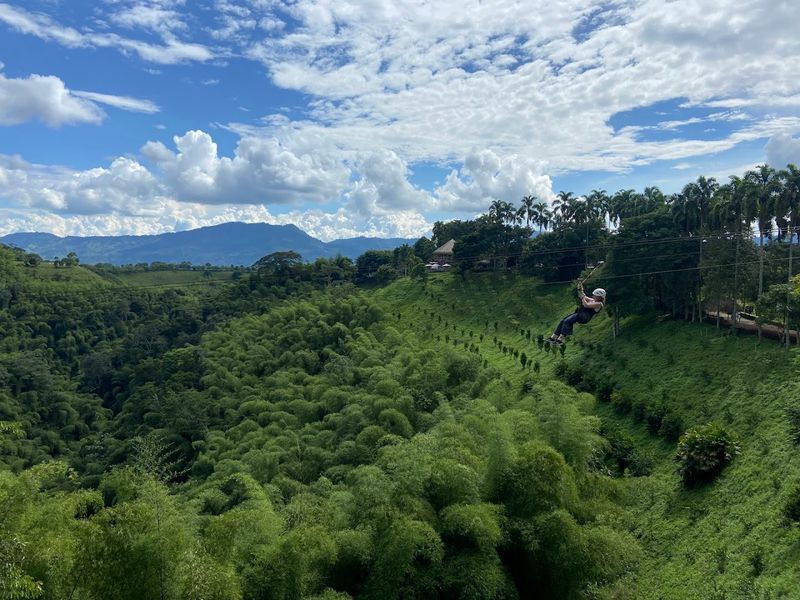
Nevada’s oldest continuously inhabited town started as a Mormon settlement in 1864. Panaca remains small, quiet, and genuinely off the beaten path in Lincoln County.
You won’t find chain restaurants or big hotels here, just a community that’s farmed this valley for over 150 years.
The town sits in a natural bowl surrounded by low mountains, with springs providing water that keeps fields green. Cathedral Gorge State Park lies just minutes away, featuring dramatic erosion patterns that create cathedral-like spires and slot canyons.
You can explore the narrow passages and feel like you’ve discovered something secret.
Summer brings warm days perfect for hiking and exploring. The town itself offers little in terms of tourist infrastructure, which is exactly the point.
A small cafe, a gas station, and friendly locals who wave as you drive past make up the experience.
Nearby ghost towns like Pioche and Delamar provide day trip options for history buffs. The area’s dark skies make it exceptional for stargazing, and you’ll see the Milky Way stretched across the sky on clear nights.
Bring camping gear or book a room in Caliente, fifteen miles south, and use Panaca as your gateway to Lincoln County’s hidden treasures.
9. Elko
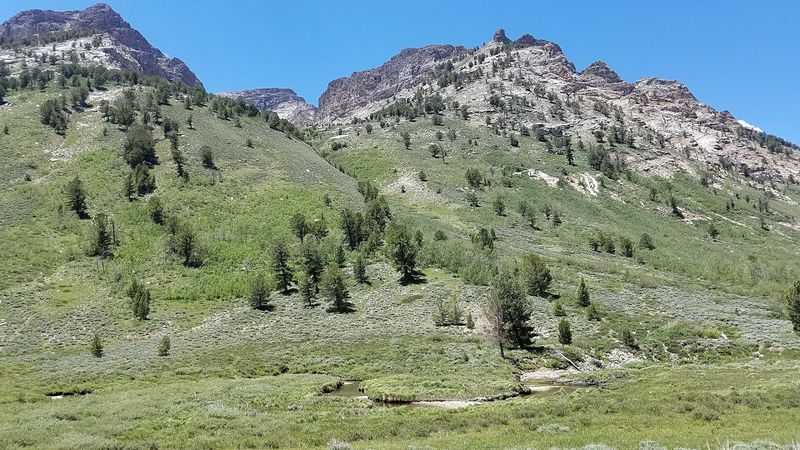
Cowboy culture thrives in Elko where ranching, mining, and Basque traditions blend into something uniquely Nevadan. The Ruby Mountains tower to the south, offering alpine lakes and hiking that rivals anything in the Sierra.
But Elko itself deserves exploration before you head into the wilderness.
The Western Folklife Center hosts the National Cowboy Poetry Gathering each January, but summer brings its own events celebrating ranch life. Downtown features the Commercial Hotel and Casino, home to the Star Hotel Basque Restaurant where meals arrive family-style and keep coming until you surrender.
Bronze sculptures of cowboys and horses dot the streets, and western wear shops outfit real working ranchers.
Lamoille Canyon cuts into the Ruby Mountains just twenty-five miles away, providing a scenic drive past waterfalls and wildflower meadows. The road ends at a trailhead accessing high alpine lakes where you might not see another person all day.
Back in town, the Northeastern Nevada Museum displays Paiute artifacts, pioneer wagons, and mining equipment.
Summer temperatures stay pleasant, and thunderstorms roll through the mountains on hot afternoons. Book a room at a local hotel, eat Basque food until you can’t move, and wake up early for mountain adventures that most Nevada visitors never experience.
10. Winnemucca
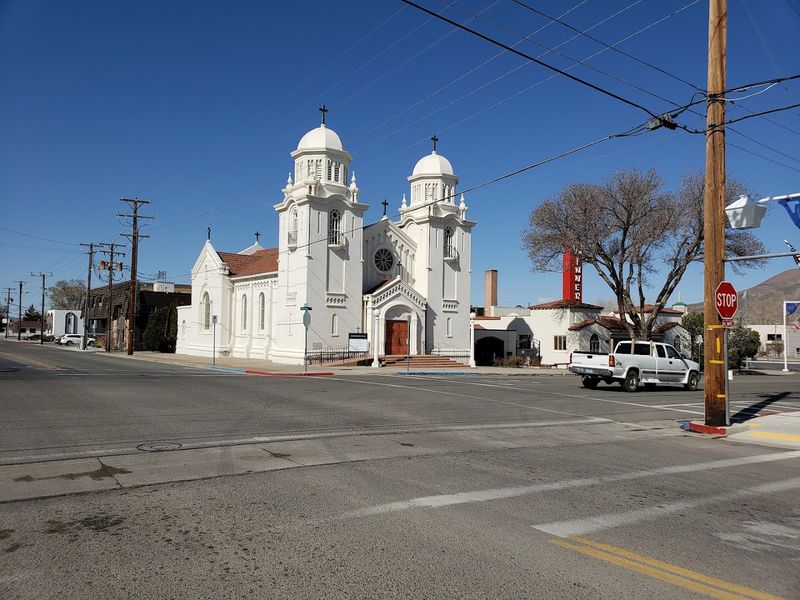
Sitting on the Humboldt River along Interstate 80, Winnemucca serves as a crossroads for travelers but rewards those who actually stop. Butch Cassidy robbed a bank here in 1900, and the town hasn’t forgotten.
The Humboldt Museum tells that story along with exhibits on Basque sheepherders and Northern Paiute history.
Downtown retains its western character with the Martin Hotel offering Basque dining and the Winners Hotel Casino maintaining vintage neon signage. The town supports ranching and mining operations, giving it an authentic working-town feel rather than a tourist trap vibe.
Local restaurants serve massive portions at reasonable prices, and you’ll eat alongside miners, ranchers, and long-haul truckers.
The Bloody Shins Trail System offers mountain biking and hiking in the nearby hills, while the Humboldt River provides fishing access. Summer heat can be intense, but mornings and evenings stay comfortable.
Water parks and community pools give families cooling options when temperatures peak.
Use Winnemucca as a base for exploring the Black Rock Desert or as a comfortable stop on longer Nevada road trips. The town’s location makes it practical, but the genuine western hospitality makes it memorable.
You’ll leave with a full stomach, a good story, and maybe a new appreciation for Nevada’s working towns.