
This Humble Nevada Restaurant Might Serve The Best Seafood You’ll Find Inland
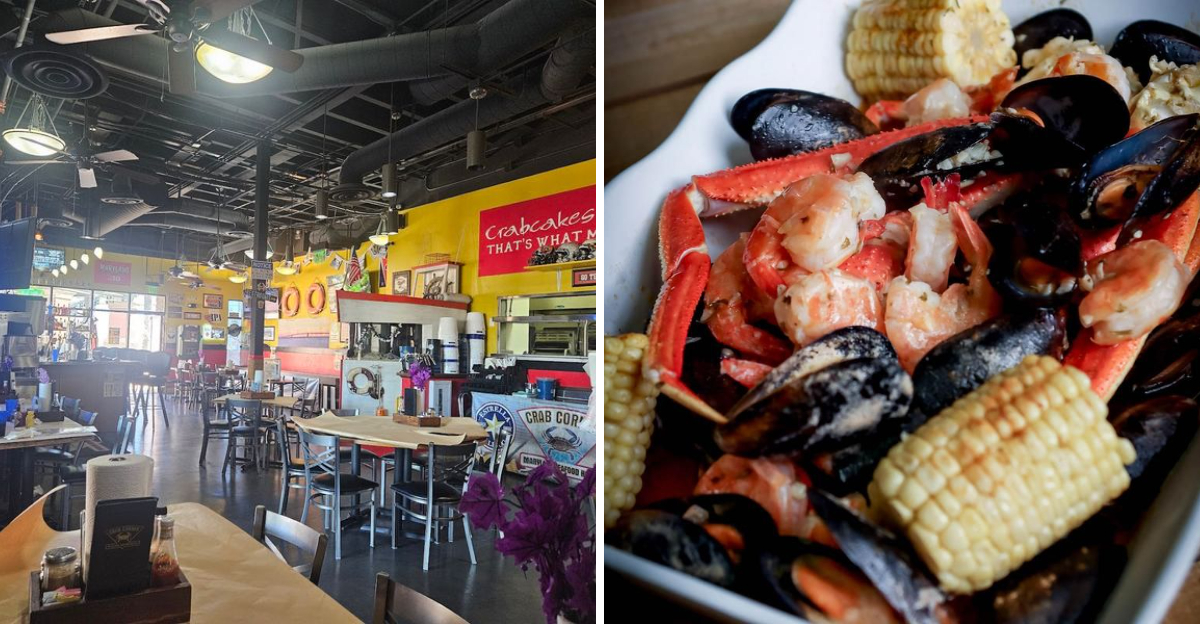
Blue crabs in the desert should sound like a punchline, yet Nevada has a seafood surprise that makes the idea feel totally reasonable. One low-key dining room serves the kind of Maryland-style feast people usually associate with salty air, paper-covered tables, and messy fingers.
Instead of flashy casino prices or stiff white-tablecloth energy, the appeal comes through steamed crabs, buttery sides, bold seasoning, and a crowd that knows exactly what to order.
East Coast tourists come looking for a taste of home, while curious locals show up wondering if seafood this far from the Atlantic can really deliver. After one crack of the shell, the answer gets pretty hard to argue with.
Maryland Roots Give This Vegas Spot Its Identity
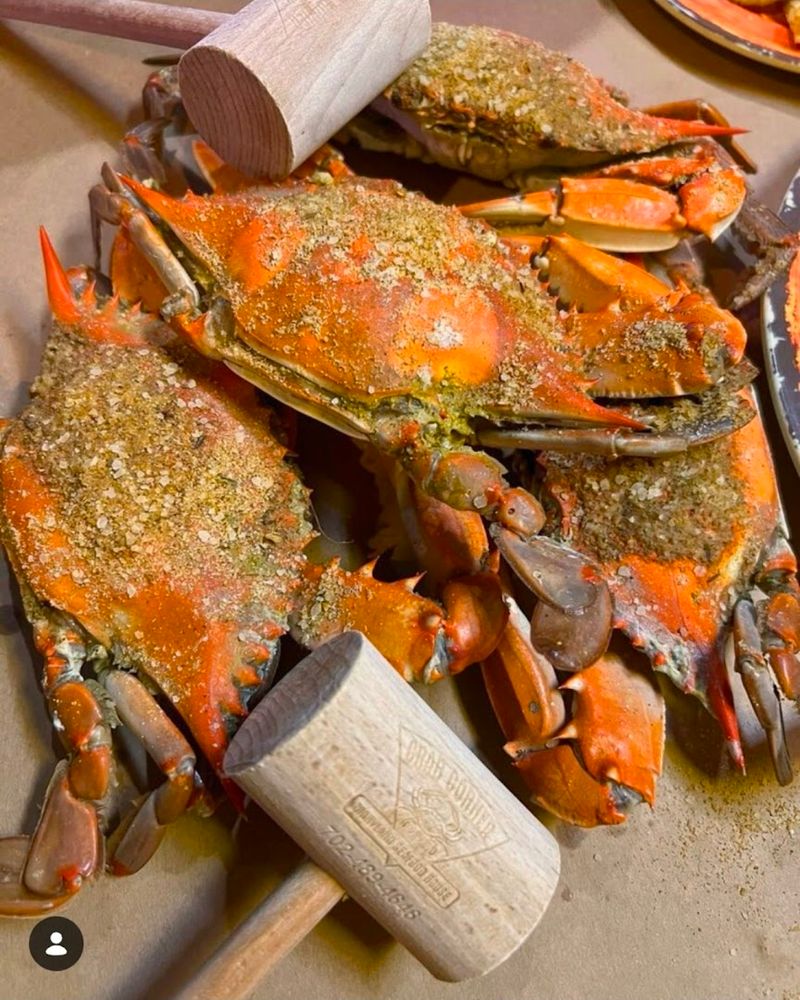
Authenticity starts with origin, and this place wears its Maryland heritage like a badge of honor. The entire concept revolves around bringing genuine Chesapeake Bay dining culture to the Southwest, complete with Old Bay seasoning, brown paper table coverings, and the kind of unpretentious service you’d find in a Baltimore crab shack.
Sports memorabilia from Maryland teams decorates the walls, creating an atmosphere that feels transported rather than imitated.
Every detail reflects a deep understanding of Mid-Atlantic seafood traditions. The kitchen uses traditional Maryland recipes and cooking methods that have been perfected over generations along the East Coast.
Blue crabs arrive as close to their natural state as possible, requiring diners to crack shells and dig for meat just like they would at any authentic crab house back East.
This commitment to regional authenticity extends beyond the menu into the restaurant’s entire philosophy. Rather than adapting Maryland cuisine to desert tastes, the owners chose to educate Vegas diners about how real crab houses operate, creating an experience that honors its roots while finding its place in Nevada.
Two Brothers Built It Around East Coast Nostalgia
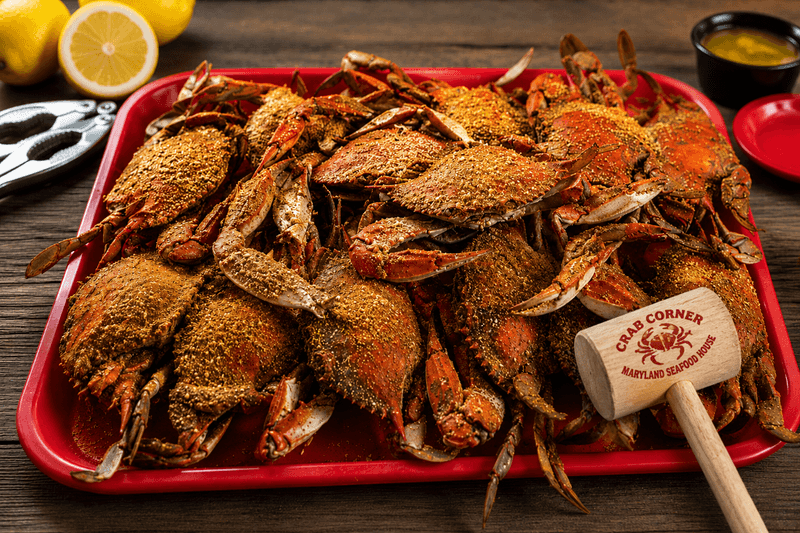
Family businesses carry a different energy, and the story behind this restaurant reflects genuine passion rather than corporate calculation. Two brothers from the East Coast founded Crab Corner after recognizing a glaring gap in the Las Vegas dining scene.
They missed the seafood of their childhood and suspected other transplants felt the same longing for authentic coastal flavors that couldn’t be found anywhere in the valley.
Their vision centered on recreating the communal, hands-on dining experience they remembered from Maryland crab houses. This meant importing not just ingredients but an entire cultural approach to seafood.
The brothers understood that serving blue crabs required educating customers about the process, so they built a restaurant where staff would demonstrate proper cracking techniques and share the traditions behind each dish.
Personal investment shows in every aspect of the operation. The brothers didn’t just open a seafood restaurant; they created a gathering place for homesick East Coasters and curious locals alike, building something that serves both stomachs and memories with equal care and attention to detail.
Chesapeake Flavor Feels Unexpected In The Desert
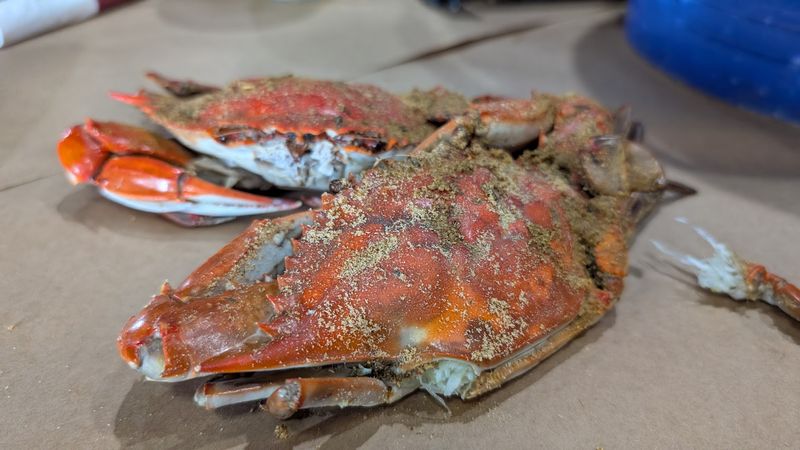
Geography shouldn’t dictate cuisine, yet finding authentic Chesapeake Bay seafood in Nevada still surprises most diners. The contrast between location and menu creates a unique dining experience that feels almost surreal.
You’re sitting in the Mojave Desert eating the same blue crabs that define summers in Maryland, and the cognitive dissonance somehow makes each bite taste even better than it might back East.
This unexpected combination has become part of the restaurant’s appeal. Locals appreciate having access to regional American cuisine that rarely travels this far inland, while visitors from coastal states find comfort in familiar flavors served thousands of miles from home.
The novelty never wears off because the quality remains consistently high despite the improbable location.
Seasonal specialties mirror the Chesapeake calendar rather than Nevada’s climate. When soft-shell crabs hit their peak season in Maryland waters, they appear on the menu here too.
This dedication to authentic timing rather than year-round availability demonstrates respect for the natural rhythms of East Coast seafood, even when serving it in the middle of the desert Southwest.
The Off-Strip Location Keeps It Refreshingly Local
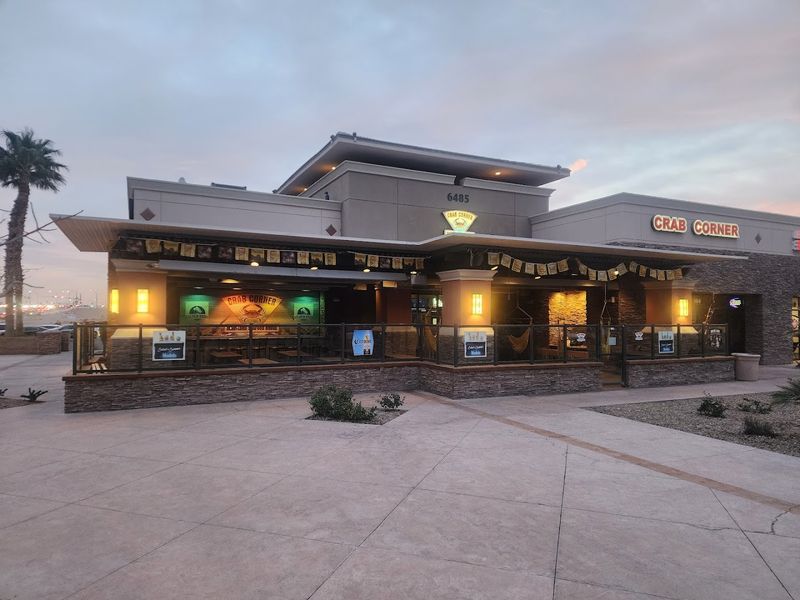
Distance from tourist corridors often signals authenticity in Las Vegas, and this restaurant’s location proves that rule beautifully. Situated at 6485 South Rainbow Boulevard, the spot sits firmly in residential territory where locals actually live and eat regularly.
The strip mall setting might lack glamour, but it keeps prices reasonable and the atmosphere genuine in ways impossible to achieve near casino resorts.
This neighborhood positioning has shaped the restaurant’s entire identity. Without tourist foot traffic to rely on, the business had to earn repeat customers through quality and consistency rather than convenience or novelty.
The result feels more like a community gathering spot than a dining destination, with regulars who visit weekly and staff who remember faces and favorite orders.
Accessibility matters differently here than on the Strip. Ample parking and straightforward navigation replace valet services and casino mazes.
The lack of pretension extends to the walk-up counter ordering system, which keeps service efficient and prices lower than they’d be in a full-service format designed for tourists expecting Vegas-style presentation with every meal.
Crab House Traditions Make Dinner Feel Hands-On
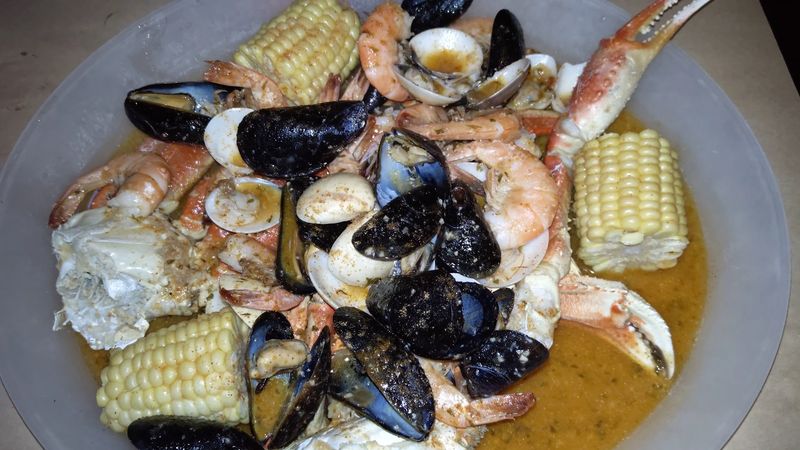
Participation transforms eating into experience, and traditional crab house dining demands active engagement from every customer. Brown paper covers the tables instead of linens because things are about to get messy.
Mallets and picks become dining utensils, and proper technique matters more than proper etiquette. Staff members don’t just deliver food; they teach customers how to crack shells, locate the best meat, and navigate the anatomy of a blue crab.
This interactive approach creates memorable meals that feel more like events than simple dinners. First-timers receive patient instruction on extracting meat from claws and body sections, while experienced crab crackers can dive straight into their buckets with practiced efficiency.
The learning curve adds entertainment value, and the effort required to access each morsel somehow makes the sweet crab meat taste even more rewarding.
Communal aspects emerge naturally from this hands-on format. Conversations flow easily when everyone’s focused on the same slightly challenging task.
The informal atmosphere encourages sharing techniques, comparing progress, and laughing at the inevitable spray of crab juice that marks any authentic crab feast regardless of skill level.
Since 2010, It Has Built A Loyal Vegas Following
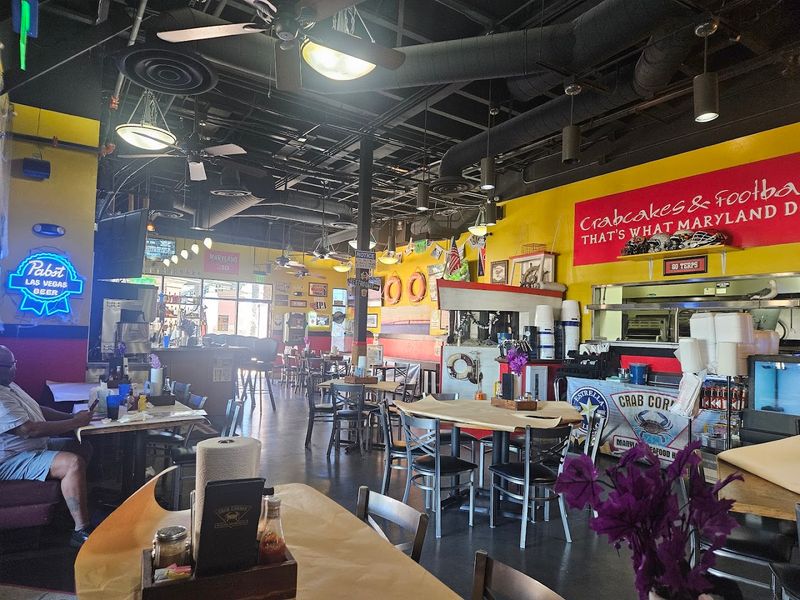
Longevity in the restaurant business signals something beyond luck or location, and over a decade of operation demonstrates genuine staying power. Opening in 2010 meant weathering the tail end of the recession, adapting to changing dining trends, and maintaining quality through years of competition from newer concepts.
The fact that Crab Corner not only survived but thrived speaks to a solid foundation built on consistent execution rather than fleeting novelty.
Regular customers form the backbone of any successful neighborhood restaurant, and this place has cultivated relationships that span years. East Coast transplants discovered it early and spread the word through their networks, creating organic growth that no marketing budget could replicate.
These loyal patrons return not just for the food but for the familiarity and reliability that comes from a restaurant that hasn’t chased trends or compromised its original vision.
Reputation builds slowly through countless positive experiences rather than viral moments. The restaurant’s sustained success reflects steady commitment to quality ingredients, proper preparation, and genuine hospitality that keeps people coming back week after week, year after year, building a legacy one satisfied customer at a time.
East Coast Transplants Helped Turn It Into A Favorite
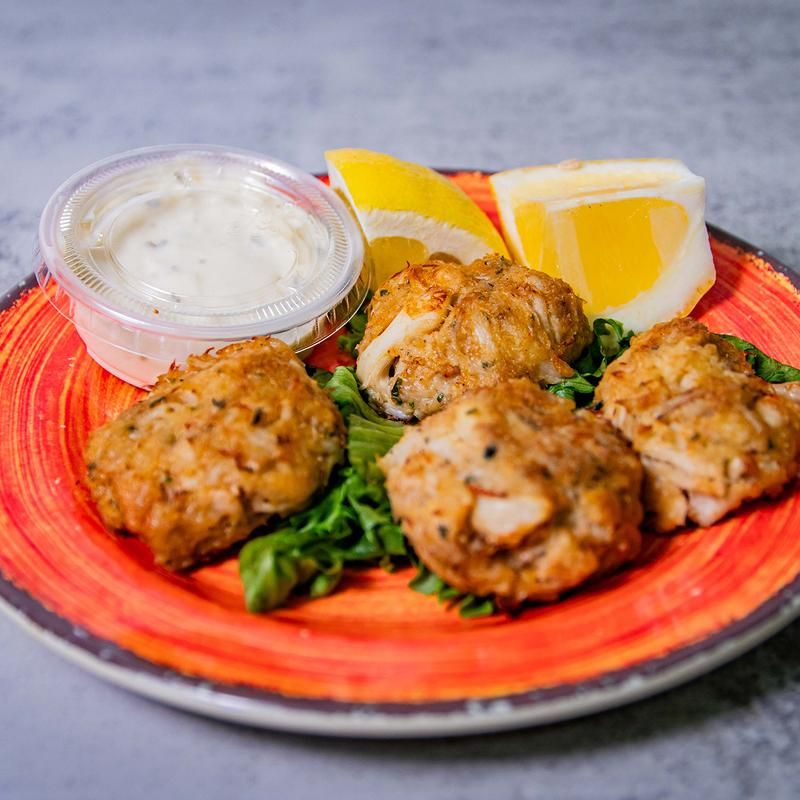
Homesickness creates powerful cravings, and displaced East Coasters desperately seeking authentic regional food became this restaurant’s first ambassadors. These transplants recognized the real deal when they tasted it, spreading word through their communities about finally finding genuine Maryland-style seafood in the desert.
Their enthusiasm proved contagious, introducing curious locals to a cuisine many had never experienced beyond frozen supermarket offerings.
Word-of-mouth marketing from this demographic carried special credibility because these customers had legitimate points of comparison. When someone from Baltimore declares the crab cakes authentic, that endorsement carries weight that no advertising campaign could match.
These early adopters became regular customers who brought friends, family, and colleagues, gradually building the restaurant’s reputation beyond just the transplant community.
Cultural exchange happens naturally around good food, and this restaurant became a bridge between regional traditions and local curiosity. Native Nevadans learned to appreciate Chesapeake Bay cuisine through recommendations from trusted friends, while East Coast transplants gained a gathering place that eased the ache of distance from home waters and familiar flavors they’d grown up enjoying.
The Casual Atmosphere Makes The Whole Place Work
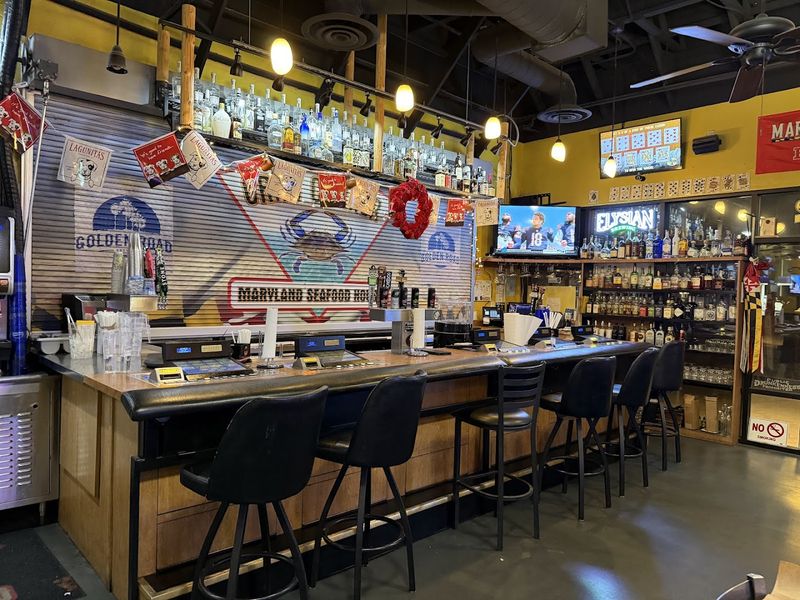
Formality can intimidate, but this restaurant’s deliberately relaxed environment welcomes everyone regardless of seafood experience or dining sophistication. The walk-up counter ordering system sets expectations immediately: this is a place for eating, not performing.
Sports play on multiple televisions, music provides a laid-back soundtrack, and the dress code extends no further than shoes and shirts being required by health code.
Comfort comes from knowing pretension has no place here. You can wear shorts and flip-flops without feeling underdressed, ask basic questions about how to eat blue crabs without embarrassment, and focus entirely on enjoying your meal rather than worrying about proper behavior.
The staff matches this energy with friendly, approachable service that prioritizes helpfulness over formality, creating an atmosphere where mistakes and messes are expected parts of the experience.
This unpretentious approach actually elevates the dining experience by removing barriers between customers and enjoyment. When you’re not worried about appearances or protocol, you can fully engage with the hands-on nature of crab house dining, laugh at your own fumbling attempts to crack shells, and appreciate the simple pleasure of fresh seafood without unnecessary complications or self-consciousness.
Live Seafood Flown In Daily Sets It Apart
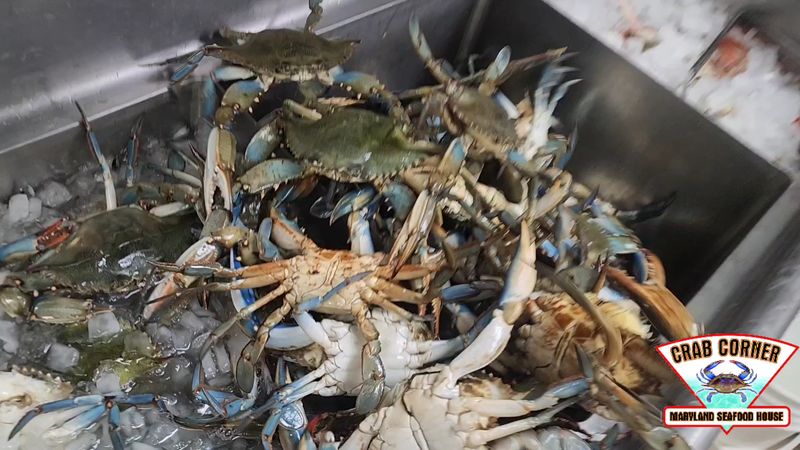
Freshness determines everything in seafood, and the commitment to daily air shipments from coastal waters eliminates the quality compromises that plague most inland restaurants. Live blue crabs arrive by plane each morning, maintaining the vitality and flavor that begins degrading the moment seafood dies.
This logistical challenge costs more than using frozen product, but the difference in taste and texture justifies every penny spent on overnight shipping and careful handling.
Supply chain complexity increases exponentially when dealing with live product, yet the restaurant maintains this standard year-round. Relationships with East Coast suppliers ensure consistent access to premium seafood even during peak seasons when demand outstrips supply.
The kitchen staff’s expertise in handling live crabs means these creatures stay healthy and fresh right up until cooking, preserving the sweet, delicate flavor that defines quality blue crab meat.
This dedication to freshness extends beyond just crabs to the entire seafood program. Oysters arrive alive and get shucked to order during happy hour.
Fish comes in whole and gets broken down in-house.
The investment in premium ingredients and proper handling creates a quality ceiling that most inland seafood restaurants never approach, much less maintain consistently.
This Inland Crab House Feels Nothing Like A Tourist Trap
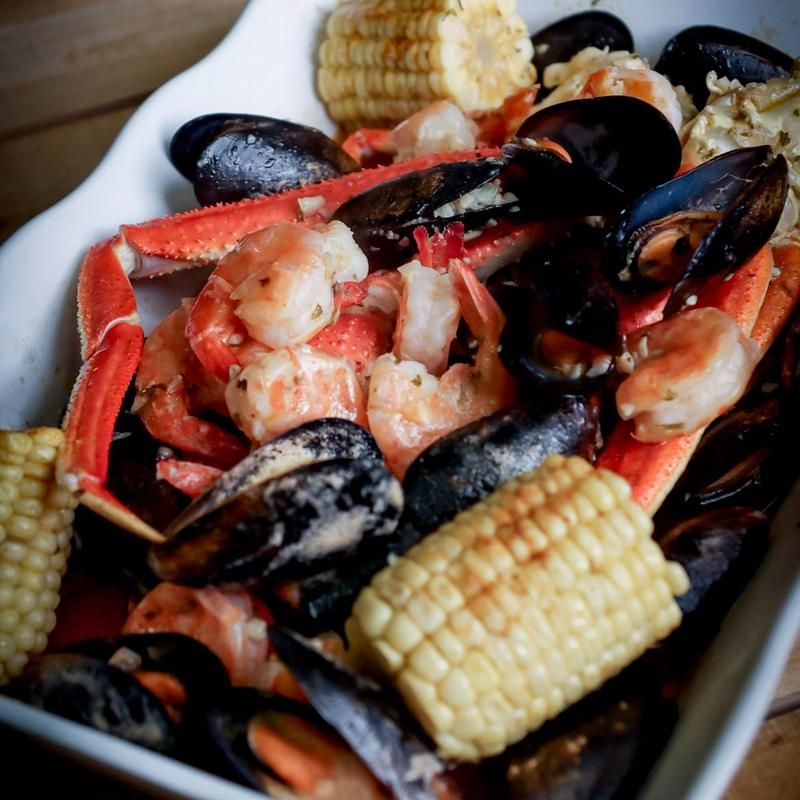
Authenticity reveals itself through countless small details that collectively create an unmistakable feeling of legitimacy rather than performance. The prices reflect actual costs rather than inflated tourist pricing.
The menu focuses on doing a few things exceptionally well instead of offering every possible seafood option. Staff members possess genuine knowledge about the food they serve, answering questions with specific information rather than scripted responses designed to upsell premium items.
Regular customers filling most tables during dinner service tell you everything you need to know about a restaurant’s true quality. Tourist traps depend on one-time visitors who’ll never return to notice declining standards or inflated prices.
Places that survive on repeat business must maintain consistency because their customers will absolutely notice any drop in quality or increase in prices that isn’t justified by market conditions affecting ingredient costs.
The restaurant operates during hours that serve locals rather than tourists, opening at eleven in the morning and closing at nine in the evening Tuesday through Sunday. No late-night hours chasing bar crowds, no early breakfast service for hotel guests.
Just straightforward lunch and dinner service designed around when neighborhood residents actually want to eat seafood, proving this place exists for its community rather than passing traffic.