
This Tennessee Chocolate Factory Tour Is Worth Taking For A Surprisingly Cool Day Trip
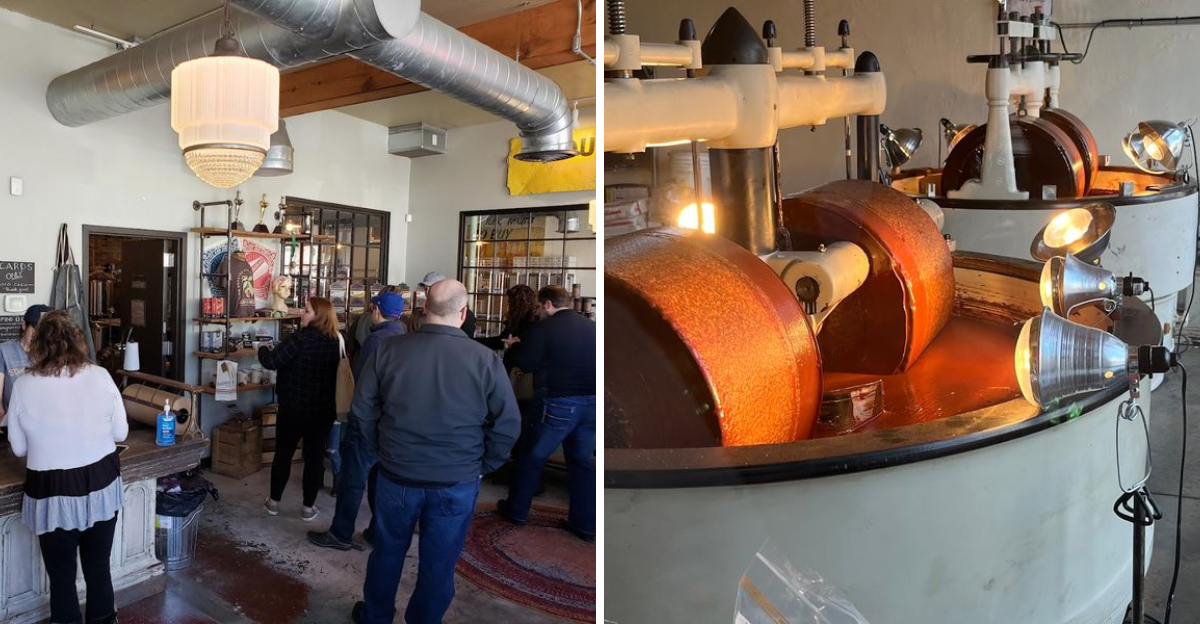
Chocolate smells better when you can hear the machines working. A regular day trip suddenly feels more exciting when roasted cacao, old equipment, and rich aromas take over the room.
Tennessee already knows how to make a simple outing feel memorable, with music, mountains, good food, and road-trip stops that stick with you. This chocolate tour adds a sweeter kind of adventure.
Visitors get a close look at how cacao becomes smooth, handcrafted chocolate, step by careful step. The process feels fun, a little surprising, and much cooler than most people expect.
Kids can watch the magic happen, while adults notice the skill behind every batch. Nothing here feels stiff or boring.
It is hands-on, fragrant, and easy to enjoy at any age. By the time the tour ends, that little chocolate bar feels less like a snack and more like a story.
A Storied Edifice In East Nashville
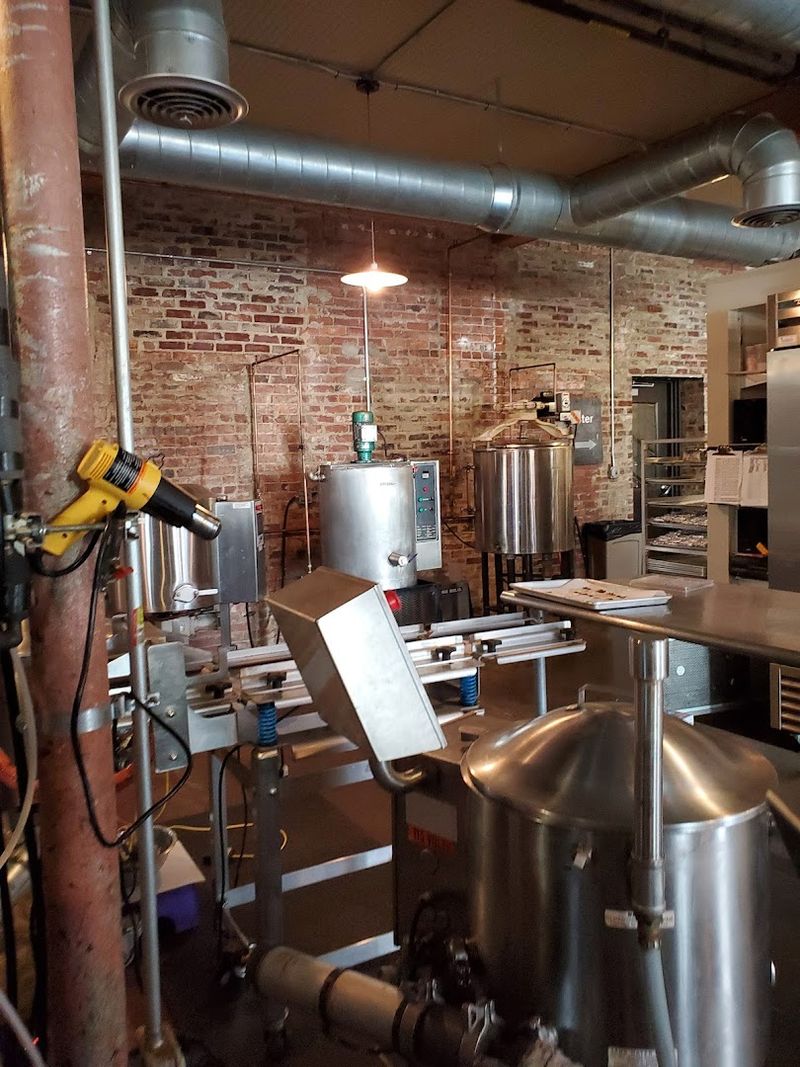
Before a single chocolate bar is made, the building itself tells a story worth hearing. The factory occupies a historic brick structure originally built in 1890 as an H.G. Hill Grocery Store.
It later served as a production space for the Archway Cookie Company, so the walls have absorbed more than a century of food-making history.
Olive & Sinclair moved into the space in the fall of 2014, drawn specifically to its character and narrative depth. Inside, antique pendant factory lighting hangs from the ceiling, and 200-year-old heart pine beams run overhead.
The space feels deliberate and lived-in, not curated for appearances but preserved out of genuine respect for its origins.
East Nashville itself adds another layer of context. The neighborhood has long been known for independent businesses, creative energy, and a commitment to doing things differently.
Visiting the factory means stepping into a part of the city that values craft and community in equal measure. The building is not just a backdrop.
It is an active participant in everything that happens inside it.
The Genesis Of Southern Artisan Chocolate
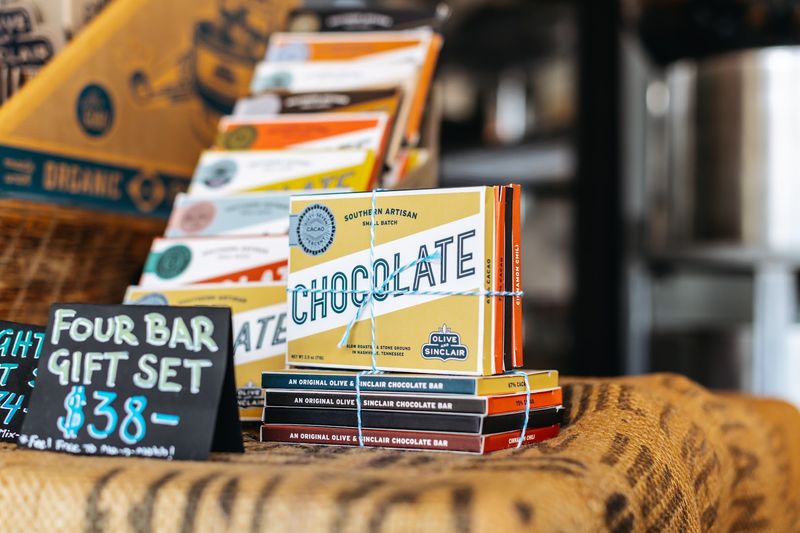
Scott Witherow founded Olive & Sinclair in 2007 with a clear and specific goal: make Tennessee’s first bean-to-bar chocolate company, and do it without cutting corners.
Witherow holds a diploma from Le Cordon Bleu and brought a trained chef’s precision to the craft of chocolate making.
His background shaped both the quality of the product and the philosophy behind the brand.
The company built its identity around the concept of Southern Artisan Chocolate, a trademarked phrase that signals more than regional pride. It reflects a commitment to slow production, ethical sourcing, and ingredients that carry actual meaning.
Every batch uses single-origin cacao beans from places like Ghana, the Dominican Republic, and Ecuador, combined with pure brown cane sugar rather than refined white sugar.
That choice of brown sugar is not accidental. It gives the chocolate a characteristic warmth and a faint molasses depth that sets it apart from most commercial bars on the market.
Witherow wanted to connect the South’s rich culinary traditions with the global origins of cacao, and that combination is exactly what makes Olive & Sinclair worth understanding before you even take your first bite.
A Symphony Of Antique Machinery
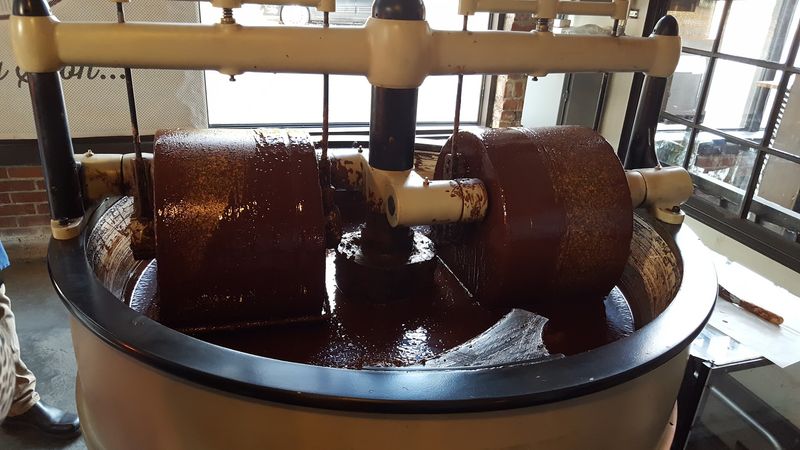
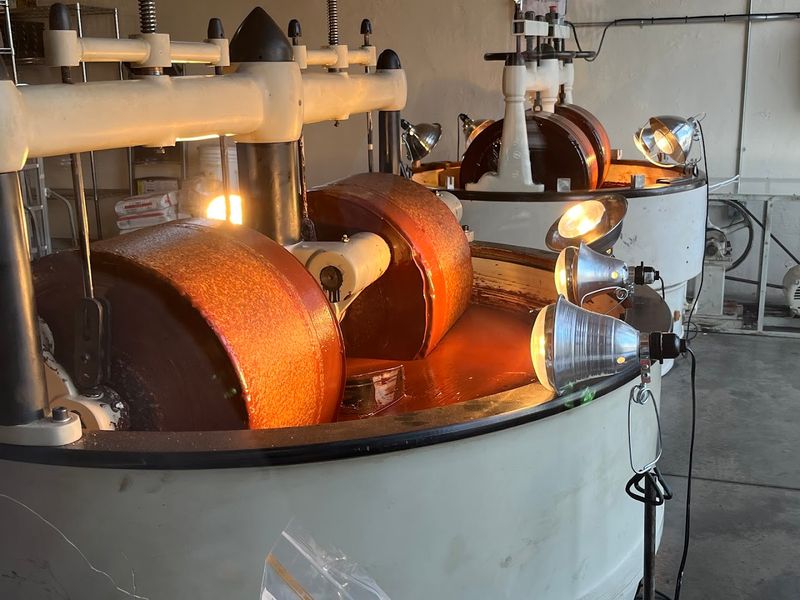
The equipment on display is not decorative. Two melangers, stone grinding mills that are over 120 years old, one from Spain and one from France, continue to do the same work they were built to do generations ago.
Watching them operate is genuinely absorbing.
These machines grind cacao beans slowly and steadily, developing the chocolate’s texture and flavor over time. The process cannot be rushed, and the equipment reflects that patience.
Alongside the melangers, visitors see shelling machines and roasting equipment that handle the earlier stages of production. Each piece has a specific role, and the tour guides explain how they all connect.
There is something quietly impressive about a company that chooses old tools over modern efficiency. Most food manufacturers automate as much as possible to reduce time and cost.
Olive & Sinclair moves in the opposite direction, using machinery that requires skill and attention to operate properly.
For anyone curious about how things are made and why craftsmanship still matters, this part of the tour alone justifies the trip to 1628 Fatherland St, Nashville, TN 37206.
From Bean To Bar Transformation
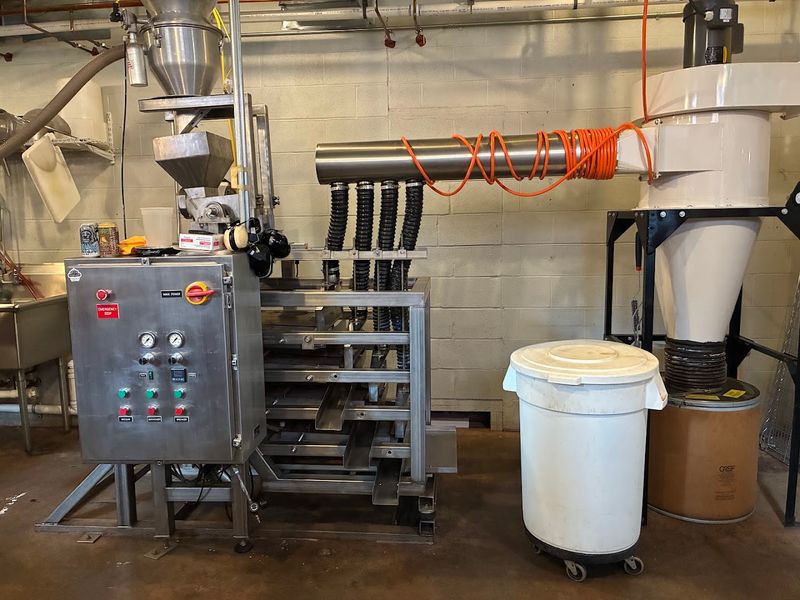
The tour walks visitors through every stage of chocolate production, starting with bags of raw cacao beans and ending with finished bars ready for packaging. That progression is more fascinating than it sounds.
Most people have eaten chocolate their entire lives without ever considering how many steps separate a tropical seed from a wrapped bar on a store shelf.
Guides explain the geography behind each origin, the chemistry of roasting, and the mathematics involved in calculating ratios and temperatures.
Guests may taste cacao nibs along the way, which are notably bitter and bear almost no resemblance to the finished product.
Liquid chocolate at various stages of production is also sometimes available to sample, which gives a clear sense of how flavor develops over time.
The entire process runs in small batches, which means the team maintains close control over quality at every step. Nothing is outsourced or scaled up for mass production.
For younger visitors especially, the tour functions as an unexpectedly engaging science and geography lesson wrapped in the best possible sensory experience.
Adults tend to leave with a deeper appreciation for what goes into a single chocolate bar and why some things genuinely cannot be rushed.
Flavors Rooted In Southern Tradition
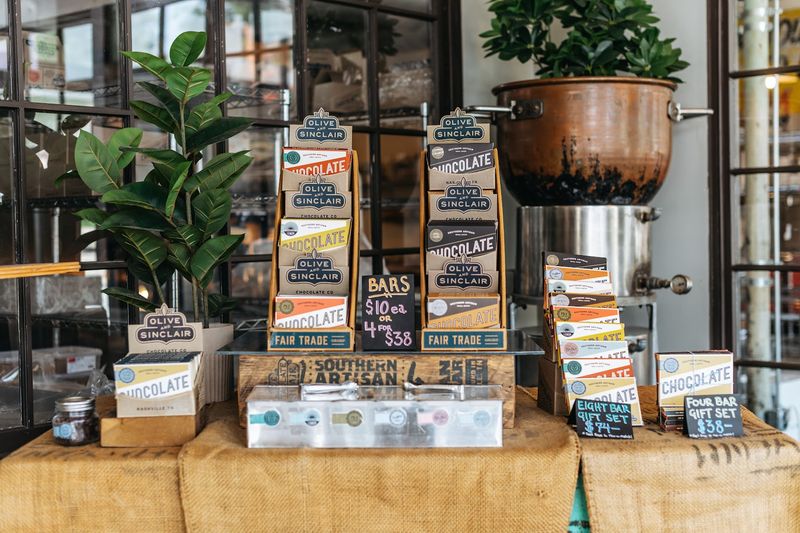
One of the most distinctive things about Olive & Sinclair is how deliberately the flavors connect to Southern food culture. This is not a company that simply makes good chocolate and stops there.
The team actively draws from regional ingredients and culinary traditions to create combinations that feel both original and deeply familiar to anyone who grew up in the South.
The Mexican Style Cinnamon Chili bar brings warmth and a slow heat that builds with each piece.
Buttermilk white chocolate uses an ingredient central to Southern baking and gives the bar a gentle tang that sets it apart from anything mass-produced.
Bourbon barrel-aged cacao nibs show up in several products, connecting the chocolate to Tennessee’s most celebrated spirit in a way that feels earned rather than gimmicky.
These flavor choices reflect a broader commitment to place and identity.
The company sources many ingredients locally and works with regional partners to develop products that could not have come from anywhere else.
Eating an Olive & Sinclair bar is not just a sensory experience. It is a small act of engagement with a specific culinary geography, one that rewards attention and makes the flavors land with more meaning and satisfaction.
The Alluring Aromas Of Cacao
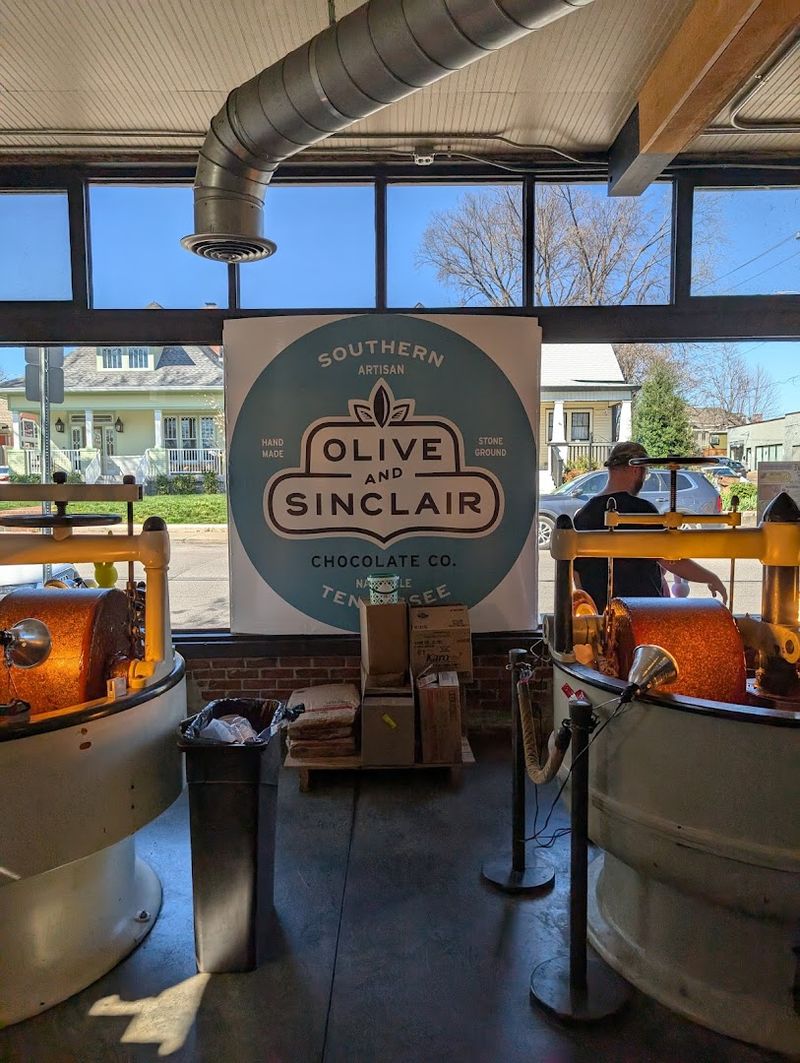
Before the tour guide says a single word, the factory communicates something important through smell alone.
The air inside the building carries a consistent, deep aroma of roasting cacao that is both grounding and immediately appealing.
It is the kind of scent that slows people down and makes them pay attention to where they are.
That aroma comes from the slow-roasting process that Olive & Sinclair uses on every batch of beans.
High heat applied too quickly drives off the volatile compounds that give good chocolate its complexity.
The company’s method preserves those compounds, which is part of why the finished product tastes so layered and satisfying. The smell in the factory is essentially a preview of everything the chocolate will eventually become.
For many visitors, the sensory experience of simply being in the space is one of the most memorable parts of the trip.
It is easy to underestimate how much environment shapes perception, but standing in a room that smells of warm dark chocolate while watching antique machines grind slowly in the background creates a very specific and pleasant kind of awareness.
The factory earns its atmosphere honestly, and that makes spending time inside it feel like a small, genuine reward.
A Taste Of The Craft
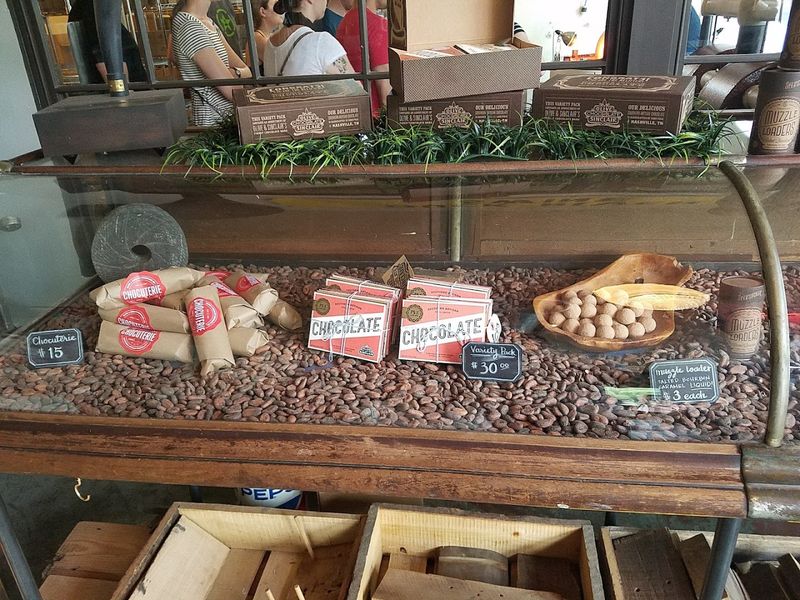
Sampling is built into the tour experience at Olive & Sinclair, and it is handled with enough generosity that most visitors leave genuinely satisfied. The tastings are not limited to a single small square handed over at the end.
Guests encounter chocolate at different stages of the production process, which gives real context to what they are tasting and why it tastes the way it does.
Cacao nibs appear early in the tour, and their bitterness tends to surprise people who expect something sweet. That contrast is intentional.
It helps visitors understand how dramatically the flavor transforms through roasting, grinding, and conching. By the time the finished chocolate arrives, the palate has already been educated by everything that came before it.
Tour groups are kept small, which creates a more personal atmosphere and allows guides to answer questions without losing the flow of the experience.
The guides bring genuine enthusiasm to the subject, which makes the information land more naturally.
Admission runs $10 for adults and $5 for children ages six through twelve, and tours run exclusively on Saturdays starting on the hour from 10 AM. Booking online in advance is strongly recommended, as spots fill up quickly on weekends.
Beyond The Bar, The Sweet Surprises Are Just Getting Started
The chocolate bars at Olive & Sinclair are excellent, but stopping there means missing some of the most interesting things in the shop.
The confection lineup extends well beyond standard offerings and reflects the same commitment to Southern ingredients and unconventional thinking that defines the company’s broader approach to chocolate making.
Duck fat caramels have developed a loyal following for good reason. The addition of rendered duck fat gives them a richness and a savory undertone that makes ordinary caramels feel bland by comparison.
Sea salt and vinegar caramels offer a sharp, tangy contrast that catches people off guard in the most pleasant way. Smoked nib brittle uses cacao beans smoked by local partners, adding a woodsy depth to a traditionally simple confection.
The shop also produces chocuterie, a roll of chocolate designed to resemble a salami, with different mix-in ingredients that rotate monthly. Past versions have included pieces of shortbread cookies and other unexpected additions.
Every product in the shop is handwrapped, which is a detail that feels increasingly rare in an era of automated packaging.
Picking up a few items to bring home is practically unavoidable, and the shop accepts card payments only, so plan accordingly before you arrive.
How To Turn This Chocolate Tour Into A Delicious Day Trip
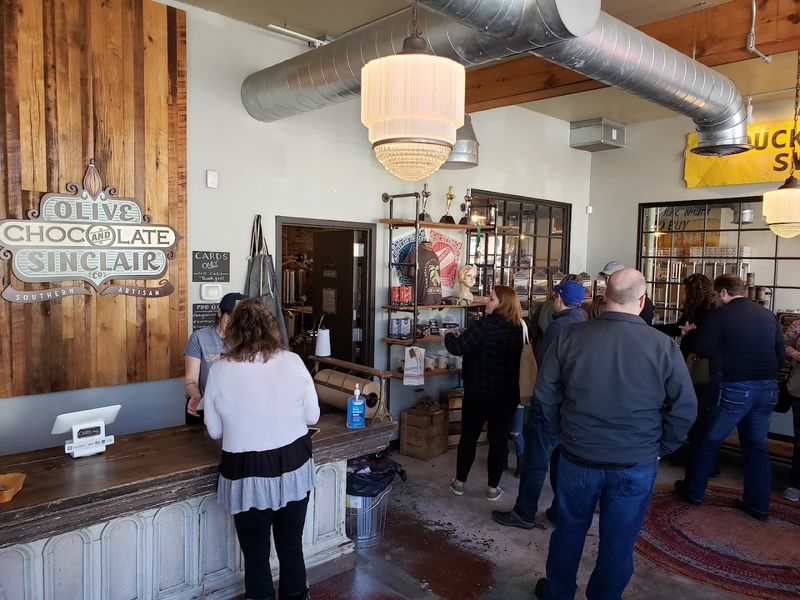
Getting the most out of a visit to Olive & Sinclair starts with a bit of advance planning. Factory tours run exclusively on Saturdays, beginning on the hour from 10 AM, and each session typically lasts between 30 and 45 minutes.
Reservations made online ahead of time are strongly encouraged, as walk-in availability is limited and cannot be guaranteed on busy weekends.
The factory is located at 1628 Fatherland Street in East Nashville, a neighborhood with plenty of independent shops and restaurants worth exploring before or after the tour.
The surrounding area makes it easy to turn the chocolate visit into a full afternoon rather than a quick stop.
Parking is available nearby, and the location is accessible enough to reach without much difficulty from most parts of the city.
The tour involves minimal walking and has no steps, making it manageable for most visitors. Those with strollers or wheelchairs are encouraged to call ahead so the staff can make appropriate arrangements.
The shop itself is open Tuesday through Saturday from 10 AM to 5 PM, and the phone number is 615-262-3007. Payment is accepted by card only, so leave the cash at the hotel.
A little preparation goes a long way toward making the experience feel effortless and enjoyable from start to finish.