
11 Walkable Massachusetts Towns Where Every Street Feels Worth Exploring
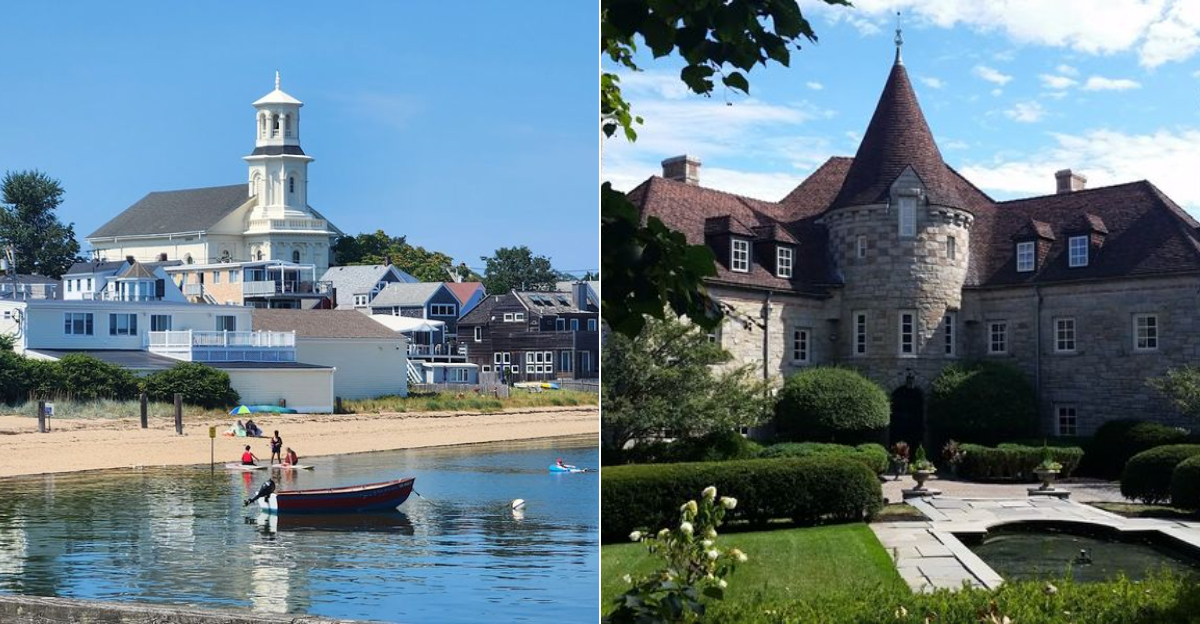
A great town is even better when the best way to see it is slowly. Massachusetts has walkable places where historic streets, coastal views, old taverns, museums, shops, and village greens make every block worth your attention.
Want a town tied to Revolutionary War history? Or an island full of preserved homes, harbor views, and streets that make wandering feel effortless?
That is the fun of this list. Each place has its own rhythm, from seaside strolls to Berkshires charm and colonial landmarks that still feel alive.
Give yourself more than a quick stop. Massachusetts turns these walkable towns into easy day trips filled with history, beauty, and plenty of reasons to keep going around the next corner.
1. Concord
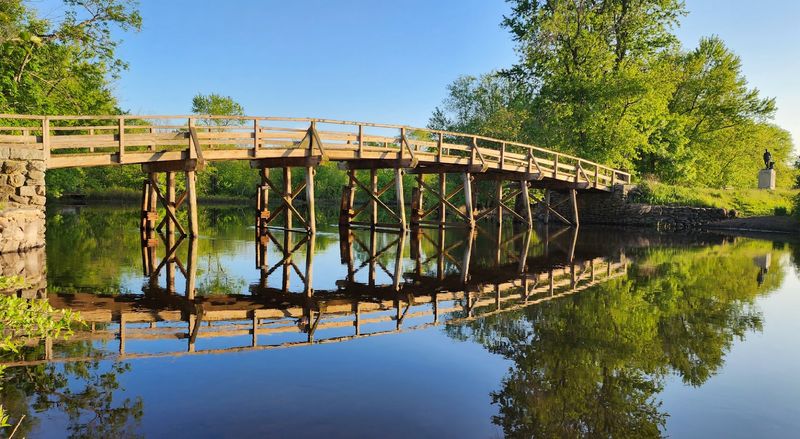
Few towns in America carry the weight of history the way Concord, Massachusetts does. This Middlesex County town is where the American Revolution took its first real steps forward.
Start at Concord Center, a walkable area filled with independent shops and inviting cafes. The streets are calm, easy to navigate, and full of character.
Head to the Old North Bridge, part of Minute Man National Historical Park. This is where the famous shot heard around the world was fired.
The park offers nine miles of trails, including the five-mile Battle Road Trail.
Literary history runs just as deep here. Orchard House, the home where Louisa May Alcott wrote Little Women, is open for guided tours.
The Ralph Waldo Emerson House nearby lets you step into the world of one of America’s greatest thinkers.
Walden Pond State Reservation is a short trip from the center. Henry David Thoreau lived here, and the peaceful two-mile Pond Path makes it easy to understand why.
It is the kind of place that makes you exhale.
The Concord Museum holds Paul Revere’s lantern and Thoreau’s belongings from Walden. Pick up a map at the Concord Visitor Center on Main Street before you start.
Concord rewards every walker who gives it time.
2. Lexington
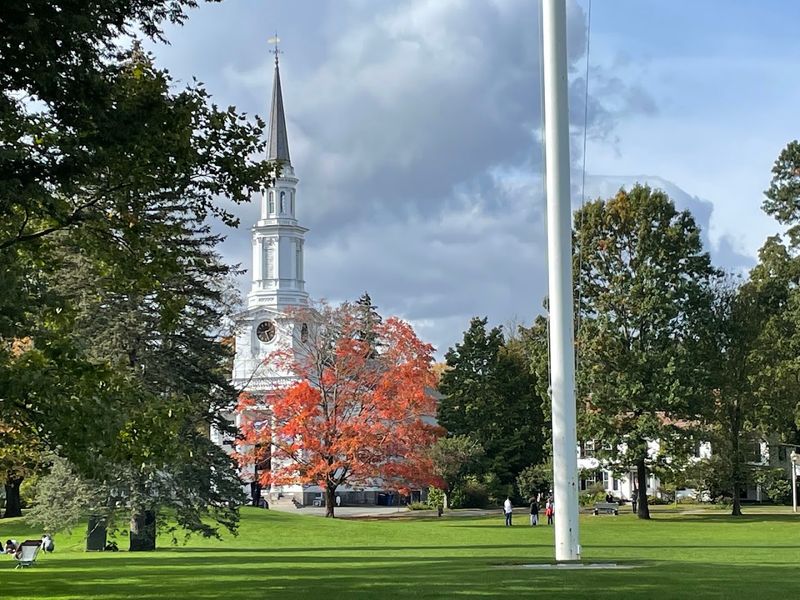
On April 19, 1775, Lexington, Massachusetts changed the course of history. The first armed skirmish of the American Revolution happened right here on the Lexington Battle Green.
Standing on the green today, you can feel the significance under your feet. The Minuteman Statue of Captain John Parker is a powerful reminder of that morning.
The Revolutionary War Monument marks where seven local militiamen are buried.
Buckman Tavern sits just steps from the green. Built in 1709, it was where colonial militia gathered the night before the battle.
Today it operates as a museum with self-guided audio tours available most days of the week.
Munroe Tavern, built in 1735, served as a British field hospital on that same April day. President George Washington later dined here in 1789.
It now operates as a museum with a fascinating British perspective on the conflict.
The Hancock-Clarke House is another must-visit. John Hancock and Samuel Adams stayed here the night before the battle.
Tours give you a close look at how prominent patriots lived.
Ye Old Burying Ground, Lexington’s oldest cemetery, holds the stories of soldiers from multiple wars. The Minuteman Bikeway offers a peaceful ten-mile walk connecting the town to surrounding nature.
Stop at the Lexington Visitors Center near the green for maps and walking tour details before exploring.
3. Salem
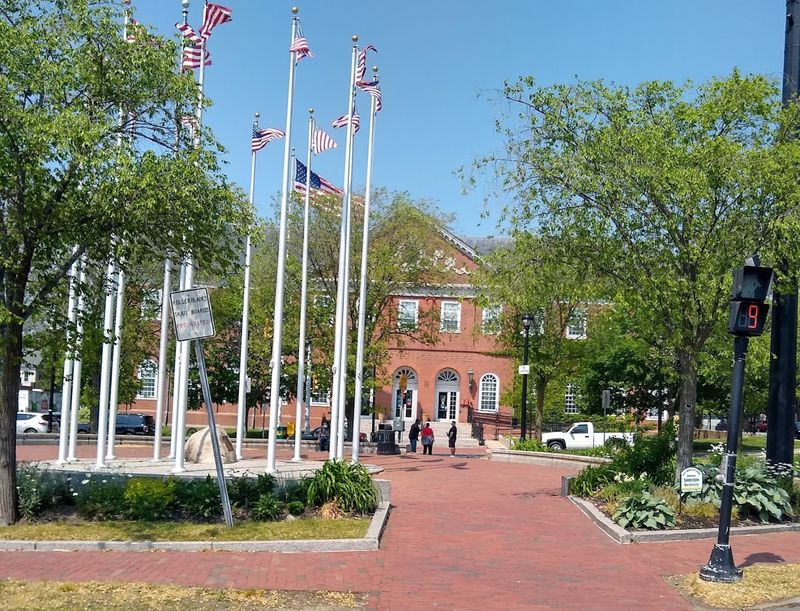
Salem, Massachusetts is one of those towns that pulls you in before you even know what hit you. Yes, the 1692 witch trials put it on the map, but this North Shore city has so much more going on.
The Salem Heritage Trail is your best friend here. Follow the yellow line painted on the sidewalk and it guides you through centuries of history without any guesswork.
The Salem Witch Trials Memorial is a quiet and moving stop. Twenty granite benches carry the names of the accused, with their final words carved into stone.
It sits beside the Old Burying Point, Salem’s oldest cemetery dating back to 1637.
The House of the Seven Gables is a stunning 1668 mansion that inspired Nathaniel Hawthorne’s famous novel. Guided tours reveal a secret staircase and gorgeous harbor views from the seaside gardens.
Salem Maritime National Historic Site covers nine acres of historic waterfront. Walk Derby Wharf and look out over Salem Sound.
A replica of the tall ship Friendship of Salem is often docked nearby.
The Peabody Essex Museum is world-class, featuring maritime art and global cultural collections under one roof. The Essex Street Pedestrian Mall offers boutiques, bookstores, and plenty of spots to rest your feet.
Salem is endlessly layered, and every block gives you something new to think about.
4. Rockport
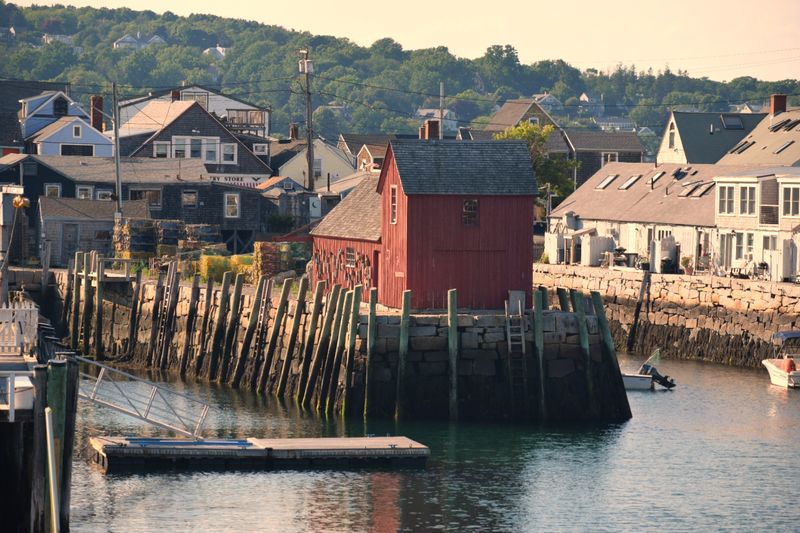
Rockport sits at the tip of Cape Ann in Essex County, and it looks like a painting brought to life. The town is small, walkable, and completely charming in every direction.
Bearskin Neck is the heart of the action. This narrow peninsula juts into the Atlantic and is lined with artists’ studios, craft shops, and seafood shacks.
You can walk the whole thing in under twenty minutes, but you will probably take much longer.
Motif Number 1 is Rockport’s most photographed landmark. This red fishing shack on Bradley Wharf has been painted and sketched by artists for over a century.
Seeing it in person feels like meeting a celebrity.
Rockport has been a working artists’ colony since the 1920s. The Rockport Art Association and Museum showcases local talent and hosts exhibitions throughout the year.
Check their schedule before visiting to see what is on display.
The town’s rocky shoreline is made for wandering. Old Garden Beach and Back Beach are both within easy walking distance of the center.
The views of the Atlantic from these spots are genuinely hard to leave.
Dock Square is the main gathering spot in town, surrounded by galleries, independent shops, and places to grab a bite. Rockport is the kind of town where you book one night and end up staying three.
Pack your walking shoes and a good camera.
5. Great Barrington
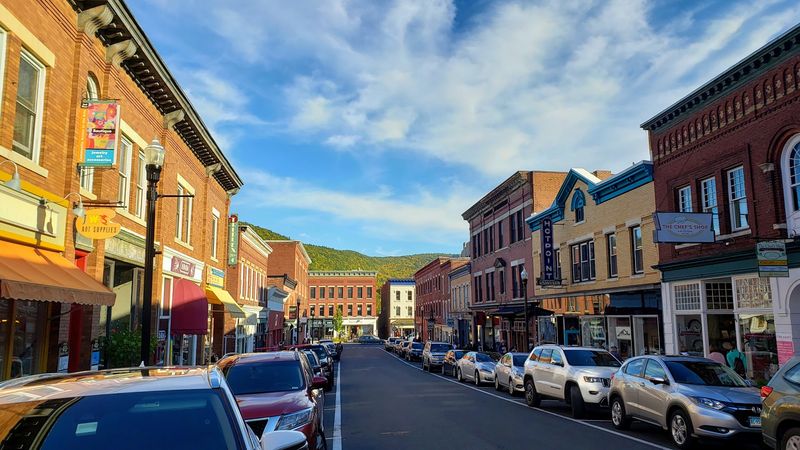
Great Barrington sits in the southern Berkshires of Berkshire County, and it punches well above its weight for a town of its size. It is the kind of place food lovers, art fans, and outdoor explorers all claim as their own.
Main Street is the center of life here. It is lined with independent bookshops, art galleries, farm-to-table restaurants, and boutiques that you will not find anywhere else.
The walkability is excellent, and the overall energy is relaxed and friendly.
The Mahaiwe Performing Arts Center is a beautifully restored 1905 theater on Castle Street. It hosts concerts, films, and live performances throughout the year.
Check their current schedule before visiting because events sell out quickly.
Great Barrington is considered the birthplace of W.E.B. Du Bois, one of the most important civil rights leaders in American history.
The Du Bois Homesite on Route 23 is open for visits and is a meaningful stop. A state-designated heritage trail connects several sites related to his life in the area.
The Monument Mountain Reservation is just a short drive from downtown. The hike to Peeskawso Peak offers dramatic views of the Housatonic River valley.
It is a moderate trail that rewards you with scenery that is hard to beat.
Searles Castle on Main Street is a stunning late 19th-century stone mansion worth a slow walk past. Great Barrington is the Berkshires at their most lively and most livable.
6. Marblehead
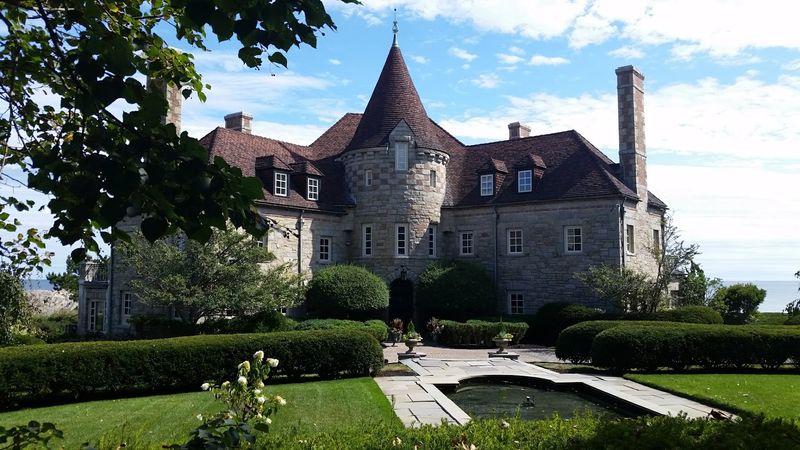
Marblehead is one of the oldest towns in Massachusetts, and its streets have barely changed since the 1600s. That is not a complaint.
It is exactly the point.
Old Town Marblehead is a walker’s dream. The streets are narrow, winding, and lined with beautifully preserved colonial homes.
Getting a little lost here is part of the fun.
The town sits on a rocky peninsula along the North Shore of Essex County. The harbor is one of the most active sailing harbors on the East Coast.
Watching the boats from the waterfront on a clear afternoon is a genuinely relaxing experience.
Fort Sewall overlooks the harbor from a grassy cliff and offers sweeping views of the water. It is one of the oldest fortifications in the country, dating back to the 1600s.
Bring a blanket and stay a while.
Crocker Park is another waterfront spot worth your time. It is a small park with big views of the harbor and the open Atlantic.
Families, dog walkers, and photographers all find something to love here.
The Marblehead Museum on Washington Street tells the full story of the town through art, artifacts, and rotating exhibits. The Abbott Hall on Washington Street is home to Archibald Willard’s famous painting The Spirit of ’76.
Marblehead rewards slow walkers who take time to notice every detail on every block.
7. Nantucket
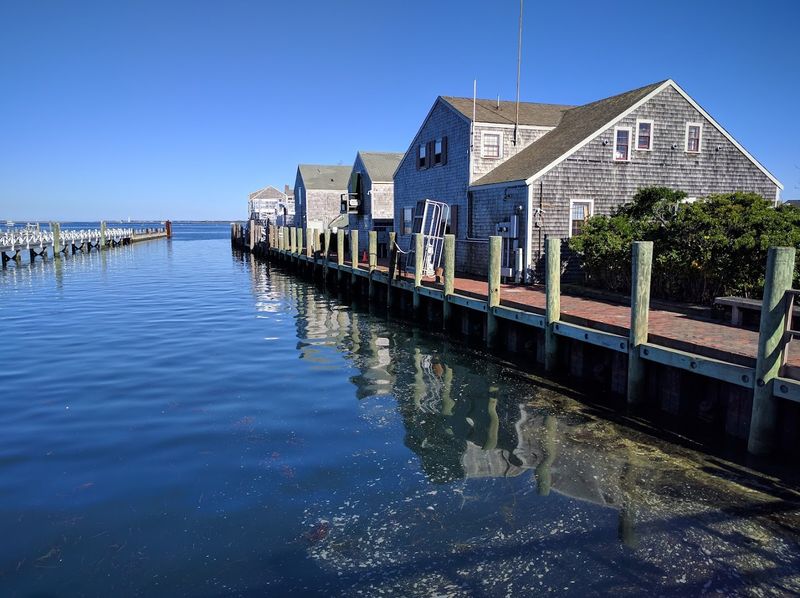
Nantucket is thirty miles off the coast of Cape Cod, and getting there by ferry already feels like the start of something special. Once you arrive, the cobblestone streets take over from there.
The town of Nantucket is a National Historic Landmark District. Over 800 pre-Civil War structures are preserved here.
Walking through the center feels like the 19th century never fully left.
Main Street is the heart of it all. Lined with historic brick buildings, independent shops, and inviting restaurants, it is built for leisurely strolling.
The cobblestones are iconic, though comfortable shoes are strongly recommended.
The Nantucket Whaling Museum on Broad Street is one of the best museums in New England. It tells the story of Nantucket’s role as the whaling capital of the world.
The 46-foot sperm whale skeleton hanging inside is something you will not forget.
Brant Point Lighthouse is an easy walk from the ferry terminal. It is one of the most photographed lighthouses in the country.
The views of the harbor from the point are calm and beautiful.
The Nantucket Historical Association manages several historic properties around town. Each one adds another layer to the island’s story.
Ferries run from Hyannis and other ports, so check the schedule in advance. Nantucket is the kind of place that makes you feel like you have truly gotten away from it all.
8. Provincetown
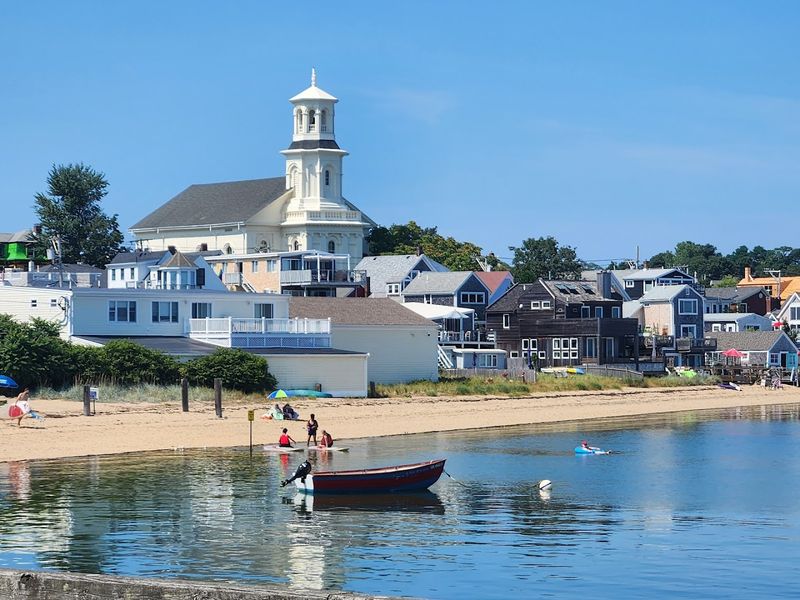
At the very tip of Cape Cod, Provincetown packs more personality into a few square miles than most cities manage in dozens. It is bold, creative, welcoming, and unlike anywhere else in Massachusetts.
Commercial Street is the main artery of town. It runs along the waterfront for nearly three miles and is lined with galleries, boutiques, studios, and restaurants.
Walking it end to end is the best introduction the town can give you.
Provincetown has been an artists’ colony since the early 1900s. The Provincetown Art Association and Museum on Commercial Street celebrates that legacy with rotating exhibitions and permanent collections.
It is open most days during the season, so check their current schedule before visiting.
The Pilgrim Monument is impossible to miss. At 252 feet, it is the tallest all-granite structure in the United States.
Climb the 116 steps and 60 ramps to the top for a panoramic view of Cape Cod Bay and the surrounding dunes.
The Cape Cod National Seashore begins right at the edge of town. The Province Lands Trail offers miles of paved paths through dramatic sand dunes and coastal forest.
Bike rentals are available for those who want to cover more ground.
MacMillan Pier is a lively spot for whale watching tours and harbor cruises that run seasonally. Provincetown celebrates its inclusive, artistic spirit all year long.
Come ready to be surprised around every corner.
9. Chatham
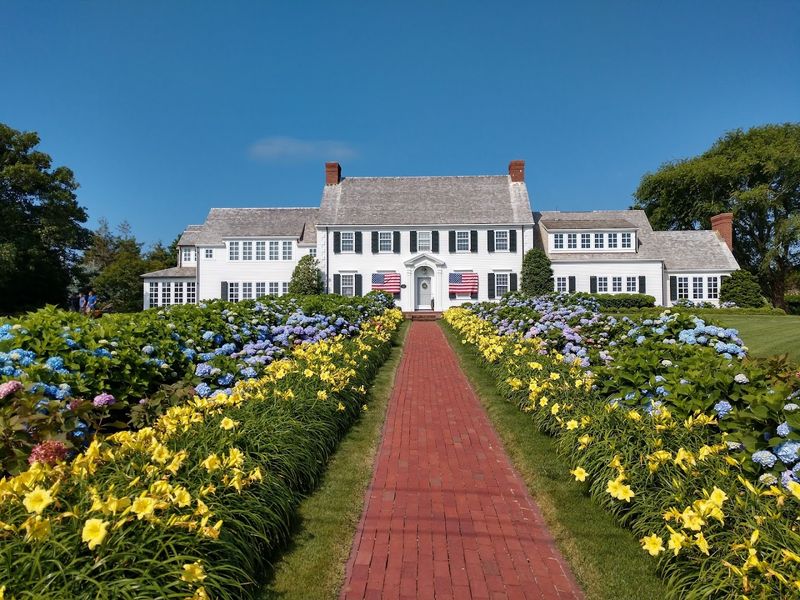
Chatham sits at the elbow of Cape Cod in Barnstable County, and it carries itself with quiet confidence. This is a town that does not need to shout to get your attention.
It earns it.
Main Street in Chatham is one of the most pleasant walks on the Cape. Independent shops, galleries, and small restaurants line both sides of the street.
The pace here is unhurried, and that is exactly what makes it so enjoyable.
Chatham Lighthouse is one of the most visited spots in the region. The 1878 lighthouse overlooks a dramatic stretch of barrier beach.
The view from Lighthouse Beach below is one of the best on all of Cape Cod.
The Chatham Fish Pier is a working pier where you can watch commercial fishing boats unload their catch. It is a genuine and lively scene, especially on weekday mornings.
Gray seals often gather near the pier, which makes it a fun stop for families.
The Kate Gould Park bandstand hosts free Friday evening concerts during the summer season. Monomoy National Wildlife Refuge is nearby and offers stunning birdwatching and coastal trails.
Chatham is the kind of town that feels like a reward in itself.
10. Newburyport
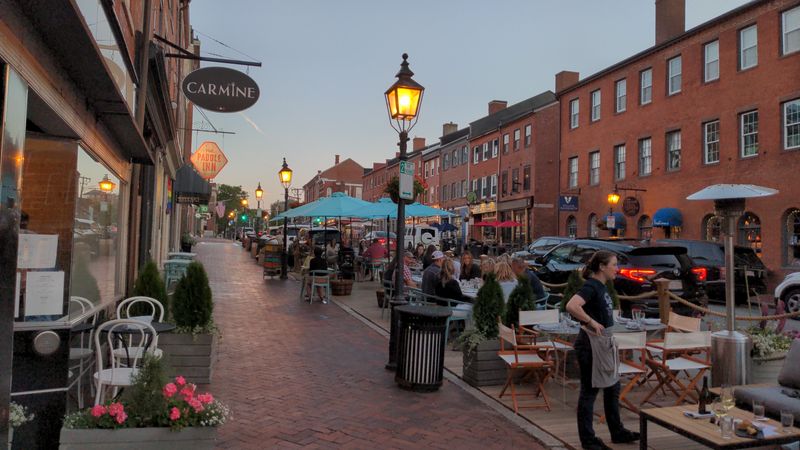
Newburyport has the kind of downtown that makes you want to cancel your plans and just wander. This small city in Essex County sits at the mouth of the Merrimack River, and its brick-lined streets are made for exploring on foot.
The downtown historic district is packed with Federal-style architecture dating back to the late 1700s. Many of the buildings have been restored beautifully.
Walking State Street feels like flipping through a well-preserved history book.
The Newburyport waterfront along the Merrimack River is a highlight. The boardwalk stretches along the water with views of the river and the marshlands beyond.
It is a peaceful walk any time of day.
Plum Island and Parker River National Wildlife Refuge are just a short drive away. Over 800 species of birds, plants, and animals have been recorded here.
Birdwatchers and nature lovers will find it hard to leave.
The Custom House Maritime Museum on Water Street tells the story of Newburyport’s shipbuilding and seafaring past. It is open several days a week, so check their hours before visiting.
The collection is surprisingly rich for a small-town museum.
Independent boutiques, bookshops, and art galleries fill the downtown blocks. The Newburyport Farmers Market runs seasonally and is a great way to connect with local life.
Newburyport is the kind of place that quietly earns a spot on your list of favorites.
11. Deerfield
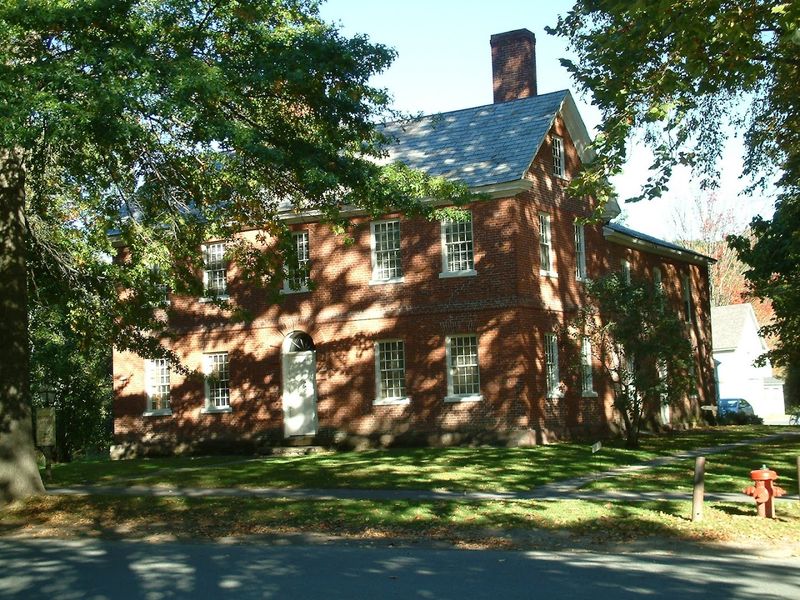
Historic Deerfield is one of the best-preserved colonial villages in the entire country. Located in Franklin County in the Pioneer Valley, this town feels genuinely untouched by the rush of modern life.
The main street, simply called The Street, is a mile-long stretch lined with over eighty historic buildings. Many of them date back to the 1700s.
Walking it is a slow and absorbing experience that history fans will not want to rush.
Historic Deerfield is an outdoor living history museum. Fourteen museum houses are open for guided tours on various days throughout the year.
Each one is furnished with period antiques and tells a specific chapter of early New England life.
The town has a layered and sometimes difficult past. The Deerfield Raid of 1704, during Queen Anne’s War, left a deep mark on the community.
The Memorial Hall Museum on Memorial Street explores this history with honesty and depth.
Deerfield Academy, a prestigious boarding school founded in 1797, occupies a large part of the village. The school’s historic buildings blend seamlessly into the colonial streetscape.
Walking the grounds gives you a sense of how education and community were intertwined from the very beginning.
The surrounding farmland and meadows of the Connecticut River valley make Deerfield especially beautiful in autumn. The Pocumtuck Ridge Trail nearby offers rewarding views of the valley below.
Deerfield is quiet, rare, and absolutely worth the detour.