
Everything About This Oklahoma Town Looks Like It Was Built For A Hallmark Movie
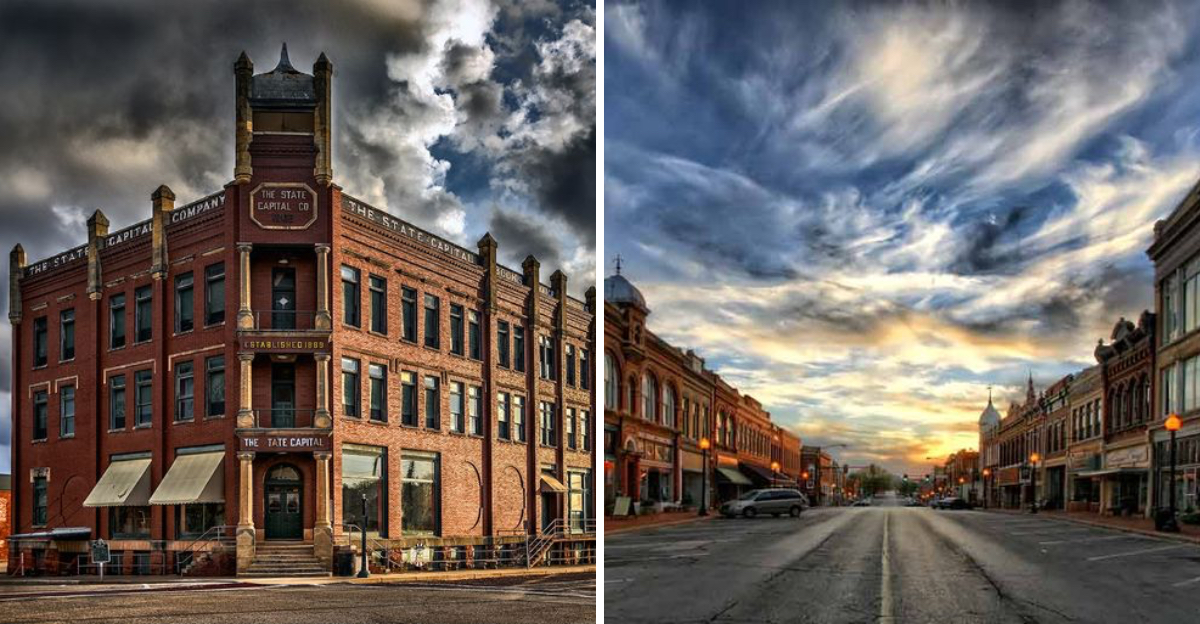
What happens when an entire town refuses to let go of the past? In Oklahoma, one small city answers that question on every corner, with rows of Victorian brick and sandstone still standing as they did over a century ago.
Born in a single wild day when thousands of settlers staked their claims at once, this place grew from empty prairie into a full city before sundown. It briefly served as Oklahoma’s first state capital, and that founding energy still hums through its streets, storefronts, and old brick sidewalks.
Antique shops, ghost tours, Victorian bed and breakfasts, and festivals fill the calendar behind those historic facades. There is a reason this corner keeps getting compared to a holiday movie set.
Curiosity might be the best reason to find out why.
A Victorian Streetscape That Stops You Cold
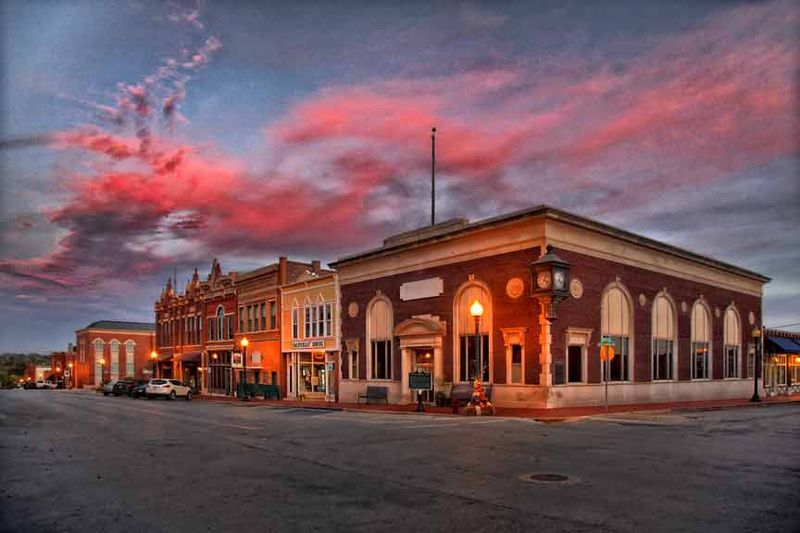
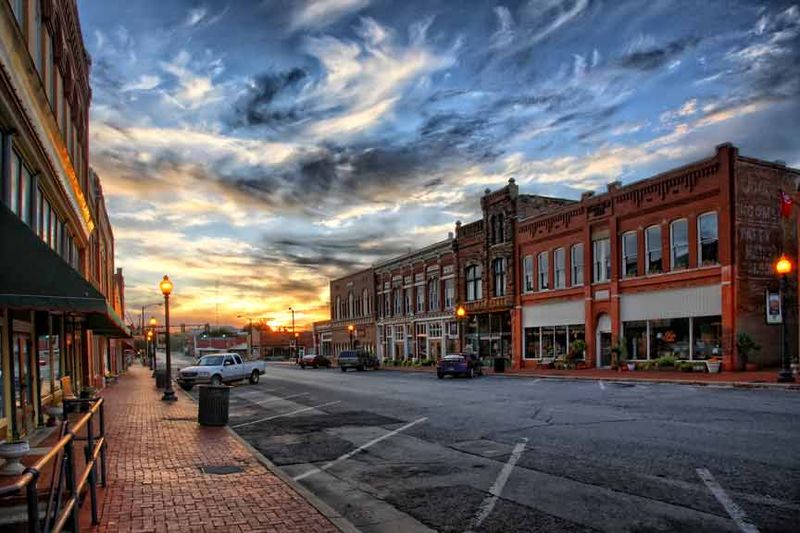
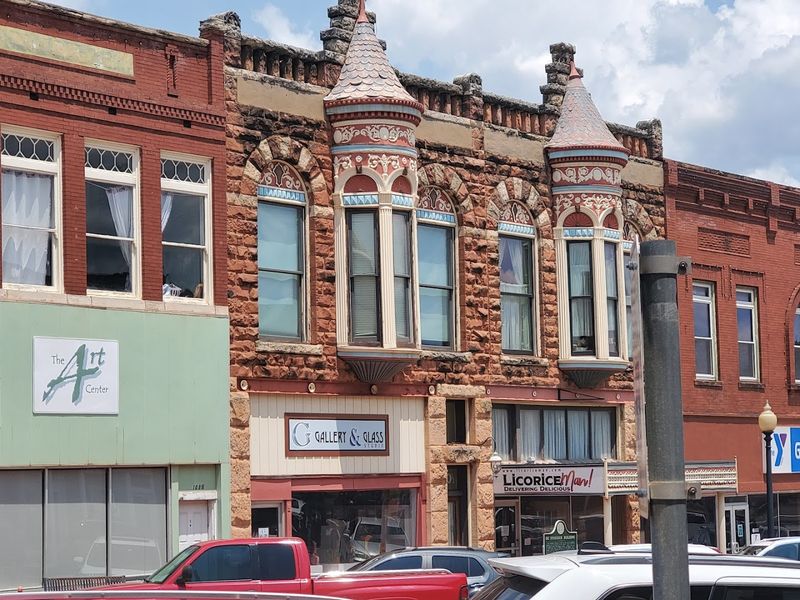
Rows of perfectly preserved Victorian buildings line the streets like a film set that nobody ever packed away. Guthrie, Oklahoma, holds the largest urban historic district in the entire state.
That is not a small claim for a town of roughly 10,000 people.
More than 2,000 structures from the late 19th and early 20th centuries still stand here. Many feature intricate brick facades, decorative cornices, and native sandstone detailing.
The sheer density of well-preserved architecture is genuinely rare in the American Midwest.
Economic hardship after the town lost its capital status actually saved these buildings. Without the money to tear them down and rebuild, they simply stayed.
History owes a small debt to budget constraints.
Today, the downtown core functions as a living museum that also happens to have great coffee shops and boutiques inside it. Strolling these streets feels less like sightseeing and more like time travel.
Every block rewards the curious walker with another beautiful surprise.
The Architecture That Refused To Disappear
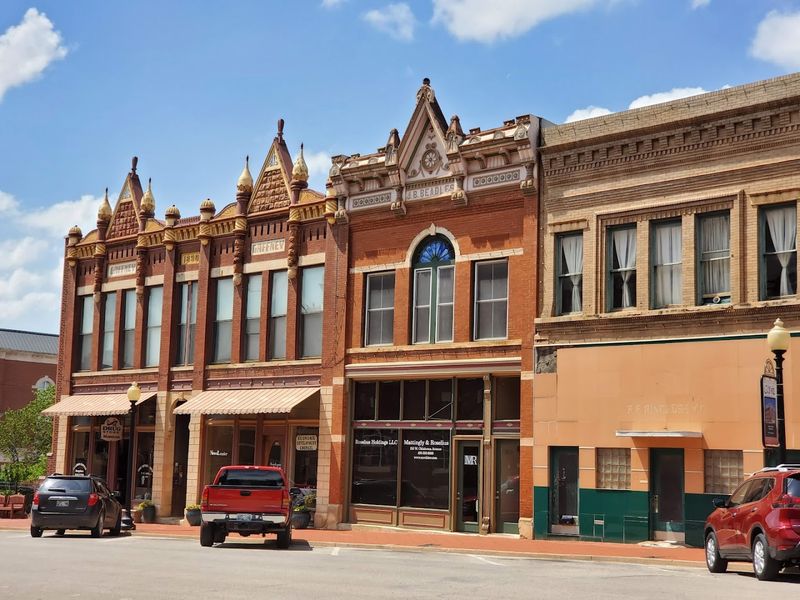
Most American towns modernized aggressively through the 20th century, replacing old with new at every opportunity. Guthrie largely missed that wave, and the result is extraordinary.
The buildings that once housed territorial-era businesses still stand with their original bones intact.
Sandstone quarried locally gives many structures a warm, golden tone that catches afternoon light beautifully. Decorative ironwork, arched windows, and elaborate cornices make even a short walk feel like an architecture tour.
Oklahoma does not have many places where this kind of visual density exists.
The preservation here was not always intentional. Economic slowdowns meant developers simply had no reason to demolish and rebuild.
What looked like stagnation turned out to be accidental conservation on a massive scale.
Restoration efforts in recent decades have brought many buildings back to excellent condition. Local pride in the streetscape is obvious and infectious.
Visitors quickly understand why this town attracts photographers, filmmakers, and history enthusiasts from across the country. The camera always finds something worth capturing here.
Born Overnight: The Wild Story of the 1889 Land Run
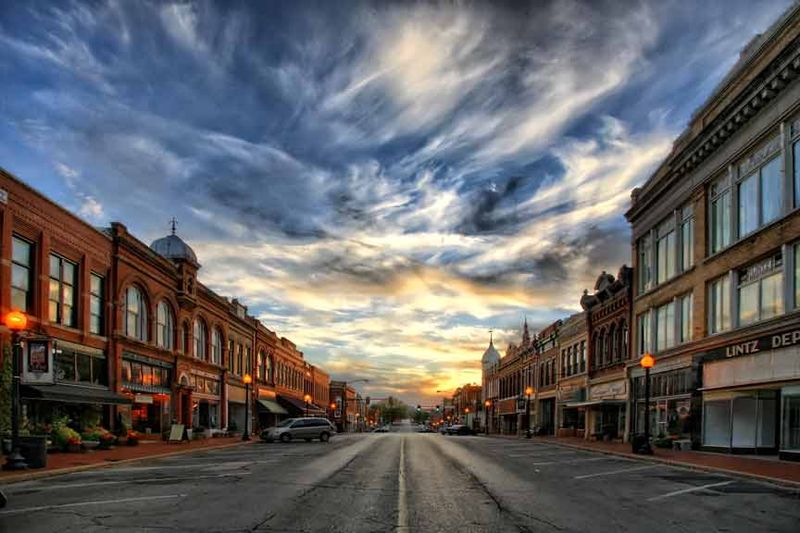
On April 22, 1889, a single gunshot changed everything. Thousands of settlers raced across open prairie to claim land, and by nightfall, a city had appeared where only grassland existed that morning.
Guthrie went from a railroad stop to a city of over 10,000 people in a single day.
That kind of origin story belongs in a history book, a Hollywood script, and maybe both. The Land Run of 1889 is one of the most dramatic founding events in American history.
Oklahoma witnessed something no other state can quite match.
Within months, the new city had municipal water, electric streetlights, and even a mass-transit system. These were remarkable amenities for a frontier settlement.
Guthrie was immediately designated capital of the Oklahoma Territory.
When Oklahoma achieved statehood in 1907, Guthrie became the first state capital. That status lasted only a few years before moving to Oklahoma City, but the legacy never left.
The town still carries that founding energy in its bones.
Shopping Like It Is 1899 But Better
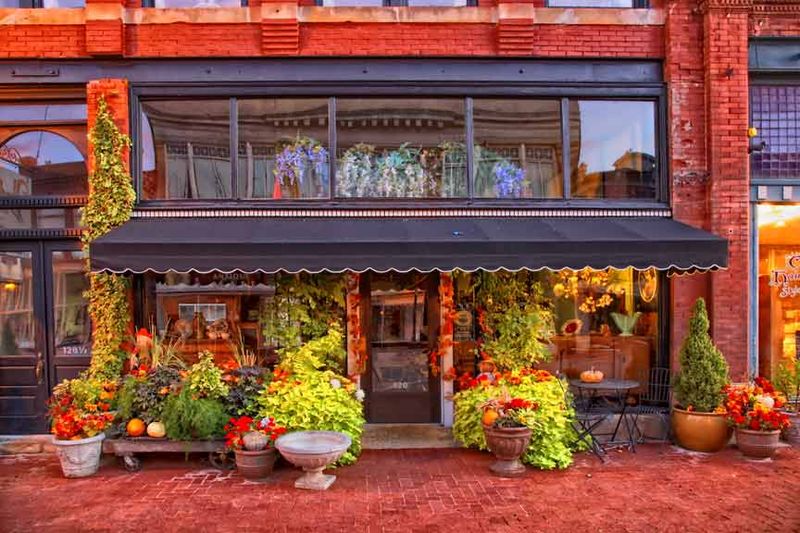
Forget the big-box stores and chain retail strips. Downtown Guthrie operates on a completely different retail philosophy.
Independent shops, art galleries, antique dealers, and specialty boutiques fill the historic storefronts with personality and character.
Oklahoma has unofficially recognized this town as its antique capital, and a walk through the shopping district makes that title easy to believe. Curated vintage collections sit alongside handmade goods, custom boots, fiber arts, and locally published books.
Every shop has its own distinct identity.
The Guthrie Chamber and Tourism Office, located at 113 W. Oklahoma Avenue, even created a “Passport To Historic Guthrie” shopping adventure.
Participants collect stamps at participating stores throughout town. It turns a shopping trip into an interactive exploration.
Family-owned businesses dominate the landscape here. The owners often know their products intimately and love talking about them.
That personal touch makes buying something feel meaningful rather than transactional. Shoppers regularly leave with items they did not expect to find and stories they did not expect to hear.
Culture and Community at the Heart of It All
History here is not just displayed behind glass. It is performed, celebrated, and actively lived.
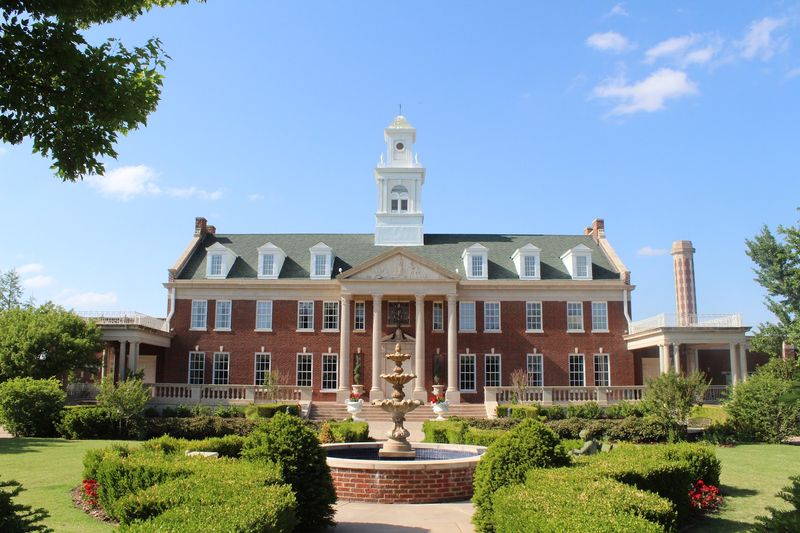
The Oklahoma Territorial Museum and Carnegie Library stands as a powerful anchor for the town’s cultural identity. Exhibits bring the territorial period to vivid, tangible life.
The Scottish Rite Masonic Temple is one of the largest Masonic centers anywhere in the world. Its grand architecture and storied interior draw visitors who appreciate both history and craftsmanship.
Oklahoma does not have many buildings that carry this kind of global significance.
Live theater thrives at the historic Pollard Theatre, where local productions keep the performing arts community active and engaged. The Guthrie Art Center provides space for visual artists to exhibit and teach.
Creative energy flows steadily through this town.
Community events fill the calendar throughout the year with consistent enthusiasm. Residents show up for each other in ways that feel increasingly rare in modern life.
That communal warmth is part of what makes first-time visitors feel oddly at home by the end of their first afternoon here.
Festivals That Make the Calendar Worth Watching
This town knows how to throw a party, and it does so with serious historical flair. The 89ers Festival commemorates the Land Run of 1889 with events that bring the founding story back to roaring life.
Oklahoma history becomes something you can actually feel rather than just read about.
October brings the Oklahoma International Bluegrass Festival, drawing musicians and music lovers from well beyond state lines. The sound of banjos and fiddles drifting through Victorian streets creates an atmosphere that feels almost cinematic.
Few settings suit acoustic music quite as well as this one.
“Territorial Christmas” is perhaps the most visually stunning event on the calendar. Old-fashioned carolers, peanut vendors, decorated 19th-century storefronts, and festive lighting transform the downtown into something that looks pulled straight from a storybook.
The comparison to a Hallmark movie becomes unavoidable.
These celebrations are not tourist traps. They reflect genuine community pride and a real desire to share local heritage with outsiders.
Attendance numbers keep growing each year, and the welcome mat is always out.
Ghost Walks and Eerie Tales After Dark
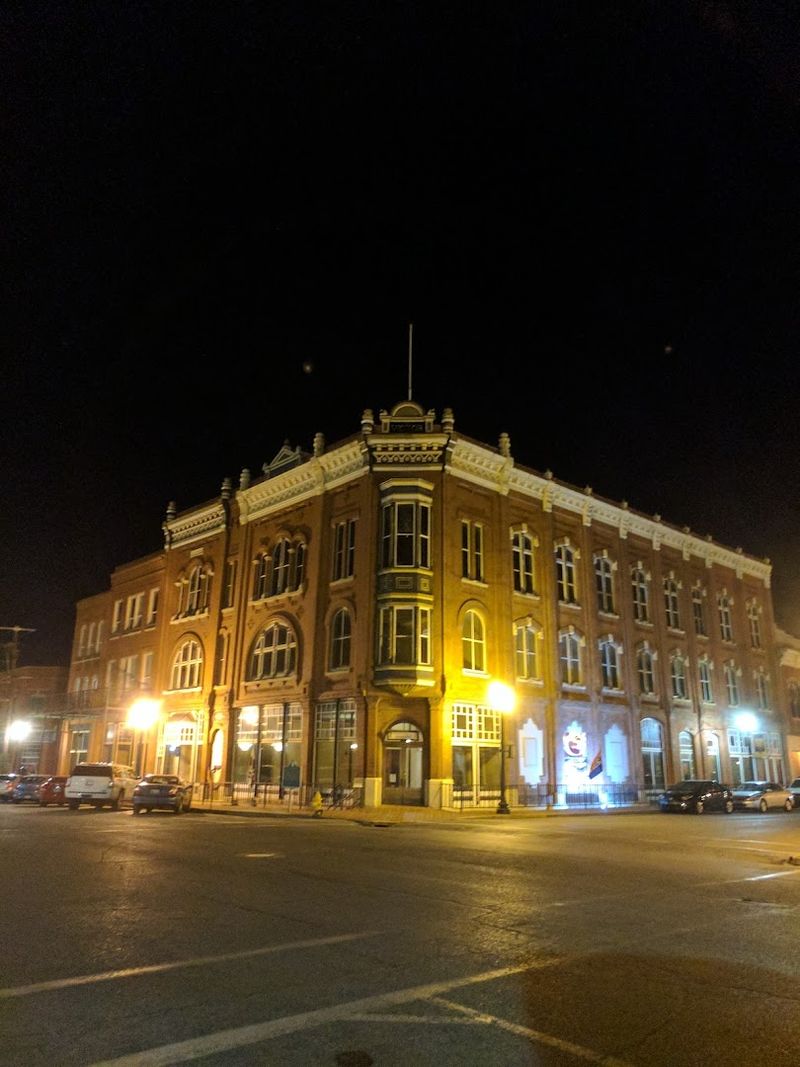
After the antique shops close and the dinner plates are cleared, Guthrie offers something a little less wholesome. Ghost walks through the historic district have become a popular evening attraction.
The town’s age and turbulent history provide plenty of material for a good spooky story.
Guides lead groups through darkened streets, sharing legends tied to specific buildings and locations. Some stories are rooted in documented historical events.
Others lean more toward local folklore passed down through generations of Oklahoma residents.
The atmospheric setting does most of the heavy lifting. Gas-style lampposts cast pools of warm light on brick sidewalks, and shadows fall dramatically across ornate facades.
Even skeptics find themselves glancing over their shoulders by the end of the tour.
These evening experiences add an unexpected dimension to what might otherwise be a purely daytime destination. Families with older kids, couples, and groups of friends all tend to enjoy the format.
The ghost walk is a clever reminder that the best travel experiences often happen after the sun goes down and the imagination kicks in.
Museums That Actually Make History Exciting
Most small towns have one museum. Guthrie has several, and each one covers genuinely distinct ground.
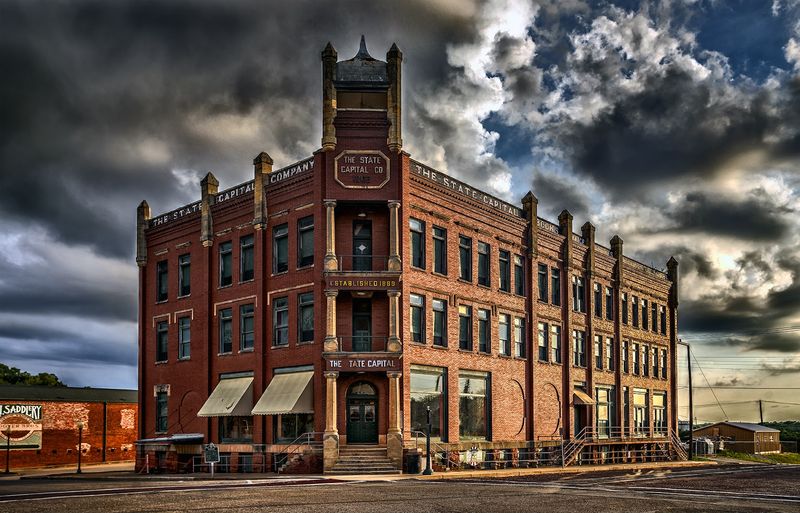
The State Capital Publishing Museum preserves one of the largest early printing operations in the American Southwest, with equipment and displays that trace early Oklahoma journalism. The building’s restored antique presses and printing history offer a fascinating glimpse into early Oklahoma journalism for those who plan ahead to see it.
The Oklahoma Frontier Drugstore Museum recreates a turn-of-the-century pharmacy with remarkable attention to period detail. Old medicine bottles, soda fountain equipment, and vintage packaging create a sensory experience that is hard to replicate elsewhere.
Oklahoma history feels personal and specific in this kind of setting.
Together, these institutions paint a picture of daily territorial life that goes well beyond politics and land ownership. They show what ordinary people ate, read, bought, and believed.
That human-scale storytelling is what makes them memorable long after the visit ends.
Admission costs are typically modest, and the staff at each location tends to be passionate and knowledgeable. Questions are welcomed here.
The museums feel like conversations rather than lectures, and that makes all the difference for visitors of any age.
Victorian Bed and Breakfasts Worth Waking Up In
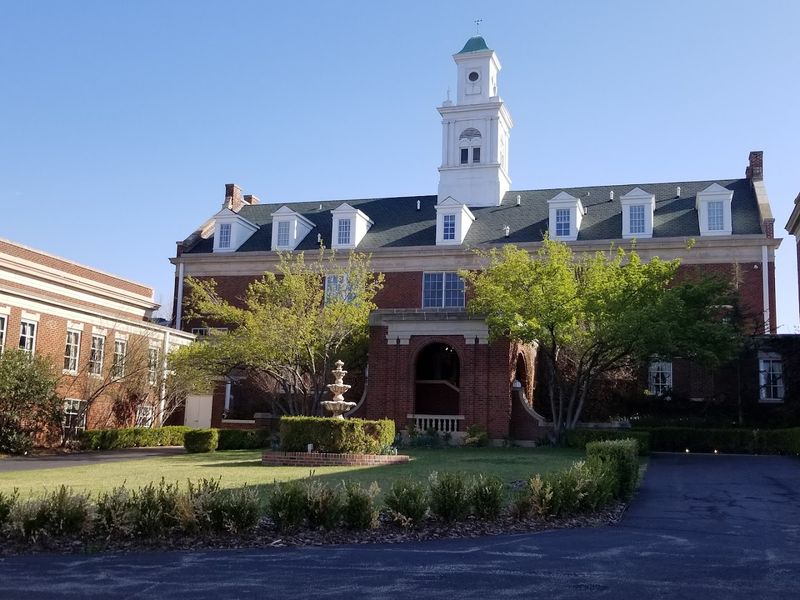
Staying in Guthrie is part of the experience, not just a logistical necessity. More than a dozen bed and breakfasts operate out of lovingly restored Victorian homes and historic buildings throughout the town.
Each property has its own personality, decor, and backstory.
Waking up inside a 130-year-old house with original woodwork, period-appropriate furnishings, and a home-cooked breakfast changes the nature of a trip. It shifts the visit from a day tour into a genuine immersion.
Oklahoma hospitality in this context feels warm and very personal.
Many of these properties sit within walking distance of the downtown core. That makes it easy to explore the shops and museums without needing a car at all.
The town’s compact, walkable layout rewards those who choose to stay overnight rather than rushing back to the highway.
The intimate scale of B&B accommodations also means guests often end up chatting with hosts who know the town’s history in impressive detail. Those informal conversations frequently reveal hidden spots and overlooked stories that no guidebook has ever bothered to mention.
Getting Around Town Is Half the Fun
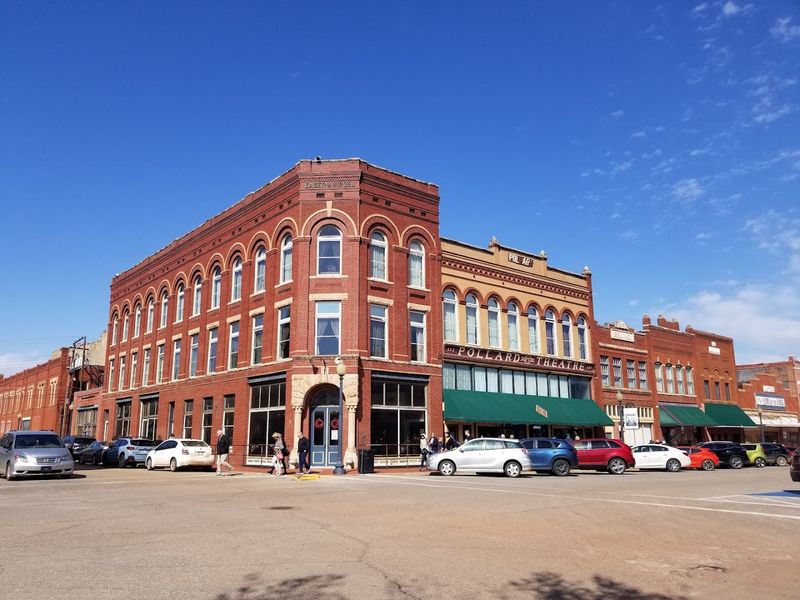
Brick-paved sidewalks invite slow, unhurried walking through the historic district. The layout of downtown Guthrie makes foot travel genuinely pleasant rather than just functional.
Bike racks are scattered throughout the core, and the city has been steadily building out trails and bike lanes.
The First Capital Trolley offers an on-demand transportation system that connects different parts of town. For a community of this size, that kind of service is uncommon and genuinely useful.
Visitors can cover more ground without the hassle of moving a car every few blocks.
Historic trolley tours also operate as a dedicated sightseeing option. A knowledgeable guide narrates the town’s history as the vehicle rolls through streets lined with remarkable buildings.
It is one of the more efficient ways to get oriented before exploring on foot.
The combination of walkability, bike infrastructure, trolley service, and guided tours means that visiting Guthrie does not require a detailed logistical plan. Show up, start walking, and let the town reveal itself at its own pace.
Few places make exploration this effortless and this rewarding at the same time.
Nature and Open Space Just Beyond the Bricks
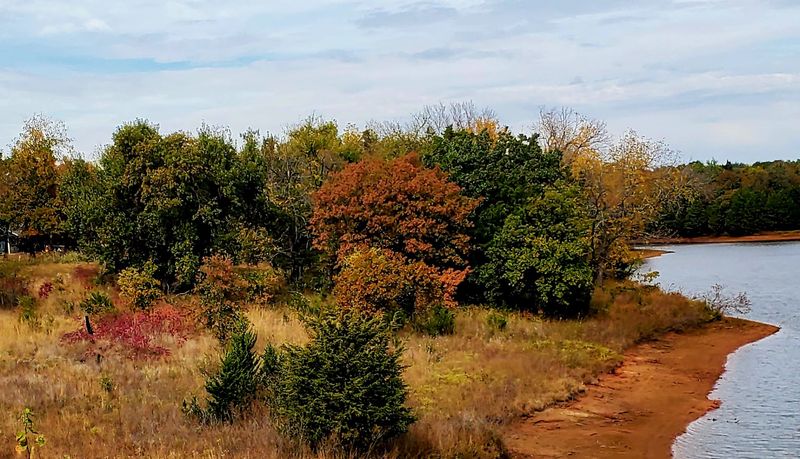
The historic district gets most of the attention, but green space and natural scenery are also part of what makes this town livable and visitable. Mineral Wells Park offers a peaceful outdoor retreat just a short distance from the downtown core.
Trees, open lawns, and quiet surroundings provide a genuine contrast to the architectural intensity of the main streets.
Logan County’s rolling terrain gives the broader area a picturesque quality that many visitors do not expect. The Cimarron River and Cottonwood Creek flow near the town, adding natural texture to a destination that is primarily known for its buildings.
Oklahoma landscapes here feel gentle and inviting rather than dramatic.
Trails and bike paths connect the town to its surrounding environment. Hikers and cyclists find enough variety to make a morning outdoors worthwhile before heading back into the historic district for lunch.
The balance between built heritage and natural setting is one of Guthrie’s underappreciated strengths.
Families with children especially appreciate having outdoor options available. A picnic in the park followed by a ghost walk in the evening makes for a very complete day in this remarkable small town.
Food, Coffee, and the Comfort of a Good Local Meal
A beautiful town with bad food is a disappointment. Guthrie avoids that problem with a food scene that matches its character.
Local restaurants favor fresh, regional ingredients over generic menus, and the result is dining that feels specific to this place rather than interchangeable with anywhere else.
Farm-to-table eateries bring seasonal Oklahoma produce to the table with care and creativity. Classic diners serve the kind of hearty, familiar comfort food that makes a long drive feel immediately worthwhile.
The range of options suits both adventurous eaters and those who just want something reliably good.
Coffee culture has a warm presence here as well. Cozy cafes invite guests to sit, slow down, and absorb the atmosphere of their Victorian surroundings.
One notable spot, Meow and Mocha, combines coffee service with feline companionship in a format that has earned genuine affection from locals and visitors alike.
Eating in Guthrie rarely feels rushed or impersonal. The town’s pace encourages lingering over a meal, striking up a conversation, and treating lunch as an experience rather than a task.
That unhurried quality might be the most Hallmark-worthy thing about the whole place.