
This Michigan City Has Changed So Much, Longtime Residents Say They Feel Unwelcome
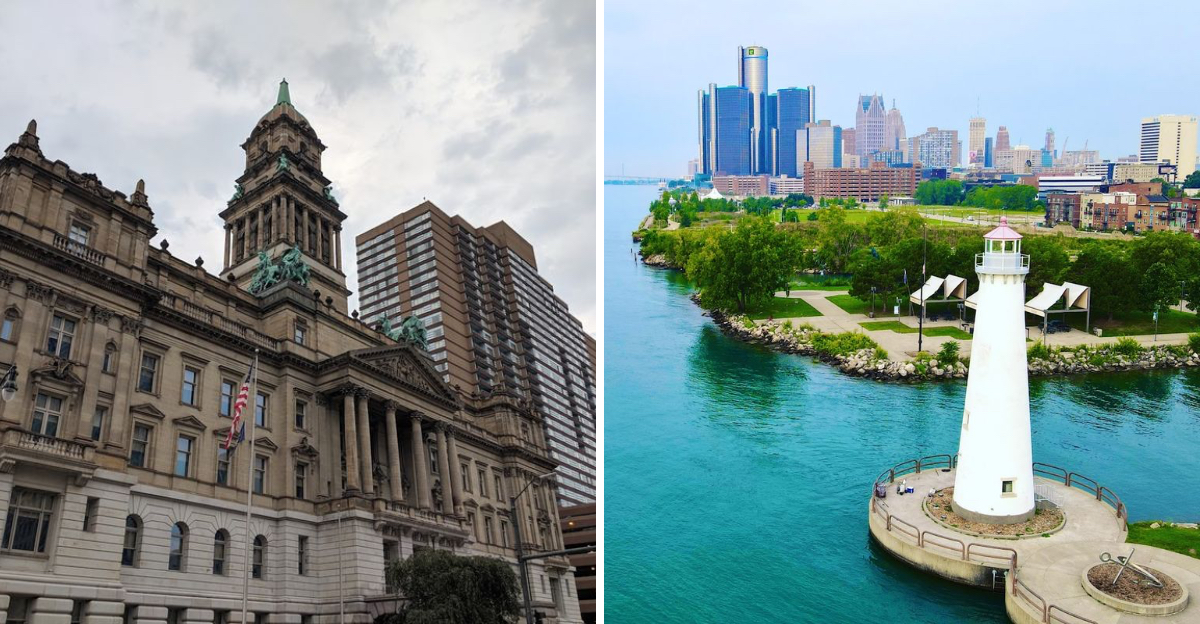
A skyline can shine while an entire generation quietly gets pushed out. Cranes rise on almost every corner you look.
Restored buildings glow with fresh glass and new money. Trendy shops replace the corner stores that once anchored entire blocks.
Rent climbs fast every single year. Wages barely move, and families feel the squeeze each month without much relief in sight.
This Michigan comeback story looks incredible from a new coffee shop patio or a gleaming office lobby. Talk to longtime residents, though, and the mood shifts fast.
Michigan’s largest urban rebound hides a harder truth underneath all that shine. A bigger story is unfolding here than fresh paint and new restaurants, one that is worth uncovering for yourself before the next chapter gets written.
A City Reimagined, A Past Remembered
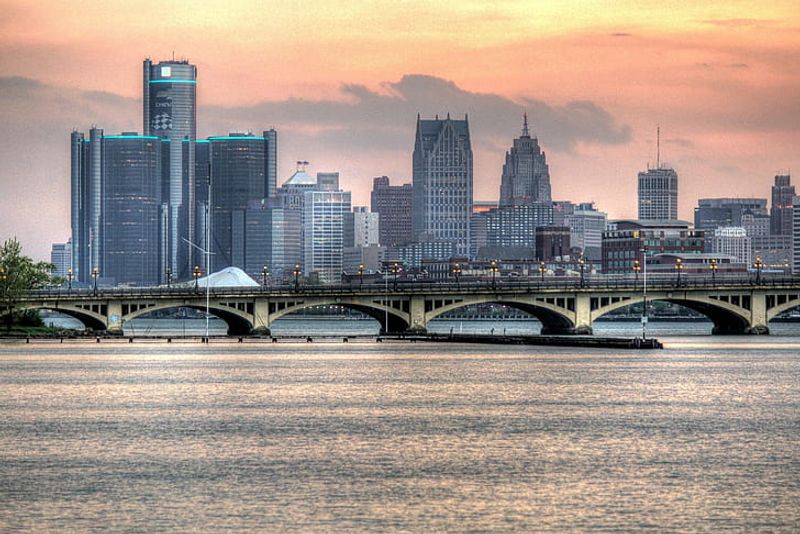
Detroit did not arrive at this moment by accident. The city’s story stretches back centuries, shaped by industry, immigration, and an iron will to survive.
At its peak, Detroit, Michigan, was home to nearly 1.85 million people. Automotive giants built their empires here, and workers from across the country flooded in chasing opportunity.
Then came the long decline. Population fell sharply.
Entire neighborhoods emptied out. Abandoned buildings became the city’s most photographed feature, for all the wrong reasons.
By 2020, the population had dropped to around 639,000. That number represents real families, real losses, and a community that had to reinvent itself under enormous pressure.
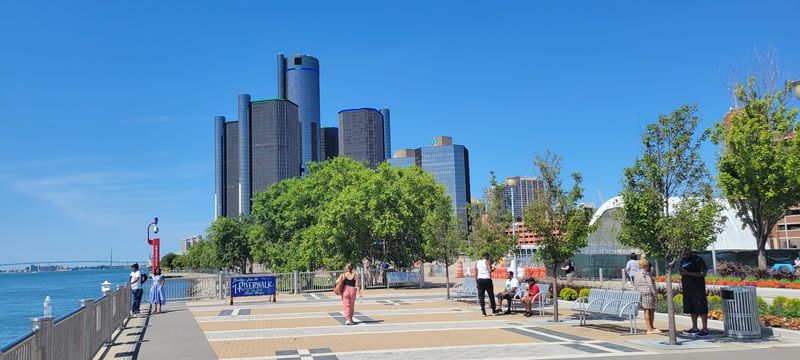
Today, downtown sparkles with new investment. The riverfront has been reclaimed.
Public spaces buzz with activity that felt unimaginable just fifteen years ago.
But progress built on a complicated foundation raises complicated questions. The city’s transformation is real, but so is the tension it creates for those who never left.
Gentrification’s Shadow Over Resurgent Streets
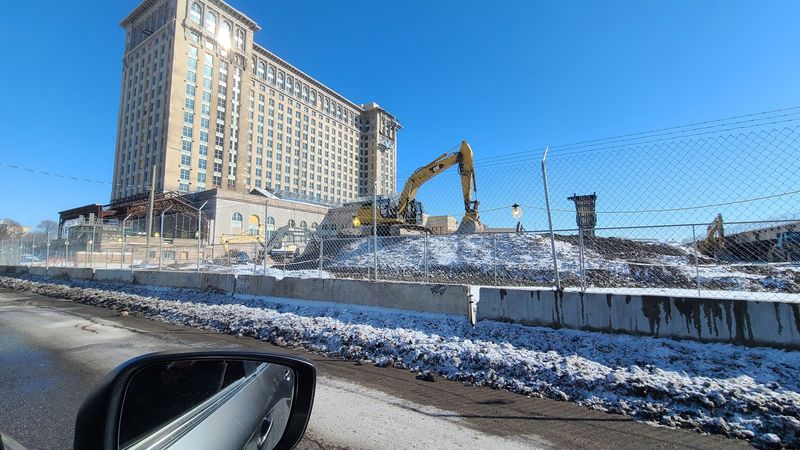
Change has a way of arriving uninvited. Across Detroit’s core neighborhoods, higher-income newcomers are moving into historically working-class areas, and the ripple effects are impossible to ignore.
New construction goes up fast. Trendy restaurants replace corner stores.
Property values climb, and suddenly the rent is nothing like what longtime tenants remember signing.
This process, known as gentrification, is not unique to Detroit. But in a city where residents weathered decades of disinvestment, the speed of change feels particularly jarring.
Communities built over generations can fracture quickly when economic pressure mounts. Social networks fray.
Neighbors scatter. The informal systems of support that kept people going during hard times get replaced by something more polished but far less personal.
Many longtime Detroiters describe a feeling of being erased rather than uplifted. The improvements are visible, but the benefits feel directed elsewhere.
Understanding gentrification means looking past the new facades and asking who actually gets to stay in the neighborhood being rebuilt.
When Rent Outpaces Reality
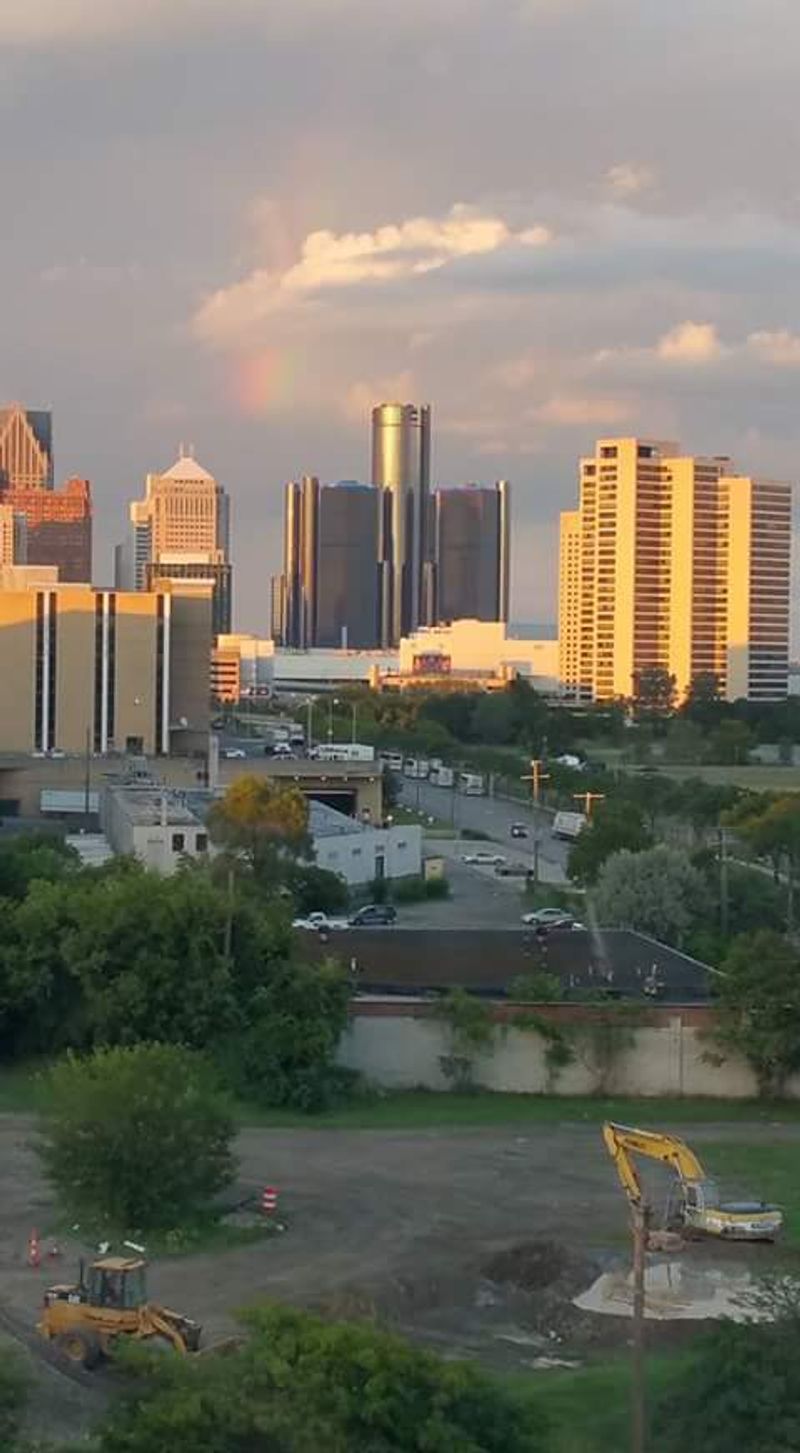
Numbers tell a story that is hard to argue with. Since the mid-2010s, average rent in Detroit has climbed sharply, with multiple housing reports showing increases well above 40 percent over the past several years.
That kind of increase would be manageable if wages had kept pace. They have not.
Over the same period, average annual incomes for Detroit residents rose by only around 11 percent.
The math simply does not work for a large portion of the population. Housing experts generally recommend spending no more than 30 percent of income on rent.
In 2021, around 60 percent of Detroiters exceeded that threshold.
More striking still, roughly 34 percent of residents were spending more than half their entire income on housing. That leaves very little room for groceries, transportation, or unexpected expenses.
These are not abstract statistics. They represent real families making painful decisions every month, often choosing between keeping the lights on and keeping the roof overhead.
A city’s revival means very little to residents who cannot afford to live in it.
The Heavy Burden of Property Taxes
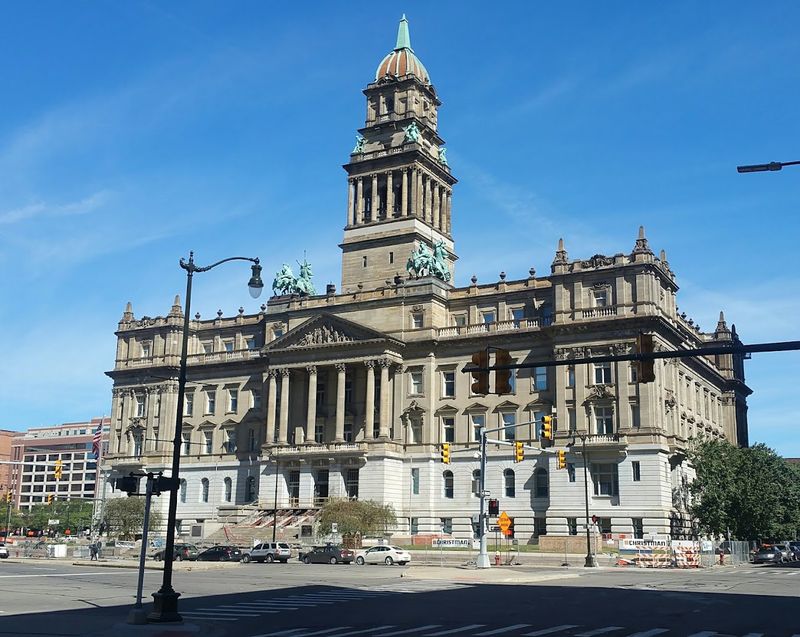
Owning a home is supposed to be a path to stability. For many Detroit homeowners, it has become a source of serious financial strain instead.
Detroit has faced long-standing scrutiny over its practice of over-assessing property values, particularly in lower-income neighborhoods. When assessments are inflated beyond what a home is actually worth, tax bills follow suit.
One investigation found that residents had been collectively overtaxed by nearly $600 million between 2010 and 2016, in the years following the Great Recession. That figure represents years of financial pressure placed on people who could least afford it.
That figure represents decades of financial pressure placed on people who could least afford it.
The consequences are severe. Homeowners who cannot keep up with inflated tax bills face foreclosure.
Foreclosures drag down surrounding property values. Entire blocks can destabilize from a single wave of forced sales.
Meanwhile, developers often acquire foreclosed properties at low prices, renovate them, and sell or rent them at rates that price out the original community.
The cycle is frustrating and deeply unfair to those who held on through the city’s hardest years, only to lose ground during its recovery.
Seniors and the Price of Progress
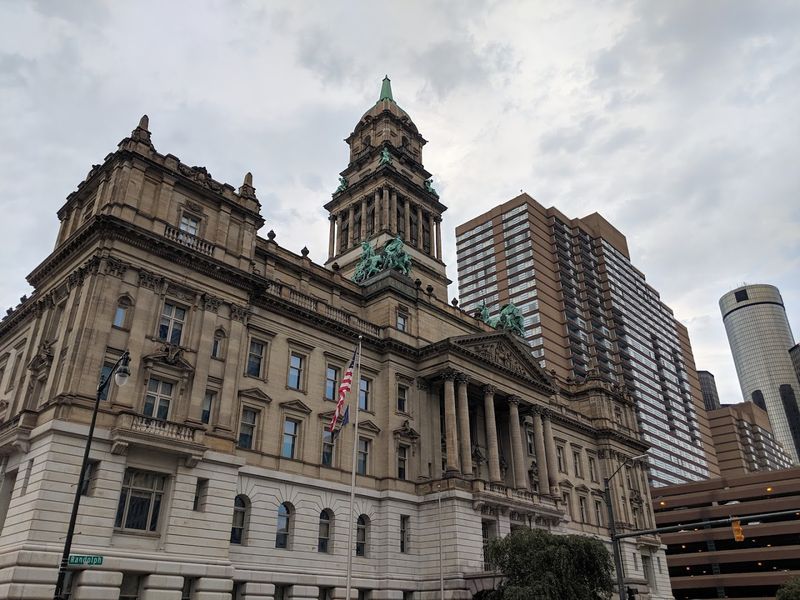
Few images capture Detroit’s displacement crisis more sharply than senior citizens being forced out of buildings they have called home for decades.
As redevelopment accelerates, older residents on fixed incomes are especially vulnerable. When a building is converted into market-rate apartments or upscale condos, longtime low-income tenants rarely make the cut for the new price structure.
One widely cited example involves a historic downtown building where more than 100 low-income seniors were displaced to make way for high-end units. The building got a new name and a new clientele.
The seniors got moving boxes.
These are people who stayed in Detroit through the worst of times. They raised families, paid taxes, and built communities when others were leaving.
Their reward should not be eviction.
The emotional toll of displacement at an advanced age is significant. Familiar routines, nearby medical care, and established social connections all get disrupted in ways that are difficult to rebuild.
Progress that does not protect its most vulnerable residents is a progress worth questioning out loud.
Race, Wealth, and Who Gets Left Behind
Detroit’s demographics tell a story that sits at the center of its revitalization debate. The city is predominantly African American, with Black residents making up the vast majority of the population.
In 2010, Black residents accounted for roughly 82 percent of the population. By the 2020 census, that figure had dropped to around 77 percent.
The shift is modest in percentage terms but significant in human terms.
Gentrification in Detroit, as in many American cities, often follows a racial pattern. Wealthier, often white newcomers move into historically Black neighborhoods, bringing investment that prices out the existing community.
Economic disparities reinforce this dynamic. White Detroiters generally hold higher median incomes and home values compared to their African American neighbors.
These gaps did not appear overnight, and they will not close without deliberate effort.
Many residents describe a sense of cultural erasure that goes beyond economics. When your neighborhood changes faster than you can adapt, belonging starts to feel conditional.
Equity in urban renewal is not just a policy goal. For many Detroiters, it is a matter of basic dignity.
Downtown Gleams, Neighborhoods Wait
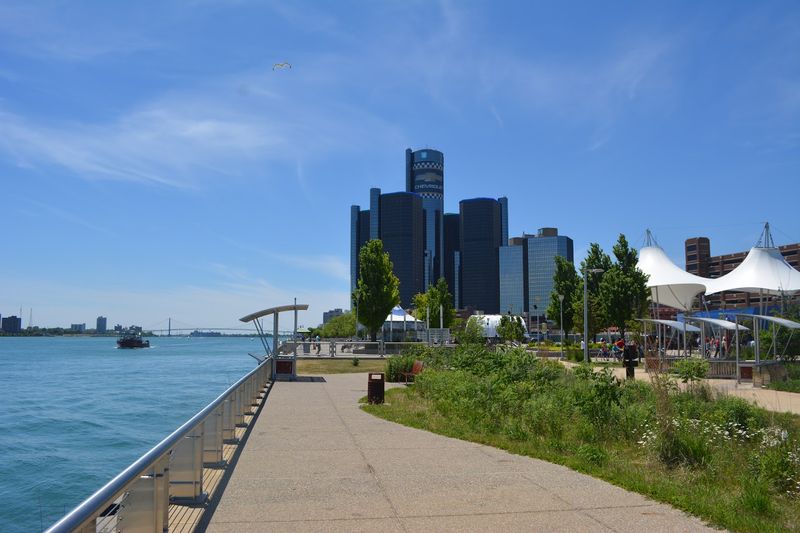
Detroit’s comeback story often centers on its downtown and Midtown corridors. The images are compelling: renovated buildings, busy sidewalks, new restaurants, and a riverfront that draws visitors from across the region.
But step a few miles from the central business district and the picture shifts dramatically. Vacant lots stretch across entire blocks.
Blighted structures stand alongside occupied homes. Basic infrastructure still needs serious attention in many areas.
This two-speed city dynamic is not accidental. Investment has been strategically concentrated in specific zones, often supported by generous tax incentives for developers.
The returns flow back to those same zones, not outward to surrounding communities.
Residents in neighborhoods outside the core describe watching the downtown transformation on the news while their streets remain underfunded. The pride is real, but so is the frustration.
Some investment has begun reaching neighborhoods like Livernois-6 Mile, but progress is uneven and often slow. Trust between communities and city planners takes time to rebuild.
A city is only as strong as its most neglected block. That truth does not disappear behind a new skyline.
Culture, Identity, and What Gets Lost
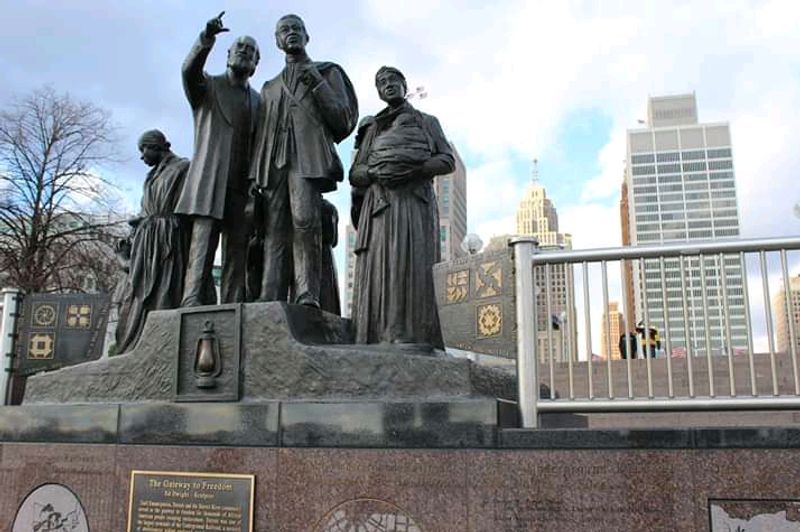
Detroit’s cultural identity is extraordinary. It gave the world Motown Records, a sound that redefined popular music and still resonates globally.
The original headquarters, Hitsville U.S.A., still stands as a landmark in the city.
The Detroit Institute of Arts houses the famous Detroit Industry Murals painted by Diego Rivera, a sweeping tribute to the city’s working-class roots. These are not just tourist attractions.
They are expressions of who Detroit is at its core.
But culture is fragile when communities scatter. When longtime residents are displaced, they take with them the informal traditions, neighborhood rituals, and collective memory that give a place its character.
Beloved local businesses close when rents climb beyond what independent owners can sustain. Historic churches lose their congregations when the surrounding neighborhood changes too fast.
The gathering spots that anchored community life quietly disappear.
What replaces them is often polished and profitable, but it rarely carries the same weight. A boutique hotel does not replace a decades-old barbershop as a community anchor.
Protecting cultural identity during rapid growth requires intentional choices, not just good intentions.
Mental Health in a City Under Pressure
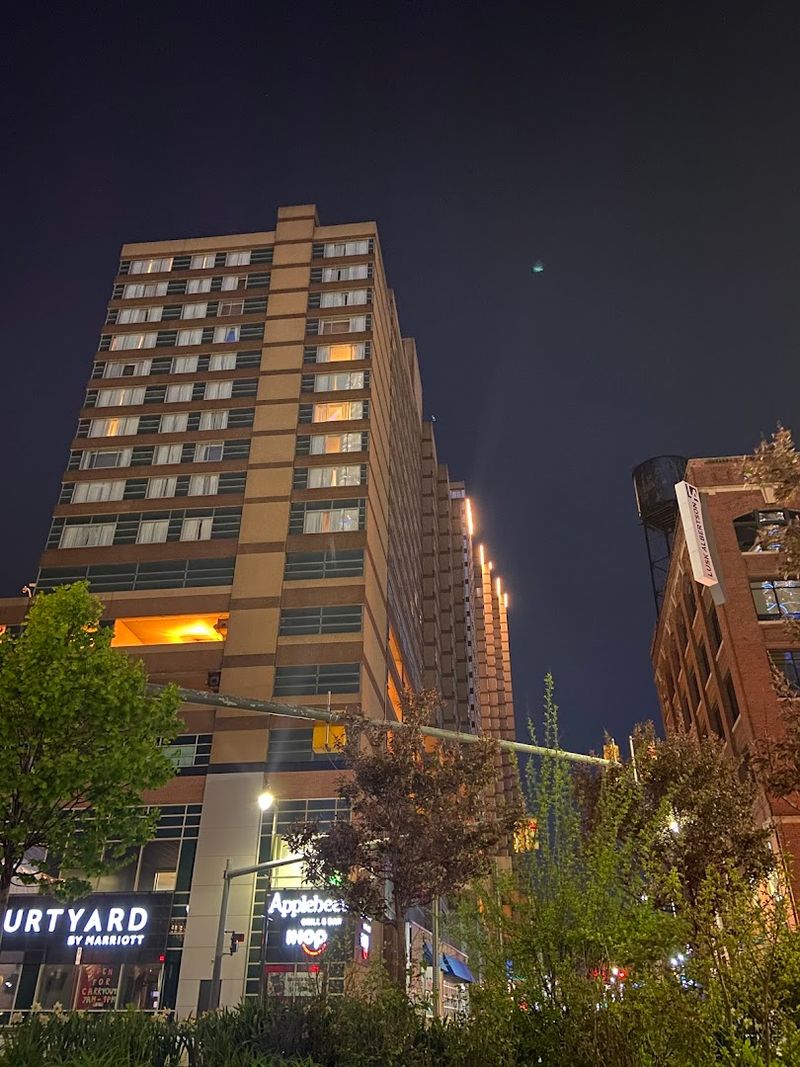
Economic pressure does not stay on a spreadsheet. It follows people home, keeps them up at night, and shapes how they experience their own neighborhoods.
Research has found a clear connection between housing insecurity, neighborhood dissatisfaction, and poor mental health outcomes. In Detroit, where financial strain is widespread, these pressures compound quickly.
The stress of potential displacement is not a small thing. Wondering whether you can afford next month’s rent, or whether your landlord will sell the building to a developer, creates a persistent low-grade anxiety that wears people down.
Longtime residents who have already survived the city’s hard decades carry their own particular kind of fatigue. Watching the place you fought for change into something that feels indifferent to your presence takes a real psychological toll.
City planners and developers rarely factor mental well-being into their project timelines. But the health of a community is inseparable from the health of its residents.
Revitalization that ignores this dimension is incomplete at best. At worst, it trades one form of urban distress for another.
The Economic Gaps That Growth Has Not Closed
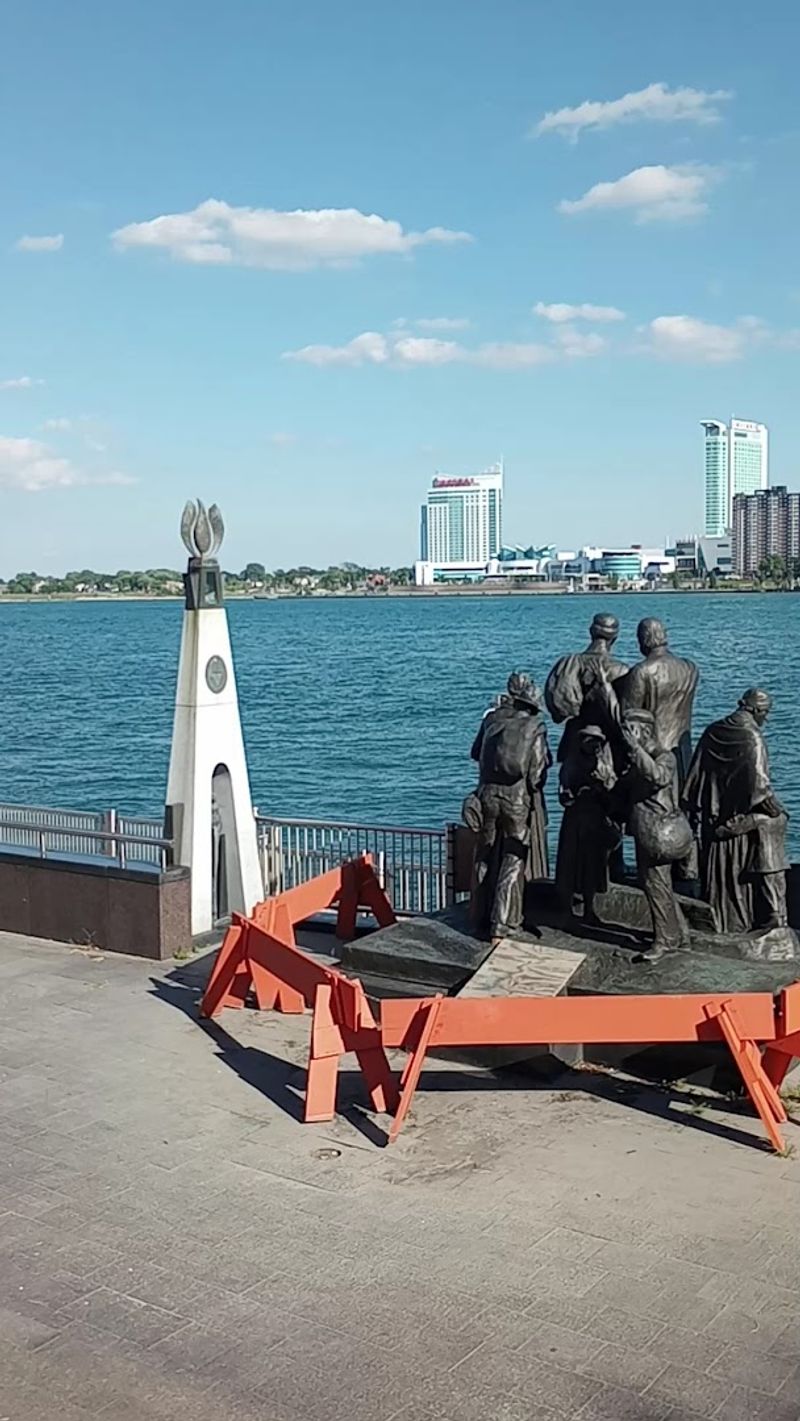
Detroit’s economy is moving in a positive direction on paper. Wage forecasts look cautiously optimistic.
Manufacturing and construction sectors are showing signs of recovery. New businesses are hiring.
But the headline numbers mask persistent inequities that a decade of growth has not resolved. Detroit’s median household income remains roughly half that of the surrounding metropolitan region.
That gap does not close on its own.
Small businesses owned by African American entrepreneurs continue to face significant barriers when accessing capital. Without equitable access to financing, the benefits of the city’s economic recovery flow disproportionately to those who were already well-positioned.
Employment growth in the city’s core does not automatically translate into opportunity for residents living in underserved neighborhoods. Commute costs, childcare gaps, and skills mismatches all create friction between available jobs and the people who need them most.
Michigan’s largest city deserves an economic strategy that centers the people who have been here the longest, not just the investors who arrived most recently.
Growth without equity is just a different kind of inequality wearing a better suit.
What Intentional Development Actually Looks Like
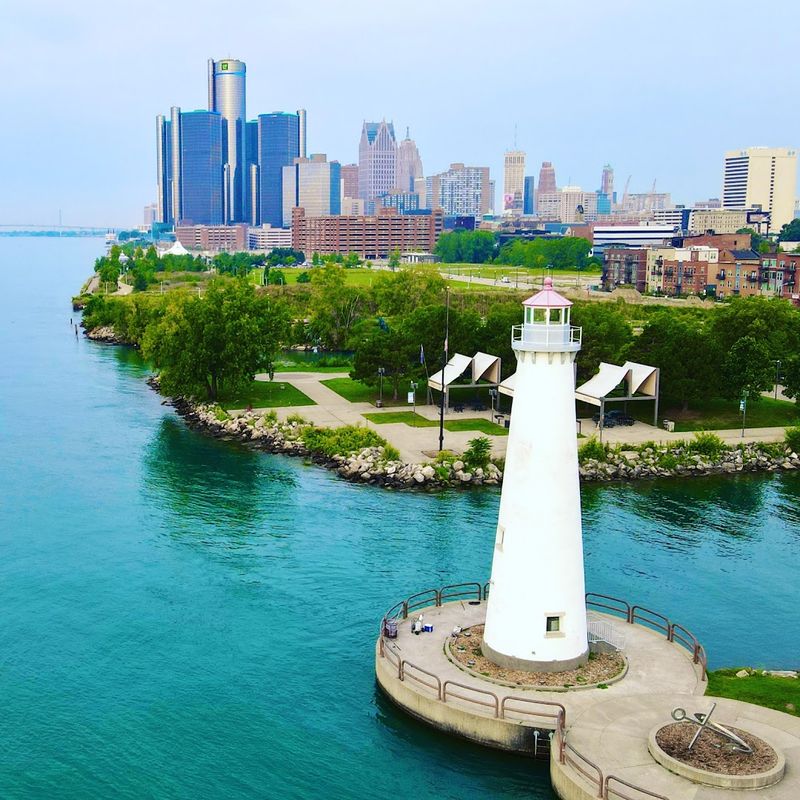
Not everyone involved in Detroit’s transformation is indifferent to its impact. Architects, community organizers, and local entrepreneurs are pushing for a model of development that actually includes the people already living there.
Intentional development means more than building affordable units alongside luxury ones. It means involving residents in planning decisions before shovels hit the ground.
It means prioritizing local hiring and contracting. It means designing spaces that serve existing communities, not just future ones.
Community land trusts are one tool gaining traction in cities like Detroit. These structures allow neighborhoods to retain control over land use, preventing rapid price escalation from pushing out long-term residents.
Participatory budgeting, neighborhood-led planning councils, and anti-displacement funds are other mechanisms that put decision-making power closer to the people most affected by change.
The appetite for this kind of approach exists in Detroit. Residents are not opposed to growth.
They are opposed to growth that treats them as obstacles rather than stakeholders.
Building a better city starts with listening to the people who built it in the first place.
Detroit’s Crossroads and the Road Ahead
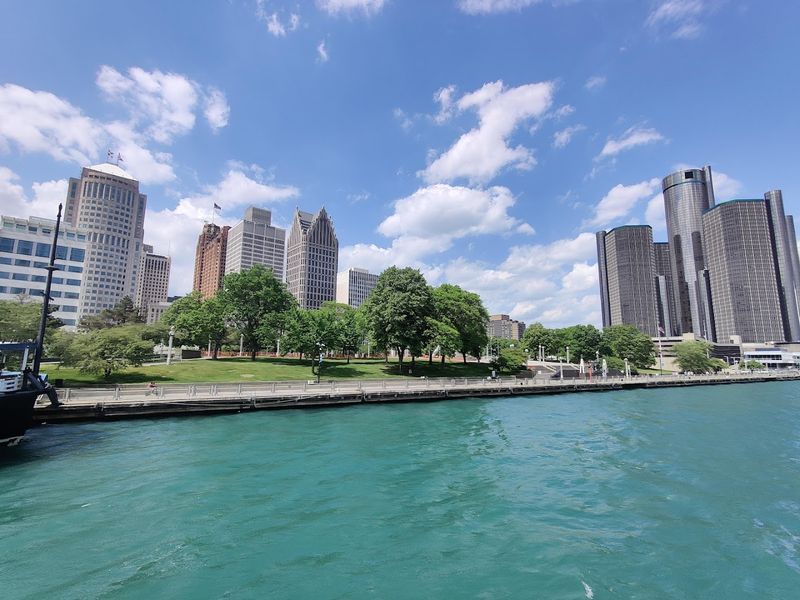
Detroit stands at a genuine crossroads. The energy in the city is real.
The investment is real. The potential is real.
So is the risk of getting this moment wrong.
Cities that prioritize growth without equity tend to build resentment alongside their new developments. The longtime residents who kept Detroit alive through its hardest years deserve more than a front-row seat to a transformation that leaves them behind.
Michigan’s largest city has always been defined by resilience. That resilience came from its people, not its buildings.
Any vision for Detroit’s future that forgets this is built on shaky ground.
The riverfront, the murals, the music history, the automotive legacy: all of it belongs to a city whose identity was forged by ordinary people doing extraordinary things under difficult circumstances.
Progress should feel like an invitation, not an eviction notice. Detroit has every ingredient needed to get this right, including the community voices that have been sounding the alarm all along.
The question is whether the city’s leaders are truly ready to listen.