
8 Wyoming Towns With Main Streets So Timeless They Feel From Another Era
Main streets that never modernized beyond recognition carry a permanence that renovation budgets rarely achieve. These Wyoming towns kept theirs intact long enough to make the past feel genuinely present.
Storefronts that predate the highway system, sidewalks worn smooth by decades of the same foot traffic. The timelessness here is structural rather than staged.
Visitors who walk these streets describe the disorientation of a place that looks exactly as it should without appearing to try. That quality develops over generations and cannot be installed during a revitalization project.
Wyoming keeps its most authentic main streets in towns that never had reason to change what already worked. These eight communities prove that some things improve simply by being left alone long enough to matter.
1. Sheridan
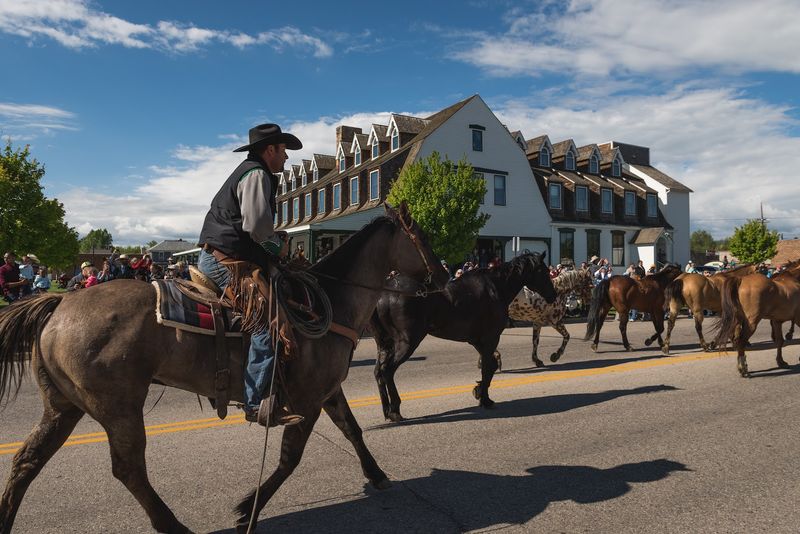
Queen Elizabeth II once walked this street. Let that sink in for a second.
Sheridan’s Main Street is a full-on national historic district, and it earns that title every single day.
More than 30 buildings from the town’s earliest decades are still standing tall. They aren’t replicas or renovations dressed up to look old.
These are the real deal, brick by brick.
The WYO Theater opened in 1923 as a vaudeville venue. It has been lovingly restored and still hosts live performances today.
Walking past it feels like the marquee might announce a show from a century ago.
King’s Saddlery is one of those stops you don’t plan but can’t skip. It houses the Don King Museum, packed wall to wall with Western memorabilia.
Saddles, spurs, ropes, and legends fill every corner.
The Mint Bar’s neon cowboy sign has been glowing since 1907. That sign alone is worth stopping for a photo.
It’s become one of the most recognized images in all of Wyoming.
Sheridan was founded in 1882, and the town has never tried to hide its age. Instead, it wears it every year proudly.
The broad avenue serves as a central hub for shopping, strolling, and soaking up serious Western atmosphere.
Local shops sit comfortably alongside historic landmarks. There’s no awkward mix of old and new here.
Everything fits together like the town was always meant to look exactly this way.
Come on a weekday morning, and you’ll have the sidewalks mostly to yourself. The quiet is part of the charm.
2. Cody
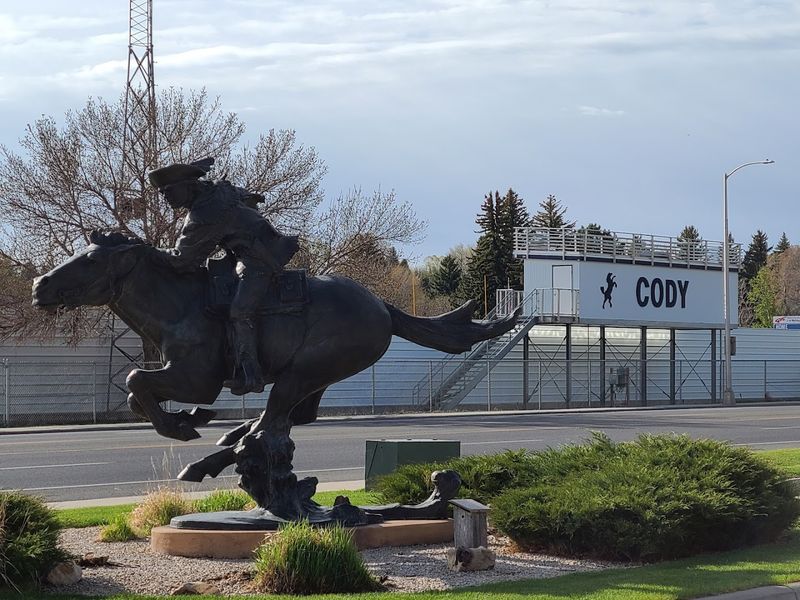
Buffalo Bill didn’t just pass through Cody; he built it. Colonel William F.
Cody founded this town in 1896 and designed the streets himself. He made them wide enough for a full wagon and horse team to turn around comfortably.
That kind of practical thinking is baked into Cody’s bones. Sheridan Avenue, the main street, still carries that original wide-open energy.
You can almost hear the wagon wheels.
The Irma Hotel was built by Buffalo Bill in 1902 and named after his daughter. It still operates today and still draws visitors who want to sleep where history happened.
The building’s cherrywood bar alone is worth a visit.
Old Trail Town is an outdoor museum unlike anything else in Wyoming. It holds 28 authentic frontier buildings relocated from across the region.
One of them was actually used by Butch Cassidy and the Wild Bunch.
Cody proudly calls itself the Rodeo Capital of the World. That’s not just a slogan.
The town has hosted nightly rodeos every summer since 1938. That’s a streak worth respecting.
The Downtown Cody Historic District features buildings from the 1900s through the 1930s. Walking through it feels like flipping through a well-preserved photo album.
Each building tells a chapter of Western expansion.
Local shops, galleries, and eateries line Sheridan Avenue with real personality. Nothing here feels corporate or cookie-cutter.
Every storefront has a story attached to it.
If you only visit one Wyoming town on a road trip, make a strong argument for Cody. The history is layered, the atmosphere is electric, and Buffalo Bill’s spirit genuinely lingers.
3. Lander
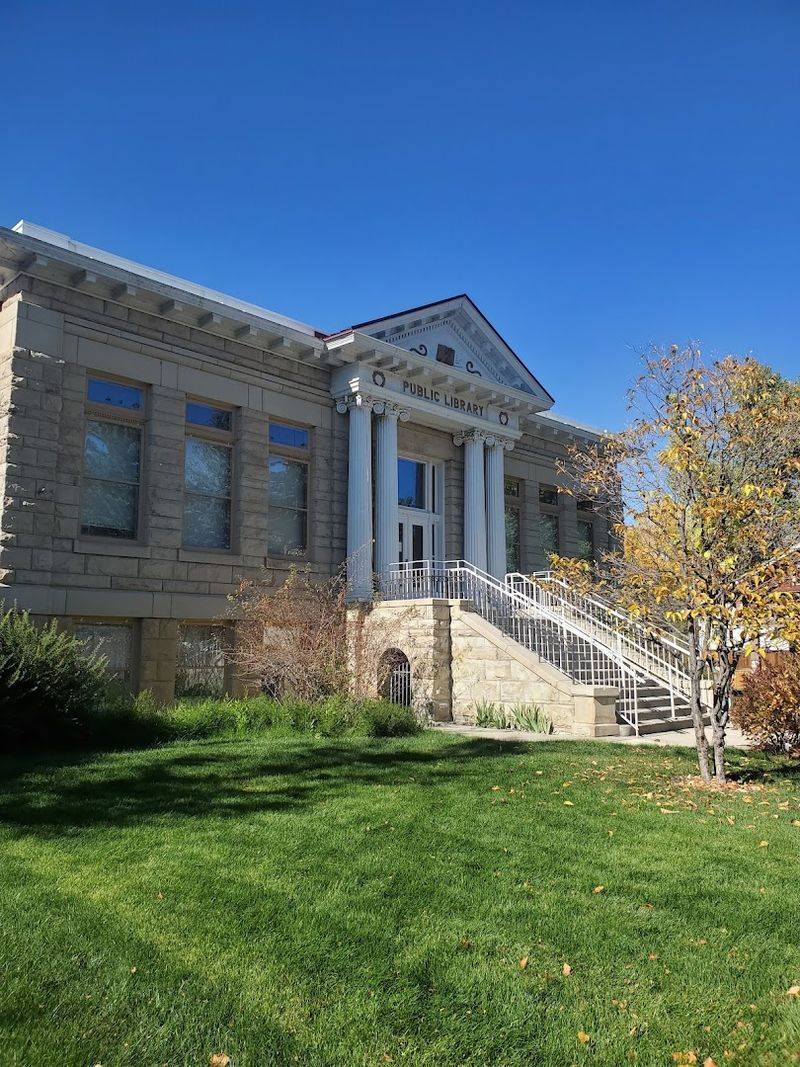
Lander has a motto that perfectly captures its identity. Locals say it’s where the rails end and the trails begin.
That phrase isn’t just catchy. It’s historically accurate and still feels true today.
The Main Street here forms a historic commercial core that dates back to the 1890s. Most of the buildings are masonry construction from between 1890 and 1910.
They’ve aged gracefully, like old cowboys who still ride every morning.
The Noble Hotel, built in 1918, is one of the most prominent historic structures on the street. It anchors the block with quiet authority.
You notice it immediately and want to know its whole story.
There’s also a log building on Main Street that was moved from Camp Stambaugh, originally built in 1870. That’s not a decoration.
That’s a piece of frontier military history sitting right on a pedestrian-friendly commercial block.
Lander’s downtown is listed on the National Register of Historic Places. That recognition isn’t handed out lightly.
The district genuinely earned it through preservation and community pride.
Art galleries and specialty shops line the sidewalks without feeling forced or trendy. The mix feels organic.
Local artists and longtime business owners coexist here with real harmony.
Outlaws like Butch Cassidy once frequented Lander’s saloons back in the day. Those saloons are long gone, but the outlaw energy somehow lingers in the best possible way.
You can feel the wild history just standing on the corner.
Lander is the kind of town that rewards slow walking and curious eyes. Every building has something to say if you stop long enough to listen.
4. Buffalo
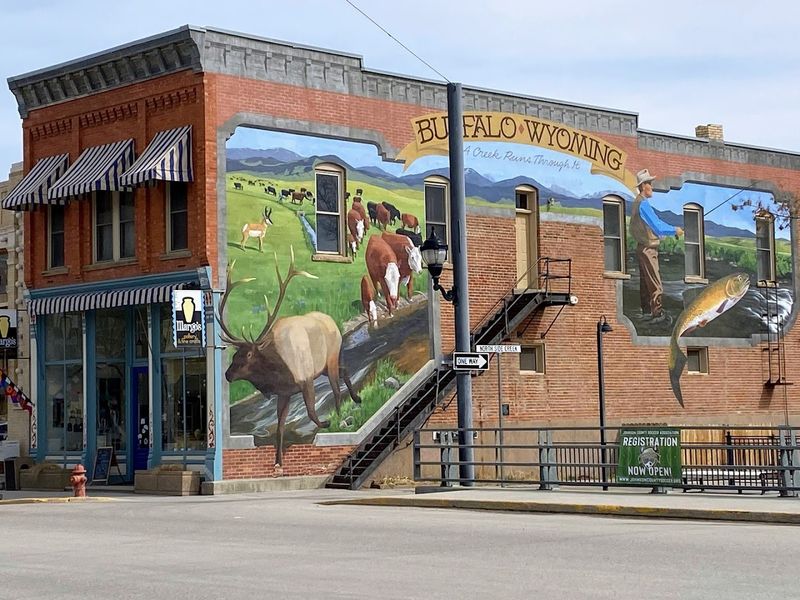
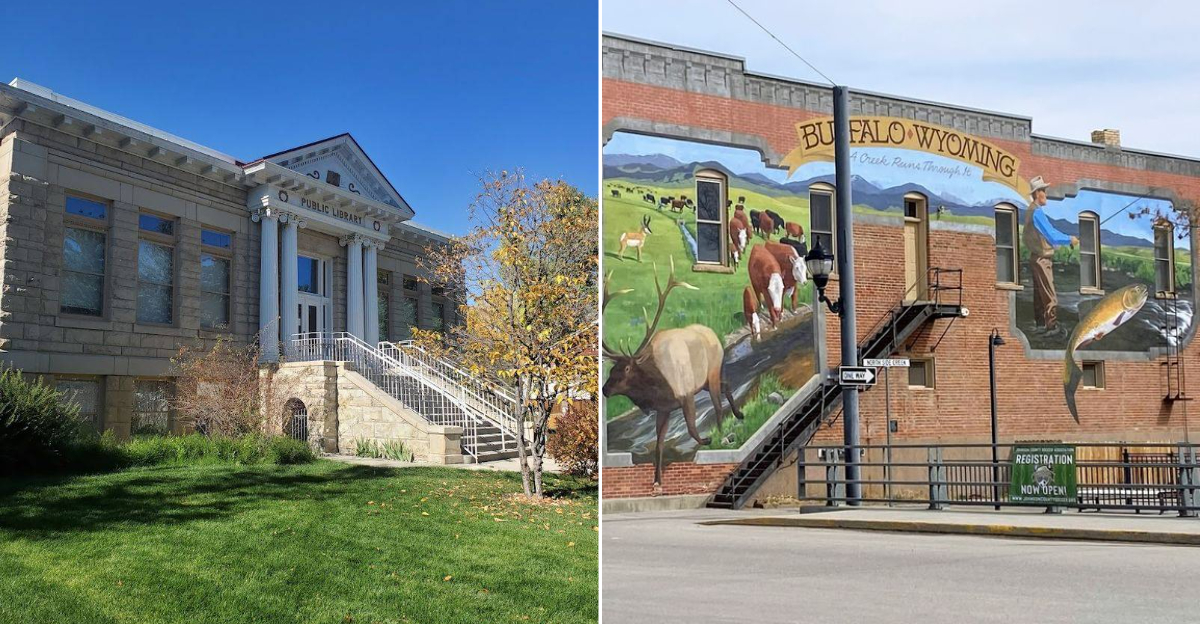
Buffalo, Wyoming, has bullet holes in its hotel walls; Real ones. The Occidental Hotel hosted legends like Buffalo Bill Cody and Calamity Jane, and apparently things got lively enough to leave permanent marks.
That hotel is still standing on Main Street. It has been carefully restored while keeping its historic character fully intact.
You can stay there, eat there, and stare at those bullet holes yourself.
More than a dozen historic buildings line Buffalo’s Main Street, and the whole stretch is listed on the National Register of Historic Places. That’s not a small honor.
The preservation here is genuinely impressive.
The Jim Gatchell Memorial Museum is one of those places that makes you lose track of time. It’s packed with frontier artifacts, Native American items, and stories from the cattle industry era.
Plan to stay longer than you think you will.
Buffalo sits in the foothills of the Big Horn Mountains, which means the scenery behind the historic storefronts is almost unfairly beautiful. Mountains frame every view.
It’s a ridiculous amount of visual reward for one small town.
The town also served as the inspiration for the popular Longmire book series. If you’ve read the books or watched the show, walking Buffalo’s streets feels like stepping into the pages.
The atmosphere matches the fiction perfectly.
Main Street here tells the story of the cattle industry’s rise, recovery, and growth in Wyoming. Every building contributed to that era.
The town wears its ranching heritage like a well-worn saddle.
Buffalo is a small town with an oversized personality. Come expecting charm and leave with a full appreciation for Wyoming’s frontier past.
5. Thermopolis
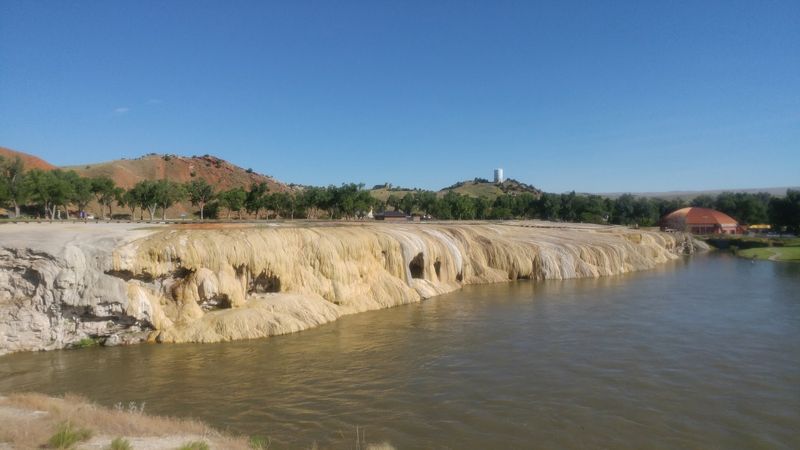
Broadway Street in Thermopolis is 150 feet wide. That’s not a typo.
The street was deliberately built that wide to accommodate 16-mule freight teams turning around. That is a very specific and very impressive engineering choice.
Walking down it today, you can actually feel the scale. The buildings sit back farther than you’d expect.
The whole layout gives the downtown a dramatic, open-air quality that’s hard to find anywhere else.
Construction on those buildings happened between 1898 and 1923. Victorian and commercial architectural styles define the look.
The Downtown Thermopolis Historic District holds a well-deserved spot on the National Register of Historic Places.
The town was planned in 1896 following land acquisition from local tribes. That origin story is part of what makes Thermopolis feel layered with meaning.
The history here runs deep and spans multiple cultures and eras.
Butch Cassidy and the Sundance Kid reportedly frequented the old saloons along Broadway. Those same spaces have transformed into welcoming bakeries and shops today.
The outlaw legacy lives on in the most wholesome way possible.
Thermopolis is also famous for having the world’s largest mineral hot springs. Hot Springs State Park sits just outside downtown.
It adds a spa-like bonus to what’s already a historically rich visit.
The combination of wild outlaw history, Victorian streetscapes, and natural hot springs makes Thermopolis genuinely one-of-a-kind. Most people drive through on their way somewhere else.
That’s their loss and your gain if you stop.
Give Broadway Street the slow walk it deserves. Peek into the shops, read the historic markers, and appreciate how much character fits into one wide block.
6. Lovell
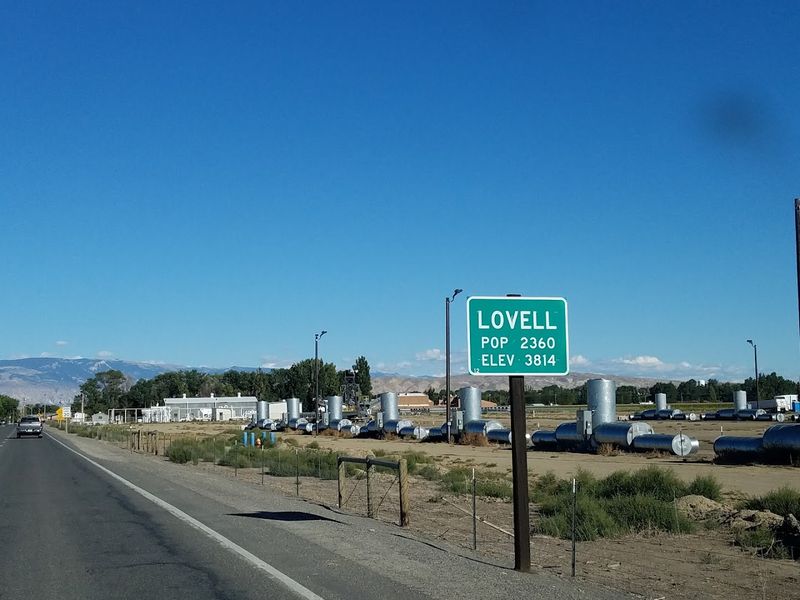
Lovell goes by a nickname that perfectly fits their personality. They call it the Rose Town of Wyoming.
A rose expert once lived there and spread beautiful roses throughout the community, and the tradition stuck hard.
Walking through downtown Lovell in bloom season is genuinely lovely. Roses line the sidewalks and public spaces with color and fragrance.
It’s the kind of detail that makes a small town feel intentional and cared for.
Cattlemen Henry Clay Lovell and Anthony Mason founded the town back in 1887. The town was named in Henry Clay Lovell’s honor.
That founding story gives the place a clear identity rooted in ranching and Western enterprise.
A Mormon colony arrived in 1900 and helped spark serious development through irrigation projects. That agricultural foundation shaped the town’s layout and community character.
You can still see that influence in how the land around town is organized.
The Lovell-Kane Museum preserves the history of early settlers and documents how Main Street evolved over decades. It’s a small museum with a big commitment to local storytelling.
Local volunteers keep it running with genuine enthusiasm.
The area around Lovell is a paradise for outdoor enthusiasts. The Bighorn Mountains loom nearby with trails, wildlife, and dramatic scenery.
After a morning on Main Street, an afternoon in the mountains feels like a natural next move.
Bighorn Canyon National Recreation Area is also close by. That adds another layer of adventure to what could easily be a full weekend trip.
Lovell packs more into its small footprint than most towns twice its size.
The town is quiet, friendly, and surprisingly full of character. It rewards visitors who slow down and pay attention.
7. Douglas
This spot didn’t ease into existence. It burst onto the scene in 1886 when the Chicago, Burlington and Quincy Railroad arrived.
Within months, Main Street had newspapers, banks, general stores, and a Princess Theater. That’s a fast start by any measure.
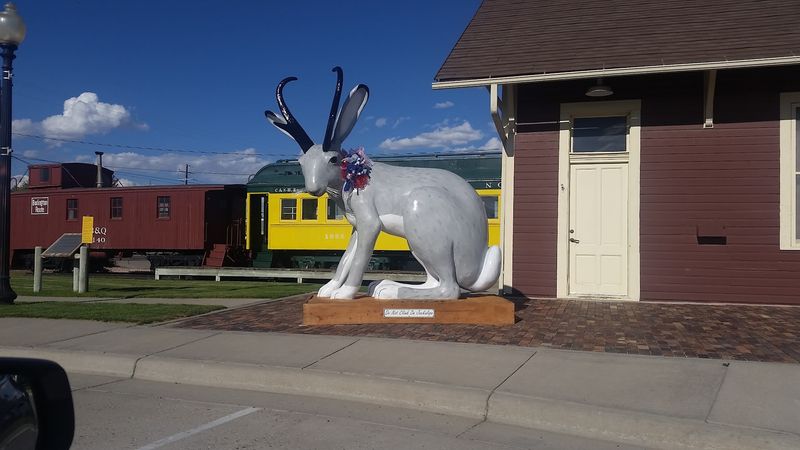
The town also claims one of the most gloriously absurd identities in all of Wyoming. Douglas is officially Jackalope City.
If you don’t know what a jackalope is, it’s a mythical rabbit with antelope horns, and Douglas invented the legend.
Jackalope Square sits in the heart of downtown and features a concrete Jack large enough to climb on for a photo. Every visitor stops there.
It’s impossible not to. The thing has a magnetic pull on tourists and locals alike.
The historic railroad depot was central to Douglas’s founding and still stands as a reminder of how the iron horse shaped Western towns. Rail history runs through the DNA of this place.
You feel it in the layout of the streets.
Douglas actively participates in Wyoming’s Main Street program, which means downtown preservation and revitalization are taken seriously. New energy moves through the historic blocks without erasing what came before.
That balance is harder to achieve than it looks.
Many historic homes in Douglas date back to the late 1800s. Walking the residential streets near downtown adds another dimension to the visit.
The architecture tells the story of early settlers building something permanent from scratch.
The town’s history offers a genuine slice of late 19th- and early 20th-century Americana. It’s not performed or staged.
It’s simply what Douglas is, and the town leans into that identity with confidence and charm.
Douglas is the kind of stop that surprises you in the best way.
8. Worland
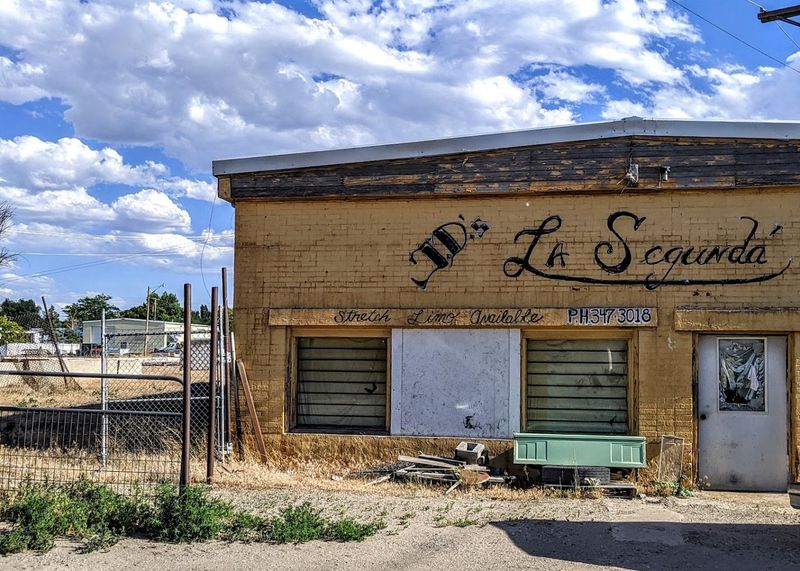
Worland has one of the most dramatic origin stories of any Wyoming town. In the early 1900s, the entire town literally moved across a frozen river to reach its current location.
The first building to slide across the ice was a saloon. Of course it was.
That pioneering spirit never really left. Big Horn Avenue, the heart of the commercial district, still features charming family-run stores and sturdy brick buildings.
The bones of this town were built to last.
Worland started as a vital railroad stop and grew quickly because of it. Rail lines connected it to larger markets and brought settlers looking for opportunity.
Remnants of those old lines are still visible around town if you know where to look.
Pioneer Square serves as a community gathering spot right in the center of things. Interpretive signs around the square walk you through the town’s history in an accessible and engaging way.
It’s outdoor education without feeling like homework.
The Washakie County Courthouse is another anchor of the downtown area. It carries the kind of architectural authority that small-town courthouses do so well.
Solid, dignified, and clearly built by people who believed in this place.
Worland’s city center functions as both the commercial and civic heart of the community. Family businesses here have roots going back generations.
That continuity is rare and worth appreciating when you find it.
The surrounding landscape of the Bighorn Basin adds serious visual drama to a visit. Wide skies, open terrain, and distant ridgelines frame every direction you look.
It’s the kind of scenery that makes you want to stay longer than planned.
Worland rewards the curious traveler who skips the tourist trail and follows instinct instead.