
The Tiny Montana City Where Friendly Hellos And Neighborly Moments Are Everywhere
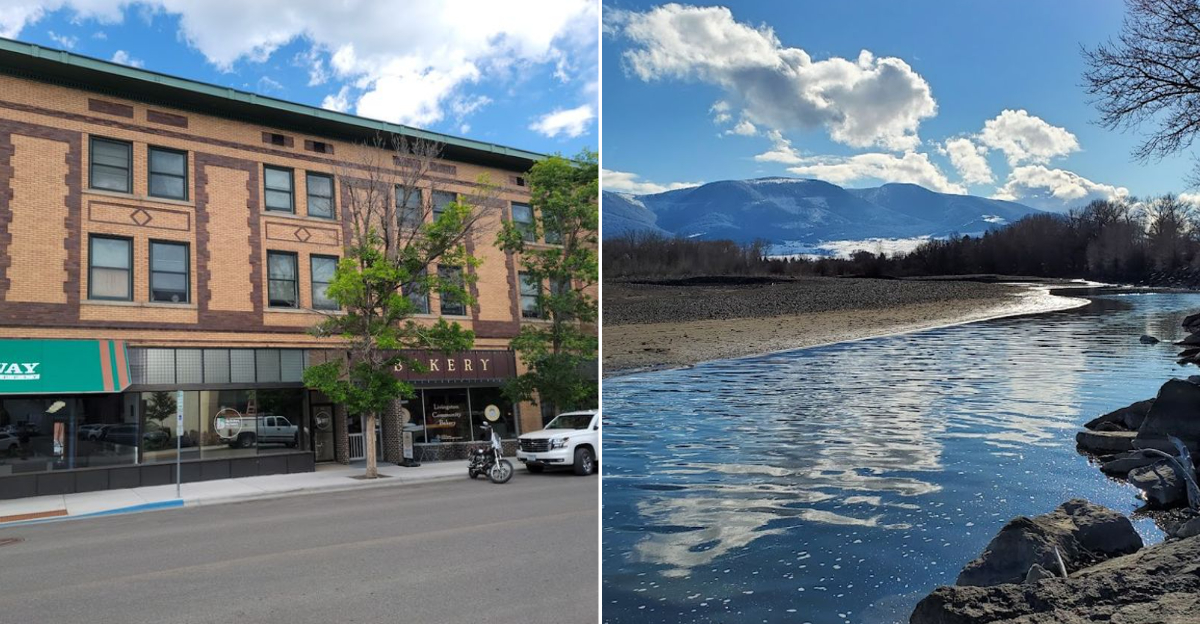
Strangers who smile first and mean it have become rare enough that encountering them feels almost disorienting. This tiny city runs entirely on that currency and has never considered switching to anything else.
Front porches still serve their original purpose here. Conversations start without introductions and continue without anyone checking the time.
The kind of neighborly ease most communities only dream of exists here every Tuesday. Montana delivered something in this city that urban planners spend careers attempting to engineer.
It was never engineered here, just lived, consistently and without any particular awareness that the rest of the world finds it remarkable.
Welcoming Traditions That Create Community Bonds
This city does not just talk about community. It actually builds it, one handshake and hello at a time.
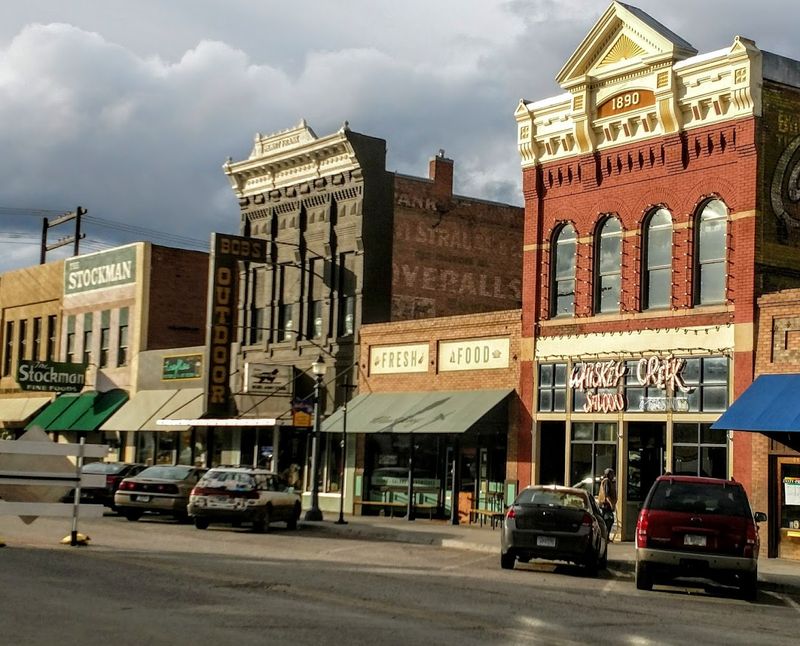
The city sits in Park County, Montana, right along the Yellowstone River. It has roughly 8,000 residents who take neighborliness seriously.
One of the clearest signs of that commitment came in 2020. Livingston replaced Columbus Day with Indigenous Peoples Day on the local calendar.
That decision was not just symbolic. It showed a real effort toward accurate history and broader inclusion.
Newcomers who respect the land, the wildlife, and the people tend to find a warm reception here. Montanans in Livingston appreciate authenticity.
They are not interested in pretense. They are interested in people who show up and mean it.
The community earned recognition as Montana’s Community of the Year in 2017. That award did not come from flashy programs.
It came from residents who genuinely look out for each other every single day.
Traditions here grow naturally from daily life. People remember faces.
They learn names without being prompted. That familiarity creates a foundation that feels rare in modern times.
You can find this welcoming energy all across town. It lives in the coffee shops, the trails, and the conversations between strangers who quickly stop being strangers.
Livingston is exactly where community feels like more than just a word.
The Role Of Local Events In Strengthening Friendships
Livingston keeps its social calendar full on purpose. Events here are not just entertainment.
They are the glue that holds friendships together across seasons and years.
The Livingston Farmers Market runs every week from June through September. Local produce, handmade crafts, and live music fill the space.
It draws regulars who come as much for the people as for the goods.
Downtown also hosts Art Walks every fourth Friday of the month. Local artists display their work throughout the area.
Neighbors stroll together, talk about what they see, and discover new talent right in their own backyard.
Then there is the Livingston Roundup Rodeo. It is a classic Montana experience that brings the whole town out.
People who have lived here for decades and people who just arrived end up standing side by side, cheering together.
The Depot Festival of the Arts adds another layer to the cultural scene. It celebrates creativity and connects residents through shared appreciation for local expression.
These are not one-off gatherings. They are recurring anchors in the community year.
Events like these give people reasons to show up consistently. Friendships form when you keep running into the same faces in good situations.
Livingston has figured out that regular, accessible events are one of the smartest investments a small city can make.
How Daily Interactions Shape Resident Happiness
Getting around Livingston takes almost no time at all. Traffic is rarely an issue.
That alone changes the mood of an entire day before it even starts.
People begin recognizing familiar faces quickly after moving here. The town is compact enough that routines naturally overlap.
You see the same people at the coffee shop, on the trail, and at the local market.
That repetition builds something real. Familiarity turns into comfort.
Comfort turns into connection. Before long, a simple errand feels more like a social visit than a chore.
Daily life here combines work and personal interests without much effort. A morning walk along the Yellowstone River can happen before the workday starts.
A quick gallery stop downtown fits easily into a lunch break.
Residents report a consistent sense of happiness tied directly to these small, everyday moments. It is not about grand gestures.
It is about the texture of an ordinary Tuesday, feeling genuinely good.
Small cities sometimes get dismissed as limiting. Livingston flips that idea around completely.
The smaller scale creates more frequent human contact. More contact means more opportunities to feel seen and valued.
When your daily commute involves waving at three people you know, that adds up over time. Happiness here is not accidental.
It is built into the rhythm of the place itself.
The Impact Of Shared Spaces On Neighborhood Unity
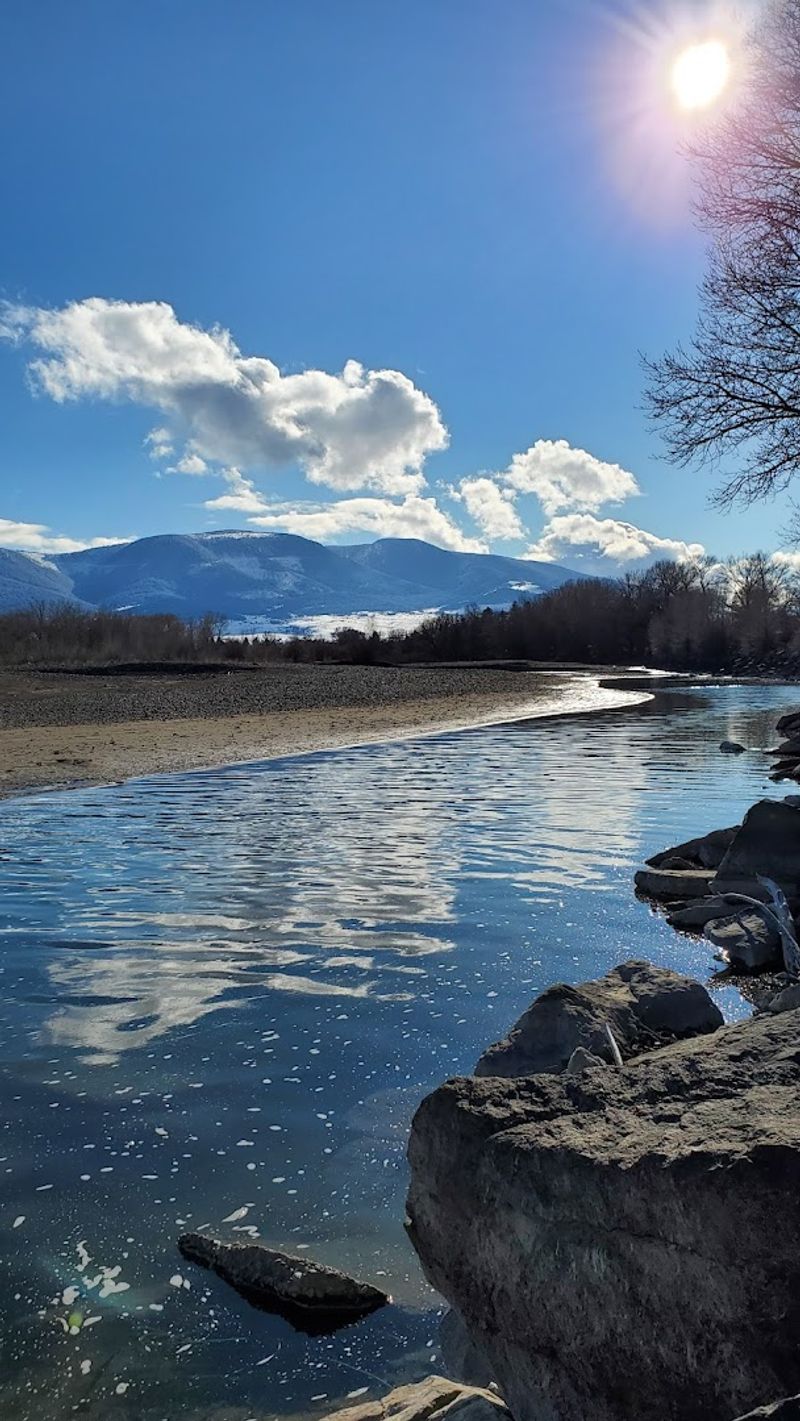
Livingston manages 71 miles of streets, 8.5 miles of trails, and 173 acres of green space. Those numbers matter.
Well-maintained shared spaces tell residents they are worth investing in.
Sacajawea Park runs along the Yellowstone River and is a true centerpiece. Trails wind through it.
Picnic areas invite lingering. Playgrounds keep kids busy while adults actually talk to each other nearby.
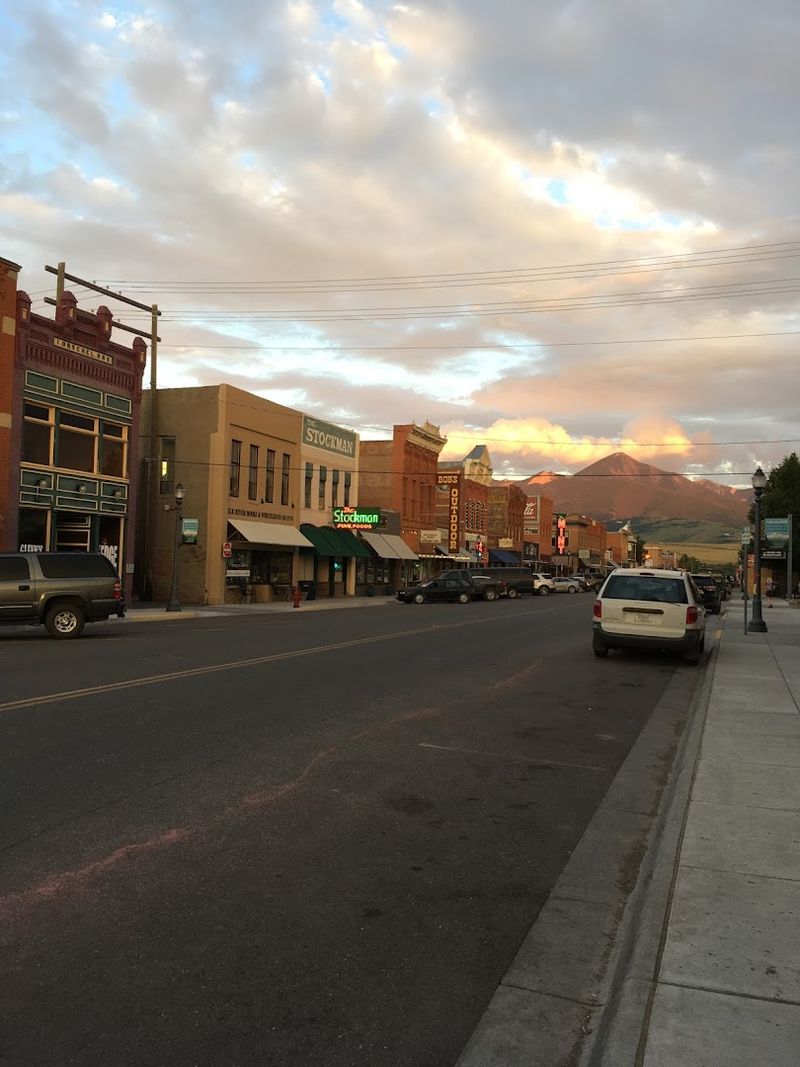
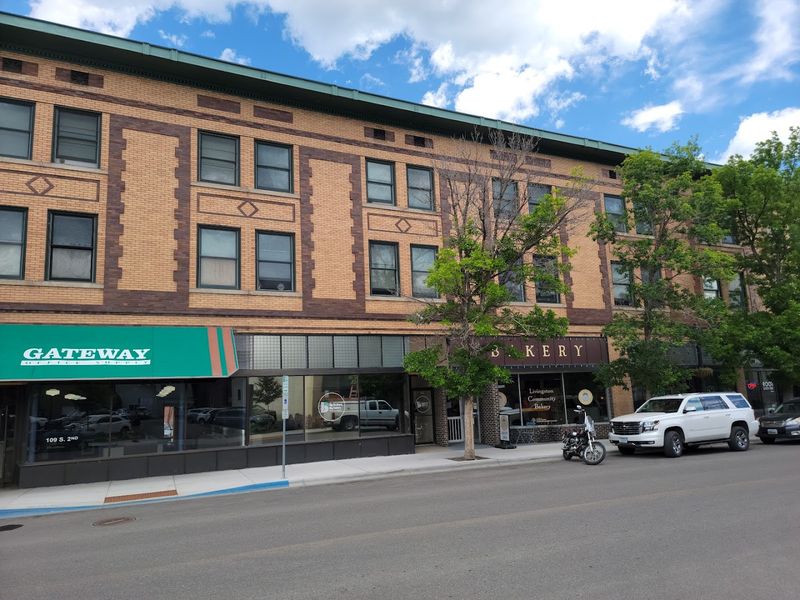
Downtown Livingston adds another layer of shared experience. Historic buildings house galleries, bakeries, and coffee shops.
Walking through downtown is never just an errand. It is a reminder that this place has character and history worth preserving.
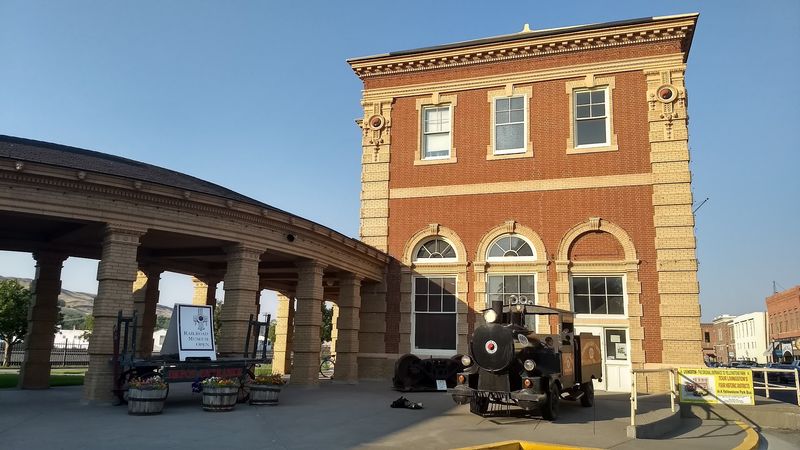
The Livingston Depot Center serves as both a museum and a cultural gathering point. Concerts, festivals, and lectures all happen there.
It gives residents a reason to come together that goes beyond convenience.
Shared spaces work because they are neutral ground. No one owns a park bench.
No one has to be invited to a public trail. Everyone belongs there equally, and that equality builds unity quietly over time.
When people share the same river views, the same walking paths, and the same historic streets regularly, they develop a collective pride. Livingston has built that pride into its physical layout.
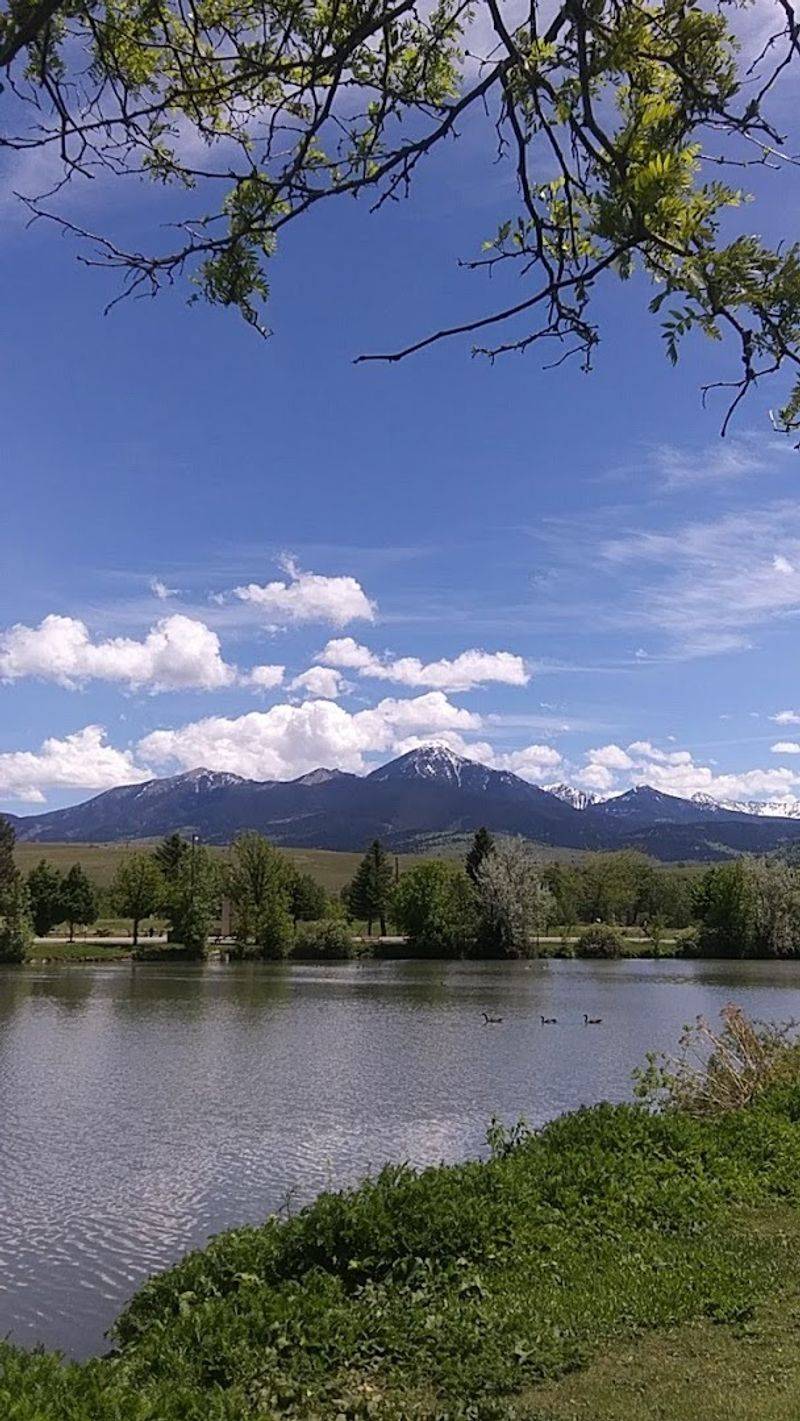
The mountains frame it all beautifully, reminding everyone that the surroundings are just as much a part of the community as the people living in it.
Stories Of Support Between Community Members
Livingston has a reputation for showing up when it counts. The community does not just talk about caring for each other.
It demonstrates care in practical, visible ways.
Local businesses receive strong, consistent support from residents. Shopping local is not just a slogan here.
It is a habit that people maintain because they understand what it means for their neighbors who own those businesses.
Community service runs deep in the culture. Residents volunteer, organize, and contribute without waiting to be asked twice.
When a problem surfaces, the response tends to be quick and collective rather than slow and fragmented.
One story that circulates locally involves the food pantry and a Thanksgiving turkey shortage. The community responded fast.
People donated, coordinated, and made sure no one went without. That kind of response does not happen by accident.
It comes from a community that has practiced caring enough to make it instinctive.
Support here is not limited to crisis moments, either. It shows up in everyday patronage, in checking on a neighbor, and in passing along information that helps someone else navigate the town more easily.
Small cities often develop this muscle out of necessity. When resources are limited, people fill the gaps for each other.
Livingston has turned that necessity into a genuine cultural strength. The result is a community where support feels like a natural part of daily life rather than an exceptional effort.
The Importance Of Communication In Small Towns
In a small city like Livingston, word travels fast. That can be a strength or a challenge depending on how communication is handled.
Local leadership here takes transparency seriously.
The Livingston Enterprise newspaper has served the community for generations. KPRK radio station keeps residents informed through the airwaves.
Together, these outlets give people reliable places to turn for local news and updates.
Digital platforms have expanded the communication landscape in recent years. Social media groups, email newsletters, and community websites now supplement traditional media.
Residents have more ways than ever to stay connected and informed.
Public meetings remain an important part of how decisions get made and explained. When local governments communicate openly, trust grows.
When trust grows, communities become more resilient. Livingston understands that connection.
Clear communication also helps newcomers find their footing faster. Knowing where to look for information makes a new place feel less overwhelming.
That accessibility is part of what makes Livingston welcoming beyond just friendly faces.
Small towns sometimes struggle with rumors filling the space where information should be. Livingston works against that by keeping multiple communication channels active and accessible.
The goal is simple: make sure everyone has what they need to feel like a fully informed part of the community. When people understand what is happening around them, they feel more invested in where they live.
That investment shows up in how they treat each other every single day.
Everyday Acts That Foster A Sense Of Belonging
Belonging is not something Livingston announces. It is something residents quietly build through small, repeated actions every single day.
The outdoors mindset here plays a big role in that.
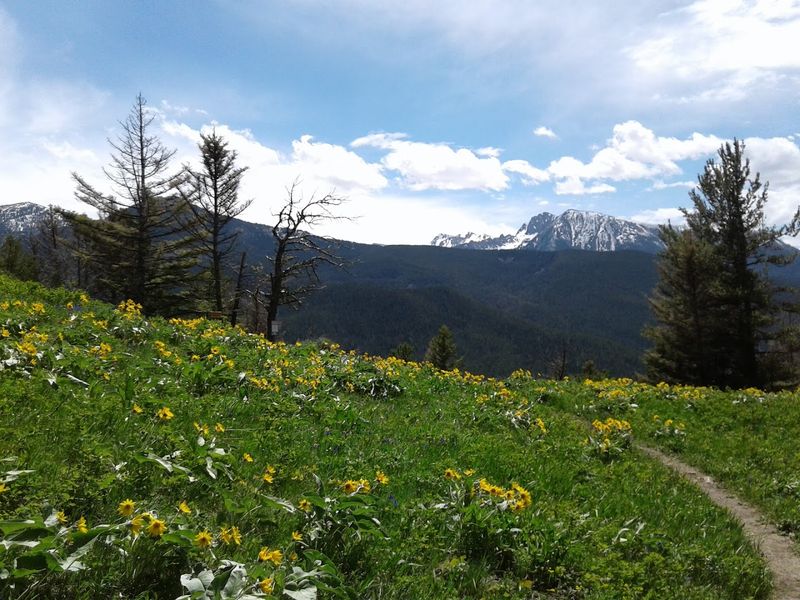
Many people start their mornings outside. A walk along the Yellowstone River or a trail through the hills is a normal Tuesday, not a special occasion.
That shared relationship with nature creates common ground between people who might otherwise have little in common.
Local businesses add to that sense of belonging directly. When you buy your coffee from the same small shop regularly, the owner learns your order.
That tiny recognition matters more than most people admit.
Residents here are widely known for being friendly in a direct, unpretentious way. It is not performative warmth.
It is the kind that comes from actually caring about the people around you. A wave from a passing car feels genuine because it usually is.
The arts community contributes too. Galleries, studios, and public art create shared reference points.
Residents talk about local artists the way other cities talk about sports teams. It builds identity and pride without requiring any competition.
Belonging grows from repetition. Seeing the same faces, sharing the same trails, and supporting the same small businesses week after week builds something cumulative.
Livingston has created conditions where belonging is almost unavoidable. That is not luck.
That is a community actively choosing to make space for everyone who shows up.
Challenges And Rewards Of Close Knit Communities
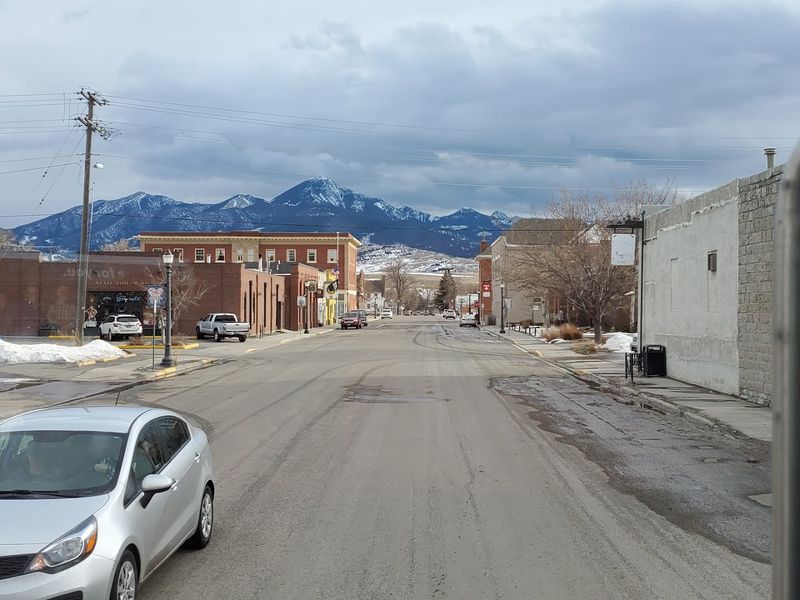
Living in a close-knit community comes with real rewards and real challenges. Livingston delivers both without apology.
The honest version of small-town life is worth knowing before you fall completely in love with the idea.
The rewards are immediate and consistent. Access to nature is extraordinary.
The Absaroka-Beartooth Wilderness, the Bridger Range, and Yellowstone National Park are all nearby. That proximity to wild, open space is genuinely rare.
The pace of life here is slower in the best possible sense. Stress from gridlock, anonymity, and urban noise simply does not exist at the same level.
People notice that difference quickly after arriving.
Challenges are real too. Public transportation options are limited.
Getting around without a vehicle requires planning. Job opportunities outside of certain industries can be harder to find in a city this size.
Housing affordability has become a growing concern. Like many desirable small cities, Livingston faces pressure on its housing market.
Affordable homes are not always easy to come by, which creates difficulty for long-term residents and newcomers alike.
Privacy can feel different in a small town as well. When everyone knows everyone, personal news moves quickly.
That same connectivity that makes the community warm can also make personal space feel smaller.
Despite those realities, most residents will tell you the rewards outweigh the friction. Livingston is a place where the challenges are manageable, and the sense of genuine community is harder to find anywhere else.