
This Hidden New Mexico Meadow Is Considered One Of The Best Kept Secrets In The Rockies
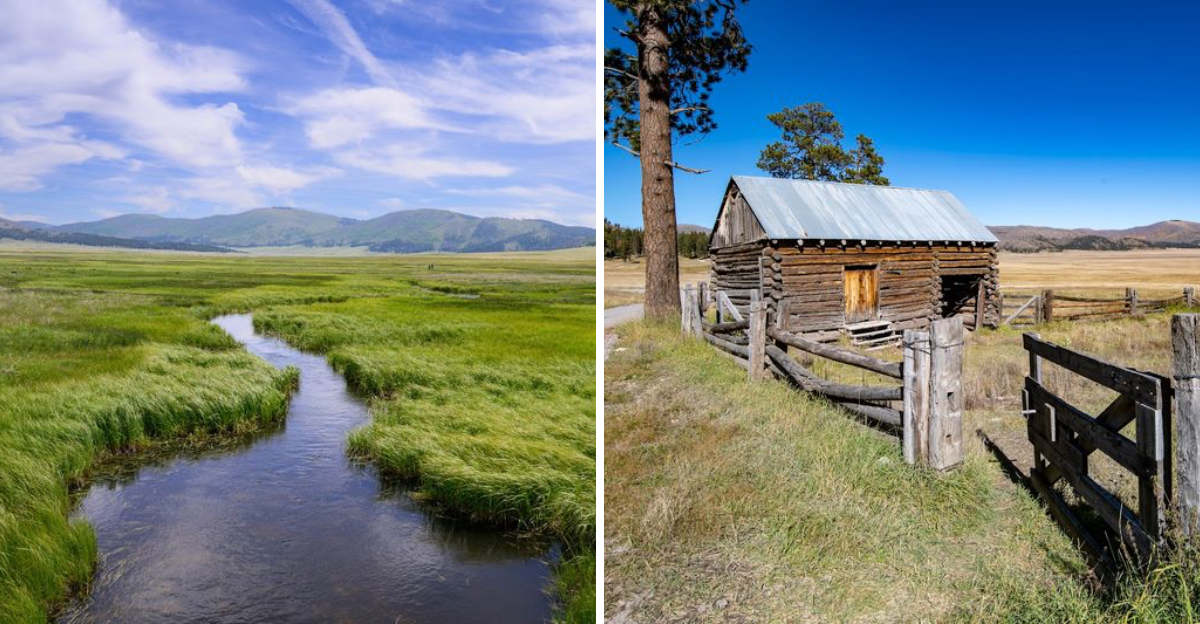
A crater wide enough to swallow a small city sits quietly inside the mountains of northern New Mexico. Wild elk drift across a meadow that rolls on for thirteen miles.
Streams cut through soil rich enough to feel almost tropical. Wildflowers crowd the edges every summer while hawks circle overhead.
Ash from an ancient blast once reached far past the Rockies. How does a landscape stay this quiet after an eruption that size?
Night skies here turn so dark that the Milky Way looks like a solid river of light. Could any place feel more remote while still being reachable in a day?
New Mexico rarely brags about secrets like this one. Adventures like this deserve a spot on your travel list.
Born From A Supervolcano’s Fury
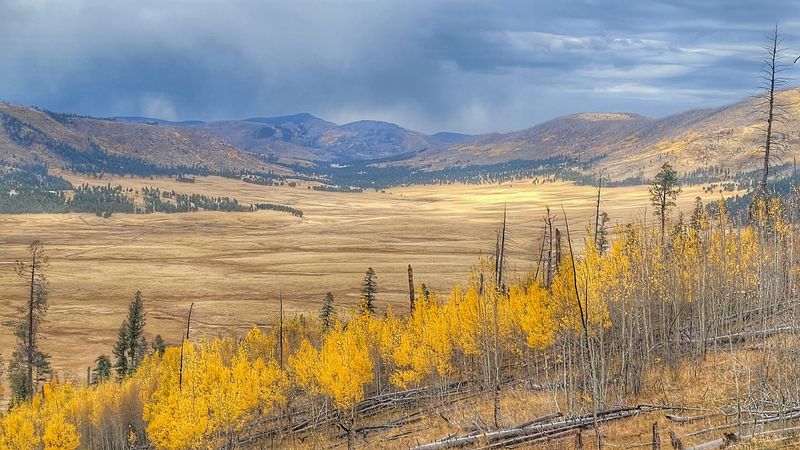
Roughly 1.25 million years ago, a supervolcano erupted here with force that scattered ash as far as Kansas, Nebraska, and Texas. The ground collapsed inward after that blast, forming a massive circular depression called a caldera.
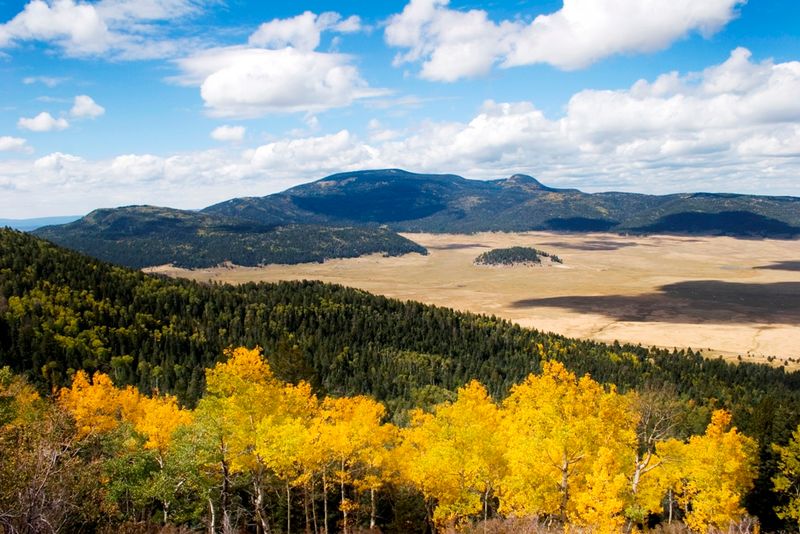
Today, that depression is the breathtaking Valle Grande.
The eruption was so powerful that geologists place this system in the same category as Yellowstone. That comparison alone should stop anyone in their tracks.
New Mexico rarely gets credit for sitting atop one of Earth’s most dramatic geological features.
After the initial collapse, magma slowly refilled the underground chamber. That refilling pushed the caldera floor upward, creating Redondo Peak at the center.
Smaller volcanic domes ring the edges like sentinels.
Hot springs and sulfuric fumaroles still bubble and hiss across the landscape today. The volcano is dormant, not extinct.
Every steaming vent is a quiet reminder that the earth here is still very much alive beneath those gorgeous green meadows.
Wildlife That Roams Without An Invitation
Elk rule this place. Valles Caldera holds the second-largest elk population in New Mexico, and spotting a herd moving across the valley floor is one of those moments that stops conversation cold.
Early morning and late afternoon are the best windows for sightings.
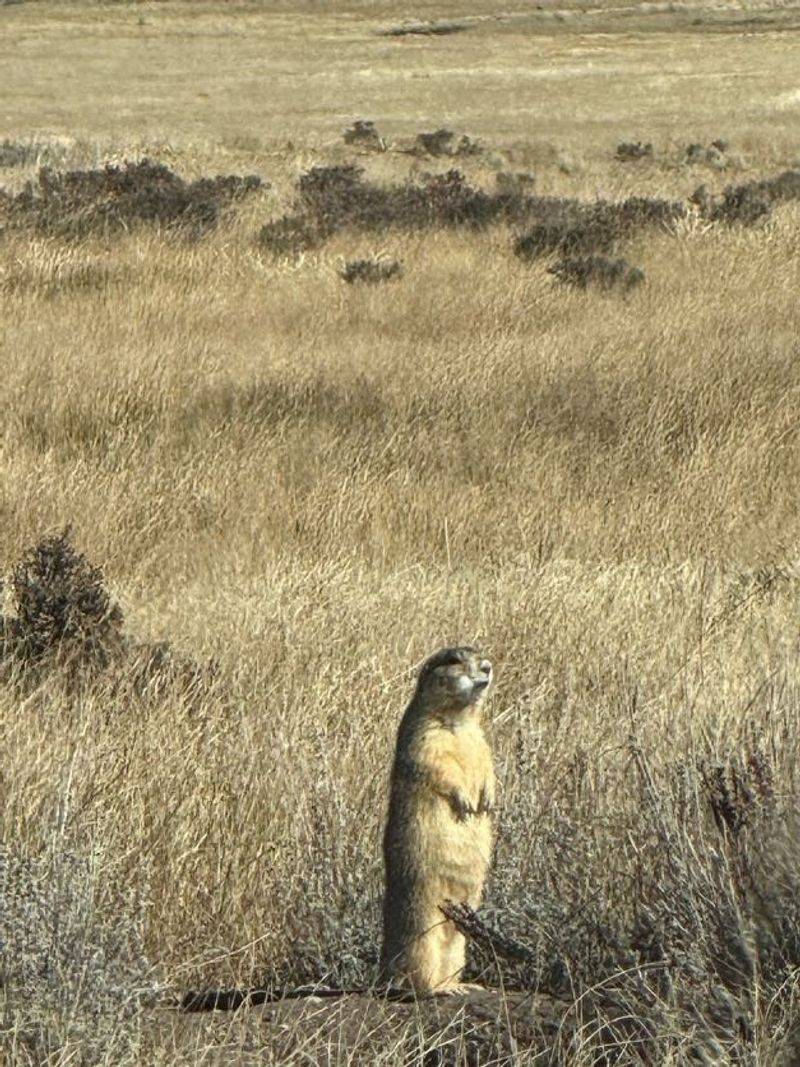
Prairie dogs are practically the welcoming committee near the entrance. Their barking alarm calls echo across the flats as visitors pull in.
Coyotes, black bears, mountain lions, bobcats, and badgers also patrol this high-elevation territory.
Birdwatchers have recorded over 115 species within the preserve’s boundaries. Six species of fish swim in the crystal-clear trout streams.
Rare creatures like the Jemez Mountains salamander and the New Mexico meadow jumping mouse have found safe harbor here.
Patience is the only gear required for wildlife watching. Staying quiet and keeping a respectful distance lets animals behave naturally.
The reward for that patience can be extraordinary, especially during the September elk rut when bulls fill the valley with their bugling calls.
A Meadow That Makes You Question Reality
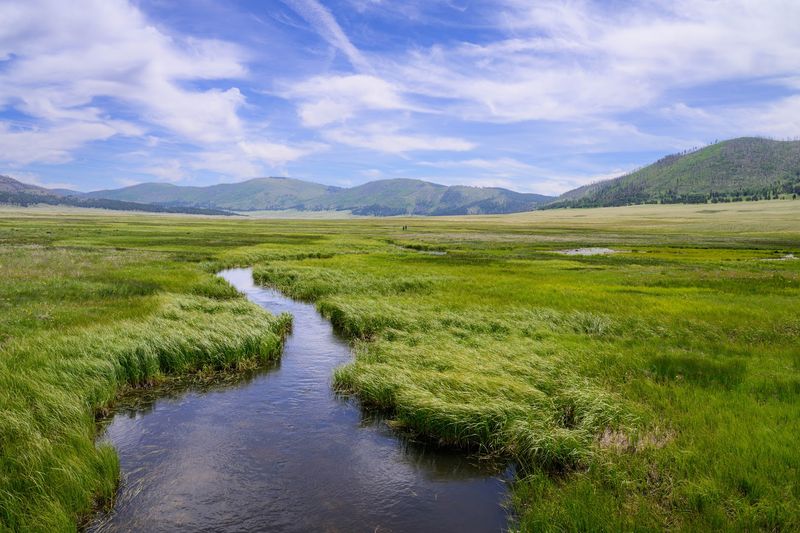
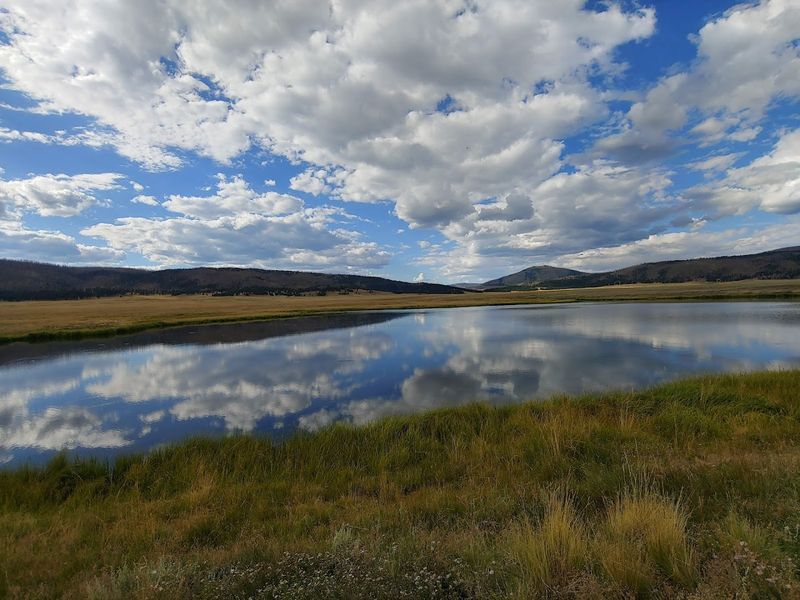
Standing at the edge of Valle Grande feels like someone removed the horizon and forgot to put it back. The meadow stretches roughly 13 miles across, making it one of the largest mountain meadows in the entire Rocky Mountain region.
Grasslands ripple in waves under passing winds.
The elevation here ranges from around 8,000 feet near the entrance up to 11,254 feet at the highest peaks. That altitude keeps temperatures cool even in midsummer, which makes long hikes surprisingly comfortable.
Morning light hitting the valley floor is something that photographs simply cannot capture properly.
Meandering streams, including the headwaters of the Jemez River and San Antonio Creek, wind through the valley floor. Those waterways feed lush grasses that support an entire ecosystem.
Rich volcanic soils and reliable rainfall give this meadow a vibrancy that feels almost tropical for the high desert Southwest.
The sheer scale of this open space is what catches people off guard. New Mexico has no shortage of beautiful landscapes, but this one operates on a different level entirely.
12,000 Years Of Human History Underfoot
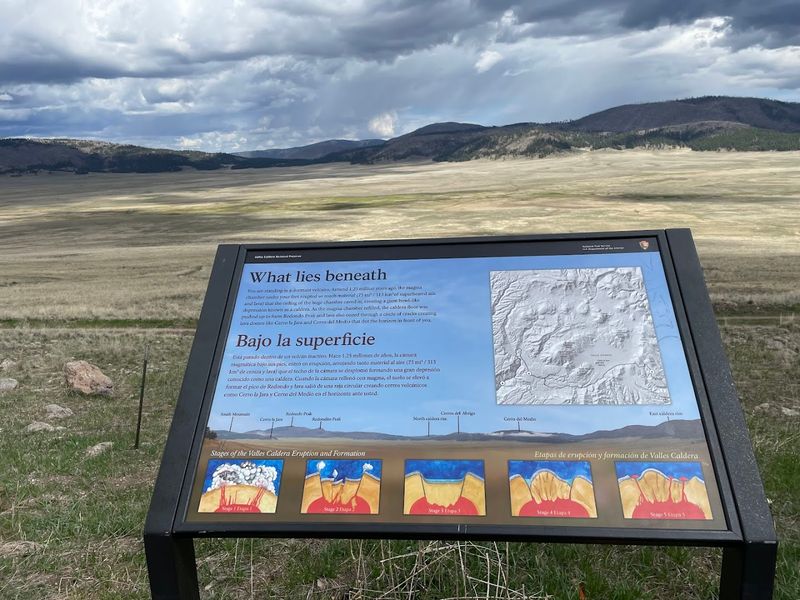
Long before any paved road touched this landscape, people were already here. Archaeological evidence shows human presence at Valles Caldera stretching back over 12,000 years.
Paleo-Indian and Archaic peoples hunted game and gathered plants across these same meadows.
Obsidian was the prize resource that drew ancient traders from across the continent. This dark volcanic glass, formed by the same eruptions that created the caldera, was shaped into razor-sharp tools and projectile points.
Obsidian from this exact location has been found at archaeological sites hundreds of miles away.
Spanish settlers arrived in the 1500s and introduced sheep to the montane grasslands. Their presence left behind dendroglyphs, carvings etched into aspen trees that still survive today.
Those carved trees serve as quiet, enduring messages from early herders.
Numerous Native American tribes and pueblos throughout the Southwest still hold deep spiritual ties to this land. The preserve actively honors that connection.
Walking these meadows means walking on ground that has held human stories for an almost unimaginable stretch of time.
From Baca Ranch To National Preserve
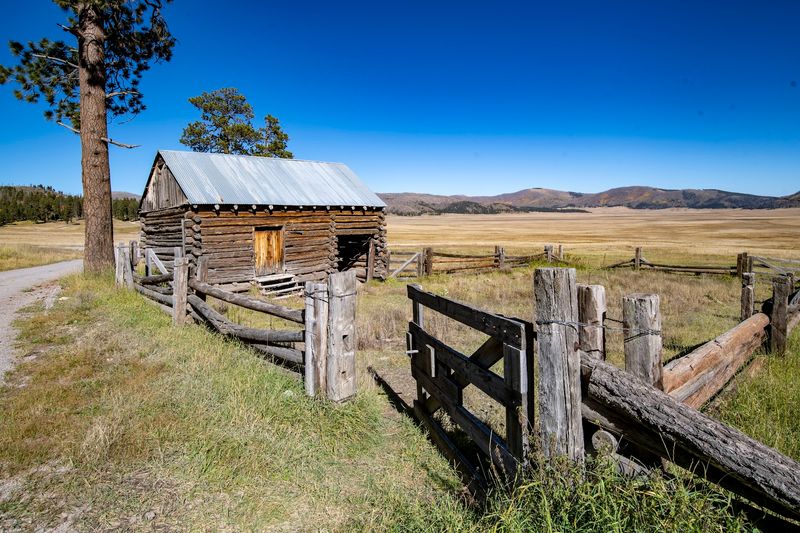
For most of the 19th and 20th centuries, this land was known as the Baca Ranch. Cattle and sheep operations dominated the landscape for generations.
Timber harvesting and even geothermal exploration left their marks on the terrain.
Congress stepped in with the Valles Caldera Preservation Act of 2000, purchasing the roughly 89,000-acre ranch for public benefit. That decision changed everything.
The land shifted from private use to a place where conservation could finally take root.
Management transferred to the National Park Service in 2014. Since then, restoration efforts have focused on repairing overgrazed grasslands, thinning overcrowded forests to reduce wildfire risk, and protecting the vital headwaters that feed downstream rivers.
Progress has been steady and measurable.
The transition from working ranch to national preserve is still visible in the landscape. Old ranch structures dot the property, offering a tangible link to the land’s recent past.
That layered history, ancient peoples, Spanish settlers, ranchers, and conservationists, makes every visit feel richer than a simple nature walk.
Trails That Reward The Curious
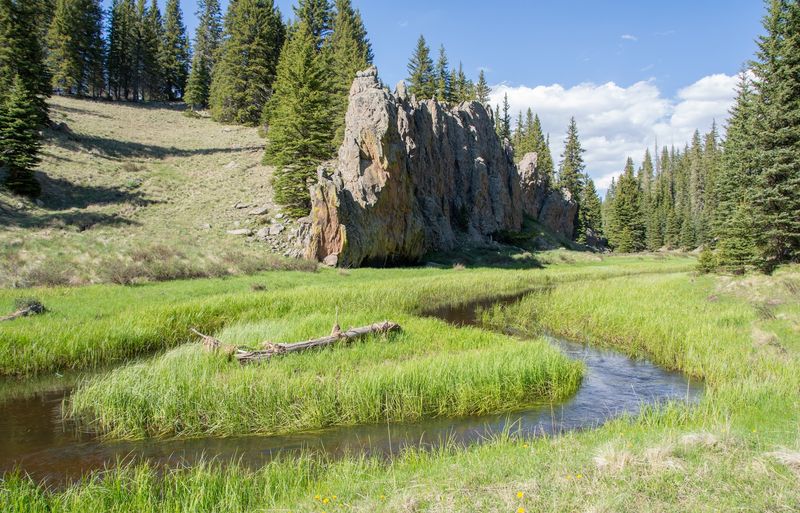
Lacing up boots here is a decision that pays off fast. Miles of designated trails wind through volcanic domes, open meadows, and forested slopes.
Every route offers a different perspective on this remarkable landscape.
The Cerro La Jara Loop Trail circles one of the smaller volcanic domes in about 1.5 miles. It is a manageable distance that still delivers big views.
The Hidden Valley Trail is another favorite, threading through backcountry terrain where solitude is almost guaranteed.
Mountain biking is permitted on designated roads, giving cyclists a wide-open playground at altitude. Horseback riding allows deeper access into backcountry areas that foot traffic rarely reaches.
Fly-fishing in the meandering trout streams is a pursuit that could fill an entire day without complaint.
Ranger-led programs add an interpretive layer to any visit. Rangers share geological, ecological, and cultural insights that transform a hike into something far more meaningful.
First-timers are strongly encouraged to stop at the visitor center before heading out. The context makes every step on the trail more interesting.
Winter Turns This Place Into Something Else Entirely
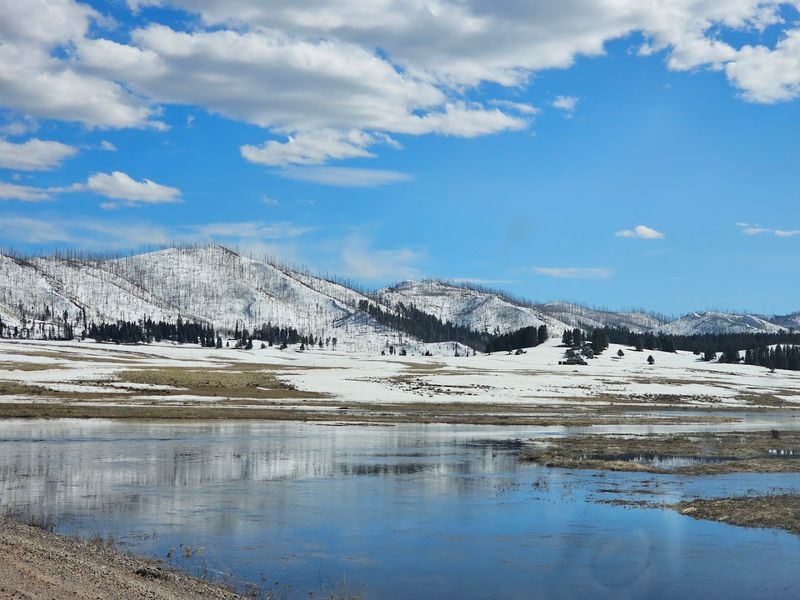
Snow transforms the caldera into a hushed, white world that feels completely separate from its summer identity. Cross-country skiing and snowshoeing become the primary ways to move through the landscape once winter settles in.
Tracks from elk and coyotes crisscross the powder between trails.
The cold season brings a stillness to the preserve that summer crowds simply cannot replicate. Visitor numbers drop significantly, which means the meadow feels even more vast and personal.
Bundling up and stepping into that silence is an experience that sticks with people long after they leave.
Photographers find winter light at this elevation particularly striking. Low-angle sun hits snow-dusted volcanic domes and creates dramatic shadow play across the valley floor.
The color contrast between white meadows and dark forested ridges is visually arresting.
Preparation matters more in winter than any other season. High-elevation cold can shift quickly, and conditions on trails change fast.
Checking current access information before arrival is essential. The reward for that preparation is a version of Valles Caldera that very few people ever get to experience.
Stars So Bright They Feel Close Enough To Touch
Valles Caldera holds official International Dark Sky Park status, and that designation is not just a badge. It reflects a nighttime environment so free of light pollution that the Milky Way appears as a solid band of light rather than a faint smear.
First-time stargazers often go quiet when they look up.
The high elevation and remote location combine to create exceptional atmospheric clarity. Stars that are invisible from most populated areas suddenly appear in abundance.
Planets, satellites, and meteor showers put on regular shows without any special equipment needed.
The preserve hosts astronomy events during the warmer months. These programs pair ranger expertise with the natural spectacle overhead.
Families, photographers, and seasoned astronomers all find something worth staying up late for.
New Mexico has long attracted sky watchers for its clear nights, and this preserve represents the best the state has to offer in that regard. Arriving before sunset to get oriented, then watching the sky darken gradually, is the recommended approach.
The transition from golden hour to full dark here is a show all on its own.
Planning Your Visit Without The Headaches
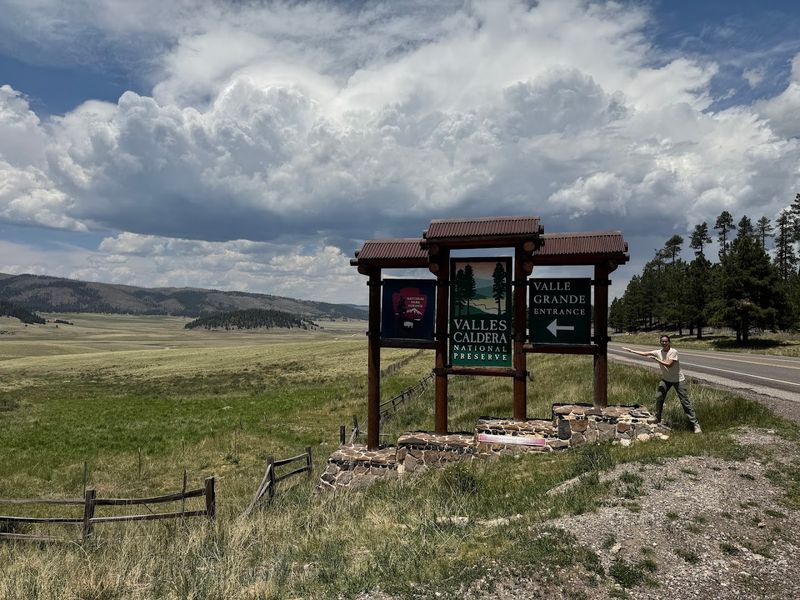
Getting here is straightforward once the route is locked in. Valles Caldera National Preserve sits at 39201 NM-4, Jemez Springs, NM 87025, in the Jemez Mountains of northern New Mexico.
The drive along NM-4 from Los Alamos is itself a scenic experience worth savoring.
Backcountry access requires advance permits, and daily vehicle passes are limited. Those passes tend to fill up fast, especially on weekends between May and October.
Booking through Recreation.gov well ahead of the planned visit is the smart move.
The preserve has no campgrounds or overnight lodging. Day visits are the standard format.
Bringing plenty of water, sun protection, and snacks is essential because facilities inside the preserve are minimal.
May and June bring wildflowers and newborn elk calves. September and October deliver the dramatic elk rut and vibrant fall foliage.
Summer afternoons frequently produce thunderstorms, so starting activities early in the morning is strongly advised. Checking current conditions before departure ensures no surprises at the gate.
The visitor center staff are knowledgeable and genuinely helpful for first-time visitors.
Why This Place Keeps Pulling People Back
Repeat visitors to this preserve share a common observation. The place feels different every single time.
Seasonal shifts, changing wildlife behavior, and variable light conditions mean no two visits ever produce the same experience. That quality is rare in any destination.
The scale of the landscape absorbs visitors without making them feel crowded. Even on busier days, the caldera’s sheer size creates pockets of solitude that are easy to find.
Standing in the middle of Valle Grande with nothing but wind and birdsong is an experience that resets something in the mind.
Conservation progress adds another layer of satisfaction for returning visitors. Grasslands that were heavily grazed decades ago now show strong recovery.
Forest restoration work continues to improve ecosystem health across the preserve.
New Mexico has remarkable natural wonders scattered across its territory, but Valles Caldera occupies a category of its own. The combination of volcanic geology, ancient human history, abundant wildlife, and genuine wilderness atmosphere is nearly impossible to find in a single destination elsewhere.
That is precisely why people keep coming back, and why this meadow deserves to be far less of a secret than it currently is.