
The Hawaii Coastal Bluff Walk That Locals Love And Tourists Often Miss
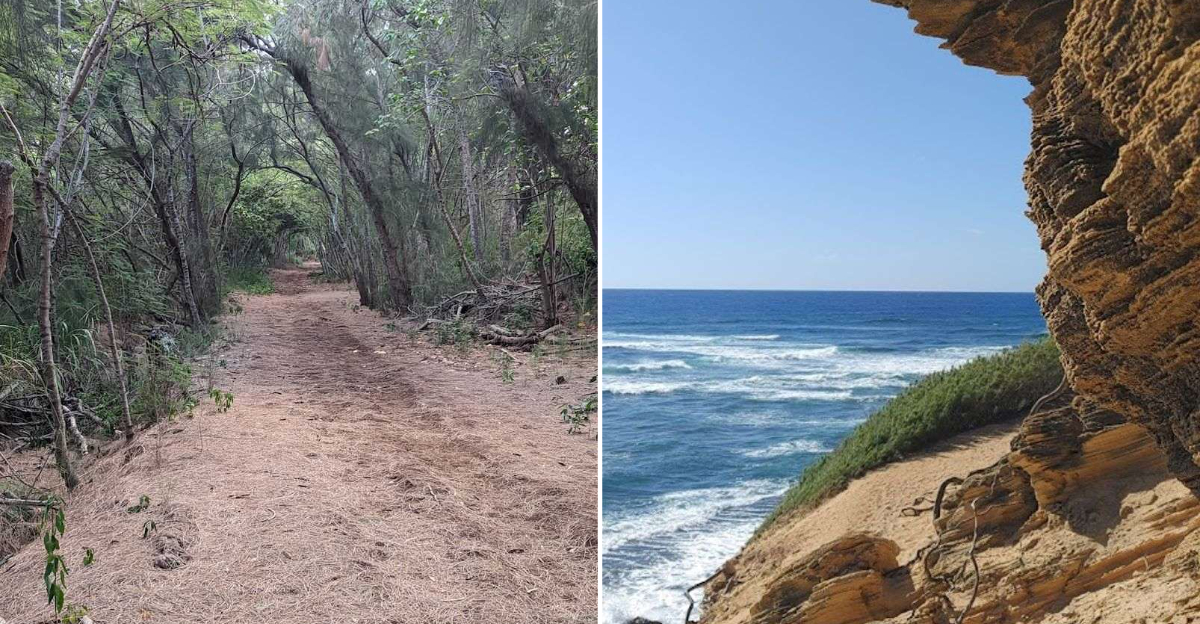
Tourists miss this one because nothing about the approach suggests what waits at the top. Locals noticed that oversight early and have been quietly grateful for it ever since.
The bluff reveals the coastline gradually, each step producing a slightly wider version of what the previous one offered. That progression builds toward something the final overlook delivers without any further warning.
Wind, open ocean, and a view no beach or snorkel tour can match define this experience. Standing on the edge of it feels different from every image taken of it.
Hawaii has no shortage of coastal beauty, but the best versions of it often require leaving the marked path for something the guidebooks never quite got around to including. This bluff walk qualifies completely.
Scenic Views Along The Coastal Path
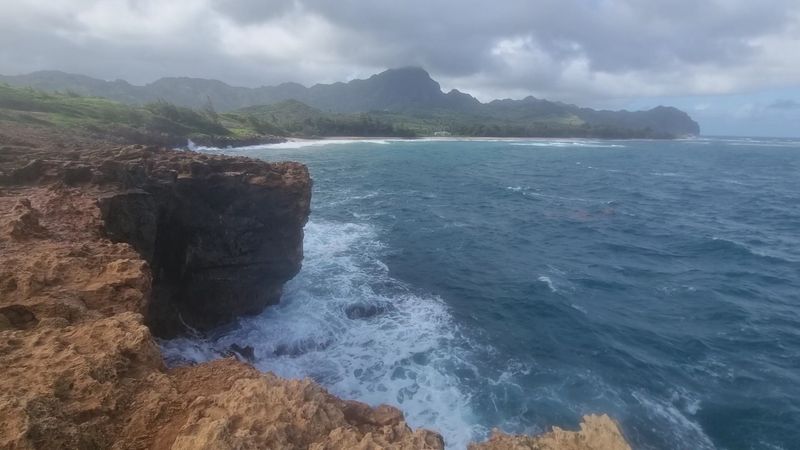
The first step onto this trail and your jaw drops immediately. The Pacific Ocean stretches endlessly ahead.
Rugged cliffs plunge straight into churning blue water below.
The path runs from Shipwreck Beach all the way to Maha’ulepu Beach. Along the way, you get sweeping vistas that feel almost unreal.
Sandy stretches alternate with rocky sections and patches of lush coastal greenery.
Makawehi Point is the crown jewel of the whole walk. Standing there, you see the ocean in every direction.
It honestly feels like the edge of the world in the best possible way.
Hidden beaches appear below the bluffs as you walk further along. Some are only visible from the trail above.
You cannot reach them easily, which makes them feel even more special.
The path itself shifts between soft sand and firm rock. Each section offers a completely different feel and view.
No two stretches of this trail look the same.
This is not your average beach boardwalk experience. The scenery here is wild, dramatic, and completely unfiltered.
Flora And Fauna Unique To Coastal Regions
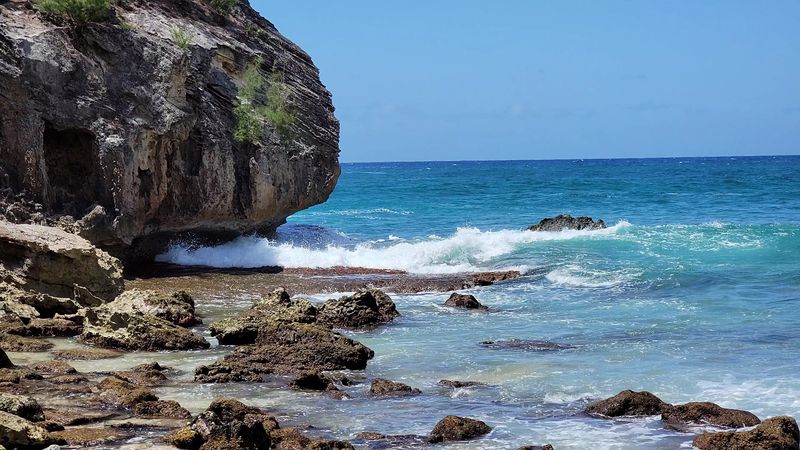
Wildlife shows up on this trail like it is putting on a free show. Hawaiian monk seals regularly haul themselves onto the beaches below.
Sea turtles glide through the shallow water close to shore.
Winter brings a bonus for visitors. Humpback whales breach offshore during the cooler months.
Watching one leap from a coastal bluff is genuinely unforgettable.
The nene, Hawaii’s endangered state bird, wanders near the adjacent golf course. Spotting one feels like a small victory.
They are surprisingly calm around hikers who keep their distance.
Native coastal plants line much of the path. Naupaka, with its distinctive half-flower shape, grows in thick clusters along the bluff edges.
Hardy coastal grasses fill the gaps between rocky outcrops.
Tidal pools near the shoreline are bursting with life. Tiny crabs, sea urchins, and colorful fish crowd into every crevice.
Spending ten minutes at a tidal pool is genuinely entertaining.
The nearby Makauwahi Cave Reserve protects over 100 native plant species. Many of those plants are endangered.
A small tortoise sanctuary also operates near the cave, adding another unexpected wildlife encounter to the experience.
Geological Features Shaping The Bluff
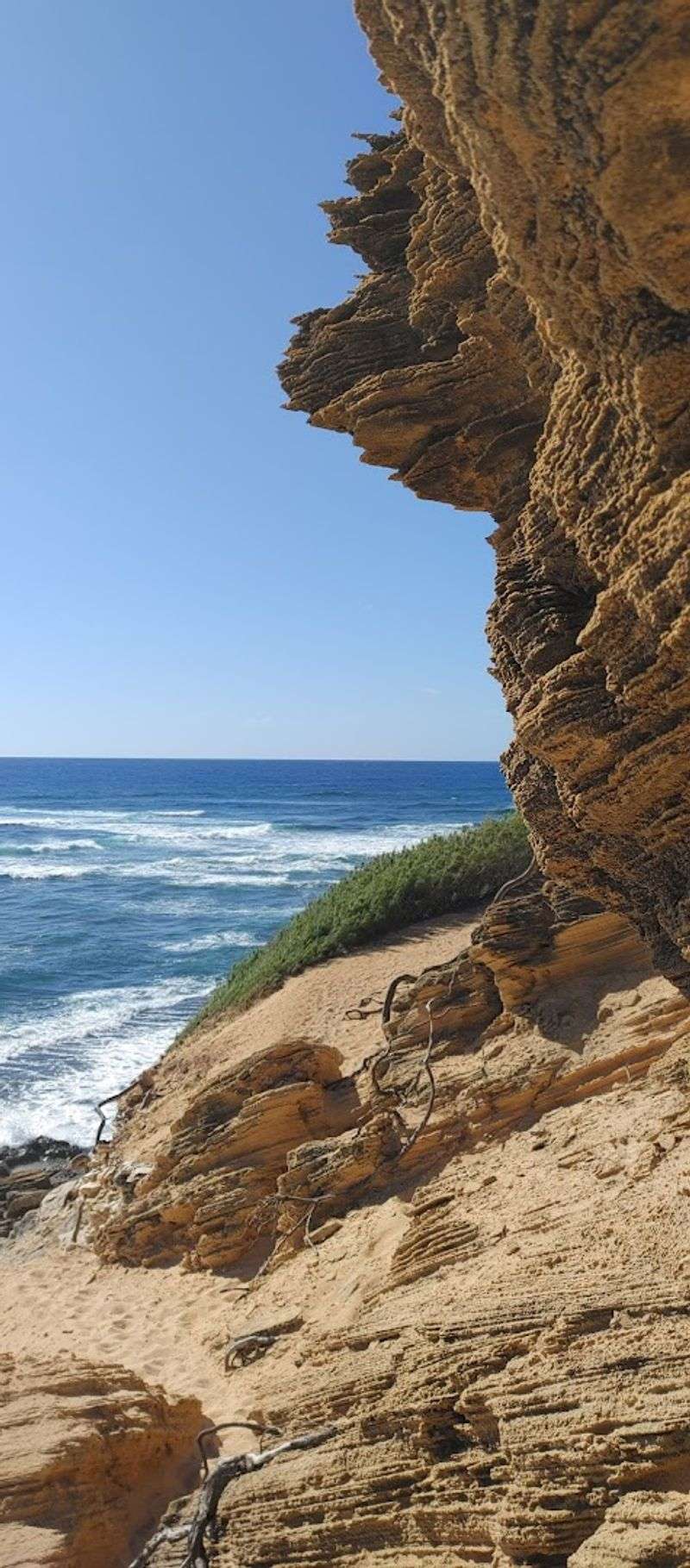
Geology nerds, this section of trail is basically your playground. The bluffs here are made of lithified dunes, which is a fancy way of saying hardened ancient sand.
These formations took millions of years to build.
Makawehi Point showcases the most dramatic examples of these limestone cliffs. The layers in the rock tell a story going back thousands of generations.
Wind and ocean waves are still actively carving new shapes into the surface today.
These formations started as volcanic sediment deposited by ancient winds. Over time, moisture cemented the sand grains into solid rock.
The result is a cliff face that looks almost sculpted by hand.
Punahoa Point holds some of the oldest dune formations in the entire region. Walking past it feels like standing next to something genuinely ancient.
The scale of geological time becomes very real out here.
Near Kawailoa Bay, wet and dry blowholes appear in the rock. Water shoots through natural openings when waves hit at the right angle.
Watching a blowhole erupt is both startling and completely worth it.
The entire coastline is essentially an open-air geology classroom. Every rock formation here has a story millions of years in the making.
You do not need a science degree to appreciate how extraordinary this landscape truly is.
Historical Significance Of The Shoreline
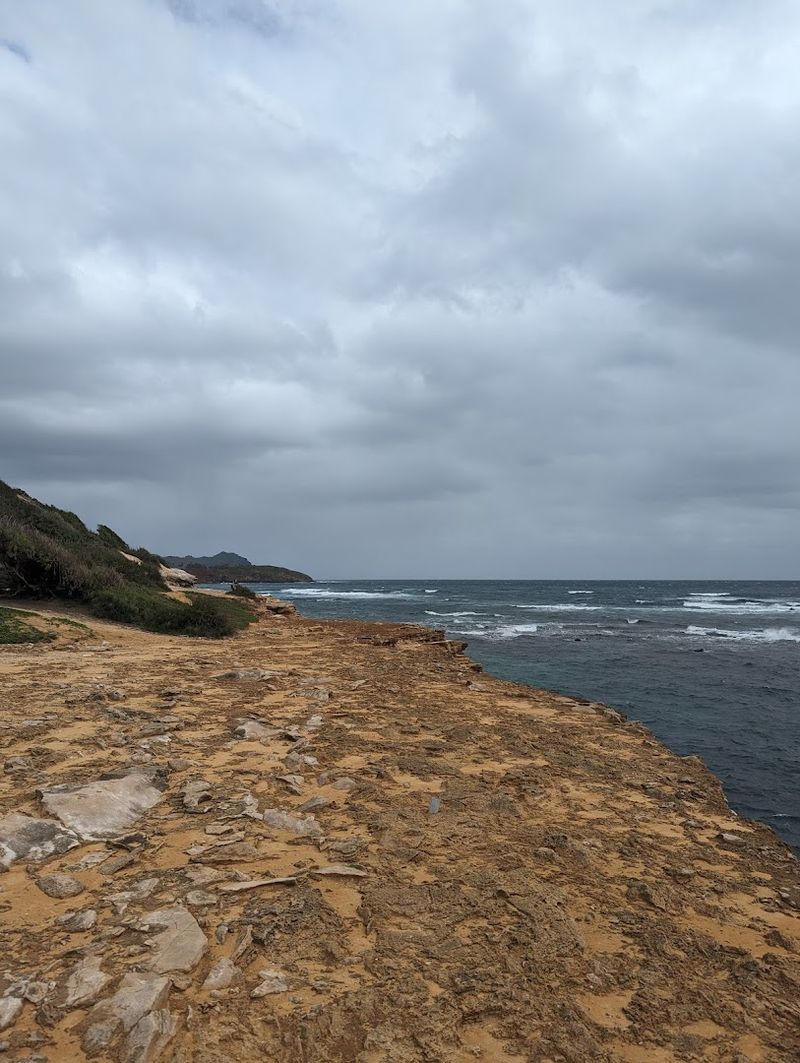
This coastline carries centuries of Hawaiian history within its rocks and soil. The area gets its name from a battle fought in the 14th century.
Kauai warriors successfully defended their island here against invaders from a neighboring island.
Native Hawaiians used this stretch of coast long before any battle was fought. They fished these waters and built settlements along the shoreline.
The modern trail actually follows many of those original footpaths.
Heiau Hoouluia, an ancient fishing temple, stands along the route. It served as a sacred site where fishermen prayed for successful catches.
Approaching it with respect is something every visitor should prioritize.
Stone foundations and petroglyphs scattered throughout the area add another layer of depth. These remnants connect visitors directly to people who lived here hundreds of years ago.
Seeing them in person is a genuinely moving experience.
Makauwahi Cave is one of the most historically significant spots on the entire trail. It is Hawaii’s largest limestone sinkhole.
Archaeological excavations inside have uncovered fossils and artifacts spanning thousands of years of human and natural history.
The cave has also appeared in pop culture. A guided tour from the on-site docent reveals stories about blind cave spiders, native Hawaiian use of the space, and even a famous Hollywood film connection.
History here is layered and endlessly fascinating.
Optimal Times For Wildlife Spotting
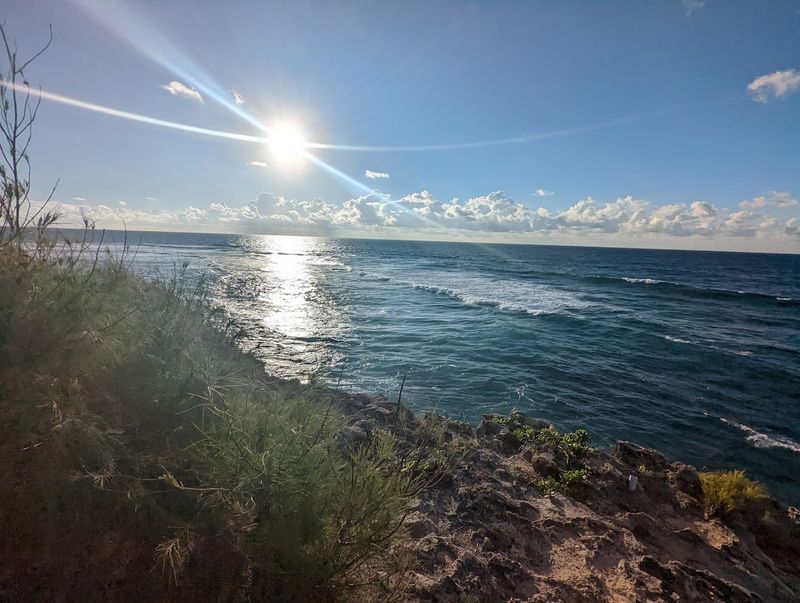
Timing your hike right makes a huge difference for wildlife encounters. Early morning is the best window by far.
Animals are active, the light is gorgeous, and the trail is blissfully quiet.
Late afternoon is the second-best option. Temperatures drop slightly, making the walk more comfortable.
The light also turns warm and golden, which is great for both wildlife watching and photography.
Winter months, roughly November through March, are prime whale-watching season. Humpback whales migrate through Hawaiian waters during this period.
Standing on the bluffs and watching one breach offshore is a memory that sticks around for life.
Hawaiian monk seals are spotted year-round on the beaches below the trail. They tend to haul out and rest during the late morning hours.
Keeping a respectful distance is both legally required and the right thing to do.
Sea turtles, called honu in Hawaiian, are frequently visible swimming near the rocky shoreline. The area near the golf course is a known turtle hotspot.
Dozens have been spotted feeding in the water at once.
Seabirds circle overhead throughout the day. The nene sometimes appears near the golf course boundary in the early morning.
Arriving at the trailhead before 8 a.m. gives you the best chance of catching multiple species in a single outing.
Tips For Safe And Enjoyable Hiking
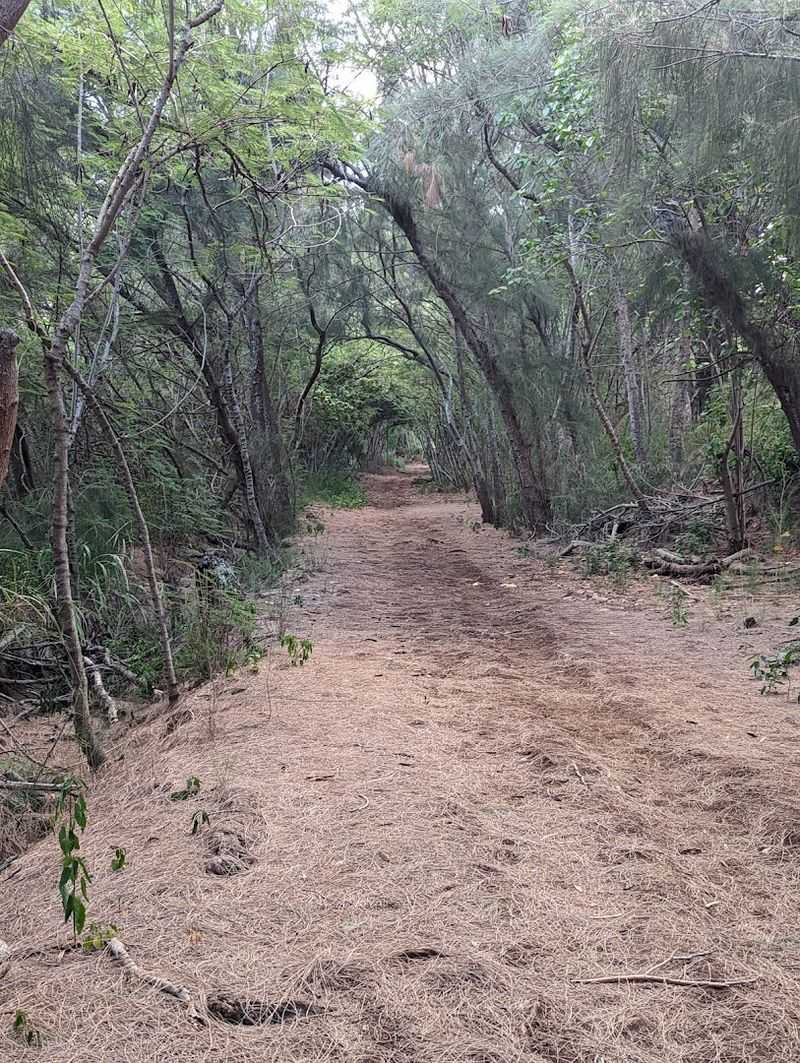
Good footwear is the single most important thing you can bring. Sneakers with grip work far better than sandals here.
Sand works its way into open shoes constantly and causes blisters fast.
Sun protection is non-negotiable on this trail. There is very little shade for most of the route.
Sunscreen, a hat, and sunglasses should be packed before you leave the hotel.
Carry more water than you think you need. The trail runs about two miles each way.
Even on cooler days, the sun and wind dry you out quickly.
Stay on marked paths at all times. The trail has multiple branching routes that can get confusing.
Following the coastline is the simplest navigation strategy and also delivers the best views.
The terrain gets uneven in several sections. Rocky patches and sandy slopes can be slippery after rain.
Take your time and watch your footing, especially near the bluff edges.
Swimming is not recommended along most of this coastline. Strong currents make the water dangerous even on calm-looking days.
Save the swim for calmer beaches nearby after finishing the hike.
Parking fills up fast, especially on weekends. The main lot near Shipwreck Beach is the easiest starting point.
Arriving before 8 a.m. almost guarantees a spot and gives you the trail practically to yourself.
Photography Opportunities On The Trail
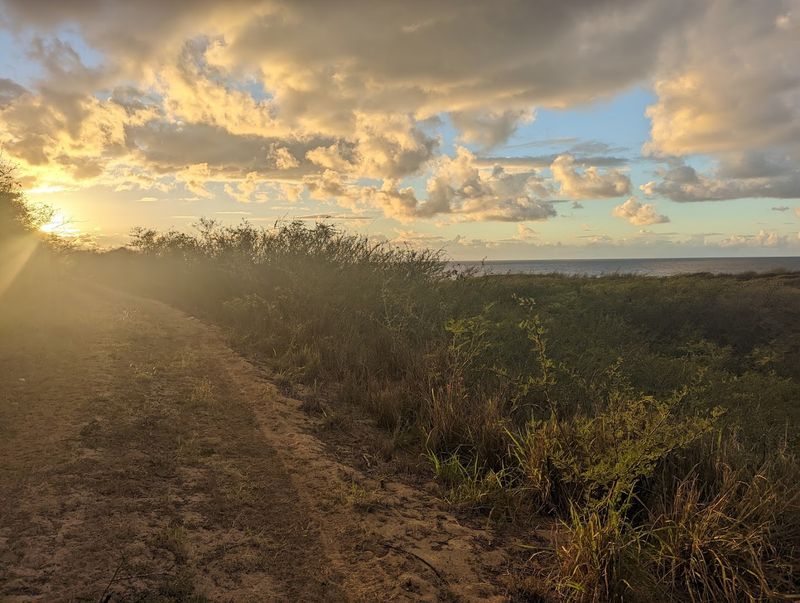
Photographers absolutely love this trail, and for very good reason. The light here during early morning is soft, warm, and completely flattering.
Coastal scenes glow in a way that midday sun simply cannot replicate.
Sunset shoots are equally rewarding. Vibrant orange and pink hues paint the limestone cliffs as the sun drops toward the horizon.
The contrast between the red dirt, white surf, and colorful sky is striking.
The dramatic cliffs at Makawehi Point are a natural focal point for wide landscape shots. Ocean waves crashing against the rock below add motion and energy to any frame.
A slightly wider lens captures the full scale of the scene.
Wildlife subjects appear regularly and make for memorable shots. Sea turtles swimming near the shore are patient and photogenic.
Monk seals resting on the beach create calm, intimate portraits if photographed from a respectful distance.
Tidal pools near the water offer a different kind of shot entirely. The still water reflects the sky and surrounding cliffs like a mirror.
Small marine creatures inside the pools reward patient macro photography.
The trail itself provides great compositional leading lines. Sandy paths curving along the bluff edge draw the eye naturally toward the ocean.
Shooting in the golden hour, whether morning or evening, consistently produces the most dramatic and memorable results from this trail.
Conservation Efforts Protecting The Habitat
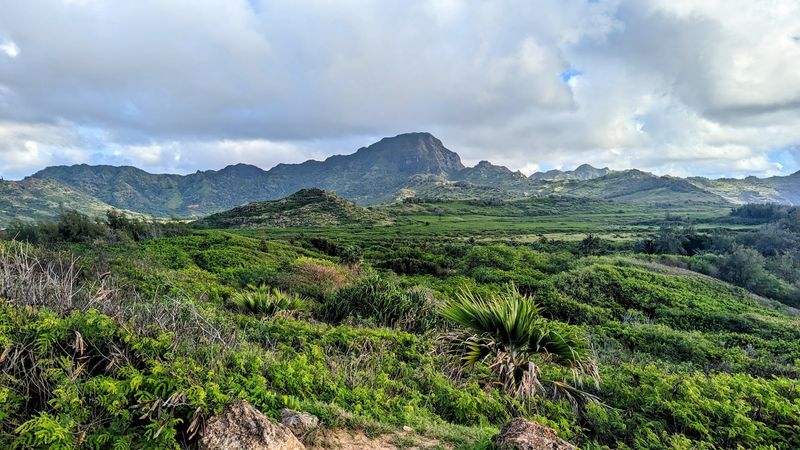
This coastline exists in its current pristine state because people actively fought to keep it that way. The Malama Mahaulepu organization leads ongoing preservation efforts.
Their work focuses specifically on protecting this land from overdevelopment.
Maha’ulepu represents the last undeveloped coastal stretch on Kauai’s southern shore. Every other section has seen significant development over the decades.
Keeping this one wild required serious community organizing and sustained effort.
Volunteers at the Makauwahi Cave Reserve do hands-on habitat restoration work. They remove invasive plant species and replant native ones in their place.
Over 100 native plant species, many of them endangered, are protected within the reserve boundaries.
The trail itself functions as a wildlife corridor connecting different habitat zones. Animals move through it freely because the land remains undisturbed.
Maintaining that connectivity is a core goal of ongoing conservation planning.
Grove Farm Company, Inc. currently owns and manages the land. They provide security and help maintain basic trail infrastructure.
Their partnership with conservation groups has been essential to keeping the area accessible yet protected.
Long-term goals include securing permanent legal protection for the entire coastal stretch. Conservation advocates continue pushing for formal designation.
Every visitor who respects the trail, stays on marked paths, and leaves no trace contributes directly to the effort of keeping this extraordinary place intact for future generations.