
The Free Georgia Mountain Drive That Belongs On Every Scenic Road Trip List
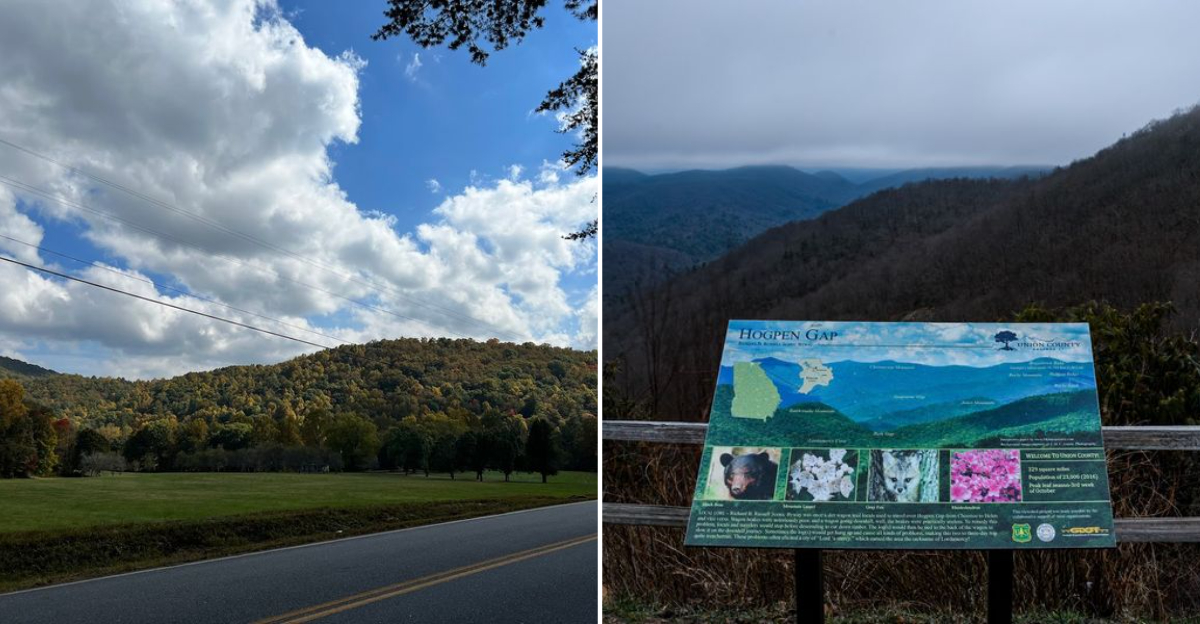
Free and spectacular rarely share the same road trip description without a catch. This Georgia mountain drive has no catch, no toll booth, and no reason to exist this generously except that the mountain arranged itself that way.
Elevation changes reveal new landscape at every crest and valleys appear without warning. The scenery makes the decision to pull over before the driver does.
Photographers, casual drivers, and anyone who hoped for more than expected have all arrived at the same conclusion. This drive delivers considerably more than the price of admission suggests.
A scenic road trip list missing this drive has an obvious gap. Georgia laid the mountain out, paved the road through it, and left the rest to whoever shows up with enough time to follow it properly.
Overlooks With Panoramic Views
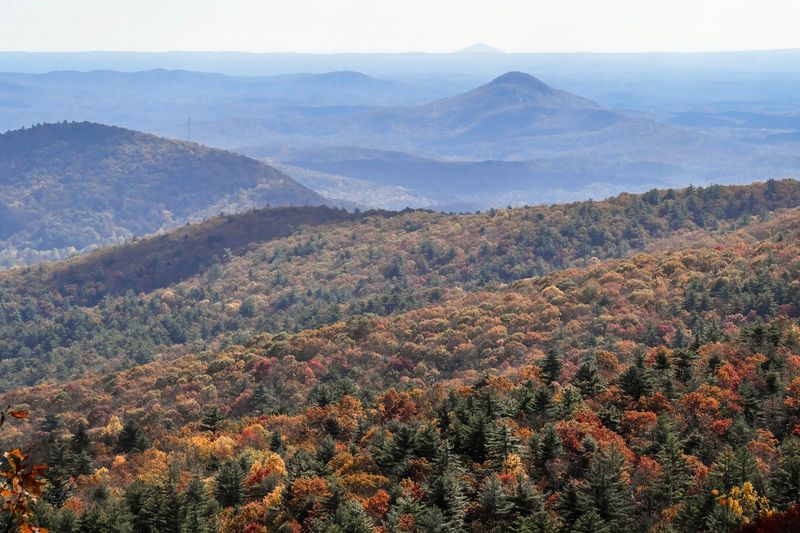
Standing at Brasstown Bald will genuinely make your jaw drop. At 4,784 feet, it is Georgia’s highest point.
The observation deck delivers a full 360-degree view of the Blue Ridge Mountains.
On a clear day, you can see four states from up there. Georgia, Tennessee, North Carolina, and South Carolina are all visible.
Sometimes, even Atlanta’s distant skyline appears through the haze.
Hogpen Gap is another overlook worth every second of your time. It sits at the highest point on State Route 348.
From there, Brasstown Bald looks close enough to touch.
The Dukes Creek Falls Overlook offers an entirely different angle. You get sweeping views of the Georgia lowlands below.
Each overlook along this byway offers something completely different from the last.
No two stops feel the same, which keeps the drive exciting from start to finish. Plan extra time because you will stop more than you expect.
The byway begins near Russell-Brasstown Scenic Byway Helen.
Native Flora And Fauna To Spot
Rhododendron season along this byway is something people plan entire trips around. Late spring brings massive blooms of pink and purple.
Mountain laurel joins the show right alongside it.
The forests here are packed with hardwood diversity. Oaks, hemlocks, and maples line both sides of the road.
In spring, the whole mountain seems to wake up at once.
Wildflowers pop up along every trailhead and roadside pull-off. You will spot trillium, wild columbine, and violets without even trying.
Keep your eyes low because the forest floor is just as interesting as the canopy.
For animals, spring is prime time for fawns and bear cubs. White-tailed deer are common sightings throughout the year.
Wild turkeys cross the road like they own the place, which honestly, they kind of do.
Songbirds fill the air with constant chatter from morning to dusk. Beavers work quietly in nearby streams and wetlands.
The biodiversity here reflects the health of the Chattahoochee National Forest surrounding the entire route.
Ideal Seasons For Taking The Drive
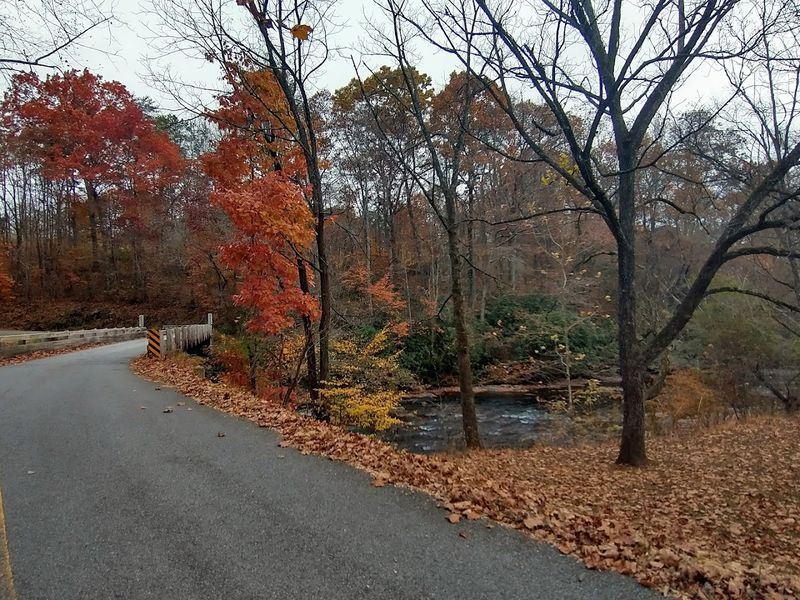
Fall is the undisputed champion season for this drive. Mid-October through early November is when the colors peak.
Reds, oranges, and golds completely take over the landscape.
People drive from several states away just for the fall foliage. The higher elevations change color first, so the byway gives you a front-row seat.
It feels like driving through a painting that someone turned up the saturation on.
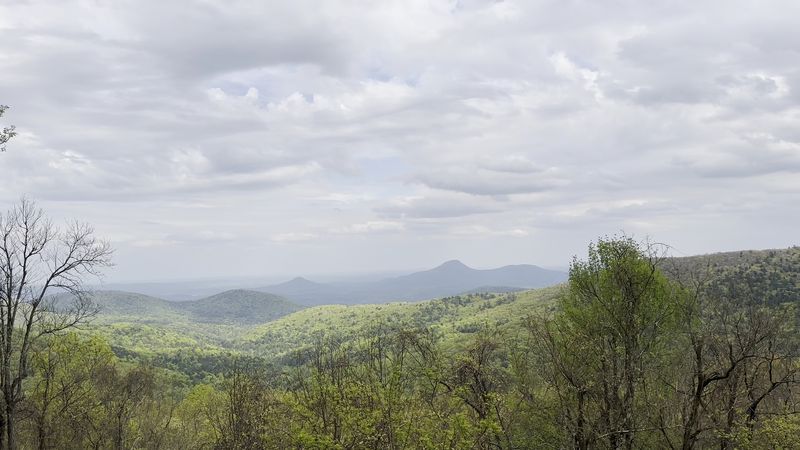
Spring is a close second for sheer beauty. The mountains go from bare to brilliantly green almost overnight.
Wildflowers bloom alongside the road, and the air smells fresh and clean.
Summer brings cooler temperatures compared to the Georgia lowlands. The elevation keeps things mild even in July and August.
A lush green canopy covers the road, creating a natural tunnel effect.
Winter is the wild-card season. Frost and snow create stark, dramatic landscapes unlike any other time of year.
Some access roads may close during icy conditions, so always check before heading out in January or February.
Each season has its own personality on this byway. You could drive it four times a year and have four completely different experiences.
That kind of variety is rare and worth celebrating.
Historic Landmarks To Discover Along The Route
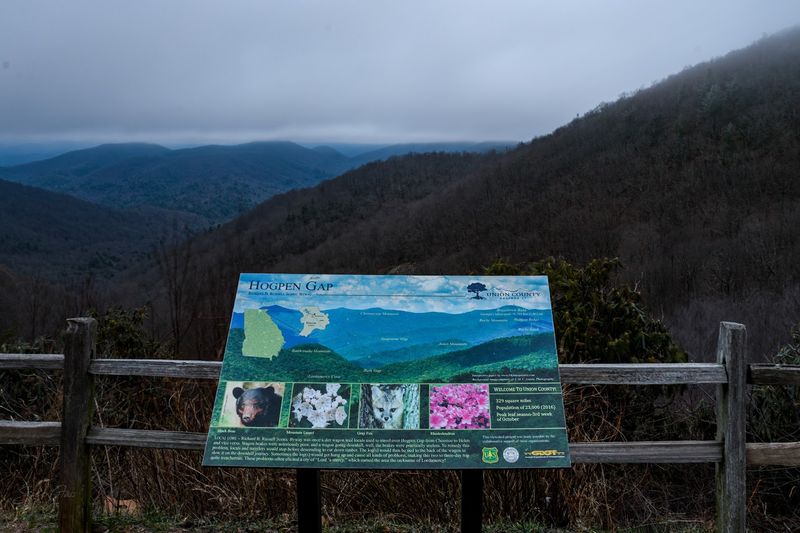
History buffs will find plenty to explore along this route. The Brasstown Bald Visitor Center is a great first stop.
It houses exhibits on the natural and cultural history of the region.
The byway crosses the Appalachian Trail near Hogpen Gap. That crossing point is a historic landmark in its own right.
Thru-hikers pass through here on their months-long journey from Georgia to Maine.
A short detour leads to the Track Rock Archaeological Site. Ancient petroglyphs carved by Native Americans cover the soapstone boulders there.
Archaeologists believe the carvings date back thousands of years.
The town of Helen sits near the byway’s starting point. It is styled after a Bavarian Alpine village, which is unexpected and genuinely fun.
The architecture and cultural nods to Germany make it a quirky and memorable stop.
The Chattahoochee National Forest itself carries deep historical roots. It was established in 1936 and helped restore land that had been heavily logged.
Today, it protects over 750,000 acres of mountain wilderness.
Every landmark along this drive tells a different story. From ancient Native American history to 20th-century conservation efforts, the byway holds layers of meaning.
You leave knowing more than when you arrived.
Picnic Areas And Rest Stops Available
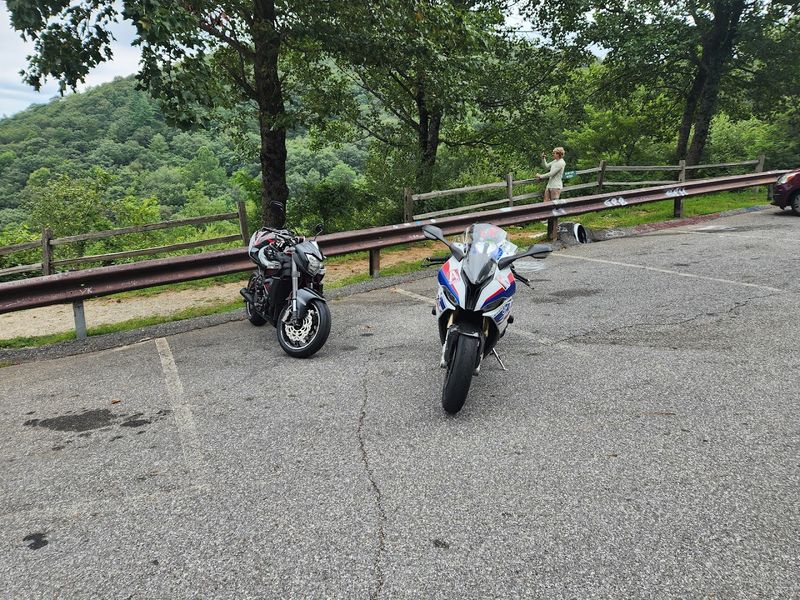
Picnic spots along this byway are not an afterthought. Brasstown Bald has picnic areas right at the summit.
Eating lunch with four-state views is hard to beat on any road trip.
Hogpen Gap also offers picnic tables with mountain scenery. You can sit, eat a sandwich, and stare at Brasstown Bald across the ridge.
It is one of the most relaxed and scenic rest stops in Georgia.
The Chattahoochee National Forest surrounds the entire byway. Dozens of designated picnic areas are scattered throughout the forest.
Many are near streams or waterfalls, which adds a nice soundtrack to your meal.
Dukes Creek Falls Recreation Area has picnic facilities close to the trailhead. Anna Ruby Falls Recreation Area also provides a solid spot to rest.
Both areas are clean, well-maintained, and easy to access from the main byway.
Restrooms are available at the major recreation areas along the route. Brasstown Bald has a visitor center with full facilities.
Smaller pull-offs may not have restrooms, so plan accordingly before leaving a main stop.
Bringing your own food is the smartest move here. The scenery makes even a basic packed lunch feel like a five-course meal.
Pack light, eat outside, and enjoy every single minute of it.
Trailheads For Hiking Adventures Nearby
Hikers have a lot of great options branching off this byway. Brasstown Bald offers the paved Summit Trail, which is only 0.6 miles long.
It is short but steep, and the payoff at the top is massive.
Longer trails fan out from Brasstown Bald in multiple directions. Jack’s Knob Trail, Arkaquah Trail, and Wagon Train Trail are all worth exploring.
Each one gives you a different view of the surrounding mountain wilderness.
Hogpen Gap connects directly to the Appalachian Trail. You can hop on the AT and hike north or south from that point.
Sharing the trail with long-distance thru-hikers is a surprisingly motivating experience.
Dukes Creek Falls is one of the most popular waterfall hikes in North Georgia. The round trip is about two miles with a decent elevation drop.
The falls themselves are dramatic and worth every step of the descent.
Anna Ruby Falls has a paved, 0.4-mile path that is accessible for most fitness levels. Two creeks merge at the base of the falls to create one stunning waterfall.
It is one of those hikes that feels easy and rewards you like it was hard.
No matter your fitness level, the byway has a trailhead that fits. Bring water, wear solid shoes, and leave extra time.
These trails consistently surprise people with how good they are.
Wildlife Watching Opportunities
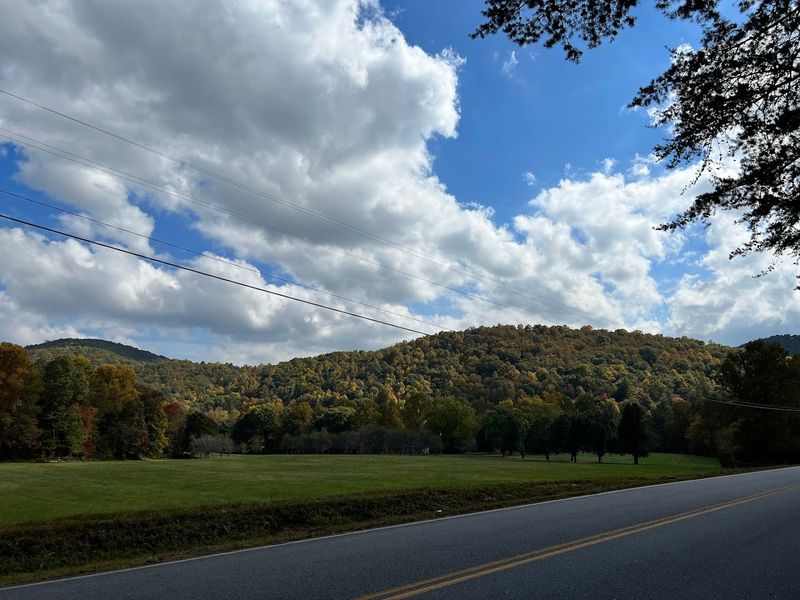
Wildlife watching along this byway is genuinely exciting. White-tailed deer appear regularly near forest edges and open meadows.
Early mornings are the best time to catch them before the road gets busy.
Wild turkeys roam freely and often cross the road in small groups. They are bold, unbothered, and absolutely worth stopping for.
Just be patient and keep your camera ready at all times.
Spring brings the best chance of spotting bear cubs and fawns. Black bears are native to this part of Georgia and active in the warmer months.
Maintain a safe distance and never approach them, no matter how cute the cubs look.
The Chattahoochee National Forest hosts an impressive range of bird species. Warblers, hawks, owls, and wild turkeys all call this forest home.
Birders often bring binoculars and spend hours just listening and watching.
Smithgall Woods State Park sits nearby and is especially known for wildlife activity. The park protects critical habitat for many native Georgia species.
A short detour there is well worth the extra miles.
Beavers work quietly in streams near the lower elevations of the byway. You may spot their dams or lodges from the roadside.
The whole ecosystem here feels alive and active in a way that is hard to describe but easy to feel.
Photography Tips For Mountain Landscapes
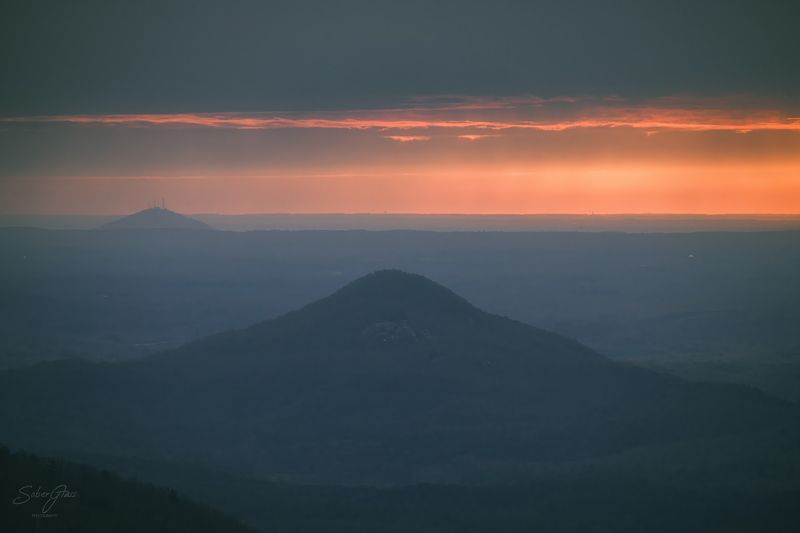
Golden hour is your best friend on this byway. The soft light right after sunrise and just before sunset transforms the mountains.
Colors deepen, shadows lengthen, and everything looks more dramatic.
Arrive early to beat both the crowds and the harsh midday light. Midday sun flattens mountain landscapes and washes out colors.
Early morning mist in the valleys adds a moody, atmospheric layer to your shots.
Use foreground elements to add depth to your compositions. Rocks, wildflowers, and tree branches pull the viewer into the scene.
A flat image with only distant mountains gets boring fast, so layer your shots.
The Rule of Thirds helps balance mountain landscape photos. Place the horizon on the upper or lower third of your frame.
Avoid splitting the image exactly in half, which tends to feel static and uninteresting.
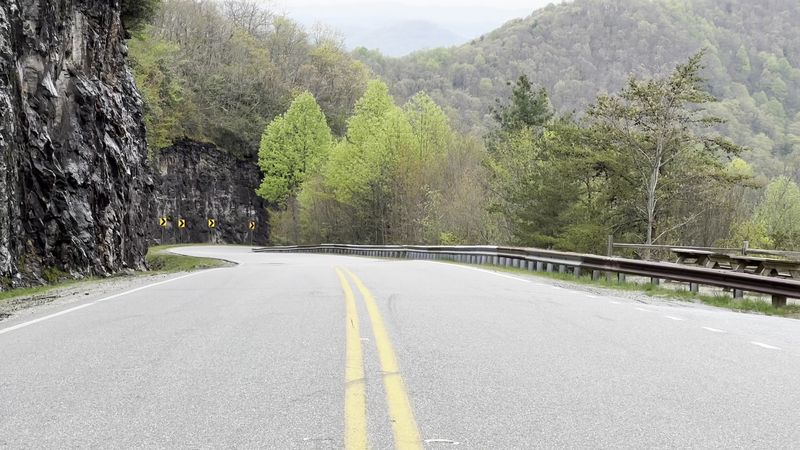
Leading lines are everywhere on this byway. The winding road itself is a natural compositional tool.
Use it to draw the eye through the frame toward the mountains in the background.
Waterfall shots require a slow shutter speed for that silky effect. Bring a tripod to avoid blur when shooting at slower speeds.
A neutral density filter helps in bright conditions when you need to slow things down.
Wide-angle lenses capture the scale of the landscape beautifully. A telephoto lens compresses distance and makes far ridges feel close.
Bring both if you can, because this byway rewards every focal length.