
Nevada Is Quietly Turning Into A Rock Climbing Destination For Every Skill Level
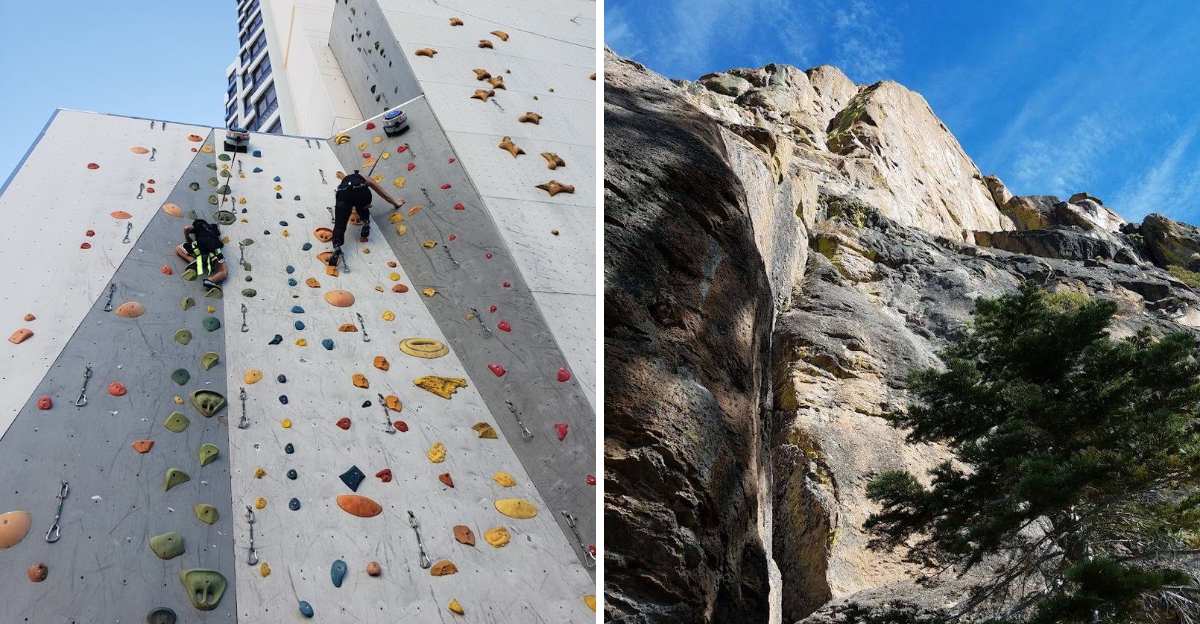
Rock climbing can look intimidating when you are watching someone hang halfway up a cliff, but every climber starts with one nervous step. Nevada makes it easier to give the sport a try, thanks to routes suited for beginners, casual adventurers, and experienced climbers.
You might spend the first few minutes wondering where to place your hands, then suddenly realize you are higher than expected. That mix of nerves and excitement is part of the fun.
Clear skies and varied terrain create plenty of chances to practice without feeling rushed. Bring supportive shoes, water, and a friend who will cheer you on.
Nevada offers the kind of climbing adventure that leaves you tired, proud, and already planning another attempt.
1. Trippy Rock & Spooner Crag, Lake Tahoe Area
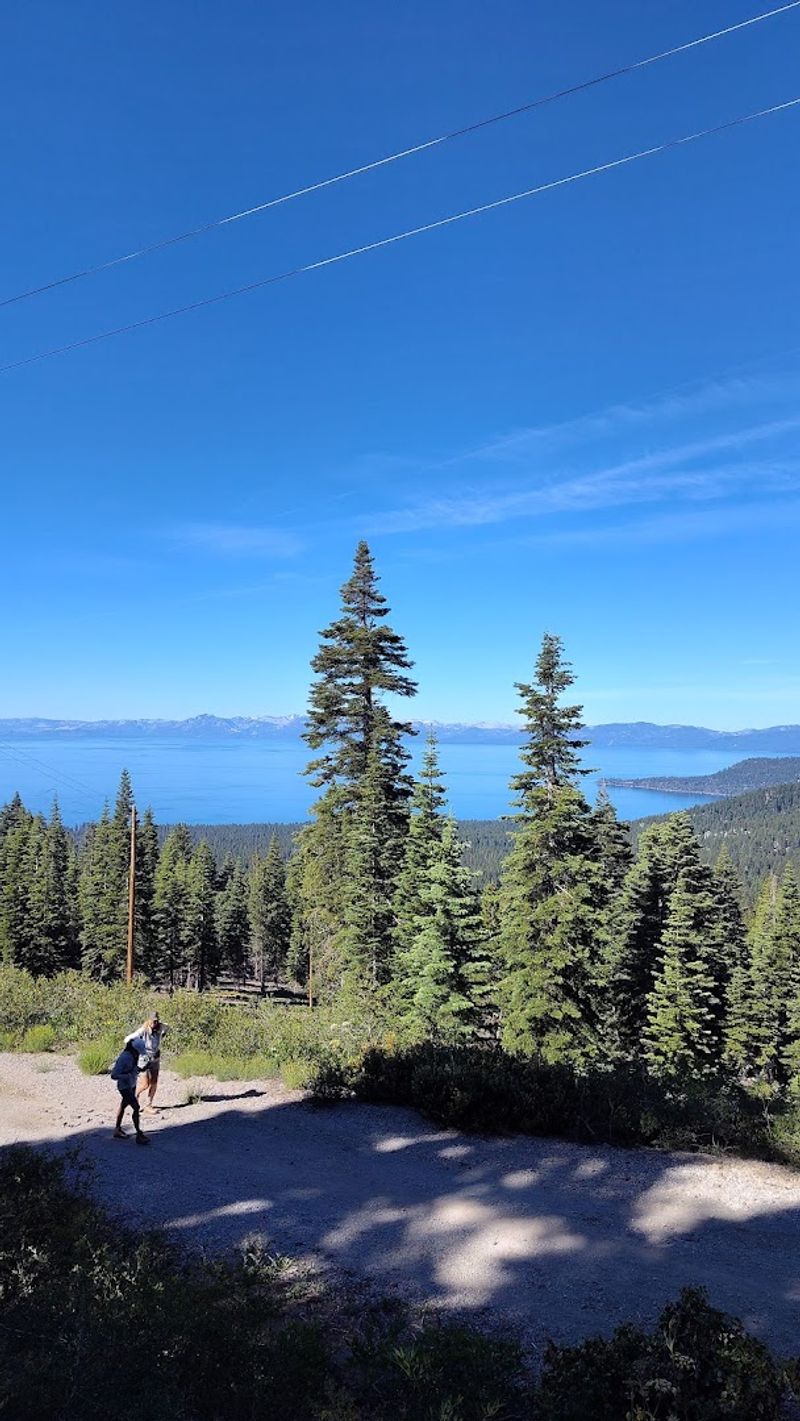
Granite slabs meet alpine beauty at this Lake Tahoe gem where climbers of all abilities find their perfect pitch. Trippy Rock offers moderate routes that let you build confidence while soaking in some of the most stunning mountain views Nevada has to offer.
The rock quality here is exceptional, with solid holds and well-protected routes that make it ideal for those still learning the ropes.
Spooner Crag sits just a short hike away and delivers a different flavor of climbing altogether. The crag features shorter routes with varied difficulties, making it perfect for warming up or introducing friends to the sport.
The approach is manageable, and the setting feels remote even though you’re close to civilization.
What really sets this area apart is the combination of accessibility and natural beauty. You can climb in the morning and spend your afternoon exploring Lake Tahoe’s beaches or hiking trails.
The cooler temperatures at this elevation mean summer climbing stays comfortable, and the granite stays dry even when other areas might be too hot. Bring layers though, because mountain weather can change quickly and you’ll want to stay comfortable between routes.
2. BaseCamp,Reno
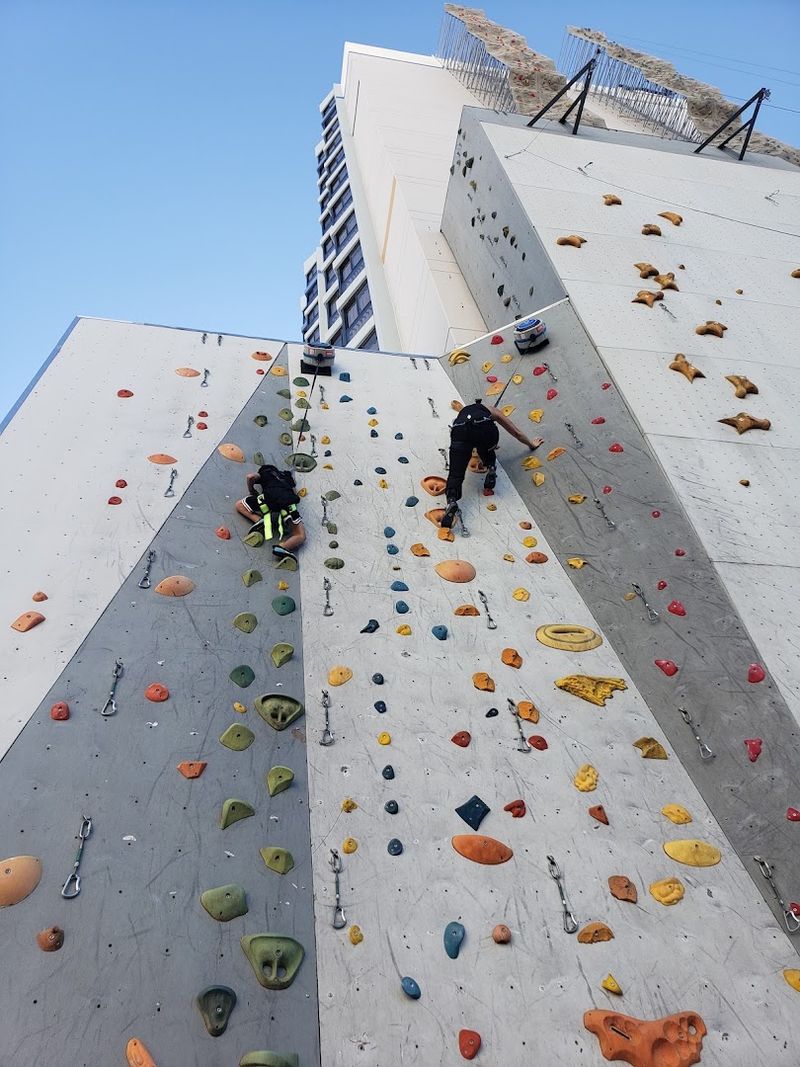
Reno’s BaseCamp has become the training ground where beginners transform into confident climbers. This facility combines an impressive outdoor climbing wall with a comprehensive indoor bouldering park, giving you options no matter what the weather throws at you.
The outdoor wall towers above the building and provides a taste of real rock climbing with the safety and convenience of a gym setting.
Inside, the bouldering park challenges you with problems ranging from absolute beginner to seriously advanced. The route setters here rotate challenges regularly, so you’ll always find something new to attempt.
Staff members are genuinely helpful and will offer beta without making you feel like you’re bothering them, which makes a huge difference when you’re learning.
The community vibe at BaseCamp creates an encouraging environment where everyone cheers for each other’s sends. You’ll see kids working alongside experienced climbers, all focused on improving their technique and having fun.
The facility offers classes and camps for those who want structured learning, plus gear rentals if you’re not ready to invest in your own equipment yet. It’s become a hub for Reno’s climbing scene, and you’ll likely make friends here who’ll become your regular climbing partners.
3. Mesa Rim Climbing Center, Reno
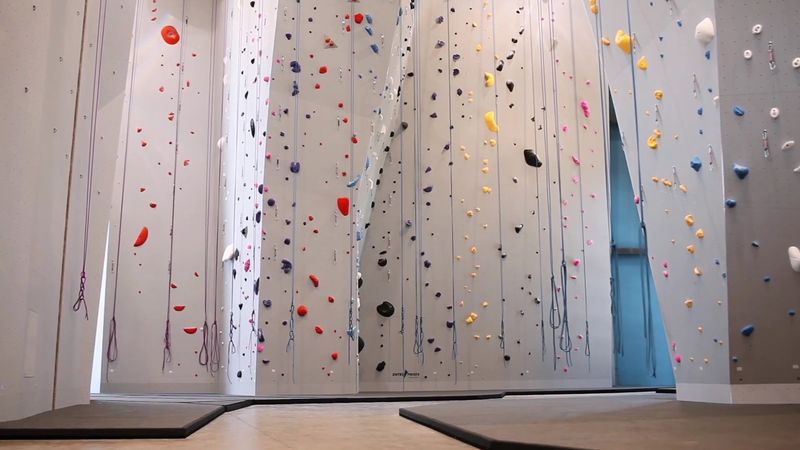
Walking into Mesa Rim feels less like entering a gym and more like stepping into a climber’s paradise. This massive facility sprawls across thousands of square feet and features walls that reach impressive heights, giving you that genuine climbing experience without leaving the city.
The variety of terrain here mimics outdoor climbing better than most gyms manage, with overhangs, slabs, and vertical walls all waiting to test different aspects of your ability.
Beginners appreciate the clearly marked routes that progress logically from easy to challenging. You won’t find yourself accidentally on a route way above your skill level, though plenty of harder climbs await when you’re ready.
The auto-belay systems make it easy to climb solo if your partner cancels, and the bouldering area provides endless entertainment when you need a break from roped climbing.
Mesa Rim has invested in creating a complete climbing experience beyond just the walls. Yoga classes help with flexibility, fitness equipment builds the strength you need for harder routes, and the community events bring climbers together regularly.
The staff includes experienced climbers who understand proper technique and can spot bad habits before they become ingrained. It’s a place where you can genuinely improve your skills.
4. Lamoille Canyon / Ruby Mountains, Near Elko
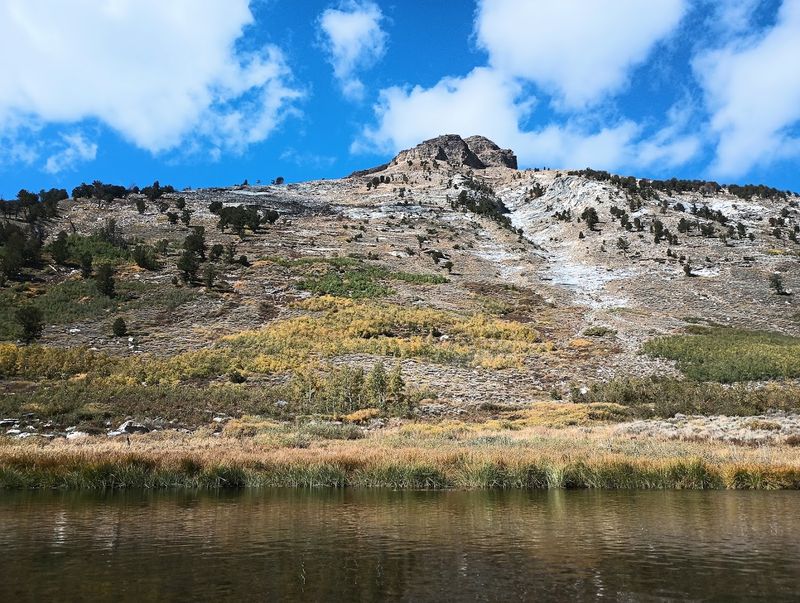
Remote doesn’t begin to describe the climbing experience waiting in Lamoille Canyon. The Ruby Mountains rise dramatically from the high desert, creating a landscape that feels more like the Swiss Alps than Nevada.
Getting here requires commitment since Elko sits hours from major cities, but that isolation becomes part of the adventure as you climb routes that see far fewer ascents than anything near Las Vegas or Reno.
The canyon offers traditional climbing that demands more skill and self-reliance than sport routes. You’ll place your own protection, read the rock carefully, and make decisions that matter.
This isn’t where you start learning to climb, but if you’ve developed solid fundamentals elsewhere, the Ruby Mountains provide an incredible proving ground. The granite here ranks among the best quality in the state.
Wildlife outnumbers people in this corner of Nevada, and you might spot mountain goats watching your ascent from nearby ridges. The approach hikes reward you with wildflower meadows in summer and golden aspens in fall.
Pack everything you need because there are no climbing shops nearby, and cell service becomes spotty once you enter the canyon. The solitude and pristine environment make every route feel like a genuine expedition into wilderness.
5. Calico Basin / Kraft Boulders, Las Vegas
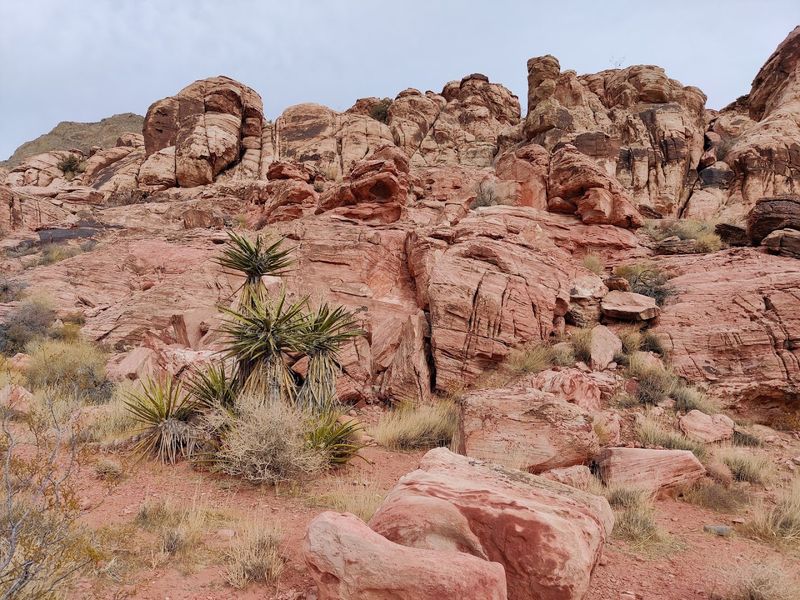
Sandstone bouldering takes on a whole new dimension at Kraft Boulders and Calico Basin. The rock here glows in shades of red, orange, and cream that seem to change color as the sun moves across the sky.
Problems range from simple slabs perfect for first-time boulderers to overhanging challenges that will test even experienced climbers. The friction on this sandstone gives you incredible grip when conditions are right.
Calico Basin provides easier access than the main Red Rock areas and sees less crowding during peak season. You can park close to many problems, making it ideal when you’re carrying crash pads and don’t want a long approach.
The setting feels wild despite being minutes from Las Vegas, with desert tortoises occasionally crossing your path and petroglyphs visible on some rock faces.
Timing matters significantly at these desert boulders. Summer heat makes climbing dangerous during midday, so plan for early morning or evening sessions.
Winter and spring offer perfect temperatures and the best friction on the rock. Bring plenty of water because the desert environment dehydrates you faster than you realize, and there are no facilities once you leave the parking area.
The variety of problems means you can return repeatedly and always find something new to attempt.
6. Red Rock Canyon, Las Vegas
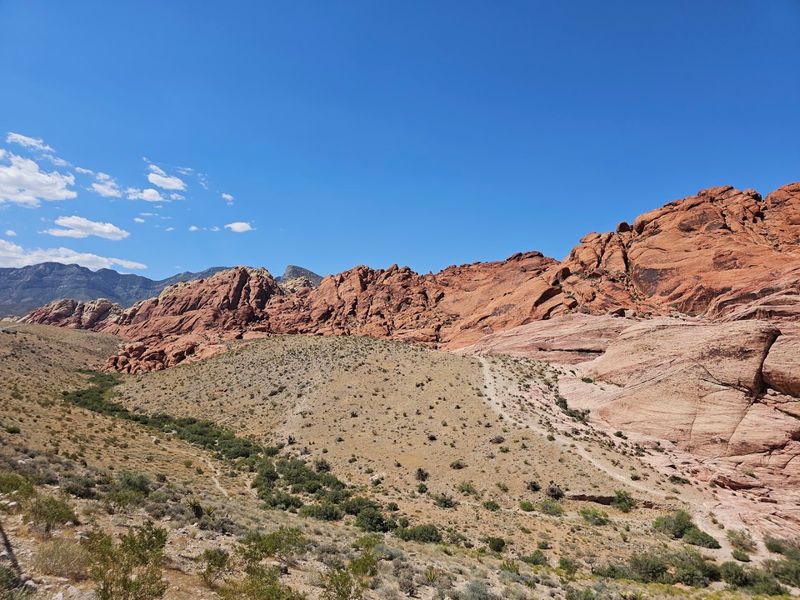
Red Rock Canyon stands as Nevada’s most famous climbing destination for good reason. The towering sandstone walls offer thousands of routes across every difficulty grade imaginable, from beginner-friendly single-pitch climbs to epic multi-pitch adventures that consume entire days.
The rock formations create a dramatic backdrop that makes every photo look like it belongs in a climbing magazine, and the sheer variety means you could climb here for years without repeating routes.
Classic routes like Olive Oil and Crimson Chrysalis have introduced countless climbers to the joys of desert sandstone. The rock requires different techniques than granite, with crimps and pockets replacing the cracks and edges you might be used to.
Route finding can challenge you since the colorful rock sometimes makes holds hard to distinguish, but that’s part of what makes each ascent feel like problem-solving.
The scenic drive through the canyon provides easy access to multiple climbing areas, each with its own character. Some crags face morning sun while others stay shaded until afternoon, letting you plan your day around temperatures and conditions.
You’ll need a permit to climb here, and popular routes can get crowded on weekends. The visitor center offers maps and current information about closures or restrictions that might affect your climbing plans.
7. Rainbow Canyon, Southern Nevada
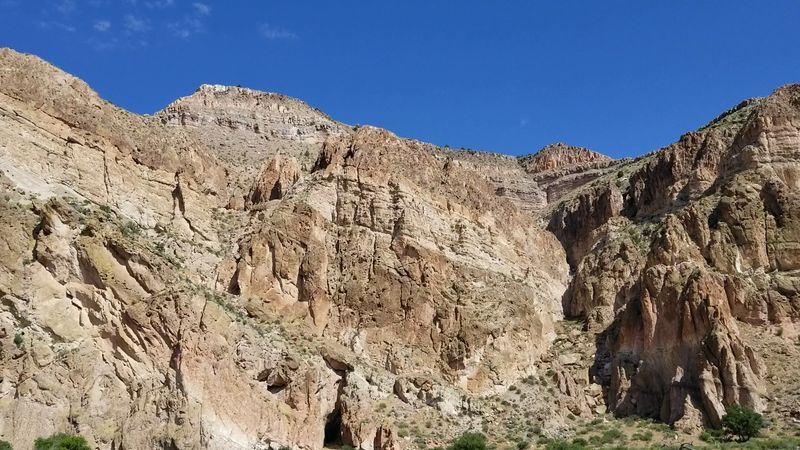
Colors streak across the canyon walls here in patterns that explain the name perfectly. Rainbow Canyon remains relatively unknown compared to Red Rock, which means you’ll often have entire walls to yourself.
The climbing here leans toward adventure style, with some routes requiring creative problem-solving and a willingness to explore less-traveled rock. It’s not the place for your first outdoor climbing experience, but intermediate climbers looking to expand their comfort zone will find plenty to love.
The approach to many routes involves hiking through desert terrain that rewards you with solitude and natural beauty. You won’t find bolted anchors on every route, so bring a rack and know how to build your own anchor systems.
The rock quality varies more than at established areas, requiring careful testing and good judgment about what’s solid enough to trust. This uncertainty actually improves your climbing skills by forcing you to read rock and make decisions independently.
Summer temperatures make climbing impossible during daylight hours, so treat this as a fall through spring destination. Bring all your own water and supplies because there’s nothing nearby once you leave the main highway.
The remoteness means you need to be self-sufficient and prepared for emergencies, but it also means experiencing Nevada climbing in a more raw and authentic way than the popular areas allow.
8. Donner Summit / Big Chief, Tahoe Area
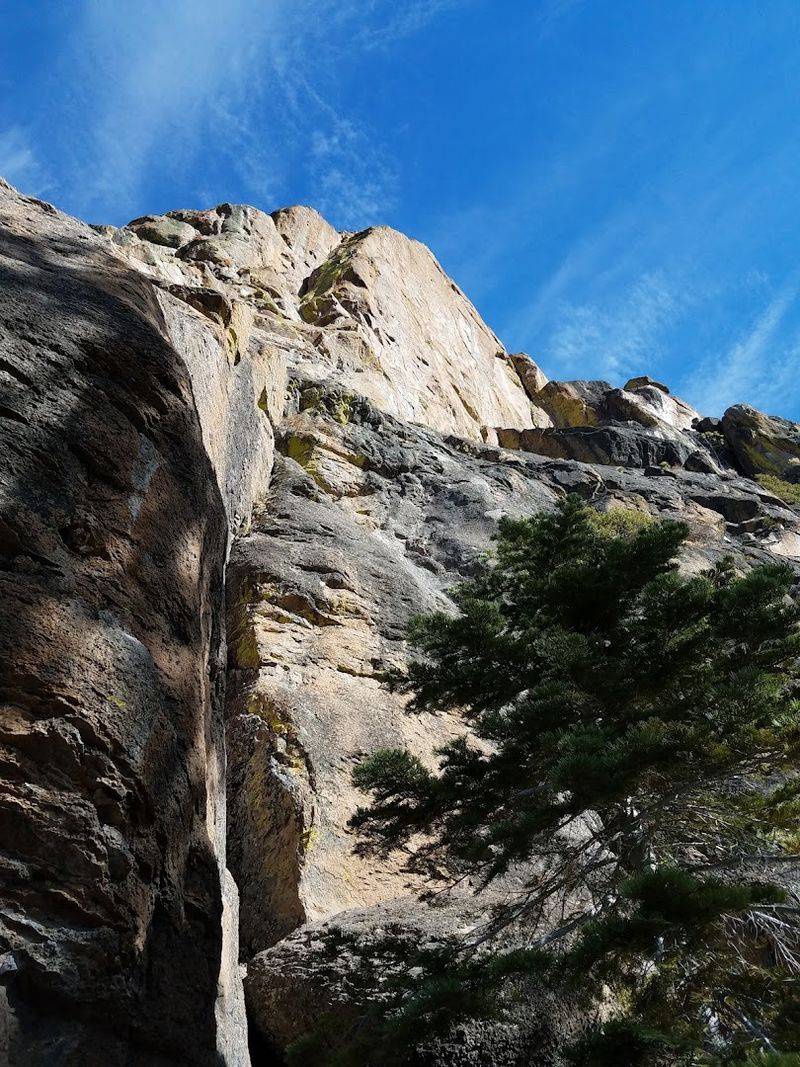
High Sierra granite climbing reaches peak perfection at Donner Summit and Big Chief. These areas offer classic alpine routes that have been testing climbers for generations, with crack systems and face climbs that demand solid technique.
The elevation keeps temperatures comfortable even in summer, though snow can linger into late spring on north-facing routes. The rock quality here rivals anything you’ll find in the Sierra Nevada range.
Big Chief features longer routes that require multiple pitches, making it ideal for climbers ready to move beyond single-pitch climbing. The exposure on some routes provides that thrilling sense of height that makes climbing addictive, while the solid protection options help you feel secure even when you’re hundreds of feet off the ground.
Traditional climbing skills become essential here since many routes follow natural crack systems rather than bolt lines.
The climbing community at Donner Summit includes everyone from weekend warriors to professional climbers honing their skills. You’ll often see people working on the same classic routes that appeared in climbing magazines decades ago.
The approach hikes range from quick scrambles to longer treks, so check route descriptions carefully before committing. Weather can change rapidly at this elevation, so pack extra layers and be prepared to bail if storms roll in unexpectedly.
9. Arrow Canyon, Clark County
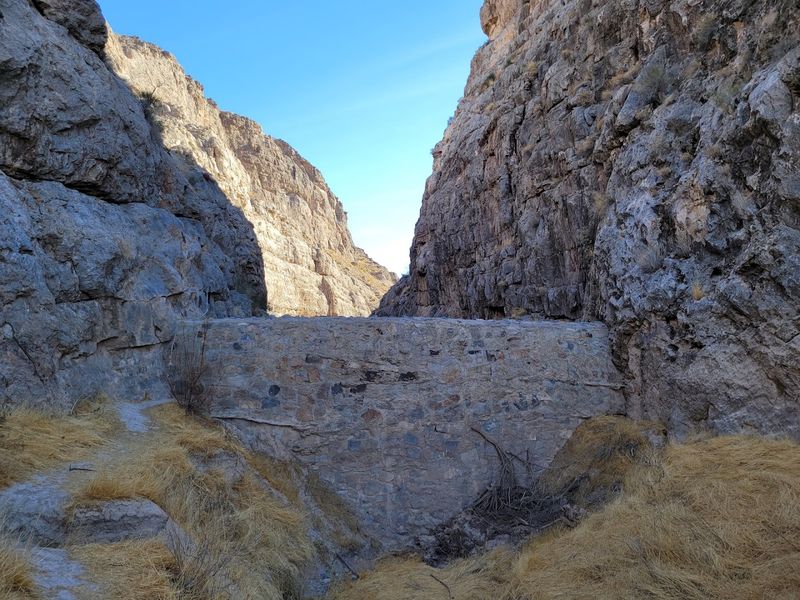
Limestone cliffs rise unexpectedly from the desert floor at Arrow Canyon, creating a climbing area that feels like a hidden secret. The rock here differs completely from the sandstone at Red Rock, offering pockets and tufas that require different techniques and build different strengths.
Sport climbing dominates, with bolted routes that let you focus on movement rather than gear placement. The grades range widely enough that groups with mixed abilities can all find appropriate challenges.
The canyon itself provides natural beauty beyond just the climbing, with slot canyons to explore and petroglyphs etched into rocks by ancient inhabitants. After your climbing session, take time to wander through the narrow passages where walls close in overhead and light filters down in dramatic shafts.
The combination of climbing and exploration makes Arrow Canyon feel like a complete outdoor adventure rather than just a workout.
Access requires navigating some rough dirt roads that might challenge low-clearance vehicles, so check current conditions before heading out. The area sees far less traffic than the famous Las Vegas climbing spots, giving you a more peaceful experience.
Desert precautions apply here too, with extreme summer heat making climbing dangerous during the warmest months. Spring and fall provide ideal conditions when temperatures moderate and the desert comes alive with blooming plants.