
This Nevada Observatory Puts A Telescope In Your Hands Under Some Of The Country’s Darkest Skies
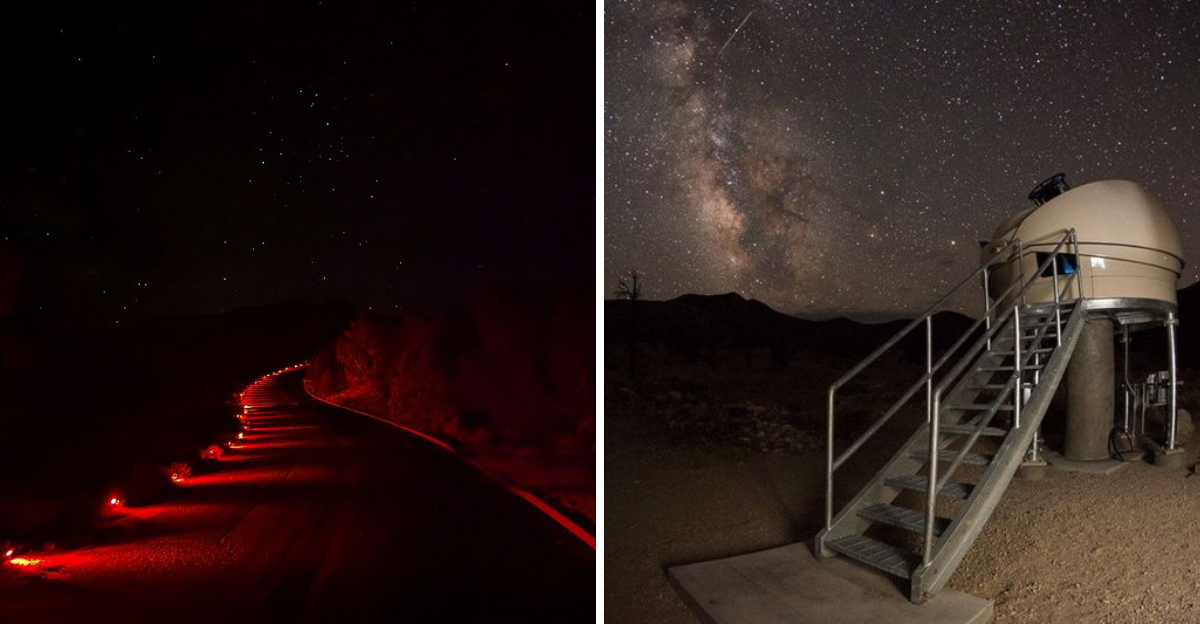
A ranger passes the eyepiece straight into your hands, and suddenly the whole night feels different. Out here, the sky flips from ordinary to overwhelming in minutes.
Nevada holds onto skies so dark that the Milky Way spills across the horizon like a glowing river. Thousands of stars crowd into view before anyone even lifts a telescope.
Distant galaxies and glowing nebulae stop being pictures in a textbook. Through real telescopes built for serious viewing, they turn sharp, bright, and close enough to make your jaw drop.
Layer up early, because the desert chill creeps in fast once the sun disappears behind Nevada’s rugged horizon. Curious what else waits once your eyes adjust to true darkness?
Start planning your own night beneath skies like these.
A Dark Sky Designation That Actually Means Something
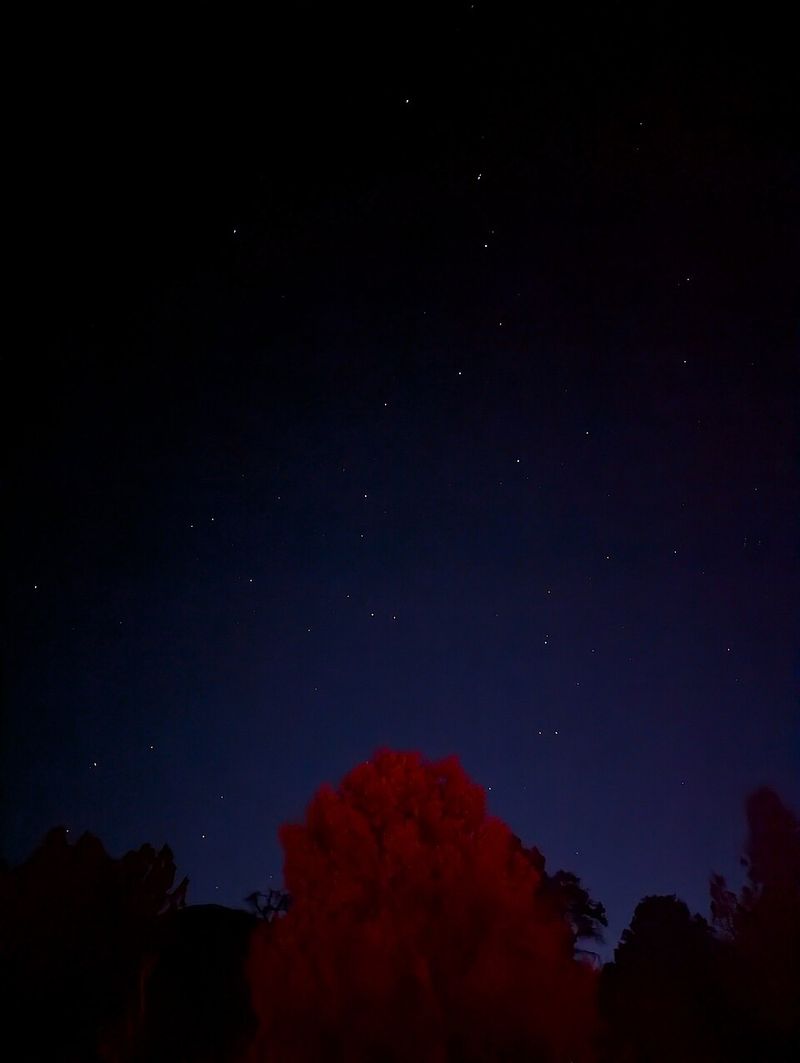
Gold Tier status is not handed out casually. The International Dark Sky Association awarded Great Basin National Park its Gold Tier International Dark Sky Park designation in 2016, placing it among the most pristine night sky locations in the entire country.
Light pollution stays minimal for roughly 70 miles in every direction. That kind of isolation is rare, and it changes everything about what you can see overhead.
The Milky Way does not just appear as a faint smudge here. It stretches across the sky like a broad, blazing river of light.
High elevation and low humidity reduce the atmosphere’s interference with starlight. Stable, transparent air sharpens the view even further.
Visitors regularly spot thousands of individual stars, bright planets, and even the Andromeda Galaxy without any equipment at all. Nevada’s wide-open terrain makes this park an almost unbeatable natural observatory, long before anyone points a telescope at the sky.
The First Research Observatory Inside A National Park
Breaking records is not something most national parks get to brag about in the field of astronomy.
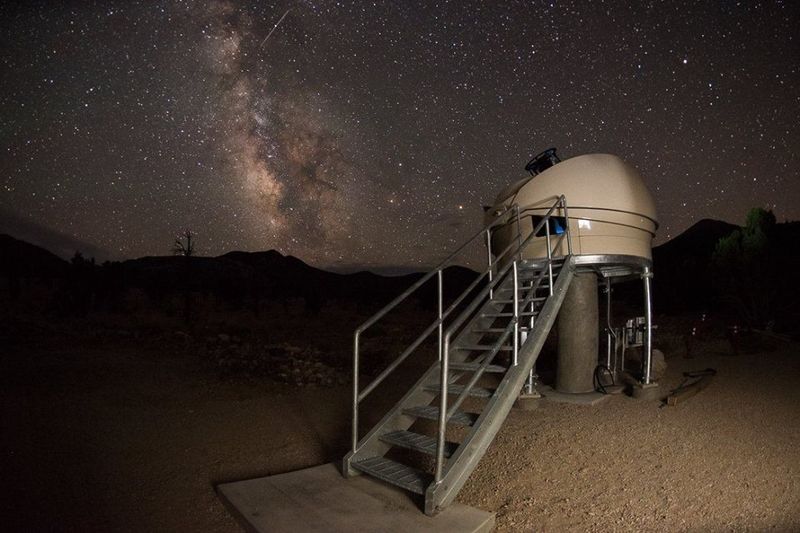
The Great Basin Observatory changed that on August 25, 2016, becoming the first research-grade observatory ever dedicated inside an American national park.
The facility was a collaborative effort. The Great Basin National Park Foundation partnered with the park itself and two universities to bring it to life.
Those partners are the University of Nevada, Reno and Southern Utah University. Both institutions continue to staff and run active research through the observatory today.
At the heart of the building sits a powerful 70-centimeter optical astronomical telescope. That is roughly 27.5 inches of light-gathering precision.
The instrument operates remotely, so researchers from across the country can access it without ever setting foot in Nevada.
For a park better known for caves and bristlecone pines, this observatory marks a bold, forward-thinking leap into the scientific future.
Putting A Telescope In Your Hands At The Astronomy Amphitheater
Forget standing at a distance while someone else peers through the eyepiece. At Great Basin National Park, the telescope gets handed right over.
The park’s Astronomy Amphitheater hosts ranger-led programs where participants actually get to look through 11-inch Celestron telescopes themselves.
These are not toy scopes. An 11-inch Celestron is a serious piece of equipment that reveals the kind of detail most people only see in photographs.
Nebulae, star clusters, distant galaxies, planets, and the cratered surface of the Moon all come into sharp, stunning focus.
Each session begins with a 30-minute ranger talk covering night sky topics and the history of humanity’s relationship with the stars. The talks are educational without being dry, and they set up the telescope viewing perfectly.
Programs are free and require no reservations. The Astronomy Amphitheater sits near the Lehman Caves Visitor Center, making it easy to find.
Arriving early is a smart move, since parking at the visitor center fills up on busy evenings.
Daytime Sun Gazing With Solar Telescopes
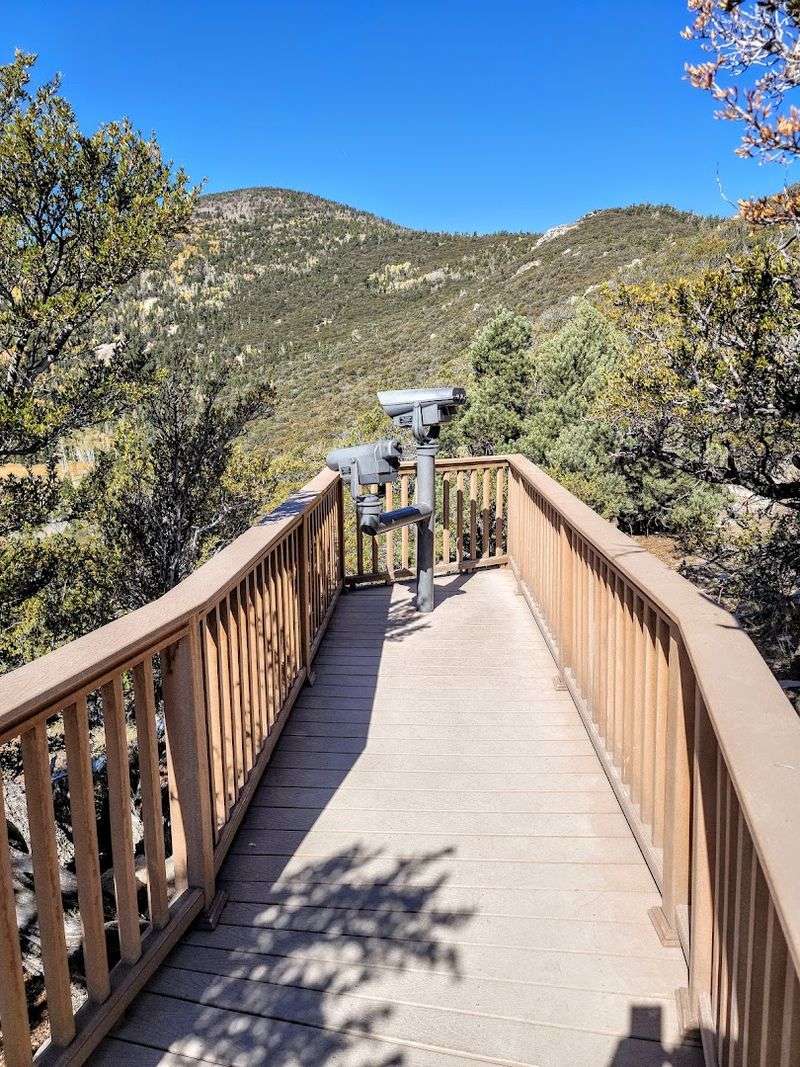
Most people assume astronomy shuts down when the sun comes up. Great Basin National Park disagrees entirely.
During many summer afternoons, astronomy rangers set up specialized solar telescopes behind the Lehman Caves Visitor Center for daytime sky programs.
Solar telescopes are built specifically for safe observation of the sun. Looking directly at the sun without proper equipment causes serious eye damage, but these instruments filter the light correctly.
Through them, visitors can observe dark sunspots crawling across the solar surface, dramatic filaments stretching outward, and glowing prominences arching away from the sun’s edge.
On particularly active days, coronal mass ejections become visible. These are moments when the sun hurls charged particles outward into space.
Catching that sight in real time is something few people ever experience. Daytime programs run on clear days and add an unexpected dimension to a park visit.
Nevada’s intense desert sunshine turns out to be a feature, not a drawback, for this particular activity.
The Path To The Great Basin Observatory
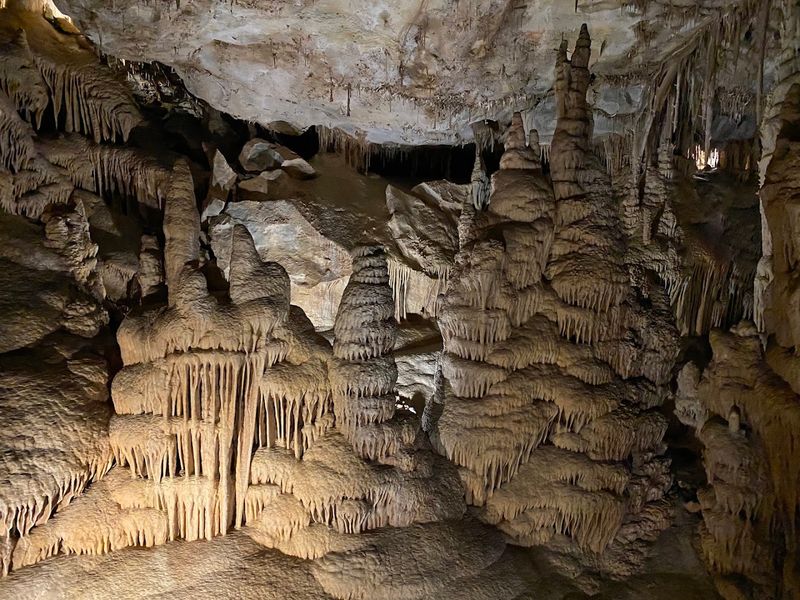
Every great adventure needs a destination worth the walk. The Great Basin Observatory holds that spot here.
Set apart in a restricted stretch of Great Basin National Park, the dome stays closed to casual foot traffic on most days.
Reaching it starts at the Lehman Caves Visitor Center, located at 5500 NV-488, Baker, NV 89311.
Once a year, during the Annual Astronomy Festival, a reserved tour departs from this same spot. Small groups follow a short hike out to the observatory dome itself.
Evening ranger programs at the Astronomy Amphitheater run all summer without waiting on the festival. The amphitheater sits just beside the visitor center and picnic area.
Daytime solar telescope sessions happen right behind the building on many clear afternoons.
The visitor center offers educational exhibits, maps, and knowledgeable staff ready to answer questions about the observatory and the programs built around it.
Parking is available but fills quickly on astronomy program nights, so arriving with time to spare is strongly recommended.
The observatory remains the real prize behind all of it, a working research telescope set within one of Nevada’s darkest and most protected corners.
The Annual Astronomy Festival That Draws Sky Fanatics From Everywhere
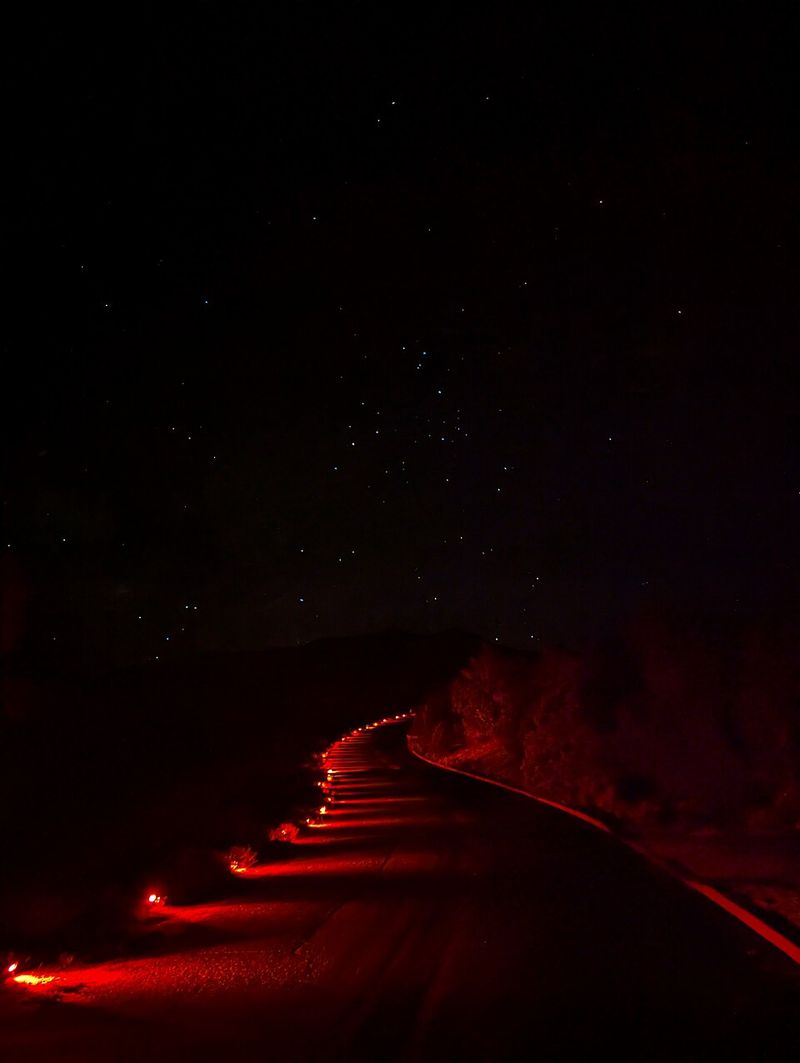
Once a year, the already-impressive astronomy scene at Great Basin National Park escalates dramatically. The Annual Astronomy Festival, typically held in September, transforms the park into a gathering point for some of the most passionate sky watchers in the country.
Guest speakers deliver talks on cutting-edge topics in space science and astronomy. Volunteer astronomers bring their personal telescopes and share them freely with the public, creating an atmosphere that feels more like a community celebration than a formal event.
Astrophotography workshops teach attendees how to capture the night sky with their cameras.
Tours of the Great Basin Observatory are woven into the festival schedule, giving participants a rare close-up look at the research facility. Ranger astronomy programs run throughout the event as well.
The combination of expert knowledge, community enthusiasm, and Nevada’s legendary dark skies makes this festival a bucket-list experience. Planning ahead and booking accommodations early is essential, since the surrounding area fills up quickly during this popular annual event.
Research That Reaches Beyond The Park’s Borders
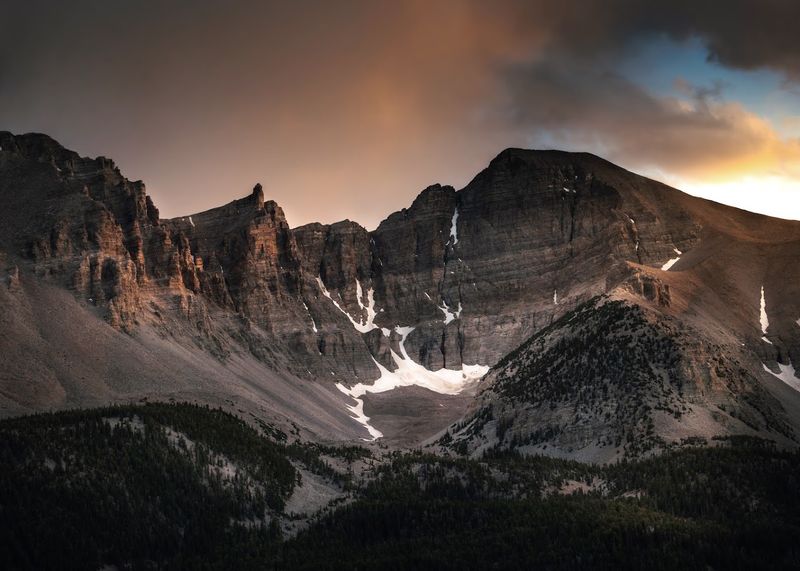
The Great Basin Observatory is not just a showpiece. Real scientific work happens inside that dome on a regular basis.
The 70-centimeter telescope operates remotely. University researchers from partner institutions across the country can conduct studies without ever traveling to Nevada.
The observatory’s research goals are broad and serious. Astronomers use it to study variable stars, track celestial objects, and gather data that contributes to published scientific literature.
The remote operation capability means the telescope logs observation hours efficiently, maximizing its contribution to ongoing research projects.
Partner universities treat the facility as a genuine research asset. The University of Nevada, Reno and Southern Utah University each integrate the observatory into their academic programs.
The result is a facility that serves the visiting public and the scientific community at once. That dual purpose is rare anywhere.
It makes the Great Basin Observatory a significant piece of infrastructure for American astronomy research.
Inspiring The Next Generation Through Hands-On Science
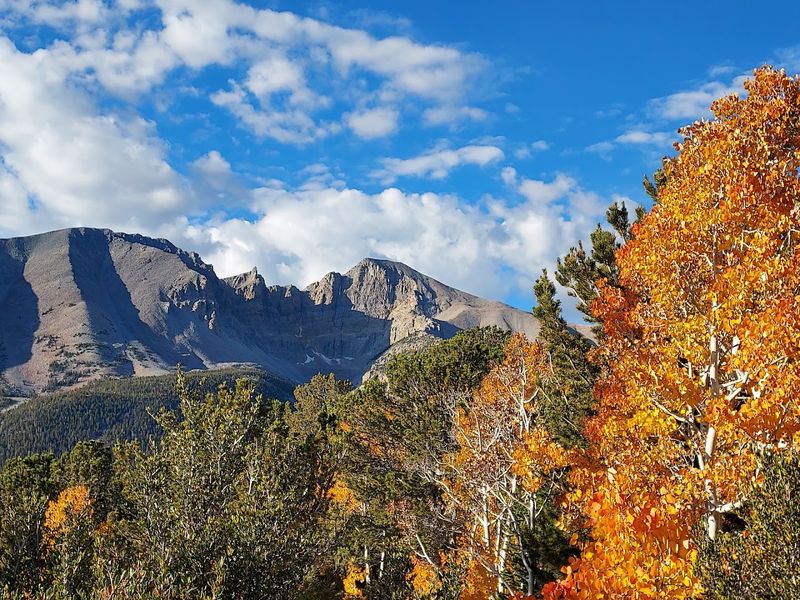
Pointing a telescope at the sky sparks something in young minds that no classroom lecture can fully replicate. The Great Basin Observatory recognized that early, and it built educational outreach directly into its mission from the start.
A K-12 program called Reach for the Stars connects local students with hands-on science and technology lessons rooted in real astronomy. The curriculum is built around the observatory’s capabilities, giving students access to tools and data that most schools could never afford independently.
The Double Star Research Program takes things even further. Middle and high school students participate in actual astronomical research, collecting data and, in some cases, co-authoring peer-reviewed scientific papers under the guidance of college professors.
That is not a field trip. That is a career-launching experience.
Nevada’s remote location, often seen as a disadvantage, becomes an asset here. The darkness that defines this landscape turns out to be one of the most valuable educational resources the state has to offer.
Stargazing Tips That Make A Real Difference On The Ground
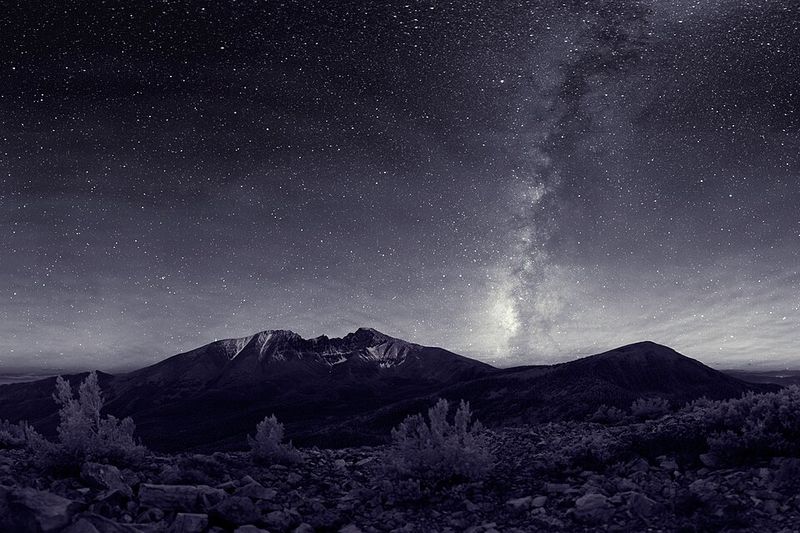
Showing up unprepared for a night under these skies is a mistake worth avoiding. Temperatures at Great Basin National Park drop sharply after sunset, even during summer months.
Layering up before the evening programs begin keeps the experience enjoyable rather than miserable.
Red lights are the only acceptable flashlights at night. White light destroys night vision in seconds, both for the person using it and for everyone nearby.
Bringing a red-filtered headlamp is a small investment that makes a big difference for the whole group.
Parking at the Lehman Caves Visitor Center is limited on busy astronomy nights. Arriving early solves that problem cleanly.
For those who want to stargaze independently, pull-outs like Mather Overlook and Wheeler Peak Overlook offer excellent unobstructed views. Stargazing is possible year-round from almost anywhere within the park.
Nevada’s clear, dry air keeps the sky transparent on most nights, but checking conditions ahead of time before making a long drive is always a practical step.
Wheeler Peak And The Landscape That Frames The Night Sky
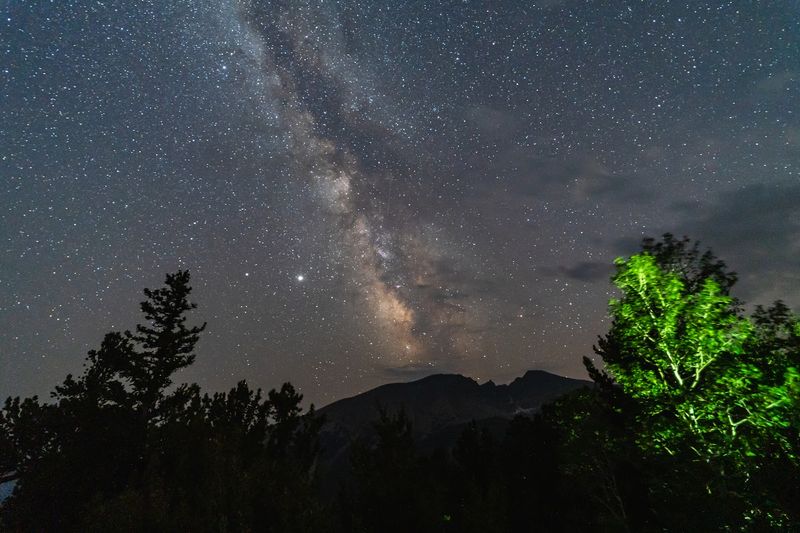
The night sky does not exist in isolation here. It sits above one of the most dramatic landscapes in the American West.
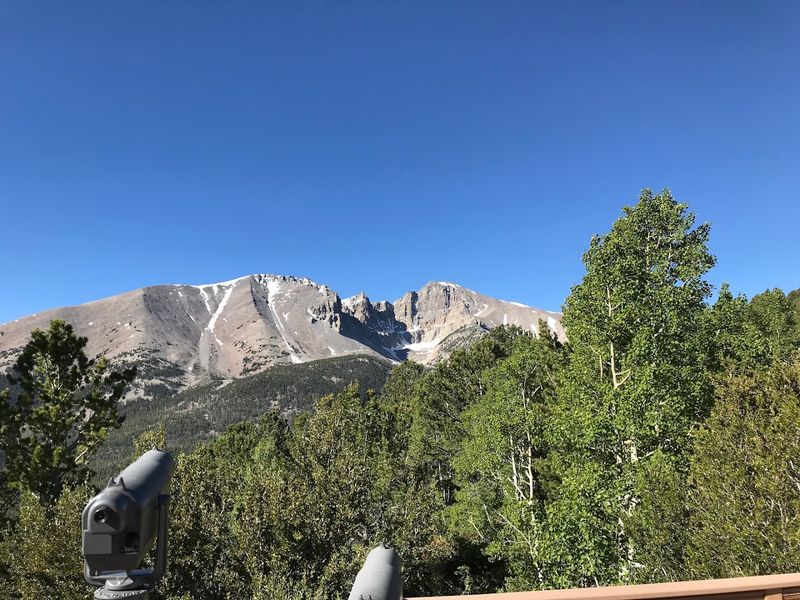
Wheeler Peak rises above 13,000 feet and stands as the tallest mountain entirely within Nevada, giving the park a striking vertical backdrop that shapes everything around it.
Ancient bristlecone pine groves grow at the higher elevations, some containing trees that have been alive for thousands of years. Hiking trails wind through alpine terrain past glacial lakes and open ridgelines with views that stretch for enormous distances.
The Lehman Caves, a series of marble caverns decorated with intricate formations, pull visitors underground for a completely different kind of wonder.
All of these elements combine to make the park far more than a single-night destination. The days fill easily with exploration, and the nights deliver something few places on Earth can match.
The landscape itself seems designed to make visitors feel small in the best possible way, a feeling the night sky only intensifies.
Why Protecting These Dark Skies Matters For Everyone
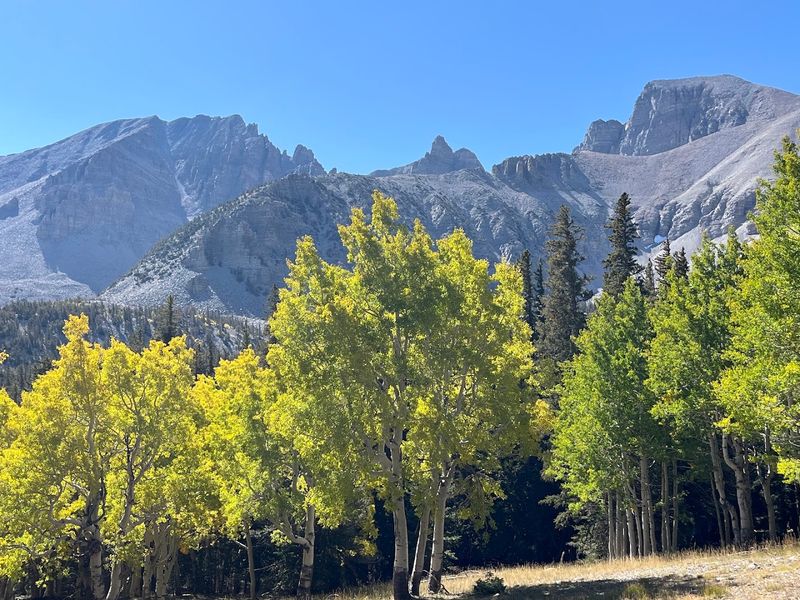
Dark skies are disappearing faster than most people realize. Artificial light from cities, highways, and developments spreads outward and washes out the night, making the kind of sky visible over Great Basin National Park increasingly rare across the country.
The International Dark Sky Association’s Gold Tier recognition was not just a reward. It was a declaration that this place is worth protecting actively and urgently.
The Great Basin Observatory reinforces that message by demonstrating that dark skies have real scientific value, not just aesthetic appeal.
Education programs at the park teach visitors why light pollution matters and what can be done to reduce it. Rangers explain the ecological impact on nocturnal animals, the cultural significance of an unobstructed sky, and the simple human loss of never seeing the Milky Way.
Nevada’s commitment to preserving this resource is visible in every program the park runs. Standing beneath these skies, it becomes obvious why the fight to protect them is worth every effort.