
This Stunning Colorado Lake Is So Peaceful You Will Feel Like You Found A Secret
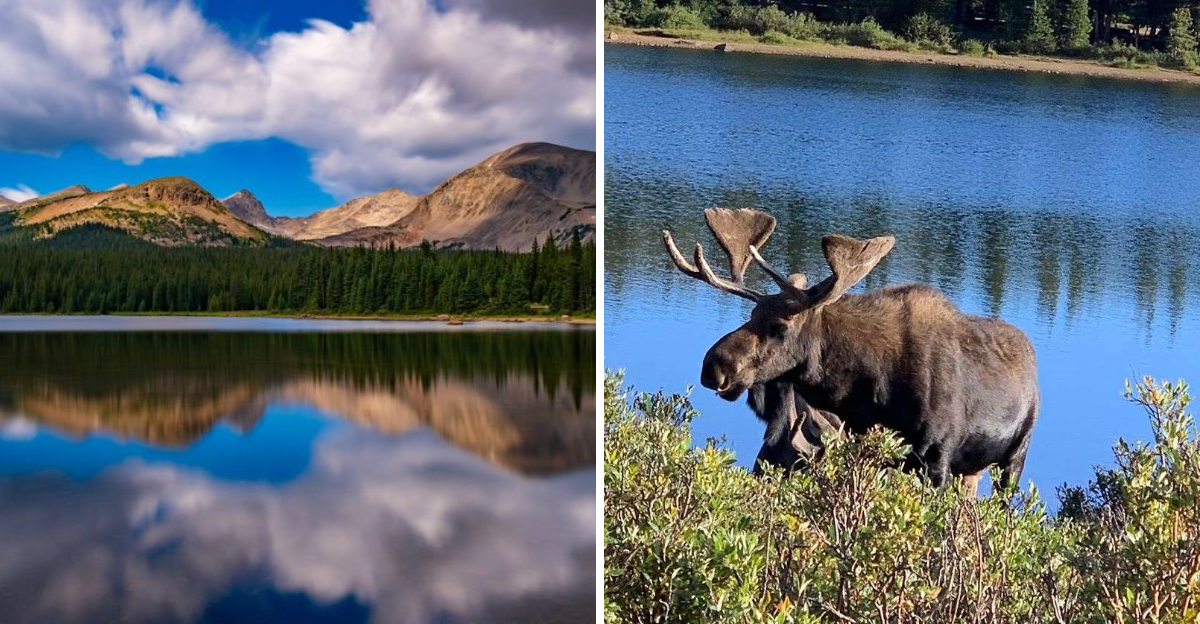
Blue water like this should not exist above ten thousand feet. Yet here it glows like a secret Colorado guards jealously.
Jagged peaks rise on every side, catching light that turns the water impossibly vivid. Wildflowers spill across nearby meadows while moose wander past without a hint of hurry.
A love story hides behind the name, and a glacier above still feeds this basin drop by drop. That kind of detail sticks with you long after the hike ends.
By late summer, the water vanishes almost completely, drained on purpose for reasons most visitors never expect. Colorado keeps corners like this waiting for the right season to reveal them fully.
Time a trip well, and this becomes one of those places you talk about for years.
The Trail That Earns Its Reward
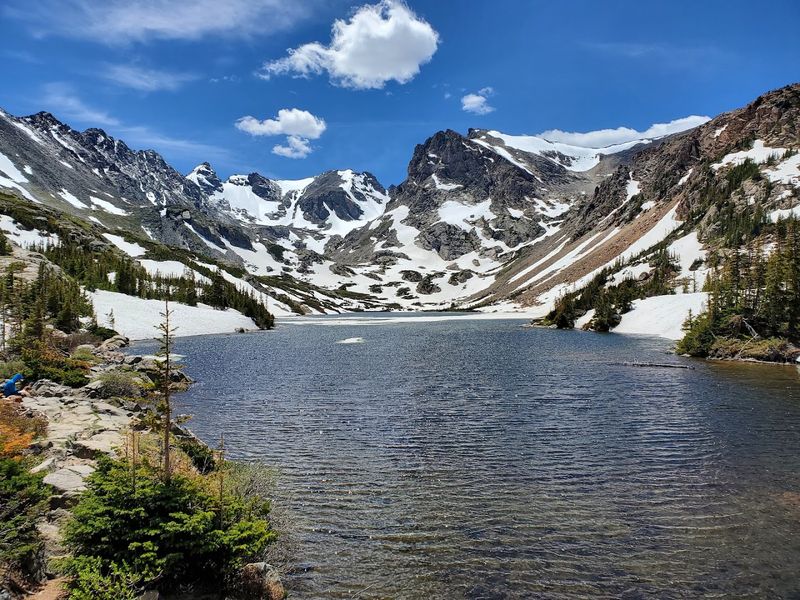
Few trails punch above their weight quite like this one. The path to Lake Isabelle starts at the Long Lake Trailhead inside the Brainard Lake Recreation Area and covers roughly 4.46 miles round trip.
That distance feels manageable, even for casual hikers who are not seasoned trail veterans.
The elevation gain sits around 751 feet, which is noticeable but never punishing. The trail is clearly marked throughout, so route-finding is rarely a concern.
Hikers pass small waterfalls, open meadows, and the shimmering surface of Long Lake before the main attraction comes into view.
That first glimpse of Lake Isabelle stops people mid-stride. The subalpine basin opens up, peaks rise dramatically on all sides, and the water reflects the sky in shades of blue that feel almost artificial.
Retrace the same path on the way back and notice how different everything looks from the opposite direction. Colorado has no shortage of trails, but this one delivers a payoff that feels disproportionately generous for the effort required.
Getting There Without The Headache
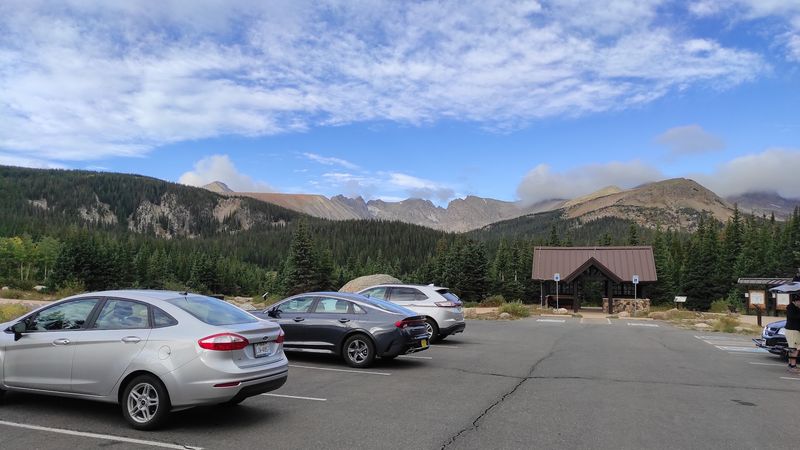
Planning ahead is the single most important step before visiting. The Brainard Lake Recreation Area operates a permit and reservation system during peak season, and the parking lots fill up fast on summer weekends.
Showing up without a reservation can mean turning around before the trail even begins.
Cell reception in the area is essentially nonexistent, so downloading maps and making reservations before leaving home is essential. The full address for the recreation area is 4382 Brainard Lake Road, Ward, CO 80481, which is useful for GPS navigation before signals disappear on the mountain road.
Arriving early in the morning on weekdays offers the smoothest experience. Traffic is lighter, parking is easier, and the trail feels far less crowded.
Dogs are welcome but must stay leashed throughout the area, partly because moose encounters are common and can escalate quickly. A little preparation before departure transforms what could be a frustrating logistics puzzle into a smooth, enjoyable outing from start to finish.
A Setting That Looks Painted, Not Real
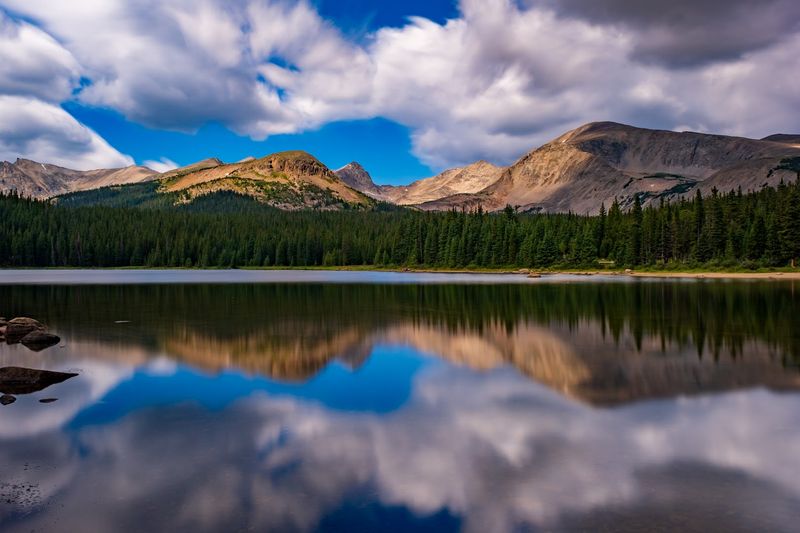
Apache Peak and Shoshoni Peak stand guard over the lake like stone sentinels that have been on duty for centuries. The Isabelle Glacier clings to the mountainside above, feeding the lake with meltwater so cold and clear it looks filtered.
This subalpine basin creates a natural amphitheater that amplifies both the scenery and the silence.
Wildflowers carpet the surrounding meadows from late spring through early summer. Blues, yellows, and purples push up through the soil as soon as the snow retreats.
Photographers tend to arrive early in the morning when the light is soft and the peaks cast long reflections across the still water.
The combination of glacier, peaks, wildflowers, and crystalline water in one frame is genuinely hard to process at first. Colorado is famous for mountain scenery, but this particular arrangement of elements feels curated.
Nothing feels out of place. Everything contributes to an atmosphere of profound natural calm that is difficult to replicate anywhere else in the state.
The Surprising History Behind The Name
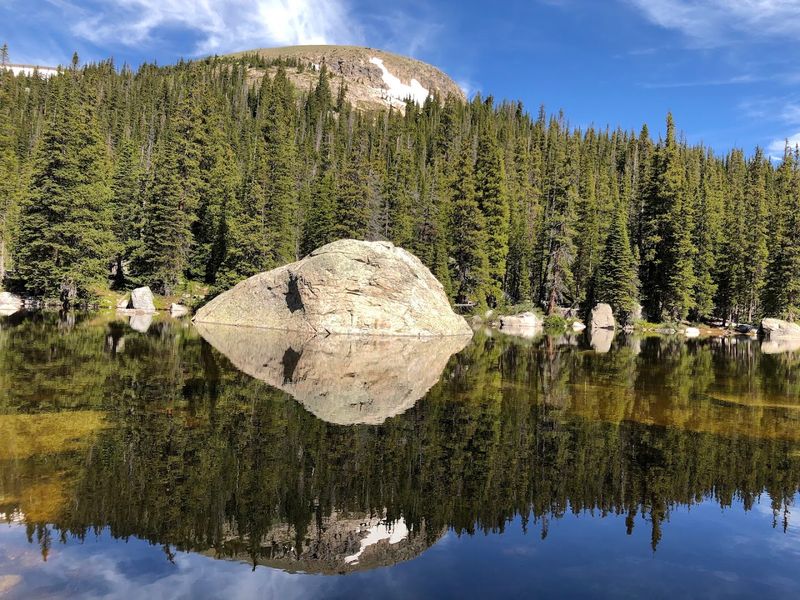
Most lakes get their names from geography or Indigenous languages. Lake Isabelle got its name from a love story, or at least a respectful tribute.
In 1908, a Boulder City engineer named the lake and the glacier above it after his wife, Isabelle. That detail adds a quiet warmth to an already beautiful place.
The lake’s history has a more practical dimension too. It functions as a reservoir due to water rights held by the Left Hand Ditch Company, which has held those rights since 1936.
That arrangement has real consequences for visitors who time their trip poorly.
By mid-to-late August each year, the lake is intentionally drained for irrigation purposes. The water level drops significantly, and what was once a gleaming alpine lake becomes a landscape of exposed mudflats.
Visiting in late summer without checking conditions first can lead to genuine disappointment. Colorado’s water rights system runs deep, and Lake Isabelle is a visible reminder that even the most beautiful places exist within practical human systems.
Wildlife That Steals The Show
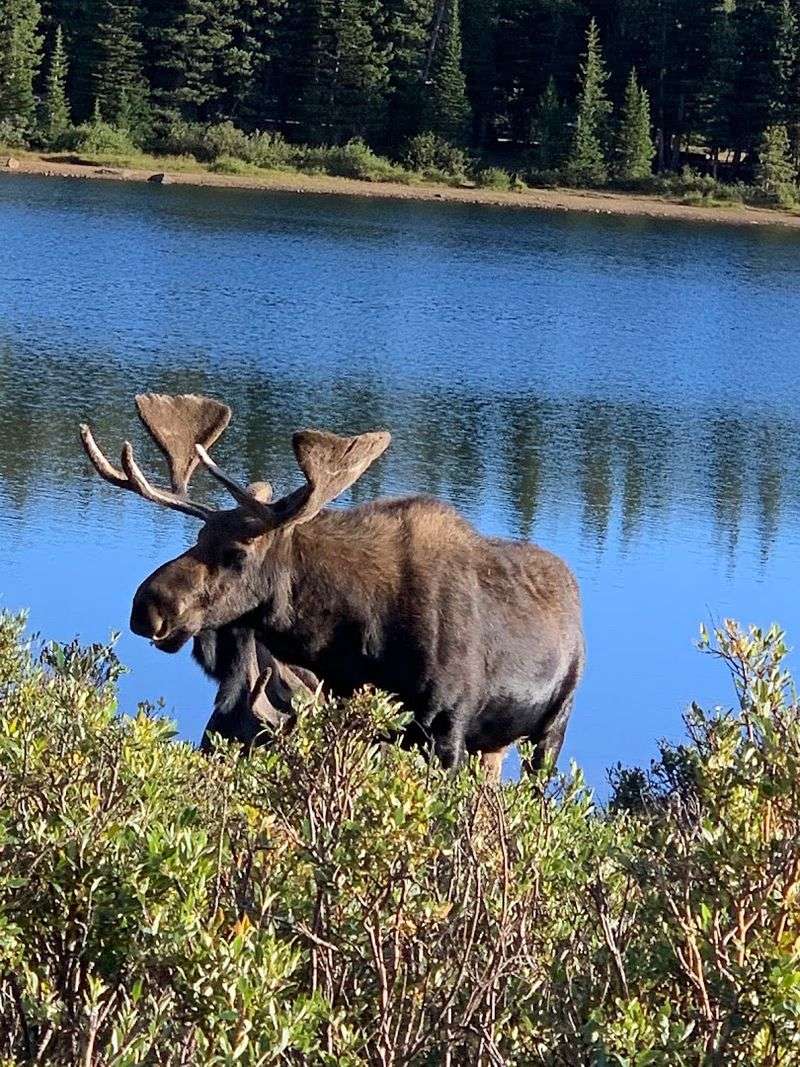
Moose sightings at this location are not rare. They are practically expected.
These enormous animals browse through the willow thickets near the lake and along the trail with a casual confidence that can catch hikers off guard. Keeping a safe distance is non-negotiable, as moose can be unpredictable when startled.
Elk and deer also move through the area regularly. Marmots pop up on rocky outcroppings and watch hikers pass with an almost comedic lack of concern.
Pikas, those small round mammals that look like oversized hamsters, dart between boulders and emit sharp warning calls.
Birdwatchers find plenty to occupy their binoculars as well. Gray Jays, American Three-toed Woodpeckers, and Dusky Grouse are among the species spotted in the surrounding forest.
The rich ecosystem surrounding the lake reflects the health of the Indian Peaks Wilderness as a whole. Wildlife here behaves like wildlife should, moving freely through a landscape that has not been overly disturbed by human activity.
That authenticity is increasingly rare and worth appreciating.
What The Seasons Do To This Place
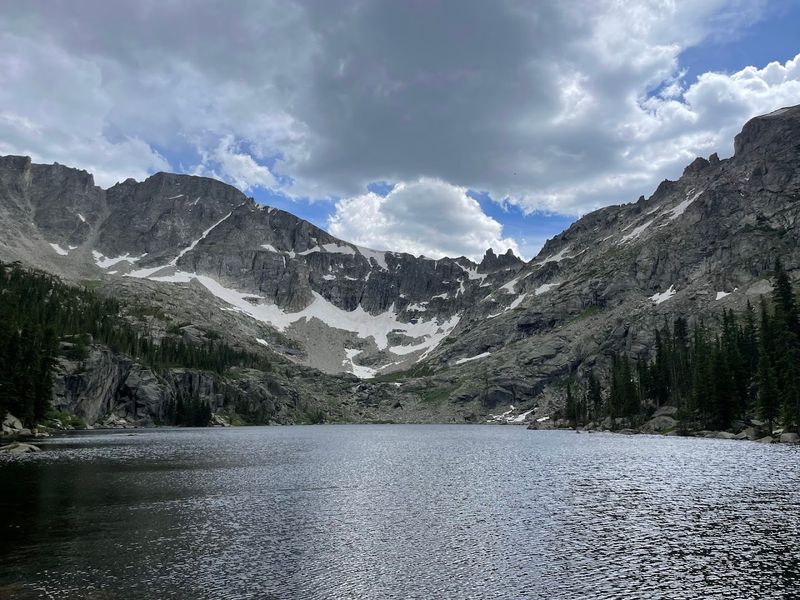
Late spring through early fall is the classic window for visiting, but each season reshapes the experience in ways that make repeat visits worthwhile. Early summer brings the most explosive wildflower displays.
Snow lingers on the peaks while color erupts across the meadows below, creating a contrast that photographers chase specifically.
Autumn strips the crowds away and replaces them with cooler air and a quieter atmosphere. The colors shift from green to gold as the season deepens.
However, the lake’s annual draining in late summer means timing matters more here than at most alpine destinations in Colorado.
Winter transforms the entire area into a snow-covered landscape that feels completely different from its summer version. The access road closes from roughly mid-October through mid-June, which means winter visitors must hike or ski a longer distance to reach the lake.
That extra effort filters out casual visitors and rewards those who make the journey with solitude that is genuinely hard to find anywhere else in the state.
Snowshoes, Skis, And Winter Solitude
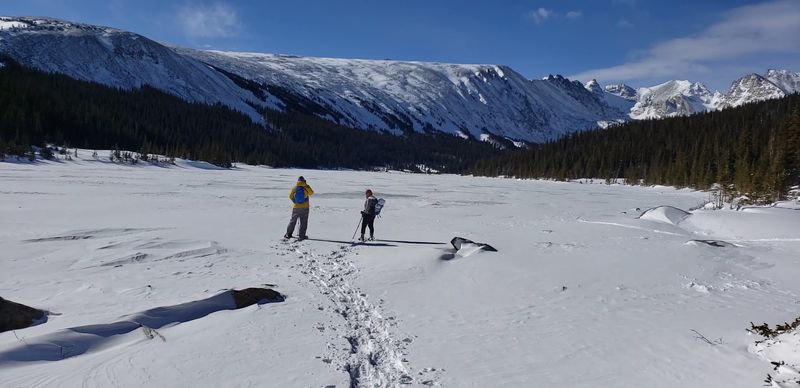
Winter at this elevation is not for the unprepared. When the road closes in mid-October, the only way to reach Lake Isabelle is on foot, snowshoes, or cross-country skis.
The extended approach adds distance to the journey, but it also adds something less quantifiable: silence.
Very few people make the winter trek. Those who do are rewarded with a frozen lake surrounded by snow-draped trees and peaks dusted in white.
The color palette shifts entirely. Everything is blue, grey, and white, and the effect is quietly stunning.
Proper gear is not optional in these conditions. Insulated waterproof clothing, crampons or snowshoes depending on trail conditions, and plenty of food and water are all essential.
Weather can change fast at nearly 11,000 feet, and what starts as a clear morning can become a snowstorm by early afternoon. Checking conditions before heading out and letting someone know the plan are basic safety steps that experienced winter hikers treat as habit rather than precaution.
Altitude Is Not Just A Number Here
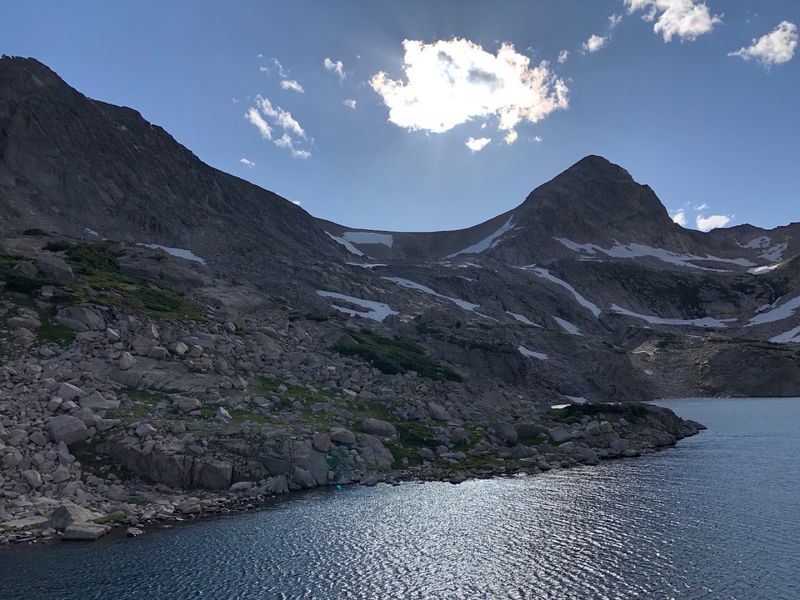
The numbers matter at this elevation. The Long Lake Trailhead starts at roughly 10,300 feet above sea level, and Lake Isabelle sits close to 11,000 feet.
For visitors arriving from lower elevations, those numbers translate into noticeable physical effects that can sneak up quickly.
Shortness of breath, mild headaches, and fatigue are common for people unaccustomed to high altitude. Slowing down the pace and drinking water consistently throughout the hike helps the body adjust.
Pushing too hard too fast at elevation is a common mistake that turns a pleasant outing into an uncomfortable one.
Afternoon thunderstorms build rapidly in Colorado’s mountain ranges, especially in summer. Clouds can roll in within minutes, and lightning above treeline is a serious concern.
Starting hikes early in the morning and planning to be off the exposed sections of trail before midday is a practical habit worth adopting. Drones are prohibited throughout the Indian Peaks Wilderness, which helps preserve the natural quiet that makes the area so appealing in the first place.
Fishing In An Alpine Frame
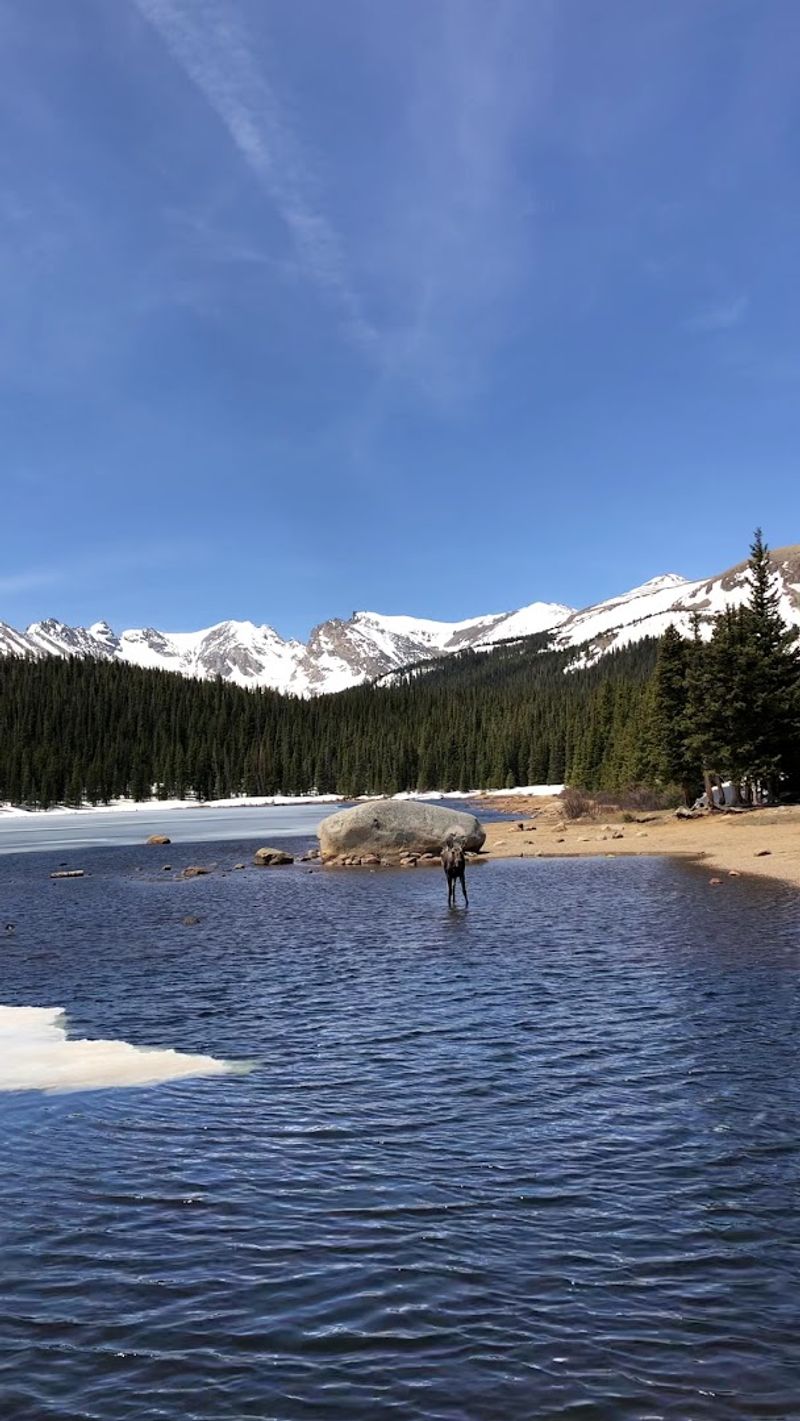
Quiet mornings at Lake Isabelle take on a different character for those who bring a fishing rod. Catch and release fishing is permitted in the lake, in nearby Long Lake, and in the streams that connect them.
The cold, clear water creates conditions that support good fishing opportunities for patient anglers.
Finding a spot along the shoreline is usually straightforward. The lake is not enormous, and its edges offer multiple places to set up without crowding other visitors.
The mountain backdrop turns a simple fishing trip into something that feels significantly more atmospheric than the average outing.
The catch-and-release requirement reflects the broader conservation ethic of the Indian Peaks Wilderness. Every rule in the area is designed to protect the ecosystem that makes the place worth visiting in the first place.
Anglers who respect those boundaries contribute to the long-term health of the lake. Colorado’s wilderness areas depend on that collective responsibility, and Lake Isabelle is one of the clearest examples of what thoughtful stewardship looks like in practice.
Practical Tips That Actually Make A Difference
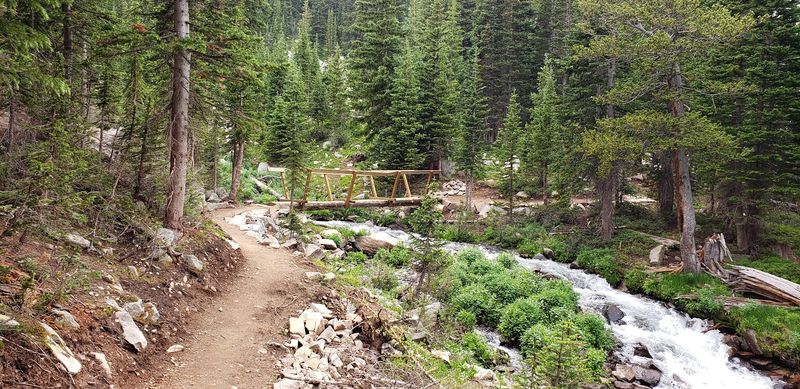
Reservations are not optional during peak season. The parking system at Brainard Lake Recreation Area fills up well in advance on weekends, and there is no cell reception on-site to make last-minute bookings.
Handling all reservations from home before the trip is the only reliable approach.
Layered clothing is essential regardless of the season. Morning temperatures at nearly 11,000 feet can feel cold even in July, and afternoon weather shifts quickly.
Sturdy hiking boots, sun protection, and more water than expected are all worth packing. Bug spray is also a practical addition, as mosquitoes can be persistent in the warmer months near the lake.
Dogs must stay leashed throughout the area at all times. Moose encounters are frequent, and an unleashed dog near a moose is a situation that can deteriorate very fast.
Downloading offline maps before leaving home is also strongly recommended. The combination of no cell reception and high-altitude weather variability means that preparation is not just helpful in Colorado’s mountain wilderness.
It is necessary for a safe and enjoyable visit.