
This Massachusetts Beach Town Is Getting Too Popular For Its Own Good
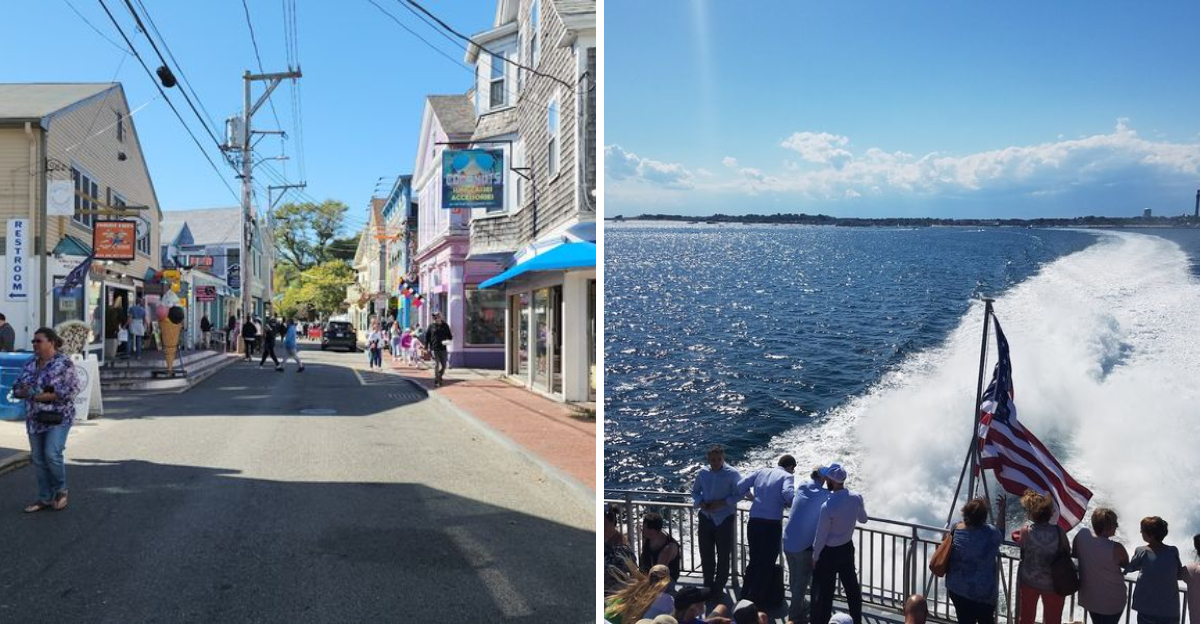
Remember when this Massachusetts beach town felt like your own secret? Those days might be over.
Word has spread fast, and now everyone seems to want a piece of this Cape Cod stretch of coastline. Main streets fill up early, restaurants post waits before noon, and parking turns into a small competitive sport.
Visitors come for the beaches, the art galleries, and that unmistakable creative energy that fills the air. But they also come for the sunsets, which somehow feel more dramatic here than almost anywhere else in the state.
Locals have mixed feelings watching their quiet corner turn into a must visit destination. Can a place stay charming once everyone knows about it?
So far, it seems to be holding on, even as crowds grow every summer. Just don’t expect an easy parking spot or a quiet dinner reservation without some planning ahead.
The Enduring Allure Of Land’s Edge
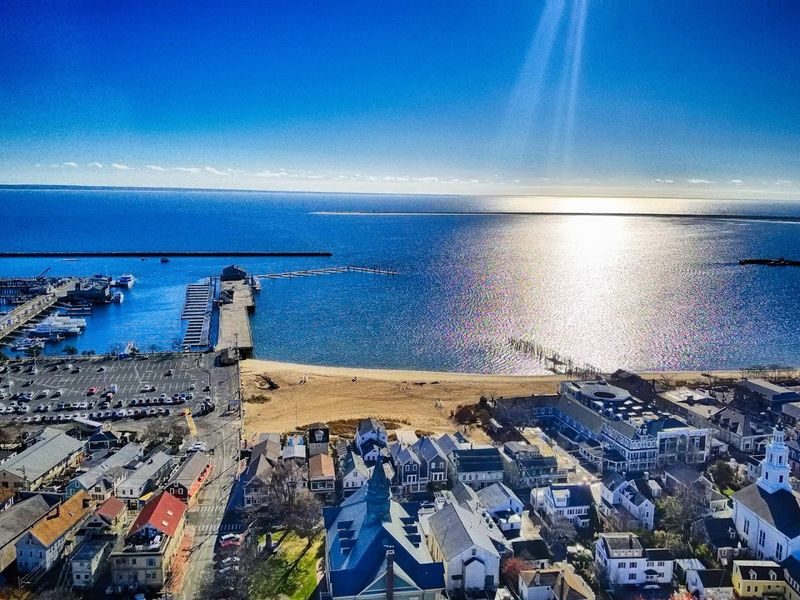
At the very tip of Cape Cod, where the land finally runs out of room and surrenders to the Atlantic, this town sits with a quiet confidence that has drawn people for centuries. The geography alone is remarkable.
The town occupies one of the most dramatically positioned spots on the entire Eastern Seaboard, a narrow strip of land curving into open ocean from nearly every direction.
The light here behaves differently than it does inland. Painters noticed this first, arriving in the early 1900s to capture the way the sun bounces off the water and spreads across the dunes in warm, diffused tones.
That quality of light remains unchanged, even as everything around it has shifted considerably.
Provincetown, Massachusetts sits at coordinates 42.0547 N, 70.1846 W, accessible by Route 6 or by ferry from Boston. Its position at land’s edge is not merely geographic.
It functions as a kind of psychological boundary, a place where the ordinary rules of daily life feel slightly suspended. That sense of being at the margin of the familiar world is precisely what keeps drawing people back, season after season, year after year.
A Canvas For Creative Souls
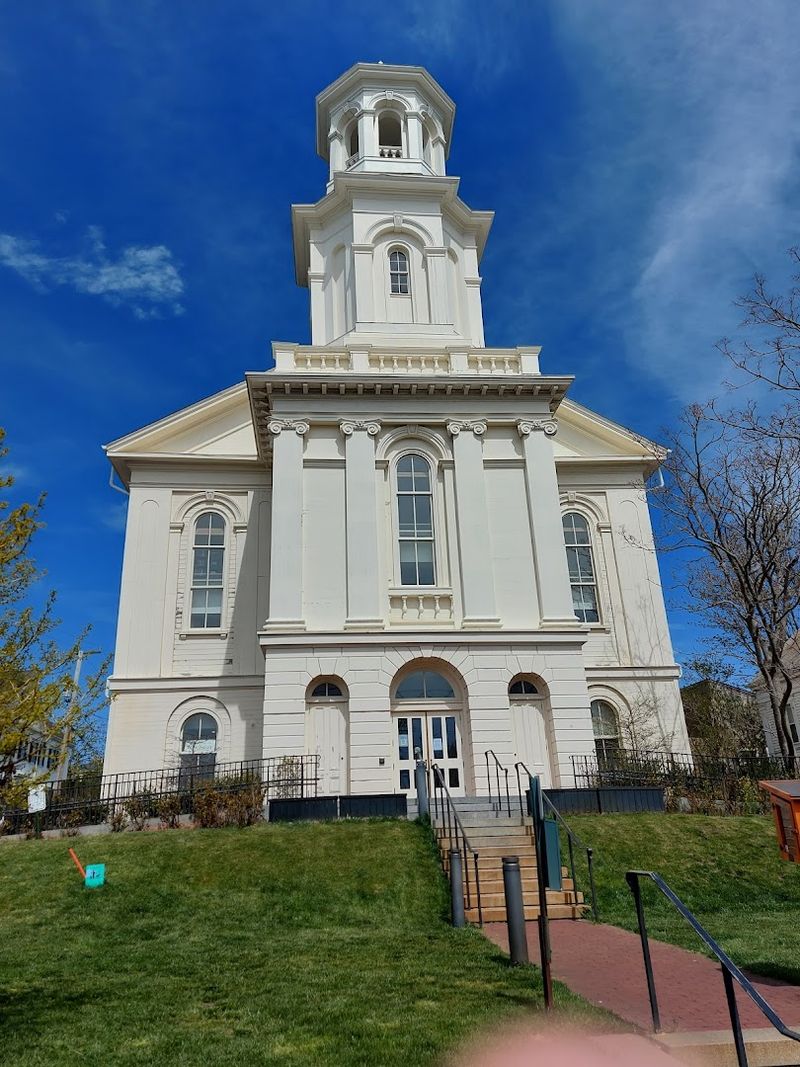
Provincetown has one of the longest-running artist communities in the United States, and that legacy is not simply a footnote in a travel brochure.
The Provincetown Art Association and Museum was founded in 1914 and continues to anchor a creative culture that has shaped the town’s identity for over a century.
Charles Hawthorne established his Cape Cod School of Art here in 1899, attracting students from across the country who wanted to learn how to paint in natural light. That original impulse grew into something far larger.
Abstract expressionists, printmakers, sculptors, and photographers all followed, turning the town into a genuine laboratory for American modern art.
Today, more than thirty galleries operate within the town’s compact boundaries, making it one of the most gallery-dense destinations in New England.
The creative energy is still present, though longtime artists have noted that rising property values and seasonal crowds have made it harder to sustain a working studio life year-round.
The tension between art as a living practice and art as a tourism commodity is one the town has not yet fully resolved, and probably never will.
Harbor Town, Welcoming Spirit
Long before the tourists arrived, Provincetown was a working harbor.
Portuguese fishermen from the Azores settled here in large numbers during the 19th century, building a fishing industry that at one point made Provincetown one of the busiest ports in Massachusetts.
Their influence is still visible in the architecture, the food, and the surnames on local storefronts.
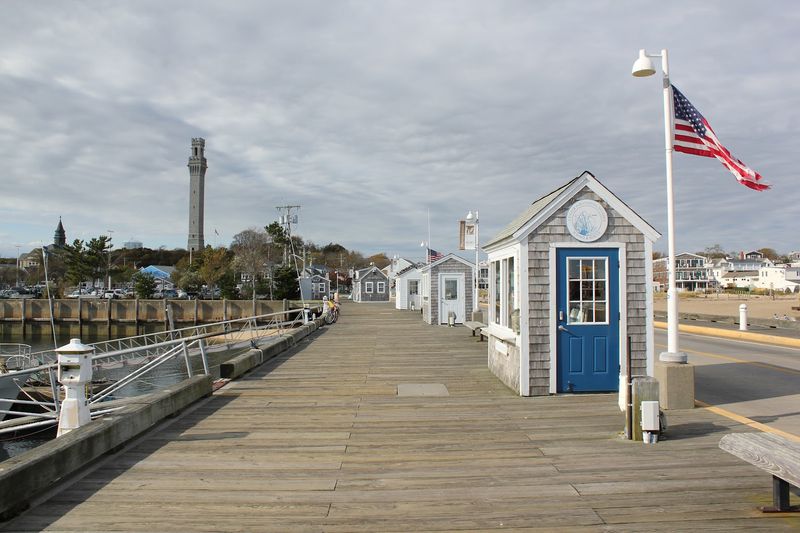
The harbor itself remains one of the most picturesque in New England. Fishing vessels share the water with whale-watching boats, kayakers, and the high-speed ferry that arrives from Boston carrying day-trippers by the hundreds.
MacMillan Pier, the town’s central wharf, handles all of this traffic with a certain organized chaos that feels entirely appropriate for a place built on the rhythms of the sea.
Visitors Keep Coming And The Tide Is Shifting
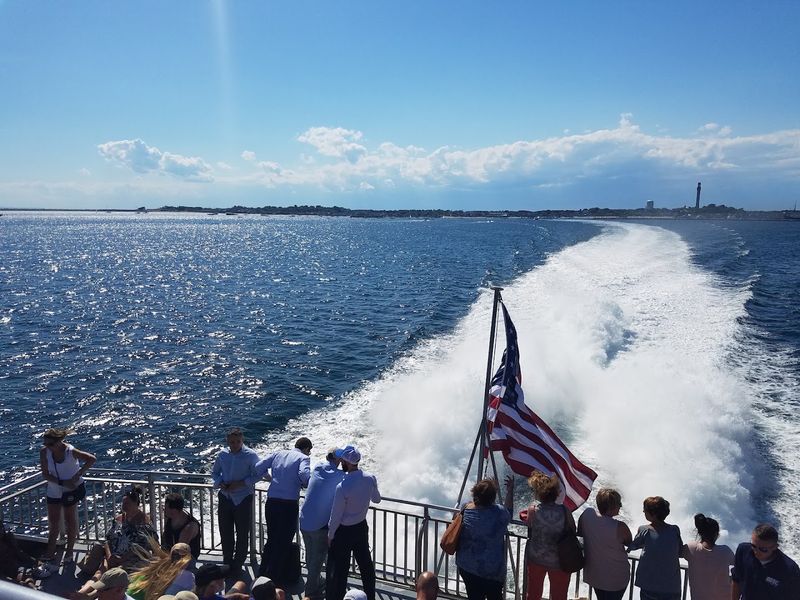
Summer in Provincetown has always been busy. But the scale of visitor traffic in recent years has crossed into territory that longtime residents describe with a mixture of pride and exhaustion.
Peak weekends in July and August now bring crowds that strain the town’s infrastructure in ways that were simply not anticipated when the roads, parking areas, and water systems were originally designed.
The numbers are striking. Provincetown covers just under 9,000 acres and has a year-round population of roughly 3,000 people.
During summer, that population can swell to 60,000 or more on a single weekend. The math creates predictable problems.
Parking becomes nearly impossible. Restaurants operate with hour-long waits.
The ferry from Boston sells out days in advance.
Local business owners occupy an uncomfortable position in this dynamic. More visitors means more revenue, and many shops and restaurants depend entirely on the summer season to sustain a full year of operations.
At the same time, the sheer volume of foot traffic accelerates wear on buildings, beaches, and the general quality of daily life. The question of how much popularity is too much does not have a simple answer, but Provincetown is living it in real time.
Once The Crowds Leave, A Slower Pulse Takes Over
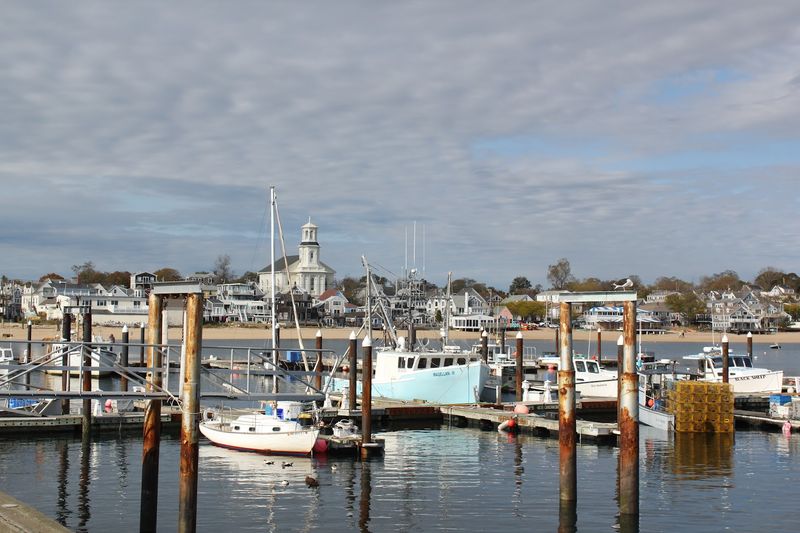
Ask anyone who has spent a winter in Provincetown and they will describe a place that feels almost unrecognizable from its summer self. The population drops dramatically.
Shops close their shutters. The ferry service reduces to a trickle.
What remains is something quieter and, many would argue, truer to the town’s actual character.
The year-round community is small but deeply rooted. Teachers, fishermen, artists, town employees, and small business owners make up the backbone of a community that has to function through months of near-isolation.
The winters here are genuinely cold and windy, shaped by the open ocean exposure that makes the summer light so beautiful and the January winds so unrelenting.
There is a particular social closeness that develops among people who choose to stay through the off-season.
The same faces appear at the post office, the year-round diner, and the town meetings where decisions about Provincetown’s future get made by the people who actually live with the consequences.
As summer crowds grow larger each year, the year-round residents find themselves increasingly protective of the quieter version of their town, the one that exists from October through May, largely unseen by the outside world.
Commercial Street’s Evolving Tapestry
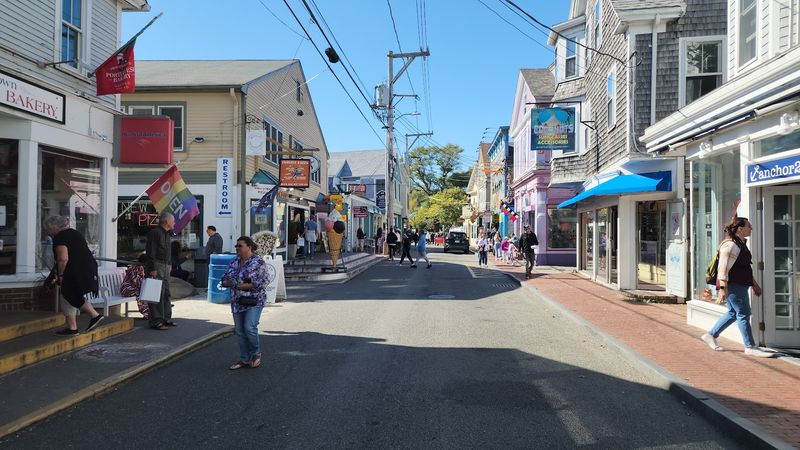
Commercial Street runs the length of Provincetown’s waterfront for roughly three miles, and walking its full length is one of the better ways to understand the town’s layered personality.
The street is narrow by design, built for a time when foot traffic and horse-drawn carts were the primary modes of getting around.
Today, it accommodates cars, bicycles, pedestrians, and the occasional performer in a space clearly not built for all of them simultaneously.
The storefronts along Commercial Street tell a story of gradual transformation. Longtime locally-owned shops have, in some stretches, given way to higher-end boutiques and restaurants that cater specifically to the seasonal visitor market.
The shift is not total, and pockets of genuine local character persist, but the economic pressure is real and visible.
What makes Commercial Street still worth exploring, even at peak season, is its sheer variety. Within a single block you might find a working pottery studio, a Portuguese bakery, a contemporary art gallery, and a drag cabaret advertising its evening show.
The street has a theatrical quality that is entirely organic, not manufactured for tourism but simply the natural result of decades of creative, unconventional people building their lives in one very small, very particular place.
Preserving Character Amidst Prosperity

Provincetown’s built environment is one of its most underappreciated assets. The town contains a remarkable concentration of 18th and 19th century wooden structures, many of them remarkably intact.
The Provincetown Historic District reflects generations of architectural care, and the town’s relatively modest footprint has actually worked in its favor, limiting the kind of sprawling development that has altered so many other coastal communities.
Preserving that character while managing economic growth is a challenge that the town government and local organizations take seriously.
The Provincetown Historic District Commission reviews proposed changes to structures within designated areas, working to maintain visual continuity even as the pressures of real estate investment push toward modernization.
Property values have risen sharply, making it difficult for long-term residents and small business owners to hold on.
The conversation about what Provincetown should preserve and what it should allow to change is ongoing and often heated. Some argue that a living town must be allowed to evolve, that freezing a place in amber serves nostalgia more than community.
Others point out that once the original character is lost, no amount of restoration can fully recover it.
Both perspectives carry genuine weight, and neither offers a comfortable resolution to a problem that only grows more pressing with each record-breaking summer season.
The Coastal Grandeur Beyond The Bustle
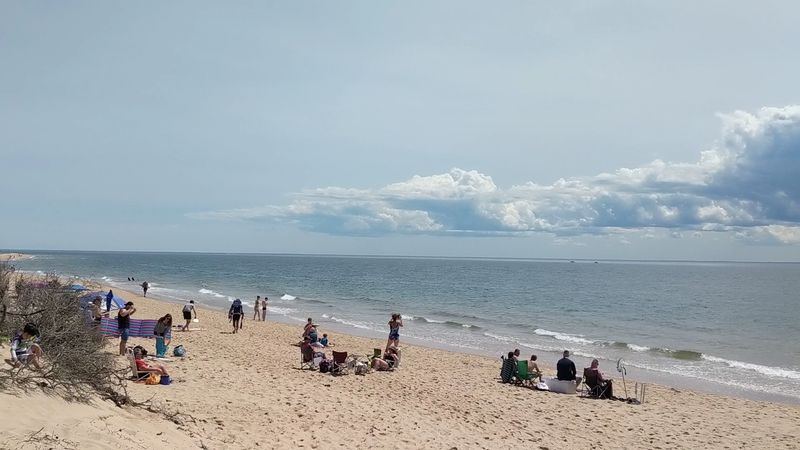
Just beyond the edges of town, the landscape opens up into something genuinely vast.
The Cape Cod National Seashore, established in 1961, protects more than 43,000 acres of beaches, dunes, marshes, and ponds, much of it directly adjacent to Provincetown.
The Provincelands area within the seashore contains some of the most dramatic dune formations on the Atlantic Coast, shaped by centuries of wind and shifting sand.
Race Point Beach offers a quality of solitude that seems almost improbable given how crowded the town center can become just a short drive away.
The beach faces north and west, which means the sunsets here are genuinely extraordinary, with the sun dropping directly into the water in a display that requires no photographic enhancement to be impressive.
Herring Cove Beach, slightly more accessible and therefore somewhat busier, offers calmer waters and a more gradual entry, making it popular with families and swimmers.
Both beaches are managed by the National Park Service and remain free of commercial development, a fact that feels increasingly precious as coastal real estate values continue their relentless climb.
The natural setting is the town’s most durable asset, and also its most vulnerable.
Seeking Solace In The Outer Reaches
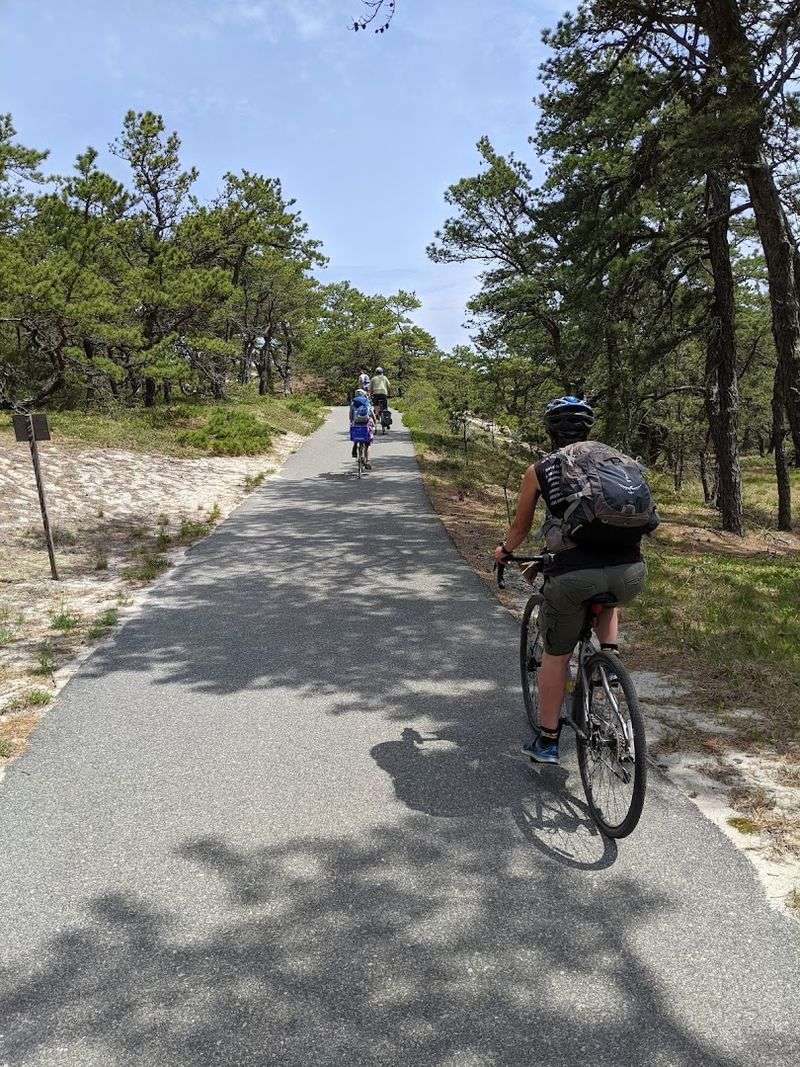
For those willing to move away from Commercial Street and the harbor, Provincetown reveals a quieter, more contemplative version of itself.
The Provincelands Bike Trail offers roughly eight miles of paved path winding through the dune landscape of the Cape Cod National Seashore, passing through pitch pine forests, over rolling dune crests, and out to the open beaches at Race Point and Herring Cove.
The trail is accessible from the Province Lands Visitor Center on Race Point Road, which also provides maps, ranger programs, and a rooftop observation deck with panoramic views across the dune landscape.
On a clear day, the view from that deck is one of the finest available to anyone without a plane or a boat, stretching from the Atlantic in one direction to Cape Cod Bay in the other.
Whale watching excursions departing from MacMillan Pier offer another form of escape from the summer crowds.
The waters off Provincetown sit within Stellwagen Bank National Marine Sanctuary, one of the most productive feeding grounds for humpback, finback, and minke whales on the entire East Coast.
The experience of watching a humpback surface fifty feet from a small vessel tends to reset a person’s sense of proportion rather effectively, and reminds visitors what this landscape is ultimately about.