
This Florida Roadside Stand Has Peach Cobbler Travelers Cannot Stop Talking About
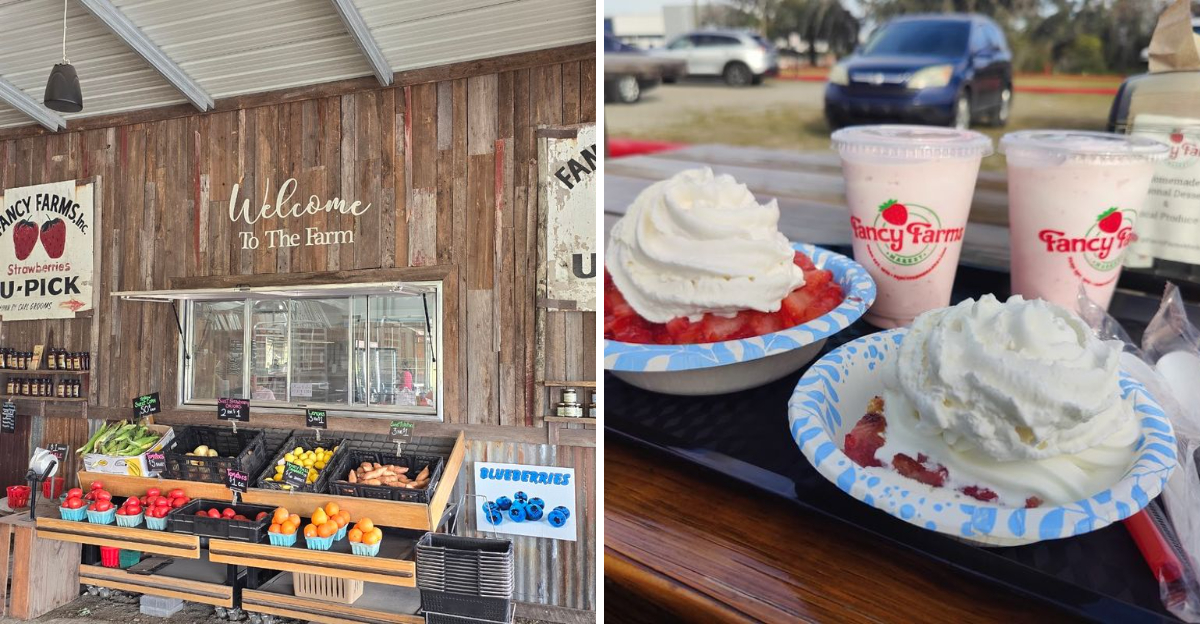
Peach season does not last long, and that is exactly why this dessert causes such a stir. For a few sweet weeks each year, travelers steer toward a family-run farm stand where warm cobbler comes loaded with fruit picked nearby.
The filling is bright, juicy, and just tart enough, while the golden topping soaks up every bit of syrup. Nothing feels overworked or dressed up.
It tastes like summer, served by the scoop. Florida drivers know the window is short, so they plan the trip, bring a cooler, and hope the cobbler has not sold out.
Once peach season ends, the waiting begins again. That limited run turns a farm dessert into one of the state’s most tempting seasonal traditions.
Peach Cobbler Returns For A Short Season
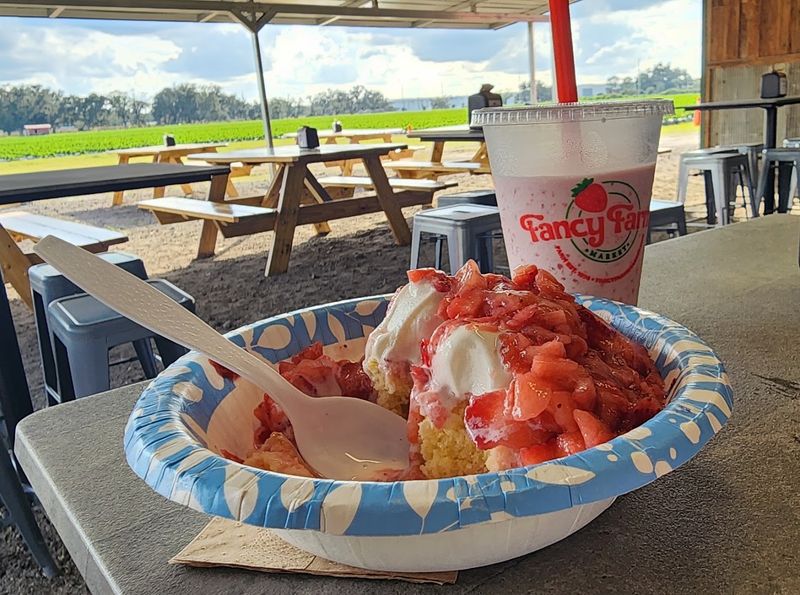
Summer brings something special to Fancy Farms Market that fans mark on their calendars months in advance. Peach season lasts only a handful of weeks, and the cobbler made from these fruits disappears almost as quickly as it arrives.
The limited availability creates an annual pilgrimage for dessert lovers who know that missing the window means waiting another full year.
The farm announces peach season through social media, and within hours, cars start lining up along Drane Field Road. Smart visitors call ahead or check the website to confirm the cobblers are still available.
Some people buy multiple servings to freeze at home, hoping to extend the season just a little longer.
This brief window makes every bite feel more precious. The farm could probably sell peach cobbler year-round using imported fruit, but they refuse to compromise on quality or tradition.
Juicy Peaches Meet A Golden Cobbler Topping
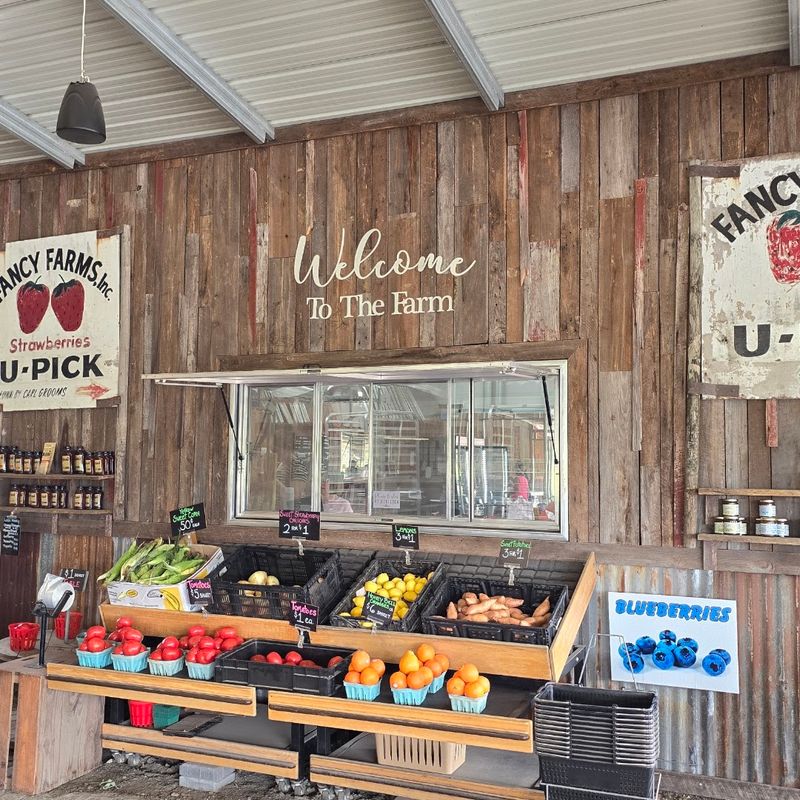
The cobbler at Fancy Farms Market follows a recipe that balances fruit and pastry in perfect harmony. Thick slices of ripe peaches fill the bottom layer, releasing their natural juices as they bake.
The topping forms a golden crust that stays crispy on top while absorbing just enough fruit syrup underneath to create pockets of sweet, peachy goodness.
Each serving arrives warm, often still bubbling around the edges. The peaches themselves taste like concentrated sunshine, their flavor intensified by the baking process.
A scoop of vanilla ice cream melts slowly across the top, creating a hot-and-cold contrast that makes every spoonful interesting.
Located at 5204 Drane Field Rd, Lakeland, Florida, the market prepares cobblers throughout the day to keep up with demand. The kitchen uses minimal sugar, letting the natural sweetness of tree-ripened peaches carry the dessert.
Every Dessert Is Made At The Market
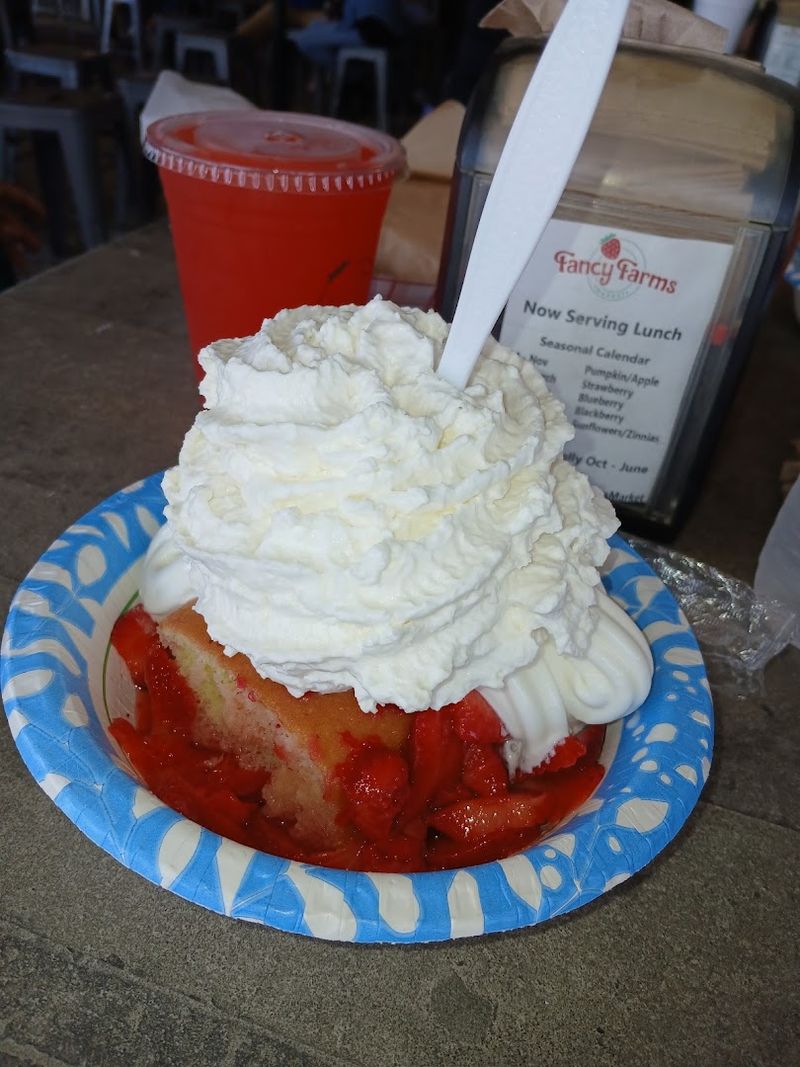
Walking up to the covered outdoor market area, visitors can often smell desserts baking before they even see the stand. Fancy Farms Market operates a full kitchen on-site, and everything served comes from recipes developed over decades.
The family refuses to outsource their baking or bring in premade items, even during the busiest weekends.
This commitment to making everything fresh means the menu stays manageable and focused. During peach season, the kitchen concentrates on perfecting cobblers, milkshakes, and lemonades rather than offering dozens of mediocre options.
The staff can explain exactly what goes into each dessert because they watched it being made that morning.
The hands-on approach also allows for flexibility. If the peaches come in especially sweet one week, the bakers adjust the sugar accordingly.
If a batch of fruit ripens unevenly, they sort through every piece to ensure only the best make it into desserts.
The Menu Changes With Each Harvest
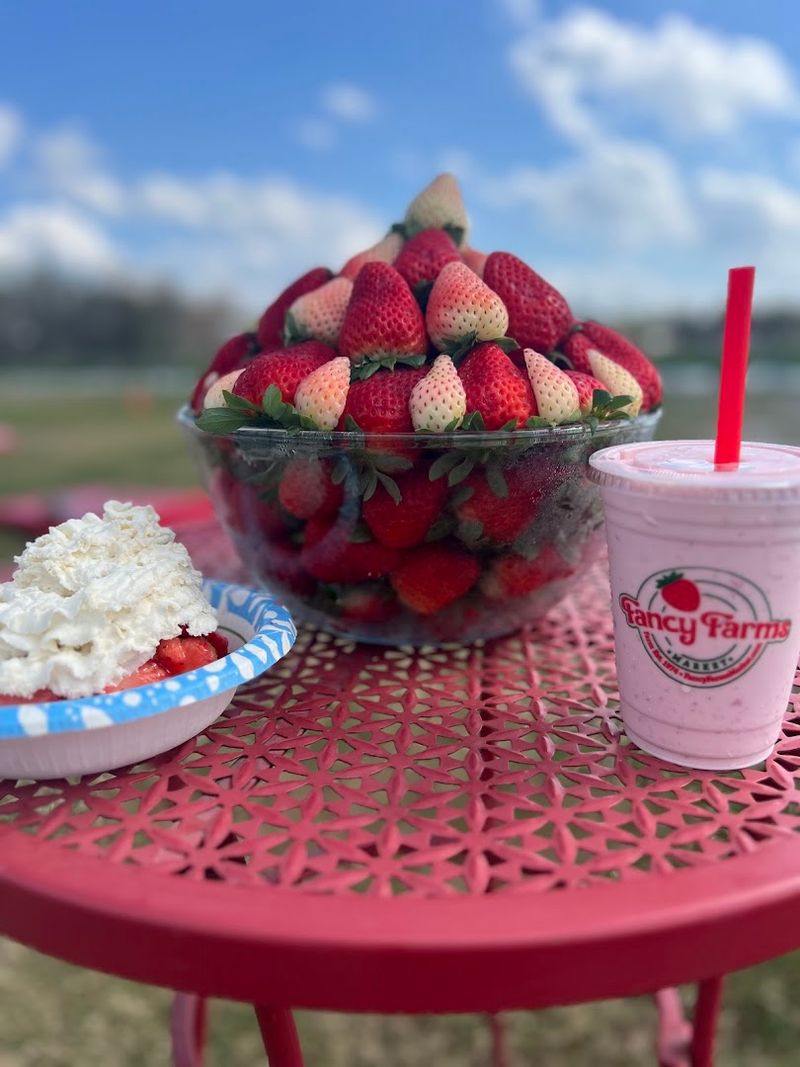
Fancy Farms Market operates on nature’s schedule, not a corporate calendar. Strawberries dominate the menu from January through March, followed by blueberries in late spring.
Peaches arrive in early summer, and occasionally blackberries make a brief appearance. The rotating selection keeps regular customers coming back throughout the year to see what’s currently available.
This seasonal approach means the staff becomes experts in whatever fruit is currently growing. During strawberry season, they can recommend the best variety for shortcake versus milkshakes.
When peaches arrive, they know which ones work better for cobbler and which should go into lemonade.
The farm posts updates regularly so travelers can plan their visits around specific fruits. Some people prefer the strawberry milkshakes above all else, while others wait specifically for peach season.
The changing menu creates a sense of occasion around each visit.
Peach Milkshakes Join The Seasonal Lineup
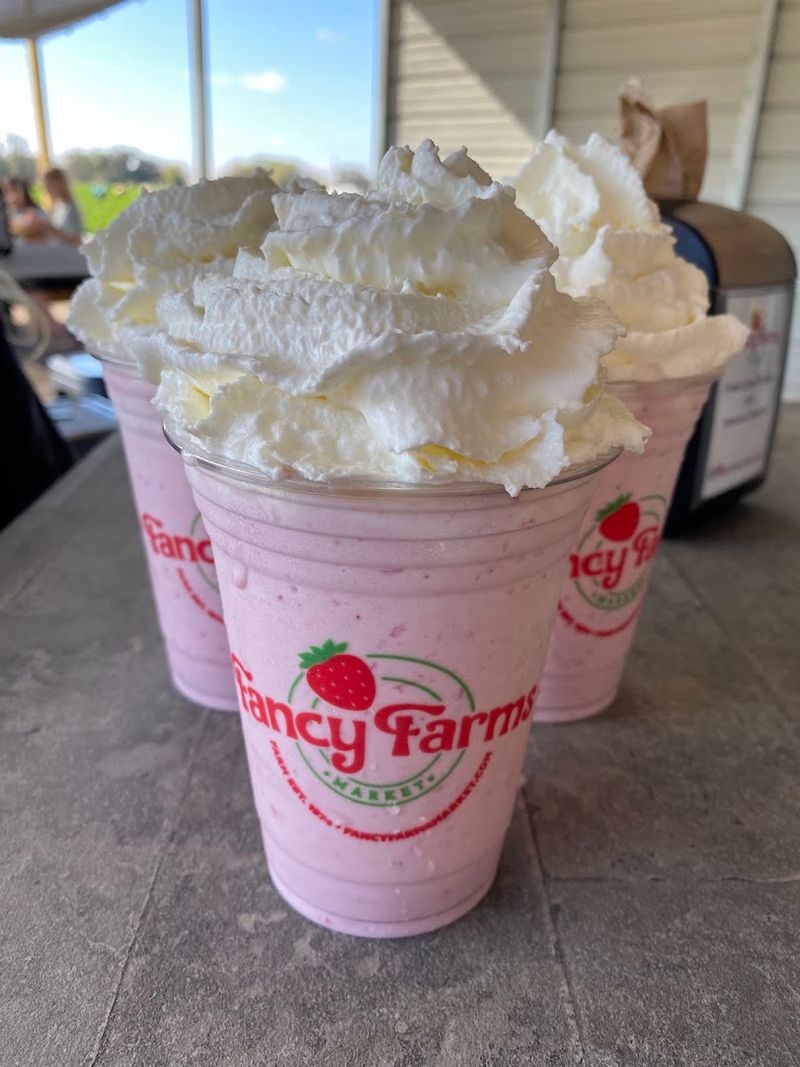
For those who want their peaches cold instead of warm, the farm offers milkshakes that rival the famous cobbler. Real peach chunks get blended with vanilla ice cream until the mixture reaches a thick, spoonable consistency.
The result tastes like frozen peach pie without the crust.
The milkshakes use the same quality fruit that goes into the cobbler, meaning they carry that genuine farm-fresh flavor. Nothing about them tastes artificial or syrupy.
The natural peach color ranges from pale yellow to deeper orange depending on the variety currently being harvested.
Many visitors order both a milkshake and a cobbler, enjoying the contrast between hot and cold versions of the same fruit. The shakes also travel better for people who want to enjoy something on the drive home.
The farm serves them in sturdy cups with tight lids, perfect for sipping while navigating Florida’s back roads.
Fresh Produce Fills The Roadside Market
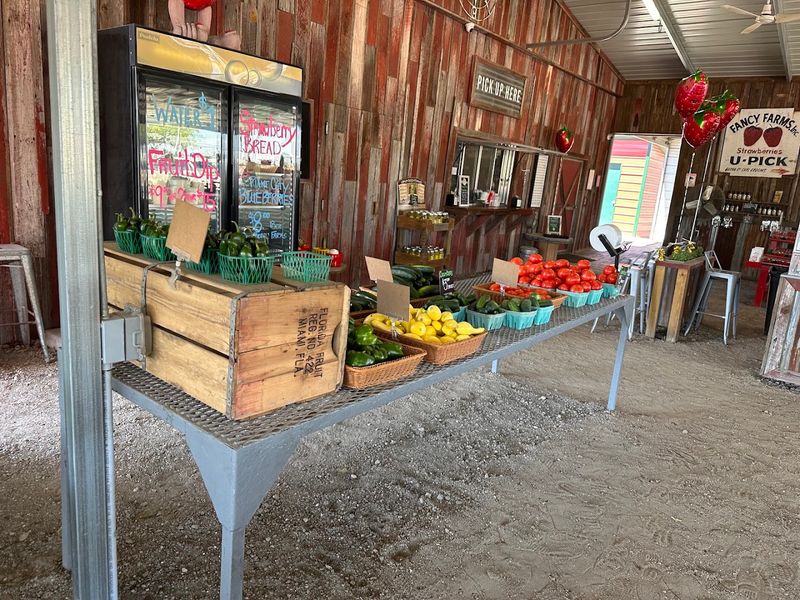
Beyond the famous desserts, Fancy Farms Market functions as a legitimate produce stand selling whatever the farm currently grows. During peak season, flats of strawberries stack high, their red color visible from the road.
The fruits available for purchase are the same ones going into the kitchen for cobblers and shakes.
The market also carries vegetables and other items sourced from nearby farms when their own fields are between crops. Everything gets selected for quality, and the staff knows the origin of every product.
Customers can ask questions about growing methods, harvest dates, and storage recommendations.
Many people stop initially for dessert but leave with bags of fresh produce. The strawberries in particular have earned a reputation for being sweeter and firmer than grocery store versions.
Buying directly from the farm means the fruit was likely picked within the past day or two, not shipped across the country.
Lunch Gives Travelers Another Reason To Stop
Fancy Farms Market expanded beyond desserts to offer a small lunch menu that gives travelers a reason to make the stop a full meal. Cuban sandwiches have become particularly popular, featuring slow-roasted pork, ham, Swiss cheese, pickles, and mustard pressed between crusty bread.
The sandwiches come in half or full sizes, perfect for lighter appetites.
Salads incorporate whatever produce is currently at peak freshness. During strawberry season, the strawberry salad combines mixed greens, berries, candied pecans, and a light vinaigrette.
A shredded pork sandwich offers another savory option for those who want something substantial before diving into dessert.
The lunch offerings are deliberately limited, focusing on a few items done well rather than an overwhelming menu. Everything is reasonably priced, and portions are generous.
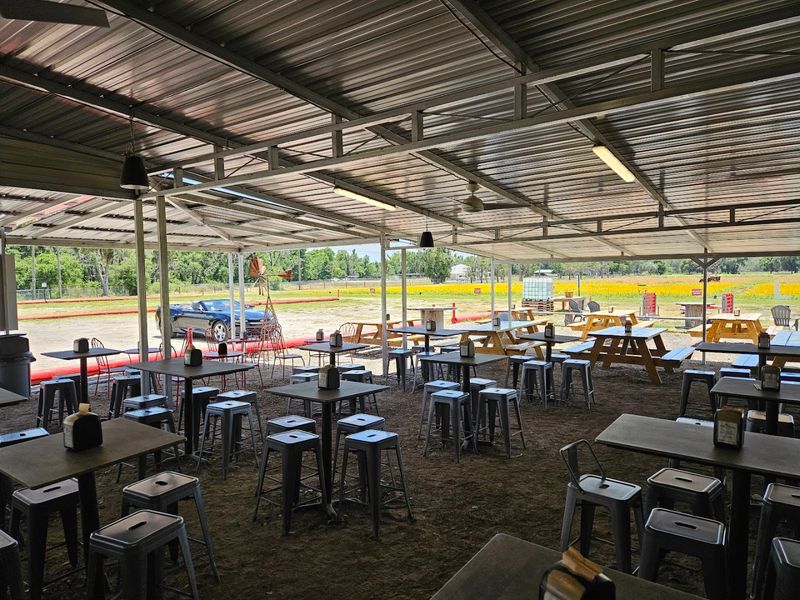
Covered seating areas provide shade, and the dirt-floor atmosphere adds to the authentic farm experience.
The Family Farm Began In 1974
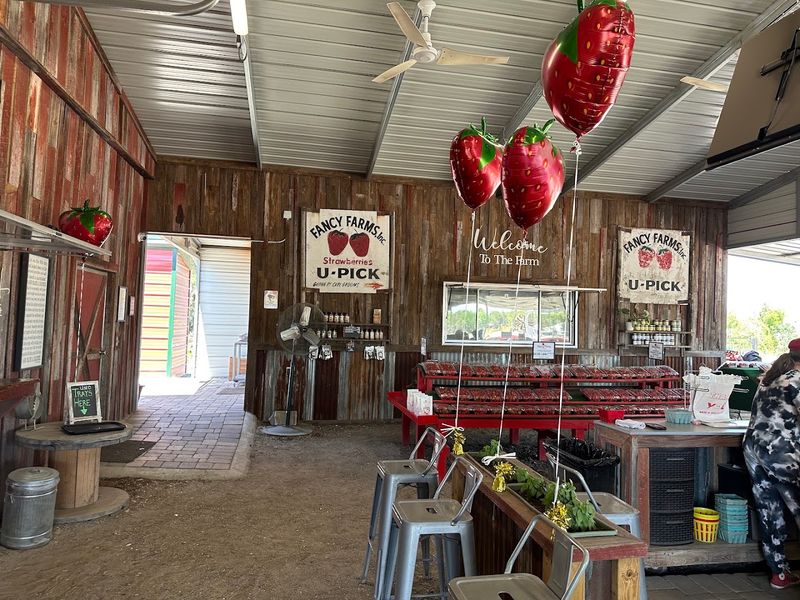
Fancy Farms Market started nearly five decades ago when the family planted their first strawberry fields. The original operation was modest, selling berries from a simple roadside table.
Back then, Lakeland’s eastern edges were less developed, and Drane Field Road saw mostly local traffic rather than the steady stream of visitors it attracts today.
The family built their reputation slowly, one satisfied customer at a time. Early on, they realized that quality mattered more than quantity, and that lesson continues to guide their decisions.
They could have expanded faster or franchised their success, but they chose to stay small and hands-on.
The farm’s longevity speaks to their ability to adapt while maintaining core values. They added new crops, built the market building, and developed the dessert menu, all while keeping the focus on fresh, local, and delicious.
That 1974 start date represents decades of learning what works.
Four Generations Keep The Farming Tradition Alive
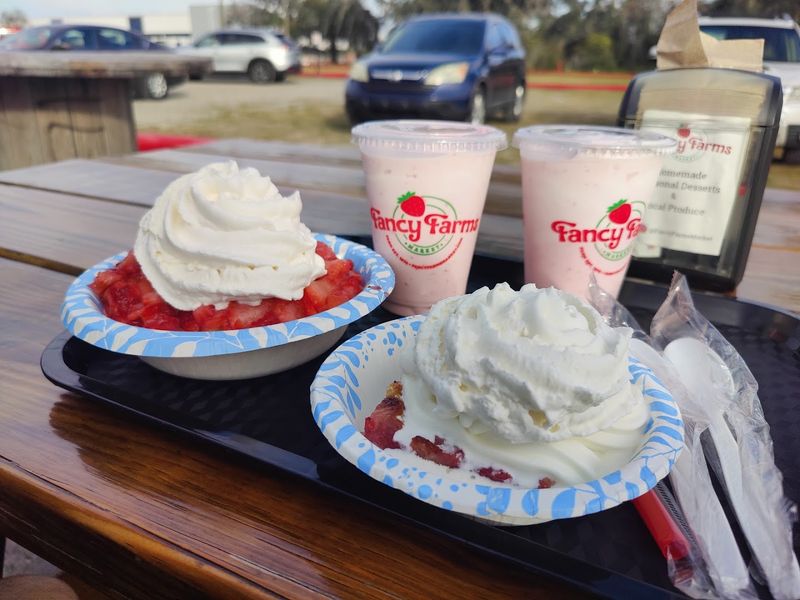
Walking through Fancy Farms Market, visitors might encounter family members ranging from grandparents to young grandchildren, all contributing to the operation. This multi-generational involvement ensures that knowledge passes down directly, along with the recipes and farming techniques that make the place special.
The youngest generation grows up understanding the work behind every strawberry and peach.
Having four generations involved also means different perspectives shape the business. Older family members maintain traditional methods and recipes, while younger ones handle social media and modern marketing.
The combination keeps the farm rooted in its heritage while staying relevant to contemporary customers.
The family’s visible presence distinguishes Fancy Farms from corporate farm stands. Customers often buy desserts from the same people who picked the fruit that morning.
This direct connection builds trust and loyalty that no advertising campaign could replicate.
A Small Strawberry Farm Grew To Nearly 140 Acres
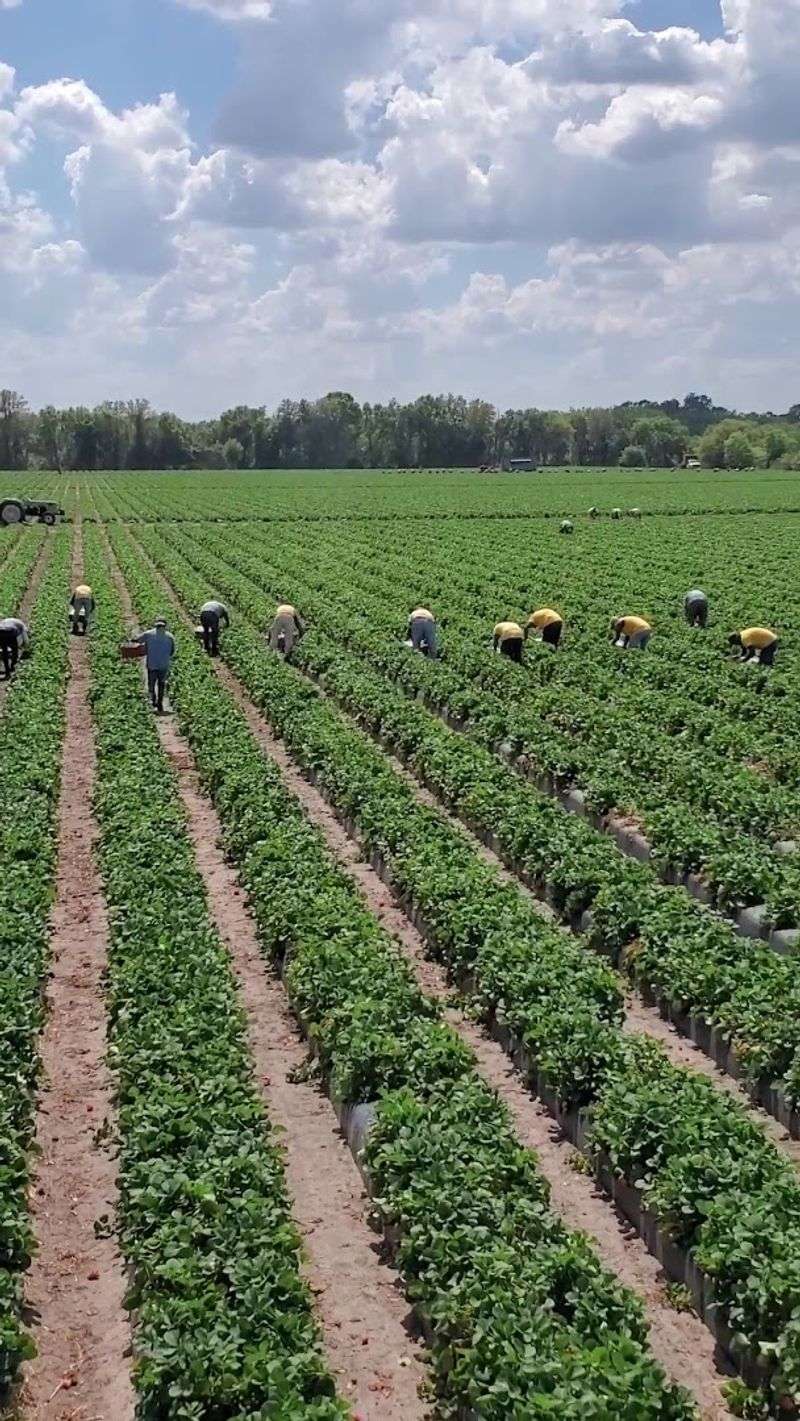
What began as a few strawberry rows in 1974 has expanded into a substantial agricultural operation covering close to 140 acres. The growth happened gradually as the family reinvested profits and acquired adjacent land.
Today, the farm rotates crops across different fields, ensuring soil health while maximizing production throughout the year.
The acreage includes dedicated strawberry fields that produce from late fall through early spring, plus sections for blueberries, peaches, and seasonal flowers. The farm also offers U-pick opportunities during certain times, allowing visitors to harvest their own strawberries or cut their own zinnias and sunflowers.
These experiences attract families looking for activities beyond just buying produce.
Managing nearly 140 acres requires careful planning and hard work. The family coordinates planting schedules, irrigation, pest management, and harvest timing to keep fresh fruit flowing into the market almost year-round.
The size allows them to supply their own market while also selling to local restaurants and stores.