
This Iowa Supper Club Serves Walleye So Good It Competes With Northern Favorites
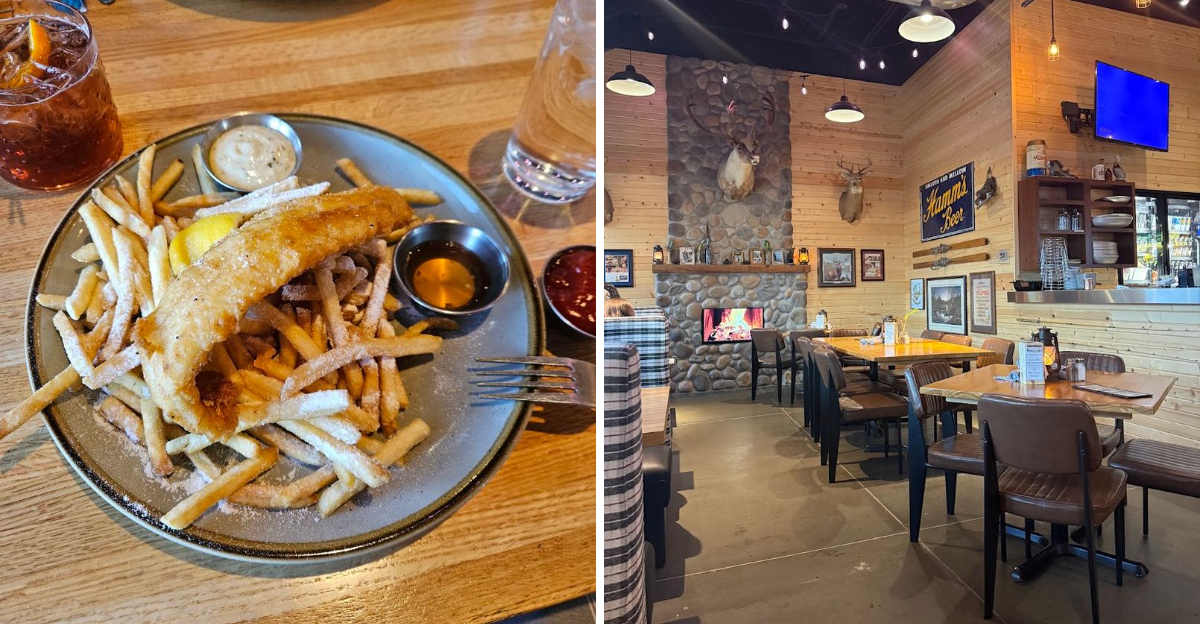
Walleye pride runs deep in Minnesota and Wisconsin, so an Iowa plate has to work hard to earn respect. Here, the fish arrives with a crisp golden shell, tender flakes, and enough flavor to make Northwoods loyalists reconsider the map.
The dining room leans into classic supper club traditions without feeling stuck in the past, pairing familiar comfort with careful seafood cooking. Every bite delivers the satisfying crunch diners expect, followed by moist, delicate fish that never disappears beneath the coating.
Add the relaxed lodge-inspired atmosphere and the meal feels like a northern getaway without the hours behind the wheel or a full tank of gas. For anyone craving serious walleye closer to home, this stop makes a convincing case.
The Walleye Arrives Crisp And Flaky
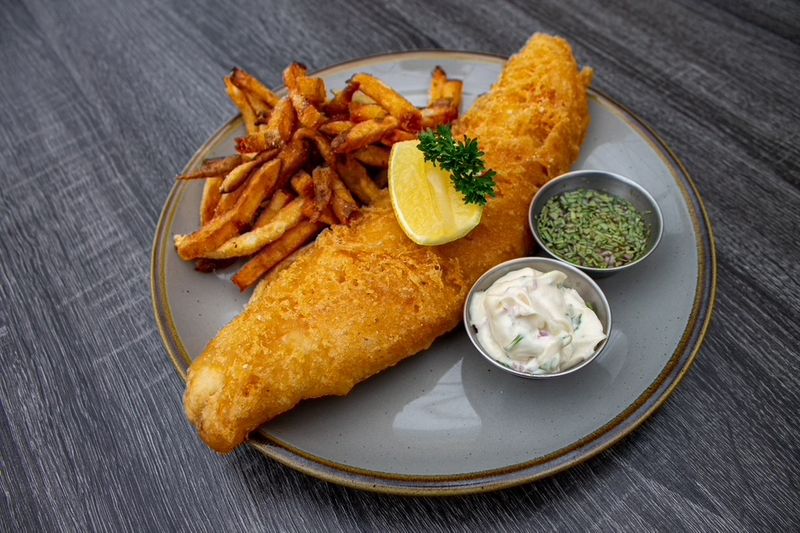
Walleye prepared properly requires attention to temperature, timing, and the quality of the fish itself. At Guesthouse Tavern + Oyster, the kitchen treats this Midwestern favorite with the respect it deserves.
The exterior achieves that satisfying crunch while protecting the delicate white flesh inside.
Each piece arrives at the table with a golden coating that shatters under a fork. The fish itself remains moist and tender, never overcooked or dry.
The mild flavor of walleye allows the preparation to shine without overwhelming the natural taste of the fish.
Diners who grew up eating walleye in Minnesota cabins or Wisconsin fish fries often compare this version favorably to their childhood memories. The restaurant sources quality fish and executes the cooking with precision.
You can find Guesthouse Tavern + Oyster at 9500 University Ave Ste 1118, West Des Moines, where the walleye consistently delivers on its reputation as a standout menu item.
Salt And Vinegar Fries Complete The Plate
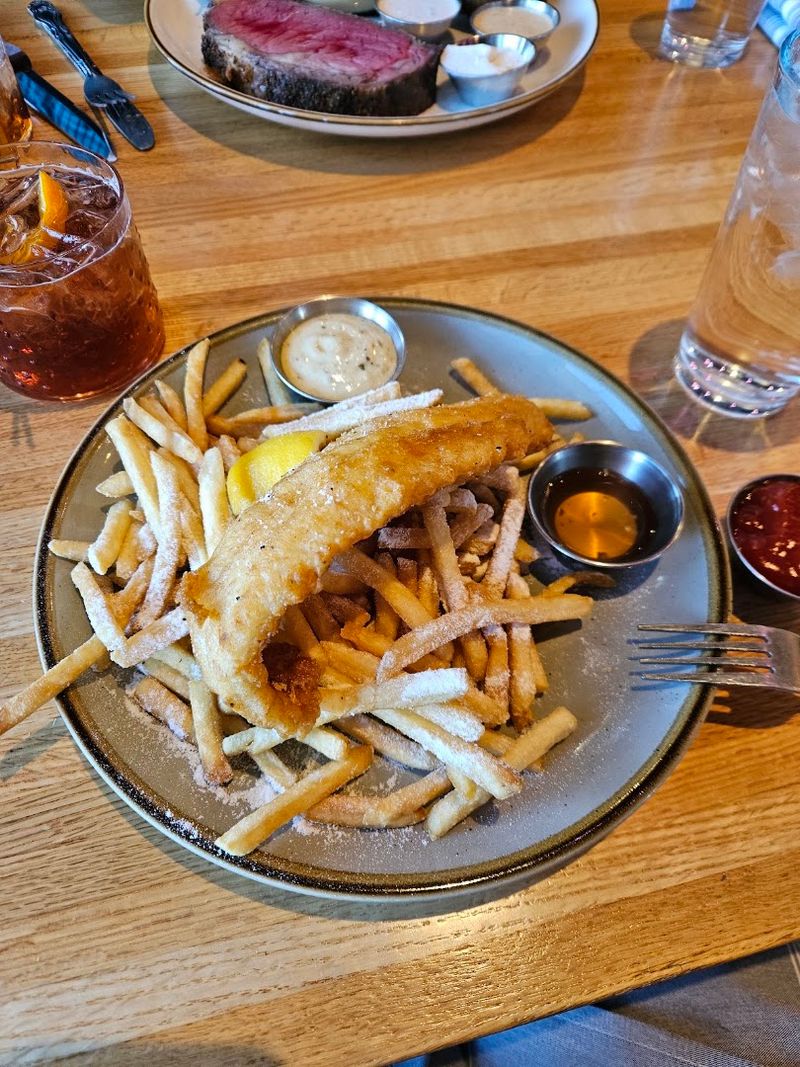
Fries might seem like a simple accompaniment, but the salt and vinegar version at Guesthouse elevates the entire meal. The tangy bite cuts through the richness of fried fish in a way that standard fries cannot match.
These are not merely sprinkled with flavoring after cooking.
The vinegar penetrates the crispy exterior while the salt balances the acidity perfectly. Each fry maintains its structural integrity without becoming soggy, a common pitfall when introducing moisture through vinegar.
The result is addictive enough that diners often request extra servings.
Pairing these fries with walleye creates a flavor combination reminiscent of traditional fish and chips but with a distinctly American supper club twist. The acidity helps cleanse the palate between bites of fish, making each taste as satisfying as the first.
This side dish has developed its own following among regular customers who appreciate the attention paid to what could have been an afterthought.
Fresh Seafood Arrives Several Times A Week
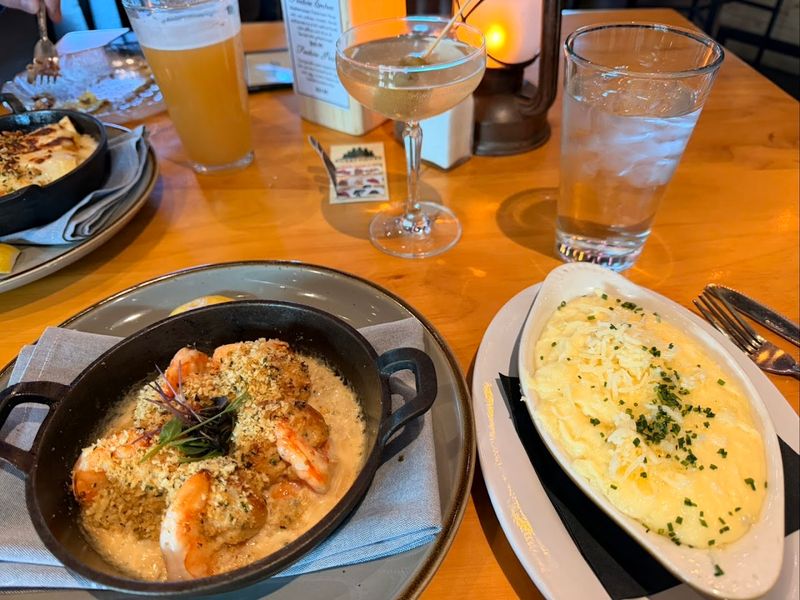
Landlocked states face inherent challenges when serving seafood, making sourcing relationships critical to quality. Guesthouse Tavern + Oyster receives shipments multiple times throughout the week, ensuring that nothing sits too long before reaching customer plates.
This commitment to freshness sets the restaurant apart from competitors who might rely on frozen products exclusively.
The kitchen staff inspects each delivery, maintaining standards that protect the restaurant’s reputation. Fish eyes remain clear, flesh springs back when touched, and any questionable items get rejected immediately.
This vigilance costs more in both time and money but pays dividends in flavor and texture.
Oyster varieties rotate based on availability and season, giving regular diners reasons to return and try something new. The walleye benefits from the same careful handling, arriving fresh rather than previously frozen whenever possible.
Building these supply chains requires persistence and willingness to pay premium prices, investments that ultimately benefit anyone sitting down to dinner.
The Menu Celebrates Midwestern Supper Club Classics
Supper clubs emerged across the Upper Midwest during the mid-twentieth century, creating dining traditions that persist today. Guesthouse Tavern + Oyster honors this heritage while adding contemporary touches that keep the concept feeling relevant.
The menu reads like a love letter to Wisconsin and Minnesota dining rooms where generations gathered for special occasions.
Prime rib appears on Saturdays, cooked to order and carved tableside in the classic manner. Relish trays arrive before meals, offering pickled vegetables and olives that spark appetites.
These touches might seem quaint to coastal diners but carry deep significance for anyone raised in the region.
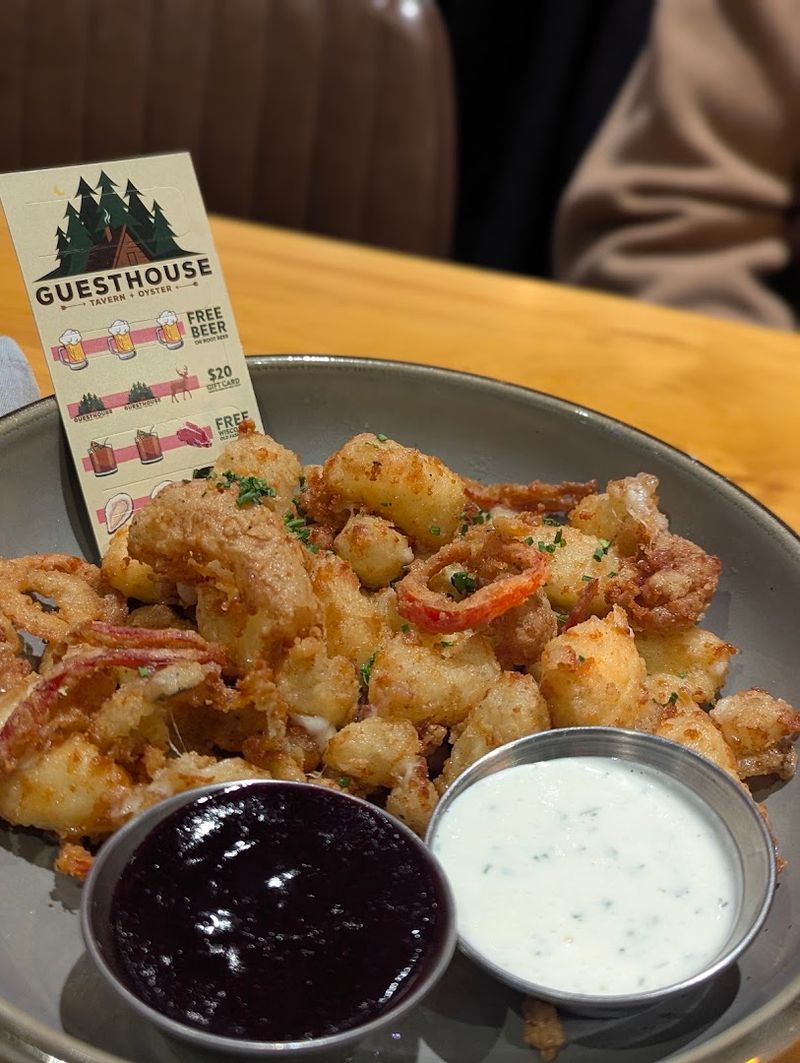
The restaurant avoids treating these traditions as mere nostalgia, instead executing them with the seriousness they deserve. Cheese curds get fried to order, poutine receives proper attention to gravy consistency, and Old Fashioneds follow Wisconsin specifications with brandy instead of whiskey.
This commitment to authenticity creates an atmosphere where supper club veterans feel understood and newcomers discover what made these establishments so beloved.
The Restaurant Brings Northwoods Flavor To Iowa
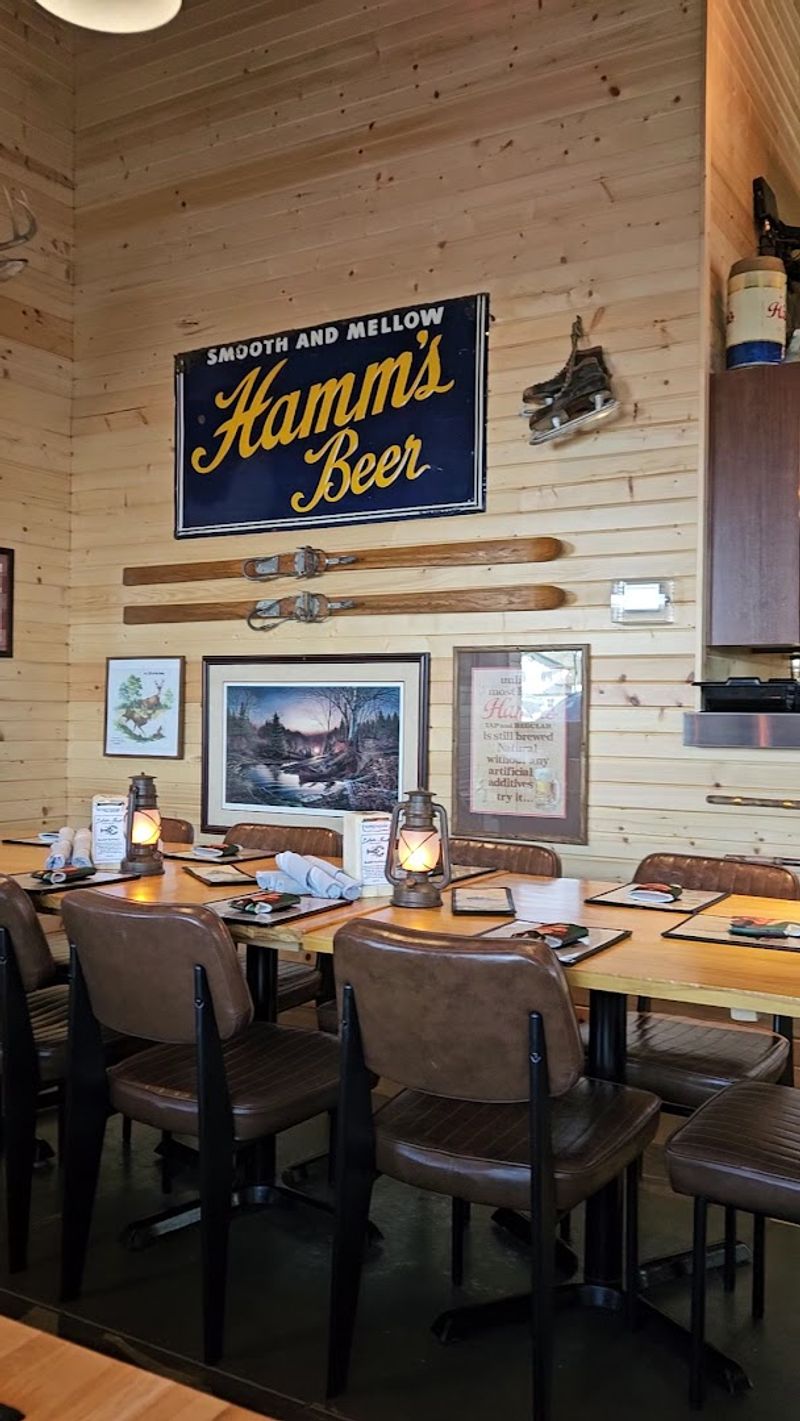
Capturing the essence of Northwoods dining without actually being located near a lake requires careful attention to detail. Guesthouse Tavern + Oyster transports diners mentally to the vacation destinations that dot the Minnesota and Wisconsin landscapes.
The experience goes beyond simply hanging a few fish on the walls.
Menu items reflect what you might find at a resort town restaurant where fishing guides eat breakfast and families gather after days on the water. The casual atmosphere encourages lingering over drinks and conversation rather than rushing through courses.
Service strikes a balance between professional and friendly, mimicking the warmth of hospitality found in smaller communities.
For Iowa residents who vacation up north or transplants who miss their home regions, the restaurant provides a taste of those experiences without requiring a road trip. The concept works because it commits fully to the theme rather than treating it as superficial decoration.
Every element reinforces the Northwoods feeling, from drink selections to cooking methods to the general vibe of the space.
Knotty Pine Walls Create A Lodge-Like Setting
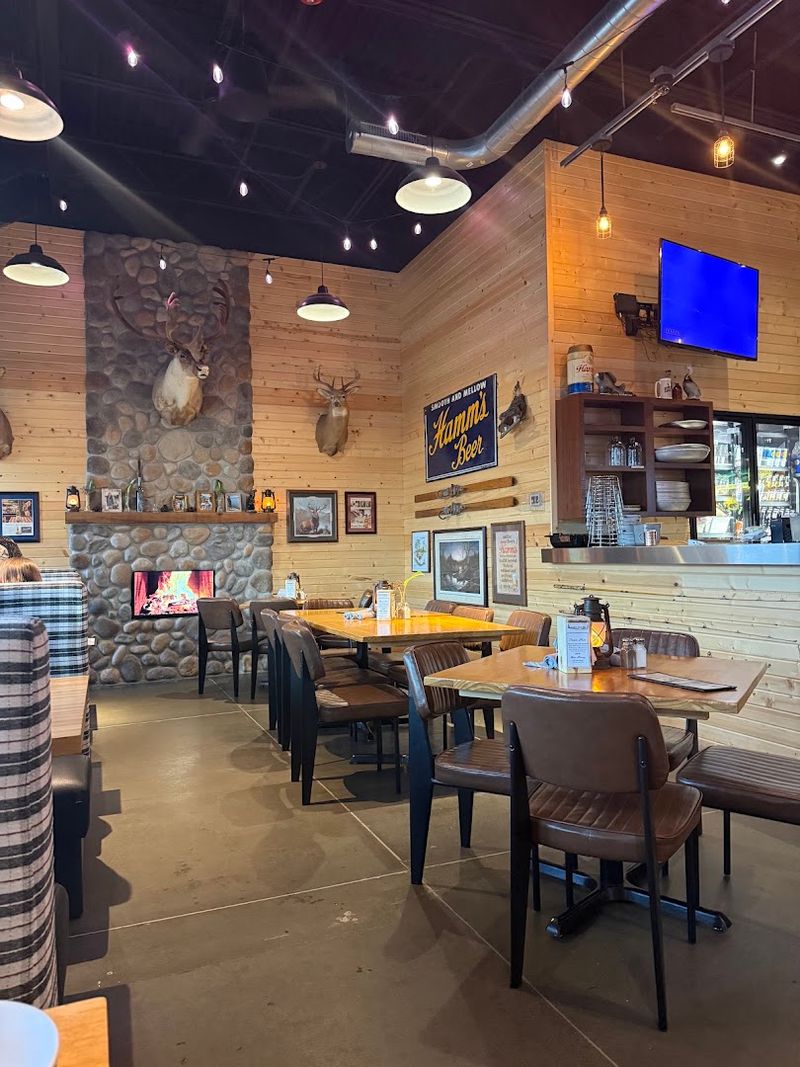
Wood paneling fell out of favor in many design circles, dismissed as dated or reminiscent of basement recreation rooms. Guesthouse Tavern + Oyster reclaims knotty pine as an essential element of authentic supper club atmosphere.
The natural material adds warmth that paint or wallpaper cannot replicate.
Each knot and grain pattern contributes character to the space, creating visual interest without requiring elaborate decoration. The wood absorbs sound differently than drywall, affecting the acoustic environment in subtle but noticeable ways.
Lighting reflects off the surface with a softness that feels inviting rather than harsh.
This design choice signals immediately what kind of experience awaits diners walking through the door. The paneling connects the restaurant to countless Wisconsin and Minnesota establishments where similar walls have witnessed decades of celebrations and gatherings.
Rather than fighting against the material’s associations, Guesthouse embraces them fully, understanding that the right audience will appreciate the authenticity. The result feels intentional and cohesive, never ironic or self-conscious about its aesthetic choices.
A Canoe Above The Bar Adds Northern Character
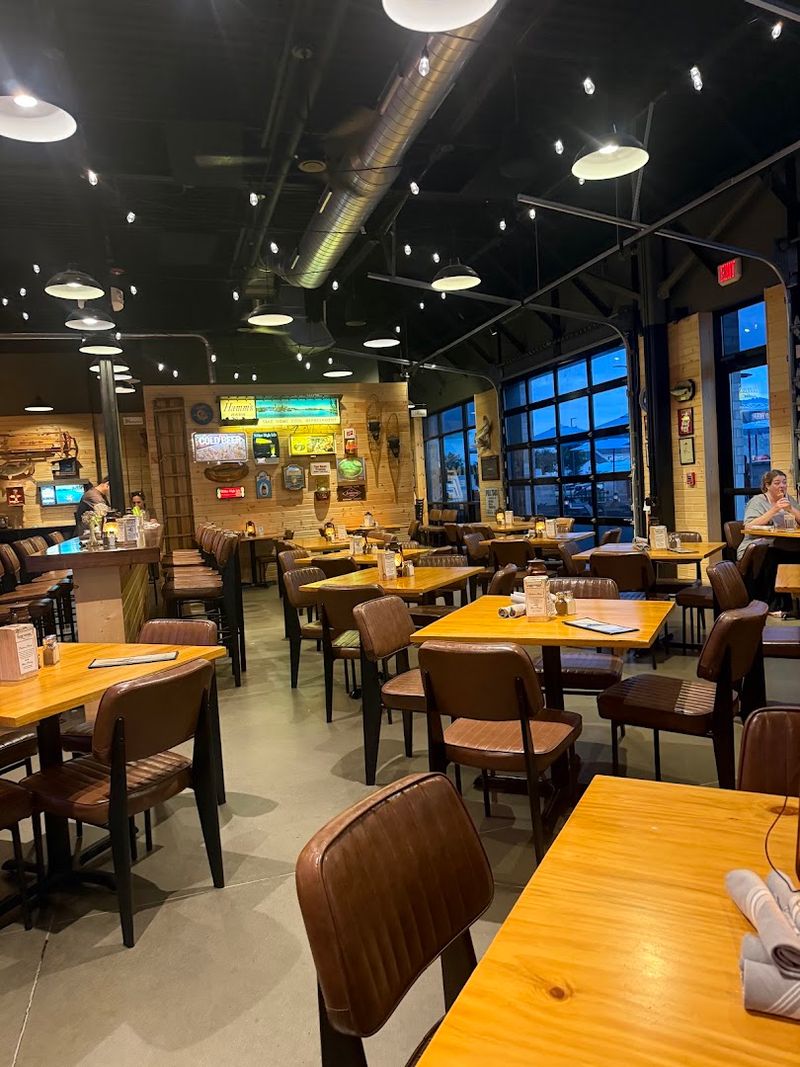
Decorative elements can either enhance a theme or undermine it through poor execution. The canoe suspended above the bar at Guesthouse Tavern + Oyster falls firmly in the former category, adding visual interest while reinforcing the Northwoods concept.
The placement feels natural rather than forced, as though someone simply needed somewhere to store their watercraft during winter months.
Canoes carry specific associations with northern lake culture, representing both recreation and a traditional method of navigating waterways. The vessel becomes a conversation piece without demanding attention, fitting seamlessly into the overall design scheme.
Its presence suggests stories of fishing trips and wilderness adventures that align perfectly with the restaurant’s identity.
Other establishments might have chosen a more obvious decoration like mounted fish or antler chandeliers. The canoe strikes a more sophisticated note while remaining true to the theme.
It demonstrates the thoughtfulness applied throughout the space, where every element serves a purpose beyond simple decoration. These details accumulate to create an environment that feels cohesive and genuine.
The Relish Tray Keeps Tradition Alive
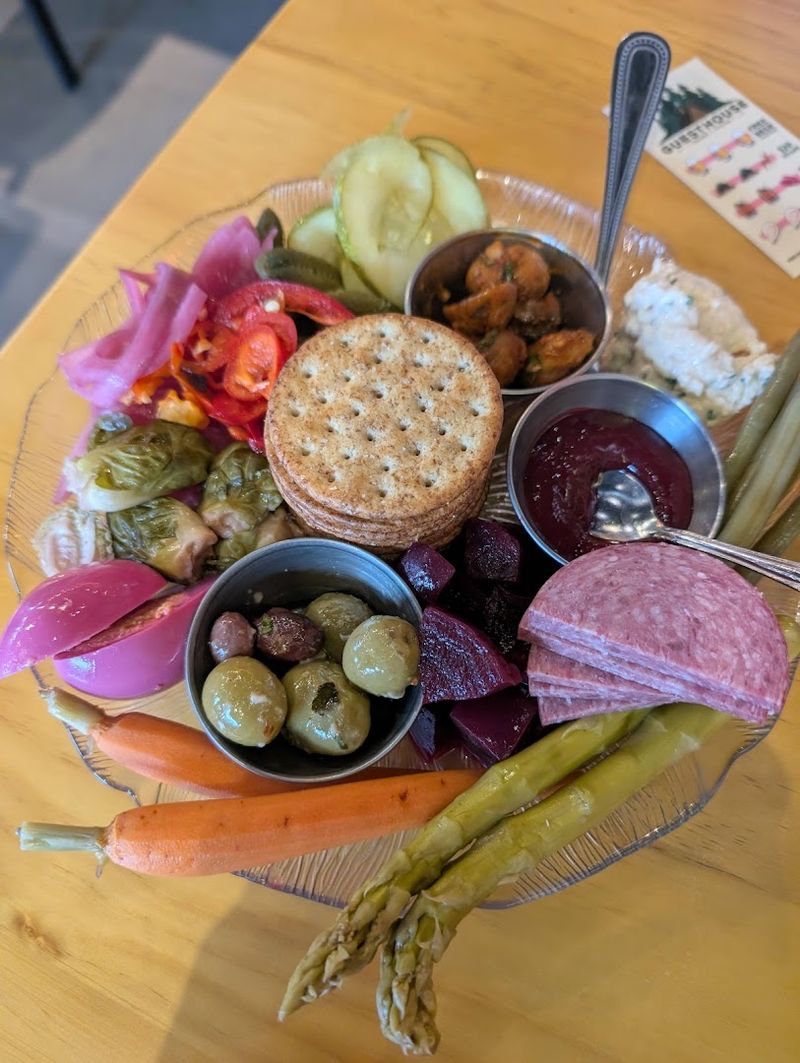
Modern dining trends favor small plates and shareable appetizers, but supper clubs followed a different protocol. The relish tray arrived before anyone ordered, offering pickled items and raw vegetables to occupy guests while they made menu decisions.
Guesthouse Tavern + Oyster maintains this custom, presenting a selection that honors tradition while showcasing quality ingredients.
Pickled eggs, peppers, beets, and various olives fill the compartments alongside fresh vegetables and cheese. Some items get prepared in-house, allowing the kitchen to control brine recipes and flavor profiles.
The tray serves a practical purpose, providing something to eat immediately while stimulating appetite for the meal ahead.
Younger diners unfamiliar with supper club customs sometimes express surprise at receiving food they did not order. Staff members explain the tradition, connecting guests to dining history that predates their experience.
For those who remember relish trays from childhood visits to special restaurants, seeing one arrive triggers powerful nostalgia. The practice costs the restaurant money but contributes significantly to the overall authenticity of the experience.
Poutine Adds Another Northern Favorite
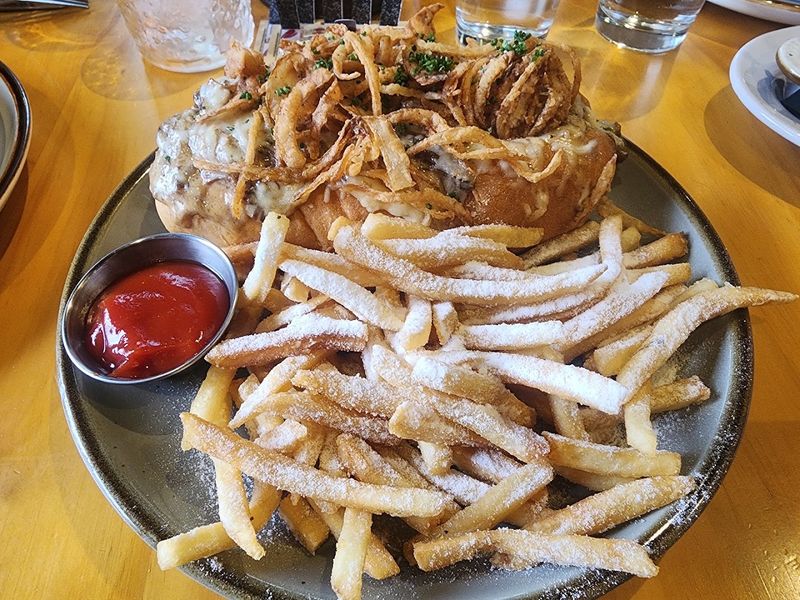
Poutine technically originates from Quebec rather than the American Northwoods, but the dish has spread throughout the northern tier of states. Guesthouse includes a version topped with braised short rib, elevating the humble combination of fries, cheese curds, and gravy into something more substantial.
The preparation requires balancing multiple textures and flavors without letting any single element dominate.
Fresh cheese curds squeak against teeth when bitten, a sign of proper freshness that cannot be faked. The gravy needs sufficient body to coat everything without becoming gluey or overwhelming the other components.
Fries must maintain some structural integrity despite being drenched in liquid and toppings.
Some purists object to variations on traditional poutine, but the short rib addition transforms the dish into a legitimate entree rather than merely a side or snack. The rich, tender meat adds savory depth that complements the tangy curds and salty fries.
Executing this dish properly requires attention to timing and assembly, ensuring that everything reaches the table at optimal temperature and texture.
Chargrilled Oysters Share The Spotlight
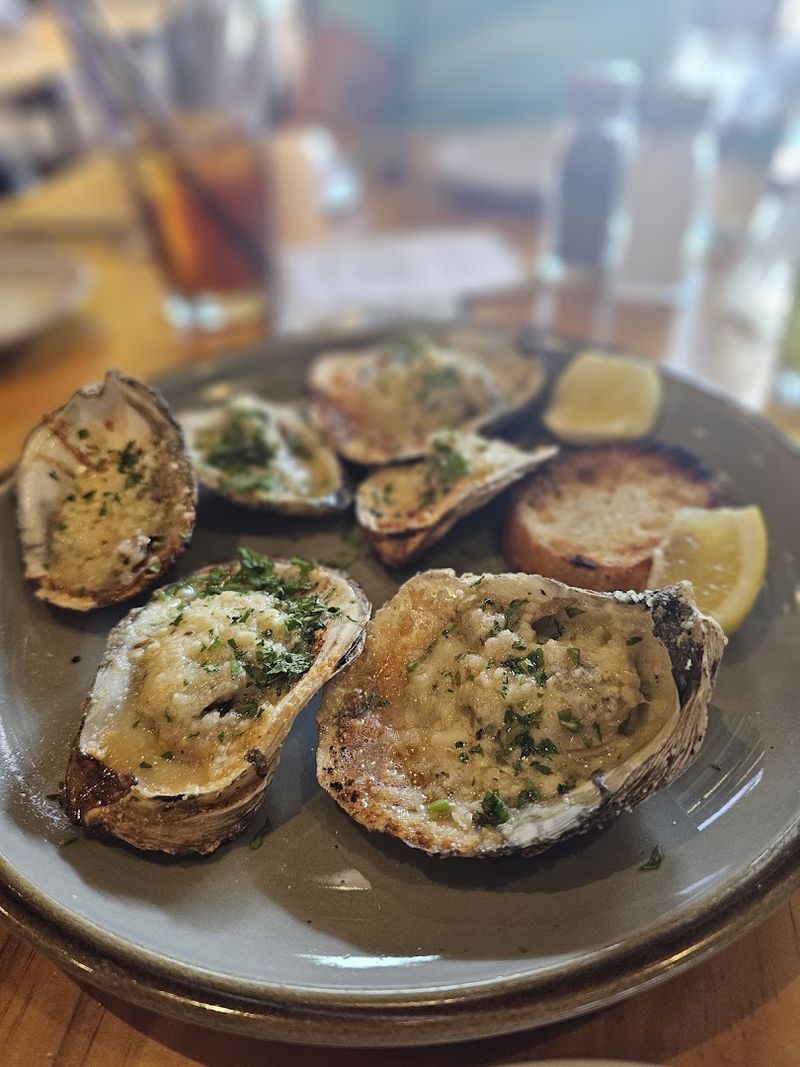
Oysters might seem out of place in an Iowa restaurant focused on Midwestern traditions, but Guesthouse makes them a signature offering. The chargrilled preparation adds smokiness and richness that appeals even to diners who typically avoid raw oysters.
Butter, herbs, and sometimes cheese create a topping that bubbles and browns under high heat.
The restaurant name includes oysters for good reason, with multiple varieties available and knowledgeable staff who can explain differences in flavor and origin. Happy hour specials make experimenting with different types affordable, encouraging guests to expand their palates.
The oysters arrive several times weekly along with other seafood, maintaining the freshness that makes or breaks these bivalves.
Pairing oysters with walleye and supper club fare creates an unexpected menu that sets Guesthouse apart from straightforward Midwestern restaurants. The combination works because both receive equal attention and respect in the kitchen.
Diners can enjoy traditional walleye one visit and focus entirely on oysters the next, or combine both in a single meal that showcases the restaurant’s range and capabilities.