
10 Iowa Towns Where Property Taxes Are Becoming Too Expensive To Ignore
A property tax bill can ruin a morning faster than cold coffee. Homeowners in Iowa are opening envelopes and finding totals that seem to climb without warning, even in towns once known for manageable living costs.
Rising assessments and higher levies are squeezing household budgets, especially for retirees and families already watching every dollar. The result is growing frustration, tougher decisions, and more questions about whether staying put still makes financial sense.
A modest house can suddenly feel far less affordable when the annual bill jumps again. These communities may still offer quiet streets and familiar neighbors, but the numbers are becoming harder to ignore.
For many residents, the real debate is no longer about value. It is about endurance.
1. Lamoni
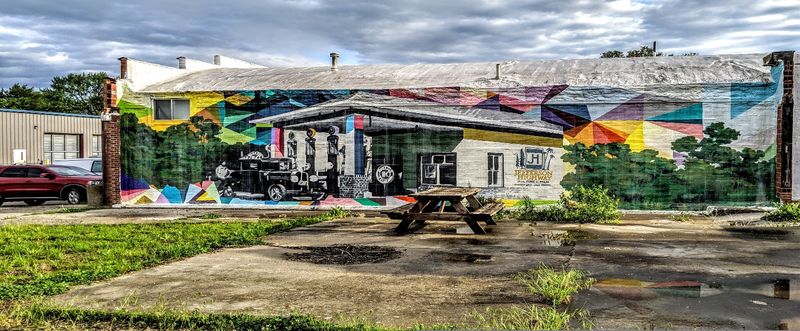
Lamoni sits in the southern part of Iowa, right near the Missouri border. For years, this quiet town has been a peaceful place to call home.
But lately, property taxes have been rising faster than many residents expected.
The town’s assessed property values have increased, and with that comes higher tax bills. Some homeowners are paying hundreds of dollars more each year than they did just a few years ago.
That might not sound like much, but for people on fixed incomes or tight budgets, it adds up quickly.
Local officials say the increases are needed to fund schools, roads, and emergency services. Still, many residents feel the burden is becoming too heavy.
When you compare Lamoni to other small Iowa towns, the tax rate stands out as one of the higher ones in the region.
If you’re thinking about buying property here, make sure you factor in those tax costs. They can change your monthly budget in a big way.
2. Leon
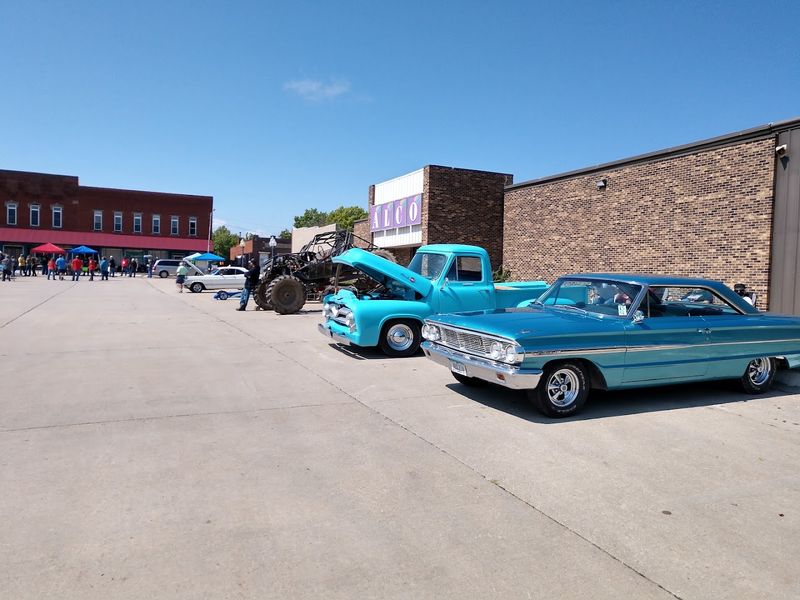
Leon is another southern Iowa town where property taxes are getting harder to manage. It’s a small community with a big heart, but the financial pressure is real.
Homeowners here have seen their tax bills climb steadily over the past several years.
Part of the problem is that the town needs money to maintain aging infrastructure. Roads need repairs, water systems need upgrades, and schools need funding.
All of that comes from property taxes, and Leon’s small population means each homeowner carries a bigger share of the load.
Some families are starting to wonder if they can afford to stay. When your taxes go up by a few hundred dollars every year, it becomes a serious concern.
For older residents living on Social Security or retirement savings, every dollar counts.
Leon is a great place if you love small-town life and know your neighbors by name. But before you buy a home here, take a close look at the tax rates. You’ll want to be prepared for what you’re getting into financially.
3. Garden Grove
Garden Grove is one of those tiny Iowa towns where everyone knows everyone. It’s peaceful, rural, and full of hardworking people. But even in a place this small, property taxes are becoming a real headache.
The town’s budget is tight, and there aren’t many ways to bring in revenue besides taxing property owners. That means homeowners are shouldering most of the cost of keeping the town running.
Over the last few years, tax assessments have gone up, and so have the bills that land in mailboxes each year.
For some residents, the increase is manageable. For others, it’s pushing them to the edge.
When you’re living in a town with fewer than 300 people, there’s not a lot of room for financial flexibility. Every increase hits harder.
Garden Grove is charming and quiet, and if you’re looking for a slower pace of life, it might appeal to you. Just be aware that the cost of owning property here is rising, and it’s something you’ll need to plan for if you decide to move in.
4. Davis City
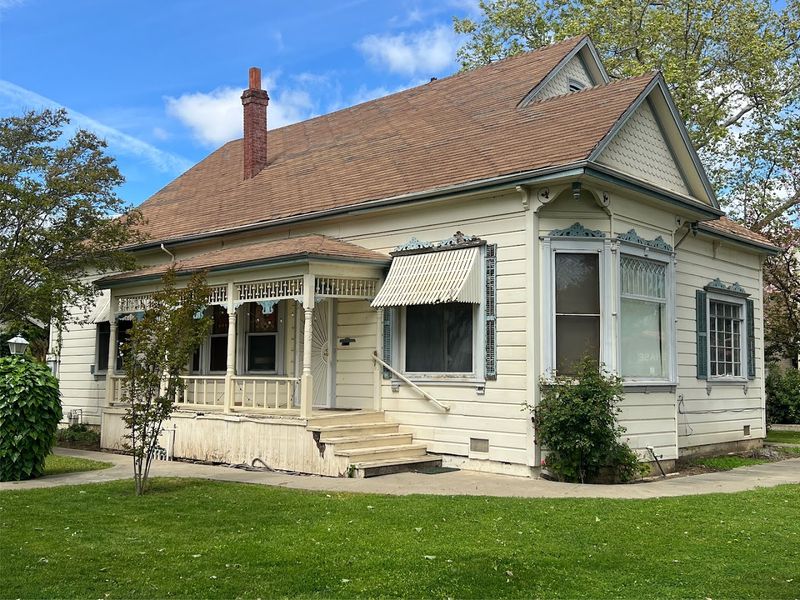
Davis City is a farming community where life moves at a slower pace. People here value hard work, family, and simplicity.
But rising property taxes are starting to change the way residents think about their future.
The town has seen its tax rates increase as local government tries to keep up with expenses. Schools, roads, and public services all need funding, and in a small town, that money comes from property owners.
For farmers and families who have lived here for generations, the rising costs are frustrating.
Some people are even considering selling their homes or moving to a nearby town with lower taxes. That’s a tough choice to make, especially when your roots run deep.
But when your tax bill keeps going up, you have to think about what makes sense for your wallet.
Davis City is full of good people and wide-open spaces. If you’re thinking about moving here, just make sure you understand the tax situation. It’s not a deal-breaker for everyone, but it’s something you need to know about before you commit.
5. Diagonal
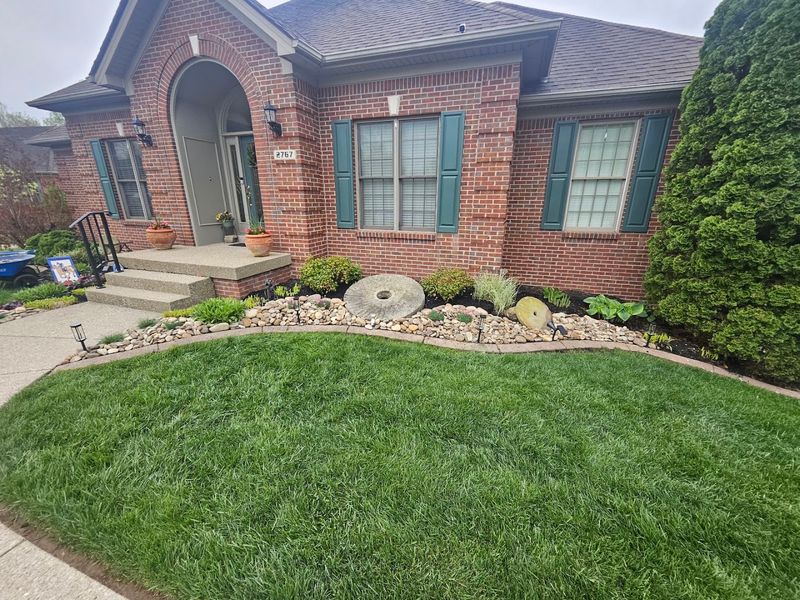
Diagonal is a tiny town with a population that barely breaks 300. It’s the kind of place where you can walk down the street and wave to your neighbors.
But even in a town this small, property taxes are becoming a big topic of conversation.
The problem is that there’s not a lot of commercial activity here. Most of the town’s revenue comes from taxing homeowners, and that means the burden is spread thin.
As costs for schools and infrastructure go up, so do the taxes that residents have to pay. For some families, the increase is manageable. For others, it’s becoming a real strain.
When you’re living on a fixed income or trying to raise kids on a tight budget, every extra dollar matters. Diagonal is a friendly and welcoming place, but the financial reality is hard to ignore.
If you’re considering buying property in Diagonal, take the time to research the tax rates. Talk to current homeowners and ask about their experiences.
You’ll want to go into this with your eyes wide open so you can make the best decision for your family.
6. Grand River
Grand River is a quiet spot in southern Iowa where life feels unhurried and simple. But the simplicity of small-town living doesn’t mean the costs are low.
Property taxes here have been climbing, and homeowners are starting to feel the pinch.
The town relies heavily on property taxes to fund everything from schools to road maintenance. With a small population, that means each homeowner has to contribute more.
Over the past few years, tax bills have gone up, and some residents are worried about what the future holds.
For people who have lived here for decades, the increases are especially hard to swallow. They remember when taxes were much lower, and they’re frustrated by how quickly things have changed.
Younger families are also feeling the pressure, especially if they’re trying to save money or pay off debt.
Grand River is a beautiful place with a strong sense of community. But if you’re thinking about moving here, you’ll want to factor in the cost of property taxes. They’re not going down anytime soon, and you’ll need to be ready for that reality.
7. Des Moines
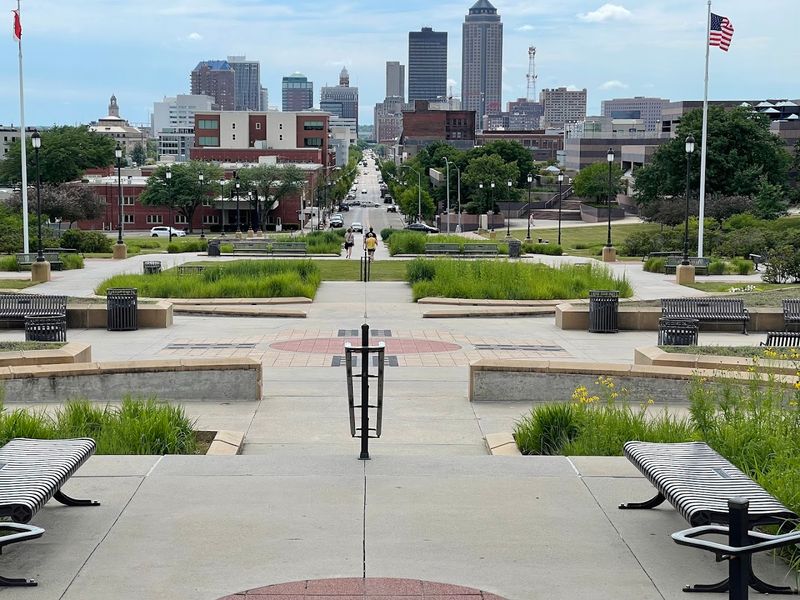
Des Moines is the capital and largest city in Iowa, and it’s a completely different world compared to the small towns on this list. But even here, property taxes are a hot topic.
Homeowners across the city are seeing their tax bills climb, and it’s causing concern.
Part of the reason is that property values in Des Moines have been rising. As the city grows and attracts new residents, home prices go up, and so do tax assessments.
That means even if you bought your home years ago, you’re now paying taxes based on today’s higher market values.
For some homeowners, the increases are manageable. But for others, especially those on fixed incomes or living in older neighborhoods, the rising costs are a real challenge.
When you combine property taxes with other expenses like utilities and insurance, it can feel overwhelming.
Des Moines offers a lot of opportunities and amenities that small towns don’t have. But if you’re considering buying a home here, make sure you’re prepared for the tax burden. It’s a big city with big costs, and you’ll need to plan accordingly.
8. Albia
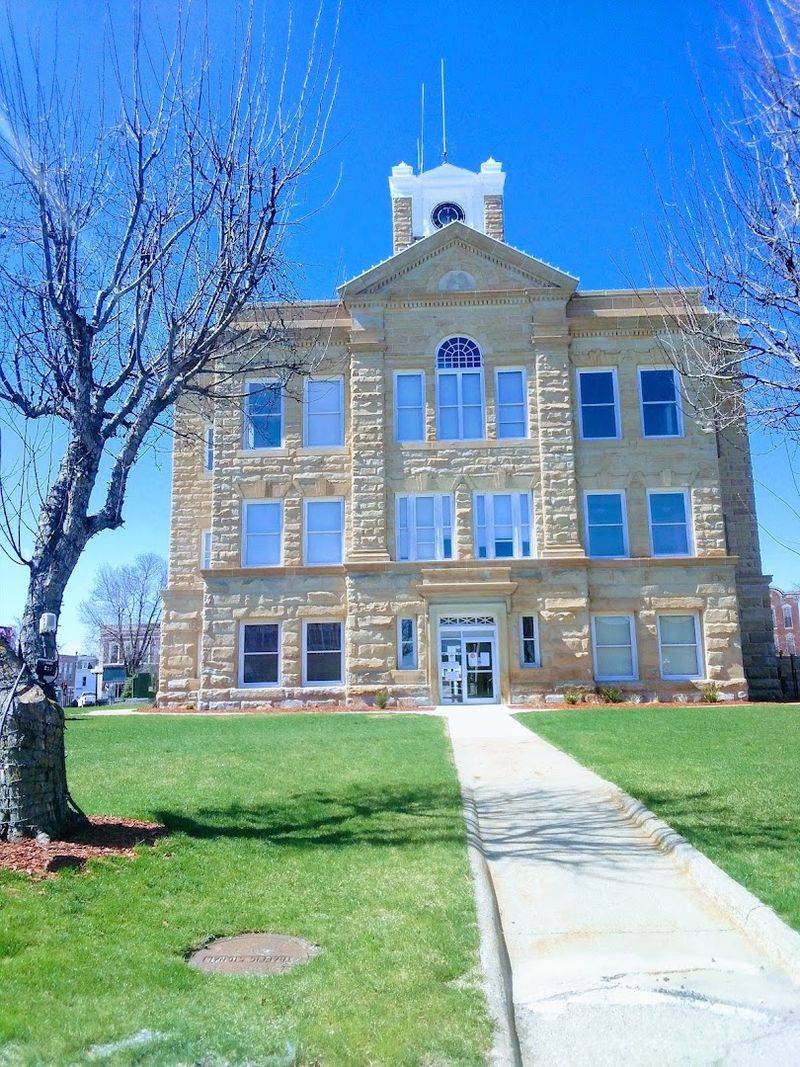
Albia is a charming town in southern Iowa with a historic downtown and a friendly atmosphere. People here take pride in their community, and many families have lived in the area for generations. But lately, property taxes have been a growing concern.
The town has been working to improve its infrastructure and services, and that requires funding. Most of that money comes from property taxes, which means homeowners are paying more each year.
For some, the increases are modest. For others, they’re starting to add up in a way that’s hard to ignore.
Local officials say the taxes are necessary to keep the town running smoothly. But residents are starting to wonder if there’s a better way to balance the budget.
When you’re living in a small town with limited income, every increase feels significant.
Albia is a great place to live if you value community and history. But before you buy property here, make sure you understand the tax situation. It’s not a secret, but it’s something you’ll want to factor into your decision-making process.
9. Decatur
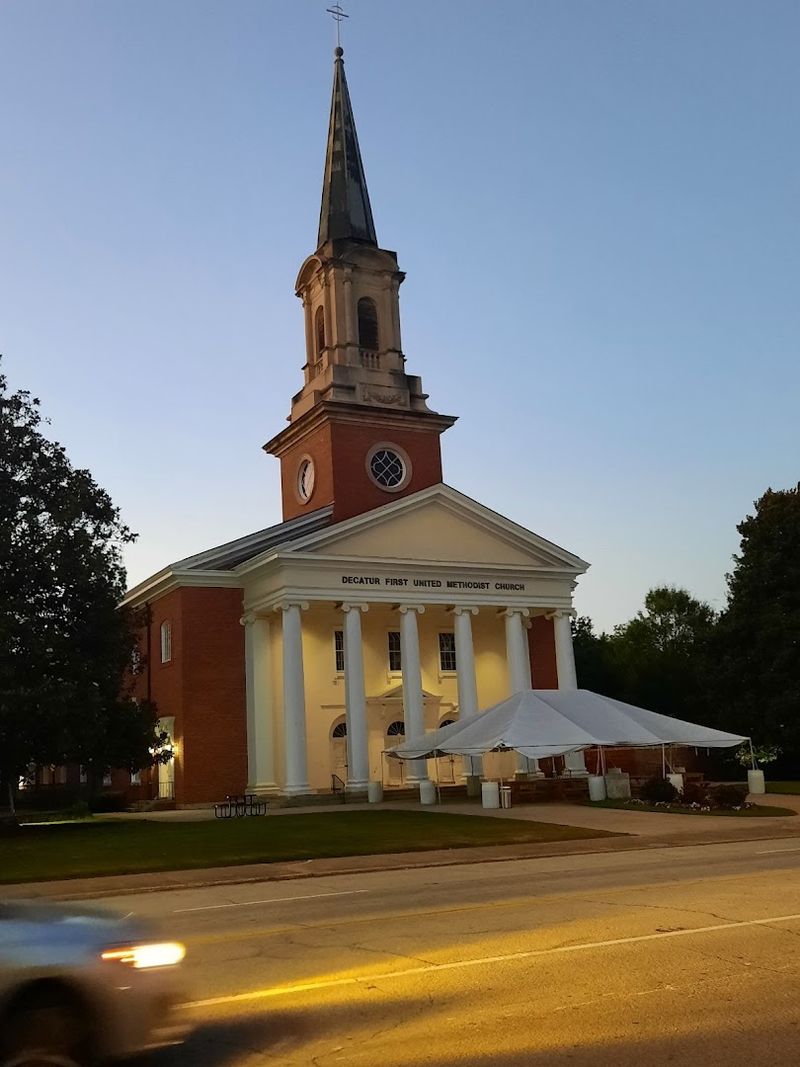
Decatur is a tiny town where life is simple and slow-paced. It’s the kind of place where you can hear the birds singing and see the stars at night. But even in a town this peaceful, property taxes are becoming a real issue.
The town’s budget is limited, and there aren’t many ways to generate revenue besides taxing property owners. That means the few people who live here are carrying a heavy load.
Over the past few years, tax rates have gone up, and some residents are struggling to keep up.
For older residents, the increases are especially tough. Many of them are living on fixed incomes, and they don’t have a lot of room in their budgets for higher expenses.
Younger families are also feeling the strain, especially if they’re trying to save money for their kids’ futures.
Decatur is a beautiful and peaceful place to live. But if you’re thinking about moving here, you’ll need to be realistic about the cost of property taxes. They’re not going down, and you’ll need to plan for them as part of your overall budget.
10. Centerville
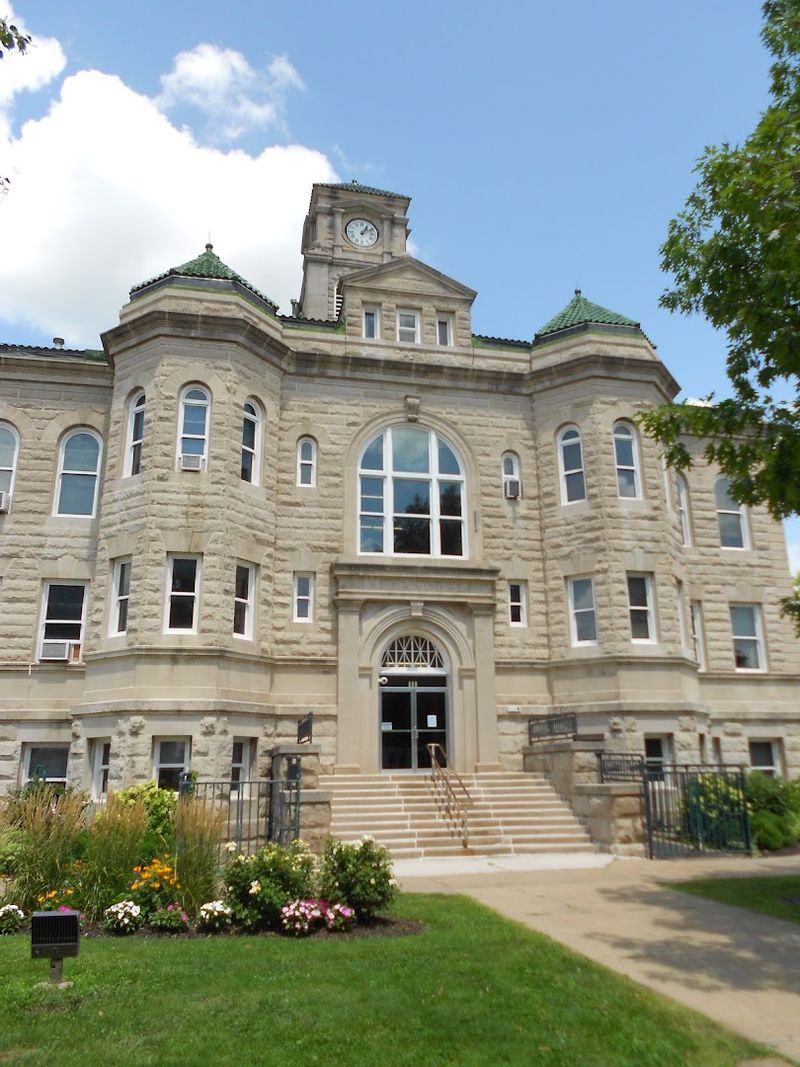
Centerville is a larger town compared to some of the others on this list, but it’s still facing the same problem with rising property taxes. Homeowners here have watched their tax bills increase year after year, and it’s becoming harder to keep up.
The town has been working to attract new businesses and improve its infrastructure, which is great for the community. But those improvements come at a cost, and much of that cost is passed on to property owners.
For some families, the increases are manageable. For others, they’re starting to feel like too much.
Local officials say the taxes are necessary to keep the town moving forward. But residents are starting to ask whether there’s a better way to fund these projects.
When you’re already paying a lot in property taxes, every increase feels like a burden.
Centerville has a lot to offer, including schools, parks, and local businesses. But if you’re thinking about buying a home here, make sure you’re prepared for the tax costs. They’re a big part of homeownership in this town, and you’ll want to factor them into your budget.