
This Arkansas Steakhouse Is Known For Tender Ribeyes And Timeless Southern Hospitality
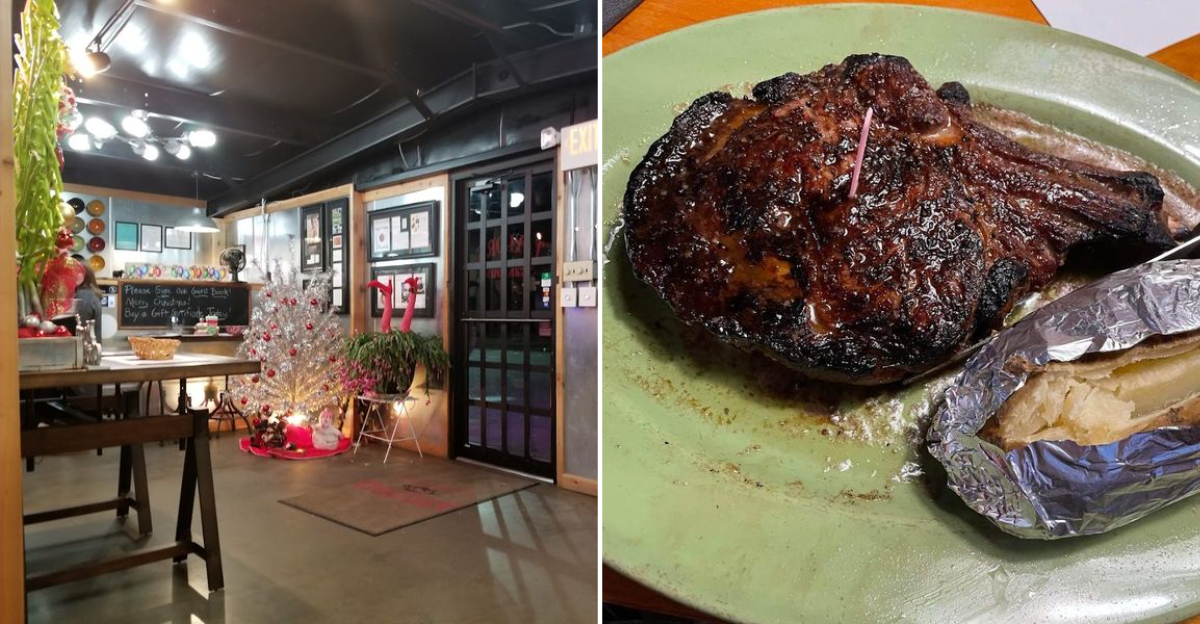
Tender ribeyes and timeless Southern hospitality sharing the same room produce a combination that most steakhouses promise and very few deliver. Arkansas has one that never breaks a sweat delivering both.
The cut arrives with the quiet authority of a kitchen that never needed a dress code to know it was doing something right. Regulars order without deliberation and eat without interruption.
Southern hospitality here is not performed for effect or maintained for reviews. It simply exists, extended to every table regardless of how busy the room gets.
A steakhouse earning a reputation for both the ribeye and the welcome made a complete argument that most restaurants only manage in halves. This one delivers both simultaneously and has never needed to explain how.
Choosing The Perfect Ribeye Cut
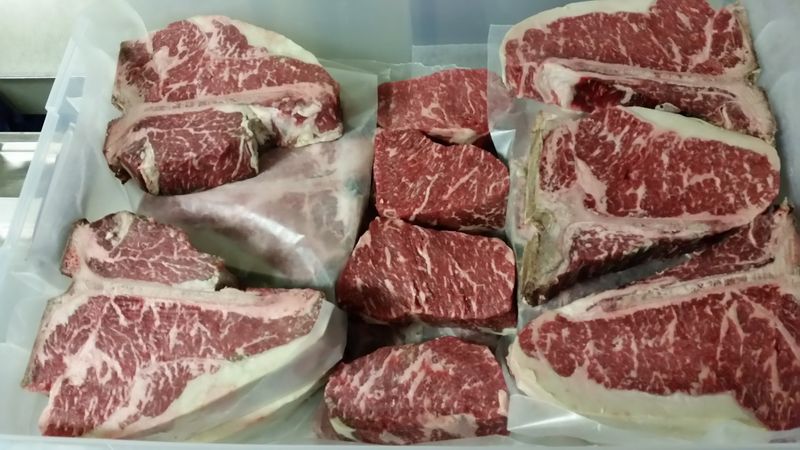
Not every ribeye is created equal, and Taylor’s makes that clear from the first bite. Their bone-in ribeyes range from 20 to 28 ounces, which is a serious commitment.
The cut comes from ribs six through twelve on the cow. That section produces meat with natural fat marbling that melts during cooking.
The ribeye includes two key muscles. The Longissimus Dorsi is the central eye, and the Spinalis Dorsi is the prized ribeye cap.
The cap is known for its intense, buttery flavor. A higher fat ratio means more tenderness and more juice in every bite.
Taylor’s specializes in dry-aged steaks, aged in-house for 80 days or more. That process changes everything about the texture and flavor.
The fat becomes almost creamy during the aging process. You can find Taylor’s at 14201 AR-54, Dumas, AR 71639, open Thursday through Saturday starting at 5:30 PM.
Choosing bone-in over boneless adds extra flavor from the bone itself during cooking. The marrow and connective tissue near the bone contribute to a richer overall taste.
Taylor’s makes the choice easy by offering cuts that are already carefully selected. Reservations are strongly recommended before making the drive.
Mastering Steakhouse Cooking Techniques
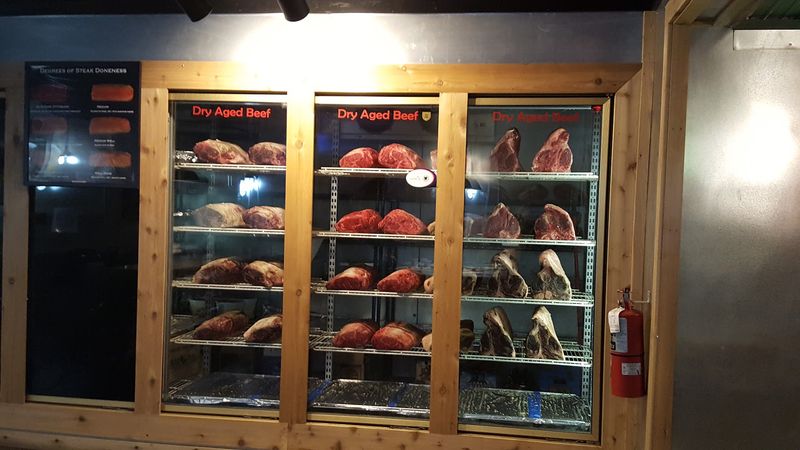
Dry-aging a steak for 80 days takes patience that most restaurants skip entirely. Taylor’s does not skip it.
All steaks are cut and aged in-house, which means no shortcuts and no outside suppliers handling the process. That level of control makes a real difference on the plate.
High heat is essential for building a proper crust on the outside of the steak. The crust locks in flavor and adds texture that contrasts with the tender interior.
Grilling and pan-searing are both common methods used in serious steakhouses. Both work best when the meat starts at room temperature.
Resting the steak after cooking is a step many home cooks forget. Letting it sit for five to ten minutes allows the juices to redistribute evenly.
Cutting too early sends all that juice straight onto the plate instead of staying in the meat. Taylor’s team cooks each steak to the diner’s preference, which matters when the cut is this thick.
A 120-day dry-aged ribeye develops a texture that is almost silken. The flavor becomes more concentrated and complex over time.
Taylor’s long aging process creates a result that is noticeably different from a standard wet-aged steak. The technique is the reason people return again and again.
Exploring Southern Hospitality Traditions
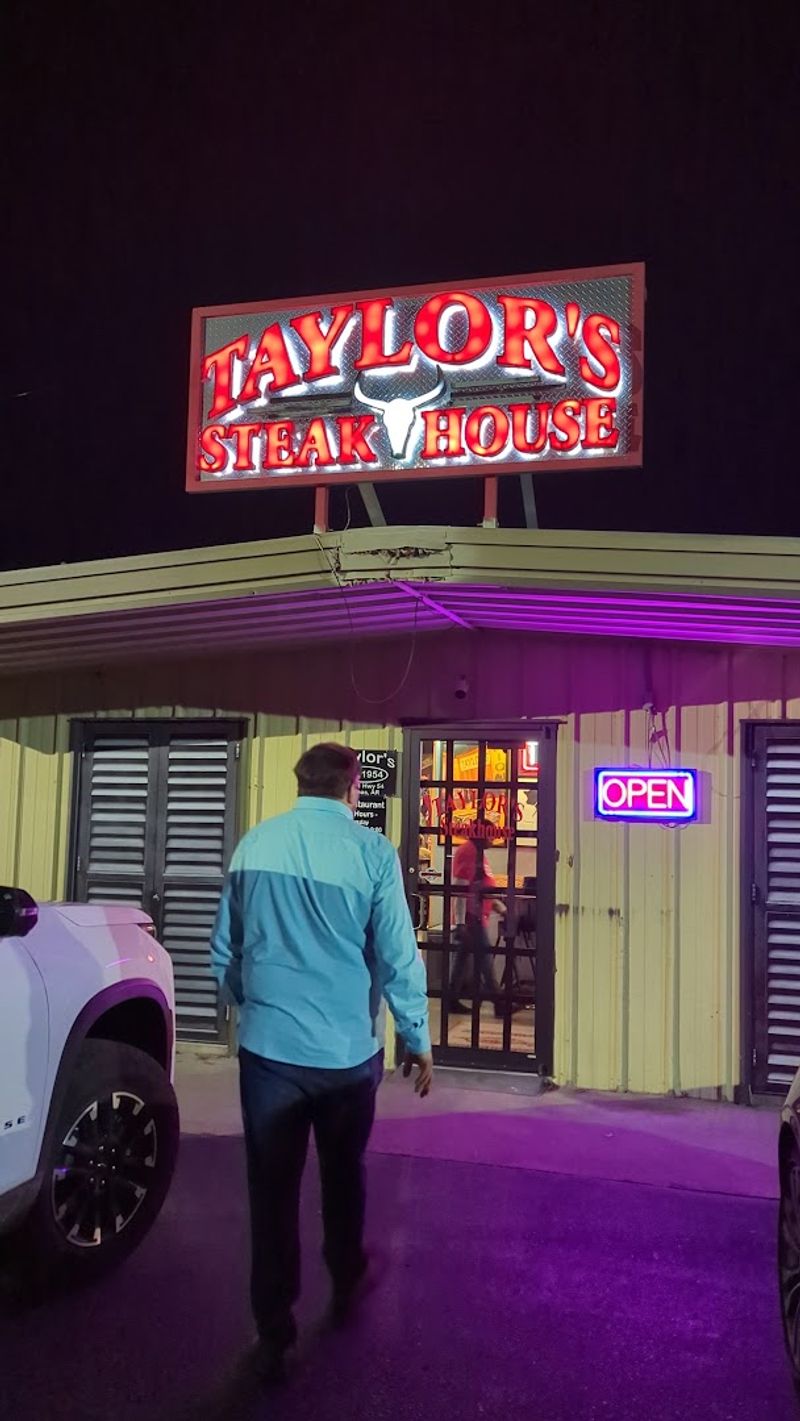
Southern hospitality is not a marketing phrase at Taylor’s. It shows up in small, consistent ways throughout the meal.
Staff members remember repeat visitors. Owners Chuck and Pam Taylor have been known to seat guests personally and check on tables throughout the evening.
The tradition runs deeper than good manners. Southern dining culture values connection, unhurried meals, and making guests feel at home.
Storytelling often comes naturally in this kind of environment. A meal at Taylor’s rarely feels rushed, and that pace is intentional.
Attentive staff contribute heavily to this atmosphere. When a guest mentions a long drive or a special occasion, the team responds with genuine care.
That kind of attentiveness is not trained in a week. It reflects a culture that has been built over the years in Dumas.
Community matters in small-town Arkansas. Taylor’s grew from a neighborhood grocery store into a dinner destination without losing that local character.
The restaurant draws people from across the state, but it never stopped feeling like a neighborhood spot. Warm bread arrives at the table early, and that detail alone sets the tone for everything that follows.
Southern hospitality, at its best, is less about what is said and more about what is done without being asked.
Pairing Side Dishes For Steak
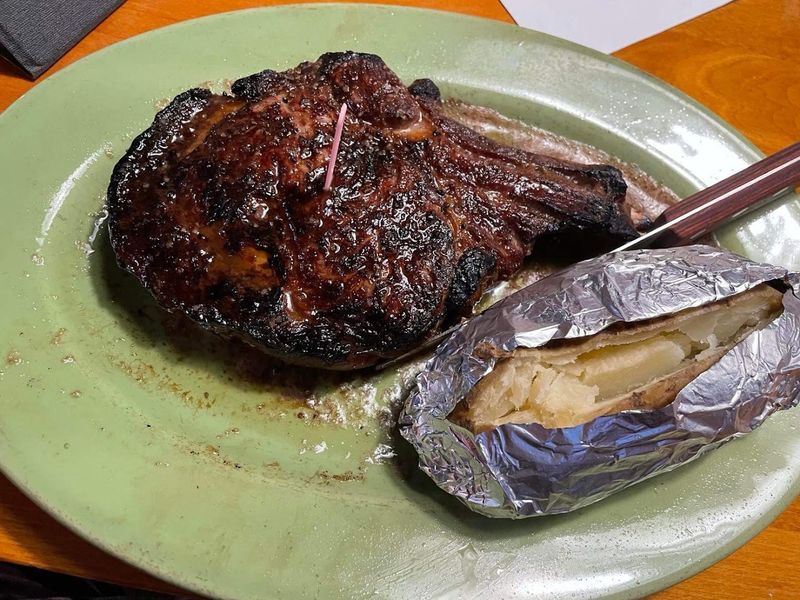
A great ribeye deserves sides that hold their own without competing for attention. Taylor’s offers a solid lineup that includes baked potatoes, fries, button mushrooms, asparagus, and creamed spinach.
Each option serves a specific purpose on the plate. The creamed spinach, in particular, has earned a strong reputation among regulars.
Baked potatoes are a classic pairing for good reason. They absorb the steak’s juices and balance the richness of heavily marbled meat.
Taylor’s bakes them in foil, which gives the skin a crisp texture while keeping the inside soft. That contrast works well alongside a thick, juicy ribeye.
Mushrooms add an earthy depth that complements the beef without overpowering it. Sauteed button mushrooms are especially good when dipped into the steak’s natural juices.
Asparagus brings a lighter element to the plate. It refreshes the palate between bites of rich, fatty steak.
Meals at Taylor’s also come with a salad served with homemade dressing and warm bread. The bread alone has been mentioned repeatedly by visitors making long drives to Dumas.
Starting with salad and bread before the main course helps pace the meal. With portions this large, a little strategy at the table goes a long way toward finishing strong.
Understanding Ribeye Flavor Profiles
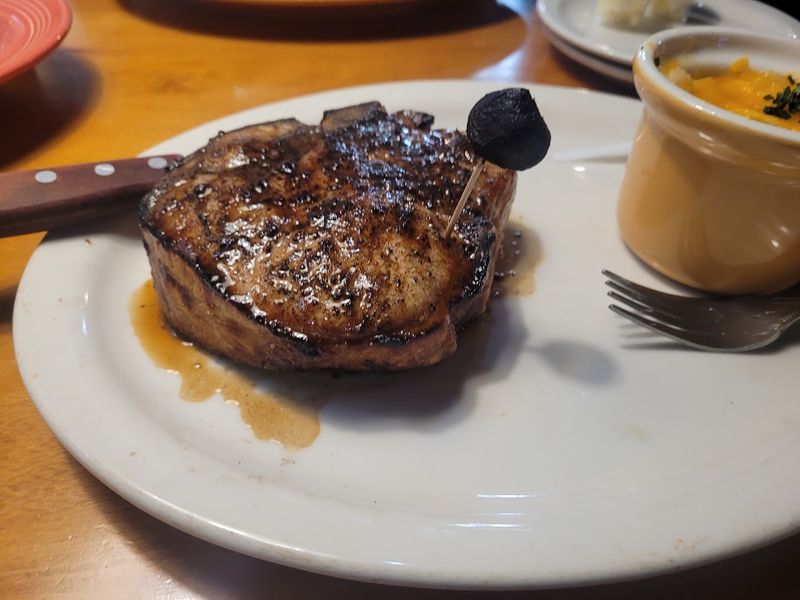
The flavor of a ribeye starts with fat. The marbling woven through the muscle melts during cooking and creates a buttery, beefy richness that leaner cuts simply cannot match.
At Taylor’s, that marbling is already exceptional before the dry-aging process even begins. After 80 or more days of aging, the flavor concentrates in a way that is hard to describe without tasting it.
A properly cooked ribeye hits several flavor notes at once. There is bold beefiness upfront, followed by subtle hints of nuttiness and a slight sweetness from the caramelized crust.
Dry-aging adds another layer entirely. Some guests describe longer-aged cuts as having a faint, complex funk similar to fine cheese.
That is not a flaw. It is the point.
The texture plays into flavor perception as well. A silken, tender bite allows the fat to coat the palate evenly.
Tough meat interrupts that experience. Taylor’s aging process ensures the texture supports the flavor rather than fighting it.
Cooking temperature affects flavor significantly. Medium-rare allows the fat to render fully without drying out the muscle fibers.
Taylor’s staff is knowledgeable about which temperature brings out the best in each cut. Ordering a dry-aged ribeye well-done would be like buying a first-edition book and using it as a coaster.
The flavor profile rewards patience and the right temperature choice.
Seasoning Methods For Juicy Steaks
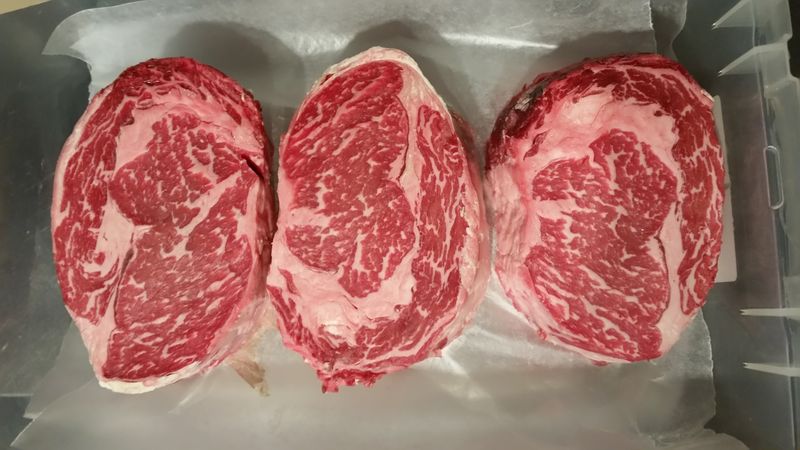
Salt does more than add flavor to a steak. It draws moisture to the surface, then pulls it back into the meat along with dissolved proteins.
That process creates a juicier, more flavorful result from the inside out. Applying salt 30 to 45 minutes before cooking gives it time to work properly.
Some steakhouses salt their cuts up to 24 hours in advance.
Black pepper is the natural partner to salt in most steakhouse kitchens. Together, they form the base of nearly every serious steak seasoning approach.
Pressing the seasoning firmly into the meat helps it stay in place during high-heat cooking. Loose seasoning slides off in the pan and ends up in the drippings instead of the crust.
Additional aromatics like garlic and rosemary add complexity without overwhelming the beef. Granulated garlic, smoked paprika, dried parsley, and thyme all appear in common steakhouse blends.
Each ingredient contributes a different layer to the overall flavor. The goal is always to enhance the natural taste of the meat rather than mask it.
At Taylor’s, the seasoning approach clearly works. Guests frequently mention that the steaks arrive perfectly seasoned, with a crust that has real character.
A light, even crust built from proper seasoning and high heat is one of the clearest signs of a kitchen that knows what it is doing. That consistency is part of what keeps people driving back to Dumas.
Creating A Welcoming Dining Atmosphere
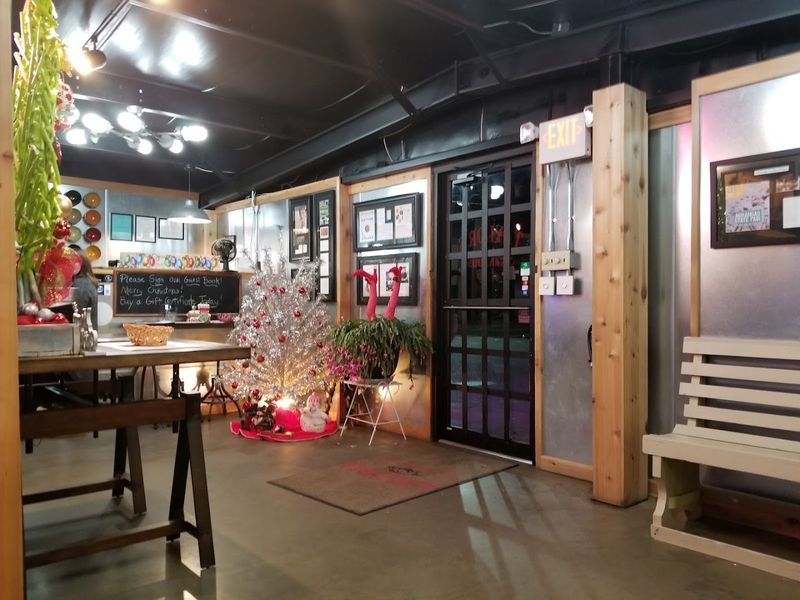
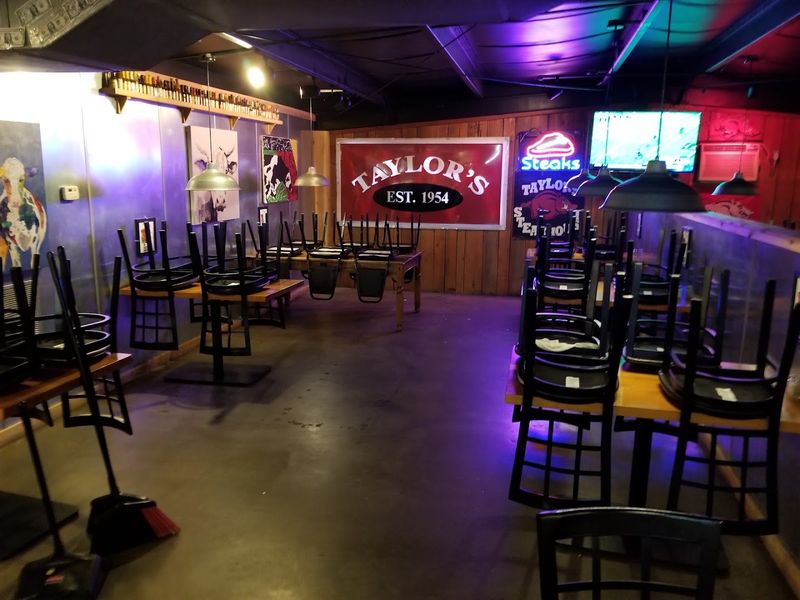
Entering Taylor’s does not feel like walking into a formal dining room. The atmosphere is casual and unhurried.
Warm, soft lighting sets a relaxed tone from the moment guests arrive. The space is described by visitors as comfortable, unpretentious, and easy to settle into.
Dark wood, warm colors, and comfortable seating all contribute to a classic steakhouse feel. Adequate spacing between tables allows for real conversation without leaning in.
Background music stays quiet enough to talk over without effort. That kind of thoughtful design is what separates a place people return to from one they visit once.
Cleanliness plays a larger role in the atmosphere than most diners consciously notice. A clean, well-maintained space signals that the kitchen is held to the same standard.
Taylor’s consistent reputation over the years suggests that the standard is maintained regularly. Guests who arrive for the first time often note how comfortable the space feels without being able to pinpoint exactly why.
The owners being present on the floor adds a personal layer that chain restaurants cannot replicate. Chuck and Pam Taylor have built a place that feels lived-in and genuine.
Staff members who know regular guests by name reinforce that feeling. Taylor’s is open Thursday through Saturday, and reservations fill up quickly.
Calling ahead is not just a suggestion. It is a necessity for anyone planning to make the drive.
History Of Steakhouses In The South
Steakhouses have a longer history than most people realize. The concept traces back to London chophouses in the late 17th century.
American steakhouses began appearing in the mid-19th century, offering better cuts, permanent locations, and a broader clientele that included women and families. The South adapted that model with its own culinary identity.
Southern food traditions draw from Native American, West African, European, and Creole influences. That mix shaped everything from seasoning approaches to side dish culture.
By the late 19th century, Texas was building a distinct steakhouse identity centered on high-quality beef and regional atmosphere. Arkansas developed its own version over time, quieter and less publicized but no less serious about the food.
Taylor’s own history reflects that gradual evolution. The business started as a grocery store in Dumas during the 1950s.
It became a lunch counter serving burgers, fried seafood, and a cheese dip that locals still talk about. The transformation into a full evening dinner restaurant happened in 2012, when Chuck and Pam Taylor shifted the focus entirely to steaks.
That shift turned a neighborhood staple into a regional destination. People now drive hours across Arkansas and neighboring states specifically for Taylor’s dry-aged cuts.
The story of one small-town grocery store becoming one of the state’s most respected steakhouses is the kind of thing that only happens when the food is genuinely worth the trip. Taylor’s earned that reputation one steak at a time.