
This Massachusetts Butterfly Conservatory Feels Like A Tropical Escape All Year Long
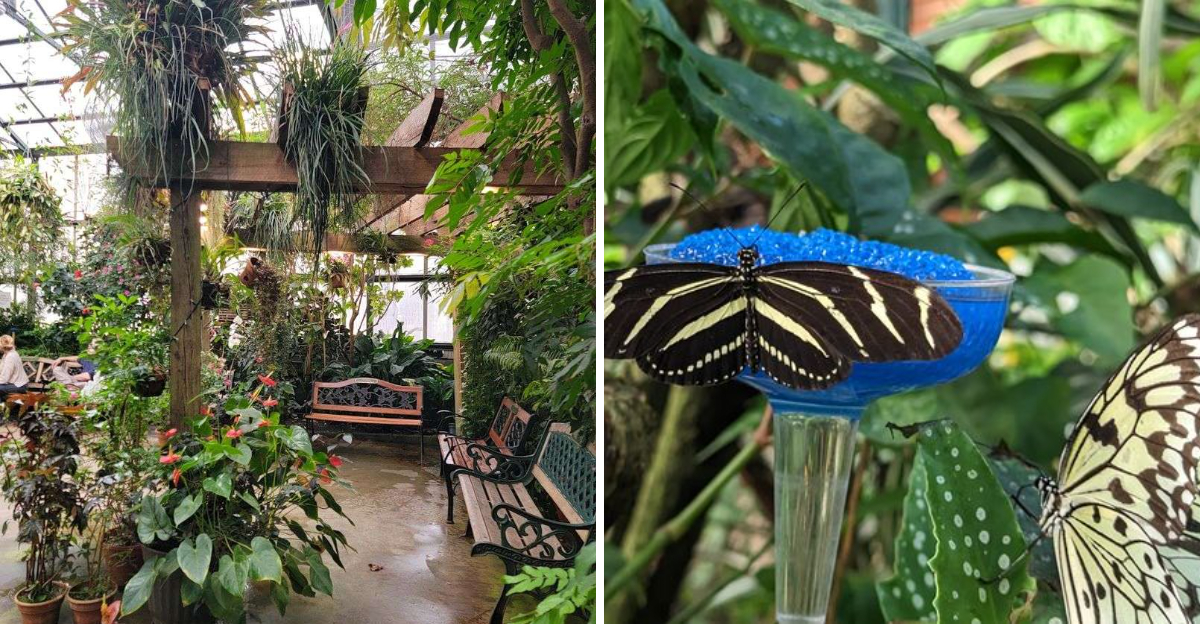
The moment a butterfly lands nearby, everything else seems to fade away. It is the kind of surprise that makes people stop smiling only long enough to reach for a camera.
Massachusetts is home to a place where hundreds of colorful butterflies glide freely through a warm indoor garden every day of the year, turning an ordinary outing into something unforgettable.
Instead of rushing through exhibits, visitors slow down and watch delicate wings flutter past flowers, ponds, and tropical plants. Every visit feels a little different because the butterflies are always on the move.
Will one land on your shoulder? You never know, and that is part of the fun.
Families, photographers, and nature lovers all find something to enjoy without spending hours walking long trails.
When the weather outside feels gray or cold, this vibrant conservatory offers a welcome change of scenery and a peaceful escape that feels worlds away from everyday life.
Let This Bright Indoor Garden Lift Your Mood
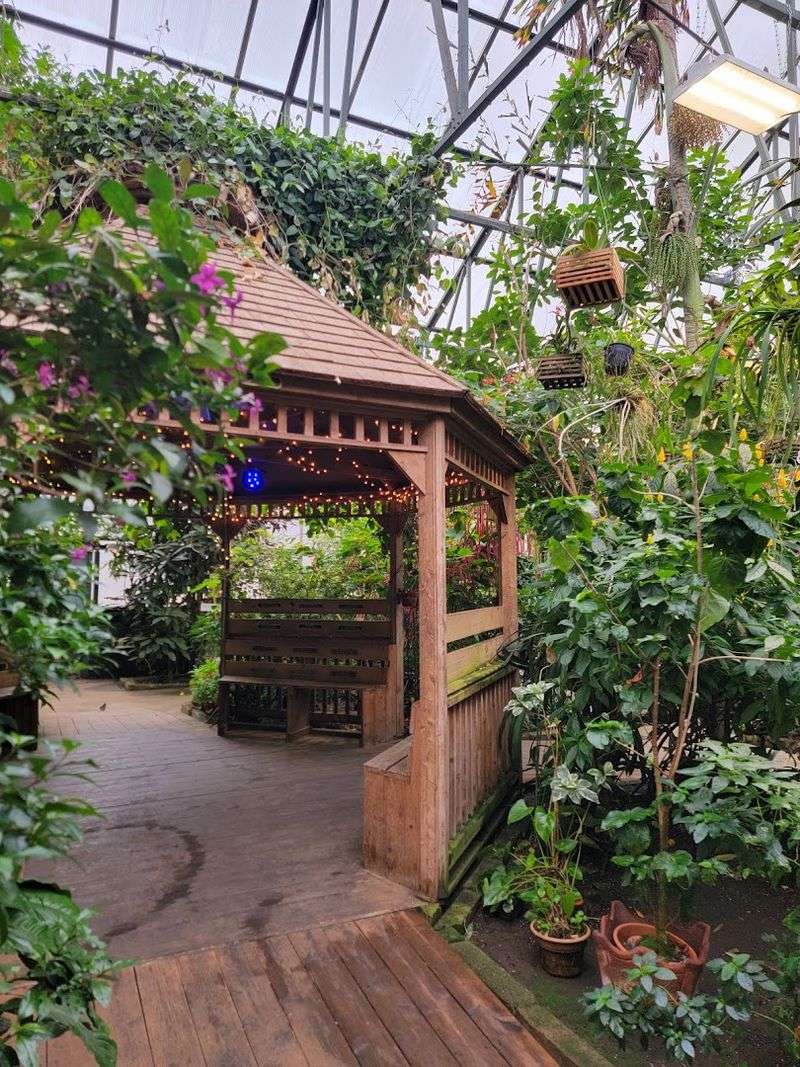
Most people do not expect to find a full tropical environment in western Massachusetts, but that is precisely what greets visitors at this place. The facility spans 18,400 square feet in total, with an 8,000-square-foot glass conservatory forming its radiant centerpiece.
Sunlight filters through the glass walls throughout the day, warming the interior to a consistent 78 to 82 degrees Fahrenheit regardless of the season.
Opening originally in October 2000, this conservatory has since established itself as one of the most distinctive indoor destinations in New England.
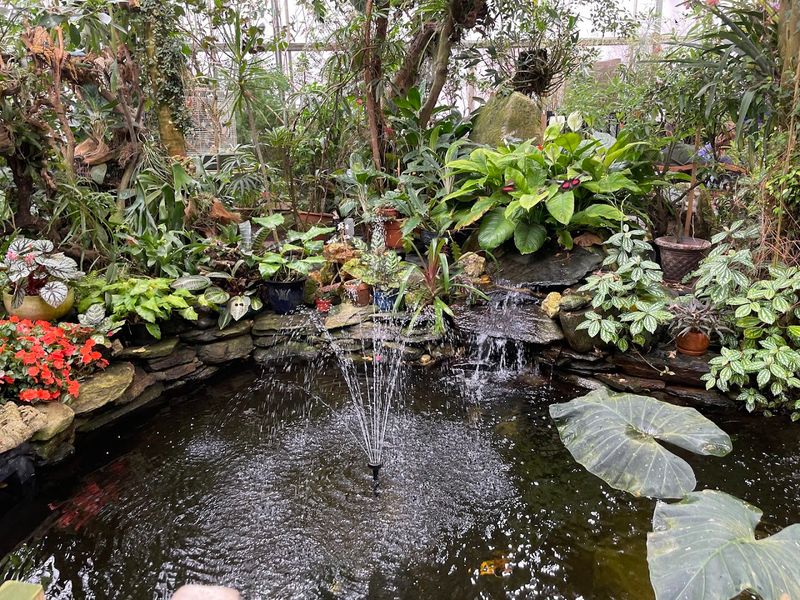
The moment you cross the threshold into the main butterfly room, the contrast with the outside world becomes immediate and remarkable. Warmth wraps around you, soft music drifts through the air, and the gentle sound of flowing water grounds the experience.
It is the kind of place that makes even the most hurried visitor slow down and breathe a little deeper, simply because the atmosphere demands it.
The Gentle Orchestra Of Fluttering Wings
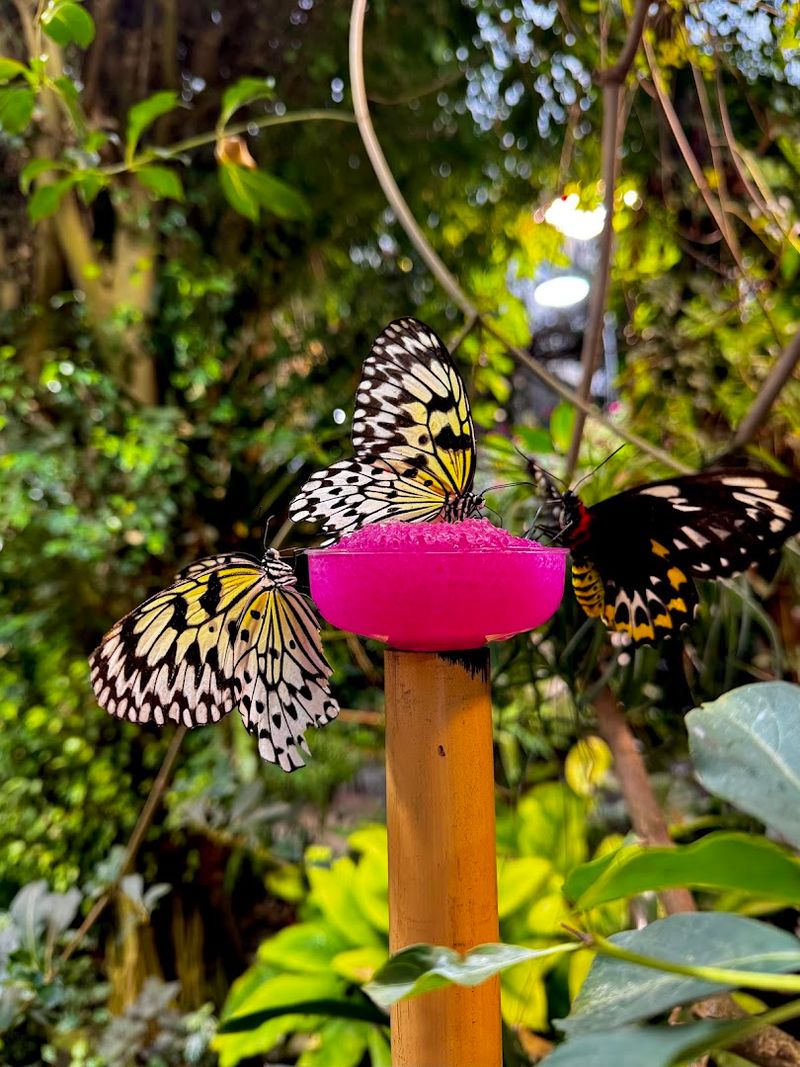
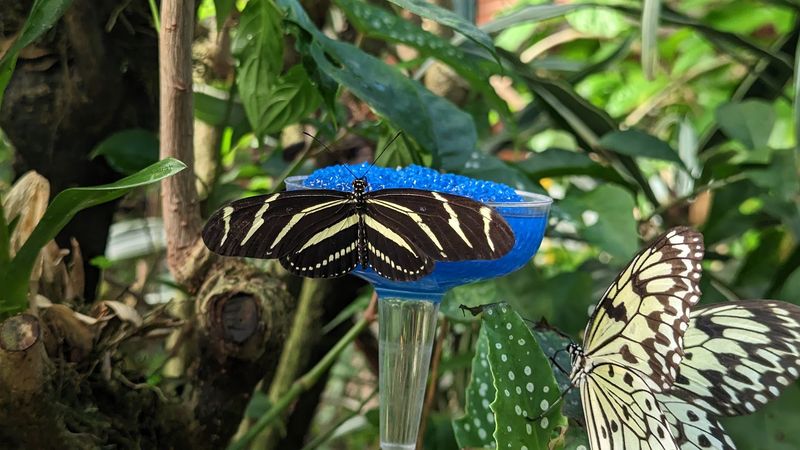
Over 4,000 free-flying butterflies representing more than 70 species inhabit the conservatory at any given time, and the effect of seeing them all in motion is genuinely difficult to describe with words alone.
Species from both tropical and native regions share the space, producing a living tapestry of color that shifts and reorganizes itself constantly.
Some butterflies move with urgency, crossing the full length of the room in seconds. Others hover near clusters of pentas or firespike flowers, feeding slowly while visitors gather around them with cameras raised.
The diversity of wing patterns on display ranges from deep iridescent blues to soft yellows and bold orange markings, each species carrying its own visual personality.
What makes this experience particularly memorable is the proximity. These butterflies are not behind glass.
They share the same air, land on the same benches, and occasionally settle on a visitor’s shoulder or hand without any prompting. Patience is the only tool required.
Wearing floral or brightly colored clothing reportedly increases the chances of an up-close encounter, and many visitors leave with photographs that look almost too vivid to be real.
Meet The Other Fascinating Creatures That Live Here
The butterflies draw the largest share of attention, but the supporting cast of creatures at Magic Wings adds considerable depth to the overall experience.
Chinese button quails roam the conservatory floor with a confident, waddling stride that visitors frequently describe as endearing.
Several guests have compared their appearance to miniature, prehistoric birds, which makes spotting them among the plants a small adventure in itself.
Three tortoises move through their habitats at their own unhurried pace, and two koi ponds provide calm focal points within the conservatory. One of those ponds is shaped like a heart, a detail that many visitors only notice after a second look.
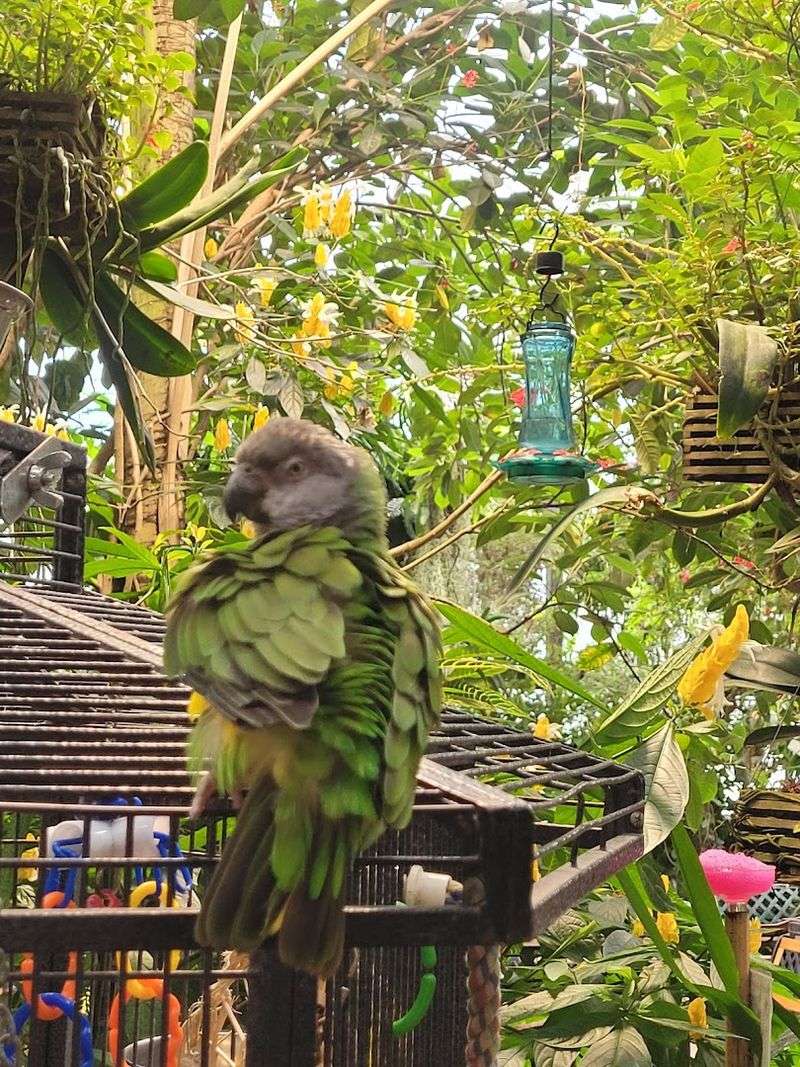
Akbar, a Senegal Parrot who has lived at the facility for over two decades, adds a lively and vocal presence to the space.
The Wonderarium section offers an entirely different kind of encounter.
Terrariums here house dart frogs, stick bugs, Madagascar hissing cockroaches, lizards, and other reptiles and insects, each with informative plaques explaining their biology and habitat.
Children tend to gravitate toward this area with particular enthusiasm, though adults often find themselves equally absorbed by the variety and detail on display.
A Tropical Vista For The Eye And Soul
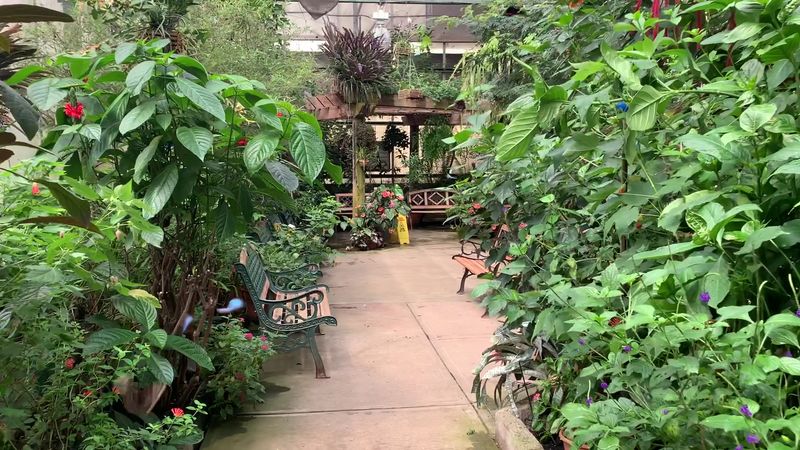
More than 200 species of plants grow throughout the space, ranging from flowering pentas and firespikes to more unusual tropical foliage and fruit-bearing trees including coffee and cacao plants.
The visual layering is impressive. At ground level, low-growing plants and ground cover create a dense, carpet-like effect.
Mid-height shrubs and flowering clusters provide the primary feeding stations for butterflies.
Above those, taller palms and tropical trees form a canopy that gives the room genuine vertical dimension, making the ceiling feel higher and the space feel more expansive than its footprint suggests.
Benches placed throughout the conservatory invite visitors to sit, absorb, and simply be present.
The combination of plant diversity, ambient warmth, soft classical music, and the constant, quiet movement of wings overhead produces an atmosphere that many guests describe as unexpectedly restorative.
A visit here is not just a visual experience. It engages multiple senses simultaneously, and that layered quality is what tends to make people stay far longer than they originally planned.
Nurturing The Next Generation Of Flight
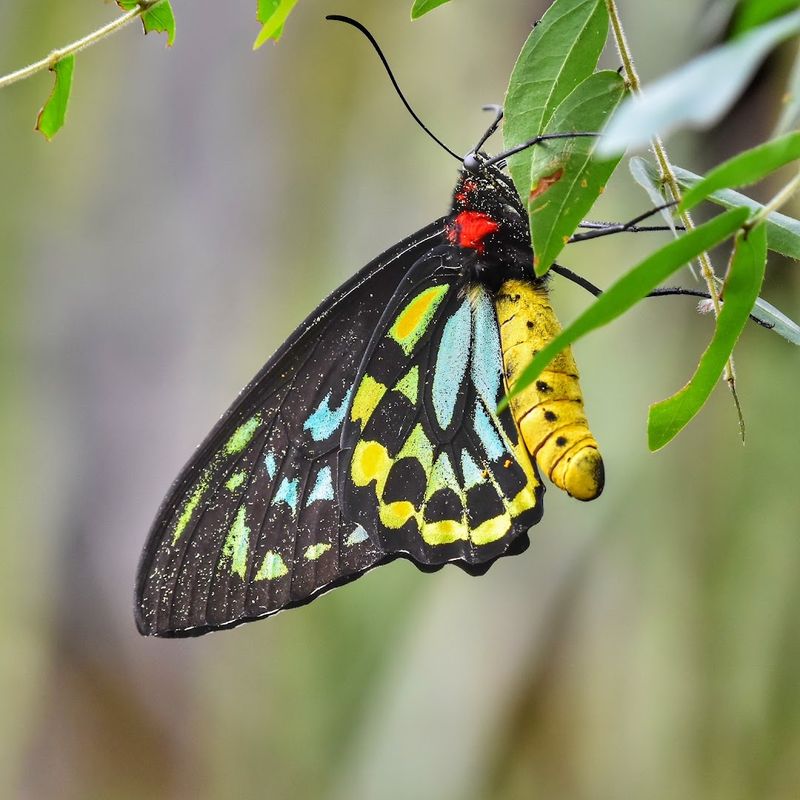
Few moments inside the conservatory carry as much quiet drama as watching a butterfly emerge from its chrysalis for the first time.
The dedicated nursery at Magic Wings makes this possible, offering visitors a transparent view into the metamorphosis process that transforms a caterpillar into one of the conservatory’s free-flying residents.
Chrysalises hang in organized rows within the nursery, each one representing a butterfly in a specific stage of development.
The timing of emergence is unpredictable, which means every visit to the nursery carries the possibility of witnessing something that most people only encounter in nature documentaries.
Once a butterfly hatches and its wings have fully dried, staff release it into the main conservatory to join the thousands already in flight.
This section of the facility adds a meaningful educational dimension to the visit. Understanding the life cycle of a butterfly shifts the experience from passive observation to active learning.
Children especially benefit from this context, arriving at the main conservatory with a clearer appreciation for what they are seeing. The nursery is not a large space, but it holds considerable weight within the overall journey through Magic Wings.
Walk Among Tropical Plants Bursting With Color
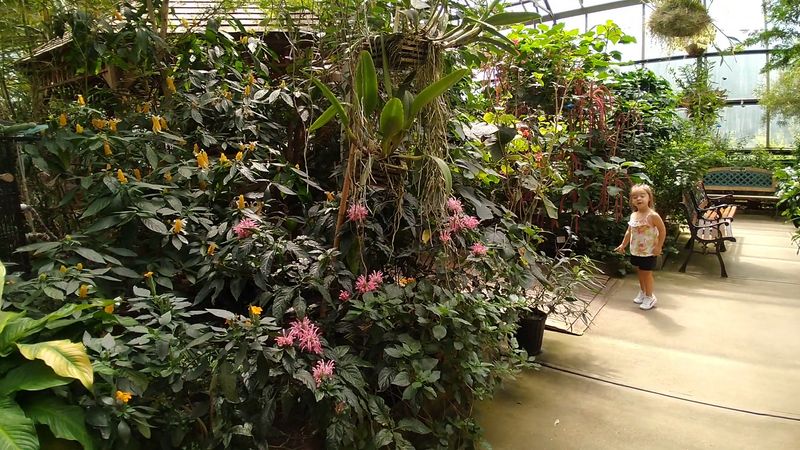
The pathways inside the conservatory are designed to slow visitors down rather than move them efficiently from one point to another. Curving through dense plantings, they reveal new compositions of flowers, foliage, and butterflies at nearly every turn.
The layout rewards wandering over rushing, and most guests naturally adopt a more deliberate pace within a few minutes of entering.
Many of the plants serve a functional role in the ecosystem, providing nectar sources that sustain the resident butterfly population. The relationship between the flora and the butterflies is visible in real time, with species clearly favoring certain flowers over others.
Watching a butterfly select a specific bloom from among dozens of options is a small but genuinely fascinating detail that casual observation makes possible.
An outdoor garden adjacent to the main building extends the experience beyond the glass walls. This space features native pollinator plants and includes a covered picnic area that is accessible without purchasing admission to the conservatory itself.
It is a thoughtful addition, allowing visitors to extend their time at the property and offering a natural transition between the tropical interior and the surrounding New England landscape outside.
The Art Of Patient Observation
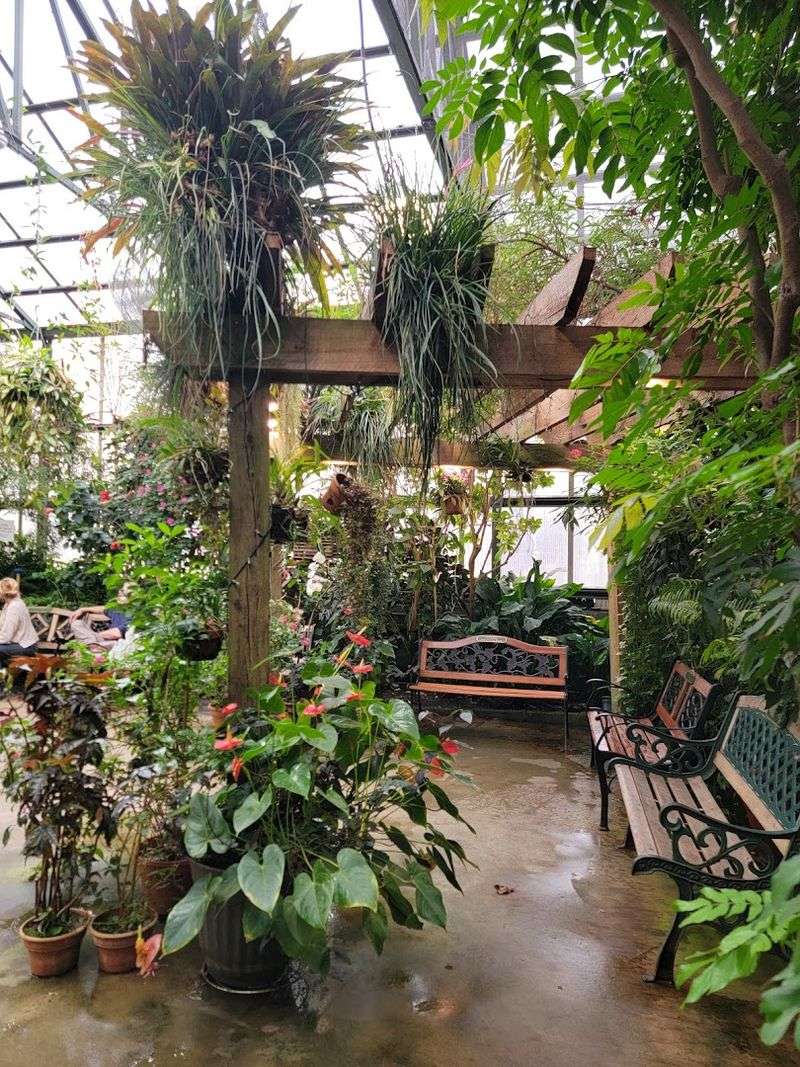
There is a particular skill involved in getting the most from a visit to Magic Wings, and it has nothing to do with equipment or prior knowledge. Stillness is the single most effective tool available.
Visitors who choose to sit on one of the many benches scattered throughout the conservatory consistently report more intimate encounters with the butterflies than those who keep moving.
A butterfly feeding on nectar, a quail pecking at the soil near the base of a plant, or the lazy arc of a large tropical species drifting through a shaft of sunlight. These moments are available to anyone willing to pause and pay attention.
The ambient sounds of the waterfall and the soft classical music playing throughout the room make the act of sitting still feel natural rather than passive.
Staff members, referred to as docents, move through the conservatory throughout the day, offering information and gently guiding interactions to ensure the butterflies remain safe.
Their presence adds a human warmth to the experience and makes the space feel attended to rather than merely managed.
Asking a docent a question almost always leads to a conversation worth having, regardless of your level of interest in entomology.
Everything You Need To Plan A Great Day
Magic Wings Butterfly Conservatory is open Wednesday through Sunday from 10 a.m. to 5 p.m., with the last admission sold at 4:30 p.m. The facility closes on Mondays, Tuesdays, Thanksgiving Day, and Christmas Day.
Ample free parking is available on site, and the location at 281 Greenfield Road in South Deerfield places it conveniently near other attractions in the Pioneer Valley.
Admission is priced at $16.00 for adults and $14.00 for seniors aged 62 and older, with a reduced senior rate of $12.50 available on Wednesdays.
Children between the ages of 3 and 17 are admitted for $10.00, as are students up to age 22 with valid identification. Children under three enter free of charge.
Strollers are not permitted inside the conservatory, so families with infants are encouraged to use baby carriers. Outside food and beverages are not allowed in the main space, though grab-and-go snack options are available in the gift shop.
A cafe is expected to reopen in the fall of 2026. The gift shop carries a thoughtful range of items including butterfly-themed merchandise and live caterpillar kits, which make for an unusually engaging souvenir.
A Sanctuary For Celebrations And Quiet Reflection
Not every visit to Magic Wings follows the same script. The conservatory has developed a quiet reputation as a venue for special occasions, and it is easy to understand why.
The combination of living butterflies, tropical greenery, warm filtered light, and gentle ambient sound creates a backdrop that no event decorator could replicate with props or lighting alone.
Weddings held within the conservatory benefit from a setting that is both intimate and visually extraordinary. The atrium and outdoor garden can accommodate gatherings of varying sizes, from small ceremonies to larger celebrations.
Couples who have chosen this location often describe it as the most distinctive decision they made in their entire planning process, and photographs from these events tend to reflect that distinctiveness clearly.
Beyond formal events, the conservatory also serves those seeking something quieter. A solo visit on a weekday afternoon, when the space is less crowded, offers a different quality of experience entirely.
The warmth, the movement, the sound of water, and the absence of urgency combine to produce something that feels closer to meditation than tourism.
For anyone navigating a busy or difficult stretch, an afternoon at Magic Wings has a way of returning perspective with surprising efficiency.