
The Quiet Idaho Lake Where A Growing Debate Is Changing Everything
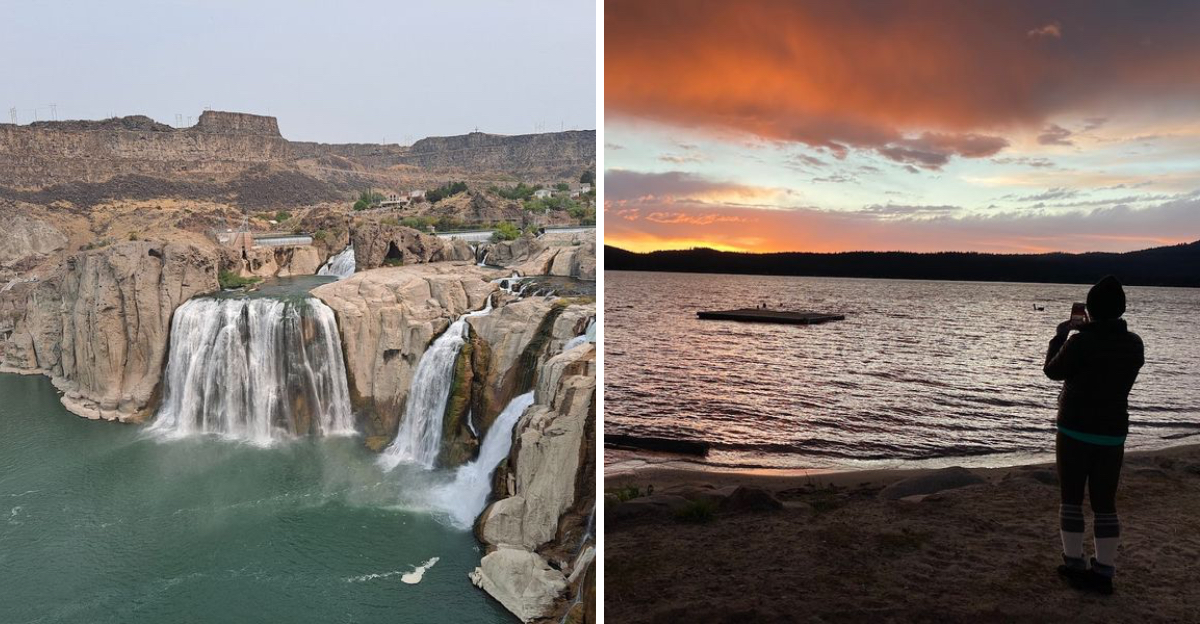
A glacier built this Idaho lake ten thousand years before anyone thought to argue over it. That ice carved a basin so deep it swallows sunlight past three hundred feet down.
Locals still swap stories about something moving through those black depths. Half of them are only pretending to joke.
Underneath the calm surface, though, a real fight is brewing. Boats keep multiplying, water keeps clouding, and neighbors keep clashing over what should happen next.
Few places in Idaho carry this much drama beneath such postcard views. Stick around and you will hear people argue about acreage, water rights, and legend in the same breath.
There is history worth knowing here, a controversy worth watching, and plenty more waiting once you start digging.
A Glacier’s Masterpiece Frozen in Time
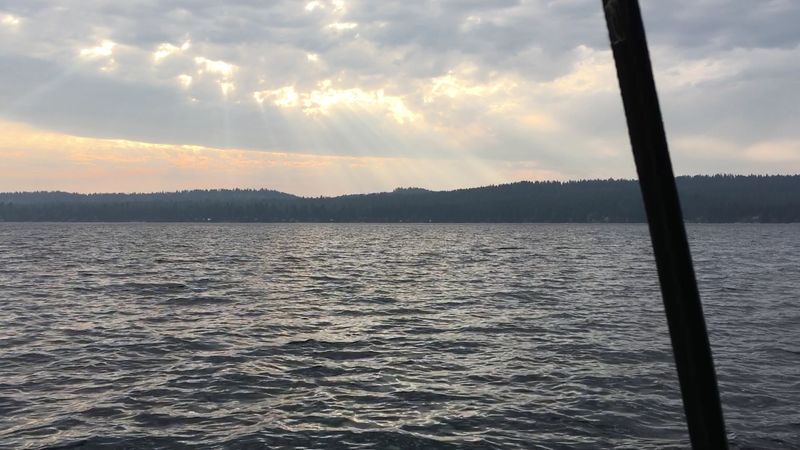
Ice built this lake. Over 10,000 years ago, a glacier stretching eight miles long and standing roughly 1,000 feet high slowly ground through this mountain valley in Idaho.
When the ice finally retreated, it left behind a deep, curved basin that eventually filled with cold, pristine meltwater.
The lake plunges to depths exceeding 390 feet near its northwest shore. The lake sits within the upper drainage basin of the Payette River.
Its glacial origins explain the water’s striking clarity and its famously cold temperatures, even during summer.
When water levels drop seasonally, hundreds of ancient tree trunks rise from the lakebed. These submerged forests serve as ghostly reminders of the land that once existed here.
Every detail of this place tells a story written by forces far older than memory.
McCall and the Lake That Built a Town
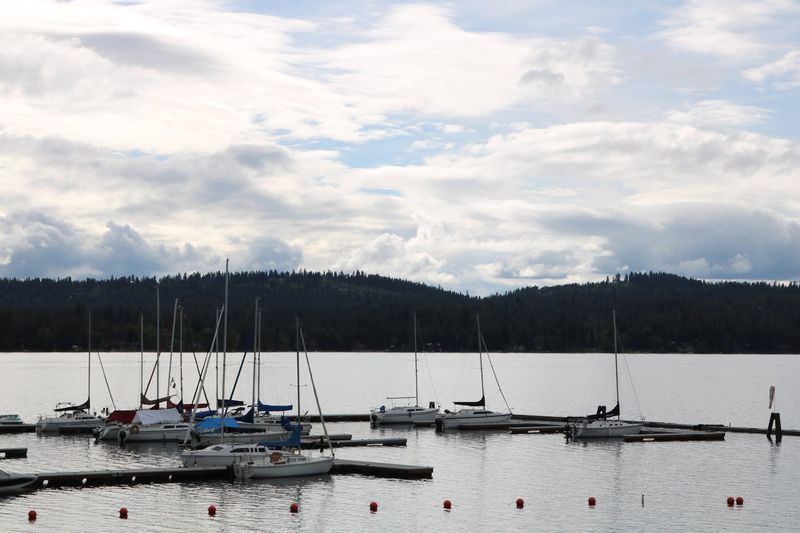
McCall grew up around this lake. The town was established on the southern end of Payette Lake during the 1880s, originally drawing settlers during the gold rush era.
A railroad extension and improved road access arrived by 1914, opening the area to a wider wave of visitors.
By 1920, the Idaho State Land Board had already begun leasing vacation homesites along the shoreline, recognizing early on that people would pay for a piece of this scenery. Today, McCall blends small-town warmth with resort-level amenities.
Shops, restaurants, and lodging options cluster within easy walking distance of the water.
The lake’s address falls within McCall, Idaho 83638, placing it at the heart of Valley County’s outdoor culture. The community has built its identity around the rhythms of the lake.
Summers bring boaters and swimmers; winters bring skaters and snowmobilers. The town does not just border the water; it revolves around it, season after season, year after year.
Every Season Has Its Own Kind of Magic
Summer at Payette Lake hums with motion. Kayaks cut across the surface, paddleboards drift near the shore, and sailboats catch the mountain breeze.
Swimmers brave the cold water while boaters tow riders across open stretches. Rental outfitters near the McCall waterfront make it easy to get on the water without bringing your own gear.
Anglers cast for mountain trout from the shoreline or from small boats, finding quiet corners of the lake away from the busier areas. The surrounding Payette National Forest adds miles of hiking and mountain biking trails, keeping land-based adventurers just as busy.
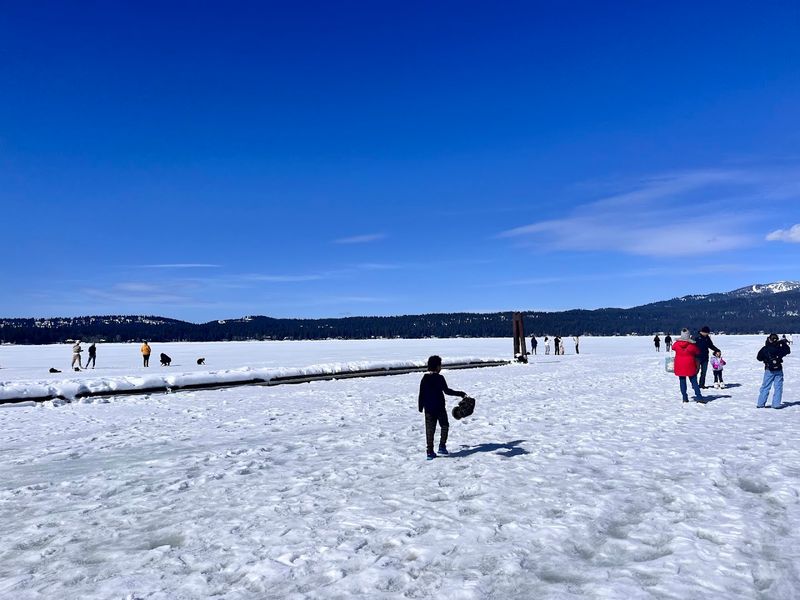
Winter flips the script entirely. The lake frequently freezes over, and when it does, the surface becomes a playground of its own.
Ice skating, ice fishing, snowmobiling, and cross-country skiing all become fair game. The annual McCall Winter Carnival draws crowds who walk, skate, and sled right across the frozen lake.
Few places in Idaho offer this kind of year-round versatility in a single destination.
Ponderosa State Park Steals the Show
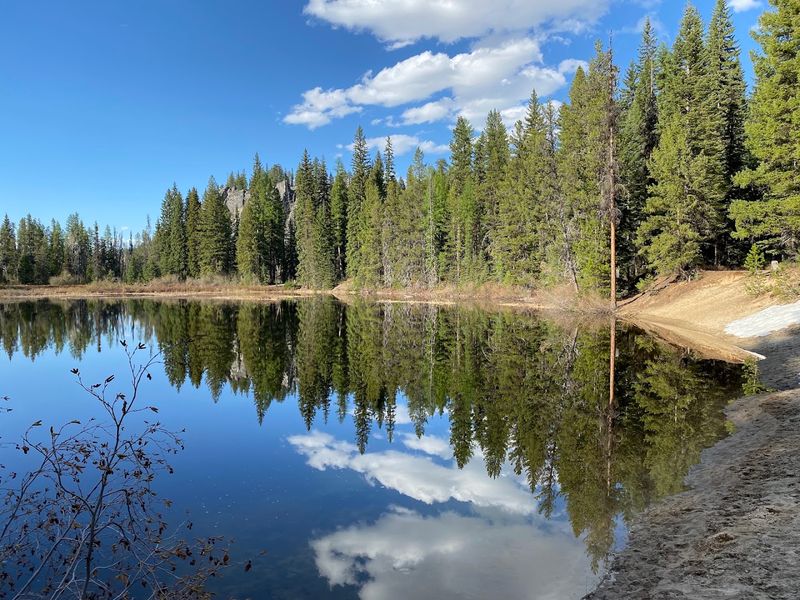
A forested peninsula pushes dramatically into the lake just two miles from downtown McCall. That peninsula is Ponderosa State Park, a roughly 1,000-acre sanctuary of old-growth Ponderosa Pine and Douglas Fir that feels like a world apart from the busy shoreline below.
The park offers campgrounds, sandy beaches, and a network of trails that wind through towering trees and along the water’s edge. Wildlife thrives here.
Deer, elk, and moose move through the forest regularly. Osprey circle overhead and dive sharply for fish, and black bears have been spotted swimming near the park’s edges.
Winter transforms the park into a Nordic paradise. Groomed trails invite cross-country skiers and snowshoers to move quietly through snow-covered forest.
The views across the frozen lake from the peninsula’s higher points are worth every cold step. Ponderosa State Park acts as a natural buffer between the developed lakeshore and the wild Idaho landscape beyond it, protecting both the scenery and the ecosystem that makes this place so remarkable.
Sharlie, the Lake Monster Nobody Can Explain
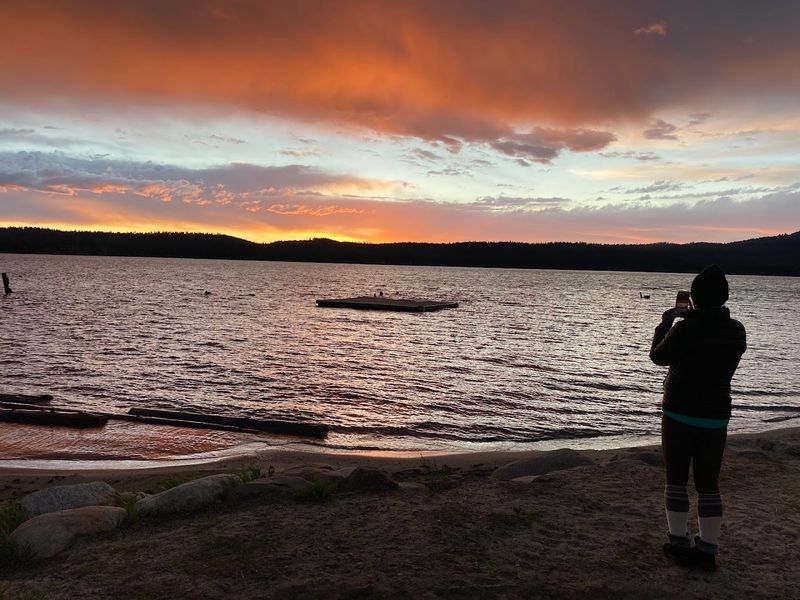
Every great lake needs a legend, and Payette Lake has Sharlie. This local myth describes a mysterious serpent-like creature living in the lake’s deepest reaches, first officially documented in 1920.
Early accounts described a large, log-shaped object moving with deliberate purpose, leaving an unmistakable wake behind it.
The story goes back even further than that. Native American tribes who spent summers in the Long Valley region passed down oral traditions about a powerful spirit inhabiting the water.
These accounts predate modern sightings by generations and add a layer of cultural weight to the legend.
Scientists have not confirmed Sharlie’s existence, but that hardly matters to the people who love this lake. The legend adds a playful, mysterious quality to an already captivating place.
Some visitors scan the surface with genuine curiosity. Others simply enjoy the idea that something ancient and unknowable might be watching from below.
The Water Quality Warning Nobody Wanted to Hear
Payette Lake has long carried a reputation for exceptional water clarity. That reputation is now under real pressure.
According to EPA criteria, the lake is currently rated approximately 35 percent impaired, a figure that has alarmed residents, scientists, and environmental advocates alike.
Invasive Eurasian milfoil has taken hold in parts of the lake, disrupting the natural ecosystem and spreading aggressively. Phosphorus loading from road runoff and erosion adds excess nutrients to the water, encouraging algal growth.
Sediment stirred up by high-powered wake boats further clouds the water and stresses aquatic life.
Urban runoff, careless landscaping, and new construction along the shoreline compound the problem. Homeowners applying excess fertilizer near the water inadvertently push nutrients directly into the lake.
Because Payette Lake serves as the sole drinking water source for McCall and many nearby properties, the stakes could not be higher. The lake’s watershed covers roughly 144 square miles, and every corner of that basin plays a role in what ends up in the water.
The Land Exchange Debate Reshaping the Shoreline
The Idaho Department of Lands manages nearly 16,000 acres of state endowment land around Payette Lake. These lands are constitutionally required to generate maximum long-term revenue for public schools and state hospitals.
Historically, timber leases fulfilled that obligation, but those returns have not kept pace with the land’s skyrocketing market value.
A proposed land exchange would transfer these lakeside acres to the U.S. Forest Service.
Idaho would receive a much larger block of federal timberlands elsewhere in the state in return, potentially up to 150,000 acres. Supporters argue this swap would permanently protect public access and prevent private development on the most sensitive shoreline areas.
Organizations like United Payette have pushed strongly for this solution, framing it as a conservation win that serves both the public and the environment. Critics, however, raise questions about whether the trade truly meets the constitutional requirement to benefit Idaho’s schools.
The debate is ongoing, passionate, and far from resolved. What happens next will define the character of this Idaho shoreline for generations to come.
Wake Boats, New Slips, and a Lake Under Pressure
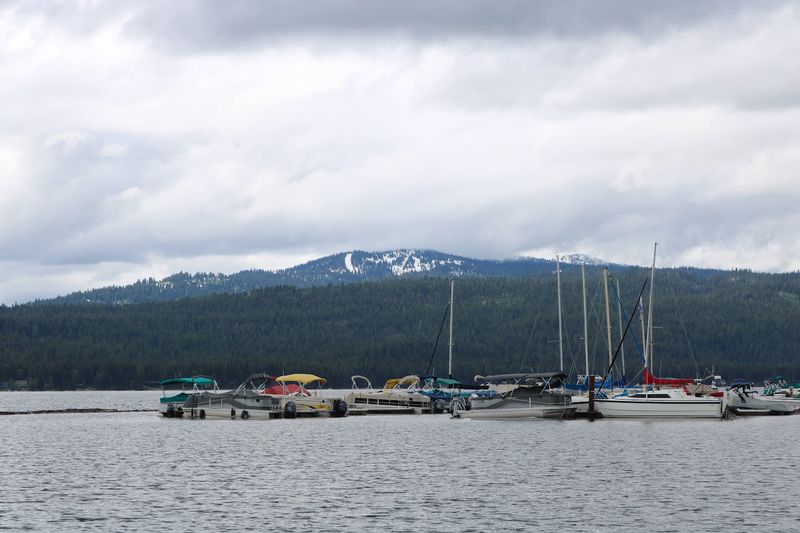
More boats mean more conflict. The 2024 approval for 90 additional power and wake boat slips at Mile High Marina on Payette Lake triggered a sharp reaction from residents, environmentalists, and quieter water users who felt the lake was already stretched thin.
Wake boats generate large, powerful waves that churn up sediment from the lakebed. That sediment clouds the water and can smother aquatic habitat.
The noise and congestion also create friction with kayakers, paddleboarders, and swimmers who share the same surface.
Beyond the water itself, Cougar Island, one of the lake’s two major islands just past the Narrows to the north, was auctioned off in lots by the Idaho Department of Lands, though most parcels failed to attract bidders and remain in state hands. Any future development on the unsold lots would require new septic systems and off-grid power, both of which carry real contamination risks.
Any development would require new septic systems and off-grid power, both of which carry real contamination risks. These overlapping pressures are forcing a community reckoning.
Idaho’s most beloved lake cannot absorb unlimited growth without paying a serious ecological price.
The Conservation Groups Fighting Back
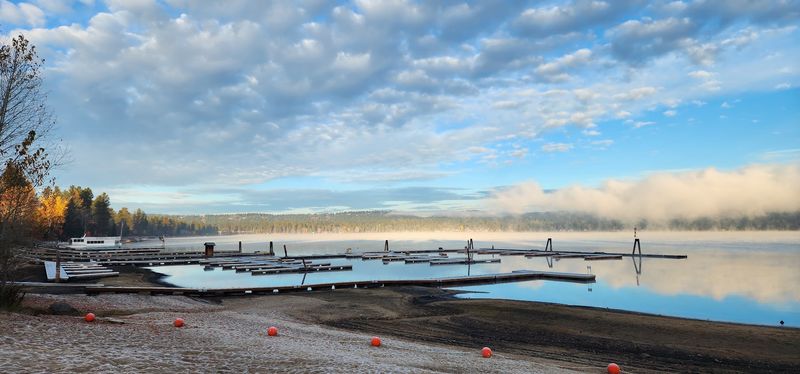
Protecting a lake takes organized effort. The Big Payette Lake Water Quality Council, established in 1992, has spent decades working to understand and improve the health of the lake.
The organization focuses on scientific monitoring, community education, and hands-on conservation work targeting erosion, pollution, and invasive species.
In 2026, herbicides are being deployed in Payette Lake for the first time to combat Eurasian watermilfoil. This marks a significant step, reflecting how seriously the infestation has grown.
The decision was not made lightly, but the threat posed by unchecked milfoil spread left few other options.
On the legal front, the Idaho Department of Environmental Quality filed a lawsuit against the Payette Lakes Recreational Water and Sewer District over a long-standing leak from a treated wastewater pond. The leak has been sending phosphorus into the Payette River system for years.
These actions, taken together, signal that the era of hoping the lake would heal itself is over. Active intervention is now the standard approach in Idaho.
Why This Lake Still Pulls People Back Every Year
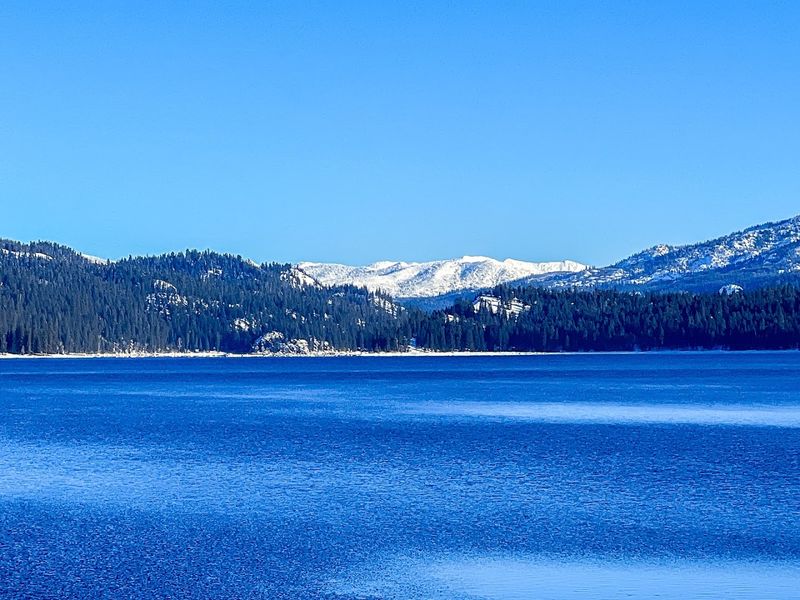
Despite the debates and the environmental pressures, Payette Lake remains one of Idaho’s most magnetic destinations. The water still turns a striking shade of blue-green on clear days.
The beaches still draw families who spend entire afternoons doing nothing more complicated than watching the light change on the mountains.
The town of McCall adds to the draw. Restaurants, unique shops, and a relaxed resort atmosphere give visitors plenty to do when they step off the water.
Sunsets over the lake are the kind that make people stop mid-sentence and just look.
The lake’s enduring appeal is not accidental. It comes from a combination of raw natural beauty, genuine community investment, and a setting that feels both wild and welcoming.
Visitors who come once tend to come back. Some return every summer for decades.
The ongoing debates about land use and water quality are not signs of a place falling apart; they are signs of a community that cares deeply about what it has and refuses to let it go quietly.