
This Tennessee State Park Has One Of West Tennessee’s Highest Overlooks And Sweeping Kentucky Lake Views
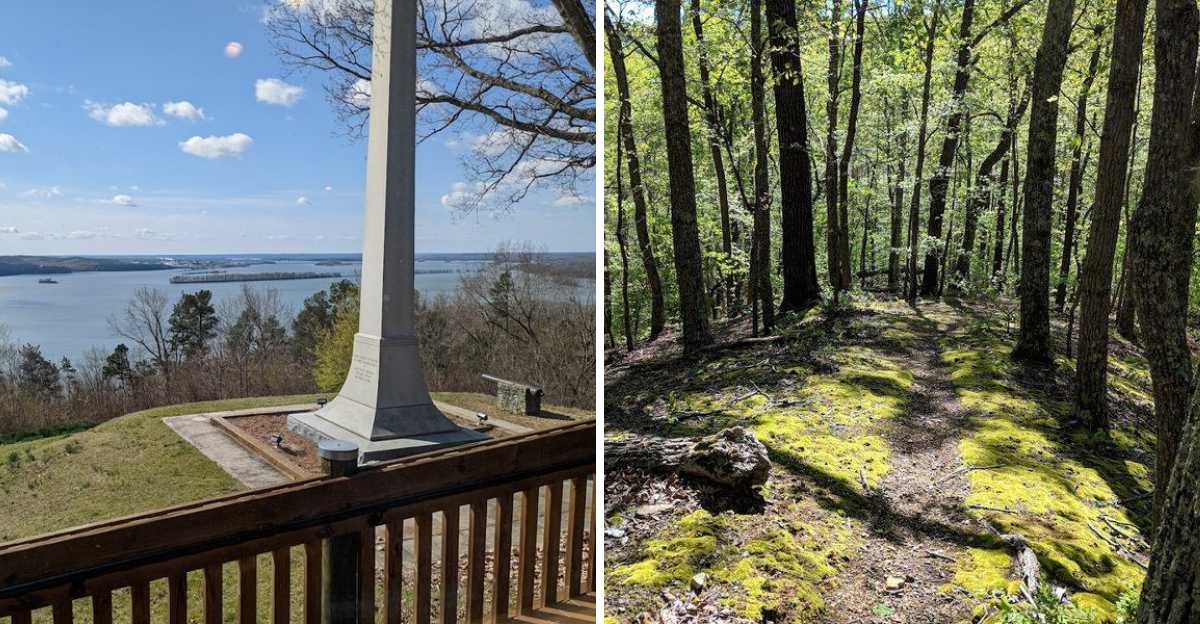
Tennessee holds one of its best state parks in a spot most people drive right past. A short climb up this state park’s ridge rises well above everything around it, and the payoff hits fast.
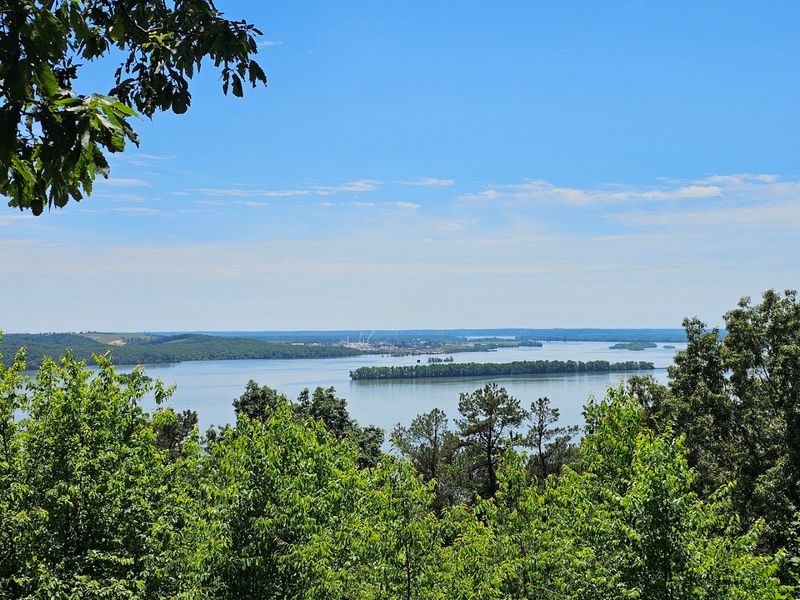
Kentucky Lake spreads out below in every direction, wide enough that boats look like tiny specks on the water.
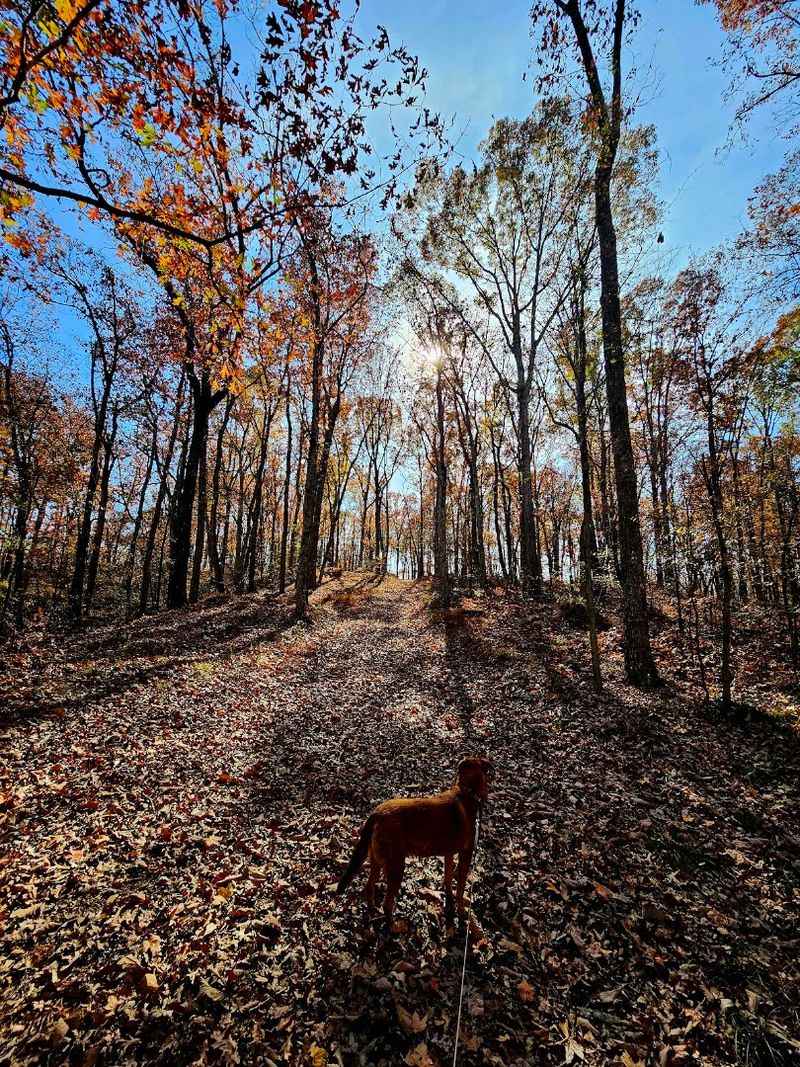
Forest covers most of the ridge inside this state park, thick with oak and hickory that turn gold and red once fall arrives.
Trails wind through the woods at different lengths, so casual walkers and serious hikers both find something that fits. History sits quietly here too, tied to a Civil War battle fought near these very banks.
Sunset might be the real reason to visit this state park, though. Colors stretch across the water and linger long after the sun disappears.
Few state parks in Tennessee offer this much payoff for such a short climb.
The Elevated Perspective Of West Tennessee
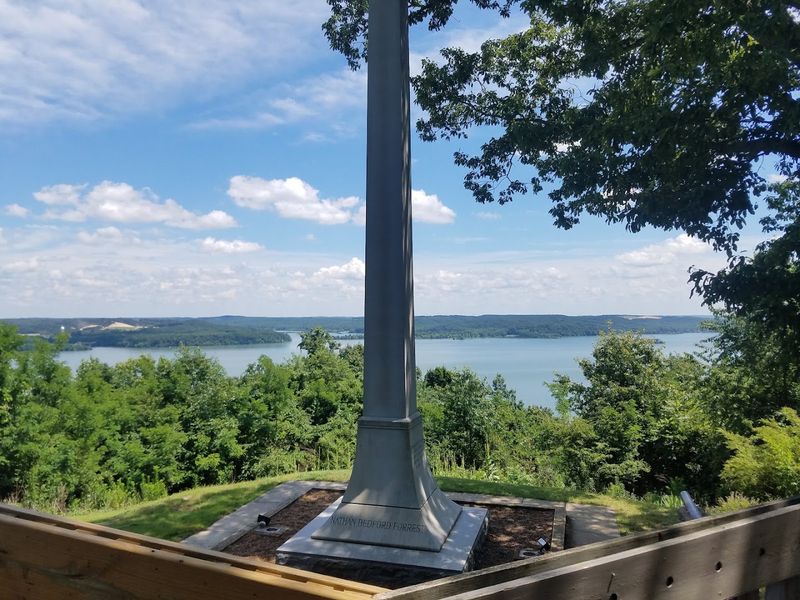
Standing at 656 feet above sea level, Pilot Knob is one of the highest points in West Tennessee, and the view from the top earns every step of the climb. Most of this region sits on relatively flat terrain, so an elevation like this carries real weight.
The land spreads out in every direction, and Kentucky Lake glitters below like a broad silver ribbon stretched across the countryside.
The ascent is manageable for most visitors, with trail surfaces that vary between packed earth and exposed rock. Once you reach the summit, the sense of scale is immediate and striking.
You can trace the lake’s shoreline for miles, watch hawks circle at eye level, and feel a breeze that simply does not exist at the bottom of the hill.
Reaching this overlook is the kind of experience that stays with you long after you have returned home. The drive in alone hints at the reward waiting above.
Plan your visit on a clear morning when the light is low and the lake catches the sun at its best angle.
Kentucky Lake Spreads Out Below You In Every Direction
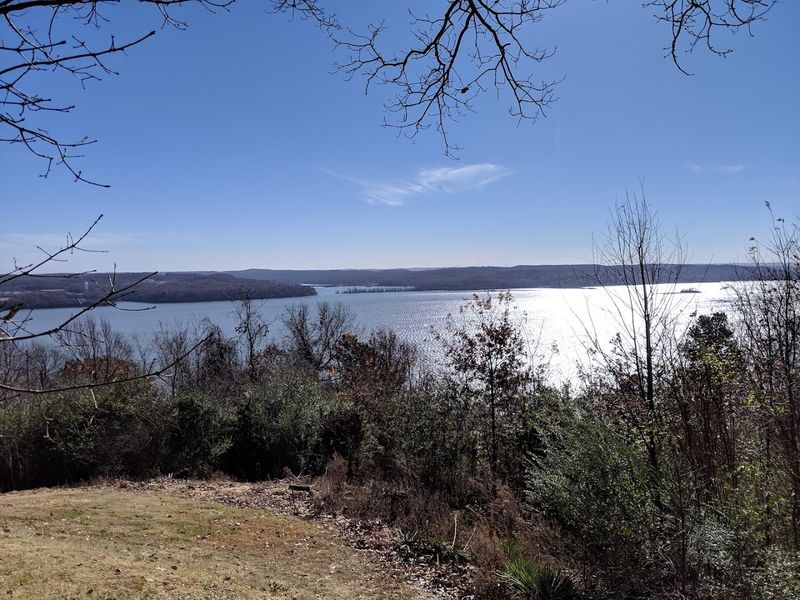
Kentucky Lake is not a modest body of water.
Formed by the Tennessee Valley Authority through the damming of the Tennessee River, it stretches roughly 184 miles in total length, making it one of the largest man-made lakes in the eastern United States.
From the elevated ridges of this park, the lake appears almost oceanic in its breadth, particularly on mornings when mist sits low on the surface.
The water changes character throughout the day. Early light turns it pale gold, midday sun hammers it into silver, and late afternoon gives it a deeper, more contemplative blue.
Watching those shifts from Pilot Knob is a quiet pleasure that requires nothing more than patience and a good vantage point.
Beyond its visual appeal, Kentucky Lake supports an impressive range of outdoor activity. Anglers come for bass, crappie, and catfish.
Boaters launch from the park’s ramp and disappear into the coves. Swimmers enjoy Eva Beach, a sandy shoreline with clear water and open sky above.
The lake is both a backdrop and a destination, and the Nathan Bedford Forrest State Park gives you full access to both qualities without any fuss.
Echoes Of A Civil War Landscape
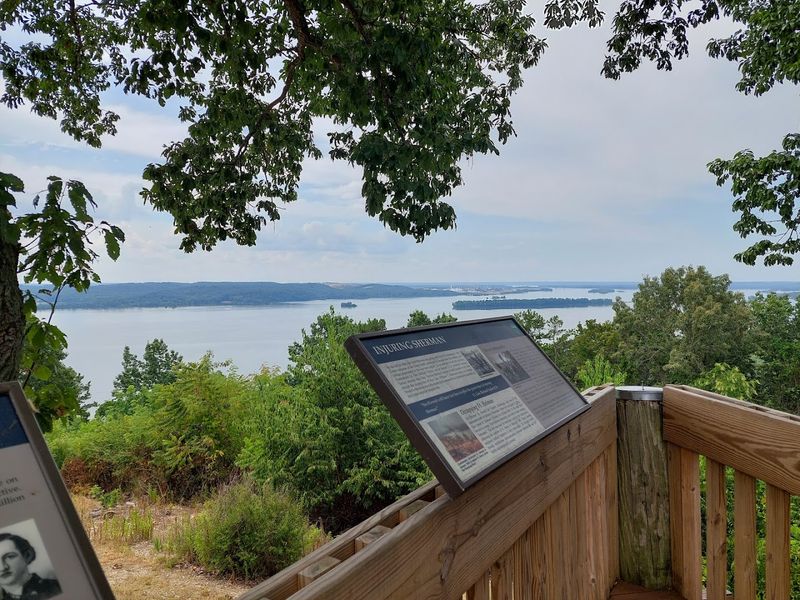
History arrived at this land long before it became a park. In November 1864, Confederate General Nathan Bedford Forrest led a raid on Union supply operations at Johnsonville, located just across the Tennessee River.
The attack disrupted Federal logistics at a critical moment in the Civil War and drew significant attention from military commanders on both sides. The park, established in 1929, bears his name and carries the weight of those events with quiet seriousness.
Interpretive markers throughout the grounds help visitors understand the geography of the battle and the strategic importance of the river crossing.
Civil War cemeteries, encampment sites, and even remnants of a railroad turntable from that era are accessible to those willing to explore beyond the main overlook.
These details accumulate into a portrait of a landscape that has seen far more than its present calm suggests.
The park does not dramatize its history or turn it into spectacle. Instead, it presents the facts through well-maintained displays and lets the terrain speak for itself.
Walking through these hollows and ridges with that context in mind adds a layer of meaning to every view you encounter along the way.
Stories From The Tennessee River’s Edge
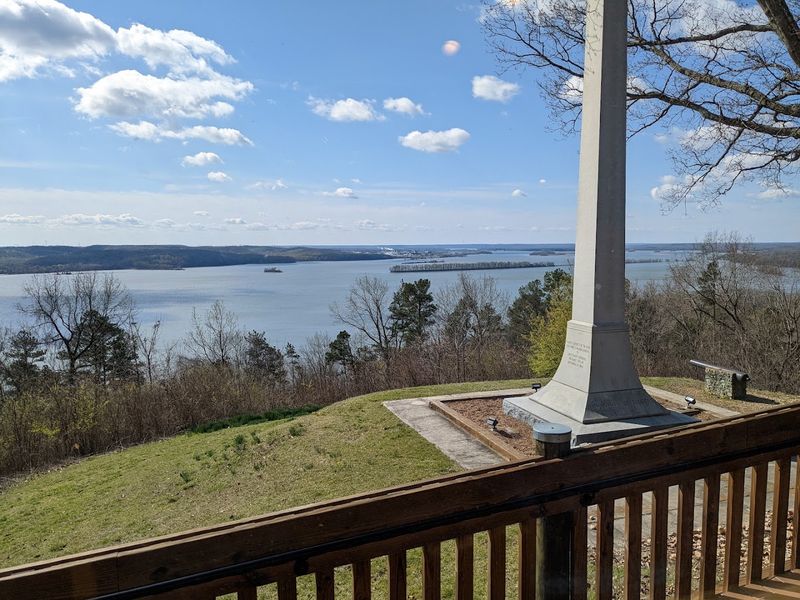
Perched at the top of Pilot Knob, the Tennessee River Folklife Interpretive Center and Museum offers something that most overlooks simply cannot: context.
The center documents the daily lives of people who lived and worked along the lower Tennessee River during the 19th and 20th centuries.
This included people who harvested freshwater mussels for the pearl button industry, a trade that once thrived in these waters before plastics replaced natural materials.
The museum holds displays on commercial fishing, traditional crafts, and regional customs that shaped the character of this valley over generations.
Live animals, including owls, turtles, and snakes, are also part of the exhibit space, adding an educational dimension that younger visitors find especially engaging.
Staff members at the center are consistently knowledgeable and willing to share details that go beyond what the signs say.
Visiting the center before hiking the trails actually improves the experience considerably. Knowing what this river meant to the people who depended on it changes how you look at the water below.
The museum is open during regular park hours, and admission is included with general park access. Allow at least an hour to move through it properly without rushing.
Paths Through Oak And Hickory
The park maintains over 30 miles of hiking trails, and the variety within that network is genuinely impressive. Some paths are short and accessible, looping through the campground or along the lake’s edge.
Others climb steadily through the ridge terrain, rewarding endurance with open views and the kind of stillness that only deep forest delivers. The three-mile Pilot Knob Loop Trail is the most popular route and for good reason.
Oak and hickory dominate the canopy here, and in autumn the color shift across the ridgeline is remarkable.
Spring brings wildflowers along the lower paths, and summer keeps the understory dense and shaded, which makes midday hiking far more comfortable than you might expect.
Wildlife sightings are common throughout the year, with deer, raccoons, and various raptors appearing regularly along the trails.
Trail maps are available at the visitor center and are well worth picking up before you set out. The terrain involves some genuine elevation change, so proper footwear matters more here than in a flat park.
Trekking poles help on the steeper descents. Those who go off the main paths occasionally find old homestead remnants and quiet hollows that feel entirely removed from the modern world outside the park boundary.
A Sanctuary For Avian Life
Over 200 bird species have been recorded within this park, a number that reflects the richness of its varied habitat.
The combination of open water, forested ridges, and sheltered hollows creates conditions that support both resident birds and seasonal migrants passing through on their annual routes.
Few parks in West Tennessee offer this kind of avian diversity in a single location.
From Pilot Knob, hawks and turkey vultures are frequently spotted riding thermals in wide, lazy circles at roughly eye level.
Watching a red-tailed hawk glide past at the same elevation as your vantage point is one of those moments that makes you stop talking mid-sentence.
The lake’s shoreline attracts herons, ospreys, and waterfowl, particularly during spring and fall migration periods when activity peaks considerably.
Birdwatchers visiting for the first time would do well to arrive early in the morning, when activity is highest and the light is most favorable for observation.
Binoculars are helpful, though many species come close enough to the trail edges that they are visible without optical assistance.
The park does not require any special permit or fee for birdwatching, and the trails provide natural, unhurried access to the best observation points throughout the property.
Waterside Repose And Adventure
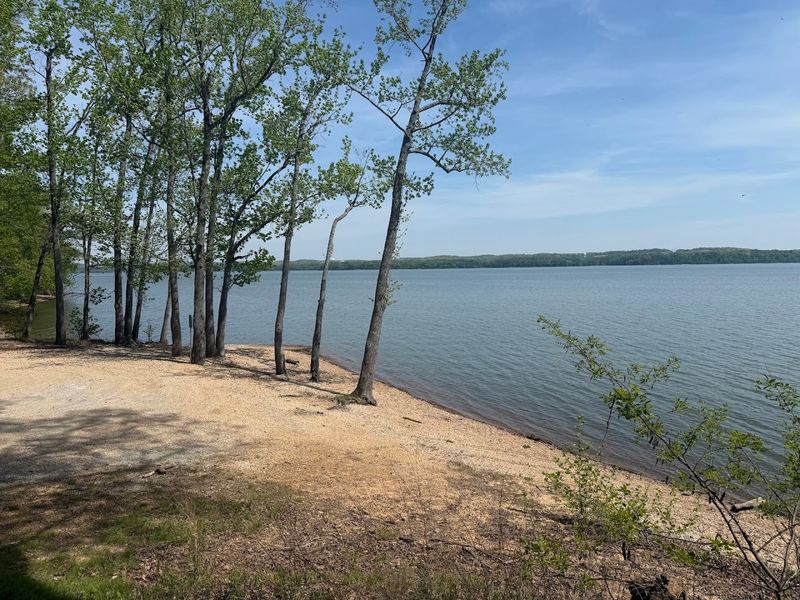
Eva Beach sits along the park’s lakeside edge and offers one of the more relaxed stretches of shoreline in this part of Tennessee.
The sand is natural, the water is clear enough to see through at the shallows, and the view across the lake stretches far enough that the opposite bank disappears on hazy days.
It is the kind of beach that does not need to announce itself, because the setting does that work on its own.
Fishing on Kentucky Lake is productive throughout the year. Bass, crappie, and catfish are the most common catches, and the park’s boat ramp provides easy water access for those who prefer to fish from a vessel rather than the shore.
Kayakers and canoe paddlers find the coves especially rewarding, with calm water and good opportunities for wildlife observation along the quieter stretches of shoreline.
Primitive campsites near the lake are particularly popular with paddlers who want to pull their boats directly onto shore and camp within steps of the water.
The lakeside campsites without hookups have a raw, unhurried quality that appeals to those who want their outdoor experience to feel genuinely disconnected from daily routine.
Sunrise over the water from these sites is worth an early alarm.
A Gentle Journey Through Ridge And Hollow
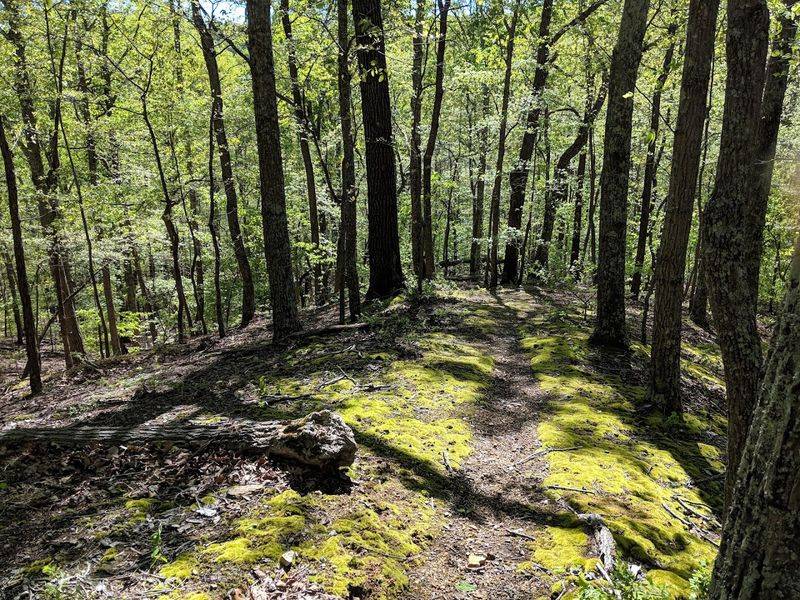
Not every visit to Nathan Bedford Forrest State Park needs to involve a summit climb or a full day of hiking. The park’s topography of ridges and hollows invites slower, more contemplative movement through the landscape.
Short walks along the hollow floors pass through shaded corridors where sound travels differently and the air carries a cooler, earthier quality than the open ridgeline above.
The cabins available for overnight stays are positioned to take advantage of this varied terrain. Some sit near the lake with open water views from the living room and both bedrooms.
Others are set back into the woods with a more secluded atmosphere. All of them are well-maintained, spacious enough for families or small groups, and equipped with full kitchens and comfortable sleeping arrangements.
A log cabin with a fire pit and hilltop lake view is among the more memorable lodging options in the region.
The park at 1825 Pilot Knob Rd, Eva, TN 38333 is open daily from 8 AM to 4:30 PM, and the surrounding grounds are accessible beyond those hours for campers and cabin guests.
For those passing through Tennessee and looking for a place that delivers more than it promises, this park is a reliable and rewarding stop.