
This Montana Park Turns Into A Farmers Market Every Wednesday From June Through September
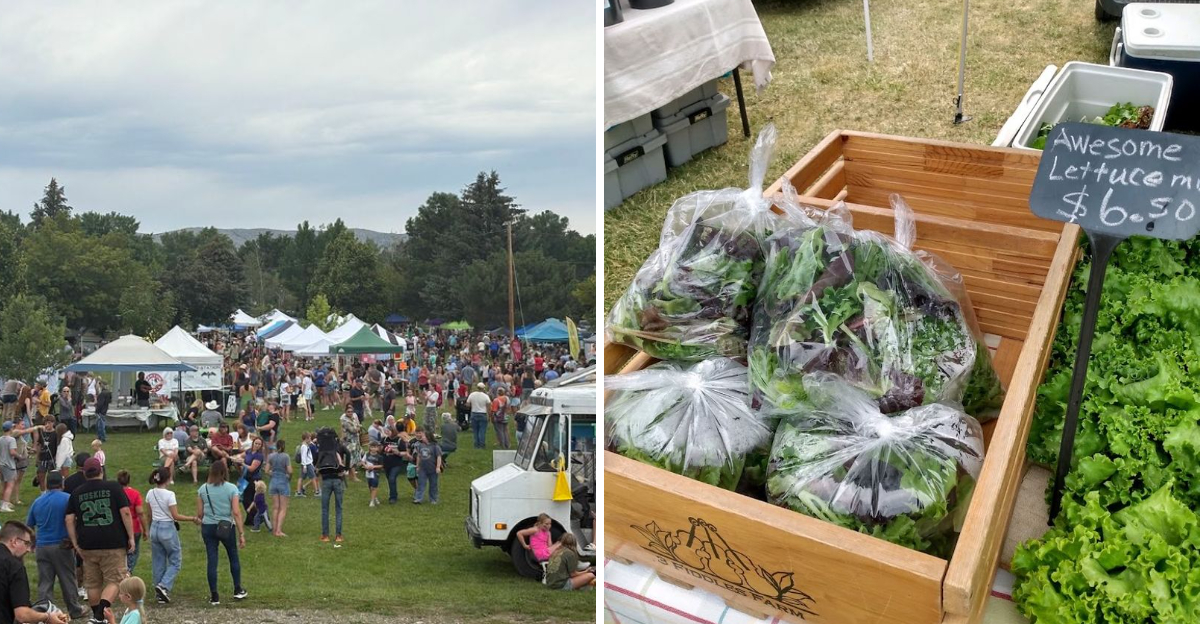
Wednesday evenings beside the Yellowstone River have the kind of pull that makes me forget my plans. By late afternoon, I had already written off the rest of my plans and slipped into the Wednesday tradition.
Would you have stayed for one song or until the very end? Montana’s local growers and makers bring plenty to browse, but I would probably show up for one purchase and stay until the music ends.
The river keeps the setting calm while the crowd gives it personality. Families linger, friends reconnect, and visitors quickly feel included.
What I like most is how natural it all feels. Nothing is forced, and nobody seems rushed. It is the sort of evening that turns a Wednesday into something I would look forward to all week.
The Park Comes Alive Every Wednesday
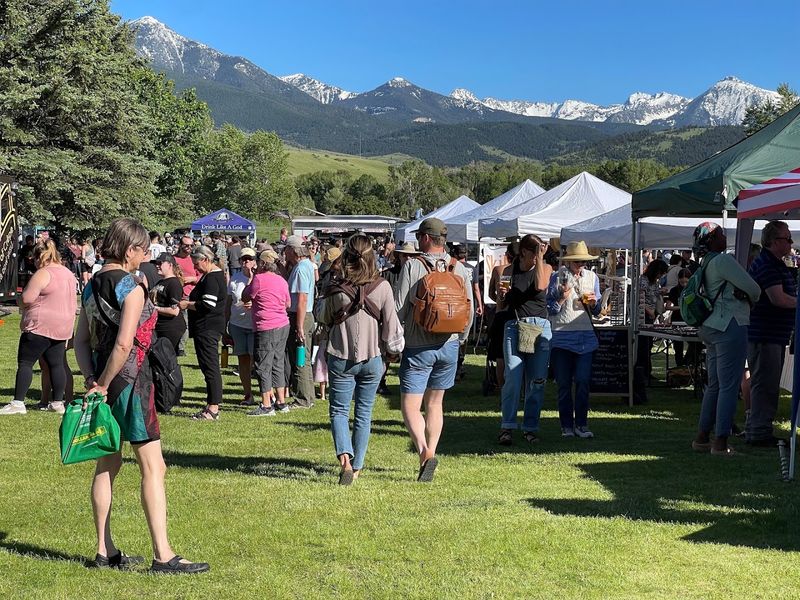
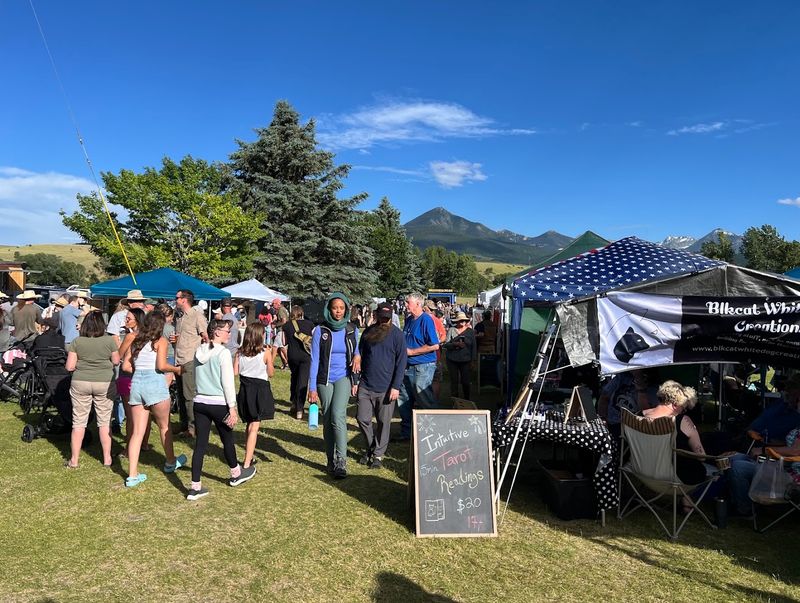
Every Wednesday, a quiet riverside park becomes one of Livingston’s liveliest gathering places. Vendors begin arriving in the early afternoon, setting up colorful tents and arranging their wares while the sun still hangs high over the surrounding mountains.
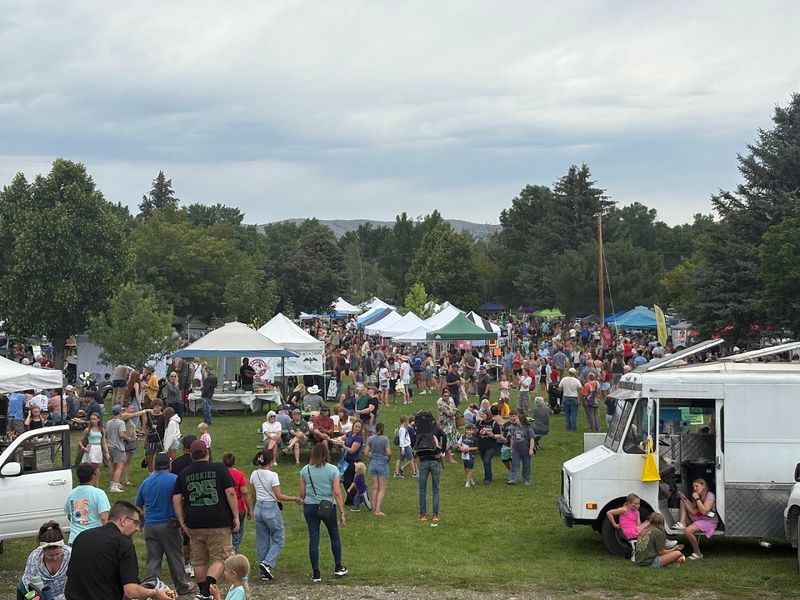
By half past four, the grounds buzz with activity as shoppers arrive eager to see what treasures the season has brought.
The atmosphere shifts from ordinary park space to bustling marketplace in a matter of hours. Families stroll between booths while children run across the grass, creating an energy that feels both festive and familiar.
The scent of fresh bread mingles with the earthy smell of just-picked vegetables, while musicians tune their instruments in preparation for the evening ahead.
This weekly ritual has become woven into the fabric of Livingston life, marking the passage of seasons more reliably than any calendar.
You Have Sixteen Summer Evenings Worth Clearing Your Calendar For
Regulars quickly learn to plan their summer around market days. Only sixteen evenings separate the June opening from the final gathering in September.
The schedule runs like clockwork, with each Wednesday from four thirty until seven thirty offering a reliable opportunity to stock up on provisions and connect with neighbors. Consistency matters in a place where weather can be unpredictable and growing seasons demand respect.
The market operates only once weekly, making each visit feel purposeful rather than routine. Shoppers learn to anticipate seasonal shifts in available produce, watching for the first strawberries in June and the last tomatoes before frost.
This limited window creates a sense of urgency that keeps attendance strong throughout the summer months.
Missing a week means waiting seven more days, which explains why parking fills quickly and vendors often sell out before closing time.
Local Farmers Bring Fresh Produce
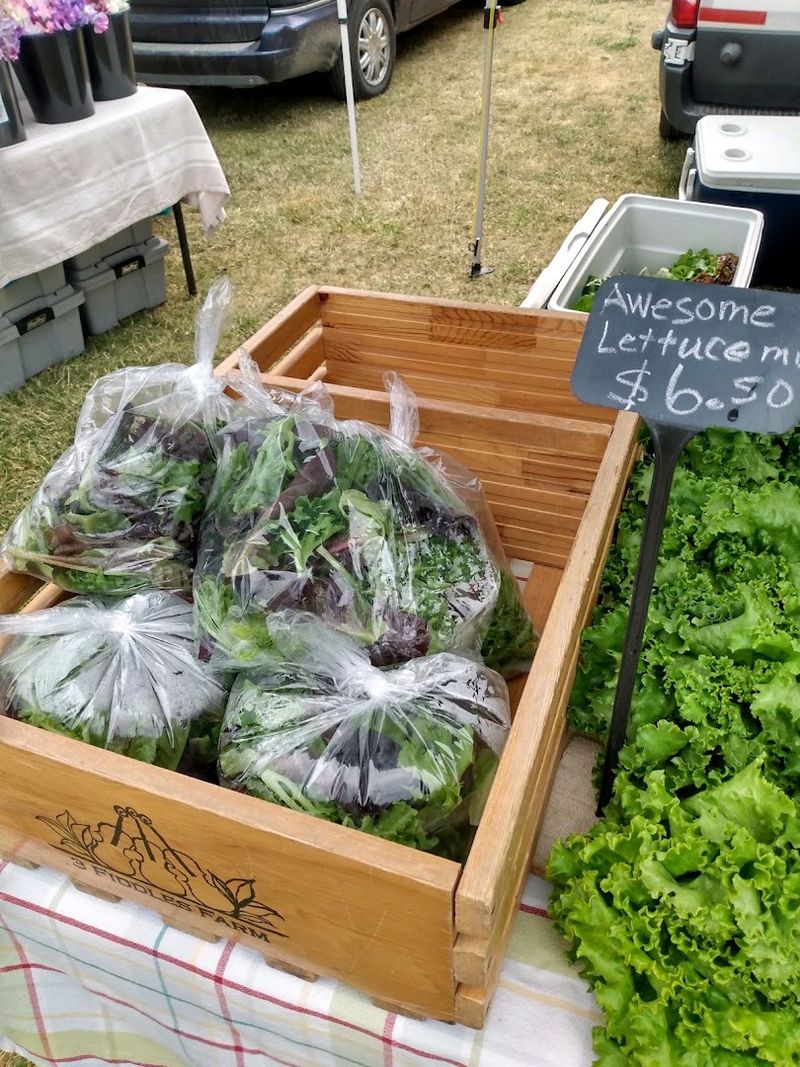
Soil still clinging to carrots and dew barely dry on lettuce leaves signal produce that traveled mere miles rather than across state lines. Growers from surrounding valleys arrive with harvests picked that same morning, offering vegetables at peak flavor and nutritional value.
The difference between supermarket produce and farm-fresh goods becomes immediately apparent when you bite into a sun-warmed tomato or taste the sweetness of just-pulled radishes.
Seasonal eating stops being a trendy concept and becomes simple reality when your options reflect what actually grows in Montana during any given month. Early summer brings tender greens and peas, while August overflows with squash and peppers.
Farmers answer questions about growing methods, share recipe suggestions, and often remember your preferences from previous visits.
Building relationships with the people who grow your food adds depth to every meal prepared from market finds.
Montana Ranchers Sell Regional Favorites
Meat raised on Montana rangeland brings quality and local character straight to the market. Ranchers offer grass-fed beef, pasture-raised lamb, and other regional favorites, often frozen and ready to take home.
Have you ever had the chance to ask a rancher exactly how your food was raised?
That direct conversation makes the experience feel different. Shoppers can ask about feed, processing, animal care, and daily ranch operations before making a purchase.
Many also place advance orders and collect larger packages during the weekly market.
Would you rather buy meat from a supermarket shelf or directly from the person who raised it? This system gives ranchers fairer returns while helping customers understand what they are bringing to the table.
Once you know the story behind your food, does it change how you enjoy the meal?
Bakers Arrive With Fresh Treats
Ovens across the valley work overtime on Wednesday mornings as bakers prepare the breads, bagels, and pastries that disappear within hours of market opening. Artisan loaves with crackling crusts, soft English muffins perfect for breakfast sandwiches, and sweet treats ranging from cookies to cannolis tempt shoppers at multiple booths.
The aroma alone draws people across the park, following their noses to discover new favorites.
Some bakers specialize in traditional European styles, bringing authentic Italian techniques or classic French methods to their Montana kitchens. Others focus on whole grains or gluten-free options, ensuring that dietary restrictions need not mean missing out on fresh-baked goodness.
Regulars know to arrive early for the most popular items, as sell-outs happen frequently.
Taking home a still-warm loaf feels like a small luxury that elevates the entire week ahead.
Local Artists Join The Market
Creativity flourishes alongside agriculture as painters, jewelers, woodworkers, and fiber artists claim their spaces among the food vendors. Handcrafted items ranging from functional pottery to decorative paintings give shoppers opportunities to support local talent while finding unique gifts or home decor.
The variety changes weekly as different artists rotate through available booth spaces, ensuring fresh discoveries with each visit.
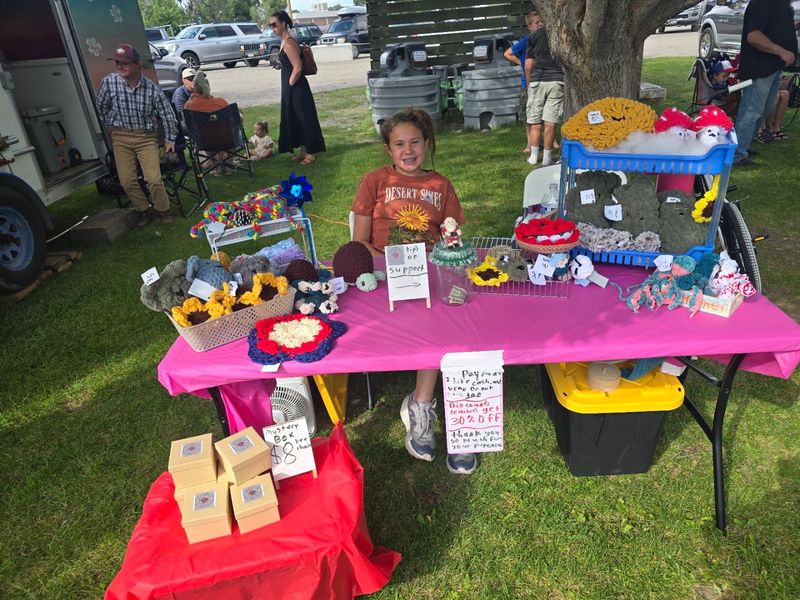
Young creators sometimes join their parents in selling handmade goods, learning entrepreneurship and customer service skills in a supportive environment. One eleven-year-old crochet artist has built a following for detailed stuffed animals that showcase remarkable technical ability.
Watching emerging talent develop their craft adds another dimension to the market experience.
Purchasing art directly from makers creates connections that mass-produced items can never replicate, turning functional objects into cherished possessions with stories attached.
Food Vendors Make Dinner Easy

Shoppers who arrive hungry find ready-to-eat options that transform market visits into casual dining experiences. Food trucks and prepared food stands offer everything from barbecue to international cuisine, with quality that rivals sit-down restaurants.
Families often make dinner plans around market night, grabbing meals to enjoy at park picnic tables while live music plays in the background.
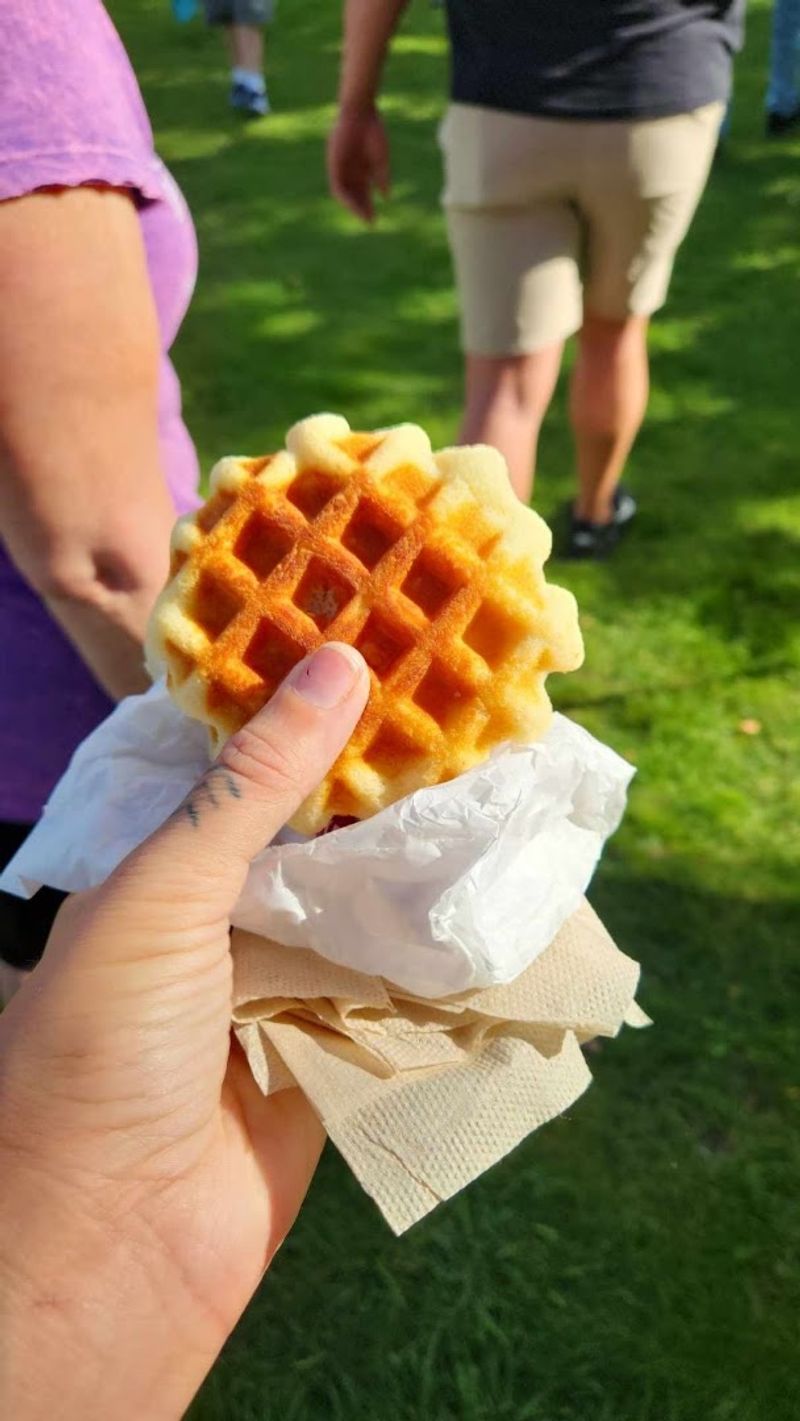
Fresh waffles topped with ice cream provide sweet indulgence, while savory options include items prepared with ingredients sourced from neighboring vendor booths. This circular economy strengthens community bonds as food preparers support local growers who in turn become customers for ready-made meals.
The convenience factor cannot be overstated for working parents who appreciate not cooking after long days.
Eating dinner surrounded by neighbors in a beautiful riverside setting beats takeout consumed alone at home every single time.
Live Music Sets The Mood
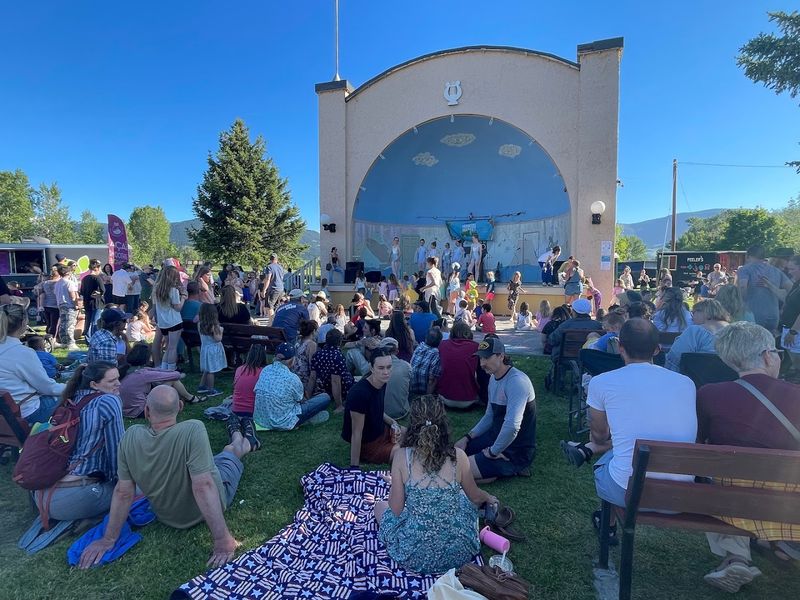
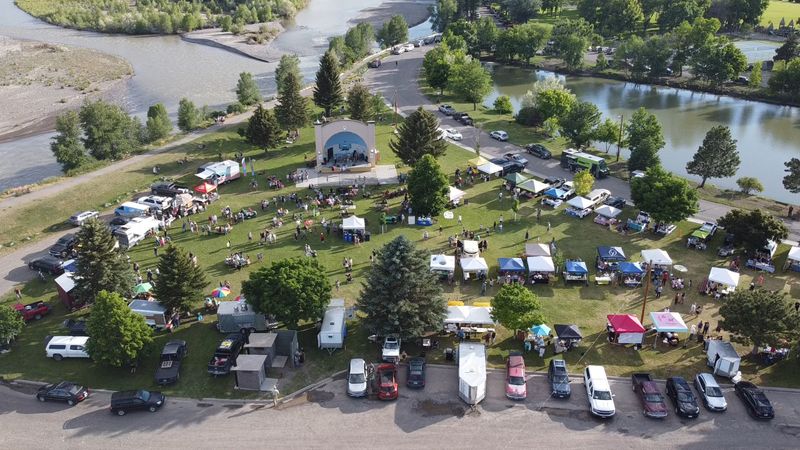
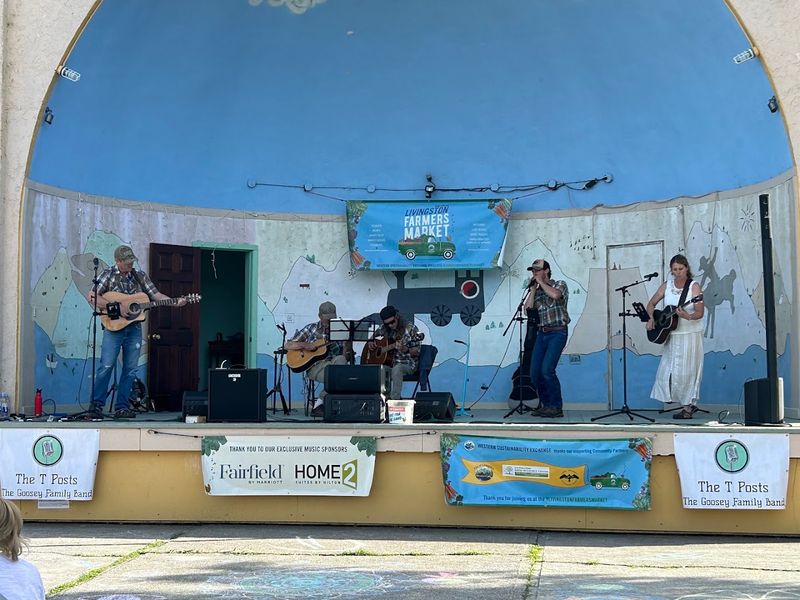
Musicians set up near the bandshell as vendors finish arranging their displays, providing a soundtrack that transforms shopping into entertainment. Local bands and solo performers volunteer their talents, playing genres that range from bluegrass to folk to classic rock.
The music creates a festival atmosphere that encourages lingering rather than rushing through purchases.
Parents dance with toddlers between the vendor rows while older couples sway to familiar melodies, creating scenes of spontaneous joy that embody small-town community spirit. The performances give local musicians valuable stage time and exposure, sometimes leading to bookings at other venues.
Sound carries across the water, audible from surrounding neighborhoods and likely drawing additional visitors who follow the melodies to their source.
Free live music combined with fresh food and mountain views creates an evening experience that money truly cannot buy elsewhere.
Special Events Keep Things Fresh
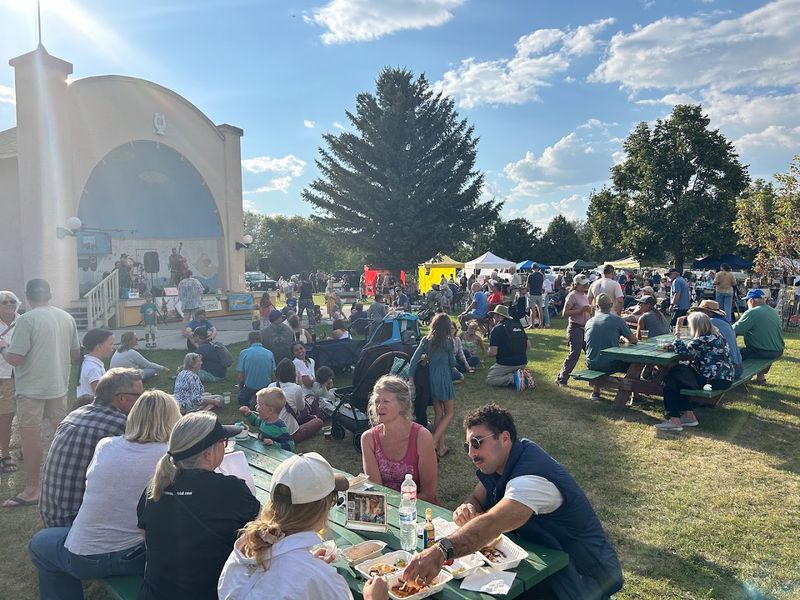
Beyond the regular weekly format, organizers schedule special themed events throughout the season that add variety and draw larger crowds. These occasions might celebrate particular harvests, honor local traditions, or simply provide excuses for extra festivities.
Advance notice through social media and community boards ensures that residents can plan attendance around these highlighted dates.
The enhanced programming demonstrates the market’s role as more than just a place to buy groceries. It functions as a community gathering space where relationships deepen and new connections form naturally.
Special events often feature additional entertainment, expanded vendor participation, or activities specifically designed for younger attendees.
Marking your calendar for these occasions becomes habit for families seeking affordable entertainment that also supports local agriculture and small businesses in meaningful ways.
Young Vendors Get Their Turn
Encouraging the next generation of makers and sellers, the market provides opportunities for young people to operate their own booths and develop business skills. Children and teenagers sell everything from baked goods to artwork to handcrafted items, learning about pricing, customer service, and money management through real-world experience.
Parents often supervise from nearby, but the young vendors handle transactions and interact with customers independently.
One particularly talented young crochet artist has become something of a market celebrity, with shoppers specifically seeking out her booth for intricately crafted stuffed animals. These success stories inspire other young people to develop their own talents and consider entrepreneurship as a viable path.
The confidence gained through positive customer interactions and successful sales cannot be taught in classrooms.
Supporting youth vendors invests in community futures while acquiring genuinely special handmade items created with youthful enthusiasm and remarkable skill.
The Market Runs Rain Or Shine
Montana weather respects no schedule, but market organizers and dedicated vendors show up regardless of what the sky delivers. Light rain often accompanies late-season markets as fall approaches, yet booths remain staffed and shoppers still arrive clutching umbrellas.
The commitment to consistency means that customers can count on Wednesday evening availability throughout the entire season.
Cooler temperatures and precipitation actually create cozy atmospheres that some shoppers prefer over hot summer evenings. Vendors prepare for all conditions with proper tent setups and weather-resistant product displays.
The show-must-go-on mentality reflects the agricultural reality that farming does not pause for inconvenient weather.
Braving a drizzly evening to support local growers and makers demonstrates the kind of community loyalty that keeps small-town economies vibrant and resilient against corporate competition.