
This Indiana River Offers The Kind Of Peace People Spend Years Searching For
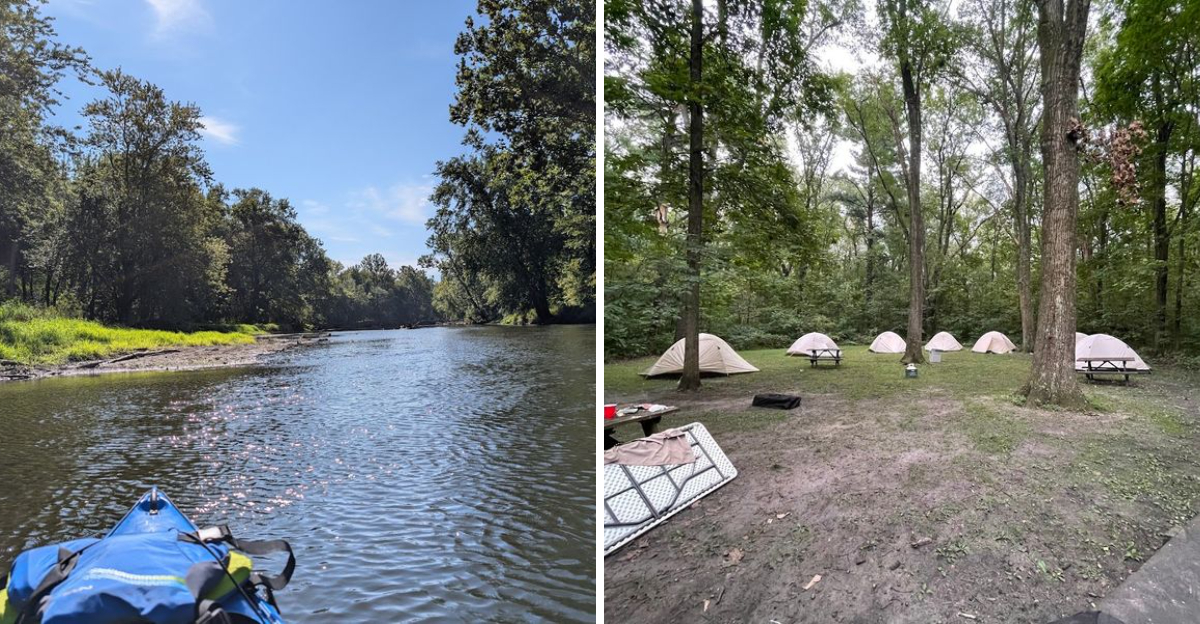
Life feels a little less rushed beside this calm Indiana river. The water moves gently through the trees, making it easy to forget about traffic, screens, and everything waiting back home.
I could spend hours here with a paddle in hand, drifting past quiet banks and watching the scenery change around each bend. The nearby trails are just as relaxing, with shaded paths, peaceful water views, and enough variety to keep the walk interesting without feeling demanding.
Nothing about the place asks you to hurry. You can paddle, take a slow walk, look for birds, or sit by the river for a while. For me, that simple freedom is exactly what makes this peaceful escape feel so special and memorable.
The Tippecanoe River Is The Peaceful Centerpiece Of The Park
At the heart of this 2,761-acre park flows a river that defines the entire experience. (It clearly knows how to go with the flow.) The Tippecanoe moves at its own unhurried pace, carving through forests and meadows with a rhythm that invites contemplation rather than hurry.
Oak trees lean over the banks, casting shadows that shift with the sun throughout the day. The water itself runs clear and cool, fed by a network of 88 natural lakes scattered across the surrounding watershed.
Visitors often describe the river as having a calming presence that settles over them the moment they arrive. Standing at the water’s edge, you can watch the current carry leaves and small branches downstream while herons wade in the shallows.
The river creates a focal point that draws people back season after season, offering a consistent source of peace in an unpredictable world.
Canoers And Kayakers Can Spend Hours Following The Wooded Waterway
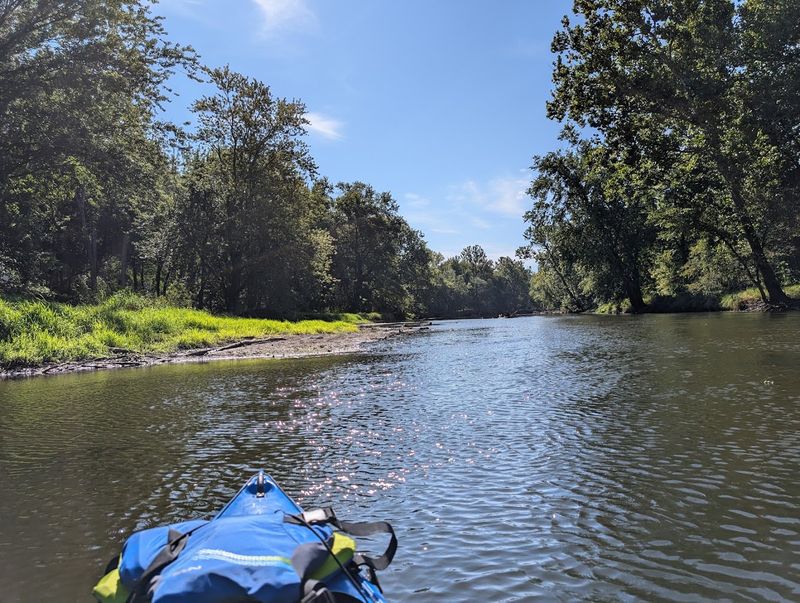
Paddling the Tippecanoe gives you a perspective impossible to gain from shore. The river corridor stretches for miles through the park, lined by dense vegetation that creates a tunnel of green during summer months.
Launching from the stabilized bank near the campground, you can head upstream or down depending on your energy level and available time.
The current remains gentle enough for beginners while still providing enough movement to make the journey interesting. Wildlife appears regularly along the banks, from turtles sunning on logs to kingfishers diving for small fish.
Many paddlers pack a lunch and make a full day of it, stopping at sandbars or quiet bends to rest. The river demands little technical skill but rewards patience and observation, making it ideal for those who want adventure without adrenaline.
Ten Primitive Campsites Let Paddlers Sleep Near The River
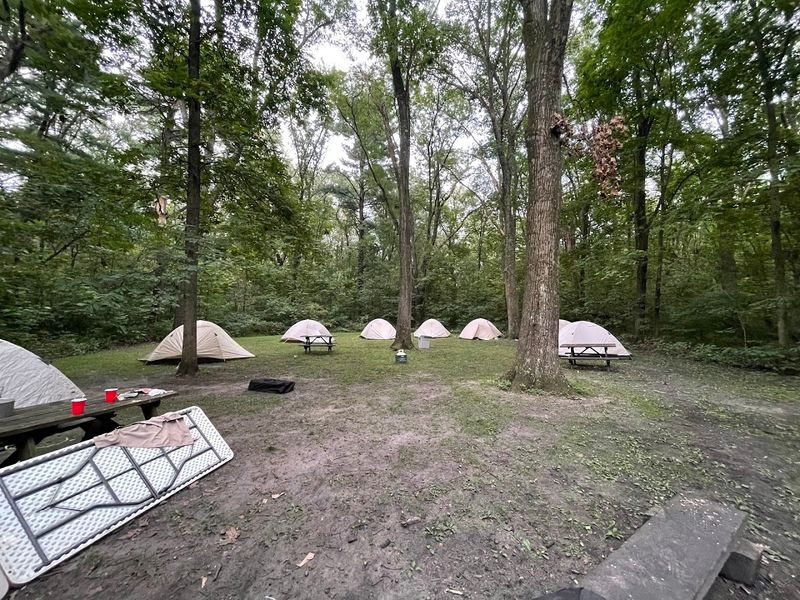
For those who want to extend their time on the water, primitive campsites line the river corridor. These ten spots offer basic amenities and direct access to the Tippecanoe, allowing paddlers to launch at sunrise or watch the water until darkness falls.
Each site maintains a respectful distance from its neighbors, though the compact nature means you might hear conversations drift through the trees. The sites themselves feature level ground for tents and fire rings for evening gatherings.
Pit toilets serve the camping area, though their exact location may differ from what older maps indicate. Mosquitoes can be aggressive during warmer months, particularly near the water, so insect repellent becomes essential gear.
Despite the bugs, these riverside spots provide an opportunity to fall asleep to the sound of moving water.
The Oxbow Trail Follows A Lagoon And Quiet River Bottoms
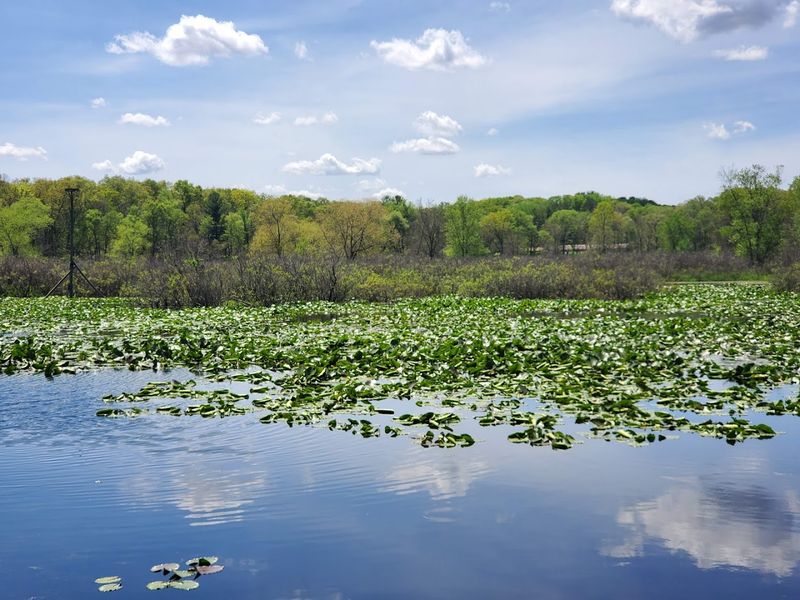
This trail takes its name from the curved shape of an old river channel that now forms a quiet lagoon. Walking the Oxbow means entering the lowest, wettest parts of the park, where the ground stays soft and the vegetation grows thick.
The path leads through river bottoms where water pools after heavy rains, creating temporary wetlands that attract frogs, dragonflies, and wading birds. Trees here grow differently than on higher ground, adapted to periodic flooding and saturated soil.
The trail itself remains well marked despite the challenging terrain, with clear signage at intersections. Birdsong fills the air during migration seasons, and patient observers often spot woodpeckers working on dead snags.
The Oxbow provides a different experience from the upland trails, offering a glimpse into the park’s aquatic ecosystems and the creatures that depend on them for survival.
The River Bluff Trail Passes Prairies Oak Woods And Elevated River Views
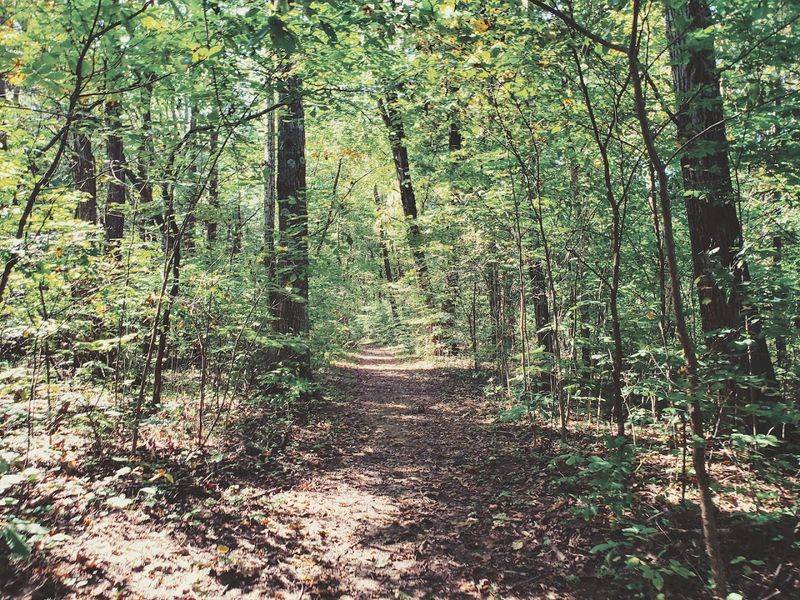
Climbing away from the water, this trail rewards hikers with perspective. The River Bluff Trail winds through varied terrain, starting in prairie openings where grasses wave in the breeze before entering mature oak forests.
The trees here have stood for decades, their gnarled branches creating a canopy that filters sunlight into dappled patterns on the forest floor.
As the path gains elevation, occasional clearings offer views across the river valley below. From these vantage points, you can trace the Tippecanoe’s meandering course through the landscape and appreciate the park’s size.
The trail maintains a moderate difficulty rating, with some inclines but nothing requiring technical skills. Fallen branches occasionally cross the path, remnants of storms or natural aging, though they rarely block passage completely.
This route combines multiple ecosystems in a single walk, showing how the land changes with elevation and drainage.
More Than 20 Miles Of Trails Offer Room To Wander Without Rushing
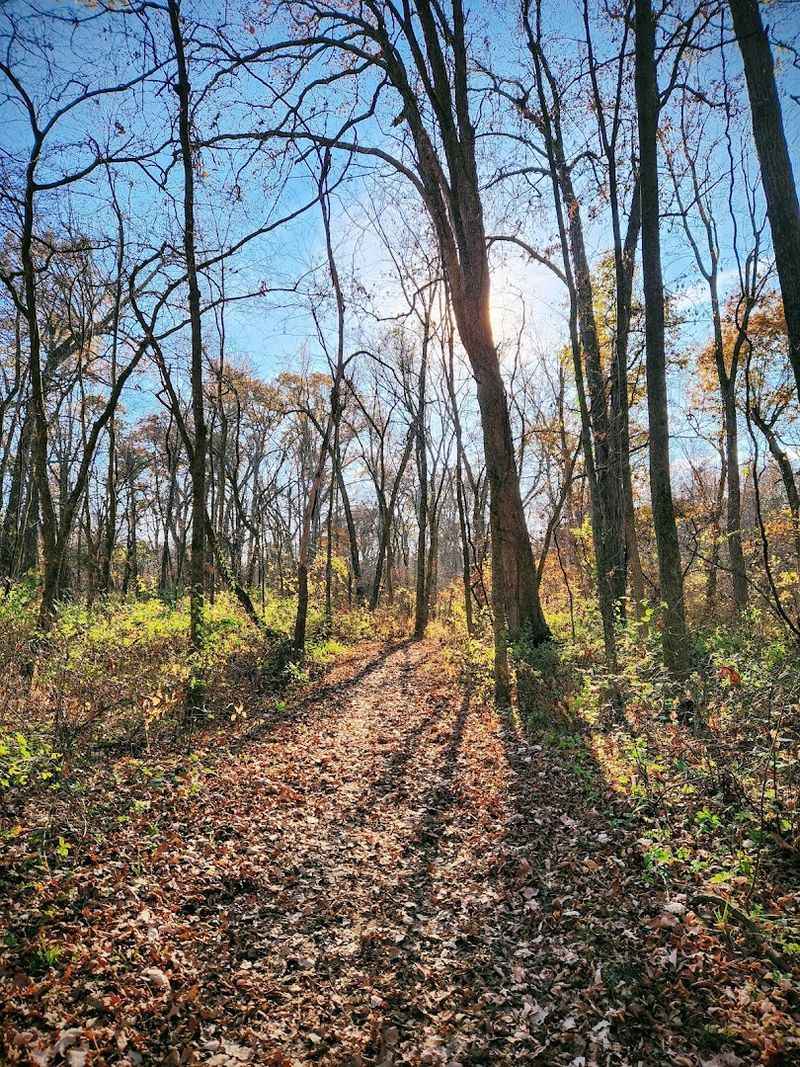
The park’s trail network sprawls across the property, giving visitors options for short strolls or extended explorations. With over 20 miles of maintained paths, you can walk for hours without retracing your steps or feeling crowded by other hikers.
The trails split and reconnect throughout the park, allowing you to customize your route based on time, energy, and interests. Some follow ridgelines while others hug the river, and a few venture into the southern sections where horse trails predominate.
Signage appears regularly at junctions, showing your current location and available options. The soft ground, particularly on horse trails covered in sand, makes for comfortable walking even during longer outings.
This extensive system means you can visit multiple times and still discover new sections, each with its own character and wildlife. The trails never feel hurried, matching the overall pace the park encourages in its visitors.
Every Trail Is Rated Easy Or Moderate
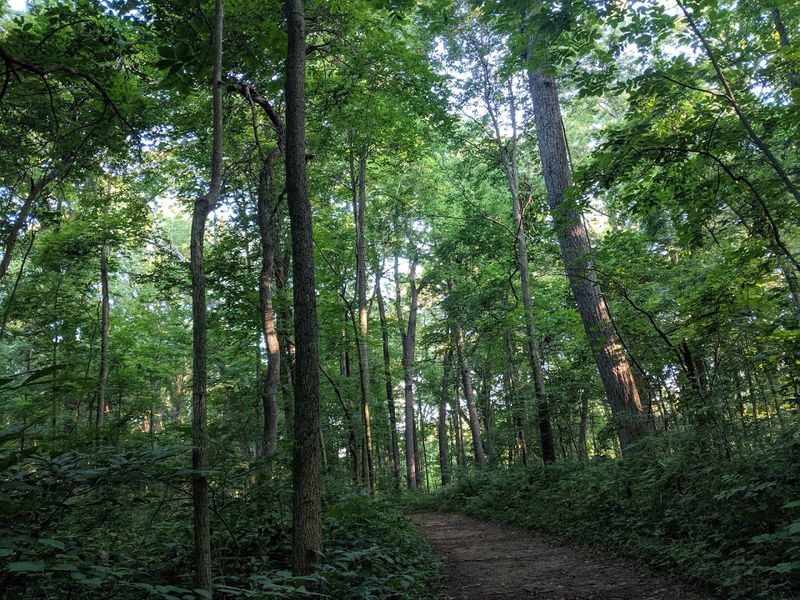
Accessibility defines the trail system at Tippecanoe River State Park. Park managers have rated every path as either easy or moderate, meaning families, older visitors, and those new to hiking can explore with confidence.
The easy trails feature minimal elevation change and clear, wide paths that present few obstacles.
Moderate trails introduce some hills and occasionally rougher footing but never demand advanced skills or equipment. This approach makes the park welcoming to a broad range of visitors who might feel intimidated by more challenging destinations.
The trails remain well maintained, with regular clearing of fallen branches and erosion control where needed. Ground conditions vary from gravel to packed earth to sandy stretches, but none require special footwear beyond comfortable walking shoes.
This thoughtful rating system helps visitors choose appropriate routes and enjoy their time outdoors without anxiety about getting in over their heads.
Eighty Eight Natural Lakes Help Keep The River Cool And Clean
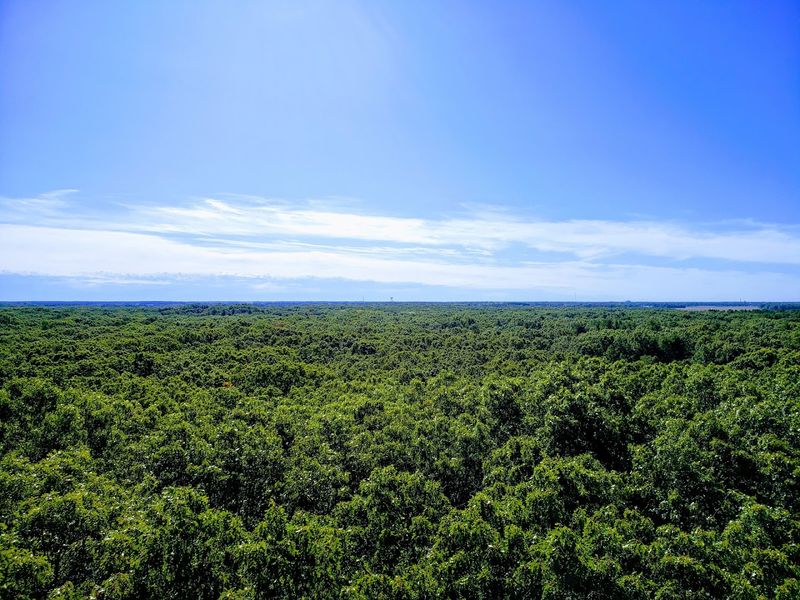
The Tippecanoe’s clarity and temperature owe much to a hidden network of lakes scattered across northern Indiana. These 88 natural bodies of water feed into the river system, filtering runoff through wetlands and releasing cool, clean water that maintains the river’s health.
The lakes act as natural reservoirs, absorbing heavy rains and releasing water gradually to prevent sudden flooding.
This complex hydrology creates ideal conditions for fish populations and the creatures that depend on them. The cool water temperatures, even during summer months, support species that struggle in warmer streams.
Visitors might not see all these contributing lakes during a single trip, as many lie outside the park boundaries. Their influence remains constant, though, maintaining the river’s character throughout the seasons.
Understanding this connection helps explain why the Tippecanoe maintains such consistent conditions and why conservation efforts extend far beyond the park itself.
A 90-Foot Fire Tower Opens Up Views Over The Indiana Countryside
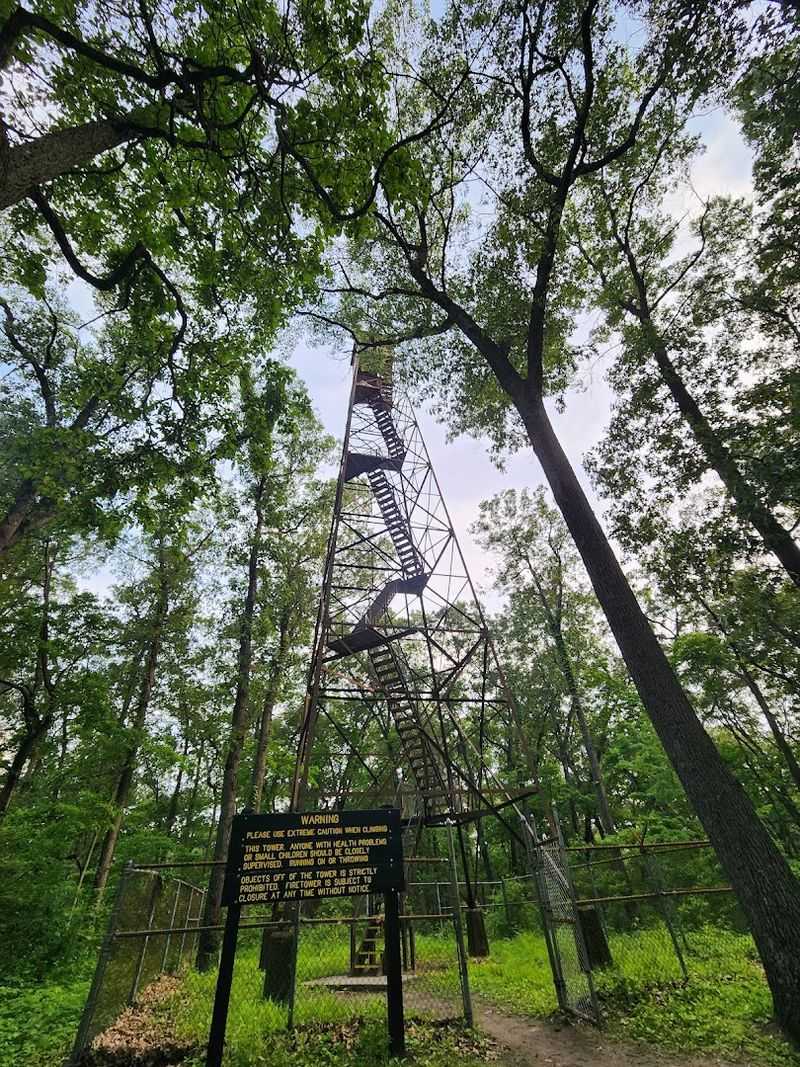
Rising above the tree canopy, the fire tower stands as one of the park’s most distinctive features. Built decades ago to spot wildfires across the region, the 90-foot structure now serves as an observation platform for anyone willing to make the climb.
The stairs ascend in sections, with landings that provide rest breaks and increasingly impressive views.
Reaching the top platform requires effort, particularly for those unaccustomed to heights, but the panorama rewards every step. From this vantage point, the Indiana countryside spreads out in all directions, with the river visible as a dark ribbon threading through green forests.
Sunset visits prove especially popular, as the lowering sun paints the landscape in warm colors. The tower provides perspective impossible to gain from ground level, showing how the park fits into the broader regional landscape.
Many visitors mention the climb as a highlight of their trip, despite legs that protest the descent.
Historic WPA Structures Add A Fascinating Story To The Landscape
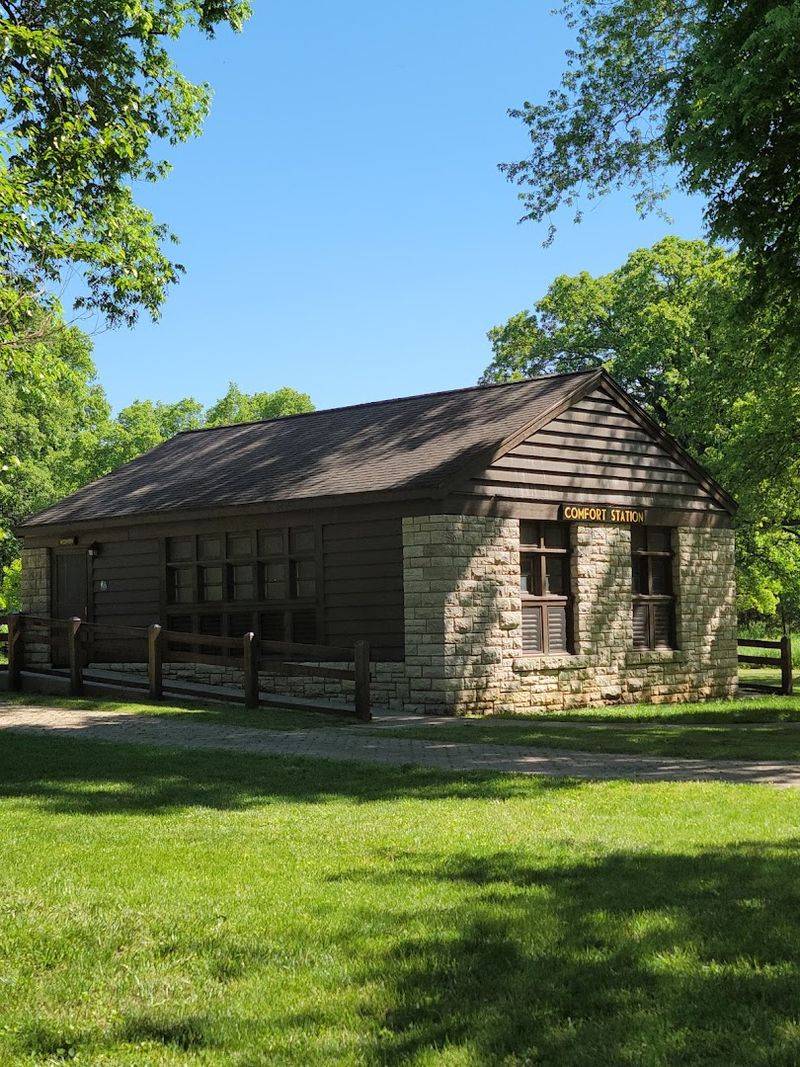
Throughout the park, structures built by the Works Progress Administration during the 1930s still stand. These Depression-era projects employed thousands of workers who constructed buildings, trails, and facilities using local materials and traditional techniques.
The craftsmanship shows in details like hand-fitted stonework and solid timber framing that has lasted nearly a century.
Walking past these structures connects visitors to a specific moment in American history when public works programs transformed the national park system. The buildings blend into their surroundings now, weathered and softened by time, but their presence adds depth to the park experience.
Some structures serve functional roles today while others stand as monuments to the labor and skill of their builders.
Fishing Offers Another Quiet Way To Enjoy The Water
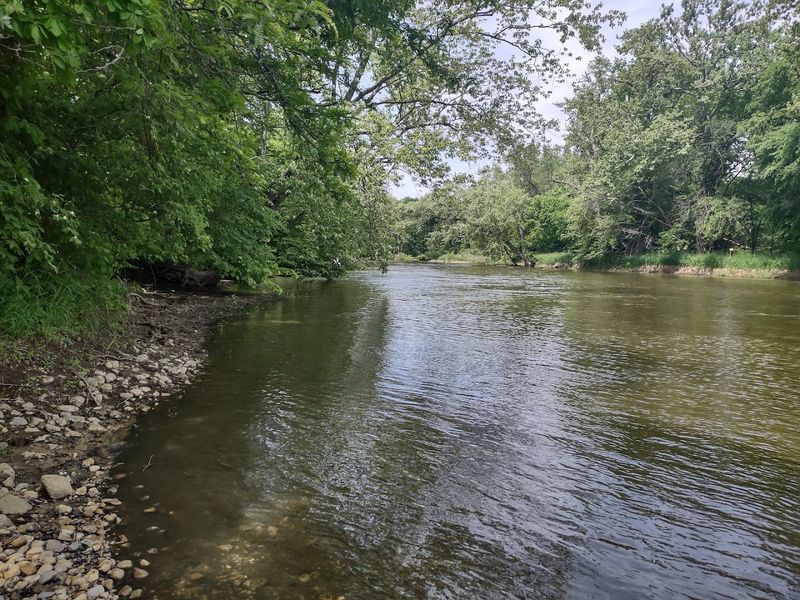
For those who find peace in patient waiting, the Tippecanoe provides excellent fishing opportunities. The river holds populations of bass, catfish, and panfish that attract anglers throughout the year.
Fishing here requires a rod, appropriate tackle, and willingness to spend time beside the water.
Many anglers wade into the shallows or cast from the banks, finding spots where the current creates promising pools. The cool, clean water supports healthy fish populations that provide both sport and, for those who keep their catch, meals.
Fishing at Tippecanoe becomes less about the harvest and more about the process. Standing in the river or sitting on the bank creates a meditative state.
Time passes differently here and small observations take on greater significance. The activity suits the park’s overall character, offering engagement without urgency and reward without rush.