
This Small Town Tennessee Steakhouse Serves Massive Steaks With Beautiful River Views
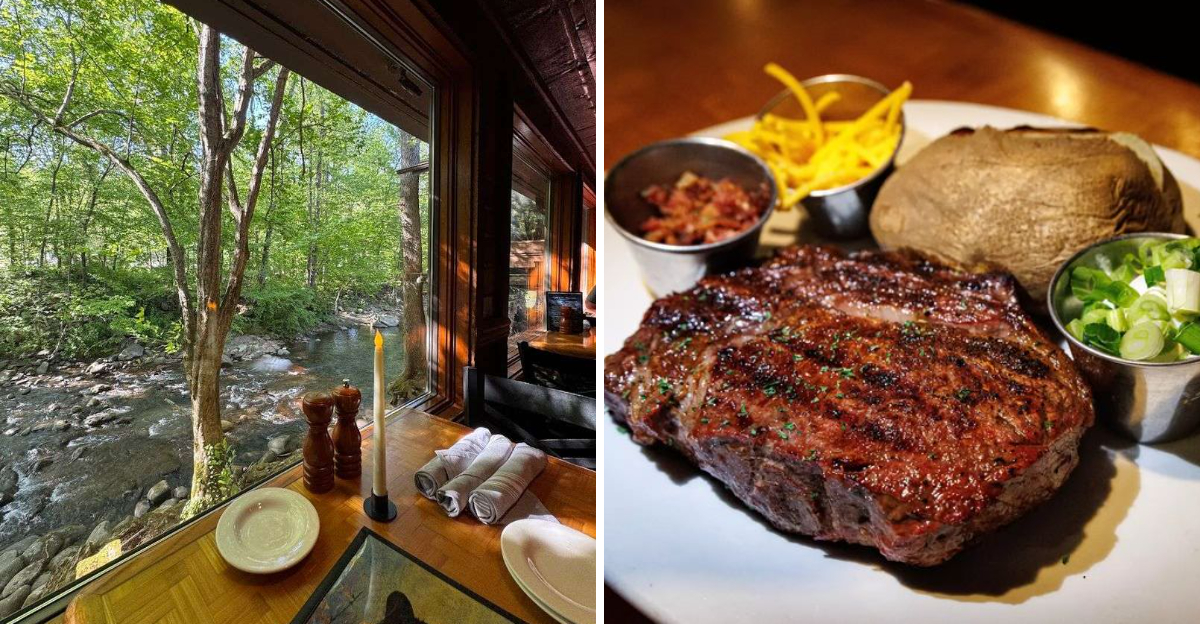
A steak dinner feels different when a river is moving just beyond the windows. One Gatlinburg favorite has paired that view with thick, custom-cut beef since 1976, giving diners a meal that feels tied to the Smokies rather than staged for tourists.
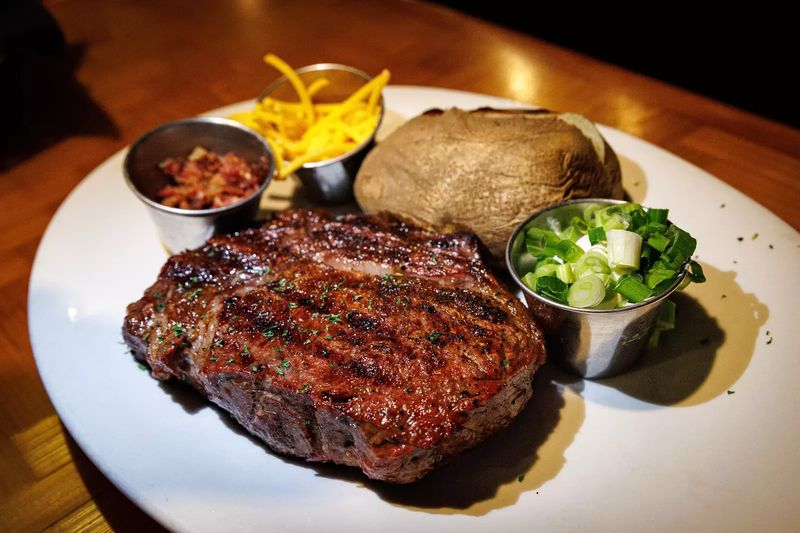
Tennessee hickory charcoal adds a deep, smoky crust, while each steak arrives cooked to personal preference. The salad bar deserves its own attention, with enough variety to tempt even the most committed meat eater.
I like how the whole experience balances polish with mountain character. Nothing feels rushed, and the scenery never competes with the food.
For anyone craving a memorable dinner after a day outdoors, this riverside steakhouse delivers both flavor and atmosphere without trying too hard.
Custom Cut Certified Angus Beef Steaks Lead The Menu
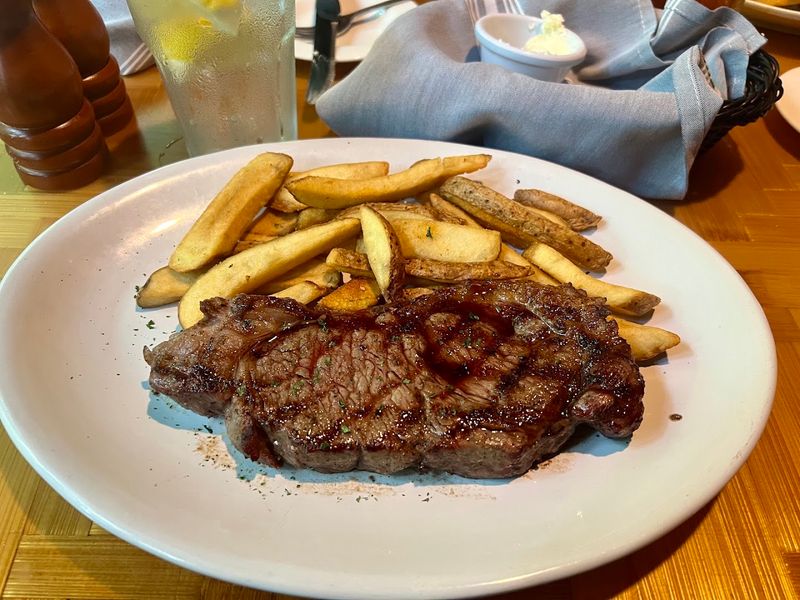
Beef selection drives every decision at this steakhouse, starting with the commitment to Certified Angus Beef that arrives naturally aged and never frozen. The menu offers Prime Rib, Filet Mignon, New York Strip, and Ribeye, each cut available in sizes ranging from modest to genuinely impressive.
Quality remains consistent because the restaurant refuses to compromise on sourcing, maintaining relationships with suppliers who understand the standards expected.
What sets the experience apart is the tableside cutting ritual. A staff member arrives with whole loins of strip and ribeye, carving each steak to the diner’s preferred thickness right at the table.
This practice eliminates guesswork and ensures that every piece of meat matches individual expectations before it ever reaches the grill.
The result is steak prepared exactly as ordered, cooked over Tennessee hickory charcoal that imparts a distinctive smoky flavor impossible to replicate with gas or electric heat.
The Little Pigeon River Runs Right Beside The Dining Room
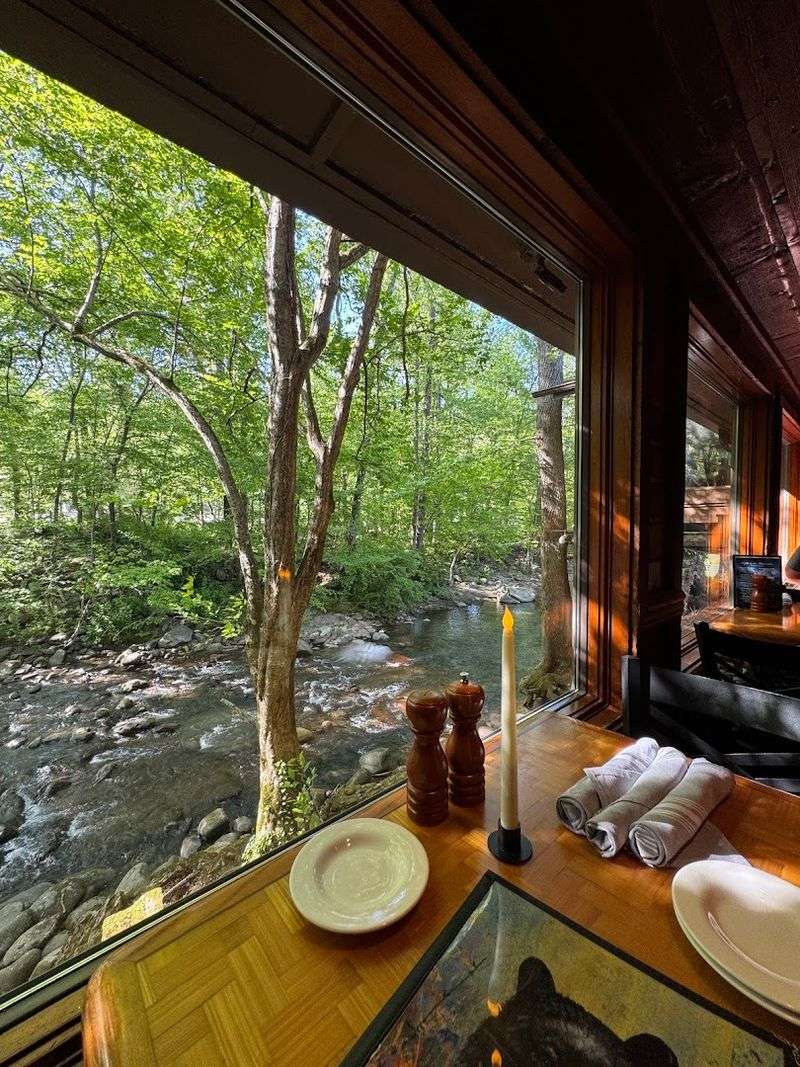
Water defines the dining experience at 820 River Road in ways most restaurants can only dream about. The Little Pigeon River flows directly alongside the building, creating a constant backdrop of movement and sound that transforms an ordinary steak dinner into something far more memorable.
Tables positioned near the windows offer unobstructed views of the water, and the arrangement ensures that nearly every seat provides some connection to the natural landscape outside.
Guests waiting for their tables can step outside to a pavilion where the river sounds become even more pronounced. The current moves steadily over rocks and around bends, producing the kind of ambient noise that makes conversation feel relaxed rather than forced.
During warmer months, wildlife frequently appears along the banks, including black bears that wander down to the water for a drink or a casual stroll, adding an element of surprise to the evening.
River Views Turn A Steak Dinner Into A Smoky Mountain Experience
Securing a riverside table elevates the meal from excellent to unforgettable. Reservations made two weeks ahead often guarantee placement near the windows, where the interplay between indoor warmth and outdoor scenery creates an atmosphere both intimate and expansive.
The lighting inside remains intentionally dim, allowing the natural beauty outside to take center stage without distraction.
Diners frequently request these specific spots because the river provides more than just visual appeal. It establishes a rhythm to the evening, a gentle flow that mirrors the pacing of the meal itself.
The combination of flickering candles, rustic wood paneling, and the moving water beyond the glass produces an environment that feels removed from the bustling tourist corridors just minutes away.
Even those seated away from the windows benefit from the overall design, which incorporates the river as a central architectural feature rather than an afterthought.
Tennessee Hickory Charcoal Gives The Steaks Their Distinctive Flavor
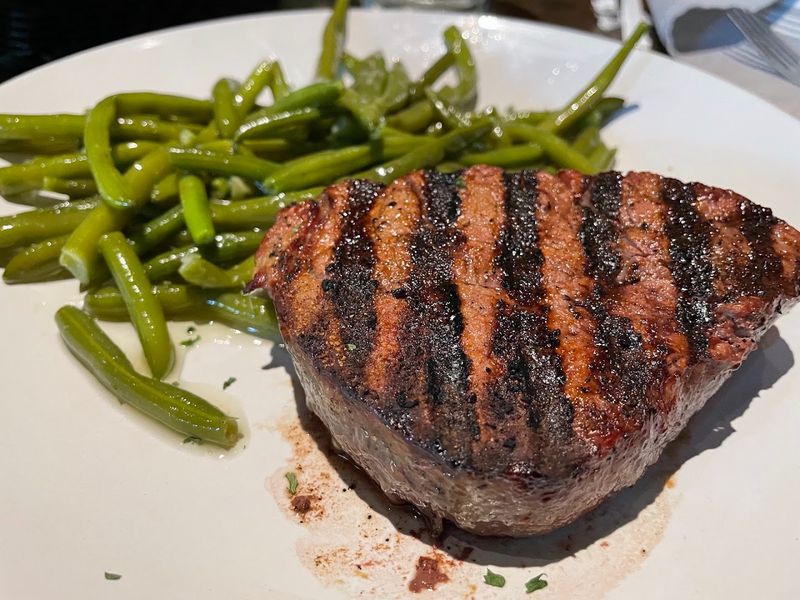
Hickory charcoal transforms good beef into something exceptional. The kitchen relies exclusively on authentic Tennessee hickory, which burns hotter and cleaner than standard briquettes while releasing aromatic compounds that penetrate deep into the meat during cooking.
This method produces a crust with genuine char and a smoky undertone that complements rather than overwhelms the natural flavor of high-grade beef.
Grilling over live hickory requires skill and constant attention. Temperatures fluctuate based on airflow and coal placement, demanding cooks who understand how to read the fire and adjust timing accordingly.
The payoff arrives when steaks emerge with exterior caramelization and interior doneness that align perfectly with each order, whether requested rare, medium, or well-done.
Guests notice the difference immediately. The aroma alone signals that something special is happening in the kitchen, and the first bite confirms it with layers of flavor that linger long after the meal ends.
The Unlimited Salad Bar Comes Complimentary With Every Entrée
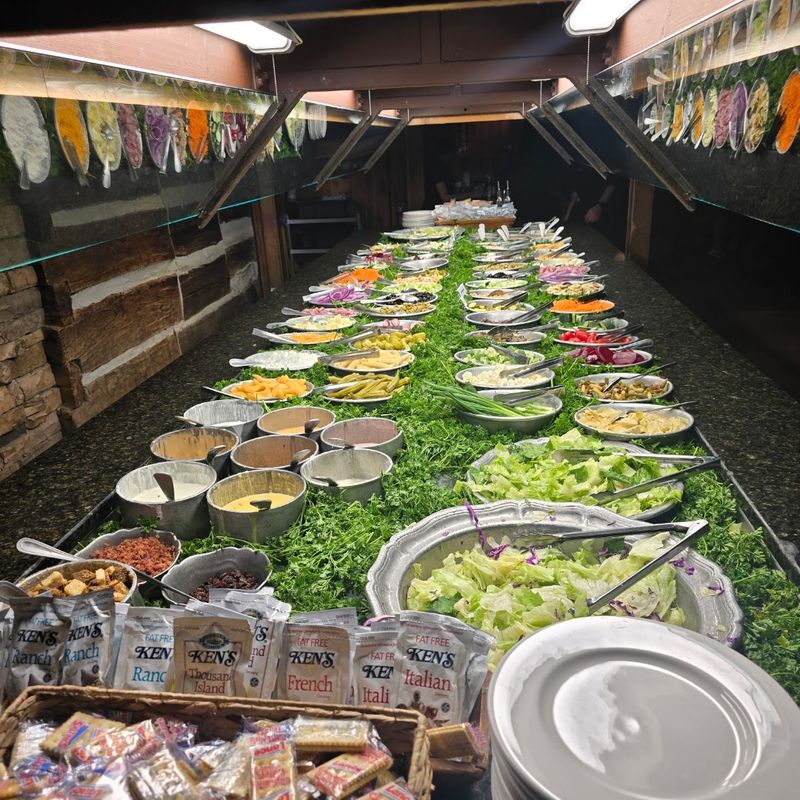
Every entrée includes unlimited access to a salad bar substantial enough to function as a standalone meal. The setup features fresh greens, an array of chopped vegetables, and toppings that extend well beyond the standard offerings found at most buffet-style arrangements.
Two attendants maintain the area throughout service, wiping up spills and replenishing items as needed to ensure consistent presentation and freshness.
Plates arrive chilled, keeping salads crisp and cold from the moment they leave the bar until the last bite. This small detail matters more than it might seem, particularly during summer months when room temperature can wilt delicate greens in minutes.
The selection changes slightly based on seasonal availability, but core components remain constant to satisfy returning guests who have developed preferences over multiple visits.
Salad bar access begins immediately after seating, allowing diners to customize their starter course while the kitchen prepares their steaks to order.
Steamed Oysters And Homemade Dressings Make The Salad Bar Memorable
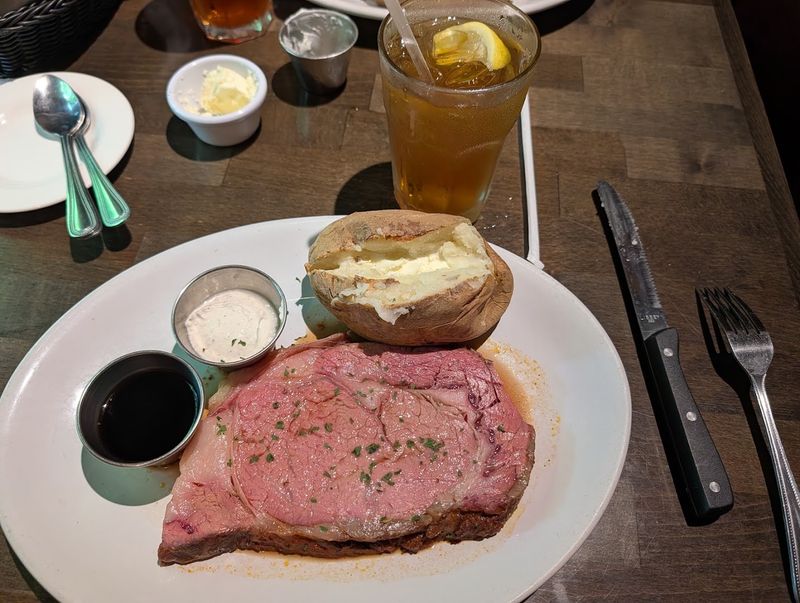
Most salad bars offer predictable choices, but this one includes steamed oysters and homemade dressings that separate it from typical steakhouse accompaniments. The oysters arrive plump and briny, providing a seafood element that contrasts beautifully with the beef-focused menu.
Not everyone expects to find oysters alongside cherry tomatoes and cucumber slices, which makes the discovery all the more satisfying for those who appreciate bivalves.
Dressings receive equal attention, crafted in-house rather than poured from industrial containers. Ranch, blue cheese, and vinaigrettes all carry distinct flavors that enhance rather than mask the vegetables they coat.
Even the pickles earn mention in guest reviews, with some diners claiming they rank among the finest ever tasted.
These details demonstrate a commitment to quality that extends beyond the main course. When a restaurant invests this much effort into complimentary offerings, it signals confidence in every aspect of the dining experience.
The Building Began As A Family Home Beside The River In 1958
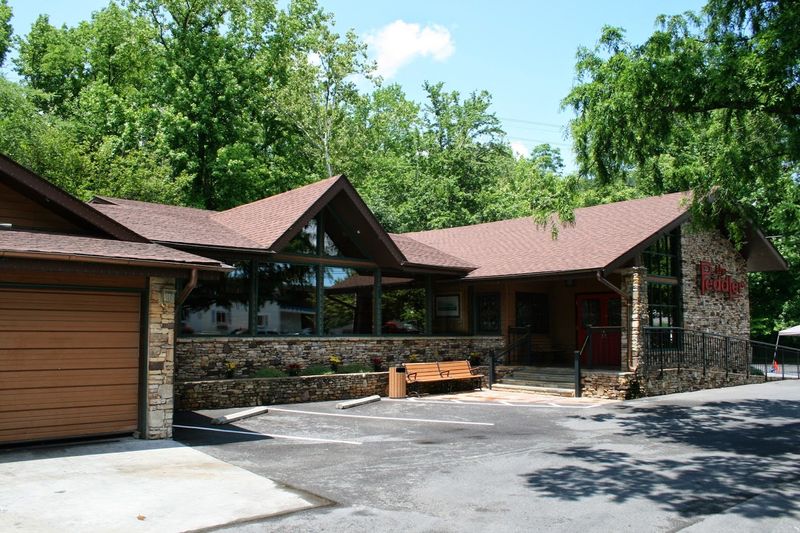
Charles Earl Ogle Sr. and his wife Beth constructed their dream home on the banks of the Little Pigeon River in 1958, building with timber, cement, and stone to create a structure that would withstand decades of mountain weather. Earl came from four generations of Gatlinburg merchants, and his vision for this property reflected both practical needs and aesthetic appreciation for the surrounding landscape.
The location offered privacy and natural beauty while remaining accessible to the growing town center.
The Ogle family lived in this cabin for nearly two decades, raising children and hosting gatherings in rooms that now serve hundreds of diners each week. Their choice to build beside the river proved prescient, as the water would eventually become the signature feature of the restaurant that occupied their former home.
When the family sold the property, the new owners recognized the potential to transform this personal residence into a commercial space without sacrificing its essential character.
The Former Ogle Home Became A Steakhouse In 1976
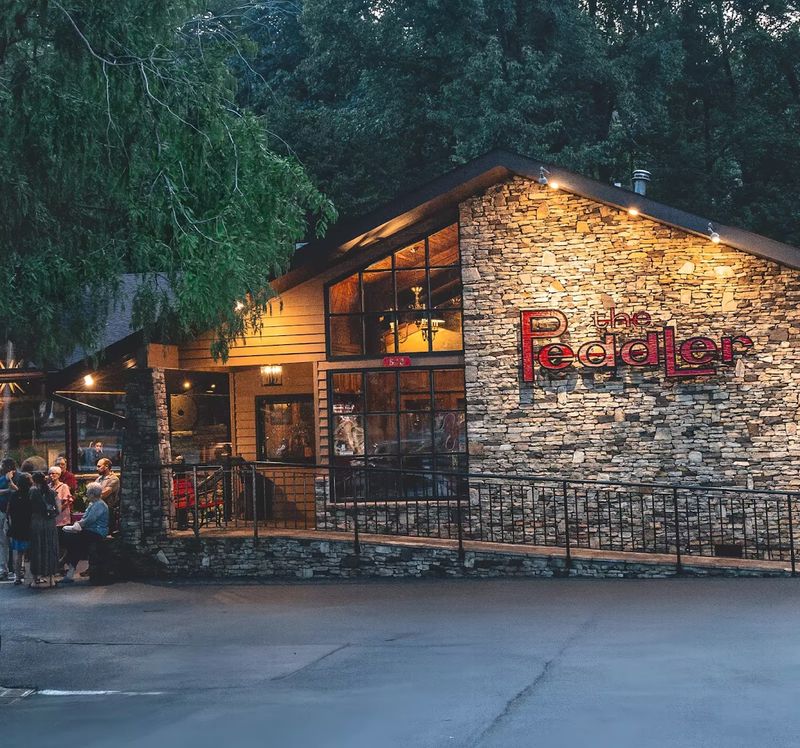
Eighteen years after the Ogles completed their riverside home, new ownership purchased the property with plans to establish a steakhouse that would capitalize on both the location and the existing structure. The conversion required extensive modifications to accommodate commercial kitchen equipment, dining tables, and service areas while preserving the architectural elements that gave the building its distinctive character.
Opening in 1976, the restaurant immediately attracted attention for its unusual setting and commitment to quality beef preparation.
The decision to maintain the cabin aesthetic rather than demolish and rebuild proved crucial to the restaurant’s identity. Guests responded positively to dining in what felt like an oversized mountain home rather than a purpose-built commercial space.
The intimacy of the original floor plan translated well to restaurant use, creating smaller dining areas that felt cozy rather than crowded.
Nearly five decades later, the restaurant continues operating in the same location, having outlasted countless competitors through consistent execution and genuine respect for its history.
The Original Stone Chimney Still Anchors The Dining Room
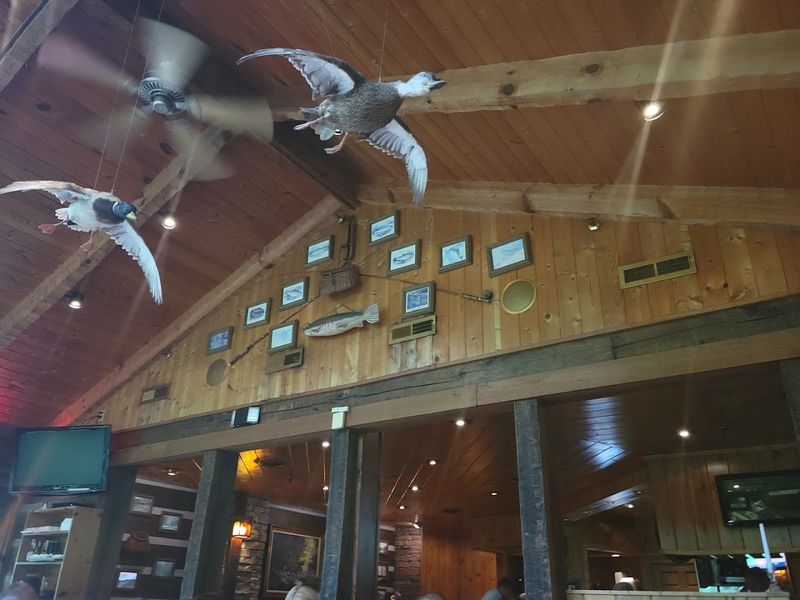
Stone and mortar rise from floor to ceiling in the main dining area, forming a chimney that served the Ogle family for grinding corn into flour and meal before the building became a restaurant. This structure functions as both architectural anchor and historical artifact, reminding diners that the space surrounding them once housed a family going about daily domestic routines.
The stonework shows the craftsmanship typical of mid-century Appalachian construction, with each rock carefully selected and placed to create stability and visual appeal.
Rather than remove or conceal this feature during renovation, the owners chose to highlight it as a central design element. The chimney now serves as a focal point that draws the eye upward and establishes the room’s proportions.
Its presence adds weight and permanence to the interior, grounding the dining experience in something tangible and authentic.
Guests frequently photograph this feature, recognizing it as evidence of the building’s genuine history rather than manufactured nostalgia.
The Dining Room Was Constructed Around The Home’s Old Rock Patio
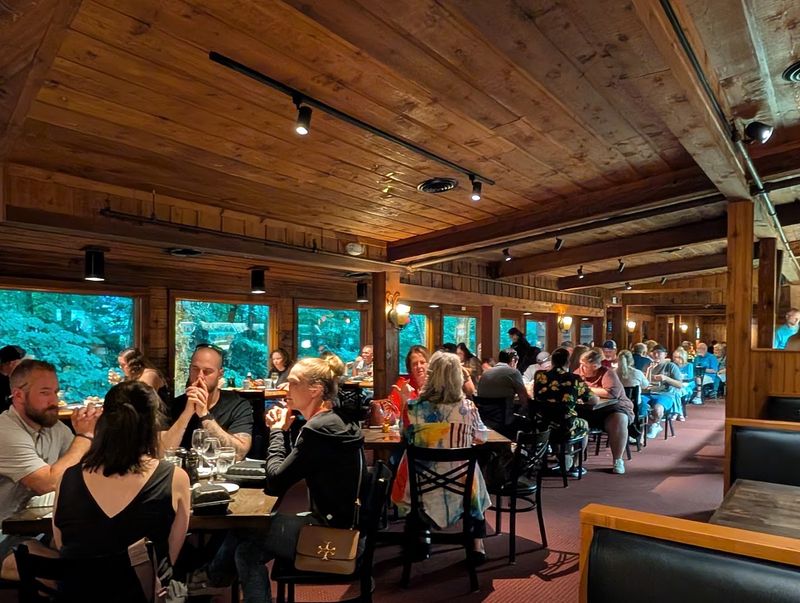
When architects planned the restaurant conversion, they faced a choice regarding the Ogle home’s rock patio: remove it entirely or incorporate it into the new design. Choosing preservation over convenience, they built the dining room around this existing feature, allowing the original stonework to remain visible and functional.
The patio now forms part of the floor surface, creating textural variation that adds character to the space while maintaining a direct connection to the property’s residential past.
This decision required additional structural considerations and complicated the construction process, but the result justifies the extra effort. Diners walk across the same stones the Ogle family once used for outdoor entertaining, creating a subtle but meaningful link between past and present.
The rock patio also contributes to the overall rustic aesthetic, reinforcing the cabin atmosphere without relying on artificial decoration.
Such architectural choices demonstrate respect for history and a willingness to let authentic elements shape the dining environment rather than forcing the space into a predetermined concept.