
Connecticut Smallest Town Holds A Mysterious Past That Few People Know About
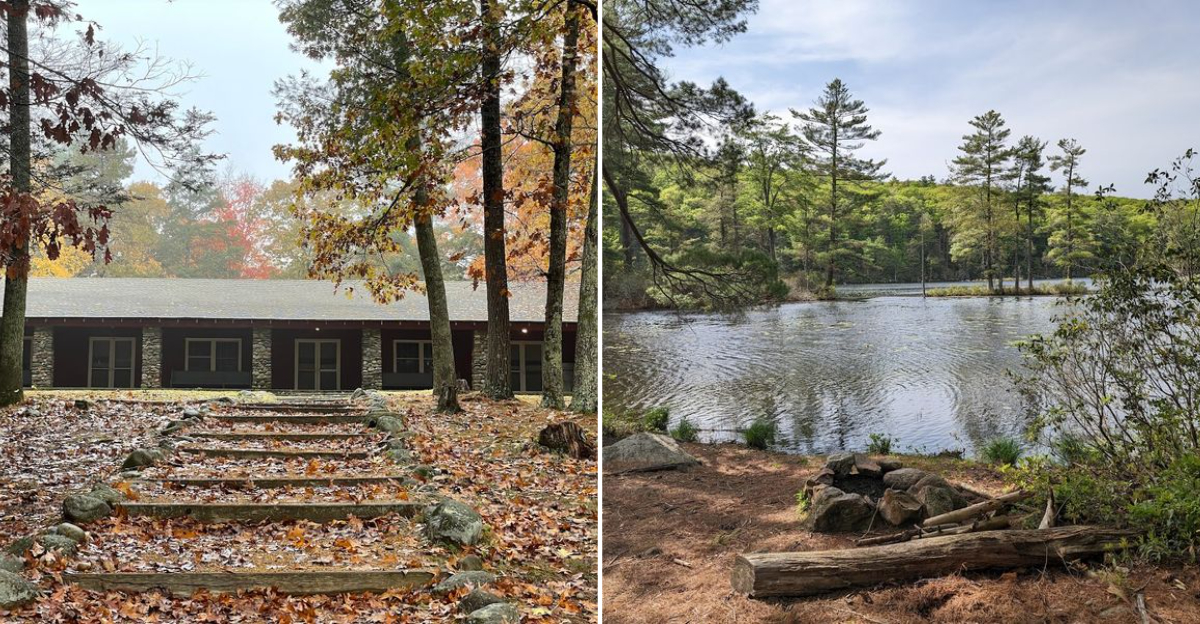
Tiny towns with outsized secrets have a way of looking completely ordinary from the road. This Connecticut community perfected that disguise across generations of successful misdirection.
The past here never made it into standard accounts or roadside markers. It survived through the particular oral tradition that only exists around things nobody officially documented.
Locals who know the full story share it carefully, watching for the moment curiosity shifts to genuine disbelief. That moment arrives faster than anyone expects.
A town this small holding a mystery this persistent earned something larger places rarely manage. The secret has only grown more interesting with every year that passed without a satisfying explanation.
Historic Landmarks And Their Significance
The Union Green Historic District is one of those places that quietly tells a big story. It served as the town’s political, religious, and social center for generations.
Standing there, you can almost feel how much happened on that small patch of land.
The Old Town Hall, built in 1847, is now home to the Union Historical Society. It is a modest building, but what it holds inside matters far more than its size.
Records, artifacts, and memories of a community that refused to disappear fill its rooms.
The Congregational Church, erected around 1841, features a striking Gothic lancet window that catches your eye immediately. That window alone makes the building stand out in a town this small.
The church is still a meaningful part of community life today.
A Civil War monument stands on the Green, and this one is different from most. It specifically honors the mothers who gave their sons to the war effort.
The monument lists 66 men from the Union who served, which is remarkable for such a small population.
Visiting the Green gives you a real sense of what Union values most: remembrance, community, and quiet dignity. The address is Union, Connecticut.
Every landmark here earned its place in the town’s story honestly.
Local Legends And Folklore Explored
Union has ghost stories, and they are genuinely interesting ones. The legend of the Phantom Guide is one that locals have passed down for a long time.
The story follows a mysterious figure said to lead lost travelers through the dense woods at night.
Then there are the tales known as Fires in the Hollow. Strange lights reportedly appeared in low-lying forested areas, baffling anyone who witnessed them.
No official explanation was ever recorded, which only made the stories grow.
A small Revolutionary War cemetery at Camp Pomperaug adds another layer to the folklore. Local tradition holds that the site is haunted by soldiers who never made it home.
Whether you believe that or not, walking near it at dusk is genuinely unsettling.
These legends are not just spooky entertainment. They reveal how isolated and self-contained the Union really was for much of its history.
When a town is surrounded by thick forest and far from major roads, the imagination fills in the gaps.
What makes Union’s folklore special is how naturally it fits the landscape. The forests here are dense and old.
The hollow areas fill with fog on cool mornings. You do not need much imagination to understand why these stories started and why they stuck around as long as they have.
Early Settlers And Community Roots
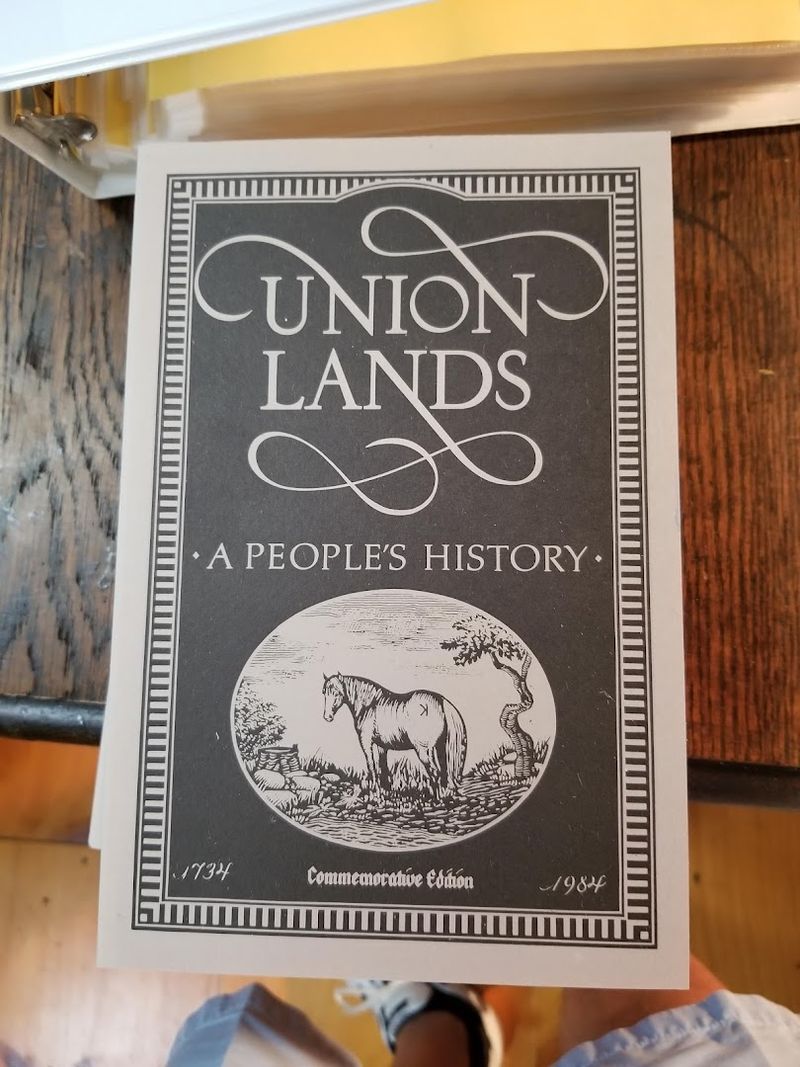
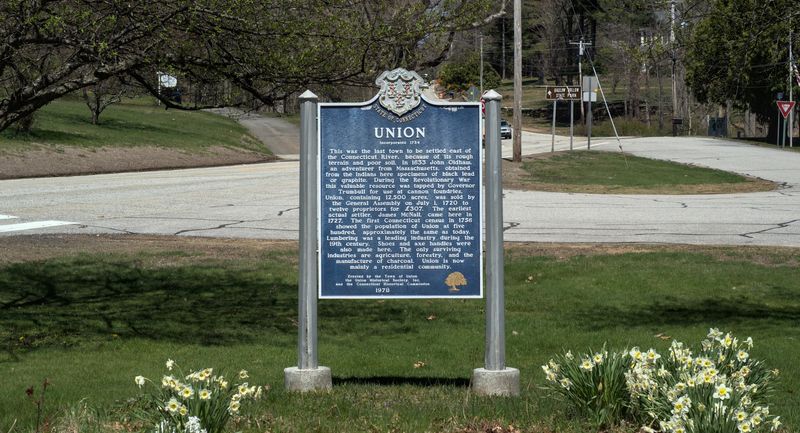
Union was incorporated in 1734, making it the last town settled east of the Connecticut River. That detail alone says a lot about how remote and challenging this land was.
Settlers did not rush here. They arrived carefully and slowly.
James McNall, an immigrant from Ireland, is recognized as the first European settler in Union. He arrived around 1727 and began carving out a life in the wilderness.
That took real determination, considering the terrain he was working with.
Before any European set foot here, the Nipmuck tribe called this land home. They knew the forests, the waterways, and the seasonal rhythms of the region.
Their presence shaped the landscape long before any town boundaries were drawn.
The name Union itself is believed to reflect the joining of leftover land sections from neighboring towns. It was essentially assembled from parcels that other communities did not claim.
That origin story is oddly fitting for a town that has always done things its own way.
Community roots here run deep and practical. Early residents depended on each other in ways that modern towns rarely experience.
Farming, logging, and shared labor defined daily life. The bonds formed during those early years gave Union a quiet resilience that still defines the town’s character today.
Architectural Styles From Past Centuries
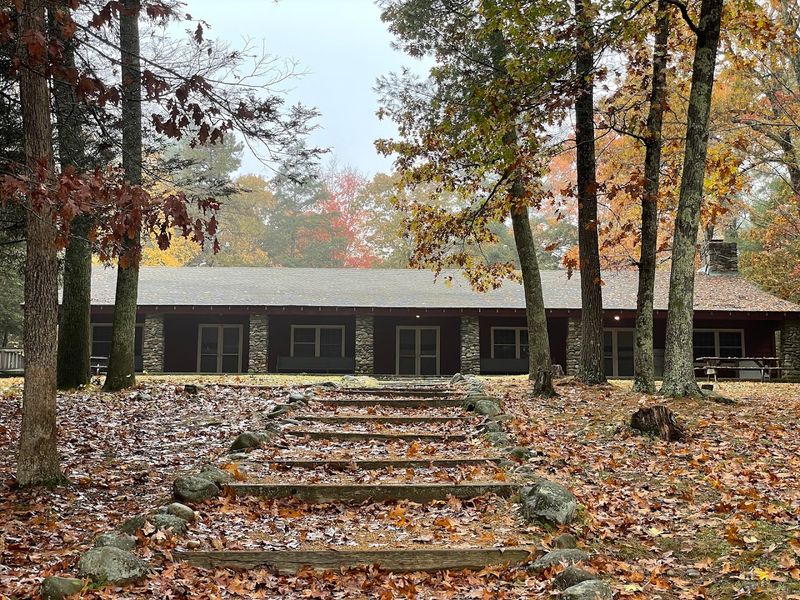
Union’s architecture is not flashy, and that is exactly what makes it fascinating. The Old Town Hall, dating to 1847, is a prime example of vernacular clapboard construction.
It was built to be functional, not decorative, and that honesty shows in every board.
Compare it to grander town halls in larger Connecticut cities, and the difference is immediately clear. Union’s version skips the ornamental details entirely.
What remains is a straightforward, sturdy structure that has outlasted generations of residents.
The Congregational Church, built in 1841, brings a bit more visual interest to the mix. Its Gothic lancet window is an unexpected detail for such a rural setting.
The classical belfry adds another layer of architectural contrast that keeps the building visually engaging.
Ezra Horton’s house, constructed in 1759, reflects the residential building styles of early colonial Connecticut. The proportions are simple, and the materials were sourced locally.
Buildings like this were designed to survive harsh winters, not to impress visitors.
What ties Union’s architecture together is a consistent commitment to practicality. Every structure here was built with purpose and limited resources.
That restraint created a visual consistency across the town that feels honest and grounded. Walking past these buildings today, you get a clear picture of what life demanded from the people who built them.
Natural Features Shaping The Town Identity
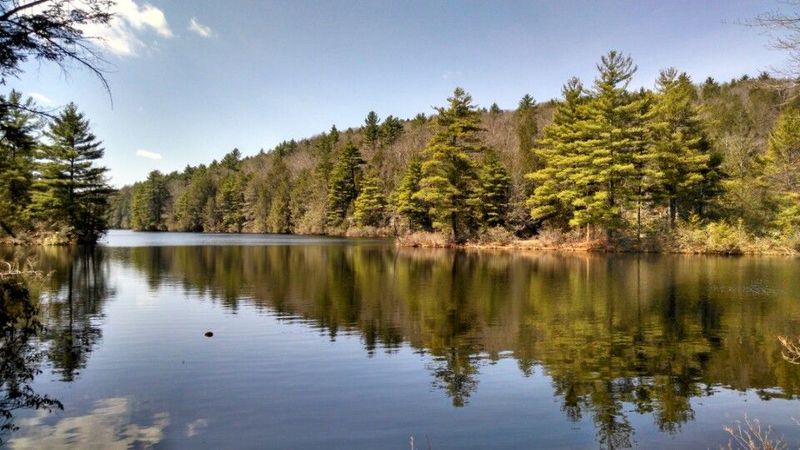
Union sits at the highest elevation in Connecticut east of the Connecticut River. That geographic fact shapes almost everything about the town.
The air feels different here, the forest is denser, and the weather can surprise you.
About one-third of the town is protected state park and forest land. That is an enormous percentage for any municipality.
It means development has been limited and nature has remained in charge of most of the landscape.
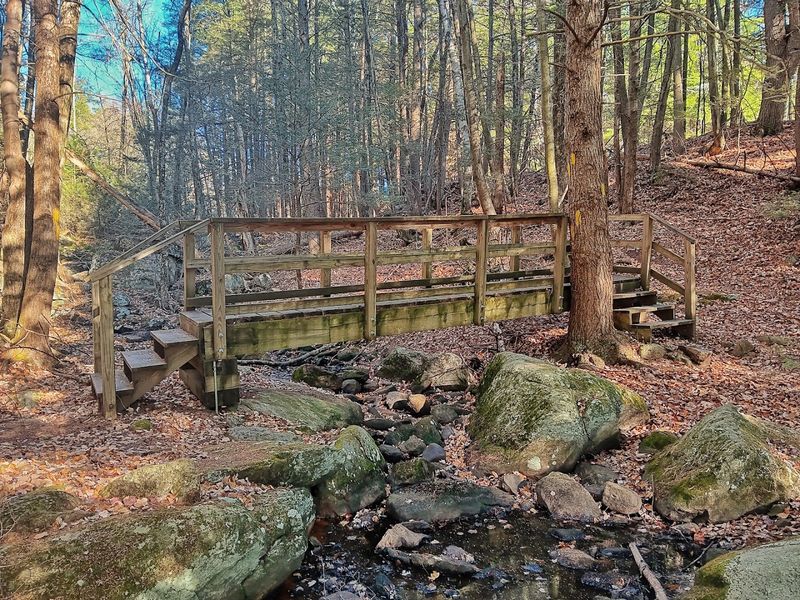
Bigelow Hollow State Park is the crown jewel of Union’s natural offerings. The park features trails, ponds, and woodland scenery that draw hikers and nature lovers from across the region.
It is genuinely beautiful without trying to be anything more than itself.
Nipmuck State Forest adds even more protected acreage to the mix. Together with Bigelow Hollow, it creates a continuous stretch of wild land that feels rare in a state as developed as Connecticut.
Mashapaug Lake provides a prominent water feature that anchors the town’s recreational identity.
Wildlife here is not just deer and squirrels. Moose, black bears, and bald eagles have all been spotted within town limits.
That wildlife diversity is a direct result of the protected land surrounding Union. The natural world here is not a backdrop.
It is the main character in Union’s ongoing story.
Cultural Traditions Preserved Over Time
Union is one of those rare places where old traditions actually survived modernization. Agriculture and forestry remain the backbone of daily life here.
That is not nostalgia. It is just how the town continues to operate.
The annual Old Home Day celebration is the cultural highlight of the year for Union residents. Held at the Pavilion in the Grove, it brings the community together in a genuinely warm way.
A barbecue and evening dance round out the festivities every year.
Old Home Day is not a tourist event. It exists for the people who live there and the families who grew up there.
That distinction matters because it keeps the tradition authentic rather than performative. Locals show up because they want to, not because it is on a travel itinerary.
The Union Historical Society plays a quiet but important role in preserving the town’s identity. It maintains records, artifacts, and stories that would otherwise disappear.
Their work ensures that future generations have access to Union’s layered and sometimes surprising history.
Rural character is not an accident in Union. It is actively maintained through community choices and land preservation efforts.
The town has resisted pressure to develop in ways that would erase what makes it distinct. That commitment to staying true to its roots is itself a cultural tradition worth recognizing and celebrating.
Important Events That Defined The Area
One of the most surprising chapters in Union’s history started in 1633. Explorer John Oldham received graphite specimens from Native Americans in the region.
That discovery would eventually have real consequences for the American war effort over a century later.
The graphite from Union’s area proved valuable during the Revolutionary War. It was used in cannon foundries, making the material strategically important.
A small town in northeastern Connecticut quietly contributed to American independence through its geology.
Lumbering became the dominant industry during the 19th century. By 1803, Union was operating seven sawmills, one grist mill, and one fulling mill simultaneously.
For a town this small, that level of industrial activity was genuinely impressive.
The mills drew workers and supported families throughout the region. Timber from Union’s forests fed construction projects across New England.
The town’s elevation and forested terrain made it a natural fit for this kind of industry.
The Civil War monument on the Green was formally dedicated in 1902. It stands as a permanent reminder of how deeply the conflict touched even the smallest communities.
Sixty-six men from a town of only a few hundred people served in that war. Events like these do not just define a place historically.
They shape the emotional identity of a community for generations afterward.
Archaeological Finds And Their Interpretations
Archaeological information specific to Union, Connecticut, is not widely documented in public records. That absence is itself telling.
Small towns with low populations rarely attract large-scale archaeological surveys or funding for major digs.
However, the presence of the Nipmuck tribe before European settlement strongly suggests that significant cultural artifacts exist beneath Union’s soil. The Nipmuck were established inhabitants of this region for centuries.
Their tools, campsites, and trade routes left physical traces that time has not fully erased.
The Revolutionary War cemetery at Camp Pomperaug is one site that likely holds historical material worth studying. Military encampments from that era often yield buttons, buckles, and other personal items during formal excavations.
No large-scale dig at this location has been publicly reported yet.
Stone walls crossing Union’s forests are another form of physical evidence left behind by early settlers. These walls marked property boundaries and livestock enclosures in the 18th and 19th centuries.
They are not dramatic finds, but they are real and readable records of how the land was once used.
The lack of formal archaeological study in Union is actually an opportunity. There is almost certainly more history buried here than has been officially recorded.
Future research could connect the Nipmuck legacy, the colonial period, and the Revolutionary era in ways that would reshape how people understand this small but layered town.