
Few Visitors Ever Learn About The Basque Heritage Of This Nevada Valley Town
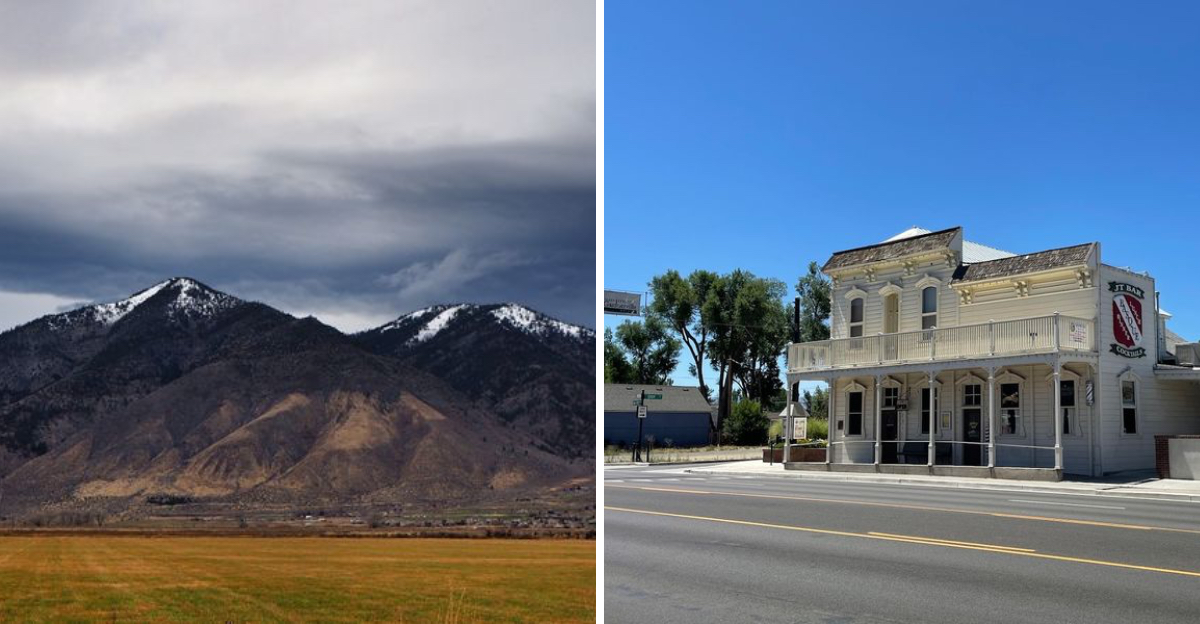
Nevada rarely brags about itself, but this quiet valley absolutely earns the spotlight it deserves. Generations ago, Basque families crossed an entire ocean and planted their language, food and quiet pride into this Nevada valley.
They built long communal tables instead of walls, and strangers still leave every meal feeling like old friends. A festival turns simple wood chopping into a full blown spectacle every single year.
Nearby, a brand new memorial is quietly rising to honor long forgotten heroes. Historic markers line the streets too, each one guarding a small piece of a much bigger story most people never stop to read.
Curious how deep that heritage really runs? Consider this your invitation to slow down, wander a little, and see it all for yourself.
Echoes From The Pyrenees
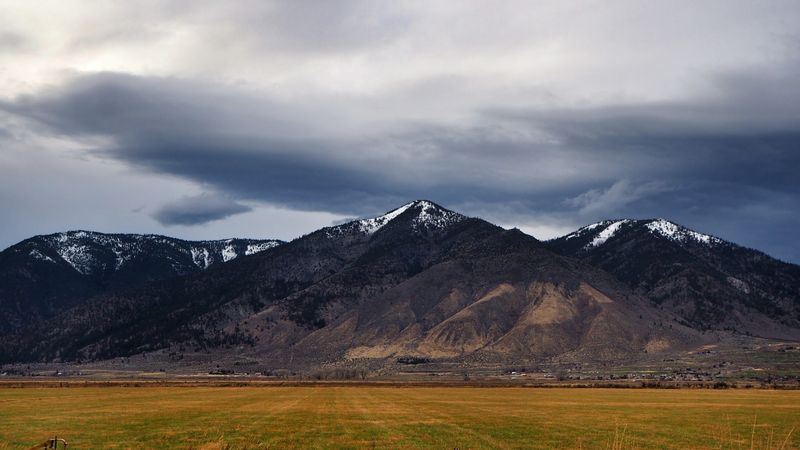
Basque immigrants began arriving in Gardnerville as early as 1898. They came from the mountainous border region between Spain and France, bringing centuries of shepherding knowledge with them.
Nevada’s vast open rangelands offered exactly what they needed.
These early arrivals worked long, solitary days tending thousands of sheep. The high desert terrain was demanding.
But the opportunity for free-range grazing made it worth every difficult season.
What started as labor migration quickly became something deeper. Families followed.
Communities formed. Gardnerville became a vital hub where Basque culture could breathe and grow in an unfamiliar land.
Boarding houses emerged as the backbone of this new community. They offered shelter, familiar food, and a shared language.
For sheepherders returning from months on the range, these places were more than lodging. They were lifelines.
The culture that took root here was not a faded imitation of the Old Country. It was something alive, adapted, and fiercely protected by the people who built it.
The Boarding House That Built A Culture
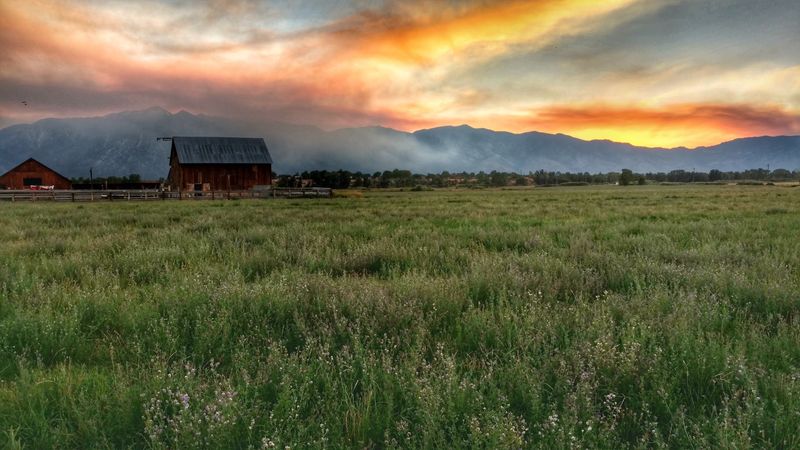
Long before family-style restaurants became a regional attraction, the Basque boarding house was the true center of community life. These establishments served a practical purpose.
They fed and housed sheepherders between jobs on the range.
But they were far more than practical. Inside those walls, traditions were kept alive.
The Basque language was spoken freely. Songs were sung.
Stories from the Pyrenees were passed down to children born in Nevada.
The boarding house model was uniquely communal. Long shared tables encouraged conversation.
Meals were generous and served in courses. Strangers became neighbors.
Neighbors became family.
Over time, these houses evolved. Some transformed into the renowned dining establishments that Gardnerville is known for today.
The transition was natural. Hospitality had always been at the heart of Basque culture.
What changed was simply the audience. The doors opened wider, welcoming outsiders into a tradition that had once been quietly self-contained.
That openness became the town’s greatest cultural gift.
J.T. Basque Bar And Dining Room
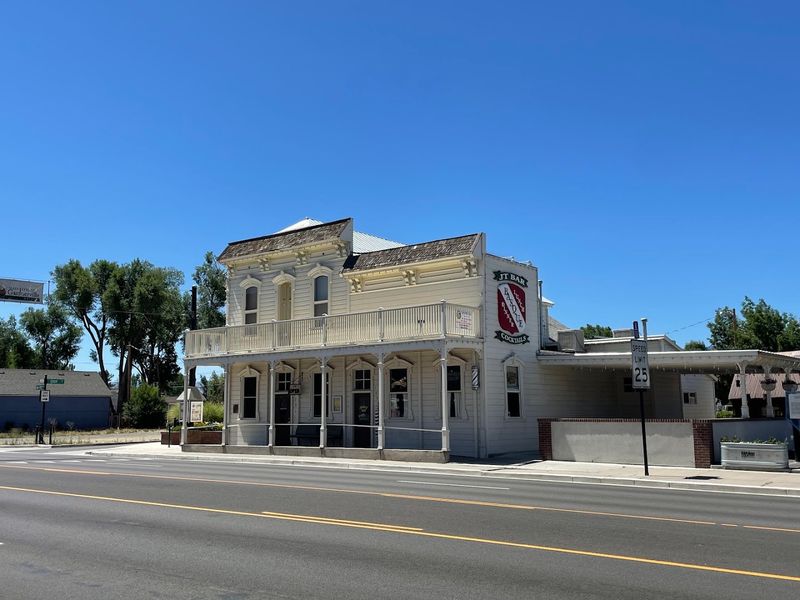
Few restaurants in Nevada carry the kind of history that J.T. Basque Bar and Dining Room holds.
The original building was relocated from Virginia City in 1896. The Lekumberry family has owned and operated it since 1960, keeping its traditions firmly intact.
Located at 1426 US 395, Gardnerville, Nevada 89410, the restaurant has become a landmark. It draws locals and curious travelers alike.
The multi-course, family-style meals are the main event. Generous portions arrive in waves, and the communal atmosphere is part of the appeal.
The Lekumberry family even raises beef locally to supply the kitchen. That commitment to fresh, regional ingredients sets the restaurant apart.
Every plate reflects a genuine connection to the land and the culture.
For over a decade, the restaurant has been voted Best Basque Restaurant in Carson Valley. That kind of consistency does not happen by accident.
It happens when a family treats every meal as a matter of cultural pride rather than simple commerce.
What A Basque Meal Actually Looks Like
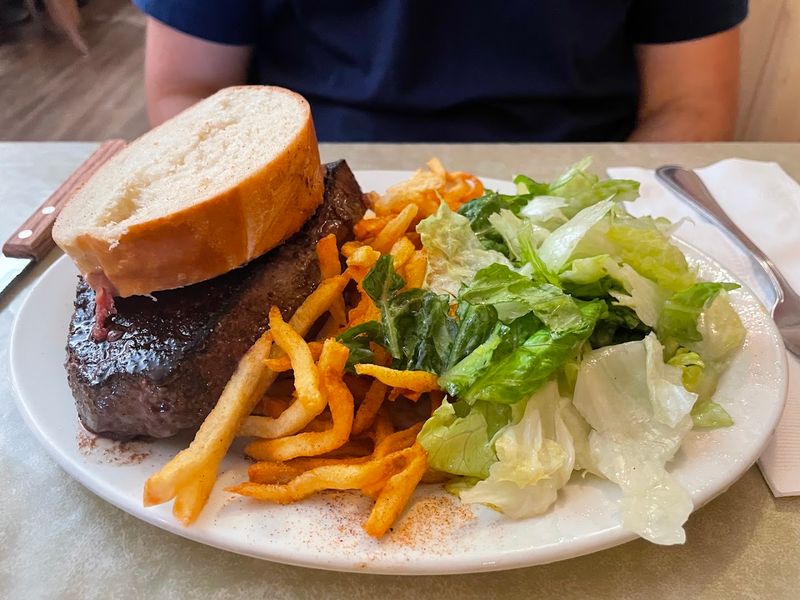
Ordering a single dish is not how Basque dining works. The meal arrives in courses, and it keeps coming.
Soup leads the way, followed by fresh salad and hearty beans. A rich stew course follows close behind.
Then come the crispy French fries, a beloved staple that surprises first-timers. The main entree arrives after that.
Lamb shoulder steak, top sirloin, and Basque chicken are popular choices. More adventurous diners can try sweetbreads, pigs feet, or tripe.
The portions are not subtle. Neither is the warmth of the experience.
Long communal tables encourage conversation between strangers. By the end of the meal, the table feels less like a restaurant and more like a gathering of old friends.
Dessert is simple and satisfying. Coffee and ice cream close the feast.
The whole ritual is less about eating and more about belonging. Basque dining culture has always understood that food is just the vehicle.
The real destination is connection, community, and a table worth lingering at.
The Mendiko Euskaldun Cluba Keeps It All Going
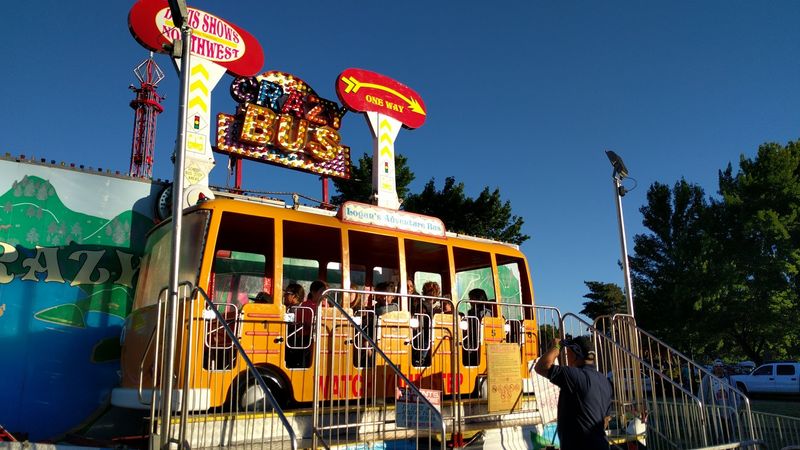
Cultural heritage does not preserve itself. It takes people who care deeply and work consistently.
The Mendiko Euskaldun Cluba has been doing exactly that since its founding in 1981. With around 300 members, it serves as the organizational heartbeat of Basque life in Gardnerville.
The club organizes festivals, promotes traditional music, and keeps ancient sports alive. It also functions as a social anchor for community members who want to stay connected to their roots.
Membership spans multiple generations.
Annual events draw participants from across Nevada and beyond. These gatherings are not museum pieces.
They are living celebrations. Traditional dances are performed with energy.
Songs are sung in the Basque language. The atmosphere is festive and genuine.
The club also serves an educational function. Younger generations learn what their grandparents carried across an ocean.
That transmission of knowledge is not guaranteed anywhere. It requires deliberate effort and community investment.
The Mendiko Euskaldun Cluba makes that investment year after year, ensuring the culture does not quietly disappear into the high desert air.
The August Picnic Worth Planning Around
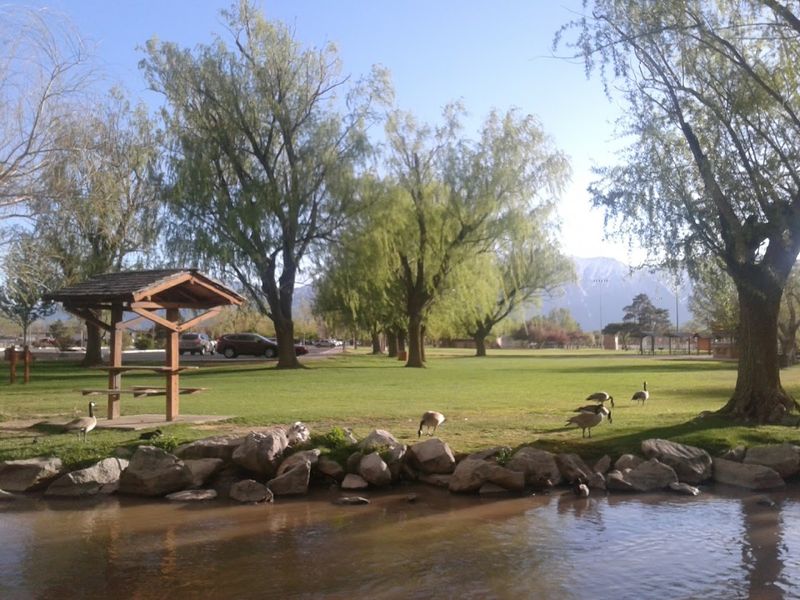
Every second Saturday of August, something special takes over Carson Valley. The Gardnerville Basque Picnic draws hundreds of visitors and locals together for a full day of culture, competition, and community.
It is one of the most authentic cultural events in Nevada.
Wood chopping competitions are a highlight. Competitors swing axes with precision and raw power.
The crowds respond loudly. Traditional Basque music fills the air between events.
Dancers in white clothing perform with practiced grace.
A festive parade adds color and movement to the day. A generous barbecue keeps everyone fed and happy.
The whole event has a relaxed, joyful energy that is hard to manufacture and impossible to fake.
The white clothing tradition carries a playful edge. Stains earned during the celebration are worn proudly, treated as proof of full participation.
First-time visitors often arrive unsure what to expect. They tend to leave with a much clearer picture of what Basque pride looks like in practice, and a strong desire to come back next year.
A National Memorial Finds Its Home Here
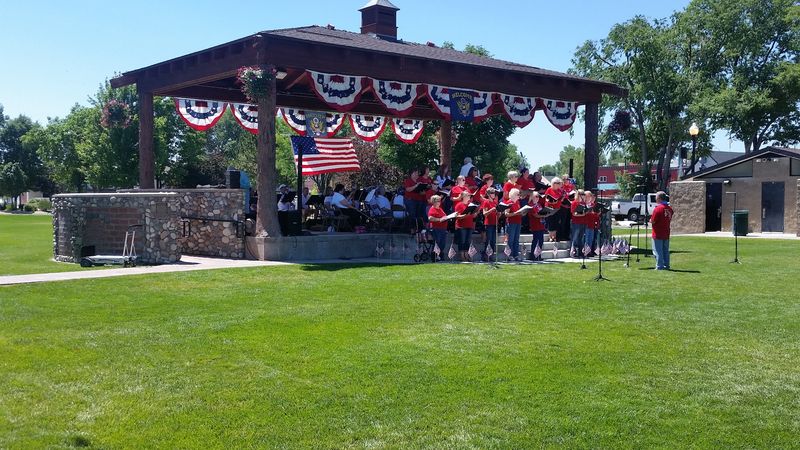
Gardnerville was chosen as the site for the National Basque World War II Veterans Memorial. That choice was not random.
The town’s deep historical ties to Basque culture made it the most fitting location in the country for this kind of tribute.
The memorial is a project of North American Basque Organizations, Inc. It will be the first national monument exclusively honoring Basque-American veterans of World War II. The planned location is Heritage Park, right in the heart of the community.
The conceptual design carries a meaningful name. Titled “Bizi leku,” which translates to “The Place to Live” in the Basque language, it centers on themes of migration, settlement, and belonging.
Completion of the design is expected by the end of 2026.
Gardnerville itself has direct connections to the veterans being honored. Three brothers of Basque descent from the local area served in World War II and became highly decorated servicemen.
Their names will be permanently engraved on the memorial, ensuring their stories outlast anyone who remembers them personally.
Main Street And The Markers That Tell The Story
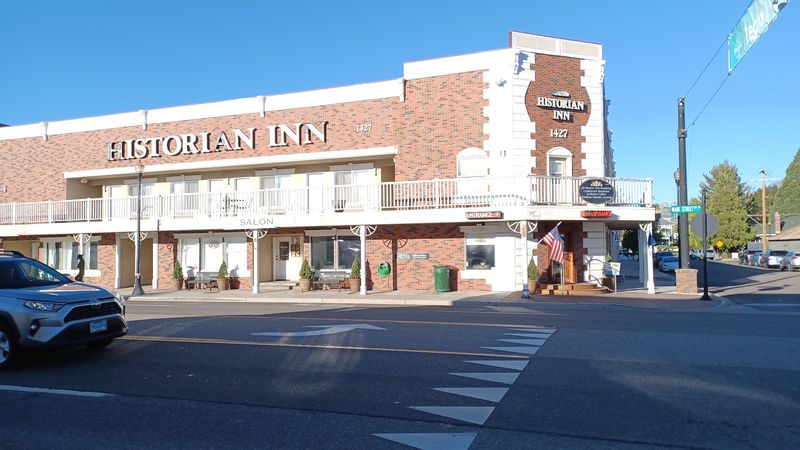
Gardnerville carries a distinction that most visitors overlook entirely. It was the first community in Nevada to earn the Main Street designation, a recognition tied to downtown revitalization and preservation of local character.
That is not a small achievement for a town of its size.
Walking along Main Street reveals layers of history. Historical marker plaques are placed at key locations.
Each one tells a piece of the town’s broader story, from its early days as a freight stop to its growth as a commercial center by 1899.
The street reflects a community that takes its past seriously without turning it into a theme park. Businesses operate alongside preserved buildings.
The balance feels natural rather than forced.
Gardnerville once served as a critical feed stop for freight teams traveling to mining camps like Bodie. That role shaped its early economy and its sense of purpose.
The town grew because it was useful. It endures because it chose to remember what made it worth stopping in the first place.
Carson Valley Museum And The Bigger Picture
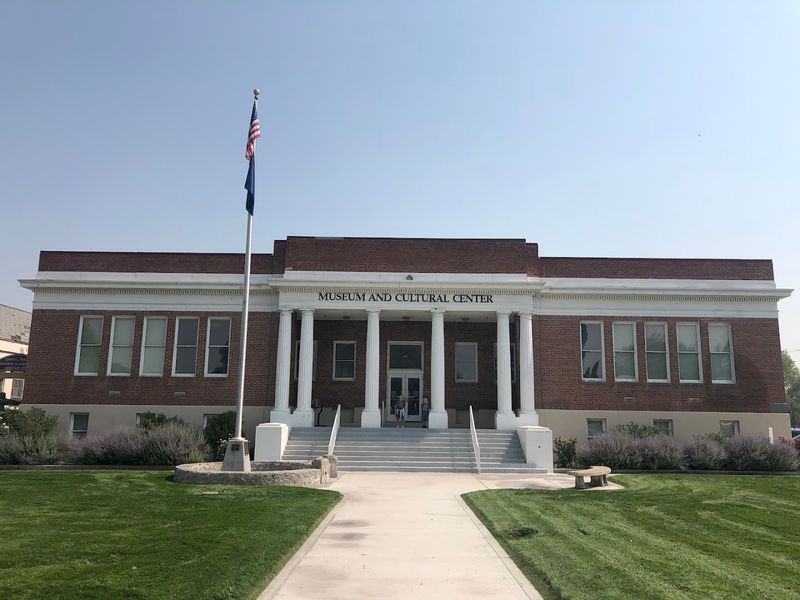
The Basque story is the most compelling thread in Gardnerville’s history, but it is not the only one. The Carson Valley Museum and Cultural Center offers a broader look at the region’s past.
It provides context that helps visitors understand how the Basque community fits into a larger narrative.
The museum covers the full sweep of Carson Valley history. Indigenous heritage, early settlement, agricultural development, and the growth of Douglas County all receive attention.
The exhibits are approachable and well-organized.
For visitors who arrive in Gardnerville curious about the Basque connection, the museum is a natural next step after a meal at one of the historic restaurants. It fills in the background story with detail and care.
Nevada has many towns that claim a colorful past. What makes Gardnerville different is that its history is still active.
The culture is not behind glass. It is in the restaurants, the clubs, the festivals, and the families who have lived here for generations.
The museum simply helps newcomers catch up on what the locals already know by heart.