
The Best Tomatoes In South Carolina Are Said To Come From This Saturday Morning Market
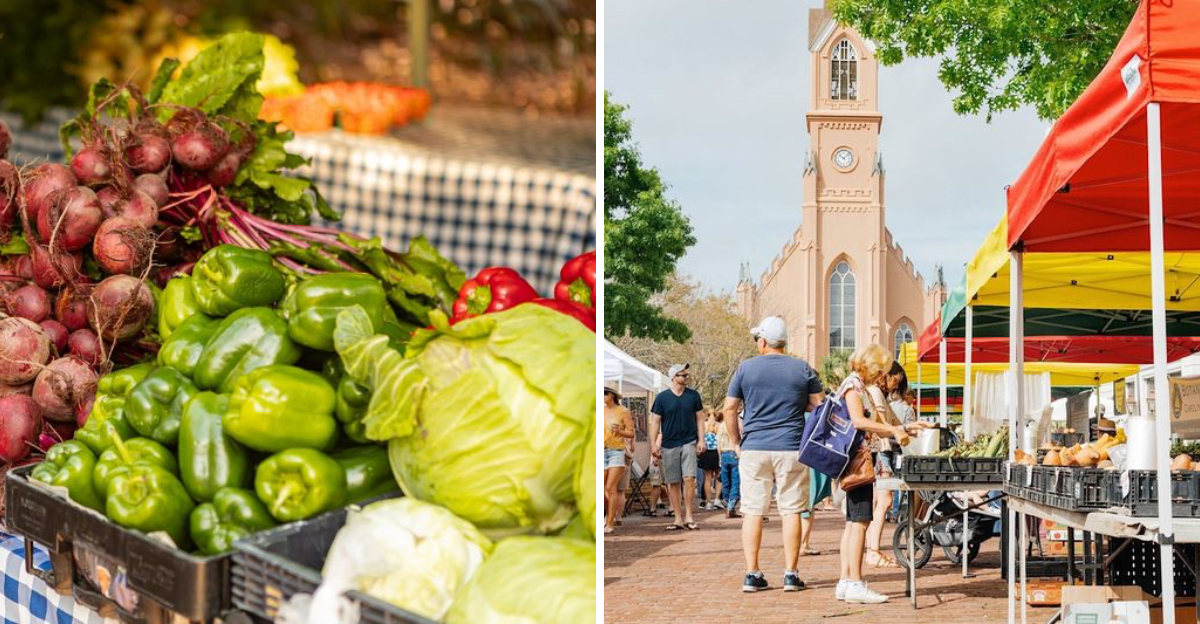
Tomato season hits different when the fruit comes straight from Lowcountry soil. One Saturday morning market in South Carolina has built its whole reputation on it.
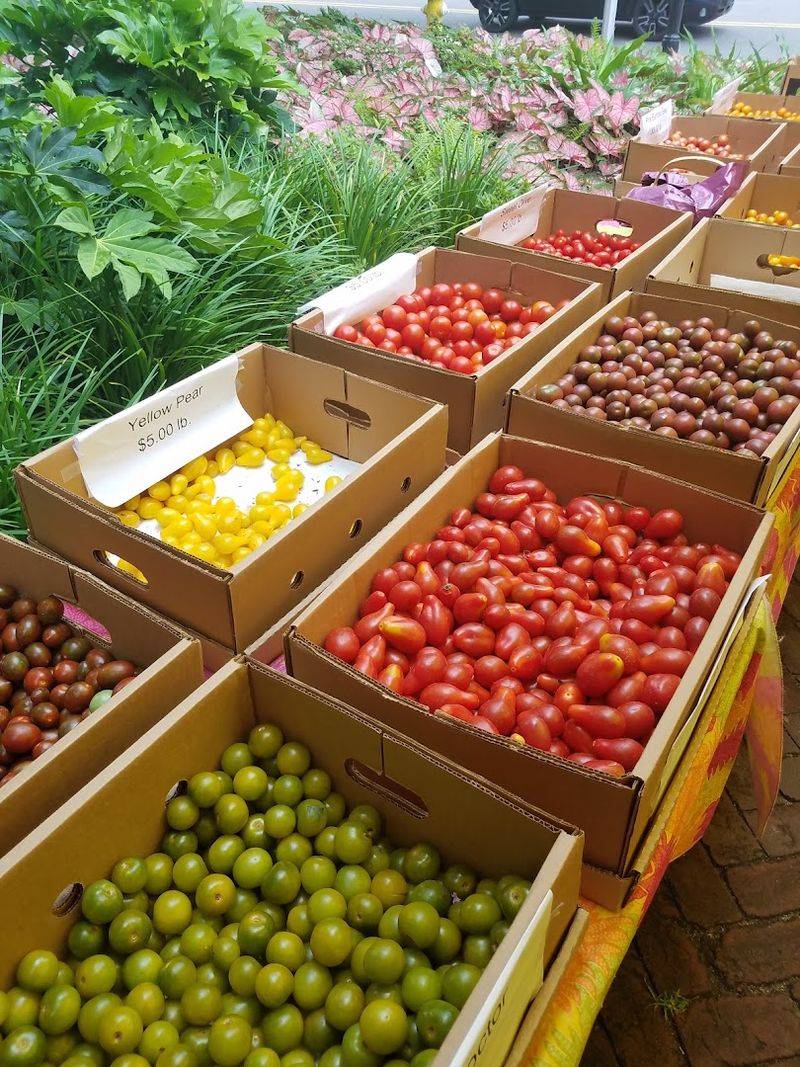
Vendors line a shaded, historic square with baskets of Cherokee purples and chocolate heirlooms. Shoppers show up early to claim the best ones before they disappear.
Locals treat the ritual like a mission, comparing color and weight before choosing. But produce is only half the story here.
Something historic waits just beyond the last vendor stall, and the morning only gets more interesting the longer you stay. Coffee and live music keep pulling you toward one more stop.
South Carolina rarely hands over its best-kept traditions this easily. Grab a bag, bring your appetite, and let a Saturday morning show you exactly why.
The Heartbeat Of Marion Square
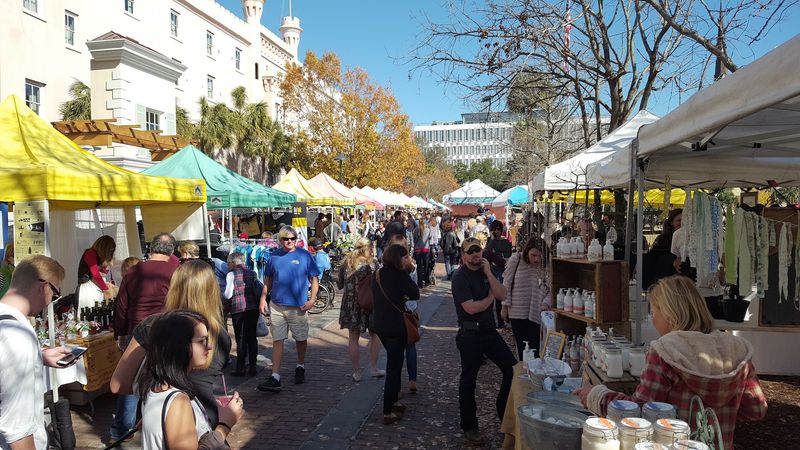
Marion Square does not just host a farmers market. It becomes one.
Every Saturday, this ten-acre historic park in Charleston transforms from a peaceful green space into a buzzing, colorful outdoor celebration.
Vendors arrange their stalls across the open lawn. Shoppers arrive with reusable bags and big appetites.
The air fills with the scent of fresh herbs, baked bread, and strong coffee.
The Charleston Farmers Market has called this square home since 1989. It is produced by the City of Charleston Office of Cultural Affairs, in partnership with the Parks Department.
That institutional support has helped it grow into something genuinely special over the decades.
Marion Square itself carries serious historical weight. The land was conveyed to the colony of South Carolina in 1758.
It once served as a parade ground and later became a public park.
Today it sits at 329 Meeting St, Charleston, SC 29403. It is both a living landmark and a weekly gathering point that locals look forward to all week long.
The Legendary Lowcountry Tomato
Few things spark excitement in South Carolina like the arrival of summer tomato season. Locals get passionate about their tomatoes, and for good reason.
The Lowcountry’s sandy, porous soil and humid coastal air create near-perfect growing conditions.
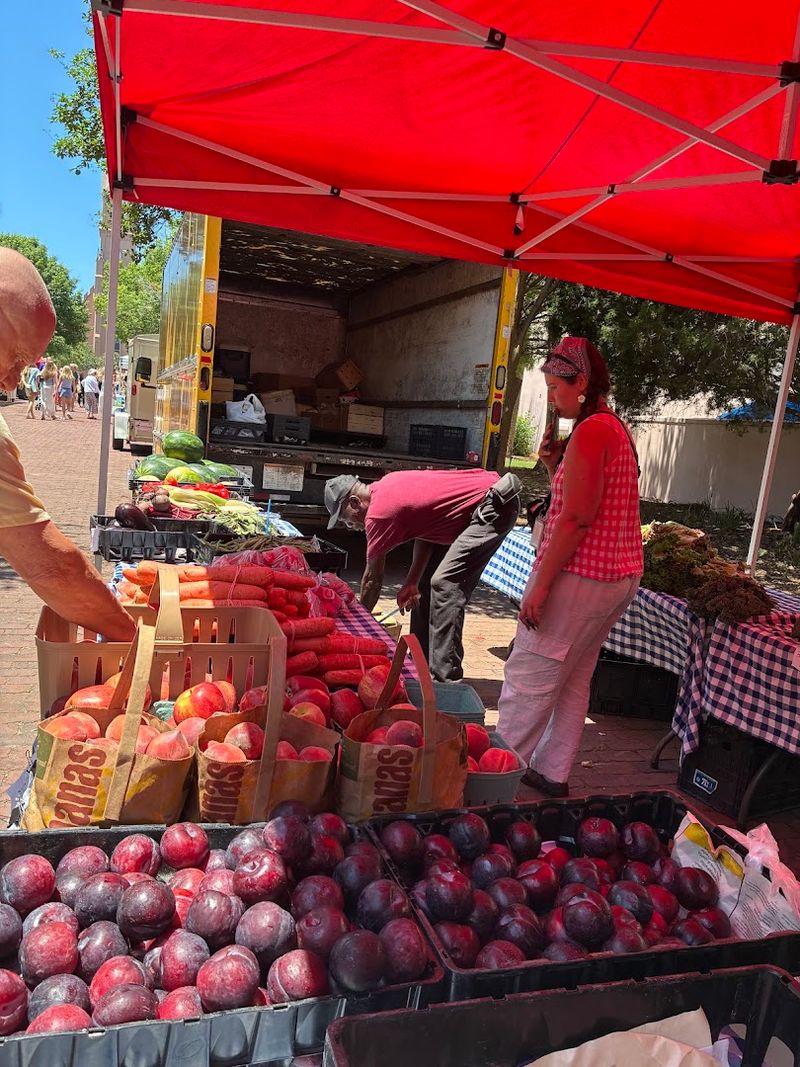
Nearby Johns Island and Wadmalaw Island produce an extraordinary volume of tomatoes each year. Their farms supply the market with varieties that range from classic red beefsteaks to striking heirlooms like Cherokee and chocolate tomatoes.
Some vendors have offered a wide range of organically grown varieties at a single market, from classic reds to striking heirlooms. Shoppers compare weight, color, and fragrance before making their selections, treating the process like a serious mission.
The season typically peaks from June through midsummer, with some fall availability continuing into early autumn depending on the year’s growing conditions.
Many who have tasted these tomatoes say nothing from a supermarket comes close. The combination of local soil, warm temperatures, and short travel time from farm to market makes all the difference.
A Market With Real Awards Behind It
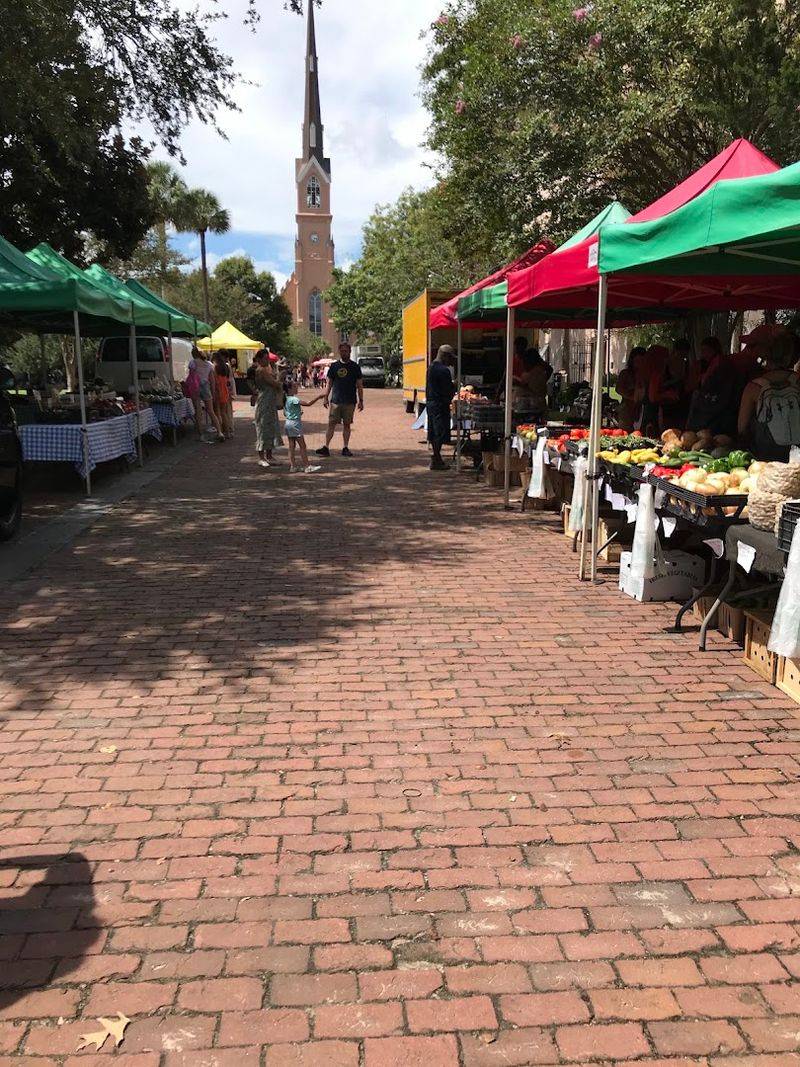
Not every farmers market earns national recognition. This one has.
Travel + Leisure Magazine named the Charleston Farmers Market one of the top ten farmers markets in the country back in 2008. That kind of praise does not fade quickly.
Locally, the recognition has been just as consistent. The Charleston City Paper Readers’ Poll has repeatedly honored it as Best Outdoor Event, Best Attraction, Best Farmers Market, and Best Place to Purchase Local Produce.
Those awards have stacked up since 2013.
It holds a 4.6-star rating from hundreds of visitor reviews. Regulars describe it as the best place to be in Charleston on a Saturday morning.
That sentiment shows up again and again across years of feedback.
What earns that loyalty is not just the products. It is the whole experience.
The setting, the vendors, the live music, and the sense of community all contribute to something that feels worth celebrating.
South Carolina has no shortage of outdoor markets, but few have built this level of sustained recognition and local pride over so many years.
Fresh Produce Beyond The Famous Tomato
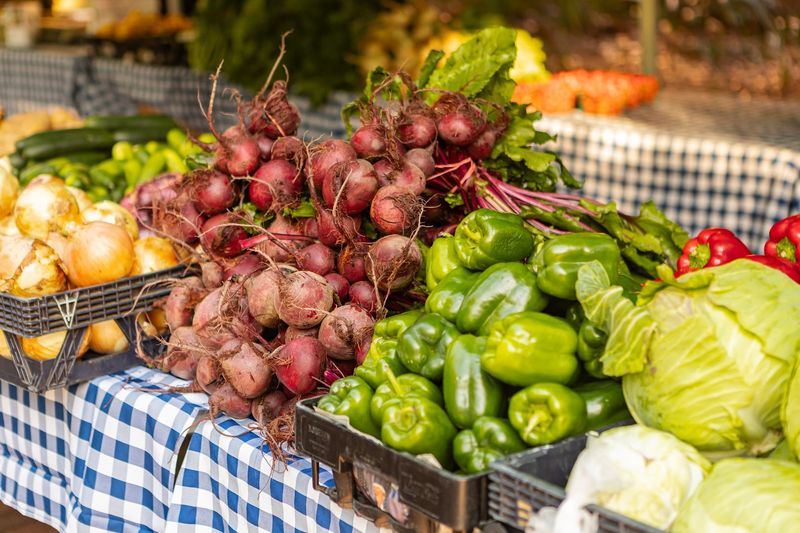
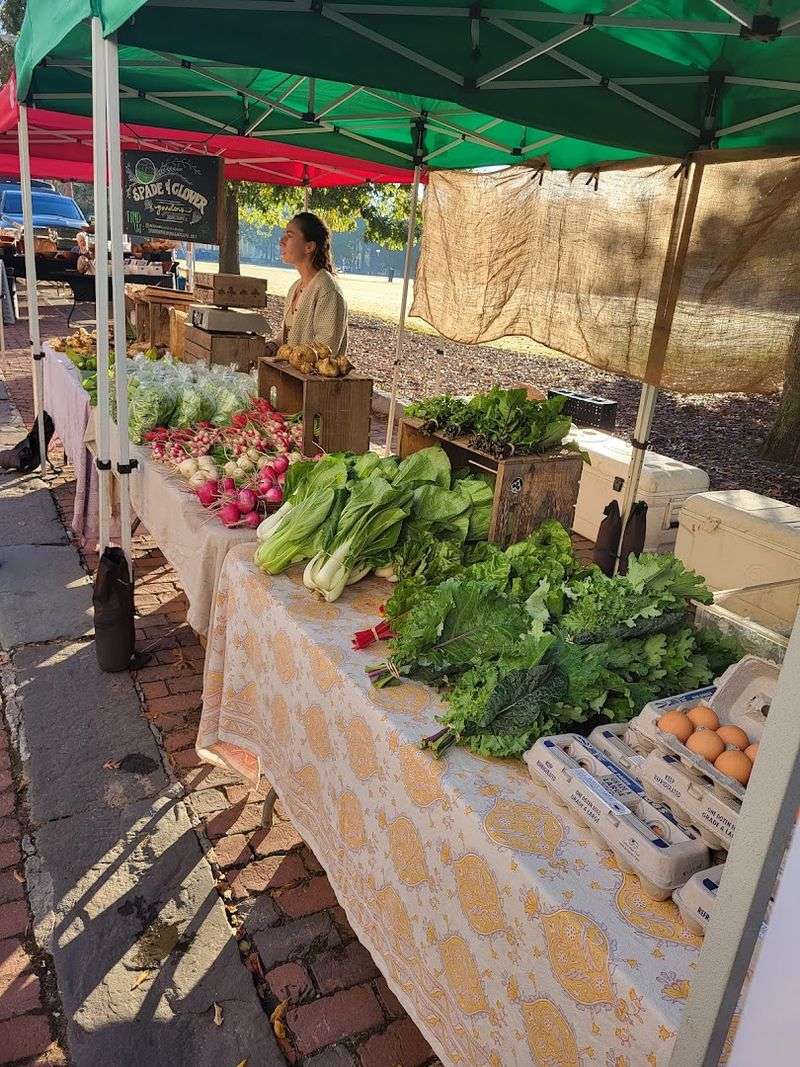
Tomatoes may steal the headlines, but the produce selection at this market runs deep. Summer brings sweet peaches, fresh okra, and vibrant peppers.
Fall shifts the palette toward hearty pumpkins, crisp collard greens, and root vegetables.
Each season delivers a new reason to show up. The market reflects the rhythm of South Carolina’s agricultural calendar in a way that grocery stores simply cannot replicate.
Vendors rotate their offerings based on what is actually growing nearby.
Shoppers who visit regularly develop a feel for the seasons. They know when to expect certain items and plan their Saturday mornings accordingly.
That anticipation is part of what makes the market feel alive rather than routine.
Local honey, fresh eggs, and seasonal herbs also appear regularly. These staples round out the market’s farm-fresh identity and give home cooks plenty of inspiration.
The variety is genuinely impressive for a market of its size. Every visit offers something slightly different, which keeps both longtime regulars and first-time visitors engaged from the first stall to the last.
Artisan Food Vendors Worth The Early Wake-Up
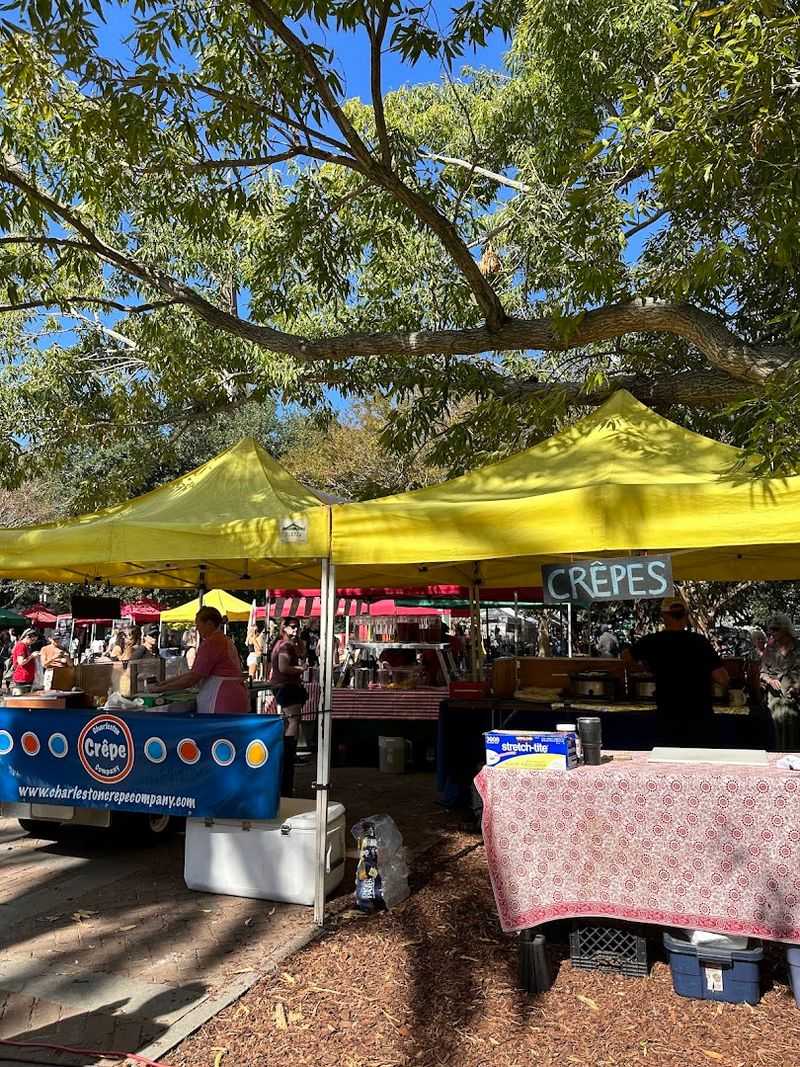
Forget a rushed breakfast at a chain restaurant. Saturday mornings at this market offer something far more satisfying.
Artisan food producers line the square with goods that reward adventurous eaters.
Locally made cheeses sit alongside freshly baked sourdough loaves. Homemade jams, flavored honeys, and cured meats offer rich, layered flavors that feel nothing like mass-produced alternatives.
Each product comes with a story and often a sample.
One vendor gained national attention for its creative flatbread creations. Gourmet coffee carts provide the morning fuel needed to tackle every stall.
Savory crepes, fresh-pressed juices, and biscuit sandwiches round out the breakfast options.
Visitors who arrive hungry tend to leave very happy. The sheer variety of ready-to-eat options makes it easy to graze through the market and discover new favorites along the way.
Spice vendors add another dimension to the culinary landscape. Holy Smoke and Charleston Spice have both earned loyal followings among shoppers who appreciate bold, locally inspired flavors.
This market feeds curiosity as much as appetite.
Handmade Crafts And Local Art
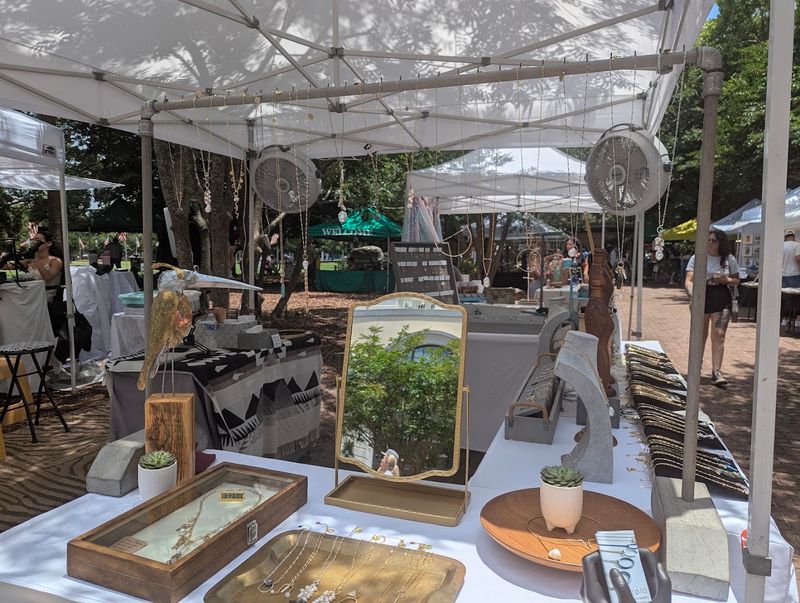
This market is not only about food. It doubles as one of Charleston’s best showcases for local artistic talent.
Skilled makers set up stalls filled with objects that reflect genuine craft and creativity.
Hand-poured candles, original jewelry, leather goods, and intricately thrown pottery fill the rows alongside the food vendors. Handmade wooden bowls have drawn particular admiration from visitors who wish they had bought one on the spot.
Gullah sweetgrass baskets hold a place of cultural honor at the market. Woven by hand using techniques passed down through generations, these baskets represent one of South Carolina’s most significant artistic traditions.
Each piece is both functional and deeply meaningful.
Textile artists, painters, and sculptors also bring their work to Marion Square. The variety ensures that shoppers with different tastes can all find something that speaks to them.
Buying directly from the maker carries a different weight than picking something off a shelf. That direct connection between creator and buyer gives every purchase a layer of meaning that mass-produced souvenirs simply cannot offer.
Live Music And Community Spirit
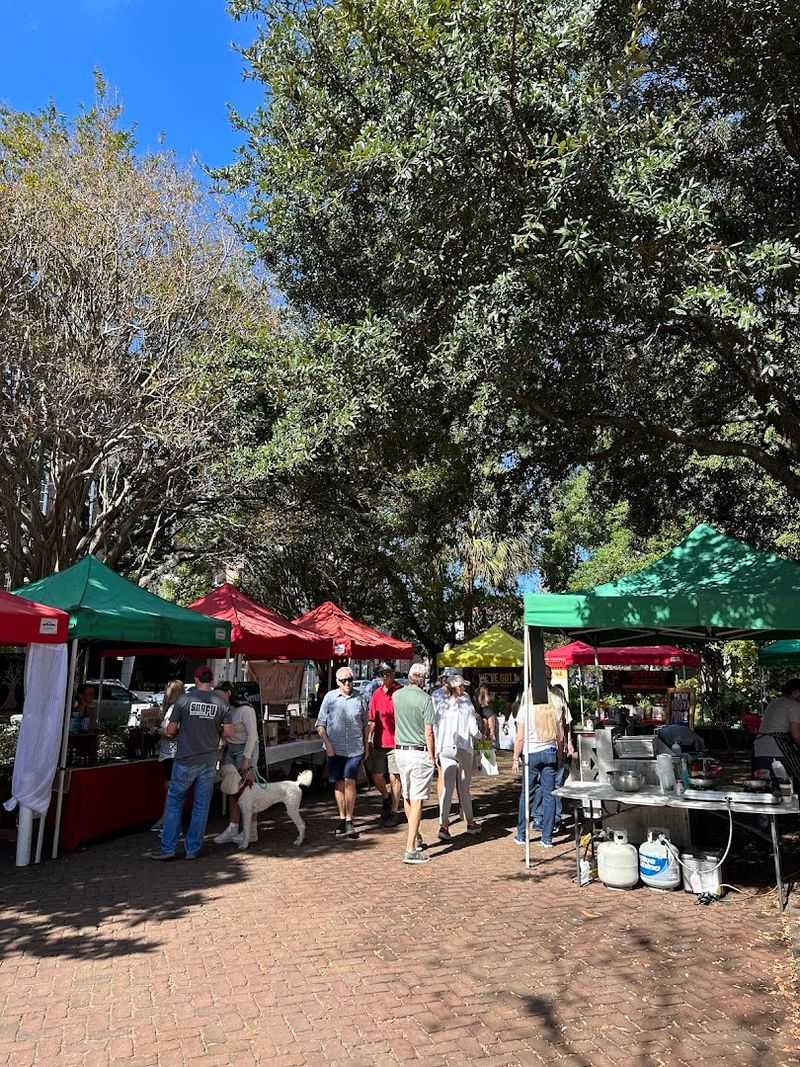
Markets are about more than transactions. At Marion Square, the atmosphere itself becomes part of the draw.
Live music drifts across the square most Saturday mornings, adding a festive layer to the shopping experience.
Street performers and community groups occasionally join the mix. The result is something closer to a neighborhood celebration than a standard outdoor market.
First-time visitors often describe feeling surprised by how lively and welcoming the energy is.
Families arrive with strollers and dogs in tow. Children enjoy the open space and the sounds.
The market has a well-earned reputation as a pet-friendly environment, which adds to its relaxed, inclusive character.
That sense of togetherness is not accidental. It has been cultivated over decades of consistent programming and community investment.
People come back not just for the tomatoes or the bread, but for the feeling the market creates.
On any given Saturday, you might find a bounce house for kids, a live folk duo, and a crowd gathered around a particularly enthusiastic spice vendor. South Carolina community life does not get more authentic than this.
The Historic Square Behind The Market
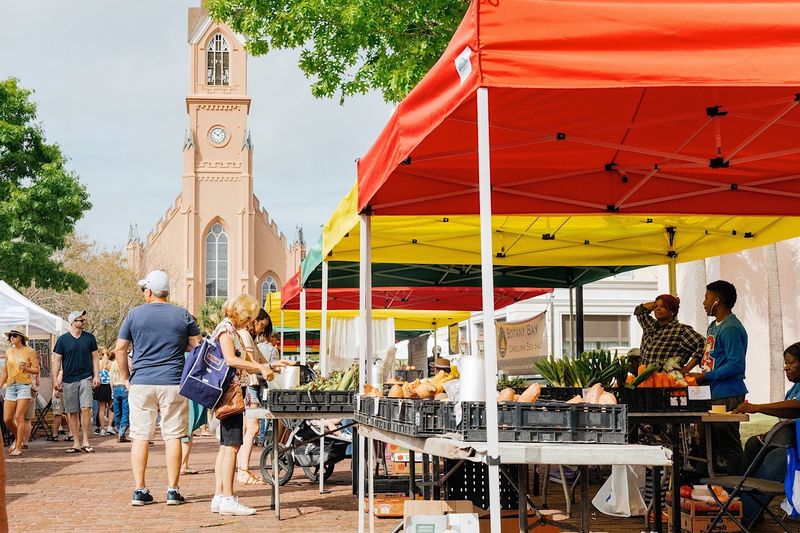
The ground beneath every market stall has a story. Marion Square was conveyed to the colony of South Carolina in 1758.
It once served as the parade ground for the state arsenal from 1843 until 1922, and was previously known as Citadel Green.
Renamed in 1922, the square honors Francis Marion, a celebrated hero of the Revolutionary War. That historical connection gives the space a gravitas that few outdoor markets can claim.
Remnants of the original fortification known as The Hornwork still stand in the square. Several monuments dot the landscape, including the John C.
Calhoun Statue, a bandstand, and a Holocaust Memorial. Each one represents a different chapter of a complex regional history.
Today the square is jointly owned by the Washington Light Infantry and the Sumter Guards. The City of Charleston operates it as a public park under a lease agreement.
The central portion remains open as a parade ground.
Standing in this square on a Saturday morning, surrounded by vendors and history simultaneously, offers a layered experience that few other markets in the country can match.
Tips For Getting The Most Out Of Your Visit
Timing matters at this market. Arriving early in the morning gives shoppers the best selection of fresh produce and the most breathing room before the crowds build.
The atmosphere stays pleasant, but popular items can sell out fast.
Parking in downtown Charleston can be tricky on weekends. Nearby garages offer the most reliable options.
For those staying close to Marion Square, walking or cycling through the historic streets is a far more enjoyable way to arrive.
Most vendors accept credit cards, which makes browsing easy. Carrying some cash is still a smart habit, particularly for smaller purchases or vendors who prefer it.
A reusable bag transforms the experience from casual browsing to serious shopping.
The market runs on Saturdays from April through November. Holiday markets in December expand the schedule to include Sundays as well.
Going hungry is the best strategy. Between the biscuit sandwiches, fresh crepes, gourmet coffee, and seasonal produce samples, the market functions as both a shopping trip and a genuinely satisfying morning meal.
Why This Market Stays Worth Coming Back To
Routine can kill the magic of a market. This one refuses to let that happen.
The rotating seasonal inventory keeps every visit feeling slightly different from the last. Summer tomatoes give way to fall squash, and the artisan lineup shifts as new makers join and others take breaks.
The market’s longevity speaks to its quality. Running continuously since 1989, it has outlasted countless trends and competing attractions in downtown Charleston.
That kind of staying power comes from genuine community investment on both sides of the vendor table.
Visitors from outside South Carolina frequently describe it as one of the most memorable stops on their trip. Locals treat it as a weekly ritual that anchors the weekend.
Both reactions say something important about what this market gets right.
It offers a rare combination of history, flavor, creativity, and human connection in a single outdoor space. The famous tomatoes are a great reason to show up the first time.
Everything else is why people keep returning.
Charleston’s Saturday morning market is not just a place to buy things. It is a place that makes you feel genuinely connected to where you are.